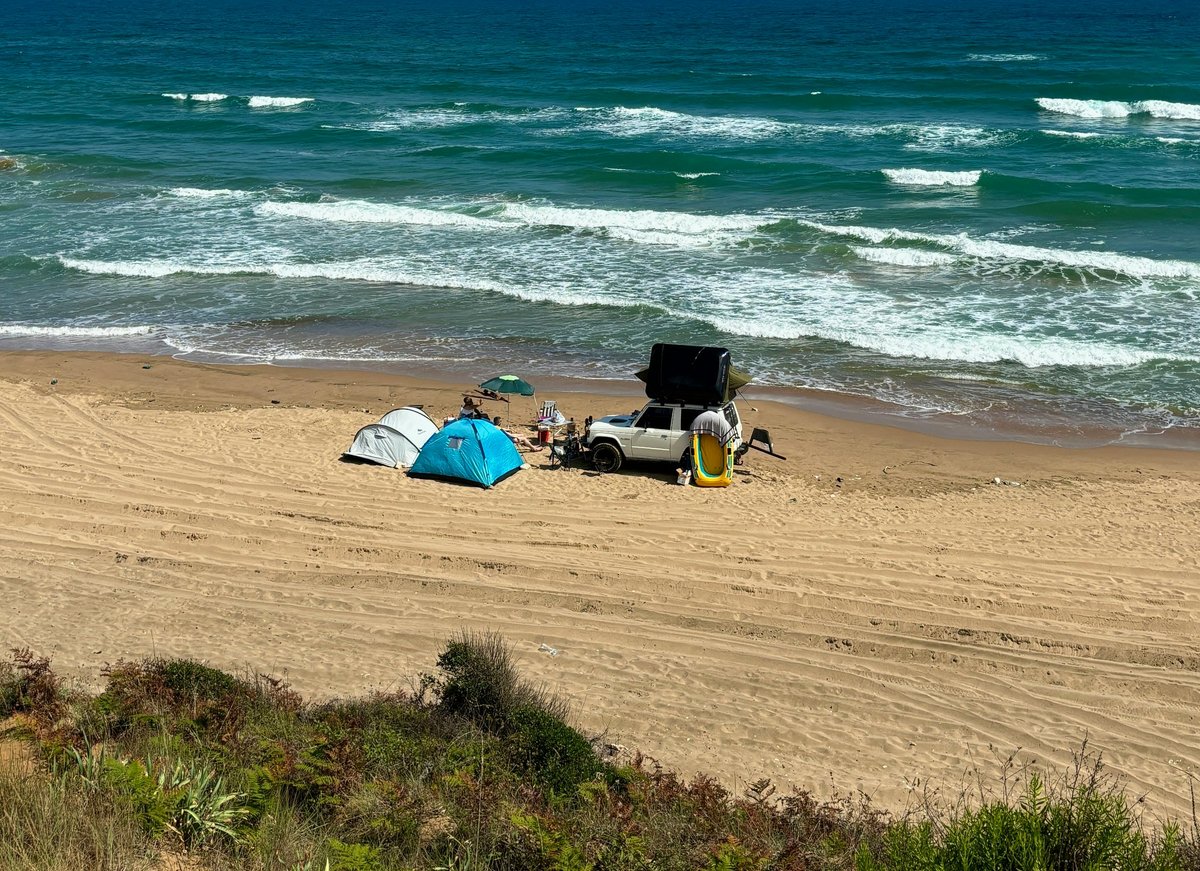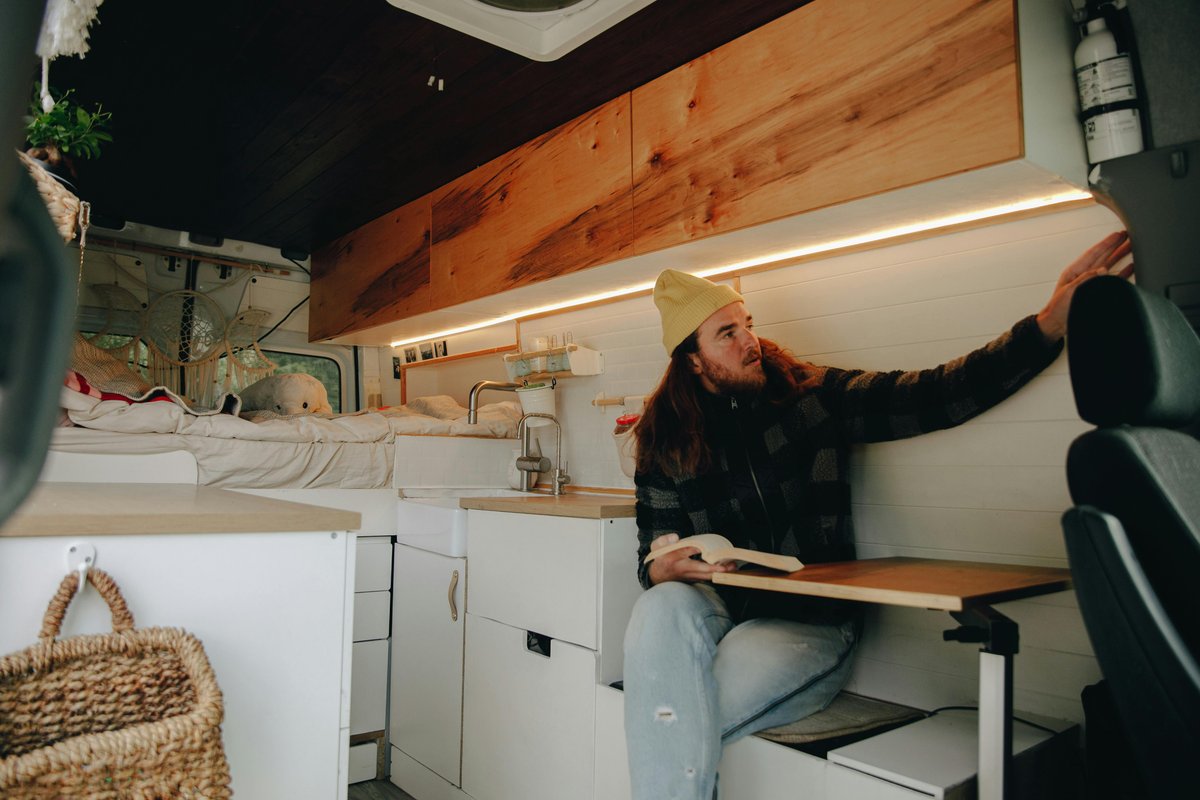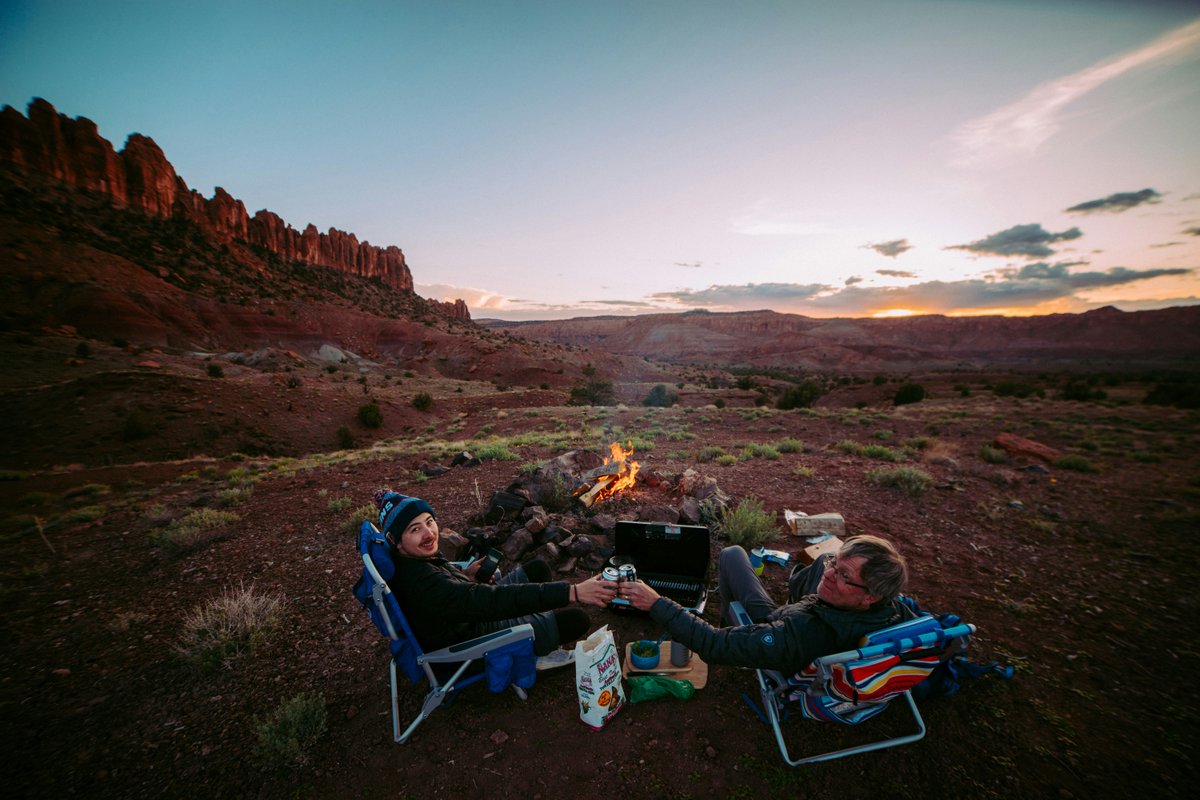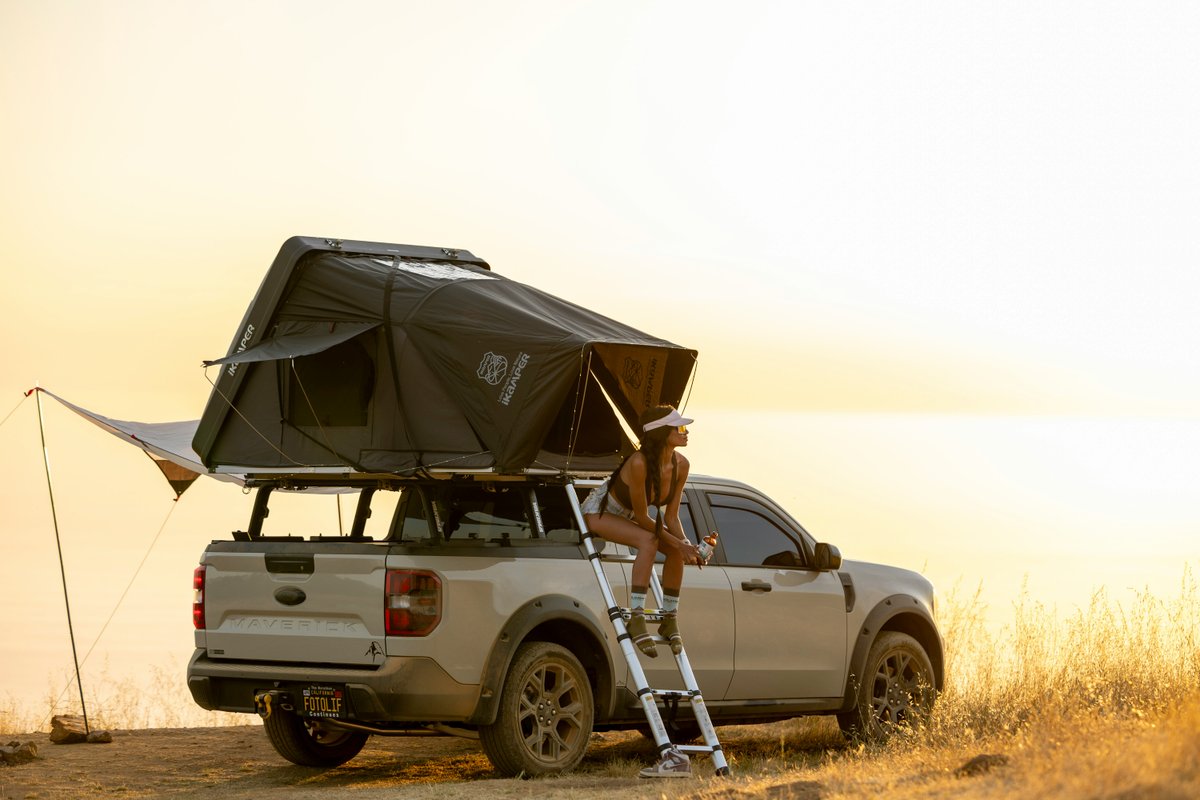
A pickup truck is one of the most versatile camping platforms you can own. With the right setup, your truck bed becomes a dry, elevated sleeping space that costs a fraction of a rooftop tent or camper shell, and you can break it down in minutes when you need the bed for hauling.
This guide walks through every component of a solid truck bed camping rig, from the foundation layer to power and storage. I've tested most of these setups across multiple seasons, and I'll flag where to spend real money versus where to save it.
The overlanding community (including Honda Passport and mid-size SUV owners) has driven a surge in modular, vehicle-based sleep systems. Many of these solutions adapt directly to truck beds, so if you're crossing over from SUV camping, you'll recognize some familiar gear here.
How Do You Turn a Truck Bed Into a Comfortable Campsite?
You build it in layers, starting with the bed surface, then shelter, sleep system, power, and storage. Here's the process broken into clear steps.
Step-by-Step Truck Bed Camping Setup
- Measure your truck bed. Record the length, width between wheel wells, and total width at the tailgate. Short beds (5'5"–5'8"), standard beds (6'4"–6'7"), and long beds (8') each require different tent and platform sizes.
- Choose your base layer. Decide between a bed liner pad, a DIY sleeping platform, or a commercial mattress system (more on this in the next section).
- Select shelter. A truck bed tent, camper shell (topper), or soft topper determines how much headroom and weather protection you get.
- Set up your sleep system. Layer a sleeping pad or mattress with the right bag or quilt for the temps you'll face.
- Install power. Wire a 12V accessory port, add a portable power station, or mount a small solar panel to keep devices charged.
- Organize storage. Use stackable bins, truck bed drawers, or a simple shelf system under a raised platform to keep cooking gear, clothes, and tools accessible without cluttering your sleep space.
- Test it at home first. Spend a night in the driveway before heading to a campground. You'll catch comfort issues and missing gear before they matter.
That last step sounds obvious, but I've watched people discover at 10 p.m. in the backcountry that their sleeping platform is two inches too narrow for their pad. Test everything.
What's Better: A Bed Liner, Sleeping Platform, or Mattress Pad?
A sleeping platform is the best overall choice for most truck campers because it creates a flat, level surface and unlocks storage space underneath. But the right answer depends on how often you camp and what else you use your truck for.
Bed liner pad. This is a foam or rubber mat cut to fit your truck bed's contours. It's the simplest option, cheap (under $80), and you can toss a sleeping pad on top. The downside: truck beds have ridges, wheel wells, and tie-down bumps that create uneven sleeping surfaces, and a thin liner won't fully compensate.
DIY sleeping platform. A plywood platform on a simple 2x4 frame costs $50–$150 in materials and takes an afternoon to build. Raise it 10–12 inches and you gain a massive gear storage area underneath. This is the go-to for overlanders who camp frequently. Sand the edges, seal the wood, and add a piano hinge to one section for easy access below.
Commercial mattress or air mattress. Brands like Luno, Airbedz, and Rightline Gear make truck-specific inflatable mattresses with cutouts for wheel wells. These run $100–$250 and are surprisingly comfortable. The trade-off is that they fill the entire bed, leaving no room for gear storage beneath you.
- Weekend warriors: A bed liner pad plus a quality self-inflating sleeping pad (like the REI Camp Dreamer) works fine.
- Frequent campers: Build or buy a sleeping platform. The under-bed storage changes the game.
- Comfort-focused: A truck-specific air mattress paired with a camper shell gives you a near-bedroom experience.
If you're spending a week exploring BLM land near Kanab RV Corral in southern Utah or staging multi-day trips out of Castle Gate RV Park in Helper, a platform setup pays for itself in organization alone.
Which Truck Tent Fits Your Pickup?
The truck tent you buy must match your bed length exactly, or it won't seal properly. Most manufacturers offer models in three sizes: compact (5'), standard/short (5.5'–6'), and full-size (6.5'–8').
Here's how the major truck tents compare:
| Tent Model | Bed Size | Peak Height | Weight | Approx. Price | Best For |
|---|---|---|---|---|---|
| Napier Backroadz 19 Series | 5'–5.8' short bed | 62" | 13 lbs | $200 | Budget-friendly, casual use |
| Rightline Gear Full-Size Truck Tent | 6.5'–8' | 68" | 16 lbs | $250 | Full-size trucks, tall sleepers |
| Kodiak Canvas Truck Tent (7206) | 5.5'–6.8' | 62" | 35 lbs | $500 | Four-season durability, canvas construction |
| Napier Sportz 57 Series | 5'–6.5' (multiple fits) | 66" | 19 lbs | $280 | Integrated awning for tailgate living space |
| Guide Gear Full-Size Truck Tent | 6.5'–8' | 64" | 18 lbs | $180 | Budget full-size option |
| CampRight Mid-Size Truck Tent | 5'–6' | 60" | 14 lbs | $230 | Mid-size trucks (Tacoma, Ranger, Colorado) |
Source: Manufacturer specifications as listed on REI.com and Amazon product pages, April 2026
A few things the table doesn't tell you:
- Canvas vs. nylon. Kodiak Canvas tents handle condensation better because canvas breathes. They're heavier and pricier, but they outperform in cold, wet conditions. Nylon tents are lighter and pack smaller.
- Tailgate clearance. Some tents require the tailgate to be down, which extends your sleeping length but makes the rear less weather-tight. Others clamp to the bed rails and keep the tailgate up.
- Camper shell alternative. If you camp more than 10 nights a year, consider a camper shell or soft topper (like the Softopper or GoFastCampers platform) instead of a tent. A shell plus a platform gives you a hardside, lockable sleep space that's always ready.
Mid-size truck owners (Toyota Tacoma, Ford Ranger, Chevy Colorado, Honda Ridgeline) should double-check the tent model's bed width compatibility. The Ridgeline's in-bed trunk and composite bed shape can cause fitment problems with some clamp-on tents.
What About SUV and Crossover Campers?
The Honda Passport and similar overlanding crossovers don't have a truck bed, but the gear philosophy overlaps heavily. Passport owners in the overland community often use rear cargo sleeping platforms, rooftop tents, or hatch tents (like the Napier Sportz SUV tent) that attach to the rear liftgate. If you're coming from that world and stepping up to a truck, you'll find the bed offers more floor space and easier entry/exit than most SUV setups.
What's the Best Sleep System for Truck Bed Camping?
A 3-inch self-inflating pad or a truck-specific mattress keeps you comfortable and insulated from the metal bed beneath you. The bed surface conducts cold aggressively, so insulation (R-value) matters more here than ground camping.
Sleeping pads for truck beds:
- Therm-a-Rest MondoKing 3D (R-value 7.0, 4" thick). This is the gold standard for car camping pads. It's overkill for backpacking but ideal for a truck bed. Fits a standard short bed when placed diagonally or trimmed against wheel wells.
- REI Camp Dreamer 4 (R-value 8.6, 4" thick). Slightly warmer, excellent valve system, and a better value than the MondoKing during REI sales.
- Kelty Kush Air Bed (R-value not rated, 3.5" thick). More affordable and surprisingly comfortable. Best for three-season use.
Sleeping bags and quilts:
For spring and fall truck camping, a 30°F bag or quilt handles most situations. In summer, a 50°F bag or a simple fleece liner is plenty. I keep a Kelty Cosmic 20 as my truck camping go-to because it packs small, washes easily, and handles temps down to the mid-20s.
- A down quilt (like the REI Magma Trail Quilt 30) gives you more room to move in the confined truck bed space. Quilts drape over you instead of zipping around you, which feels less claustrophobic in a tent with low headroom.
- Synthetic bags (like the Coleman Silverton 0°F) are better if you camp in wet climates or don't want to fuss with down care. They're bulkier but they keep insulating even when damp.
A quick note on pillows: don't skip this. A compressible camp pillow like the Therm-a-Rest Compressible Pillow or the Sea to Summit Aeros makes a real difference in sleep quality when you're on a hard surface.
How Do You Power Devices While Truck Camping?
A portable power station in the 300–500Wh range covers most truck camping needs: charging phones, running a small fan, powering LED lights, and keeping a cooler's battery topped off. You don't need a full solar installation for occasional truck camping, but adding a folding panel extends your off-grid range significantly.
Power options ranked by complexity:
- 12V accessory port (cigarette lighter). Free and already in your truck. Run a USB adapter and charge phones directly. Downside: drains your truck battery if the engine isn't running. Use a low-voltage cutoff relay if you rely on this method.
- Portable power station (300–500Wh). Jackery, EcoFlow, Bluetti, and Goal Zero all make solid units in this range. Charge at home before your trip, and they'll last 2–3 nights of light use. The EcoFlow River 2 (256Wh) is compact enough to fit under a sleeping platform.
- Folding solar panel (60–100W). Pair a panel with your power station and you're self-sufficient indefinitely. Drape the panel across your truck hood or tailgate during the day. A 100W panel fully recharges a 300Wh station in about 4–5 hours of direct sun.
- Dual battery system. For serious overlanders, a secondary deep-cycle battery wired through an isolator lets you run a fridge, lights, and USB charging without touching your starter battery. This is a permanent installation and costs $300–$600 in parts.
If you're staging from established campgrounds like Yellowstone Grizzly RV Park near West Yellowstone or The Nugget RV Resort along I-90 in St Regis, Montana, you'll have shore power available to recharge between backcountry trips. That hybrid approach (campground base camp plus dispersed day trips) is one of the best ways to explore public land without running out of juice.
How Should You Organize Storage in a Truck Bed Setup?
The key to truck bed storage is vertical separation. Keep your sleep zone above and your gear zone below, or dedicate one side of the bed to storage bins and the other to sleeping.
Storage systems that work:
- Under-platform bins. If you built a sleeping platform, slide stackable bins underneath. Label them (kitchen, clothes, tools) and orient them so you can pull them out from the tailgate without crawling.
- Truck bed drawers. Commercial drawer systems from Decked, TruckVault, or DIY plywood drawers give you slide-out access. Decked drawers hold 200 lbs per drawer and fit under most platforms or mattresses.
- Tailgate organizer. A hanging organizer on the inside of your tailgate (or on the back wall of a camper shell) keeps headlamps, knives, first aid kits, and small items within reach at night.
- Roof rack or bed rack. If you're running a camper shell, a low-profile bed rack lets you mount a cargo box, rotopax fuel cans, or a shovel above the shell. This frees internal space.
What to leave out of the bed entirely:
Keep your camp kitchen (stove, fuel, cookware) outside the truck bed. Cook at a camp table near the tailgate or on the ground. Food, fuel, and strong odors in your sleep space attract animals, especially in bear country.
When I camp near the Smokies at spots like Greenbrier Campground in Gatlinburg or up in the high country around Mountain River Family Campground in Newland, North Carolina, I keep all food in a bear canister or in the truck cab with the windows up. Your truck bed tent won't stop a curious black bear.
Recommended Gear for Truck Bed Camping
Here's a focused gear list organized by category. These are products I've used or that have strong track records in the truck camping community.
Foundation & Shelter:
- Napier Backroadz or Sportz truck tent (matched to your bed size)
- Kodiak Canvas truck tent for four-season use
- Softtopper or ARE camper shell for a hardside option
- 3/4" plywood and 2x4s for a DIY sleeping platform
Sleep System:
- Therm-a-Rest MondoKing 3D or REI Camp Dreamer 4 sleeping pad
- Kelty Cosmic 20 sleeping bag (three-season)
- Coleman Silverton 0°F bag (cold weather, budget)
- REI Magma Trail Quilt 30 (warm-weather quilt option)
- Therm-a-Rest Compressible Pillow
Power:
- EcoFlow River 2 or Jackery Explorer 300 portable power station
- BougeRV or Renogy 100W folding solar panel
- Noco battery isolator for dual battery builds
Storage & Organization:
- Decked truck bed drawer system
- Plano Sportsman's Trunk (stackable, waterproof bins)
- Hanging tailgate organizer
Extras That Earn Their Space:
- Coleman OneSource rechargeable LED lantern
- 12V portable fan (runs off power station or 12V port)
- Reflectix window insulation cut to fit camper shell windows (drops condensation and adds privacy)
For a first campground test of your full setup, look for a spot with pull-through or oversize sites that give you room to spread out. Stoney Creek RV Resort in Osseo, Wisconsin, and Cherry Hill Park near College Park, Maryland, both have spacious sites and full amenities, so you can fine-tune your rig with hot showers and shore power nearby while you work out the kinks.
Frequently Asked Questions
Can you sleep in a truck bed without a tent?
Yes, but a tent or camper shell dramatically improves the experience. Without shelter, you're exposed to rain, dew, bugs, and wind. A basic truck tent adds 15 minutes to setup and keeps you dry and bug-free. At minimum, throw a tarp over a basic PVC or conduit frame.
Is truck bed camping legal everywhere?
Truck bed camping follows the same rules as any overnight vehicle camping. On BLM and National Forest dispersed land, it's generally allowed for up to 14 days. In most city and county jurisdictions, sleeping in a vehicle on public roads is restricted or prohibited. Always check local ordinances and use designated campgrounds or dispersed sites.
How do you deal with condensation in a truck bed tent?
Condensation is the biggest comfort issue in truck bed camping. Crack a window or vent on both ends of your shelter to create airflow. Use a moisture-wicking sleeping bag liner, avoid cooking inside the tent, and wipe down surfaces in the morning. Canvas tents manage condensation better than nylon because the fabric absorbs and releases moisture.
What size truck do you need for truck bed camping?
A standard short bed (5'5"–5'8") works for one person or a cozy couple. A 6.5' bed fits two adults comfortably with room for a small gear area. An 8' bed gives you a true mobile bedroom. Compact trucks like the Ford Maverick or Hyundai Santa Cruz have beds too short for most adults to stretch out, so they work best with the tailgate down and an extended tent.
How cold is too cold for truck bed camping?
Metal truck beds amplify cold. Below 20°F, you need a winter-rated sleeping pad (R-value 5+), a 0°F sleeping bag, and some form of insulation on the bed floor and walls. Most truck campers are comfortable down to about 30°F with standard three-season gear. A portable propane heater (like the Mr. Buddy) works in a camper shell with proper ventilation but is never safe in a sealed truck tent.
Do I need a full-size truck for overlanding?
No. Mid-size trucks (Tacoma, Ranger, Colorado, Frontier) are the most popular overlanding platforms because they're easier to maneuver on tight trails. Full-size trucks (F-150, Silverado, Ram 1500) have more bed space and payload capacity but are harder to navigate on narrow forest roads. SUVs like the Honda Passport, 4Runner, and Bronco work well with rooftop tents or hatch tents as an alternative to truck bed setups.