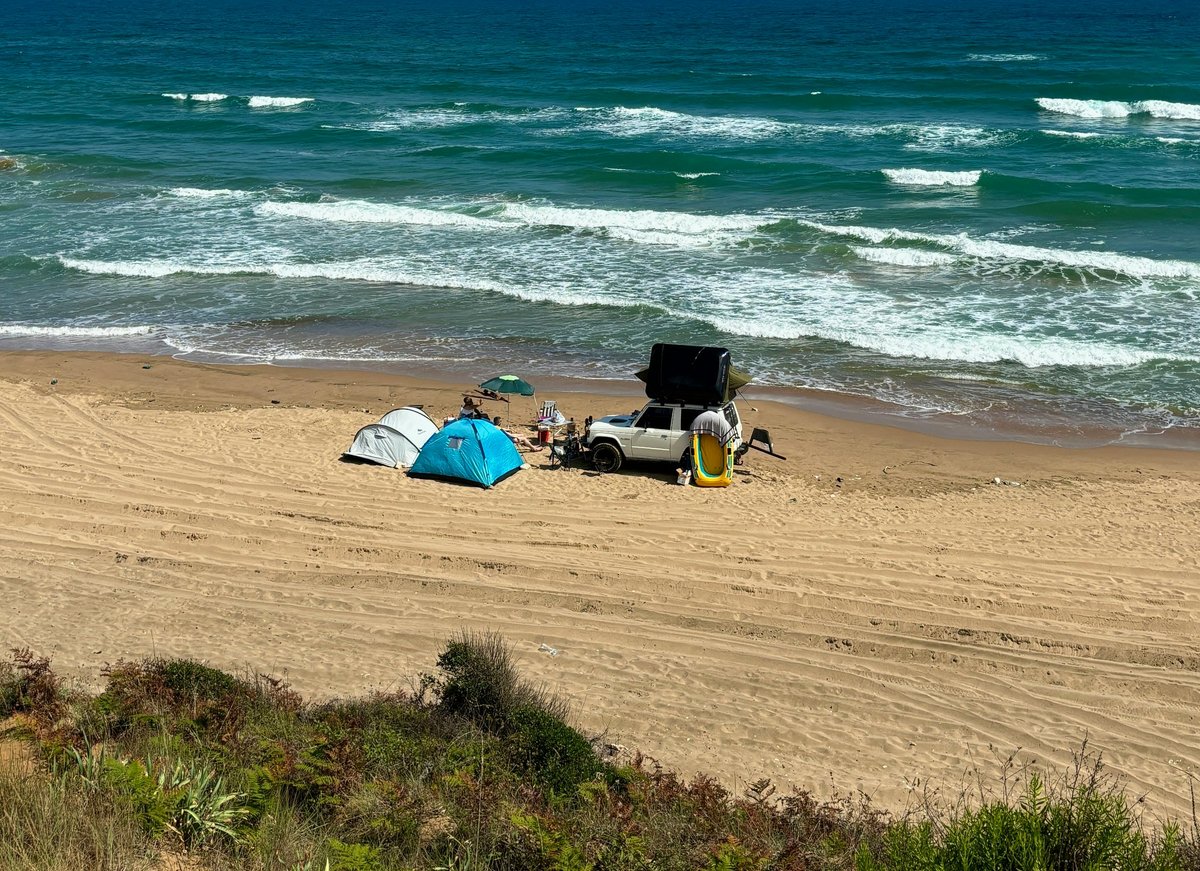
Falling asleep to the sound of waves crashing is one of camping's greatest luxuries. But the best beachfront and waterfront campsites fill up months in advance, especially around Memorial Day and July 4th. If you haven't locked in your summer reservation yet, the clock is ticking.
This guide breaks down the top beach campgrounds by region, covers hookup options and pet policies, and flags which sites are most likely to sell out first. Bookmark it, share it with your camping crew, and start making calls.
Which US Regions Have the Best Beach Campgrounds This Summer?
Every major coastal and lakefront region in the US has standout campgrounds, but availability, pricing, and site quality vary significantly. The table below compares key factors across the five regions covered in this guide.
| Region | Peak Season | Avg. Nightly Rate (Full Hookup) | Reservation Lead Time | Pet-Friendly Options |
|---|---|---|---|---|
| Northeast (Atlantic) | June–Sept | $55–$95 | 3–6 months | Moderate (leash rules vary by beach) |
| Southeast (Atlantic) | May–Oct | $45–$85 | 2–5 months | High |
| Gulf Coast (TX, FL, AL, MS) | March–Oct | $40–$75 | 2–4 months | High |
| Pacific Coast (CA, OR, WA) | June–Sept | $60–$110 | 6–12 months | Low to Moderate (many state beaches restrict dogs) |
| Great Lakes (MI, WI, IN, OH) | June–Aug | $35–$65 | 1–3 months | High |
Source: Recreation.gov and Reserve America booking data, 2025 season averages
A few patterns stand out. Pacific Coast sites book the earliest and cost the most. Great Lakes campgrounds are the best value and often still have summer openings into spring. Gulf Coast parks have the longest warm season, giving you more flexibility on dates.
Where Are the Best Beach Campgrounds on the East Coast?
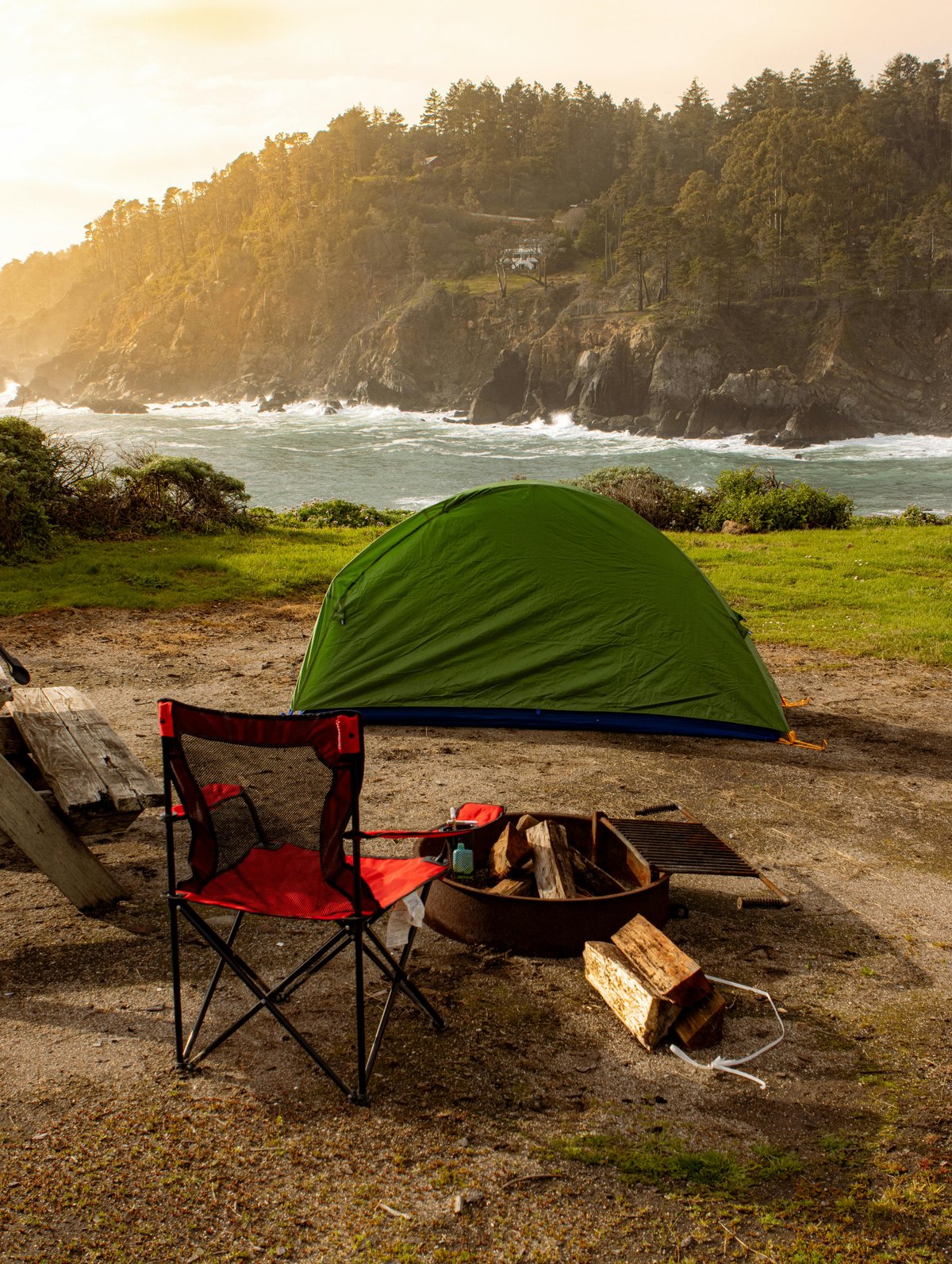
The Atlantic coast, from Maine to the Carolinas, has some of the most iconic beach camping in the country. Campgrounds here range from rustic tent-only sites on barrier islands to full-service RV resorts minutes from the sand.
Northeast Highlights:
- Assateague Island National Seashore (MD/VA): Oceanside and bayside loops with no hookups. Wild horses roam the campground. Sites book through Recreation.gov, and summer weekends are often gone by March.
- Nickerson State Park (Cape Cod, MA): Not oceanfront, but freshwater kettle ponds and a short bike ride to Cape Cod Bay beaches. Tent and small RV sites. No hookups.
- Hither Hills State Park (Montauk, NY): Walk-to-the-beach tent camping on Long Island's far eastern tip. The lottery-based reservation system opens each spring, and competition is fierce.
If you prefer a resort-style park with full hookups and family amenities as a regional base, Jellystone Park™ Lazy River in New York's Hudson Valley sits about 90 minutes from Long Island beaches. It's not beachfront, but the lazy river and water features give kids their splash fix after a day trip to the coast.
Southeast Highlights:
- Cape Hatteras National Seashore (Outer Banks, NC): Four campgrounds directly on the beach. No hookups at any of them. Tent camping here is as raw and beautiful as it gets on the East Coast.
- Huntington Beach State Park (SC): Directly on the beach south of Myrtle Beach. Full hookups available. Sites open on a rolling 13-month window.
- Anastasia State Park (St. Augustine, FL): 139 sites, all with water and electric (no sewer). The beach is a short walk through the dunes.
For the Myrtle Beach corridor, WillowTree RV Resort & Campground in Longs, South Carolina, puts you about 15 minutes from the Grand Strand. Full hookups, pull-through sites for big rigs, and a solid pool complex make it a practical base for families splitting time between the beach and the campground. Dogs are welcome with standard leash rules.
Pro tip for the East Coast: State park campgrounds along the Atlantic rarely have sewer hookups. Bring a portable waste tote or plan dump station stops into your itinerary.
What Are the Top Gulf Coast Campgrounds for Summer Beach Camping?
The Gulf of Mexico shoreline stretches from the Florida Keys to the Texas coast, and the camping here tends to be warmer earlier, cheaper overall, and less crowded than Atlantic or Pacific alternatives.
Florida Gulf Coast:
- St. Joseph Peninsula State Park (Port St. Joe, FL): Consistently ranked among the best beach campgrounds in the US. Sites sit between the Gulf and a bay, with water on both sides. Electric and water hookups. Reserve early; this one fills fast.
- Fort De Soto Park (Tierra Verde, FL): A Pinellas County park with 238 sites, water and electric hookups, and a stunning Gulf beach. Two pet-friendly areas, including a dedicated dog beach.
- Grayton Beach State Park (Santa Rosa Beach, FL): 59 sites in the heart of South Walton's 30A beach community. Electric and water hookups.
Ragans Family Campground in Madison, Florida, works well as an overnight stop if you're driving south from Georgia toward the Gulf. It's inland, but the quiet setting and affordable rates make it a smart place to break up a long haul to the coast.
Texas Gulf Coast:
- Mustang Island State Park (Port Aransas, TX): 48 water/electric sites and 50 primitive beach sites where you can park your RV right on the sand. Few campgrounds in the US let you do that.
- Galveston Island State Park: Bayou-side and beach-side camping. Full hookups on the bay side. The beach-side sites flood during storms, so check weather forecasts before booking those.
Inland but worth mentioning: Jellystone Park™ Hill Country at Canyon Lake gives you Texas Hill Country waterfront camping with a swim beach, full hookups, and resort-level amenities. Canyon Lake's clear water is a genuine alternative to the Gulf if you prefer freshwater swimming and don't want to deal with coastal humidity.
Alabama and Mississippi:
- Gulf State Park (Gulf Shores, AL): 496 sites, all with full hookups. The campground sits behind the dunes with beach access via a short walk or bike ride. One of the largest and best-maintained public beach campgrounds in the entire Gulf region.
- Davis Bayou Campground at Gulf Islands National Seashore (Ocean Springs, MS): 51 sites with water and electric. Shaded by live oaks. The beach is a short drive to the barrier islands.
Which Pacific Coast Campgrounds Should You Book First?
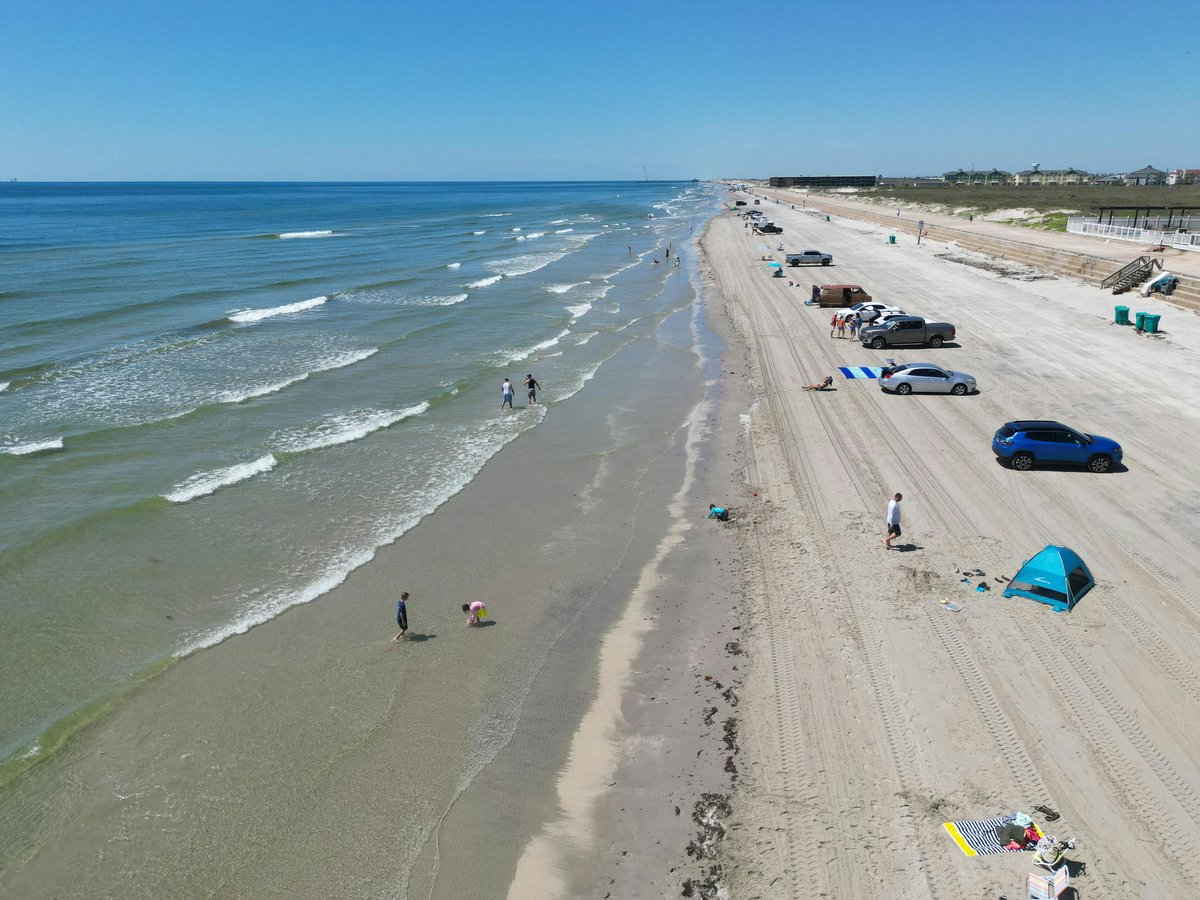
Pacific Coast beach campgrounds are the hardest to reserve in the entire country. California state beach parks regularly sell out within minutes of their booking windows opening. If you want to camp on or near the Pacific this summer, you should have already started trying.
California:
- Dockweiler Beach RV Park (Playa del Rey, CA): One of the only campgrounds in the US where your RV sits directly on the sand. Full hookups. LAX flight path overhead adds ambiance (or annoyance, depending on your perspective). Book through LA County Parks.
- Morro Bay State Park: Electric hookups, a short walk to the harbor and Morro Rock. Black bears are not a concern here, but raccoons absolutely are. Lock your coolers.
- Kirk Creek Campground (Big Sur, CA): Clifftop tent camping overlooking the Pacific. No hookups, no reservations for most sites (first-come, first-served). Show up early on weekdays.
Santa Cruz Redwoods RV Resort in Felton sits under the redwood canopy about 20 minutes from Santa Cruz's boardwalk and beach. Full hookups including 50-amp service, pull-throughs for large rigs, and Wi-Fi. It's not oceanfront, but it solves the California coast availability problem: beach state parks may be sold out, but you can often still snag a site here and drive to the coast daily.
Oregon:
- Cape Lookout State Park: Walk-in tent sites and RV sites with electric hookups. Directly on the beach with stunning headland views.
- Harris Beach State Park (Brookings, OR): Full hookups available. Oceanfront sites with sea stack views. One of the most scenic public campgrounds on the West Coast.
Washington:
- Kalaloch Campground (Olympic National Park): Bluff-top sites overlooking the Pacific. No hookups. Reserve through Recreation.gov starting six months out.
Key Pacific Coast booking tip: California state parks open reservations on a rolling seven-month window at 8 a.m. PT. Set an alarm. Have your dates loaded in the cart beforehand. Weekday stays are significantly easier to land.
Can You Go Beach Camping on the Great Lakes?
Yes, and Great Lakes beach camping is one of the most underrated outdoor experiences in the US. Lake Michigan, Lake Superior, and Lake Huron have sand beaches that rival ocean shorelines, minus the salt, sharks, and jellyfish.
- Sleeping Bear Dunes National Lakeshore (Empire, MI): Two campgrounds (D.H. Day and Platte River) near massive freshwater dunes and crystal-clear Lake Michigan. No hookups at D.H. Day. Platte River has none either, but a private campground across the road does.
- Ludington State Park (Ludington, MI): Three campground loops, some with electric hookups. Direct beach access to Lake Michigan. The Nordhouse Dunes Wilderness is adjacent for backcountry beach camping.
- Indiana Dunes National Park (Porter, IN): Dunewood Campground has electric hookups and sits a short walk from Lake Michigan's south shore beaches. Chicago's skyline is visible on clear days.
Jellystone Park™ Barton Lake in Fremont, Indiana, puts you on a private lake with a swim beach, water slides, and full hookups. It's about 90 minutes from the Lake Michigan shore, making it a strong base for families who want campground amenities and day-trip flexibility to the big lake. The park is pet-friendly and has themed weekends throughout summer that keep kids busy on non-beach days.
Great Lakes booking window: State parks in Michigan (the most popular Great Lakes beach camping state) open reservations six months out. Competition is lighter than on the coasts, but July weekends at Sleeping Bear and Ludington still go fast.
How Far in Advance Should You Book Beach Campsites for Memorial Day and July 4th?
For the most popular beach campgrounds, you're already late. Memorial Day weekend (May 22–25) and Independence Day weekend (July 3–5) are the two highest-demand periods of the entire camping season.
Here's a realistic booking timeline:
- California and Pacific NW state parks: Should have been reserved in November or December. Check for cancellations starting now. Sites occasionally open up two weeks before the date as people change plans.
- National Park Service campgrounds: Most opened six months prior on Recreation.gov. Watch for cancellation drops on Wednesdays and Thursdays, which are statistically the most common days people cancel.
- Southeast and Gulf state parks: Some still have mid-week availability for both holiday weekends. Call the parks directly rather than relying only on online systems. Phone reservationists can sometimes see sites that don't display online.
- Great Lakes state parks: The best chance for last-minute holiday bookings. Check Michigan, Wisconsin, and Indiana DNR sites weekly.
- Private RV resorts and campgrounds: Many hold a small inventory of sites for shorter booking windows. Contact parks like WillowTree RV Resort & Campground or Santa Cruz Redwoods RV Resort directly by phone to ask about holiday availability.
Cancellation hack: Create accounts on Recreation.gov and your target state's reservation system. Save your preferred campgrounds. Check daily at off-peak hours (early morning, late evening). Cancellations trickle in constantly as plans change.
Don't wait for "the right time" to book. The right time was months ago. The second-best time is right now.
Recommended Gear for Beach Camping
Beach camping puts unique demands on your equipment. Salt air corrodes metal, sand invades everything, and UV exposure wears out fabrics faster than mountain or forest camping.
- Sand stakes: Standard tent stakes pull out of sand easily. Screw-in sand anchors or wide-blade sand stakes are essential for tent campers at any beach site.
- Outdoor rug or sand-free mat: Place one at your RV entrance or tent vestibule. The ones with mesh backing let sand fall through and keep it out of your living space.
- Canopy or shade shelter: Many beach campsites lack tree cover. A quality pop-up canopy with UV-rated fabric makes midday heat manageable.
- Freshwater rinse bag or portable shower: Even campgrounds with shower facilities get crowded after beach hours. A solar shower bag or pressurized rinse kit at your site saves time and keeps sand out of your RV or tent.
- Surge protector (30-amp or 50-amp): Coastal campground electrical systems corrode faster than inland parks. A quality surge protector protects your RV's electronics from voltage fluctuations. This is non-negotiable for any RV camper, but especially relevant at beachside parks.
- Rust-resistant cooler: Salt air pits standard metal coolers within a season. Rotomolded coolers with stainless steel latches hold up far better at the coast.
Frequently Asked Questions
Can you camp directly on the beach in the US?
Yes, but only at specific locations. Mustang Island State Park in Texas, Assateague Island in Maryland/Virginia, and several BLM-managed beaches in California and Oregon allow vehicles or tents directly on the sand. Most beach campgrounds are set back from the waterline behind dunes or vegetation.
Are beach campgrounds pet-friendly?
Most campgrounds allow dogs on leash at the campsite, but beach access rules vary widely. National seashores like Cape Hatteras restrict dogs on certain beach sections during shorebird nesting season (April through August). Gulf Coast state parks tend to have the most relaxed pet policies. Always confirm pet beach access rules with the specific park before booking.
Do beach campgrounds have full hookups?
Many RV-oriented beach campgrounds offer water and electric hookups, but full hookups (water, electric, and sewer) are less common at public beach parks. Gulf State Park in Alabama and Huntington Beach State Park in South Carolina are notable exceptions. Private RV resorts near beaches, like WillowTree RV Resort & Campground, are more likely to have full hookups.
What's the cheapest region for beach camping?
The Great Lakes region consistently offers the lowest nightly rates for waterfront camping, with many state park sites running $25–$45 per night. Gulf Coast campgrounds in Mississippi and the Florida Panhandle are also budget-friendly compared to California and the Northeast.
How do I find cancellations at sold-out beach campgrounds?
Check Recreation.gov and state reservation systems daily, especially 14 and 7 days before your target date (common cancellation deadlines). Some campers use third-party cancellation alert tools that send notifications when a site opens up. These services charge a small fee but save you hours of manual refreshing.
Is beach camping safe during hurricane season?
Atlantic and Gulf hurricane season runs June through November, overlapping with summer camping. Most coastal campgrounds have evacuation procedures and will close sites in advance of named storms. Monitor NOAA forecasts, purchase trip interruption insurance if you're booking expensive holiday weekends, and have an inland backup campground identified before your trip.