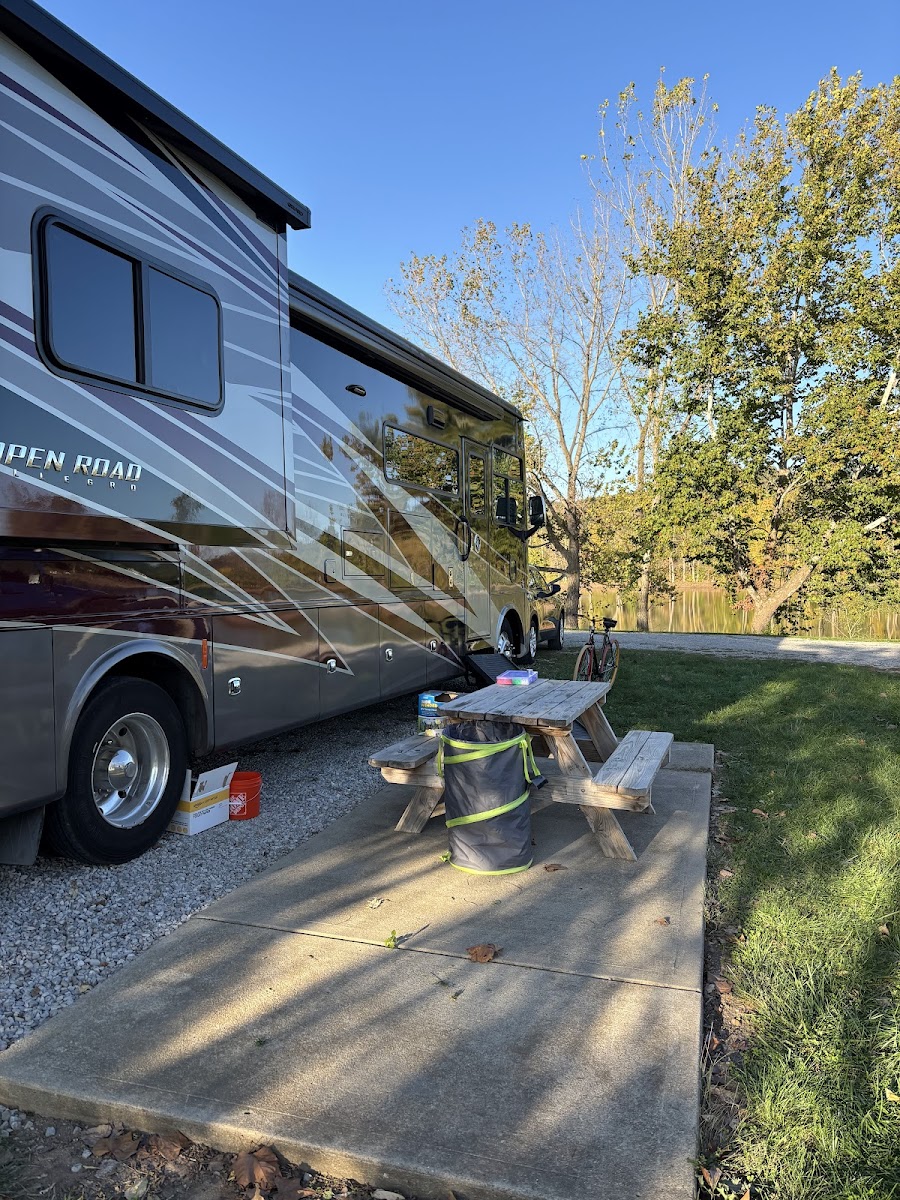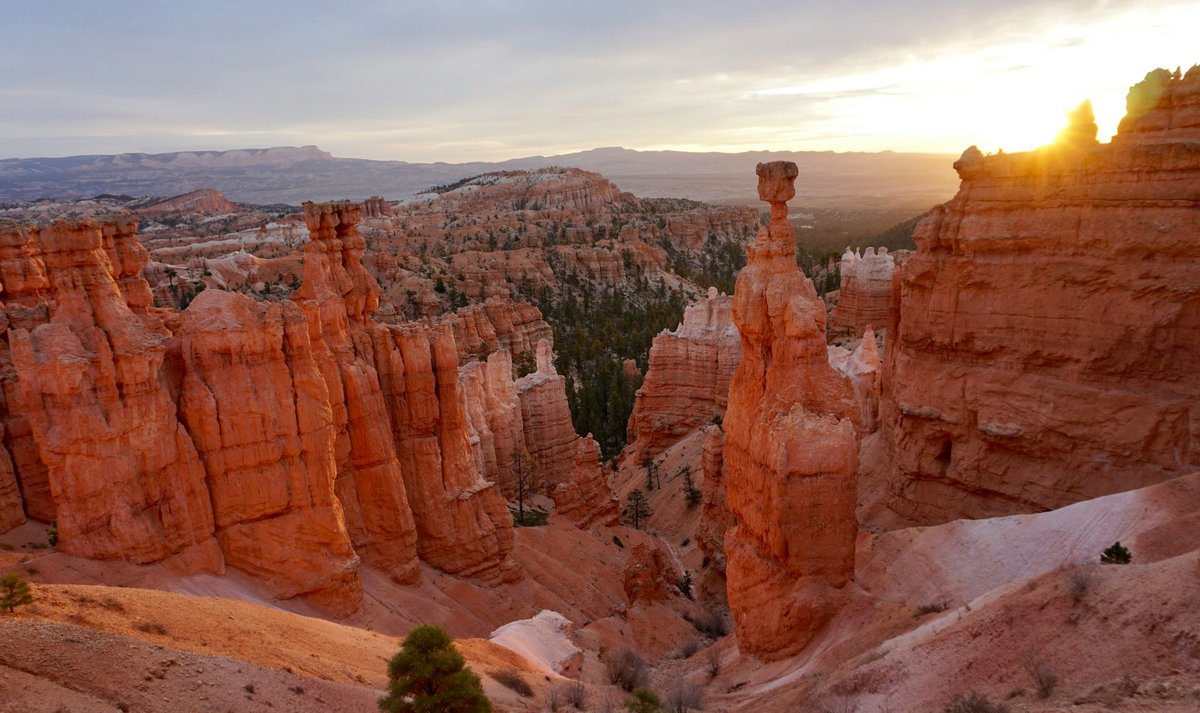
Spring is the sweet spot for a southwest national parks road trip. Crowds thin out compared to summer, wildflowers push through red dirt, and temperatures hover in that perfect zone between campfire mornings and t-shirt afternoons. This step-by-step itinerary covers roughly 1,100 miles across Utah and Colorado, stringing together four of the most searched parks in the country with campground picks, permit intel, and timing strategies that actually work.
This route works for tent campers, van dwellers, and RV rigs up to about 35 feet (with a few tight exceptions noted below). Budget two to three weeks to do it right without burning out on windshield time.
What's the Best Route for a Southwest National Parks Road Trip?
The most efficient loop starts and ends in Las Vegas or Salt Lake City, running a rough clockwise arc through southern Utah before cutting northeast into Colorado. Here's the route broken into daily driving segments:
- Las Vegas to Bryce Canyon (270 miles, ~4 hours via I-15 and US-89)
- Bryce Canyon to Moab (280 miles, ~4.5 hours via UT-12 and I-70)
- Moab to Canyonlands Island in the Sky (32 miles, ~40 minutes)
- Moab to Rocky Mountain National Park (350 miles, ~5.5 hours via I-70 and US-40)
- Rocky Mountain NP back to Las Vegas (or Salt Lake City, depending on your starting point)
You can reverse this loop without any problems. Starting with Bryce Canyon puts you at the most remote stop first, when your energy and enthusiasm are highest.
| Leg | Miles | Drive Time | Road Highlights |
|---|---|---|---|
| Las Vegas → Bryce Canyon | 270 | 4 hrs | Red Canyon tunnel on UT-12 |
| Bryce Canyon → Moab | 280 | 4.5 hrs | Scenic Byway 12, Capitol Reef views |
| Moab → Canyonlands (Island in the Sky) | 32 | 40 min | Dead Horse Point detour possible |
| Moab → Rocky Mountain NP | 350 | 5.5 hrs | Glenwood Canyon on I-70 |
| Rocky Mountain NP → Las Vegas | 590 | 8.5 hrs | Vail Pass, I-15 through St. George |
Source: Google Maps estimated driving times, April conditions
The Bryce-to-Moab leg along Scenic Byway 12 is the highlight drive of the entire trip. This two-lane road carves through Grand Staircase-Escalante and crosses a narrow hogback ridge where the pavement drops away on both sides. Take it slow; pullouts are frequent and worth every stop.
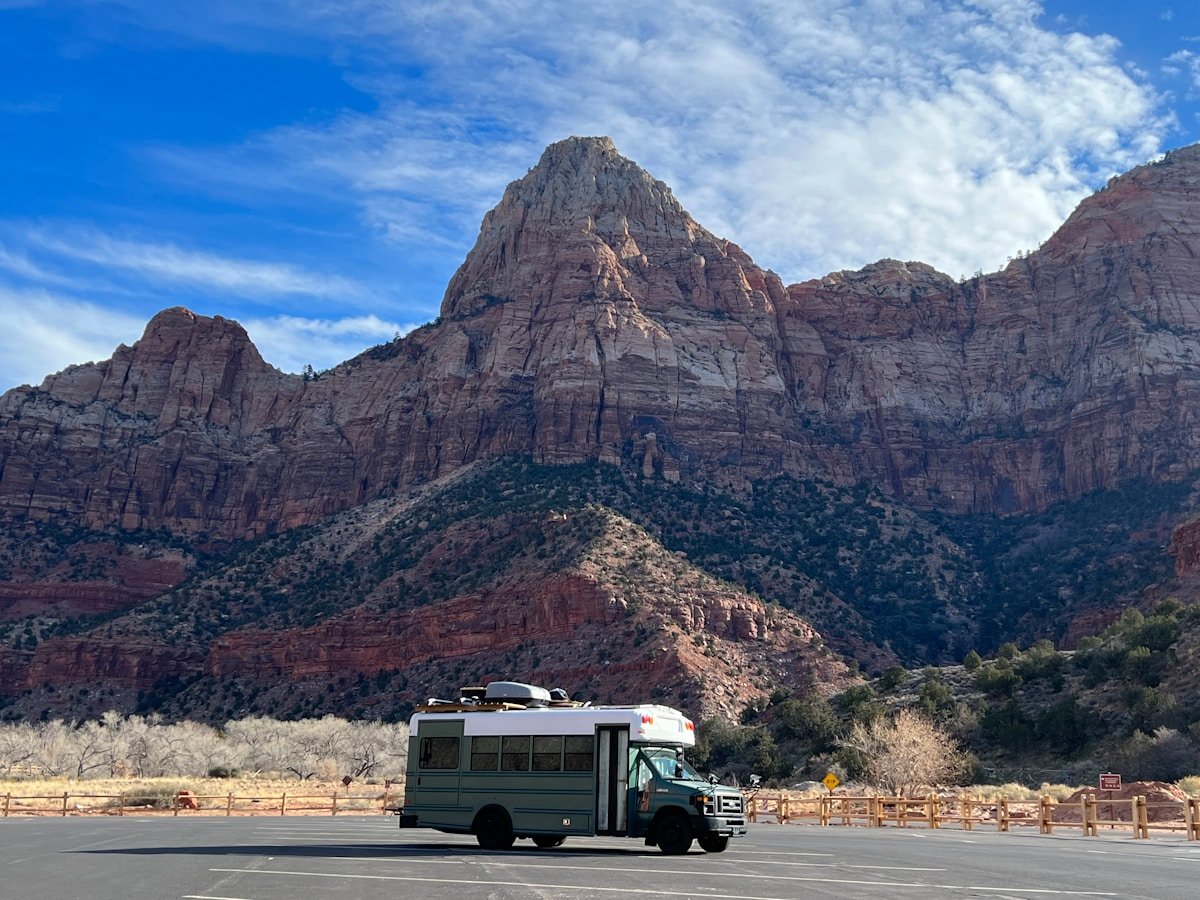
How Do You Plan Camping at Bryce Canyon and Kanab?
Bryce Canyon has two in-park campgrounds: North Campground (99 sites) and Sunset Campground (100 sites, seasonal). North Campground accepts reservations through Recreation.gov starting six months in advance. Sunset is first-come, first-served and typically opens in late April or early May depending on snow melt.
For spring trips, North Campground is the safer bet. Reserve the moment your window opens. Sites with full hookups do not exist inside the park, so RV campers relying on hookups should plan to base outside the park.
Bryce Canyon Area Campground Options:
- North Campground (in-park): Tent and RV sites up to 30 feet. Flush toilets, no hookups. $30/night. Walk to the rim trail.
- Sunset Campground (in-park): Similar setup, first-come, first-served. Opens later in spring.
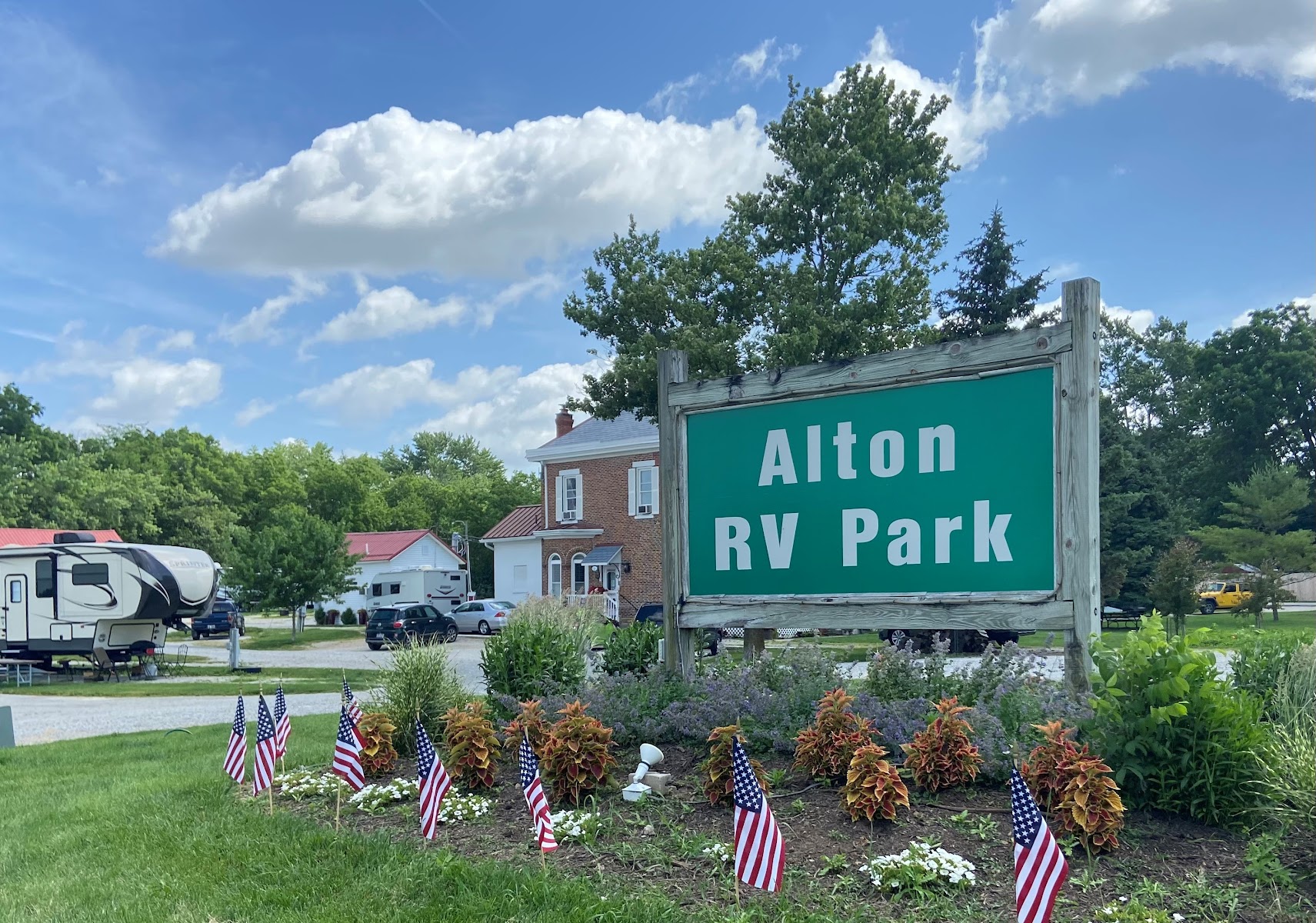
- Ruby's Inn RV Park (Bryce Canyon City): Full hookups, laundry, showers. Fills fast but reservable online.
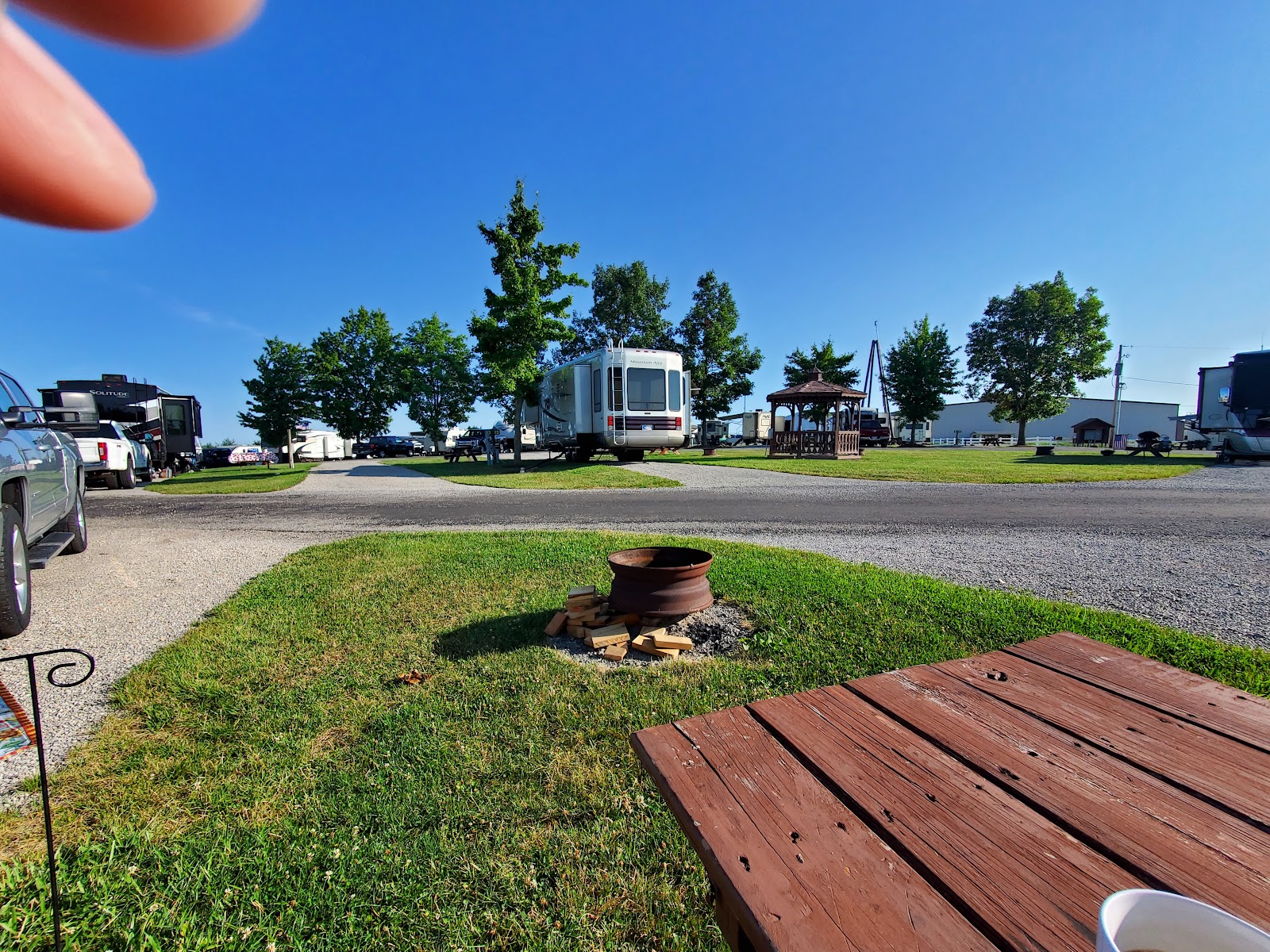
- Kanab RV Corral: About 75 miles south of Bryce, this park works well as a base if you're also planning day trips to Zion or the North Rim of the Grand Canyon. Full hookups and pull-through sites accommodate larger rigs.
Insider tip: Arrive at Bryce Canyon before 9 a.m. to snag parking at Sunset Point and Inspiration Point. By 10 a.m. on spring weekends, the shuttle becomes your only reliable option. The free park shuttle runs from mid-April through October and stops at all major overlooks.
The Navajo Loop and Queen's Garden Trail combination (2.9 miles round trip) is the single best hike in the park. Start at Sunset Point and descend through the narrow slot section while temperatures are still cool. The hoodoos cast long shadows in morning light, which is also when photographers get the best shots.
Where Should You Camp in Moab and Canyonlands?
Moab is the hub for both Arches National Park and Canyonlands, and the camping market reflects that demand. In-park camping at Canyonlands' Willow Flat Campground (Island in the Sky district) has just 12 sites, all first-come, first-served, with no water. Show up by early afternoon on a Thursday to have a realistic shot at a site for the weekend.
Arches' Devils Garden Campground (50 sites) switched to a reservation system several years ago. Spring slots open six months out on Recreation.gov and sell out within hours. Set a calendar reminder and be logged in at 10 a.m. ET on your booking day.
Moab Area Campground Options:
- Devils Garden Campground (Arches): Tent and small RV. No hookups. $30/night. Reservation only.
- Willow Flat Campground (Canyonlands): 12 sites, first-come, first-served. Vault toilets, no water. $20/night.
- BLM land along UT-128 (Upper/Lower Onion Creek, Big Bend): Dispersed camping with vault toilets. Sites along the Colorado River are remarkable but fill by noon on Fridays.
- Moab private RV parks: Several line the US-191 corridor. Look for parks with 50-amp service if you're running A/C; spring afternoons in Moab regularly hit the 80s by late April.
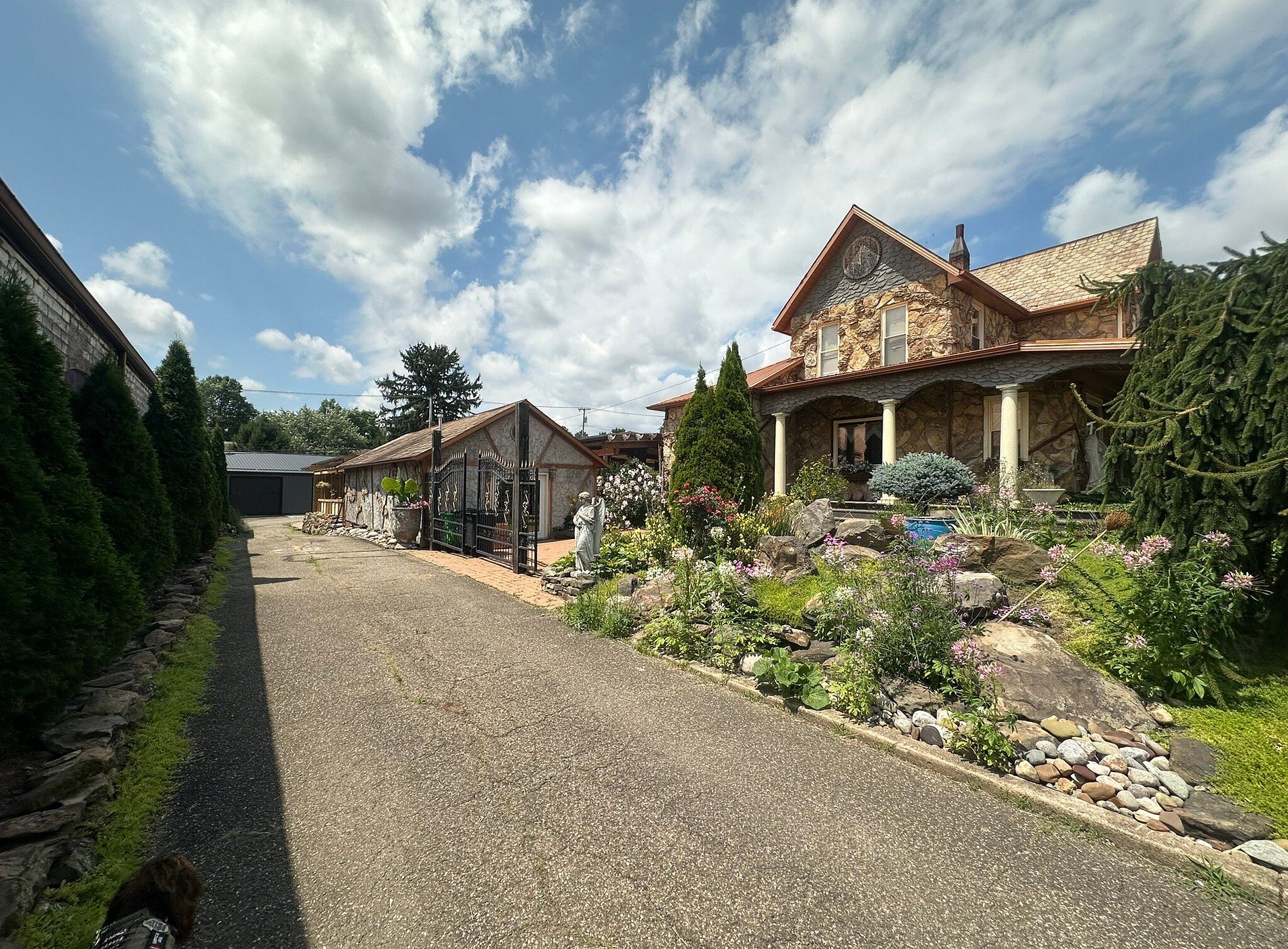
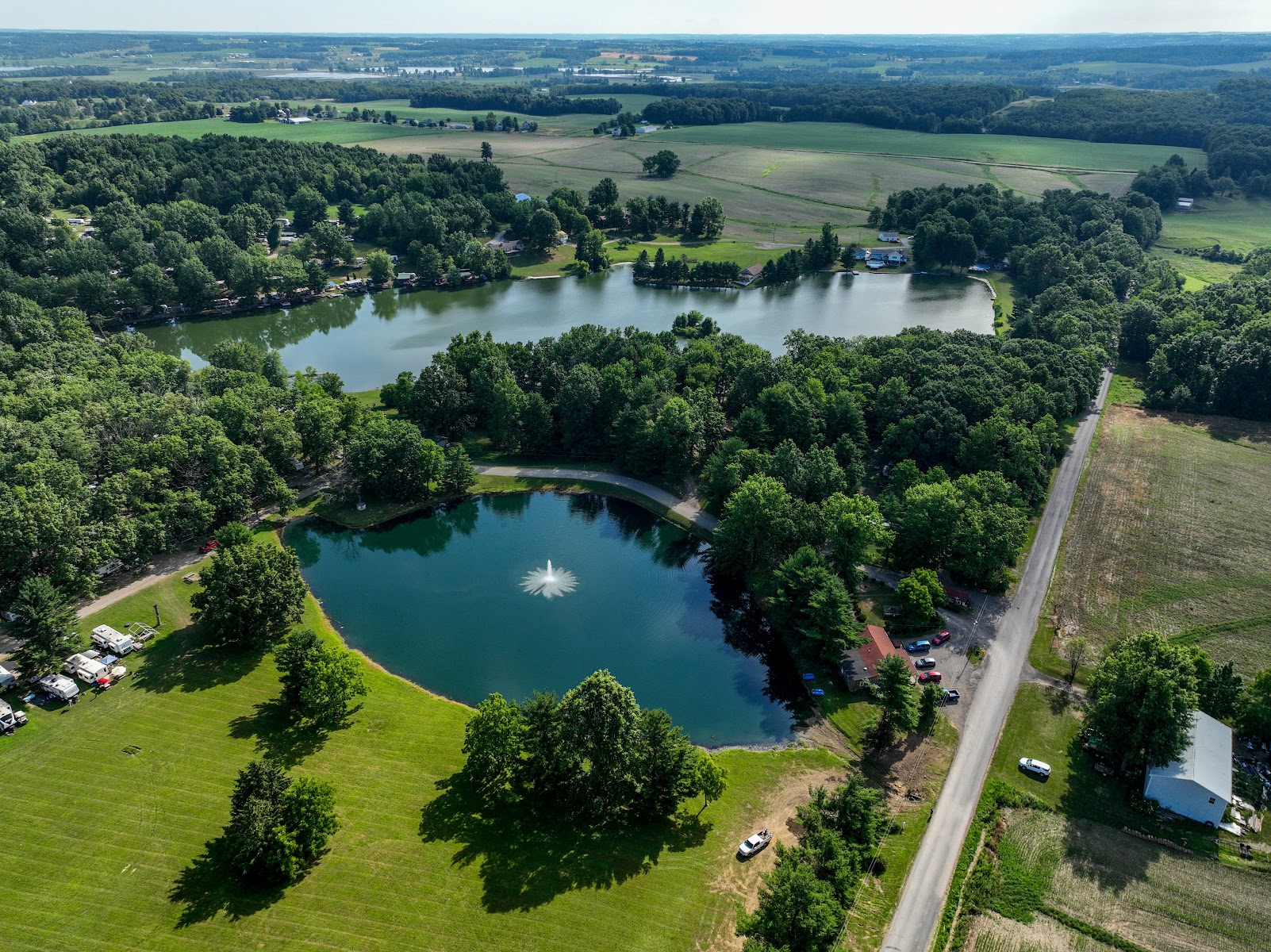
For the drive between Bryce Canyon and Moab, Castle Gate RV Park in Helper, Utah, sits right off US-6/US-191 and makes a convenient overnight if you want to break up the Scenic Byway 12 drive into two leisurely days instead of one long push. Helper is a small railroad town with surprisingly good coffee and a mining museum worth an hour.
Canyonlands strategy: The Island in the Sky district is the most accessible and most visited. The Needles district (75 miles south of Moab) gets a fraction of the traffic and has a better campground: Squaw Flat, with 26 sites and potable water. If you have the extra day, Needles rewards you with more solitude and better backcountry access.
The Mesa Arch sunrise is one of the most photographed scenes in Utah. Expect 30 to 50 other photographers jostling for position. Arrive 45 minutes before sunrise to claim a spot. The hike to the arch is only 0.5 miles, so nearly everyone makes it out there.
What's the Best Time to Drive from Moab to Rocky Mountain National Park?
The 350-mile drive from Moab to Estes Park takes about 5.5 hours through some of the best interstate scenery in the country. I-70 through Glenwood Canyon follows the Colorado River through a narrow gorge, and the Eisenhower Tunnel punches through the Continental Divide at 11,158 feet.
Leave Moab early. The stretch of I-70 from Grand Junction to Denver sees heavy weekend traffic, especially eastbound on Sunday afternoons. A Thursday or Friday departure keeps you ahead of the Front Range crowd heading into the mountains.
Key stops along the way:
- Grand Junction: Last affordable fuel before mountain prices kick in. Stock up on groceries at City Market.
- Glenwood Springs: Hot springs pools right off the interstate if you need to stretch after days of desert hiking.
- Vail Pass (10,662 feet): Check CDOT road conditions before climbing. Late spring snowstorms still hit this section through mid-May.
- US-34 through Big Thompson Canyon: The final approach into Estes Park. Gorgeous but narrow; RVs over 35 feet will want to take US-36 from Lyons instead.
Pack a set of tire chains or traction devices if you're traveling in early to mid-April. Colorado's "chain law" (Traction Law) can activate on I-70 with little warning, and the fine for non-compliance runs $656 or more.
How Do You Find Campgrounds Near Rocky Mountain National Park?
Rocky Mountain National Park has five campgrounds, but only Moraine Park and Glacier Basin accept reservations (through Recreation.gov, opening six months ahead). The other three, Aspenglen, Longs Peak, and Timber Creek, are either seasonal or first-come, first-served.
Spring complicates things here. Trail Ridge Road (US-34 through the park) typically doesn't open until Memorial Day weekend, and some campgrounds stay closed into late May due to snow. Moraine Park is the most reliably open year-round campground.
Rocky Mountain NP Area Campground Options:
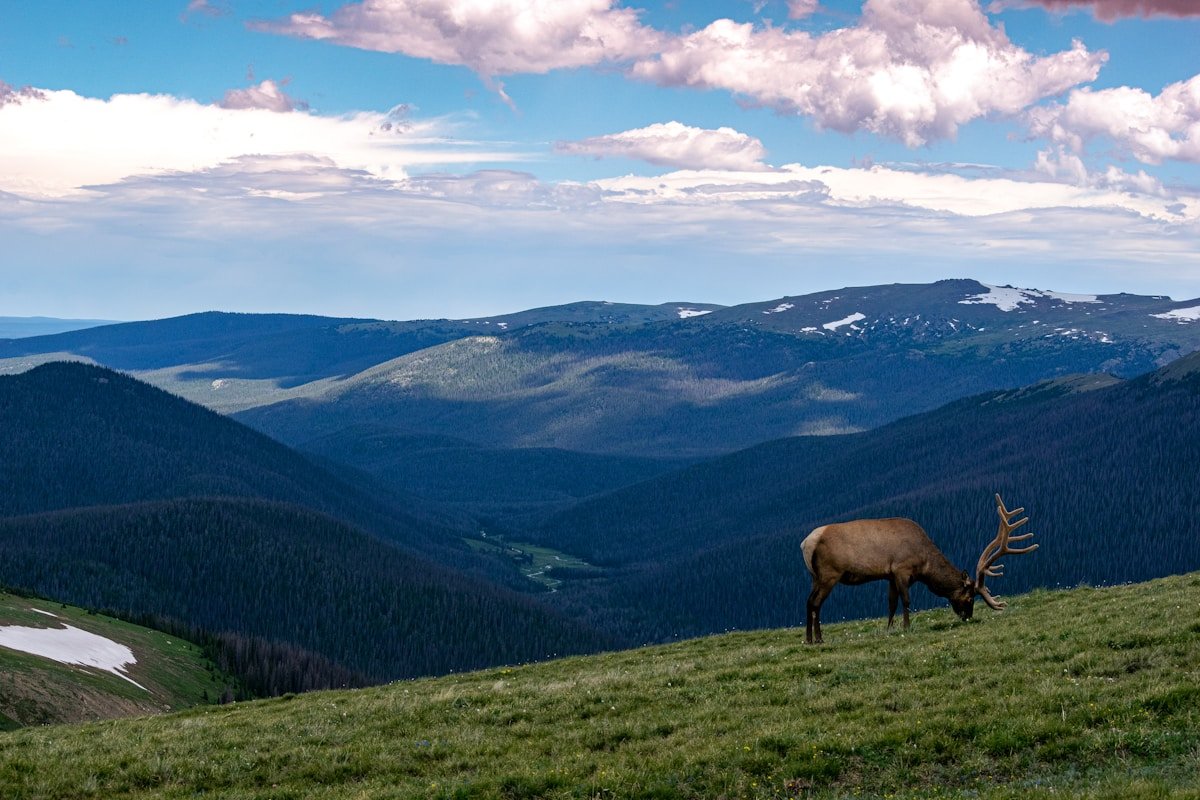
- Moraine Park Campground (in-park): 244 sites. Reservation required. Flush toilets, no hookups. Elk frequently graze between campsites. $30/night.
- Glacier Basin Campground (in-park): 150 sites, seasonal. Group sites available. Free shuttle to Bear Lake trailhead.
- Aspenglen Campground (in-park): 52 sites at the Fall River entrance. Opens late May. Quieter than Moraine Park.
- Yogi Bear's Jellystone Park Camp-Resort in Estes Park, CO: Full hookups, pool, and family-friendly amenities. Located right in Estes Park, so you're minutes from the Beaver Meadows entrance. Excellent option for families or RV travelers who want reliable 30/50-amp service after days of dry camping in Utah.
Timed entry permits: Rocky Mountain NP uses a timed entry reservation system during peak season (late May through mid-October). Permits are released in two waves: a large batch opens on the first of the month (two months ahead) and a smaller batch releases at 5 p.m. MT the day before entry. If you're visiting in late April or early May, check the NPS website for the exact activation date, as it shifts slightly each year.
The Bear Lake corridor is the park's busiest zone. Hit that trailhead before 6 a.m. or after 4 p.m. to avoid the parking crunch. Emerald Lake (3.6 miles round trip) and Sky Pond (9.4 miles round trip via the Loch) are the two must-do hikes. In spring, microspikes are essential for both, as ice lingers on north-facing trails well into May.
How Do You Avoid Crowds at Southwest National Parks in Spring?
The simplest crowd-avoidance tactic is a midweek schedule. Shift your "weekend" to Tuesday through Thursday at each park, and you'll see 30 to 50 percent fewer people on trails and at overlooks. Here's a breakdown of relative crowd levels:
| Park | Busiest Days | Lowest Crowds | Spring Peak Period |
|---|---|---|---|
| Bryce Canyon | Fri-Sun | Tue-Wed | Late May-June |
| Arches | Sat-Sun | Mon-Tue | April-May |
| Canyonlands (Island in the Sky) | Sat-Sun | Weekdays | April-May |
| Rocky Mountain NP | Sat-Sun | Tue-Thu | Memorial Day onward |
Source: National Park Service visitor use statistics, 2023-2025 data
Beyond timing, a few other strategies help:
- Start early. Most park visitors don't hit trailheads until 9 or 10 a.m. An early start gets you solitude and better light.
- Pick alternate trailheads. At Canyonlands, Upheaval Dome and Aztec Butte see far fewer hikers than Grand View Point.
- Use the shoulder of shoulder season. Early April in southern Utah is quieter than late April. The first two weeks of April at Bryce Canyon feel like a different park compared to the Easter/spring break rush.
- Camp inside the park when possible. Staying in-park campgrounds means you're already past the entrance station when day-trippers start lining up.
Recommended Gear for a Multi-Week Southwest Road Trip
Three weeks of desert-to-mountain travel demands gear that handles temperature swings from the 30s (Rocky Mountain mornings) to the 80s (Moab afternoons). A few items make a real difference:
- Layering system: A lightweight puffy jacket, a wind shell, and moisture-wicking base layers cover every scenario on this route. Cotton is a liability once you climb above 8,000 feet.
- Microspikes: Essential for Rocky Mountain NP trails in spring. Compact and light enough to clip on your pack.
- High-capacity water bottles or hydration bladder: Desert hiking burns through water fast. Carry at least 3 liters per person for any hike over 4 miles in Utah.
- Portable solar panel (100W+): If you're boondocking on BLM land near Moab, shore power doesn't exist. A folding solar panel keeps phones, cameras, and portable batteries charged.
- 30-amp surge protector: For RV travelers plugging in at private campgrounds. Utah and Colorado parks can have inconsistent electrical service, and a surge protector saves your rig's electronics from voltage spikes.
- Collapsible waste tank (for van and RV campers): Several BLM sites and Canyonlands' Willow Flat have no dump stations. The nearest dump in Moab can mean a 30-mile round trip.
Good topo maps (printed, not just on your phone) are still the smart call for Canyonlands backcountry. Cell service disappears once you drop below the rim in most of the park.
Frequently Asked Questions
How many days do you need for a southwest national parks road trip?
Plan 14 to 21 days to cover Bryce Canyon, Arches, Canyonlands, and Rocky Mountain National Park without rushing. This allows 2 to 3 nights at each major stop, plus travel days and rest days. Cutting it below 10 days means you'll spend more time in the car than on trails.
Can you do this road trip in an RV?
Yes, rigs up to about 30 feet fit comfortably at all campgrounds on this route. Vehicles over 35 feet should avoid the Scenic Byway 12 hogback between Escalante and Boulder (it's tight with no guardrails) and take US-36 instead of Big Thompson Canyon into Estes Park. Full-hookup campgrounds exist near every stop, including Kanab RV Corral near Bryce and the Jellystone in Estes Park for Rocky Mountain NP.
When do campground reservations open for spring at these parks?
Recreation.gov releases reservations six months in advance on a rolling basis. For a mid-April trip, your booking windows open in mid-October. Set phone alerts. Bryce Canyon's North Campground and Arches' Devils Garden sell out within hours of opening.
Is April too early for Rocky Mountain National Park?
April is beautiful but limited. Trail Ridge Road remains closed, and higher-elevation campgrounds stay snowbound. Moraine Park Campground and the lower valley trails (Cub Lake, Deer Mountain, Gem Lake) are fully accessible. Expect icy patches on north-facing trails and carry microspikes.
How much does this road trip cost?
An America the Beautiful Annual Pass ($80) covers entrance fees at all four parks. Campground fees inside the parks range from $20 to $35 per night. Private campgrounds and RV parks run $40 to $75 per night with hookups. Budget approximately $2,000 to $3,500 for two people over three weeks, covering fuel, camping, food, and incidentals (not including gear purchases).
Do you need a timed entry reservation at these parks?
Rocky Mountain NP requires timed entry permits during peak season (starting late May). Arches National Park also uses a timed entry system from April through October. Bryce Canyon and Canyonlands do not currently use timed entry. Always check the NPS website for each park before your trip, as policies can shift year to year.
Planning an extended road trip? Browse more campgrounds along your route at AllCampsAndParks.com, where you can filter by hookup type, rig length, and distance from any national park.