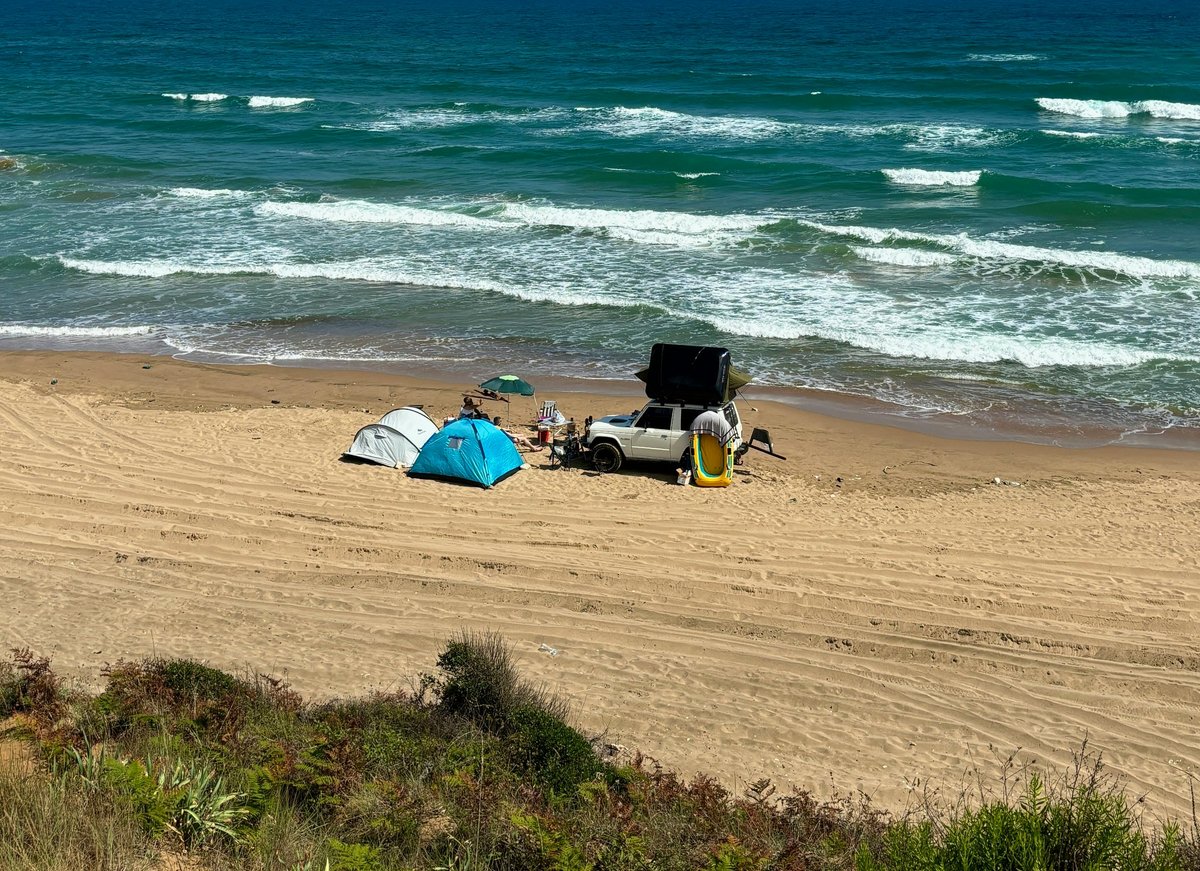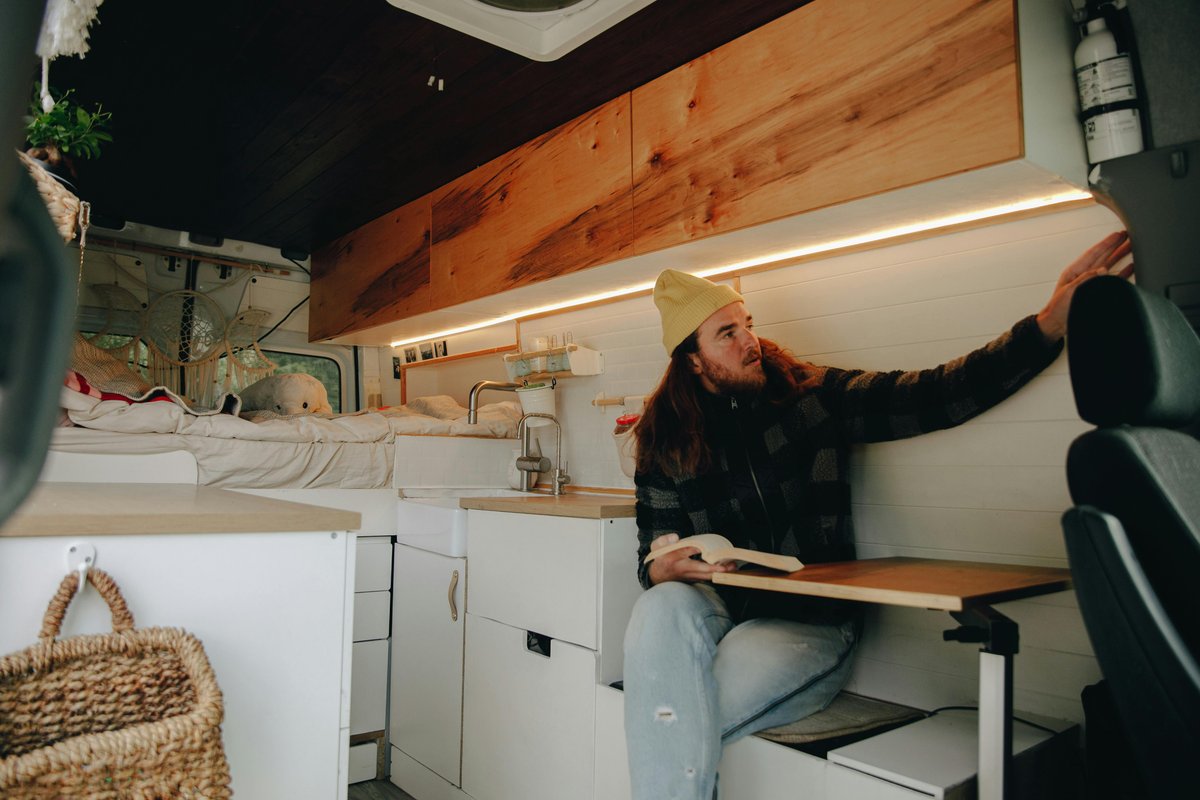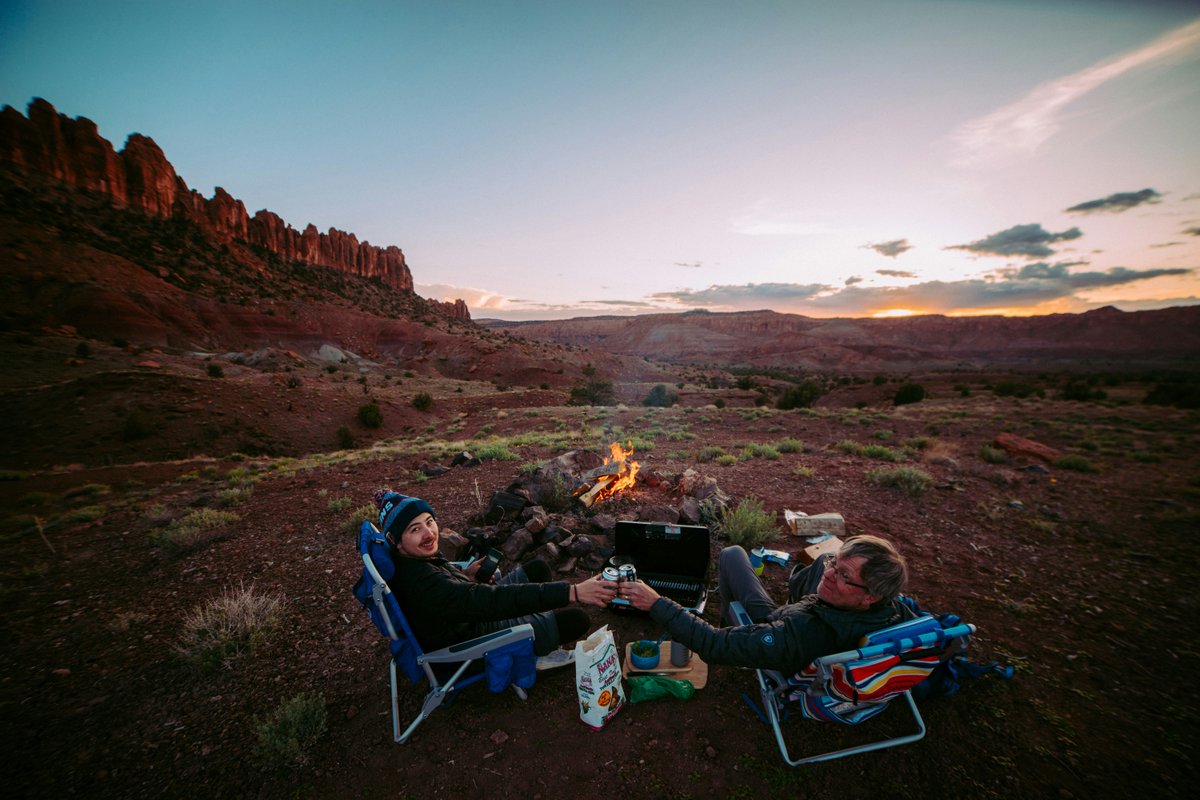
Camping costs add up fast. Between campground fees, hookup charges, and reservation surcharges, a week on the road can drain hundreds of dollars before you even fill the gas tank. But here's the thing: millions of acres of public land across the United States are open for camping at absolutely zero cost.
This guide breaks down every type of free camping available right now, from BLM boondocking to dispersed National Forest sites, and shows you exactly how to find legitimate no-cost spots near your current location. Whether you're in a Class A motorhome or pitching a backpacking tent, free camping is closer than you think.
What Is Free Camping and How Does It Work?
Free camping is any legal overnight stay on public or permitted land that costs nothing. It goes by several names: boondocking, dispersed camping, dry camping, and wild camping. The common thread is that you're camping outside of a developed, fee-charging campground.
The majority of free camping in the U.S. happens on federal land managed by the Bureau of Land Management (BLM) or the U.S. Forest Service (USFS). These agencies oversee roughly 440 million acres combined, and much of that land is open for dispersed camping with no permit and no fee.
Here's a quick breakdown of the main types:
| Free Camping Type | Typical Stay Limit | Amenities | Best For |
|---|---|---|---|
| BLM Dispersed Camping | 14 days | None | RVs, overlanders, tent campers |
| National Forest Dispersed | 14 days | None to pit toilets | Tent campers, small RVs |
| Free Developed Campgrounds | 7–14 days | Pit toilets, fire rings | All campers |
| Wildlife Management Areas | 1–14 days (varies by state) | None | Hunters, anglers, tent campers |
| Overnight Parking (Walmart, casinos) | 1 night | Store restrooms | RV overnighters in transit |
Source: Bureau of Land Management and USDA Forest Service recreation program guidelines
Free camping does not mean zero preparation. Without hookups, you're responsible for your own water, power, and waste disposal. But with the right setup, boondocking can be the most rewarding way to camp.
Where Can You Camp for Free on BLM Land?
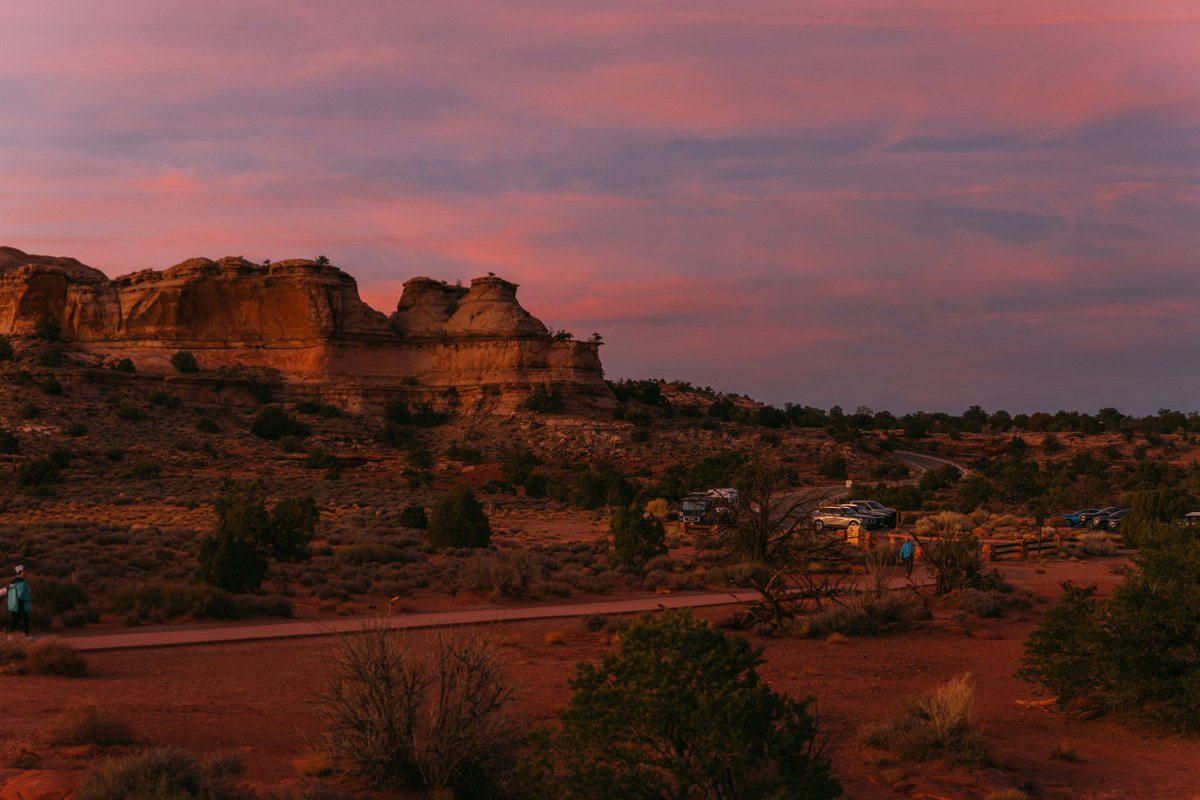
BLM land is the single largest source of free camping in America, with over 245 million acres of public land concentrated in 12 western states. Most of it is open to dispersed camping unless signs specifically prohibit it.
The general rule is simple: if BLM land isn't marked as closed, restricted, or within a developed recreation area, you can camp on it for up to 14 days. After 14 days, you must move at least 25 miles before setting up again.
Top states for BLM camping:
- Nevada has more BLM land than any other state (48 million acres). The desert outside Reno, Winnemucca, and Ely is packed with free spots.
- Utah is a boondocker's paradise, with BLM land surrounding Moab, Kanab, and Capitol Reef. If you need a hot shower and laundry between stints, Kanab RV Corral sits right on the edge of Grand Staircase-Escalante territory.
- Arizona draws thousands of snowbirds each winter to free BLM sites near Quartzsite and along the La Posa Long Term Visitor Area.
- California has major BLM tracts in the Mojave Desert, near Anza-Borrego, and throughout the Eastern Sierra.
- Wyoming, Montana, Idaho, Oregon, New Mexico, and Colorado all have significant BLM acreage.
How to find specific BLM campsites:
- Visit the BLM's national map viewer at blm.gov/maps.
- Filter by "Surface Management Agency" to see BLM parcels highlighted.
- Cross-reference with a satellite view to look for established pulloffs, fire rings, and two-track roads.
- Check for any local closures or fire restrictions before heading out.
In eastern Utah, the area around Helper and Price is often overlooked. Thousands of acres of BLM land sit within a short drive, and Castle Gate RV Park makes a solid resupply stop when you need to dump tanks and refill fresh water before heading back out.
How Do You Find Dispersed Camping in National Forests?
National Forests allow dispersed camping on most of their 193 million acres, and unlike BLM land, these forests are spread across nearly every state. That makes them the best option for free camping east of the Rockies.
The basic rules for National Forest dispersed camping:
- Camp at least 100 feet from any water source (lake, stream, river).
- Stay off paved roads and at least one vehicle-length from forest roads.
- Observe the 14-day stay limit within any 30-day period.
- Check the specific forest's Motor Vehicle Use Map (MVUM) to see which roads and areas allow camping.
- Obey any posted fire restrictions, especially during summer months.
Finding dispersed sites step by step:
- Identify the National Forest closest to your location on the USFS interactive map at fs.usda.gov.
- Download or request that forest's MVUM, which shows every road legally open to vehicles.
- Look for symbols indicating dispersed camping corridors or previously used sites.
- Drive forest roads slowly, watching for flat pulloffs with fire rings or cleared areas.
- If uncertain, call the local ranger district office. Rangers are usually happy to point you toward popular free areas.
Montana is a prime example. The Lolo National Forest outside Missoula has dozens of dispersed sites along forest roads, many of them sitting empty even in peak season. Jim & Mary's RV Park in Missoula is a convenient place to stock up on groceries and charge your batteries before disappearing into the forest for a week.
Similarly, the Gallatin and Custer National Forests near West Yellowstone offer free dispersed camping within minutes of the park entrance. Many boondockers alternate between a few nights of free dispersed camping and a night or two at a full-hookup park like Yellowstone Grizzly RV Park to dump tanks and get a proper shower.
What Are the Top 25 Free Campgrounds in the USA?
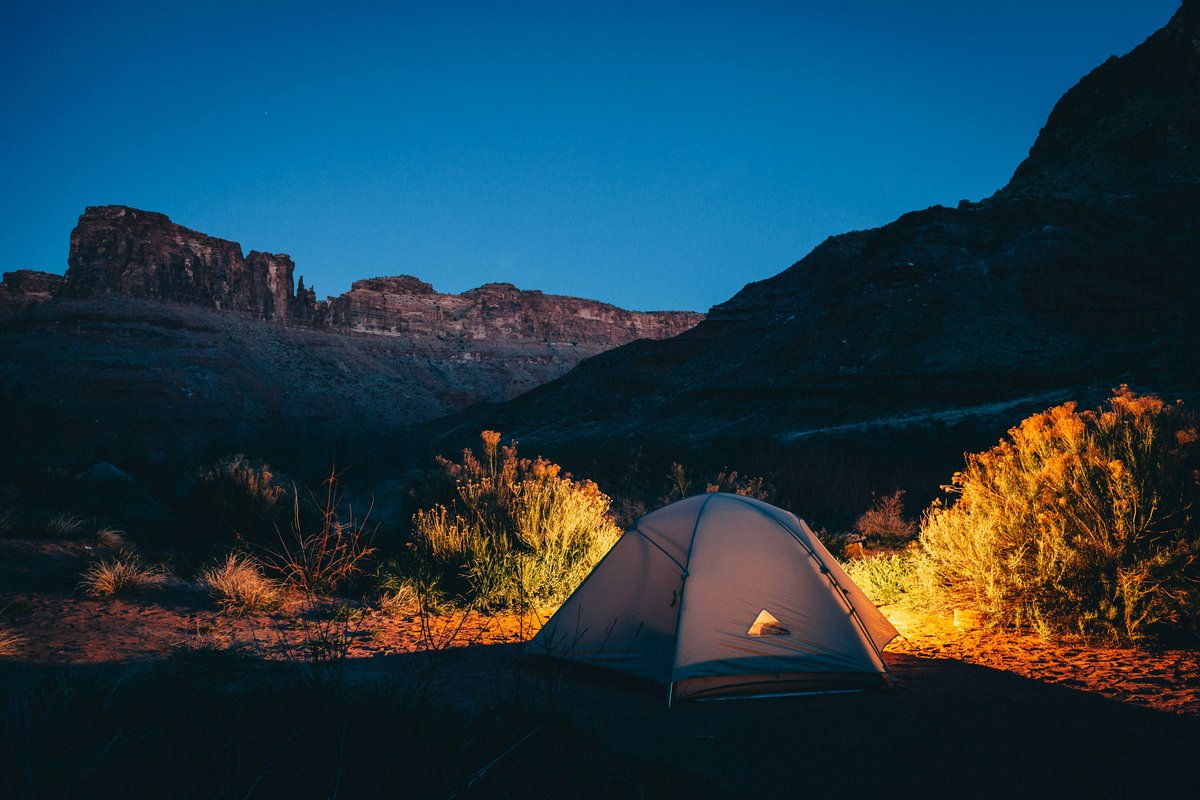
These are 25 of the best-known, genuinely free campgrounds across the country. All are either BLM-managed, National Forest sites, or other public land with zero overnight fees. Conditions and policies can change, so verify availability before you drive.
- Saddle Mountain BLM (Tonopah, AZ) — Flat desert sites, popular with snowbirds.
- Dome Rock BLM (Quartzsite, AZ) — Iconic winter boondocking destination.
- Scaddan Wash BLM (Quartzsite, AZ) — Miles of open desert camping near town services.
- Egg Island BLM (St. George, UT) — Red rock views, close to Zion.
- Lone Mesa BLM (Moab, UT) — Stunning canyon country dispersed camping.
- Dirty Devil BLM (Hanksville, UT) — Remote desert solitude near Capitol Reef.
- Texas Springs Campground (Death Valley, CA) — NPS site, free in summer months.
- Alabama Hills BLM (Lone Pine, CA) — Sierra Nevada views, movie-set landscape.
- Tuttle Creek BLM (Lone Pine, CA) — Creekside sites below Mt. Whitney.
- Soda Springs Dispersed (Estes Park, CO) — Roosevelt National Forest, close to RMNP.
- Stillwater Campground (Granby, CO) — Free Arapaho NF campground.
- Dispersed Sites on Lolo NF (Missoula, MT) — Endless forest roads with pulloffs.
- Beavertail Hill SP Fishing Access (Clinton, MT) — Free Montana FWP site.
- Bootleg Campground (Kamas, UT) — Free USFS site in the Uintas.
- Dispersed Sites on Bridger-Teton NF (Pinedale, WY) — High mountain meadows.
- South Fork Campground (Walla Walla, WA) — Free Umatilla NF site.
- Pine Flat Campground (Prescott, AZ) — Free Prescott National Forest.
- Juniper Campground (Burns, OR) — BLM, near Steens Mountain.
- Hickey Gap Dispersed (Murphy, NC) — Cherokee National Forest.
- Dalton Creek Campground (Haines, AK) — Free Alaska state site.
- Willow Creek Campground (Buffalo, WY) — Free Bighorn NF site.
- Coyote Flats BLM (Bishop, CA) — High-desert sites at 10,000 feet.
- Owens River Dispersed (Mammoth Lakes, CA) — Inyo NF riverside camping.
- North Rim Dispersed (Kaibab NF) (Fredonia, AZ) — Free camping near Grand Canyon.
- Clark Fork River Dispersed (St. Regis, MT) — Lolo NF sites along the river.
That last one, near St. Regis, is a favorite among I-90 travelers who need a break from highway driving. If you want full hookups and Wi-Fi after a few nights off-grid, The Nugget RV Resort is right off the interstate.
How Do You Use AllCampsAndParks.com to Find Free Camping Near You?
AllCampsAndParks.com lets you search by state, city, or campground type to zero in on camping options near your current location. While the directory focuses on established campgrounds and RV parks, it's a powerful tool for planning boondocking trips because you can locate affordable base camps near public land.
Here's how to use it effectively:
- Go to AllCampsAndParks.com and select your target state.
- Browse campgrounds near BLM or National Forest land using the map view.
- Identify budget-friendly parks for resupply days between boondocking stints.
- Read reviews from other campers who may share tips about nearby dispersed sites.
- Build a route that alternates free public-land nights with occasional hookup nights for tank dumps and recharging.
This "hybrid" approach is how most long-term boondockers travel. You might spend five nights dispersed on BLM land outside Moab, then pull into a paid campground for one night to do laundry, fill water, and dump waste. Over the course of a month, your average nightly cost drops to a fraction of what full-time campground users pay.
What Rules Do You Need to Follow When Boondocking?
The most important rule of boondocking is Leave No Trace. Every piece of trash, every bit of food waste, and every drop of gray water is your responsibility to manage.
Core rules for all dispersed camping:
- Pack it in, pack it out. No exceptions. Bring heavy-duty trash bags and haul everything out.
- Use existing fire rings when available. Don't build new ones or scorch new ground.
- Check fire restrictions before striking a match. Many western forests ban campfires entirely during dry months.
- Bury human waste in a cathole 6–8 inches deep, at least 200 feet from water sources. Better yet, carry a portable waste bag system.
- Never dump gray or black water on the ground. Store it and use a proper dump station.
- Respect wildlife. Store food securely, especially in bear country.
- Keep generators off during quiet hours (typically 10 PM to 6 AM, though this varies).
- Don't block roads or gates. Other people (including ranchers and emergency crews) need access.
Violating dispersed camping rules can result in fines up to $5,000 on federal land. More importantly, trashed campsites lead to closures that hurt everyone. Some of the best free sites near Sedona, Moab, and Bend have been permanently closed because of trash and illegal dumping.
What Gear Do You Need for Free Camping?
Boondocking without hookups requires some extra preparation. You don't need to spend a fortune, but a few key items make the difference between a miserable night and a comfortable week.
Essential boondocking gear:
- Portable solar panel (100W minimum): Keeps phones, batteries, and small devices charged. A folding suitcase-style panel works for tent campers and small RVs alike.
- Water storage containers: Carry at least 7 gallons of fresh water per person per day. Collapsible jugs (5–7 gallon) are easy to fill at town spigots.
- Portable waste bags or WAG bags: Essential for areas without pit toilets. Cleanwaste or Reliance brands are reliable and compact.
- Headlamp with red-light mode: Saves battery and preserves night vision.
- Fire extinguisher: Required on many BLM and NF lands. Keep one in your vehicle at all times.
- A quality leveling system: For RVs, a set of leveling blocks prevents appliance damage and sleepless nights on uneven ground.
- Surge protector for RVs: Even if you're not plugged into shore power, a surge protector saves your electrical system when you do eventually connect at a campground for a resupply night.
For RVers who plan to boondock for more than a weekend, a roof-mounted solar system (200W or more) paired with lithium batteries is the single best investment you can make. It eliminates generator dependence and extends your time off-grid from days to weeks.
A compact camp chair, a one-burner stove, and a headlamp will get tent campers through most free-camping situations comfortably. Spend your money on a good sleeping pad; cold ground will ruin your trip faster than anything else.
Frequently Asked Questions
Is free camping actually legal?
Yes. Dispersed camping on BLM land and in most National Forests is legal under federal regulations. You must follow posted rules, observe stay limits (usually 14 days), and camp in areas not marked as closed. Individual state and county lands have their own rules, so check locally.
How do I find free camping while driving across the country?
Use a combination of the iOverlander app, Campendium, FreeCampsites.net, and AllCampsAndParks.com. Search each tool by your route or destination. Many long-distance travelers pre-plan 3–5 free spots along their route and save GPS coordinates before they leave home.
Can I boondock in a regular car or sedan?
Absolutely. Tent camping on BLM and National Forest land requires no special vehicle. You just need to reach the site safely. Stick to paved pulloffs or well-maintained gravel roads, and avoid muddy two-tracks without 4WD or high clearance.
Is boondocking safe?
Boondocking is generally very safe, especially on federal land with regular ranger patrols. Standard precautions apply: lock your vehicle, tell someone your plans, carry a first-aid kit, and have cell service or a satellite communicator for emergencies. Most boondockers report feeling safer in the backcountry than in crowded urban campgrounds.
Do I need a permit for dispersed camping?
On most BLM and National Forest land, no permit is needed. Some specific areas (like the Mt. Whitney Zone in Inyo NF or certain wilderness areas) require free or paid permits due to high use. Always check the local ranger district website before your trip.
Where can I dump RV tanks for free while boondocking?
Many state rest areas, truck stops (Flying J, Pilot), and municipal dump stations offer free or low-cost dumping. The Sanidumps app and website maintain an updated directory. Some campgrounds also offer dump-station access for a small fee even if you're not staying overnight.
Last updated April 2026. Campsite availability, fees, and regulations change regularly. Always verify conditions with the managing agency before traveling.