Choosing the wrong cooler can ruin a camping trip faster than a surprise thunderstorm. Open your cooler on day two to find warm drinks and thawed meat floating in lukewarm water, and the whole weekend shifts from relaxation to a scramble for the nearest gas station.
This guide breaks down the three main cooler categories side by side: hard-sided rotomolded tanks, portable soft-sided bags, and 12V/AC electric coolers. You'll get real ice retention numbers, honest price comparisons, and specific recommendations based on how you actually camp.
What Type of Cooler Is Best for Camping?
The best cooler type depends on your trip length, vehicle space, and access to power. A weekend tent camper and a full-hookup RV traveler have completely different needs, and a single cooler style can't serve both well.
Here's a quick decision framework:
- Hard-sided (rotomolded): Best for 3+ day trips, boat camping, and hot climates where ice retention is critical
- Soft-sided: Best for day trips, hike-in sites, or as a secondary cooler for drinks and snacks
- Electric (thermoelectric or compressor): Best for RV camping, car camping with a power source, or extended road trips
If you're planning a week at Jellystone Park™ Hill Country in the Texas heat, you'll want a different setup than someone doing a quick overnight at a mountain campground. Climate, trip length, and campsite amenities should drive your decision before brand loyalty does.
How Long Do Hard-Sided Coolers Actually Keep Ice?
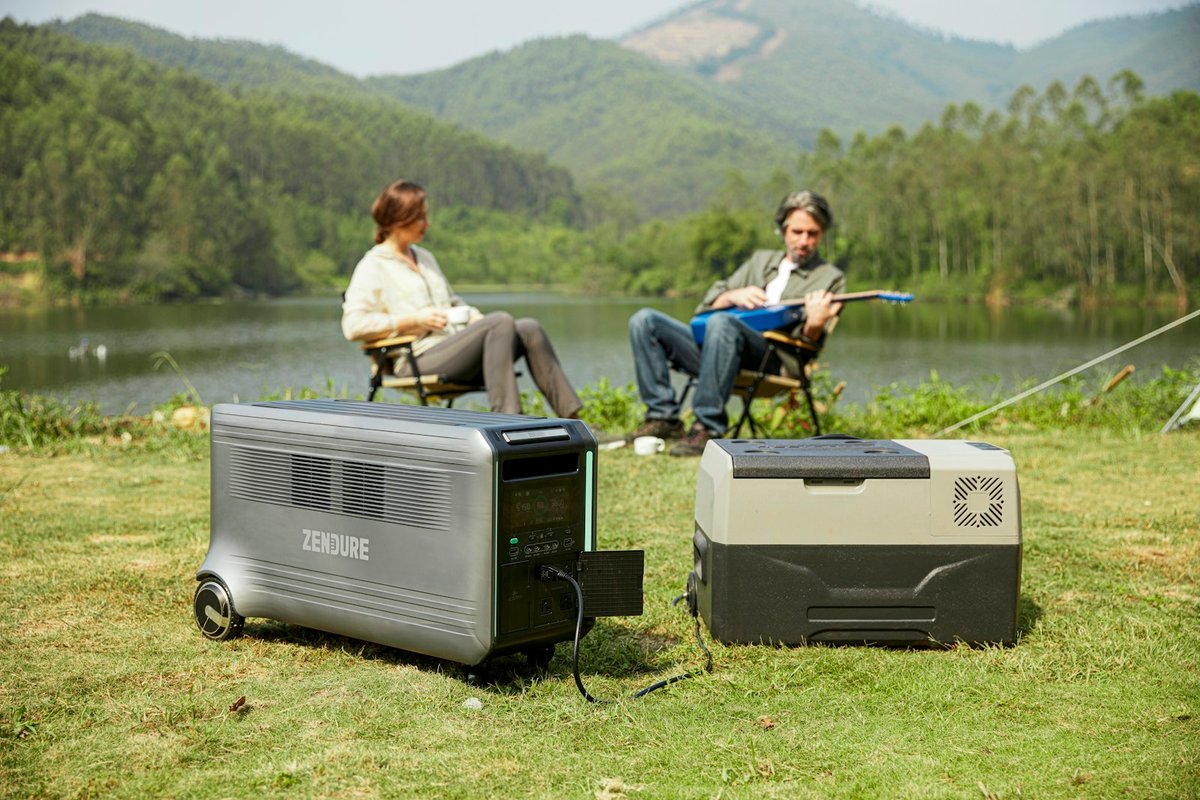
Premium rotomolded coolers can hold ice for 5 to 10 days under ideal conditions, but real-world campsite performance is typically 30 to 50 percent less than manufacturer claims. Every time you open the lid, warm air floods in and accelerates melting.
The hard-sided category has exploded over the past several years. YETI started the premium cooler craze, but competitors like RTIC, Grizzly, Pelican, and Igloo's BMX line now deliver similar insulation at lower price points.
Ice Retention Comparison: Popular Hard-Sided Coolers (65-Quart Class)
| Cooler | Capacity | Ice Retention (Real-World) | Weight (Empty) | Price Range |
|---|---|---|---|---|
| YETI Tundra 65 | 57 dry quarts | 5-7 days | 29 lbs | $350-$400 |
| RTIC Hard Cooler 65 | 64 quarts | 5-7 days | 29 lbs | $200-$250 |
| Grizzly 60 | 60 quarts | 6-8 days | 33 lbs | $300-$350 |
| Pelican 70QT Elite | 70 quarts | 6-10 days | 34 lbs | $350-$400 |
| Igloo BMX 72 | 72 quarts | 3-5 days | 19 lbs | $100-$130 |
| OtterBox Venture 65 | 65 quarts | 5-7 days | 30 lbs | $275-$325 |
Source: Outdoor Gear Lab independent cooler testing (2024-2025 test cycles)
A few things jump out from this data. RTIC performs neck-and-neck with YETI for $100 to $150 less (this is the heart of the "RTIC vs YETI" debate, and RTIC wins on value). Pelican edges ahead in pure ice retention thanks to its 2-inch polyurethane insulation walls, but it's also the heaviest. The Igloo BMX is the budget pick that still outperforms any basic Coleman or Rubbermaid by a significant margin.
Hard-Sided Cooler Pros
- Longest ice retention of any cooler type
- Bear-resistant options (certified models from YETI, Grizzly, and Pelican meet IGBC standards)
- Extremely durable. Rotomolded construction survives drops, UV exposure, and being used as a seat
- Dry goods stay dry with proper packing and a basket insert
Hard-Sided Cooler Cons
- Heavy. A loaded 65-quart cooler can hit 80+ pounds
- Bulky. Takes up major cargo space in a truck bed or SUV
- Expensive at the premium tier
- No temperature control. Performance degrades in extreme heat without shade and pre-chilling
Tips for Maximizing Ice Retention
Pre-chill your cooler 12 to 24 hours before loading it. Toss in a sacrificial bag of ice the night before, dump it out in the morning, then pack your real food and fresh ice. This single step can add a full day of cooling performance.
Use a 2:1 ice-to-food ratio. Pack block ice on the bottom (it melts slower than cubes) and fill gaps with cubed ice on top. Keep the cooler in the shade, and open it as few times as possible. If you're camping somewhere like Castle Gate RV Park in the Utah desert, draping a wet towel over the cooler adds evaporative cooling that actually works.
Are Soft-Sided Coolers Worth the Tradeoff?
Soft-sided coolers are absolutely worth it as a day-trip primary cooler or a campsite secondary cooler, but they cannot replace a hard-sided unit for multi-day food storage. Think of them as your grab-and-go option.
The best soft coolers keep ice for 24 to 48 hours. That's enough for a day at the lake, a hike to a swim spot, or keeping drinks cold while your main cooler stays sealed. They shine on portability: most weigh under 5 pounds empty and collapse flat for storage.
Top Soft-Sided Coolers by Price Tier
| Cooler | Capacity | Ice Retention | Weight | Price Range |
|---|---|---|---|---|
| YETI Hopper M20 | 36 cans | 24-36 hours | 5.5 lbs | $275-$325 |
| RTIC Soft Pack 30 | 30 cans | 24-48 hours | 4.5 lbs | $125-$150 |
| Igloo Trailmate MaxCold 30 | 30 cans | 18-24 hours | 3.5 lbs | $50-$70 |
| AO Coolers 24-Pack Canvas | 24 cans | 24-36 hours | 2.5 lbs | $70-$90 |
| CleverMade SnapBasket Cooler | 30 cans | 12-18 hours | 3 lbs | $35-$50 |
Source: OutdoorGearLab and Switchback Travel independent soft cooler reviews (2025)
RTIC's Soft Pack series is the standout value play here. It matches or beats YETI's ice retention at roughly half the price, and the welded seams have held up well in long-term durability testing. The AO Coolers canvas line is an underrated pick for car campers who want something tough and affordable.
When Soft Coolers Make Sense
- Overflow storage. Keep drinks in a soft cooler so you're not constantly opening your main hard cooler for a soda
- Day activities. Packing lunch for a kayak trip or trail ride at Jellystone Park™ Barton Lake
- Motorcycle or small-vehicle camping. When cargo space is the limiting factor
- Quick grocery runs. Keeping perishables cold on the drive from town back to camp
One smart strategy: pair a 45- to 65-quart hard cooler for your main food supply with a 20- to 30-can soft cooler for daily drinks. This "two-cooler system" dramatically cuts how often you open the hard cooler, extending its ice life by a day or more.
Do Electric Coolers Work Well at Campsites?
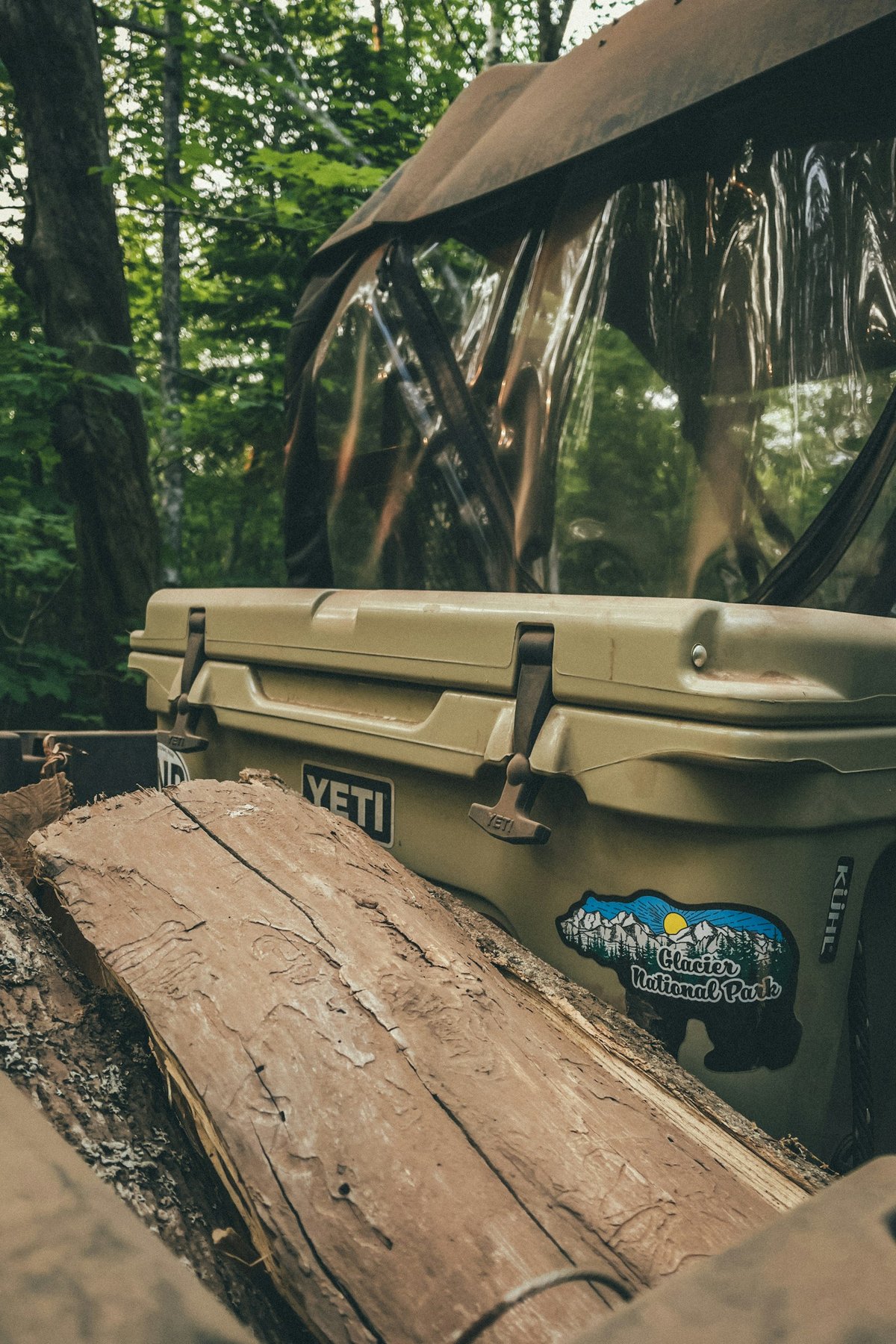
Compressor-based electric coolers work extremely well when you have reliable power, maintaining precise temperatures down to 0°F without any ice at all. They are essentially portable refrigerator-freezers.
This is the category that has improved the most in recent years. Modern 12V/24V compressor coolers from brands like Dometic, BougeRV, Iceco, and Alpicool can freeze food solid, run off your vehicle's battery, or plug into a campsite's electrical hookup. They're a significant upgrade for RV campers and overlanders.
Electric Cooler Types Explained
There are two technologies to know:
Thermoelectric (Peltier) coolers: Cheap ($30-$80), but they can only cool 30-40°F below ambient temperature. On a 95°F day, your food sits at 55-65°F. That's not safe for perishables. Avoid these for anything beyond keeping already-cold drinks cool for a few hours.
Compressor coolers: More expensive ($150-$800+), but they work like a real refrigerator. They reach and hold set temperatures regardless of outside heat. These are the only electric coolers worth buying for serious camping.
Compressor Cooler Comparison
| Cooler | Capacity | Temp Range | Power Draw | Weight | Price Range |
|---|---|---|---|---|---|
| Dometic CFX3 55IM | 53 liters | -7°F to 50°F | 45W avg | 50 lbs | $900-$1,050 |
| BougeRV CR Pro 52 | 52 liters | -8°F to 50°F | 45W avg | 48 lbs | $350-$450 |
| Iceco VL60 ProS | 60 liters | -4°F to 50°F | 45W avg | 52 lbs | $500-$600 |
| Alpicool C20 | 21 liters | 0°F to 50°F | 36W avg | 22 lbs | $150-$200 |
| SetPower FC20 | 21 liters | -4°F to 50°F | 36W avg | 23 lbs | $160-$220 |
Source: Manufacturer specifications and Project Farm YouTube channel independent power consumption testing (2025)
BougeRV has disrupted this market significantly. Their CR Pro line delivers Dometic-level performance at roughly one-third the price. The build quality isn't quite as refined, but for the average camper, the savings are hard to ignore.
Electric Cooler Pros
- No ice to buy, haul, or drain. This alone saves $20-$40 per week-long trip
- Precise temperature control. Set it to 34°F for drinks or 0°F for frozen goods
- Runs indefinitely with shore power or a sufficient solar/battery setup
- Dual-zone models let you refrigerate and freeze simultaneously
Electric Cooler Cons
- Requires power. You need a vehicle battery, portable power station, solar panels, or campsite hookups
- Upfront cost is higher than most hard coolers
- Compressor noise. Most produce a low hum (35-45 dB). It's barely noticeable outdoors but worth mentioning
- Fragile compared to rotomolded. Compressors can be damaged by severe impacts
If you camp primarily at full-hookup sites like Cherry Hill Park or The Ridge Outdoor Resort, plugging in an electric cooler is as easy as running an extension cord from your site's power pedestal. Pair it with a quality surge protector to guard the compressor against power fluctuations at campgrounds.
For off-grid use, a 200Wh portable power station can run a small compressor cooler for about 8 to 12 hours. A 100W solar panel keeps things topped off during daylight hours.
Which Cooler Setup Fits Your Camping Style?
The right cooler depends less on which brand is "best" and more on how you camp. Here are four common scenarios with specific recommendations.
Scenario 1: Weekend Tent Camping (2-3 nights)
A mid-range hard cooler in the 45- to 65-quart range handles this perfectly. You don't need a $400 YETI. An RTIC 65 or Igloo BMX 72 gets the job done. Add a small soft cooler for daytime drinks.
Budget: $130-$250 total
Scenario 2: Full-Hookup RV Camping
Your RV fridge does most of the work, but a compressor cooler is a fantastic secondary unit. Keep it outside under your awning as a dedicated drink fridge so people aren't constantly opening the RV door. At a resort-style park like Jellystone Park™ Tower Park, this setup keeps the party outside where it belongs.
Budget: $200-$500 for a compressor cooler
Scenario 3: Extended Road Trip (7+ Days)
This is where the two-cooler system really pays off. Use a compressor cooler for perishables (plugged into your vehicle's 12V outlet while driving) and a rotomolded hard cooler for frozen backup and overflow. You'll stop buying gas station ice bags entirely.
Budget: $400-$700 for both coolers
Scenario 4: Boondocking or Dry Camping
Without hookups, power management becomes critical. A compressor cooler paired with a 100W to 200W solar panel and a lithium power station (500Wh or larger) runs a cooler indefinitely without a generator. Pre-freeze food before you leave, and the cooler barely has to work to maintain temperature.
If you're dry camping near Kanab RV Corral while exploring southern Utah's canyon country, this solar-powered setup keeps food safe for as long as the sun cooperates (which, in the desert, is basically always).
Budget: $600-$1,200 for cooler + power station + solar panel
Recommended Gear
These are the specific products worth researching in each category. Prices fluctuate, so check current deals before buying.
Hard-Sided Coolers
- Best overall value: RTIC Hard Cooler 65 QT
- Best ice retention: Pelican 70QT Elite
- Best budget option: Igloo BMX 72
- Best bear-resistant: Grizzly 60 (IGBC certified)
Soft-Sided Coolers
- Best overall value: RTIC Soft Pack 30
- Best ultralight: AO Coolers 24-Pack Canvas
- Best budget option: CleverMade SnapBasket Cooler
Electric Coolers
- Best overall value: BougeRV CR Pro 52
- Best premium: Dometic CFX3 55IM
- Best compact: Alpicool C20
Supporting Gear
- Portable power station (500Wh+ lithium, for electric coolers off-grid)
- 100W folding solar panel (keeps power station charged)
- Cooler tie-down straps (secure heavy coolers in truck beds and RV storage bays)
- 30-amp surge protector (protects electric coolers and RV systems at campground hookups)
- Reusable ice packs (Yeti Ice or Arctic Ice Chillin' Brew; freeze harder and longer than water ice in certain configurations)
How to Pack a Cooler Like a Pro
Packing technique matters almost as much as the cooler itself. A $400 YETI packed poorly will underperform a $100 Igloo packed correctly.
- Pre-chill the cooler 12-24 hours ahead. Use sacrificial ice or store the cooler in a cold garage overnight
- Freeze what you can. Meats, marinades, water bottles, and even pre-made meals act as additional ice blocks
- Layer strategically. Block ice on the bottom, frozen food next, refrigerated items on top, with cubed ice filling all air gaps
- Separate by meal. Pack day-three food on the bottom and today's lunch on top so you're not digging
- Minimize dead air. A full cooler stays cold longer than a half-empty one. Fill empty space with extra ice or crumpled newspaper as insulation
- Keep it sealed. Open the lid only when you know exactly what you need. Designate one person as the "cooler keeper" if camping with a group
- Stay in the shade. Move the cooler as the sun shifts. A reflective blanket draped over it helps in direct sun
Frequently Asked Questions
Is RTIC as good as YETI?
For most campers, yes. RTIC coolers use the same rotomolded construction and similar insulation thickness as YETI, and independent tests consistently show comparable ice retention. The main differences are in smaller design details (latches, drain plugs, accessories) and brand prestige. RTIC delivers roughly 85 to 90 percent of the YETI experience at 50 to 60 percent of the price.
How much ice do I need for a weekend camping trip?
Plan for roughly 2 pounds of ice per person per day, plus extra for your food. A couple on a three-day trip should budget 15 to 20 pounds of ice. Using frozen water bottles and pre-frozen food reduces this number because those items double as ice sources as they thaw.
Can I run an electric cooler off my car battery without killing it?
Most quality compressor coolers have built-in low-voltage cutoff protection that shuts the unit off before your vehicle battery drops too low to start the engine. That said, running a cooler off your car battery overnight while the engine is off is risky without a dual-battery system or a dedicated lithium power station. A portable power station is the safer approach.
Are electric coolers loud?
Compressor coolers produce a low hum (typically 35 to 45 decibels) when the compressor cycles on. For context, that's quieter than a normal conversation. Outdoors at a campsite, it's usually inaudible from more than a few feet away. Inside a vehicle or tent, some campers notice it at night. Thermoelectric coolers are virtually silent but perform poorly.
Do I really need a bear-resistant cooler?
If you camp in bear country, storing food properly isn't optional. Some national forests and wilderness areas require IGBC-certified bear-resistant containers. A certified cooler (like the YETI Tundra series with padlocks or the Grizzly 60) can double as your food container and your cooler. Check regulations for your specific campground before your trip. Standard campgrounds with bear boxes, like those near Yellowstone Grizzly RV Park, provide their own storage, but backcountry sites often don't.
What size cooler do I need for a family of four?
A 65- to 75-quart hard cooler handles a family of four for a typical 2- to 3-night trip. For longer trips, step up to a 75- to 110-quart model or use the two-cooler strategy. Electric cooler users should look at 45- to 55-liter compressor models for a family, supplemented by a small soft cooler for daily drinks.