A complete guide to camping in Alaska

Alaska camping operates on a different scale than the lower 48. The state covers 663,000 square miles with a road system that reaches only a fraction of the terrain. Most campgrounds cluster along the limited highway corridors: the Parks Highway between Anchorage and Fairbanks, the Seward Highway south to Kenai Peninsula, and the Alaska Highway entering from Canada. Everything else requires bush plane, boat, or foot travel.
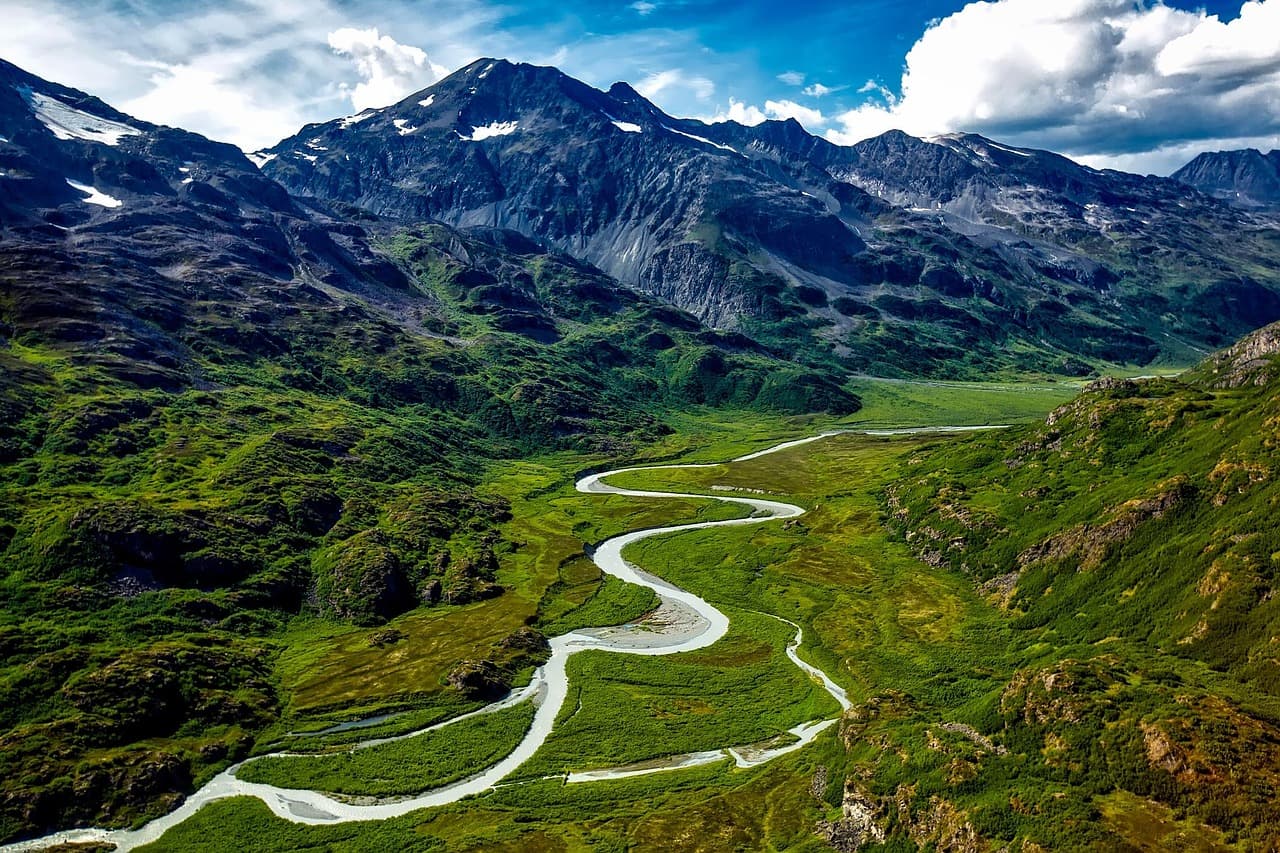
The Kenai Peninsula south of Anchorage concentrates the most accessible camping. Seward, Sterling, and Homer sit along a connected road system with both state and private campgrounds. The Matanuska Valley near Palmer provides mountain-flanked camping within an hour of Anchorage. Denali National Park along the Parks Highway draws the heaviest single-destination traffic. Beyond the road system, Wrangell-St. Elias, Katmai, and the Brooks Range offer camping experiences that require significant logistics and backcountry preparation.
Mar-May
High 43°F · Low 31°F
Snow lingers at most elevations through May. The Kenai Peninsula begins thawing in April. Daylight increases rapidly. Most campgrounds remain closed until late May. Brown bears emerge from dens.
Jun-Aug
High 61°F · Low 49°F
The camping season. Near-continuous daylight in June with 18 to 22 hours depending on latitude. Salmon runs begin in July. Denali and Kenai campgrounds operate at full capacity. Mosquitoes are intense. Temperatures reach the 60s at lower elevations.
Sep-Nov
High 43°F · Low 31°F
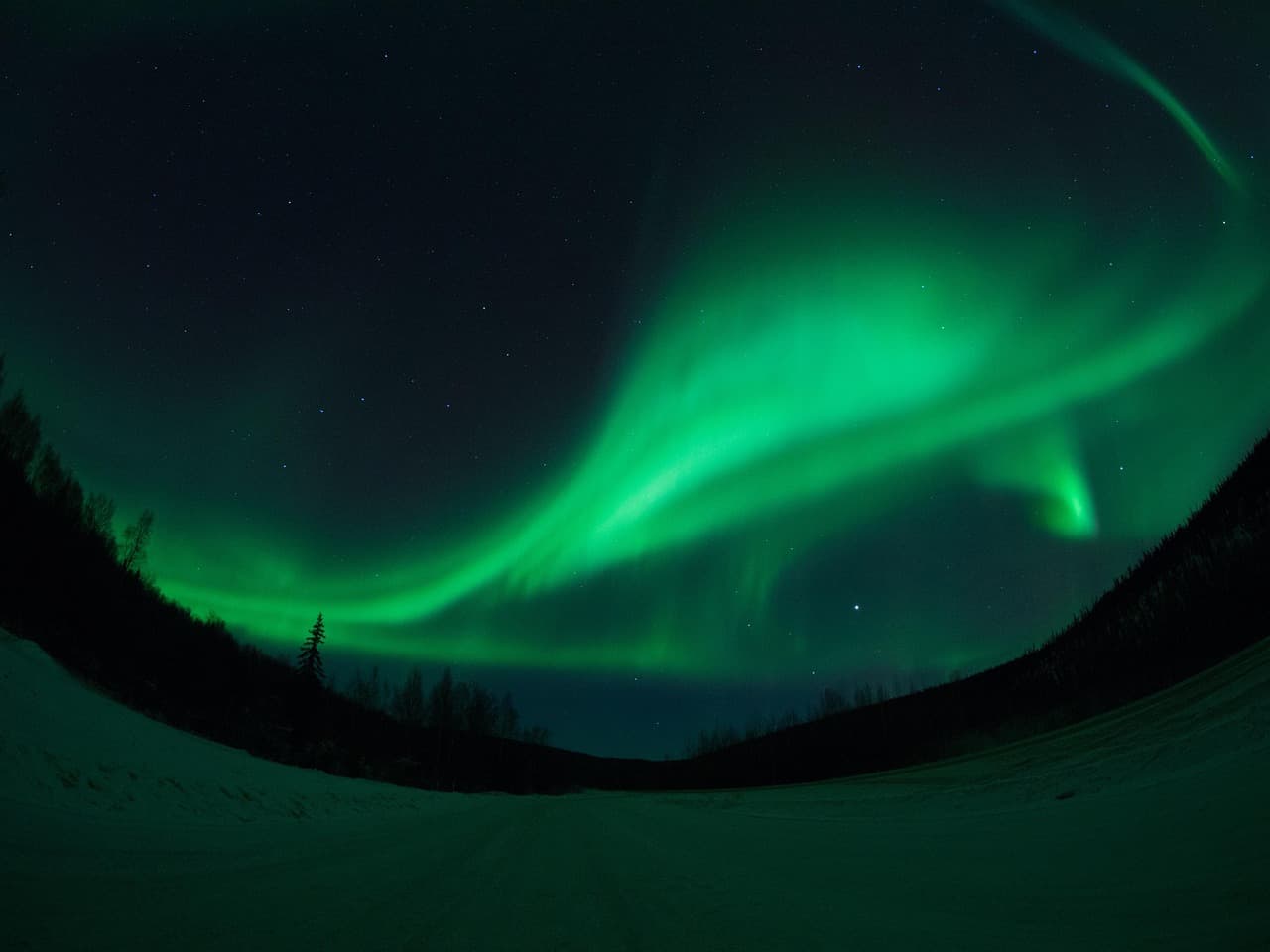
Tundra turns red and gold in September. The northern lights become visible as darkness returns. Most campgrounds close by mid-September. Temperatures drop rapidly. Early snow at higher elevations.
Dec-Feb
High 25°F · Low 13°F
January averages 18 degrees statewide but far colder in the interior. Fairbanks regularly hits minus 30. Virtually no campground-based camping. Winter travelers use cabins, public-use cabins maintained by the Forest Service and state parks, or are fully self-sufficient.
| Season | Months | Avg High | Avg Low | Conditions |
|---|---|---|---|---|
| Spring | Mar-May | 43°F | 31°F | Snow lingers at most elevations through May. |
| Summer | Jun-Aug | 61°F | 49°F | The camping season. |
| Fall | Sep-Nov | 43°F | 31°F | Tundra turns red and gold in September. |
| Winter | Dec-Feb | 25°F | 13°F | January averages 18 degrees statewide but far colder in the interior. |
Source: NOAA 30-Year Climate Normals

| Region | Terrain | Key Areas |
|---|---|---|
| Kenai Peninsula | Coastal | Seward, Sterling, Homer, Cooper Landing |
| Denali and Parks Highway | Mountain | Denali Park, Talkeetna, Cantwell, Healy |
| Matanuska Valley and Anchorage | Mountain | Palmer, Anchorage, Wasilla, Glennallen |
| Southeast Alaska | Coastal | Wrangell, Juneau, Ketchikan, Sitka |
| Interior and Fairbanks | Plains | Fairbanks, North Pole, Delta Junction, Tok |
Coastal · Seward, Sterling, Homer, Cooper Landing
The most accessible camping region in Alaska. Seward, Sterling, and Homer line a connected highway south of Anchorage. The Russian River draws combat fishing for sockeye salmon in July. Kenai Fjords National Park at Seward offers boat-access glacier camping. Chugach State Park and Kenai National Wildlife Refuge provide developed and backcountry options. Stoney Creek RV Park in Seward and Bing Brown's in Sterling provide developed camping along the Kenai highway corridor.
Mountain · Denali Park, Talkeetna, Cantwell, Healy
The Parks Highway connects Anchorage to Fairbanks with Denali National Park at the midpoint. The park has six campgrounds along the first 30 miles of the park road. Talkeetna and Cantwell serve as access towns. The Alaska Range provides the scenic backdrop. The mountain itself is visible on clear days from campgrounds. Riverside camping near Denali Park and Talkeetna Camper Park in Talkeetna serve the Parks Highway corridor between the park and rail-accessible towns.
Mountain · Palmer, Anchorage, Wasilla, Glennallen
The Matanuska Glacier and Chugach Mountains frame the valley east of Anchorage. Palmer serves as the agricultural center. Anchorage itself has municipal campgrounds. The Glenn Highway east toward Glennallen provides mountain camping at Matanuska Glacier and along the Copper River corridor. The Springer RV and Campground and Mt View RV Park in Palmer serve the Matanuska Valley, while Golden Nugget RV Park provides Anchorage-area camping.
Coastal · Wrangell, Juneau, Ketchikan, Sitka
The panhandle accessible by Alaska Marine Highway ferry or bush plane. Juneau, Ketchikan, and Wrangell sit in temperate rainforest along fjords and islands. Tongass National Forest campgrounds provide the main camping infrastructure. Heavy rainfall year-round. A completely different ecosystem from the interior. Lower Salamander Creek Campground in Wrangell and Glacier Nalu Campground Resort in Juneau provide the primary developed camping in the panhandle.
Plains · Fairbanks, North Pole, Delta Junction, Tok
Subarctic terrain around the state's second-largest city. The Chena River and surrounding boreal forest provide summer camping access. Fairbanks experiences extreme temperature swings: 80 degrees in June, minus 40 in January. The Dalton Highway north to Prudhoe Bay draws adventure drivers with limited camping options. Tanana Valley Campground and RV Park in Fairbanks and Chena Lake Recreation Area in North Pole serve the interior summer camping season.

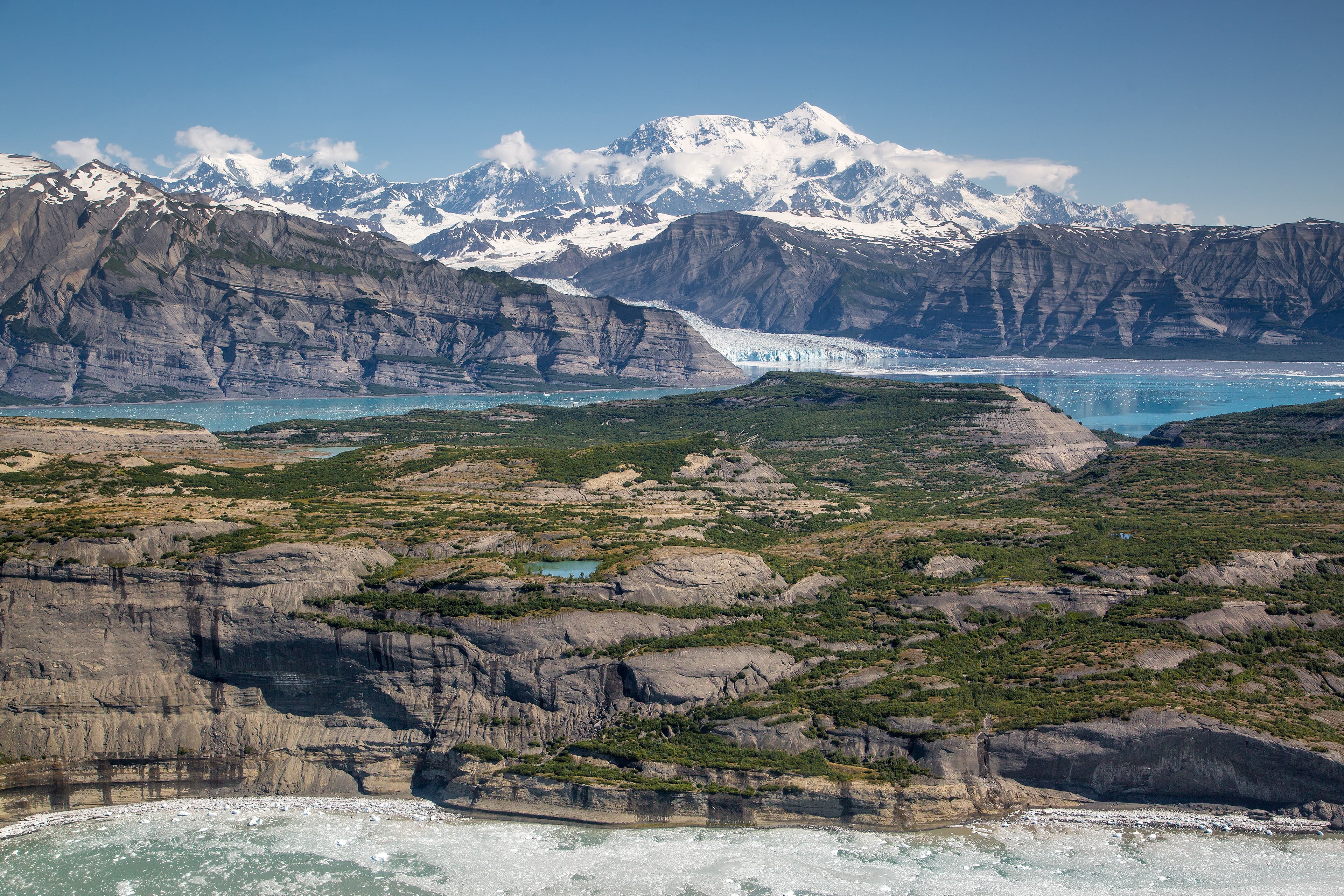
Camp beneath North America's tallest peak in six million acres of subarctic wilderness accessible only by shuttle bus.
View camping guide →
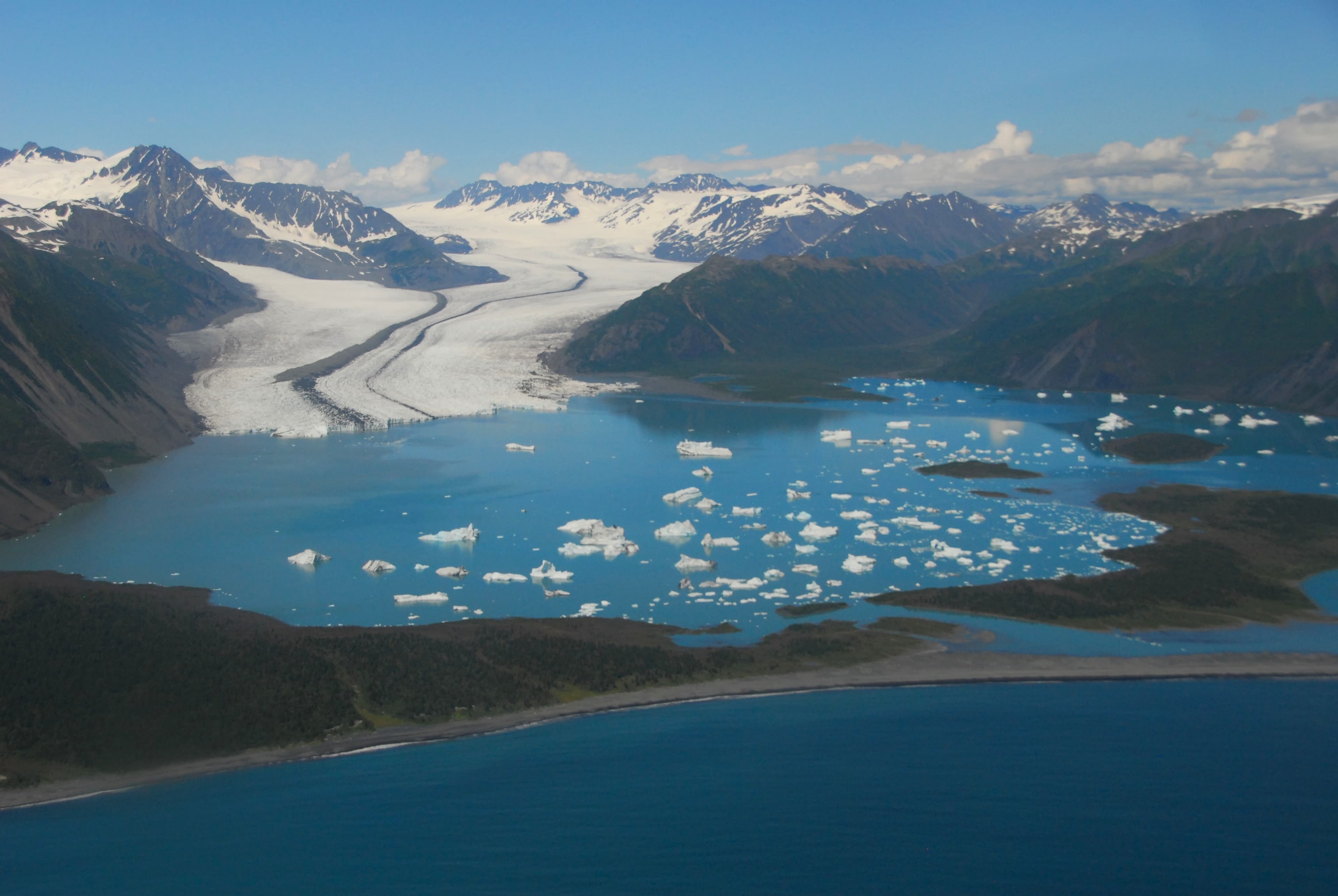
Where mountains, ice, and ocean converge across Alaska's Kenai Peninsula.
View camping guide →
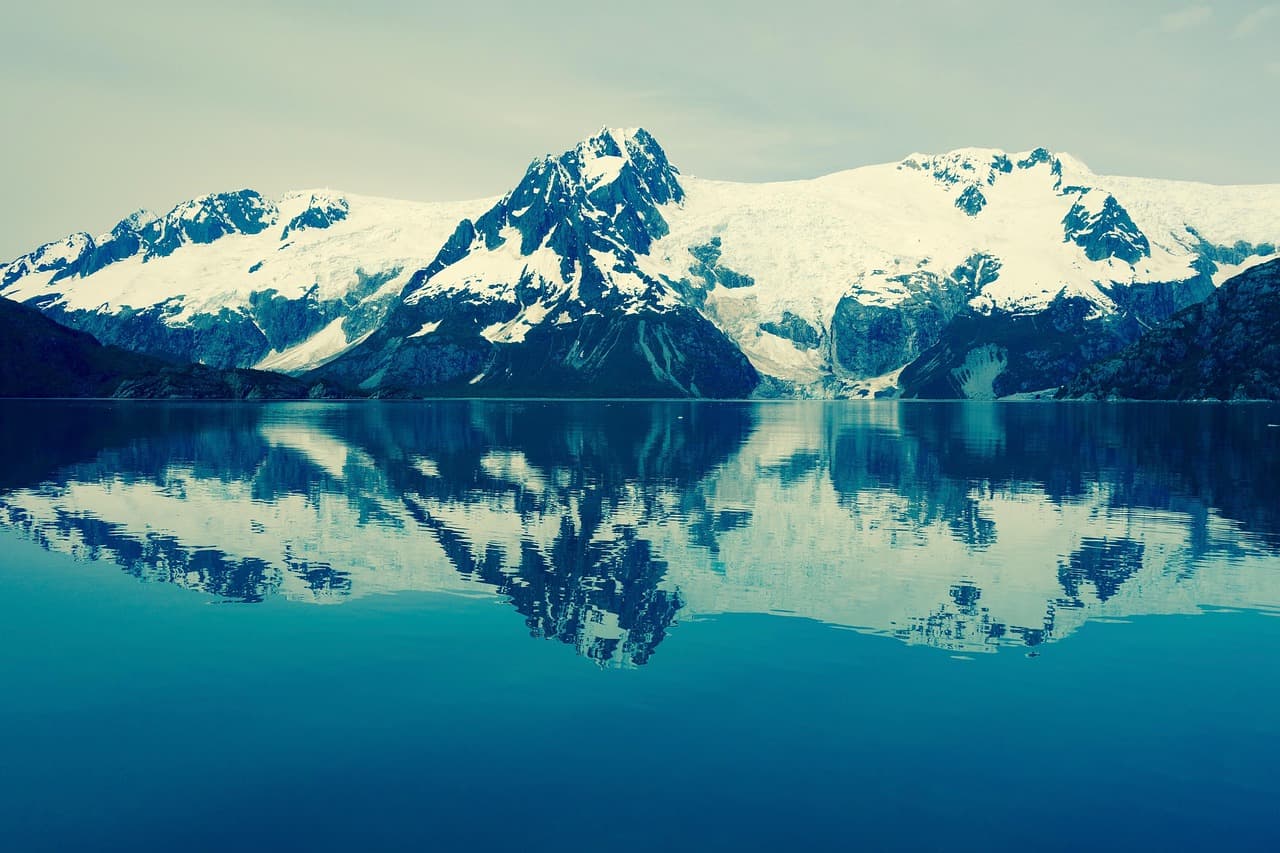
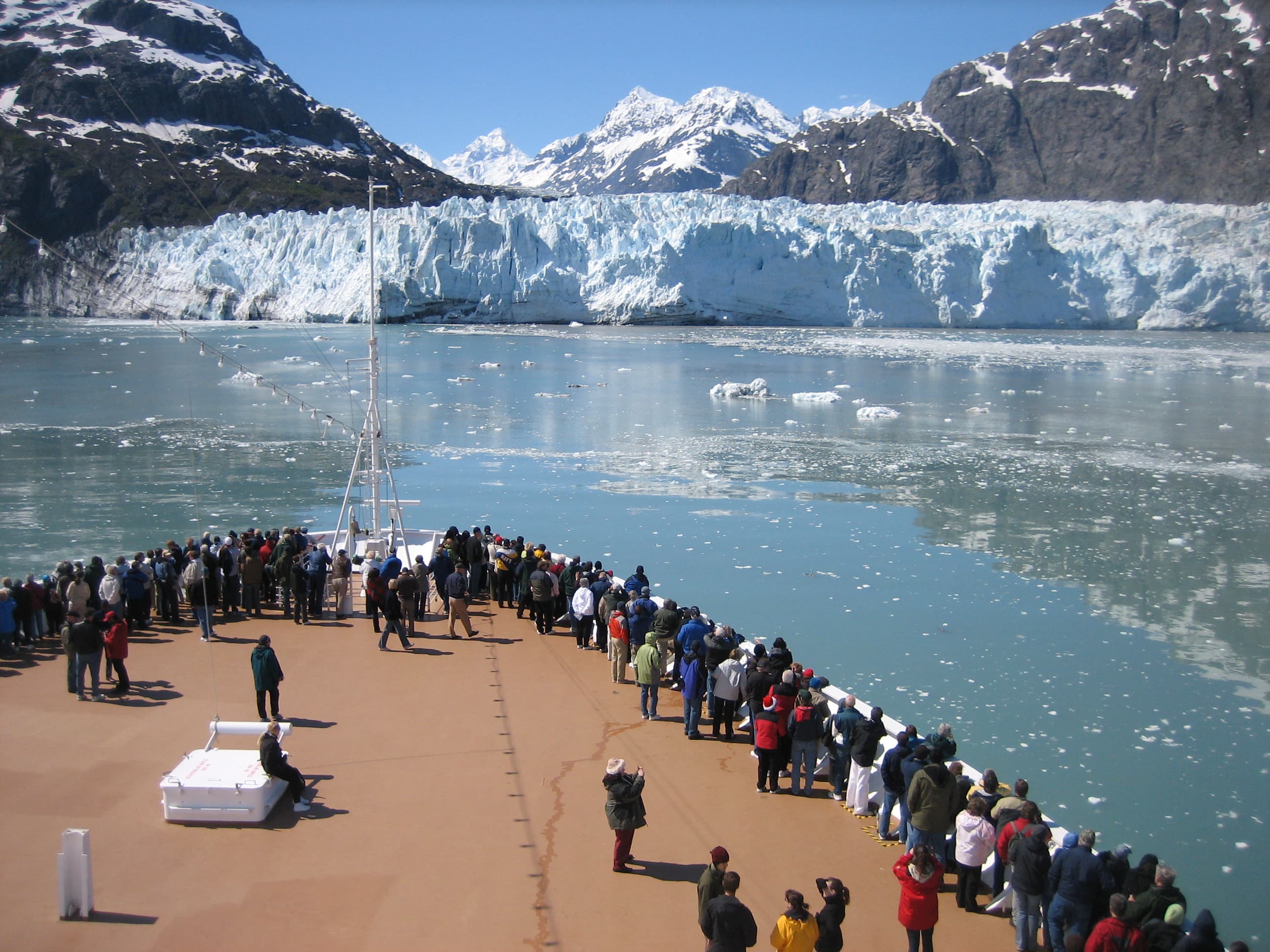
Tidewater glaciers, deep fjords, and temperate rainforest in Alaska's remote coastal wilderness.
View camping guide →
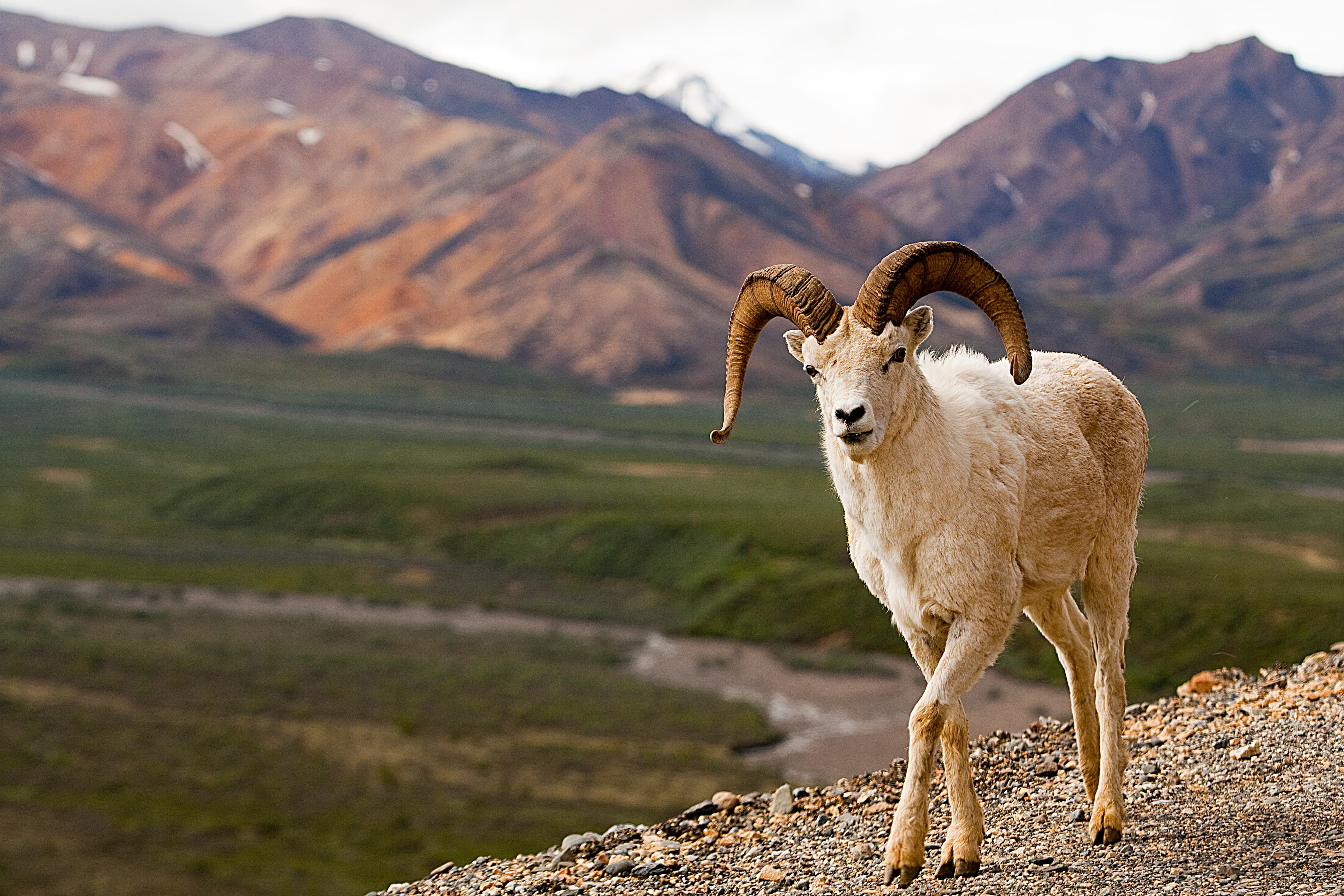
America's largest national park, where nine of the sixteen highest US peaks converge with massive glaciers and vast wilderness.
View camping guide →
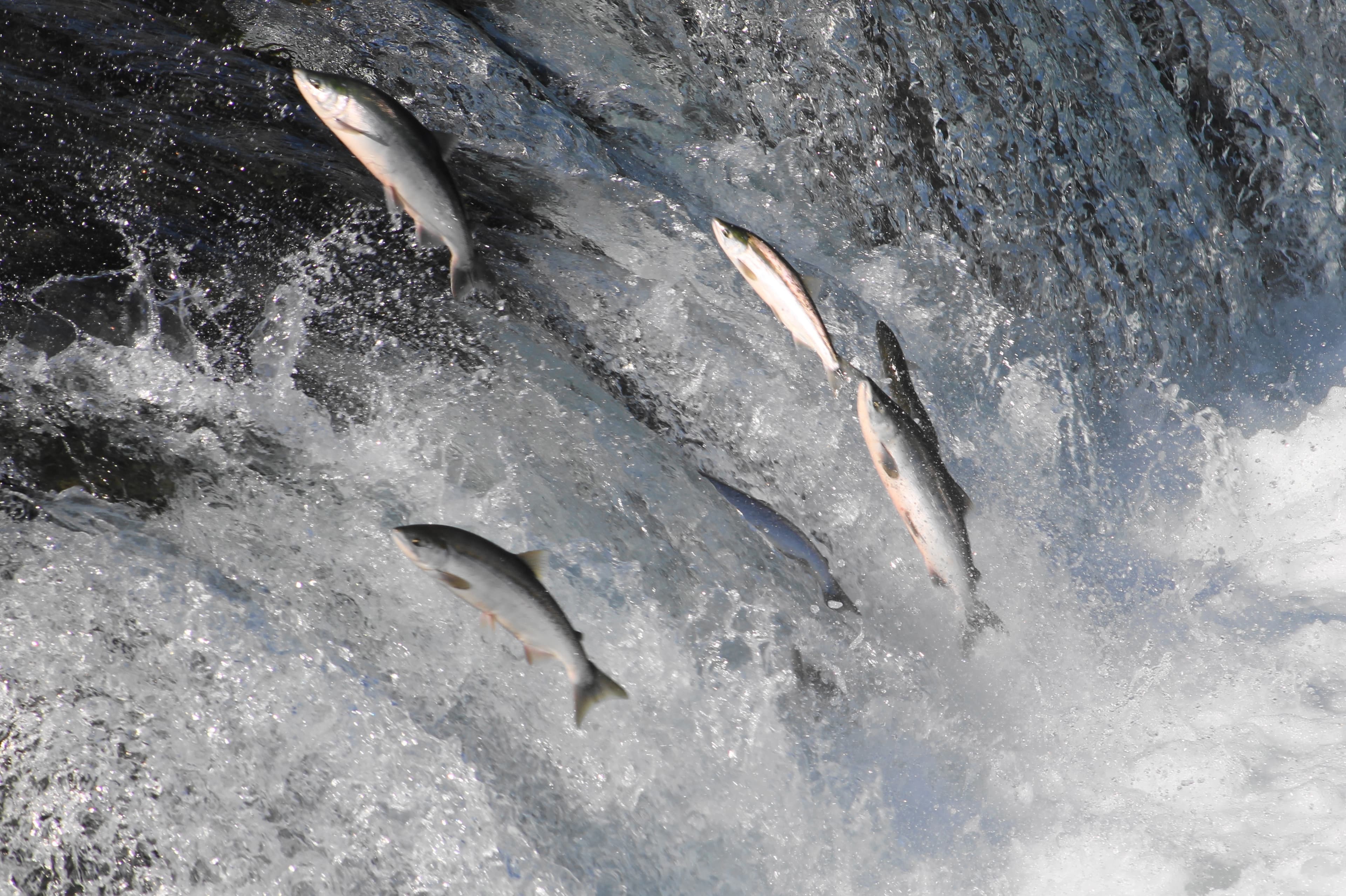
Where brown bears gather by the dozens at Brooks Falls to catch leaping salmon in one of nature's greatest wildlife spectacles.
View camping guide →
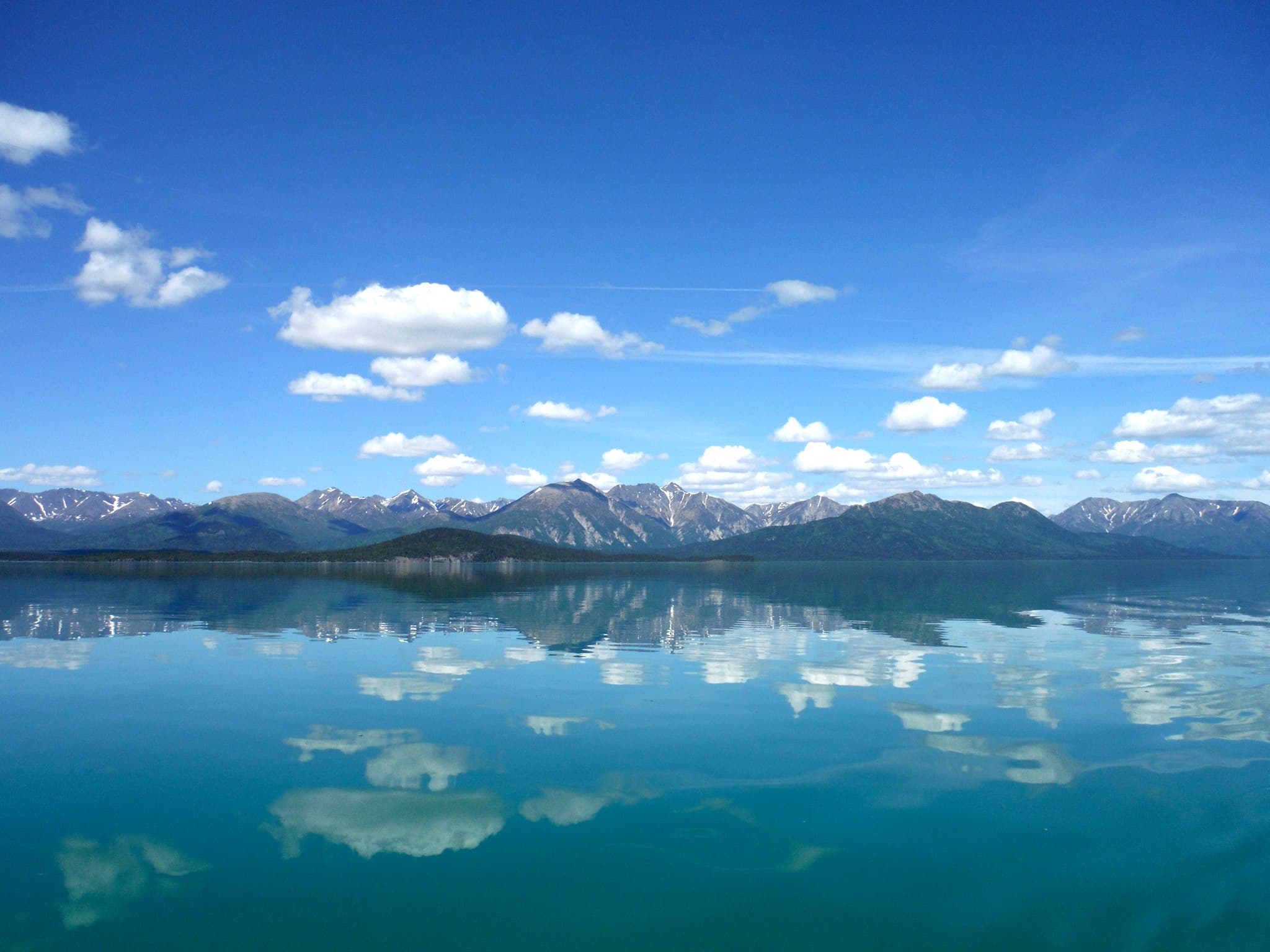
Where the Alaska Range meets Cook Inlet, with active volcanoes, turquoise lakes, and world-class bear viewing at the coast.
View camping guide →
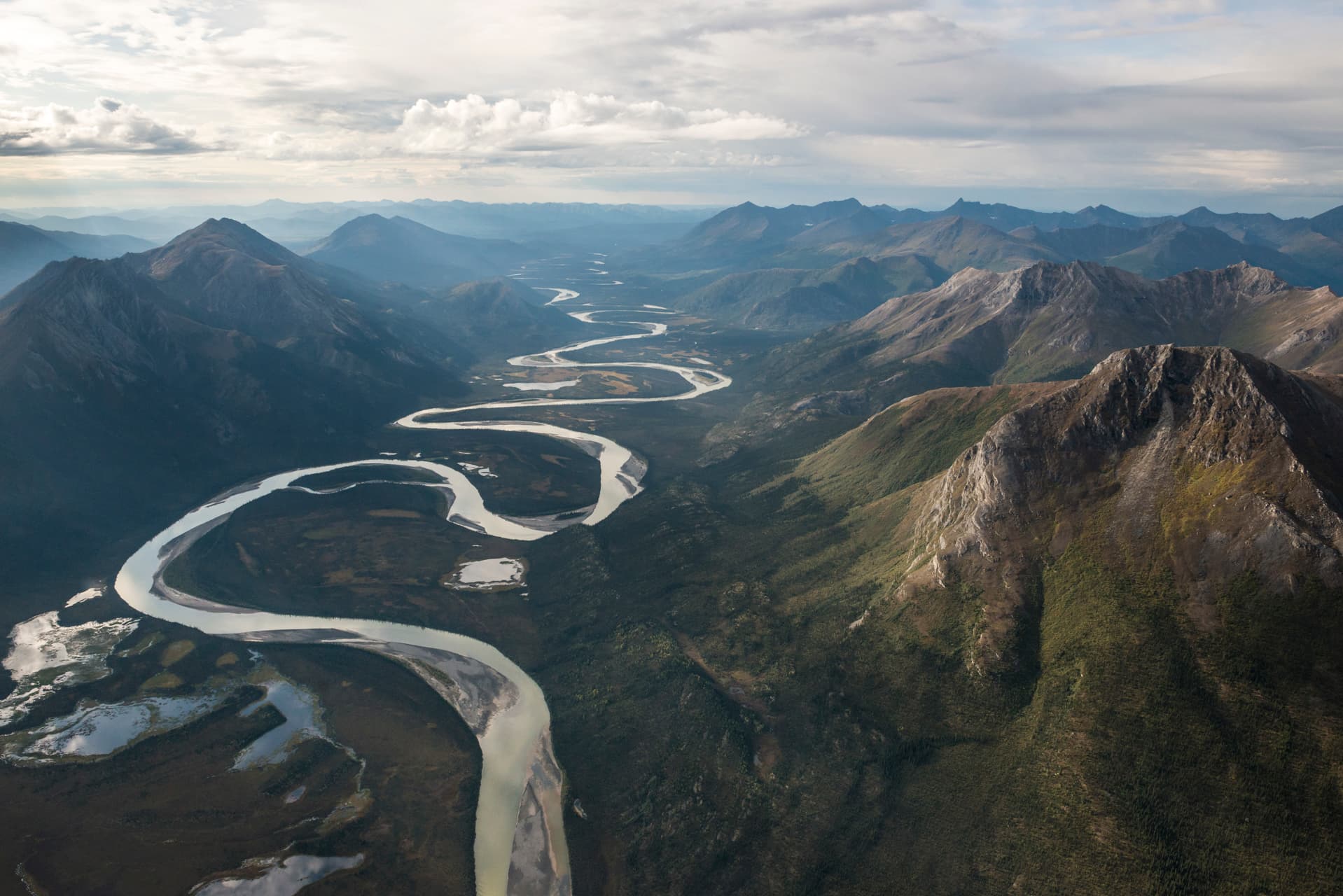
Pure Arctic wilderness above the Arctic Circle with no roads, no trails, and no facilities.
View camping guide →
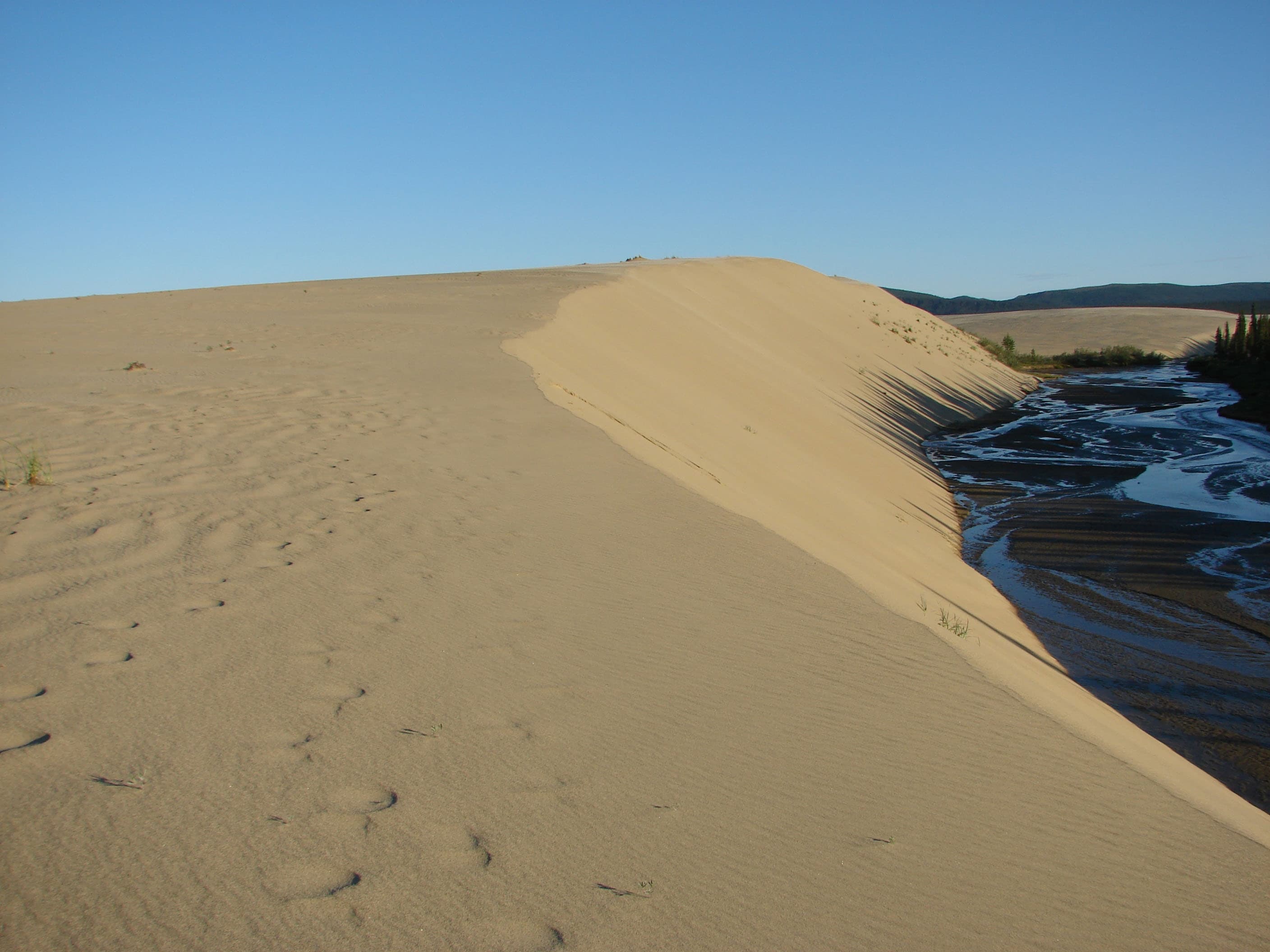
Arctic sand dunes and caribou crossings above the Arctic Circle in one of America's most remote national parks.
View camping guide →
Late June through mid-August. Most campgrounds open in late May and close by mid-September. July offers the best combination of warm temperatures, salmon fishing, and long daylight. June has the longest days but cooler temperatures. August brings fall colors in the tundra and the northern lights return.
Bear encounters are a real part of Alaska camping. Brown bears, grizzlies, and black bears all inhabit campground areas. Carry bear spray and know how to use it. Store all food in bear-proof containers or vehicles. Cook at least 100 yards from your sleeping area. Most developed campgrounds have bear-proof food lockers.
The Parks Highway reaches Denali from Anchorage (four to five hours) and Fairbanks (two hours). Once in the park, private vehicles can only drive the first 15 miles of the 92-mile park road. Beyond that, park transit buses provide access to Eielson Visitor Center and Wonder Lake. Campground shuttle buses serve the developed campgrounds.
A state-run ferry system connecting coastal communities in Southeast Alaska and extending to Kodiak and the Aleutians. Travelers can bring vehicles, RVs, and camp on the ferry deck. The route from Bellingham, Washington, to Juneau takes about three days. A key access point for camping in Southeast Alaska.
Among the worst anywhere. Alaska mosquitoes are large, aggressive, and emerge in clouds from June through August, especially in interior and wetland areas. Wind-exposed coastal sites have fewer. Head nets and full-coverage clothing are standard gear. DEET or picaridin repellent is essential. Some campers bring screened dining shelters.