Camping Near Gates of the Arctic National Park
Alaska | Established 1980
About Gates of the Arctic National Park
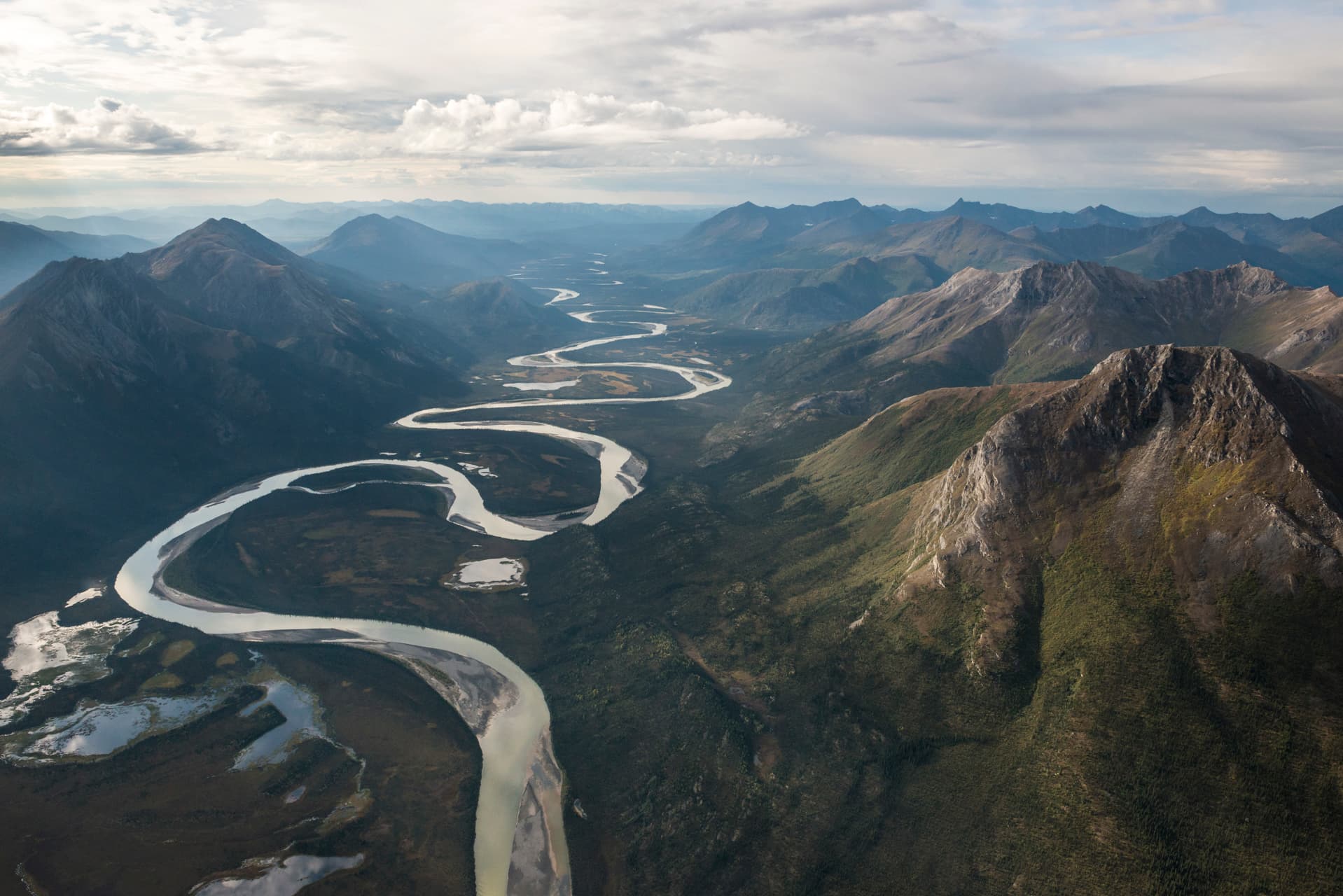
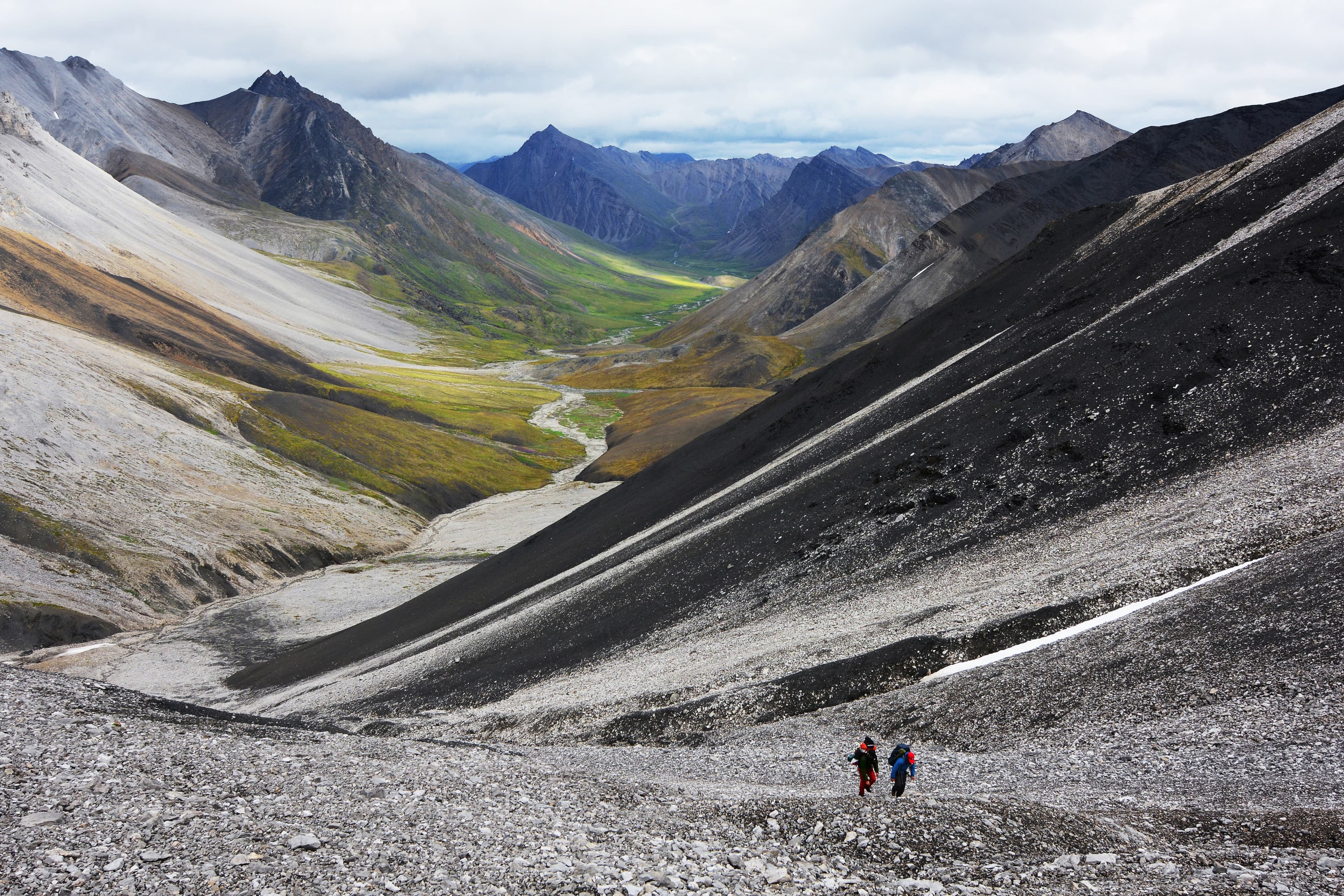
Gates of the Arctic spans 8.4 million acres of Brooks Range wilderness entirely above the Arctic Circle. Named by explorer Bob Marshall for the twin peaks Frigid Crags and Boreal Mountain that form a gateway into the Arctic, this park has no roads, no maintained trails, no campgrounds, and no visitor facilities within its boundaries.
Visitors arrive by bush plane from Fairbanks, Coldfoot, or Bettles, landing on gravel bars and lakes. The park demands complete self-sufficiency and advanced backcountry skills. The Dalton Highway (Haul Road) brushes the park's eastern boundary, providing the only ground-based access point at a few unmarked entry corridors. Caribou from the Western Arctic herd migrate through in vast numbers each fall.
Camping Tips for Gates of the Arctic
- No campgrounds, fire rings, tent pads, or any infrastructure exists inside the park. All camping is wilderness camping wherever you choose to set up, following Leave No Trace principles.
- Use a bush plane to reach most areas. Air taxis from Bettles and Coldfoot land on gravel bars, lakes, and tundra strips. Budget $500 to $1,500 round trip per person depending on distance and group size.
- Water is abundant from streams and lakes but must be treated. Giardia exists in Alaska waterways. A filter or chemical treatment is required. Glacial streams carry silt and may need to settle before filtering.
- Grizzly bears, wolves, and caribou share the landscape. Carry bear spray, use a bear canister for food, and camp at least 100 yards from cooking areas. Store all scented items in the canister.
- Hypothermia is a risk even in summer. Temperatures drop below freezing any night of the year. Bring a sleeping bag rated to 15 degrees Fahrenheit and a four-season tent capable of handling sustained 40 mph winds.
RV Parks & Campgrounds Near Gates of the Arctic National Park
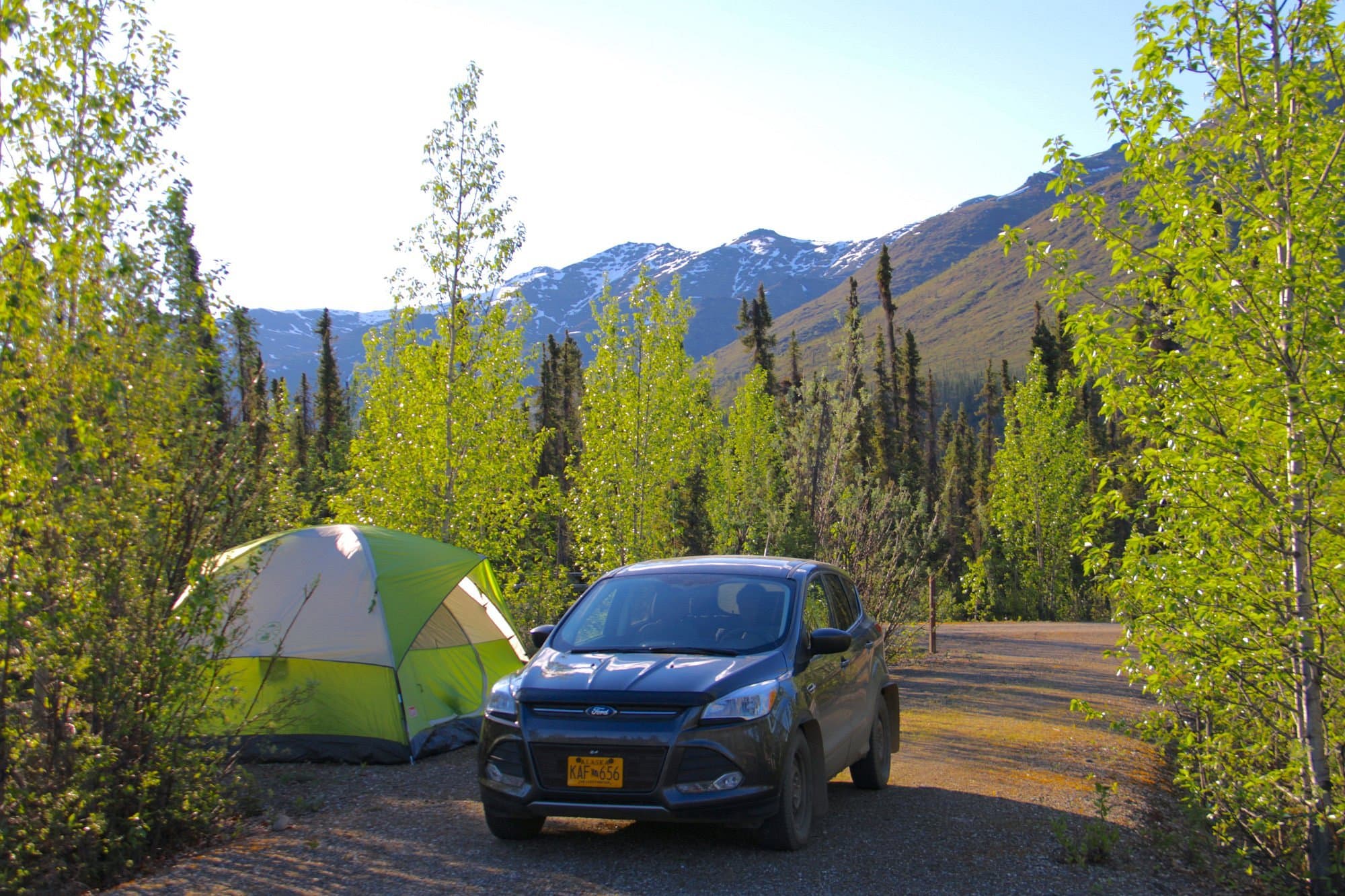
1.Marion Creek Campgrounds
Marion Creek Campground is a campground managed by the Bureau of Land Management in Alaska. It offers a unique camping experience with scenic views and access to outdoor...
Show moreShowing 1–1 of 1 campgrounds within 100 miles
Frequently Asked Questions
How do I get to Gates of the Arctic National Park?
Most visitors fly by bush plane from Bettles or Coldfoot, both reachable via small aircraft from Fairbanks. The Dalton Highway provides the only road access to the park's eastern edge near Wiseman, where unmarked routes lead into the park on foot. No roads enter the park.
Wright Air Service and Bettles Lodge Air operate scheduled flights from Fairbanks to Bettles (roughly $400 round trip). From Bettles, air taxis fly visitors to landing zones inside the park. Coldfoot, located at mile 175 on the Dalton Highway, also has air taxi services. Driving the Dalton Highway from Fairbanks to Coldfoot takes about six hours. From the Dalton Highway near Wiseman, some visitors hike cross-country into the park's eastern valleys, though route-finding experience is essential since no trails exist.
Do I need a permit to camp or hike?
No permits are required for any activity in Gates of the Arctic. Camping, hiking, and paddling are all allowed without reservation or registration. The NPS recommends filing a voluntary trip itinerary with the ranger station in Bettles or Coldfoot for safety tracking purposes.
While no permits are needed, the park strongly encourages a pre-trip consultation with rangers. Staff in Bettles and Coldfoot can provide current conditions, river levels, bear activity reports, and weather forecasts. They will also note your expected itinerary and return date in case a search becomes necessary. Trip itineraries are not binding but help rescue coordination if you become overdue. For groups of eight or more, contact the park in advance for guidance on minimizing impact in pristine areas.
What are the main activities in the park?
Backpacking, river floating, and fishing are the primary activities. Multi-day backpacking trips through the Brooks Range valleys are the most common experience. Packrafting and canoe trips on rivers like the Alatna, John, North Fork Koyukuk, and Noatak provide wilderness float experiences lasting five to fourteen days.
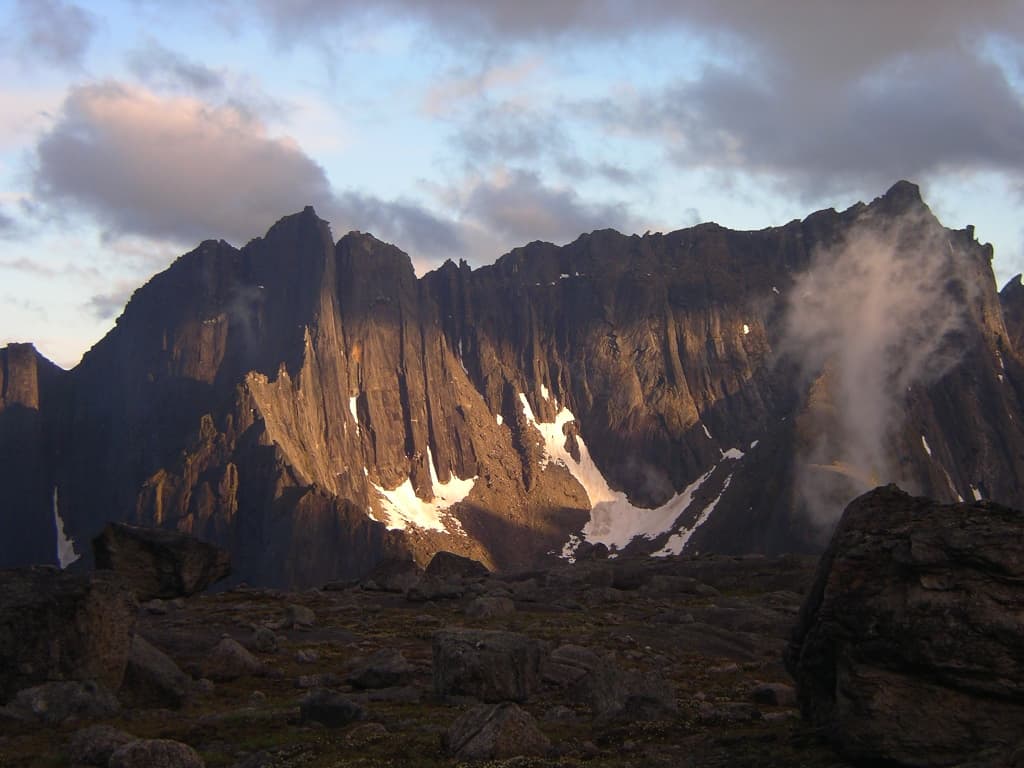
The Arrigetch Peaks area offers dramatic granite spires popular with experienced scramblers and rock climbers. The Gates themselves (Frigid Crags and Boreal Mountain) make a classic multi-day backpacking destination from the North Fork Koyukuk River. Float trips typically start with a bush plane drop-off at a river's headwaters and end at a pickup point downstream. Arctic grayling and lake trout fishing is excellent throughout the park. Winter visitors (rare) come for aurora viewing and cross-country skiing, though extreme cold (-40 degrees Fahrenheit is common) limits this to experienced polar travelers.
What wildlife is in Gates of the Arctic?
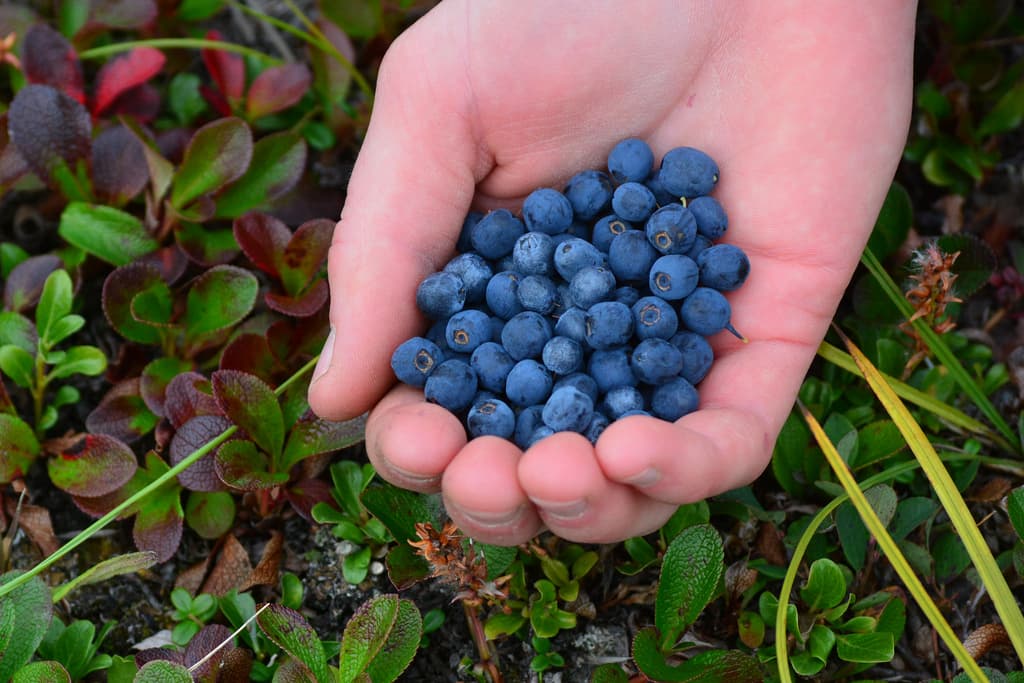
The Western Arctic caribou herd (roughly 200,000 animals) migrates through the park in late August and September. Grizzly bears, wolves, Dall sheep, moose, wolverines, and musk oxen also inhabit the park. Grizzlies are common in river valleys during salmon and berry season.
Caribou migration is the park's signature wildlife event. Thousands of animals cross river valleys and mountain passes over several weeks, typically peaking in late August to mid-September. Dall sheep are visible on ridgelines and rocky slopes of the Brooks Range throughout summer. Wolf packs follow caribou herds and are occasionally heard or seen in remote valleys. Moose inhabit lower-elevation river corridors. Musk oxen are rare in the park but present in small numbers in the eastern section. Birds include golden eagles, gyrfalcons, and ptarmigan.
How should I prepare for a trip to Gates of the Arctic?
This park requires expedition-level preparation. Bring all food, fuel, and supplies for your entire trip plus three extra days for weather delays. Navigation skills with map, compass, and GPS are essential since no trails exist. Physical fitness for river crossings and off-trail hiking with a heavy pack is mandatory.
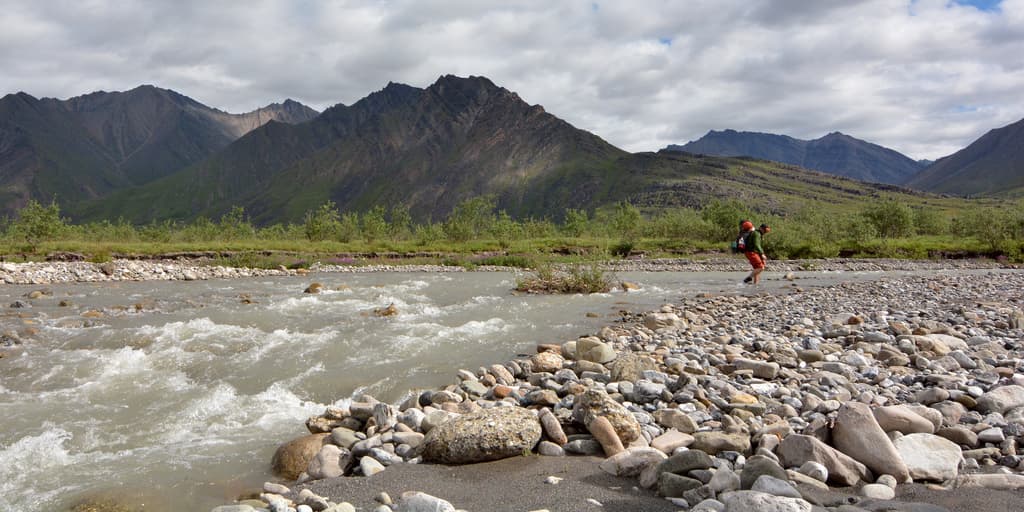
Plan food at roughly two pounds per person per day, heavy on calorie density (nuts, cheese, chocolate, freeze-dried meals). Carry a satellite communicator (Garmin inReach) for emergency contact since no cell coverage exists. River crossings are frequent and can be thigh-deep with fast current. Trekking poles and neoprene socks help. Water shoes or sturdy sandals for crossings save your hiking boots from waterlogging. First-aid training and a comprehensive kit are essential since evacuation may take 24 to 72 hours depending on weather.
What is the weather like in summer?
Summer temperatures range from 35 to 75 degrees Fahrenheit with 24-hour daylight from early June through mid-July. Rain occurs frequently, and cold fronts can bring snow at higher elevations any time during summer. Mosquitoes are extremely heavy from mid-June through mid-July.
July is the warmest month with average highs around 65 degrees in valleys. Wind is constant in exposed areas and can make temperatures feel 20 degrees colder. The Brooks Range creates its own weather patterns, and conditions can change from sunny to stormy within hours. Pack for all four seasons regardless of when you visit. A head net and DEET-based repellent are critical during mosquito season. Bug jackets with integrated head nets are popular with experienced Alaska backpackers. By mid-August mosquitoes decline significantly, making late August and September pleasant despite cooler temperatures.
Can I visit Gates of the Arctic in winter?
Winter visits are possible but extremely challenging. Temperatures regularly drop to -40 degrees Fahrenheit. Daylight disappears entirely in December and January above the Arctic Circle. A few experienced winter campers and dog mushers use the park for aurora viewing and ski touring between February and April.
Late February through March offers returning daylight (6 to 12 hours per day) while temperatures moderate slightly to -10 to 10 degrees Fahrenheit. The Dalton Highway remains open year-round, providing winter road access to Coldfoot and Wiseman. Ski and snowshoe trips into the park's eastern boundary are feasible from the highway. The northern lights are visible on clear nights from September through March, with Gates of the Arctic being one of the most remote and light-pollution-free viewing locations in the country. Winter trips demand expedition-grade gear and cold-weather survival experience.
Is there any lodging near the park?
Bettles Lodge in Bettles offers rooms from $200 per night and serves as the main staging area for bush plane trips into the park. Coldfoot Camp at mile 175 of the Dalton Highway has motel rooms from $150 per night. Wiseman has a few private cabins. No lodging exists inside the park.
Bettles Lodge provides meals, showers, gear storage, and air taxi coordination. The lodge is the most common base for multi-day park trips. Coldfoot Camp includes a restaurant, fuel station, and the Arctic Interagency Visitor Center where NPS rangers provide trip planning assistance. In Fairbanks (the main gateway city), hotels range from $100 to $250 per night. Most visitors spend a night in Fairbanks before flying to Bettles or driving to Coldfoot. Camping along the Dalton Highway is permitted on BLM land, with Marion Creek Campground near Coldfoot offering 27 sites for $15 per night.
Quick Facts
- Entrance Fee
- Free (no entrance fee)
- Best Time to Visit
- June – August
- Nearest Town
- Bettles, AK, Coldfoot, AK, Wiseman, AK
- Elevation
- 600 – 8,510 ft
- Park Size
- 8,472,506 acres
- Annual Visitors
- ~37,000