Camping Near Lake Clark National Park
Alaska | Established 1980
About Lake Clark National Park
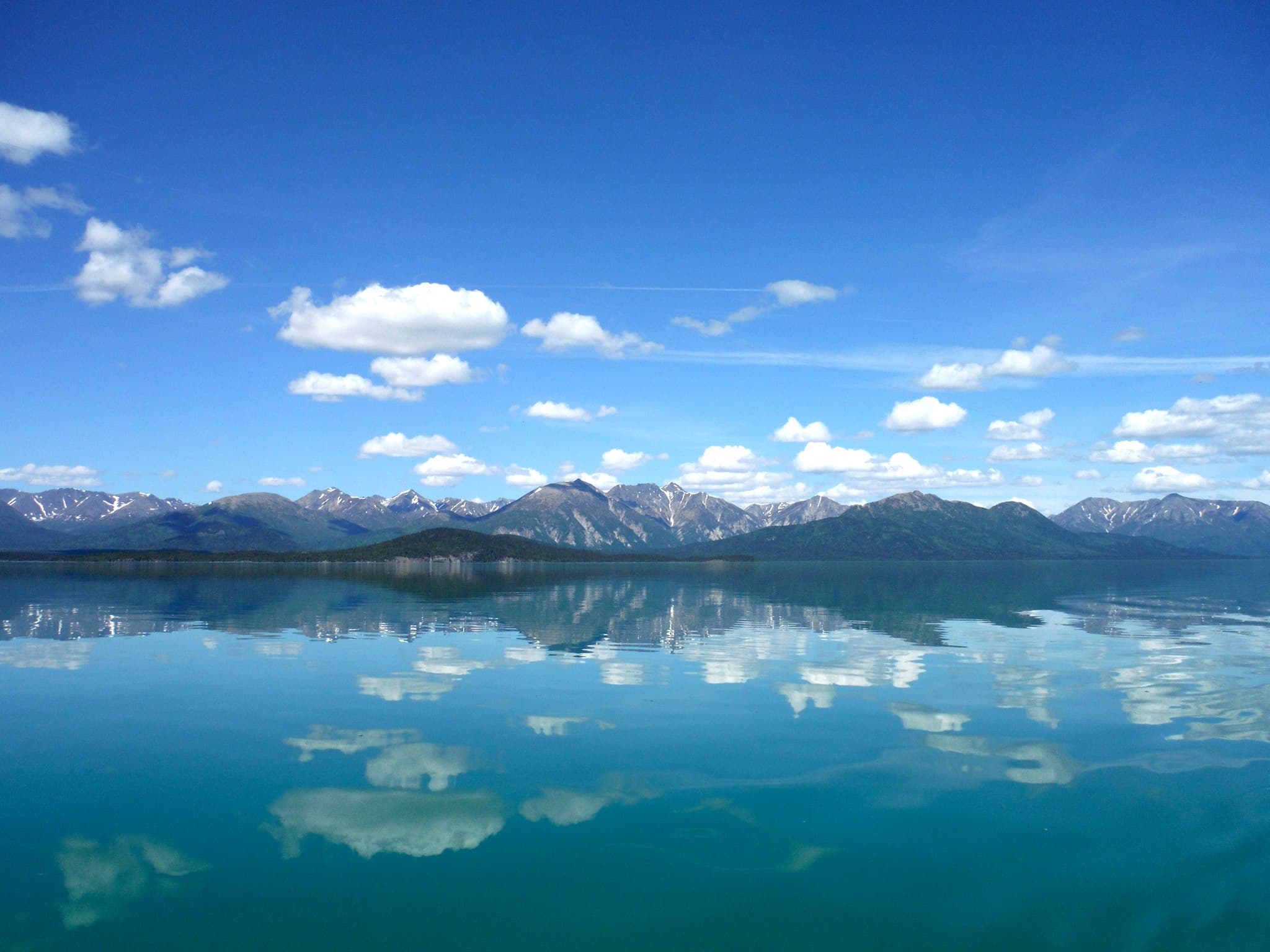
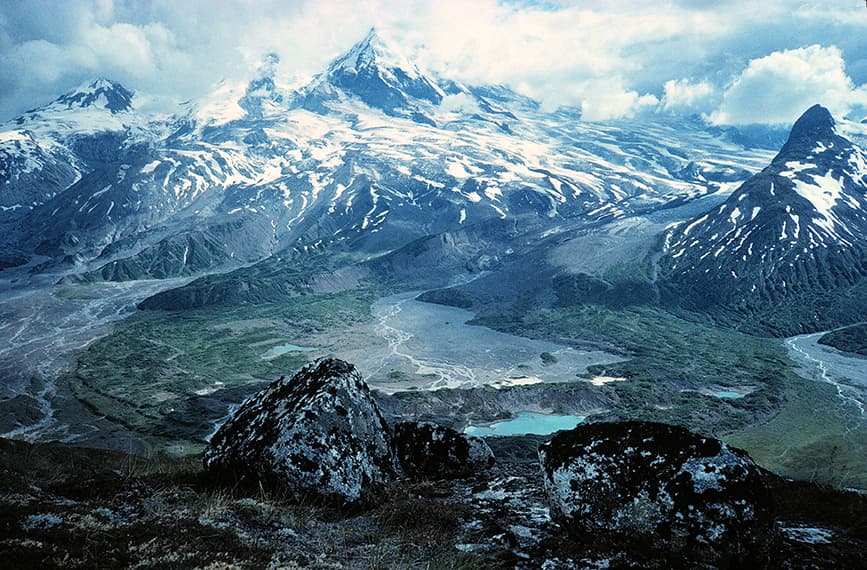
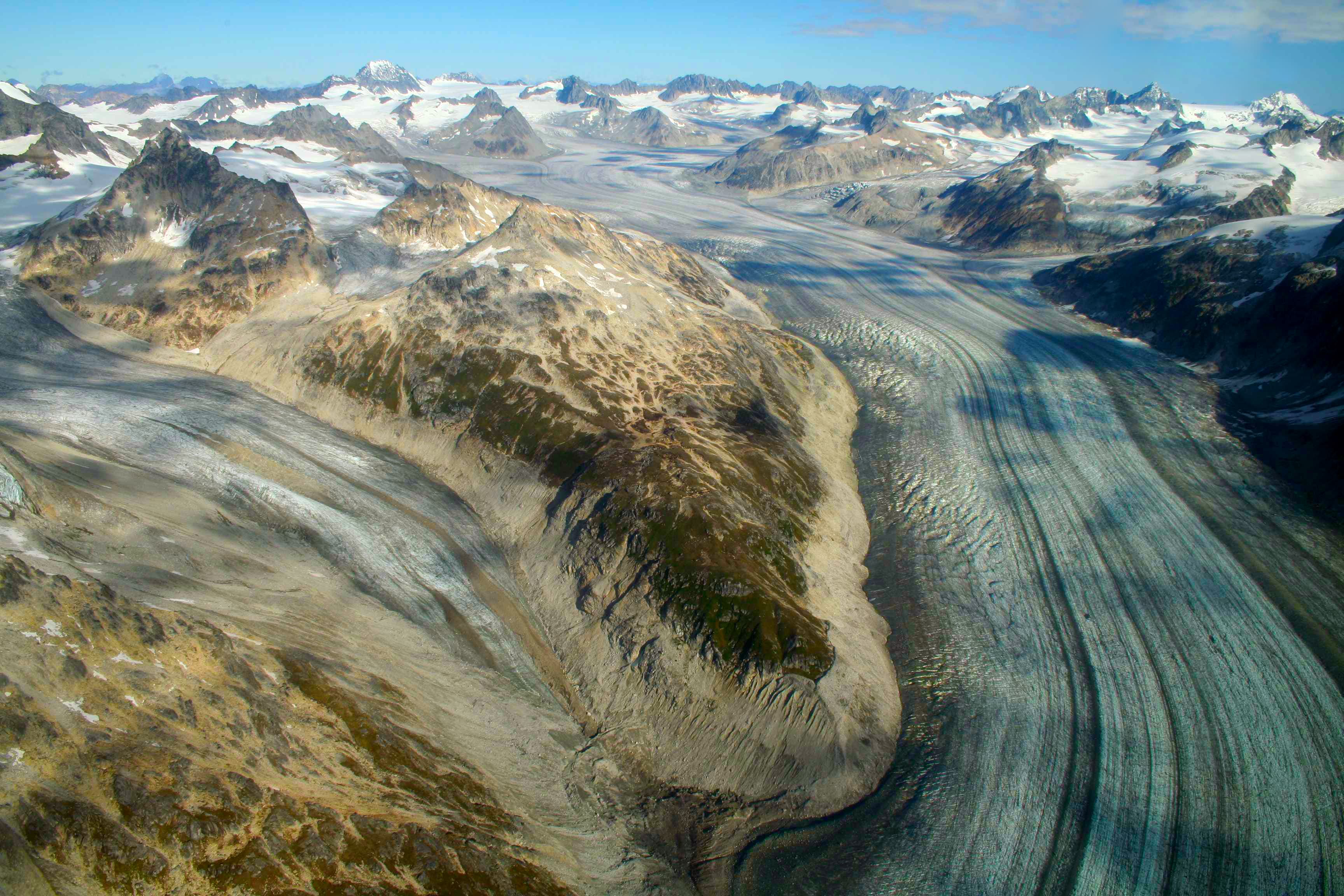
Lake Clark protects 4 million acres where the Alaska Range, Aleutian Range, and Chigmit Mountains converge along the western shore of Cook Inlet. Two active volcanoes, Iliamna (10,016 feet) and Redoubt (10,197 feet), anchor the landscape. The park's namesake lake stretches 42 miles through a glacially carved valley with remarkably clear turquoise water.
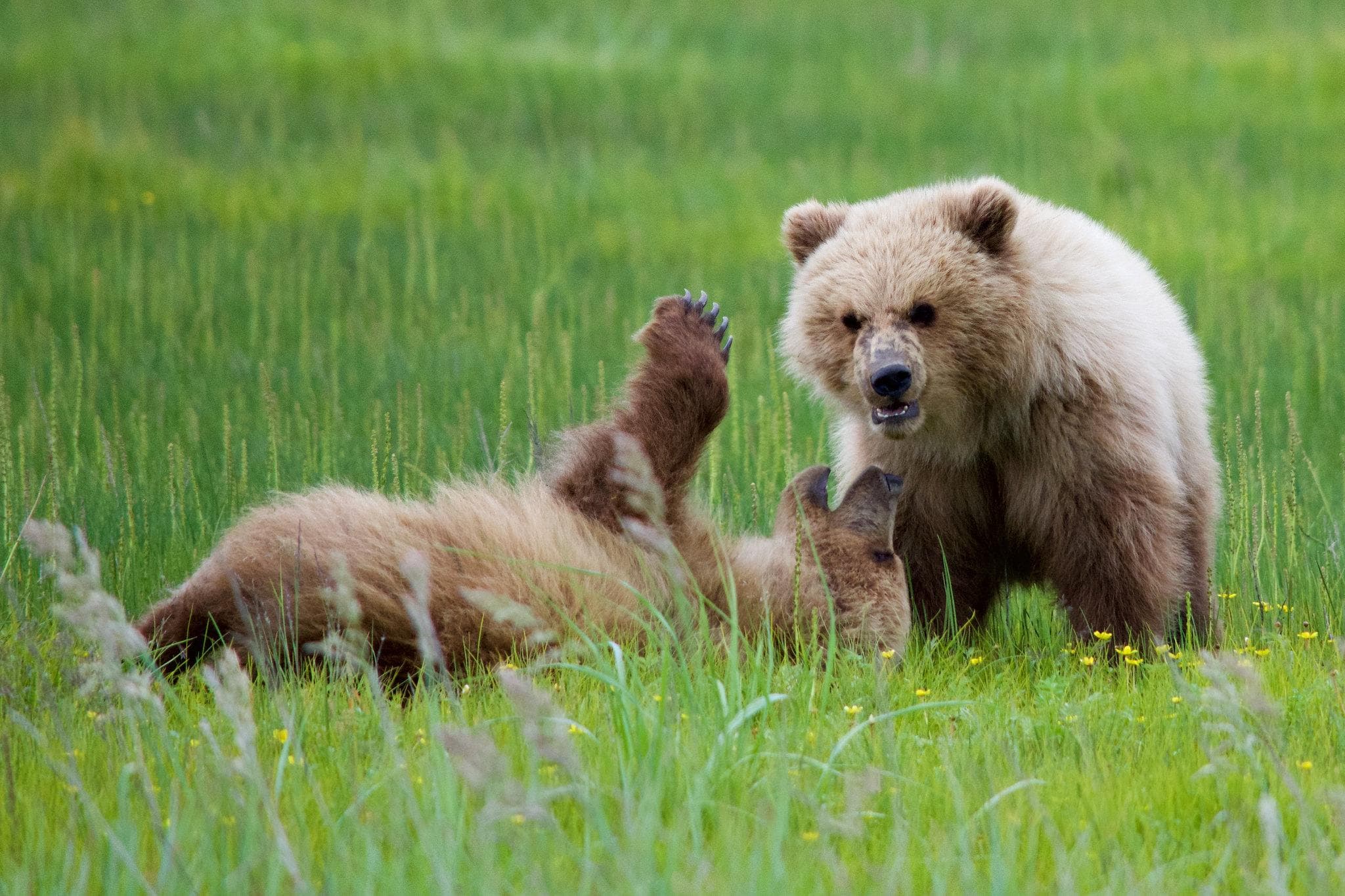
No roads reach the park. All access is by bush plane from Anchorage (one hour), Kenai, or Homer. The coastal areas along Chinitna Bay and Silver Salmon Creek have become premier brown bear viewing destinations, rivaling Katmai with smaller crowds. Inland, the lake country offers kayaking, fishing for trophy rainbow trout and all five Pacific salmon species, and multi-day backpacking through roadless wilderness.
Camping Tips for Lake Clark
- No developed campgrounds exist in the park. Backcountry camping is permitted anywhere with no permit required. Choose sites on durable surfaces like gravel bars, beaches, and established informal sites.
- Bear-resistant food containers are required for all overnight trips. The park loans bear canisters for free at the Port Alsworth ranger station. Brown bears are active throughout the park, especially along salmon streams from July through September.
- Bush plane charters from Anchorage to Port Alsworth or coastal areas cost $300 to $600 per person round trip. Lake and Peninsula Air, Lake Clark Air, and several other operators provide scheduled and charter flights.
- Coastal camping at Chinitna Bay and Silver Salmon Creek provides incredible bear viewing from your tent. Tides affect beach camping; set up well above the high tide line and check tide tables before choosing a site.
- Weather on the coast differs dramatically from inland. The coast gets heavy rain and fog. Inland valleys are drier but windier. Pack full rain gear regardless of season. Temperatures range from 40 to 65 degrees Fahrenheit in summer.
RV Parks & Campgrounds Near Lake Clark National Park
1.Diamond M Ranch Resort
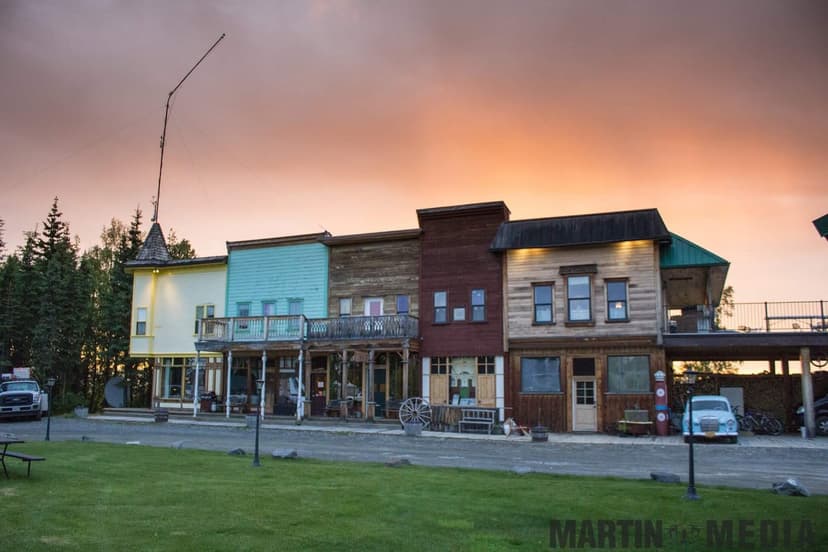
Diamond M Ranch Resort is a year-round destination located in the heart of the Kenai Peninsula in Alaska, just 5 minutes from town. The resort offers 77 spacious, big rig-friendly...
Show more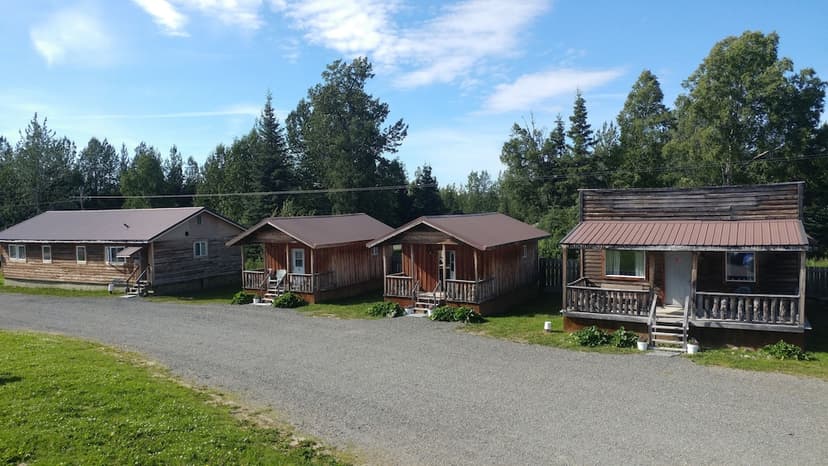
2.All Seasons Campground and Cabins
All Seasons Campground and Cabins is nestled in the heart of Alaska near Ninilchik, offering a serene escape where adventure and tranquility meet. Located at Mile 3 Oilwell Road,...
Show more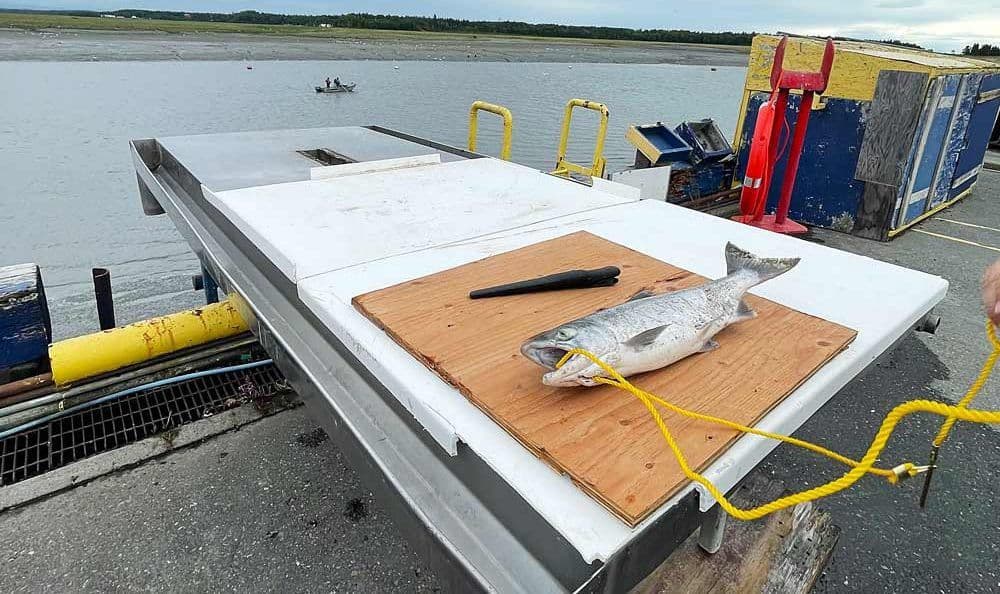
3.Kasilof Dock RV Park
Kasilof Dock RV Park is a historic Alaskan RV park and campground nestled in the heart of Kasilof on the Kenai Peninsula, approximately 130 miles south of Anchorage. The park...
Show more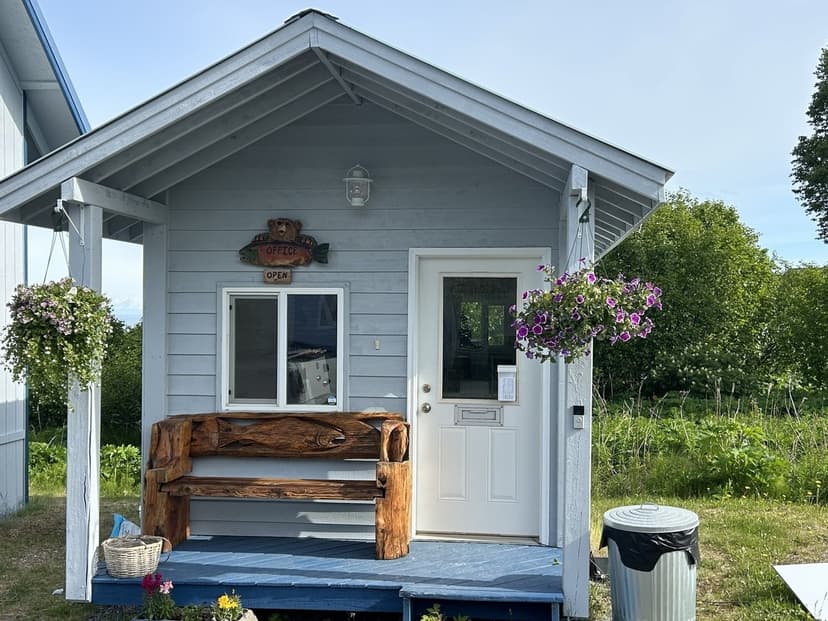
4.Scenic View RV Park
Scenic View RV Park is located near Ninilchik, Alaska, offering 18 full or partial hookup campsites with 30-amp service that are big rig friendly, with many pull-through options...
Show more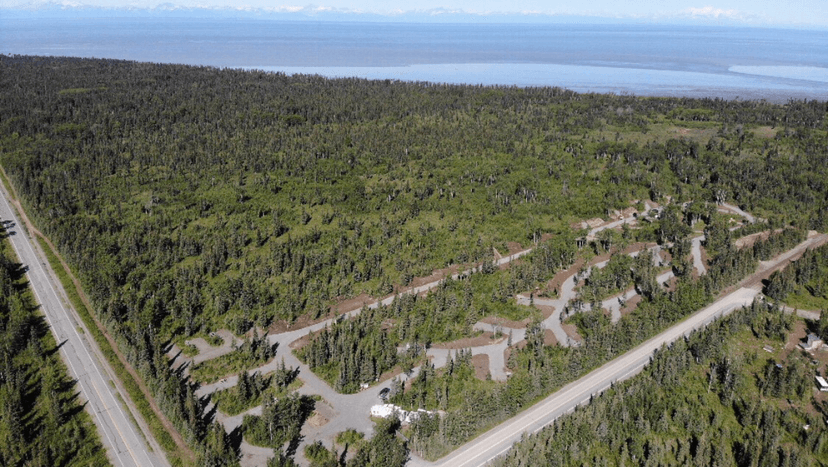
5.Cohoe Beach Campground
Cohoe Beach Campground is a family-friendly campground located in Alaska, ideally positioned just minutes from the Kasilof River and a short distance from the beach. The...
Show more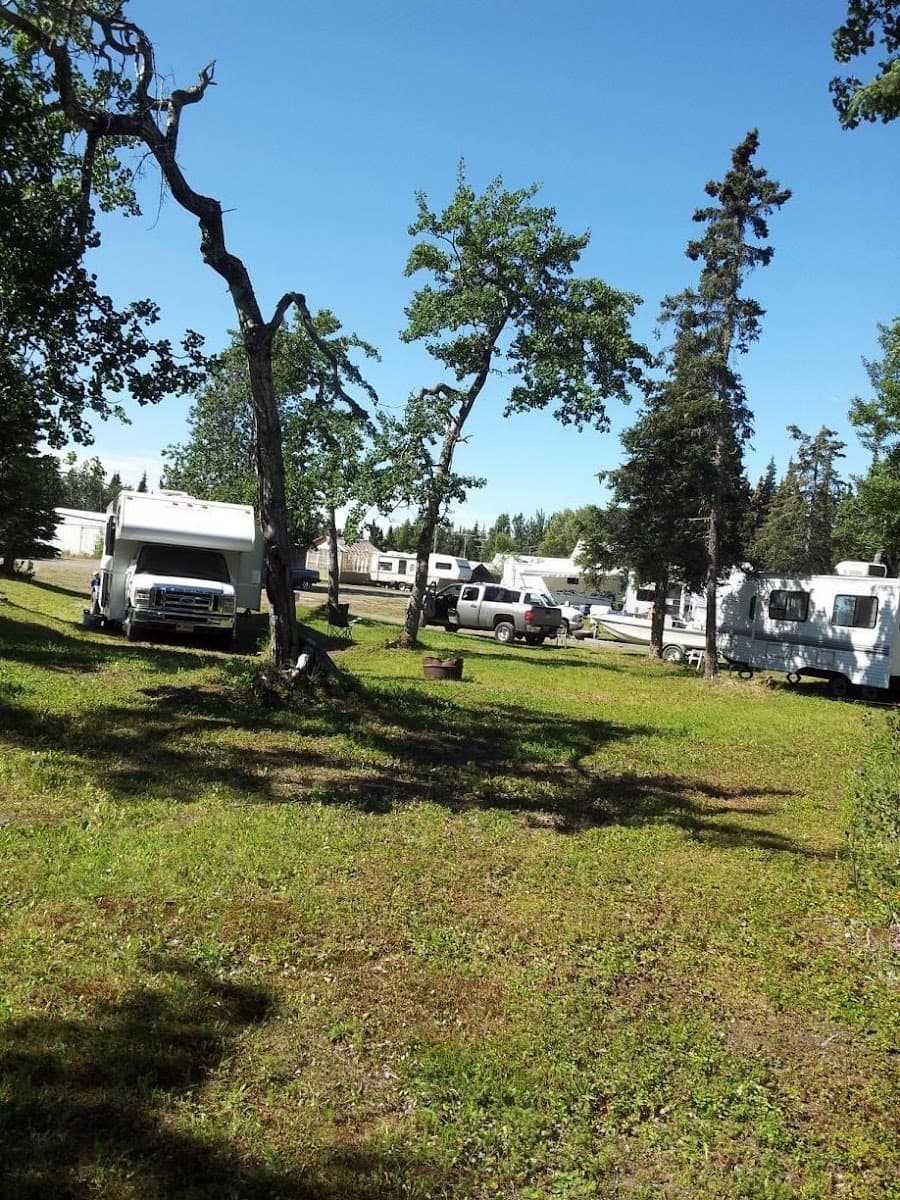
6.K-Beach Campground & Storage
K-Beach Campground & Storage is a campground located at 35688 Kalifornsky Beach Road, Kenai, AK 99611. The campground has amenities such as showers, fish cleaning stations, and...
Show more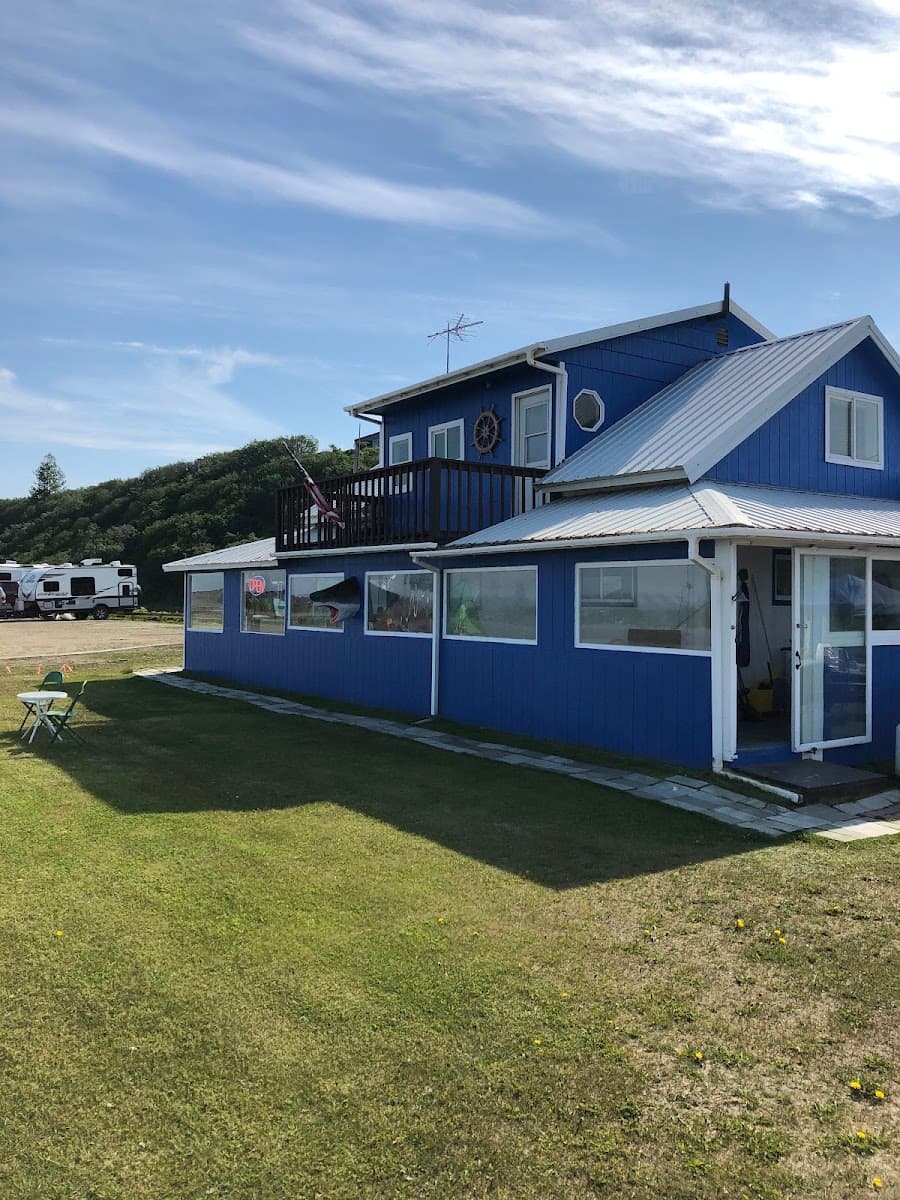
7.Beachcomber Motel & RV Park
Beachcomber Motel & RV Park is located in Ninilchik, AK, and is open from May 1st to September 15th. Unfortunately, there is no detailed description of the park available on the...
Show more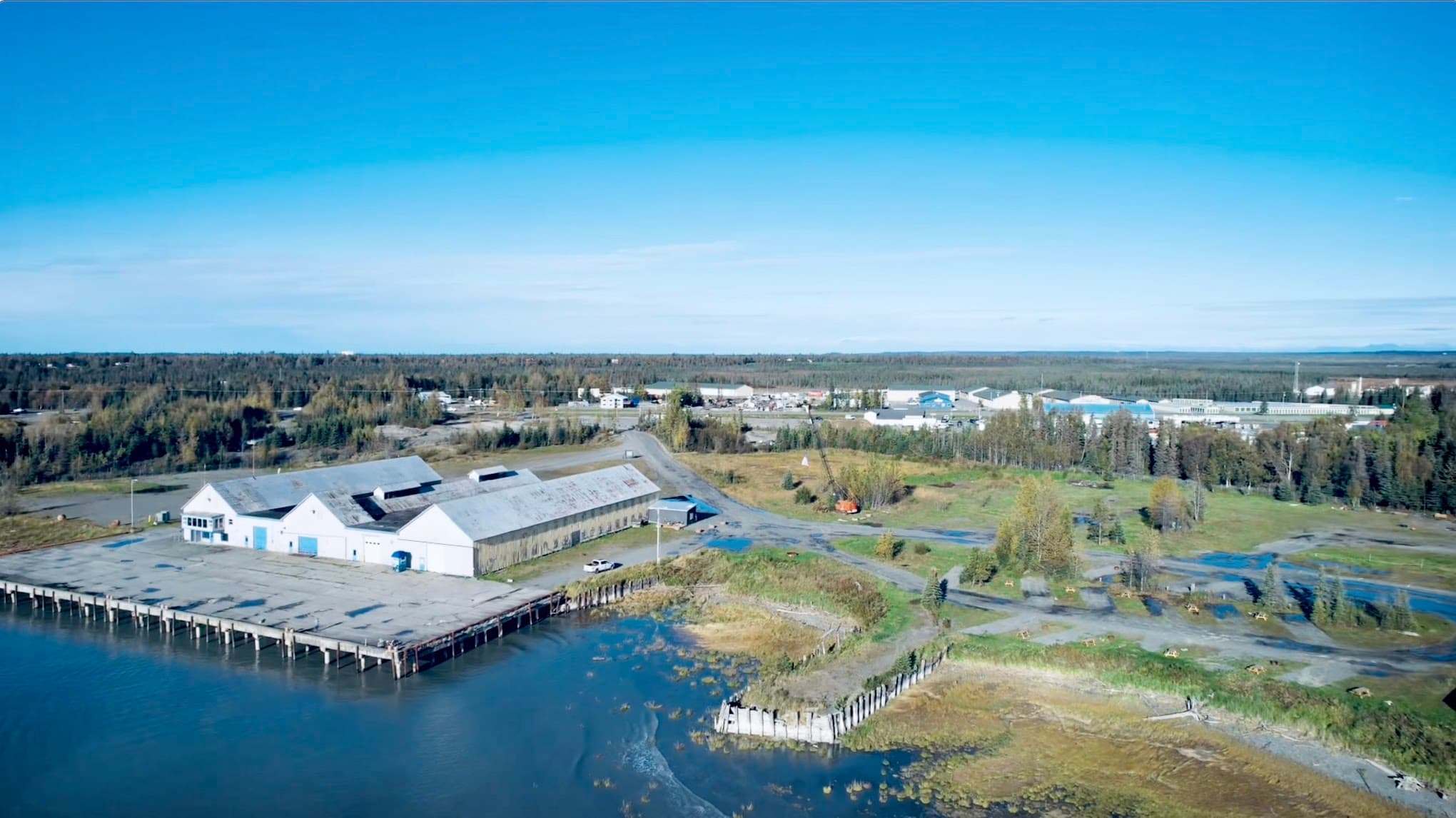
8.Port of Kenai
The Port of Kenai is located on the mouth of the Kenai River, sitting on 20 acres with over 1000 feet of riverfront directly across from Mt's Iliamna and Redoubt. This provides...
Show more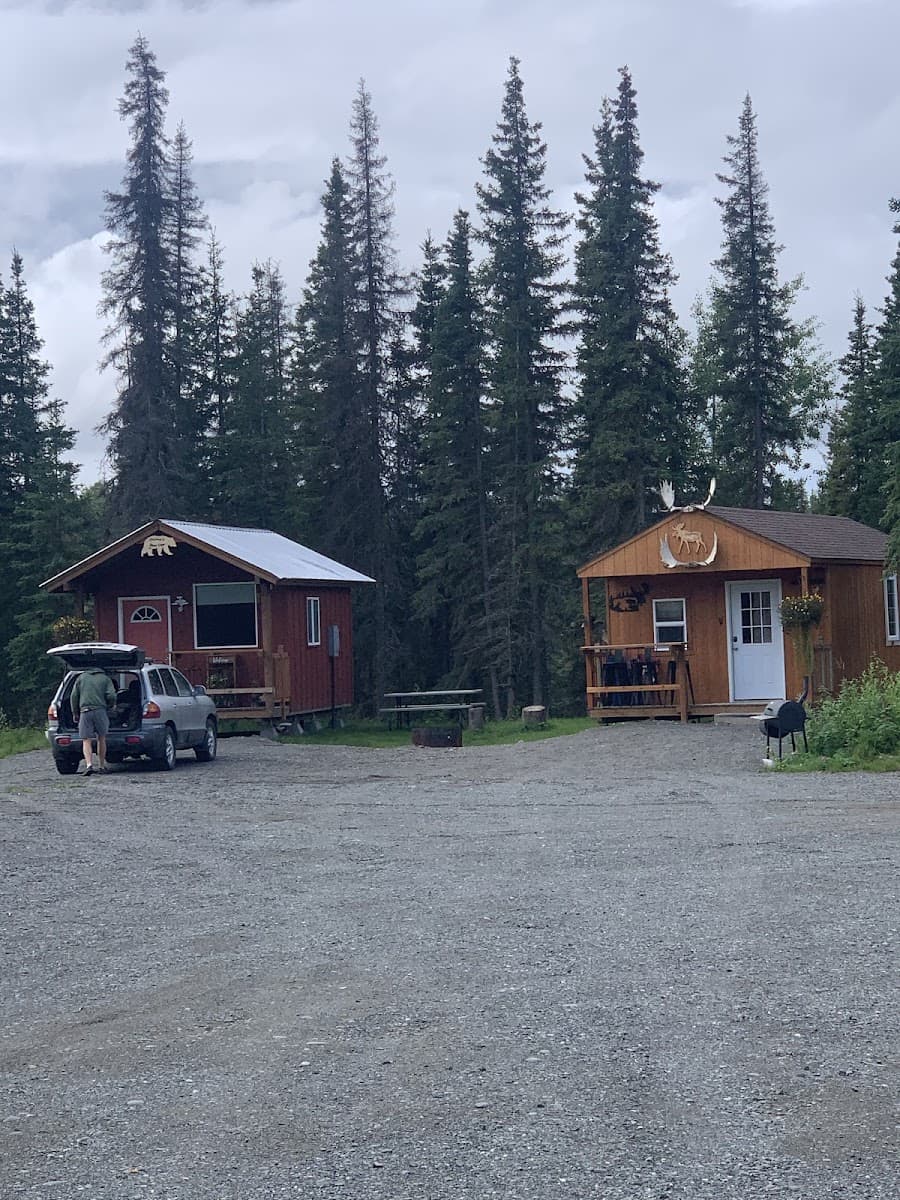
9.P & K Angler's Retreat
P & K Anglers Retreat is a peaceful retreat located in Kasilof, close to great fishing. The retreat is two miles from the Kasilof River, a few miles from Kasilof Beach, and a...
Show more
10.BlueBird Campground
BlueBird Campground offers a secure and convenient checkout experience with multiple payment options, including CashApp, Apple Pay, Google Pay, Visa, Mastercard, American Express,...
Show moreShowing 1–10 of 23 campgrounds within 75 miles
Frequently Asked Questions
How do I get to Lake Clark National Park?
Fly by bush plane from Anchorage (about one hour to Port Alsworth). No roads reach the park. Lake and Peninsula Air, Lake Clark Air, and several other operators provide scheduled flights to Port Alsworth. Coastal access from Homer via water taxi is possible for bear viewing at Chinitna Bay.
Round-trip flights from Anchorage to Port Alsworth cost $400 to $600 per person on small prop planes. Flights operate daily during summer weather permitting. From Homer, water taxis cross Cook Inlet to the coastal bear viewing areas for roughly $350 to $500 round trip per person. Some visitors charter direct flights from Kenai or Soldotna. Weather delays are common and can last one to three days, so build buffer time into your schedule. The NPS visitor center in Port Alsworth provides maps, bear canister loans, and current conditions.
Where is the best bear viewing in Lake Clark?
Chinitna Bay and Silver Salmon Creek on the Cook Inlet coast offer world-class brown bear viewing from June through September. Bears fish for salmon in streams and dig for clams on tidal flats. Guided bear viewing day trips from Homer or Anchorage provide access without overnight camping.
Silver Salmon Creek Lodge operates guided bear viewing from its coastal camp. Independent visitors can camp on the beach and observe bears at close range (maintain 50-yard minimum distance). Bear viewing peaks during the July sockeye salmon run when 20 or more bears may feed along a single stream. September brings silver salmon and large bears fattening for hibernation. Day trips from Homer via floatplane cost $600 to $800 per person and allow three to five hours on the coast. Unlike Katmai, no viewing platforms or structured access exists; this is unmanaged wilderness viewing.
Can I kayak on Lake Clark?
Lake Clark offers excellent kayaking with 42 miles of turquoise glacial water surrounded by mountains. Port Alsworth serves as the primary launch point. Multi-day kayak trips along the lakeshore access remote beaches and stream mouths. Wind can create dangerous whitecap conditions on the lake with little warning.
Lake Clark is deep (up to 870 feet) and cold (surface temperatures rarely exceed 50 degrees). Capsizing is a serious hypothermia risk. Dry suits are recommended for any kayak trip. Afternoon winds frequently build to 20 to 30 knots, creating three to four foot waves. Plan paddling for morning calm. Camp on gravel beaches along the lakeshore. Several tributaries entering the lake provide good fishing and wildlife viewing. Kayak rentals are limited; most visitors bring their own or arrange through outfitters. Folding kayaks (Oru, Pakboat) are popular for bush plane transport.
What fishing opportunities exist in the park?
Lake Clark is one of Alaska's premier fishing destinations. Trophy rainbow trout, arctic grayling, lake trout, northern pike, and all five Pacific salmon species are present. The Tlikakila, Mulchatna, and Chilikadrotna rivers offer outstanding fly-fishing for rainbow trout up to 30 inches.
A valid Alaska fishing license is required (non-resident: $25 per day or $145 per year). Rainbow trout fishing peaks from late August through September when large fish feed on salmon eggs. Sockeye salmon enter rivers in July, followed by silver salmon in August and September. Fly-out fishing trips from Port Alsworth access remote rivers for day trips ($300 to $500 per person) or multi-day float trips. Several fishing lodges operate within the park at costs from $5,000 to $8,000 per week for all-inclusive packages with guided fishing, meals, and lodging.
What is there to do around Port Alsworth?
Port Alsworth (population roughly 200) serves as the park's main hub with the NPS visitor center, several lodges, and air taxi services. Hiking along the lakeshore, fishing the Tanalian River, and visiting Tanalian Falls (a six-mile round trip) are popular day activities. The visitor center provides free bear canister loans and trail information.
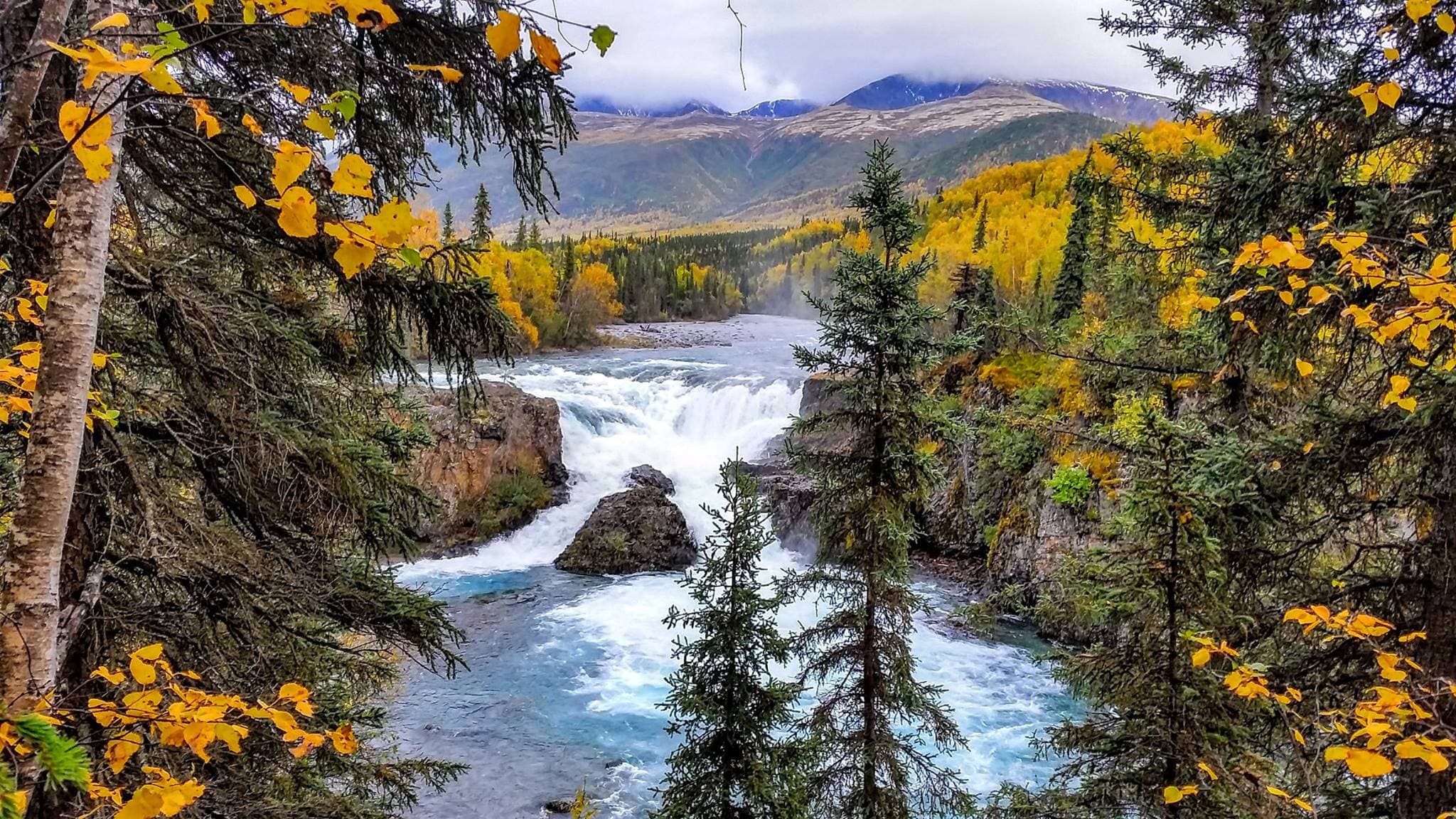
The Tanalian Falls and Kontrashibuna Lake trails are the only maintained hiking trails in the entire park. The Tanalian Falls trail follows the Tanalian River through spruce forest to a scenic waterfall, with an option to continue to Kontrashibuna Lake (another three miles). Farm Lodge and Lakefront Lodge in Port Alsworth offer meals and rooms from $250 to $400 per night. The general store has limited supplies. Bring all specialty food and gear from Anchorage. Port Alsworth has no restaurant or fuel station; lodges serve meals to guests only.
Are the volcanoes in Lake Clark active?
Both Redoubt Volcano (10,197 feet) and Iliamna Volcano (10,016 feet) are active. Redoubt last erupted in 2009, sending ash clouds across south-central Alaska and Anchorage. Iliamna has frequent fumarole activity and minor steam emissions. The Alaska Volcano Observatory monitors both peaks continuously.
Redoubt's 2009 eruption disrupted air travel across south-central Alaska for weeks. Volcanic ash advisory alerts go out via the Alaska Volcano Observatory website and mobile app. Ash fall can ground bush planes and strand visitors in the park for days. During elevated volcanic activity, the NPS may restrict access to areas near the volcanoes. On clear days, both volcanoes are visible across Cook Inlet from Homer and Kenai. Mountaineers climb both peaks, though routes require glacier travel, crevasse rescue skills, and awareness of volcanic gas hazards near summit fumaroles.
What wildlife lives in Lake Clark besides bears?
Moose, caribou, Dall sheep, wolves, wolverines, lynx, sea otters (coastal areas), and harbor seals inhabit the park. Bald eagles are abundant along salmon streams. The Mulchatna caribou herd passes through the park's western section. Dall sheep are visible on mountain slopes above tree line.
The park's ecological diversity spans coastal tidal flats, boreal forest, alpine tundra, and glacial mountains, supporting an unusually wide range of species. Harbor seals haul out on rocks in Chinitna Bay and Tuxedni Bay. Sea otters float in kelp beds along the Cook Inlet coast. Beluga whales occasionally enter bays along the coastline. Salmon-spawning streams attract concentrations of eagles, bears, gulls, and foxes. Porcupines, beavers, and river otters are common in forested areas around Lake Clark and its tributaries.
Is Lake Clark less crowded than Katmai for bear viewing?
Yes, Lake Clark receives roughly 49,000 visitors compared to Katmai's 64,000, and bear viewing is spread across a longer coastline without structured platforms. The experience feels more remote and intimate. No mandatory reservations or daily visitor caps apply to Lake Clark's coastal bear areas.
At Chinitna Bay, you might share the beach with two to five other groups on a busy day, compared to the 40-person platforms at Katmai's Brooks Falls. The tradeoff is less infrastructure and no guided pathways; you navigate bear encounters independently, which requires solid bear safety knowledge. Silver Salmon Creek Lodge provides a semi-structured option with experienced guides. For self-guided visitors, the NPS recommends prior experience with Alaska bear country. Lake Clark's coastal bears are habituated to humans but remain wild and unpredictable.
Quick Facts
- Entrance Fee
- Free (no entrance fee)
- Best Time to Visit
- June – September
- Nearest Town
- Port Alsworth, AK, Nondalton, AK, Homer, AK
- Elevation
- 0 – 10,197 ft
- Park Size
- 4,030,006 acres
- Annual Visitors
- ~49,000