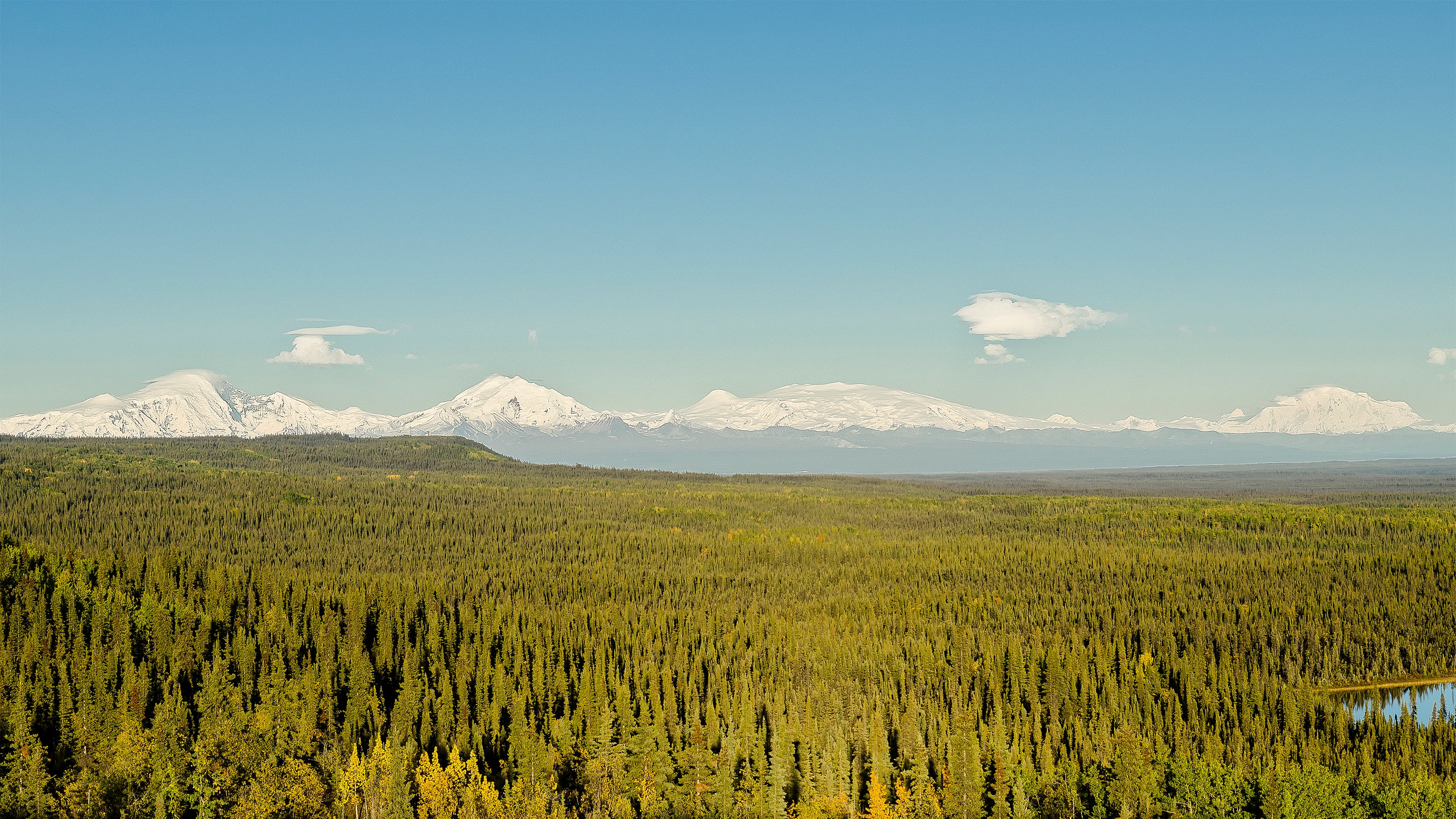
Camping Near Wrangell-St. Elias National Park
Alaska | Established 1980
About Wrangell-St. Elias National Park
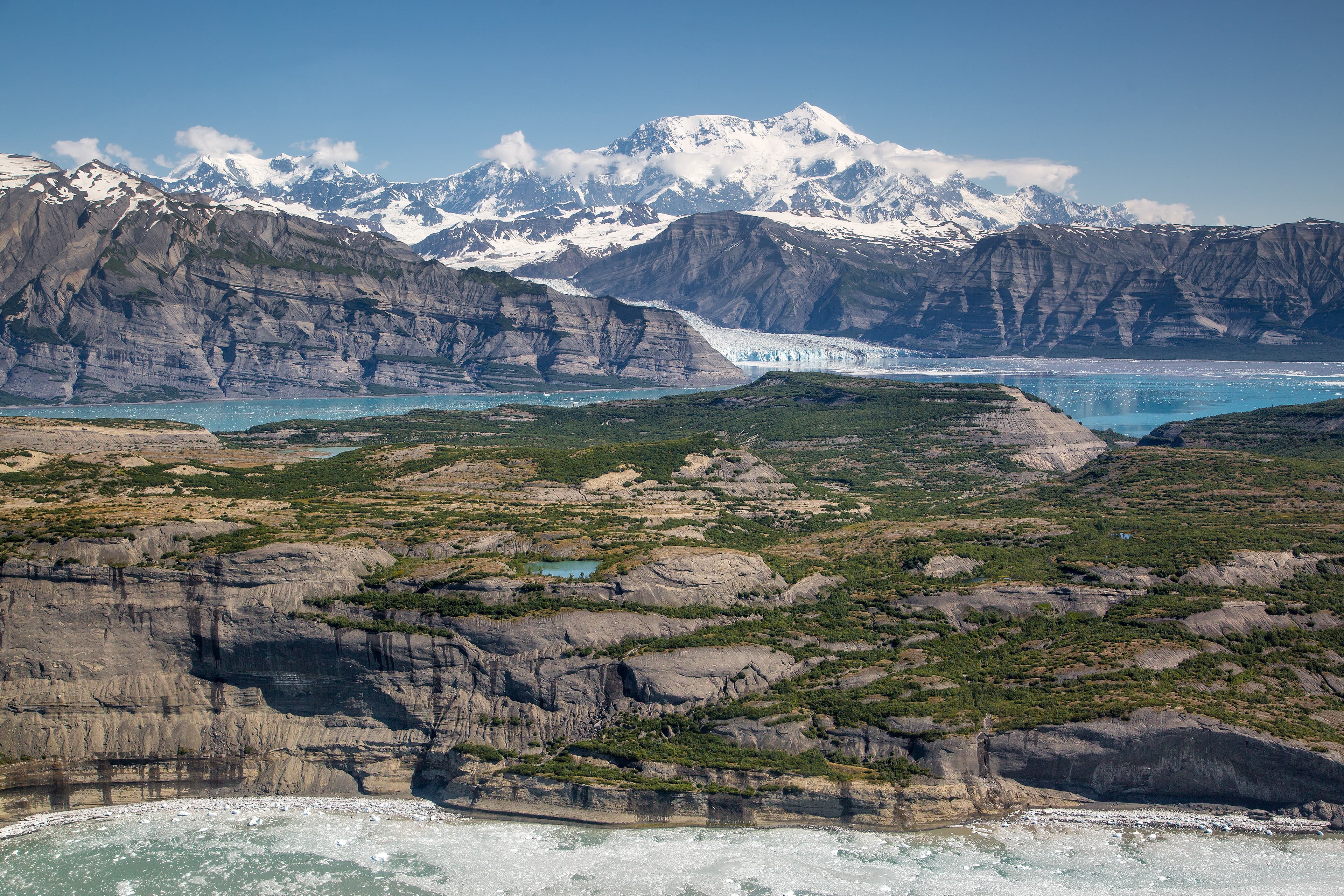
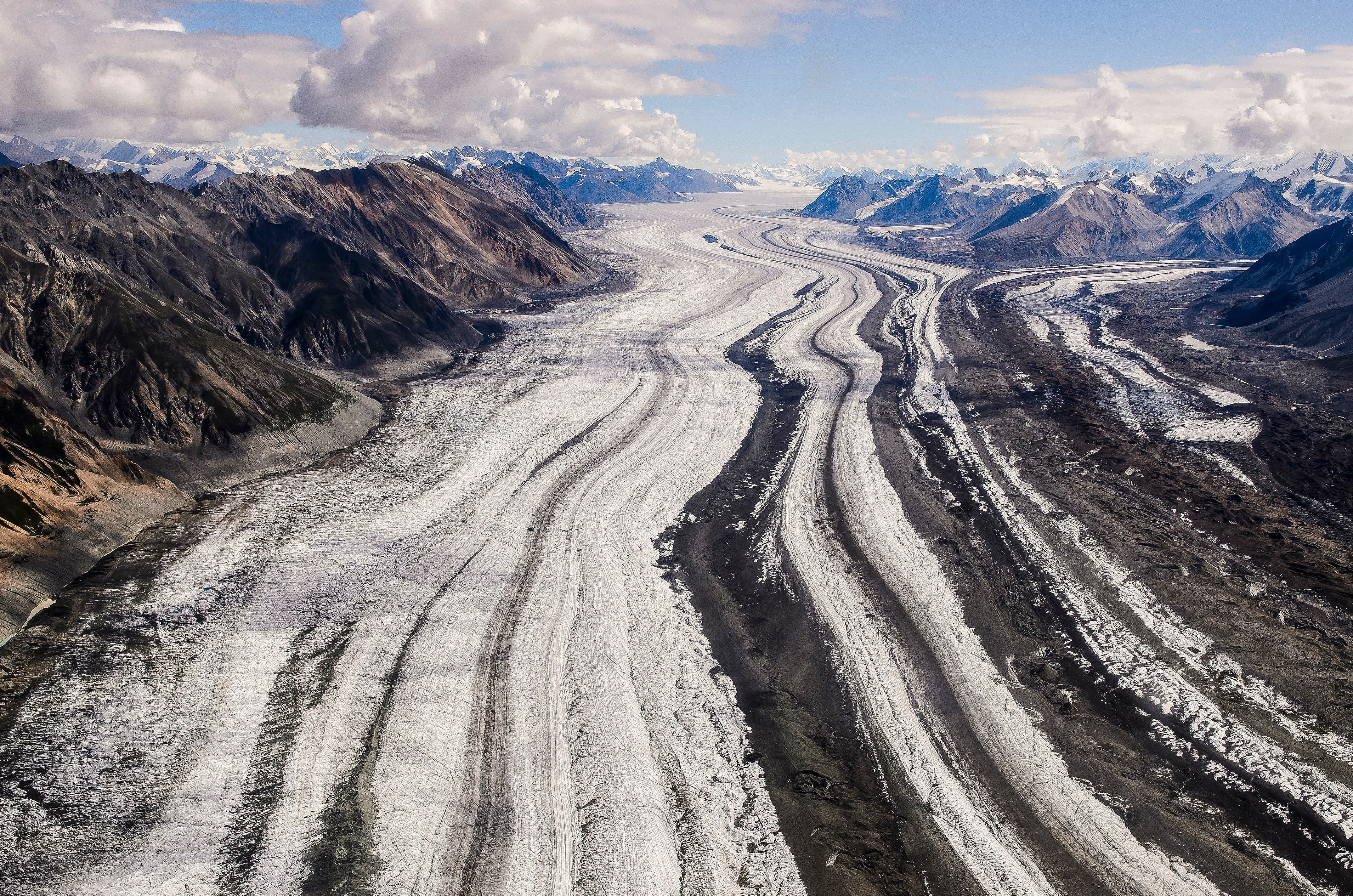
Wrangell-St. Elias covers 13.2 million acres, making it larger than Switzerland. Four major mountain ranges meet here: the Wrangell, St. Elias, Chugach, and Alaska ranges. Mount St. Elias rises 18,008 feet, the second-highest peak in the United States. The Malaspina Glacier alone is larger than Rhode Island, and the Nabesna Glacier stretches 75 miles as the longest valley glacier in North America.
Two rough gravel roads provide vehicle access. The McCarthy Road runs 60 miles from Chitina to the Kennicott River footbridge. The Nabesna Road extends 42 miles from Slana into the park's northern section. Both roads require high-clearance vehicles and spare tires. Most of the park is roadless wilderness accessible only by bush plane, foot, or packraft.
Camping Tips for Wrangell-St. Elias
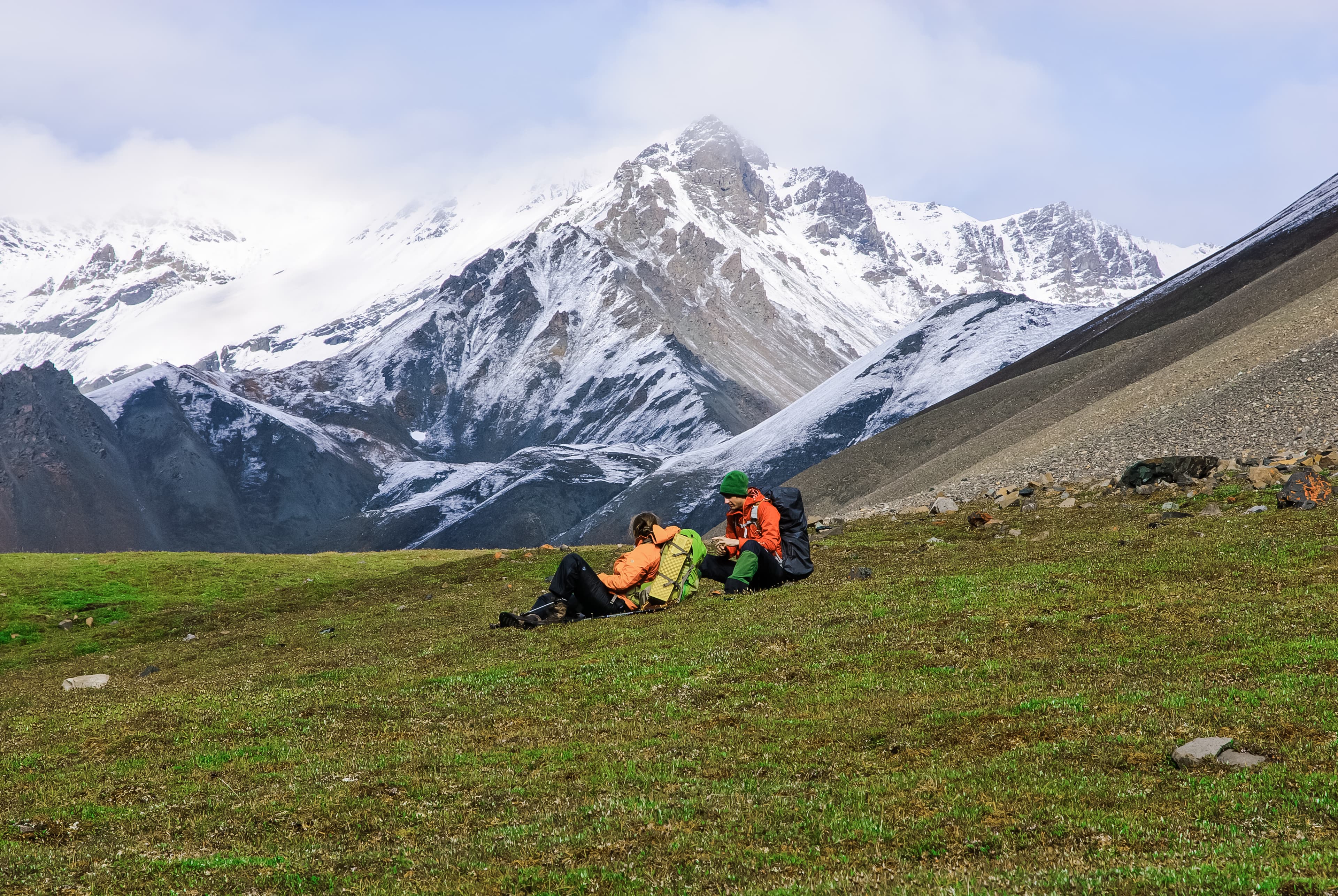
- No developed campgrounds exist inside the park. Backcountry camping is permitted anywhere on NPS land with no permit required, but Leave No Trace practices are mandatory.
- The Kennicott River footbridge area near McCarthy offers informal camping spots. Private campgrounds in McCarthy and Kennicott provide basic amenities including outhouses and fire rings.
- Bear canisters are required for all backcountry food storage. Both black bears and grizzlies are active throughout the park. Cook at least 100 yards from your tent site.
- Water sources are abundant but glacial streams carry heavy silt. Use a filter designed for sediment or collect from clear tributary streams. Treat all water regardless of source.
- Weather changes rapidly at all elevations. Pack layers for temperatures from 30 to 80 degrees Fahrenheit even in July. Rain gear is essential for any trip longer than a day hike.
RV Parks & Campgrounds Near Wrangell-St. Elias National Park
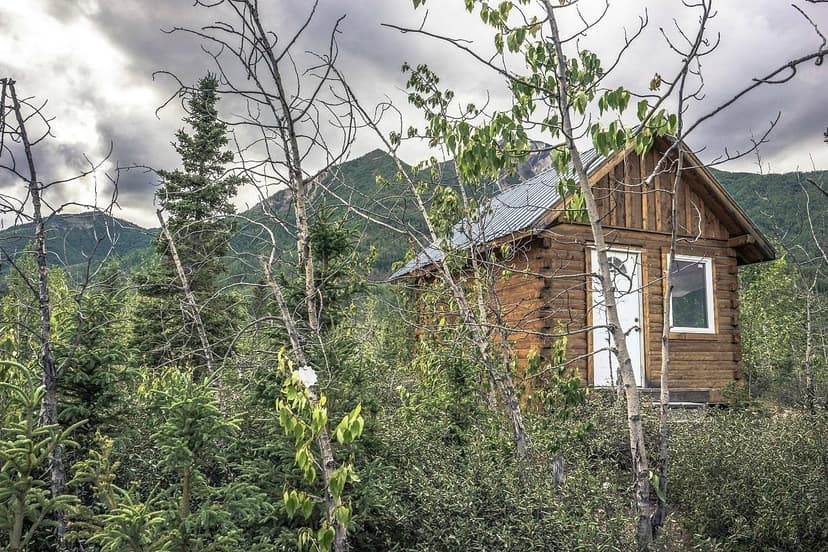
1.Glacier View Grill & Campground
Glacier View Campground is a scenic campground nestled into a location overlooking Wrangell-St. Elias National Park on the edge of the historic town of McCarthy, Alaska. The...
Show more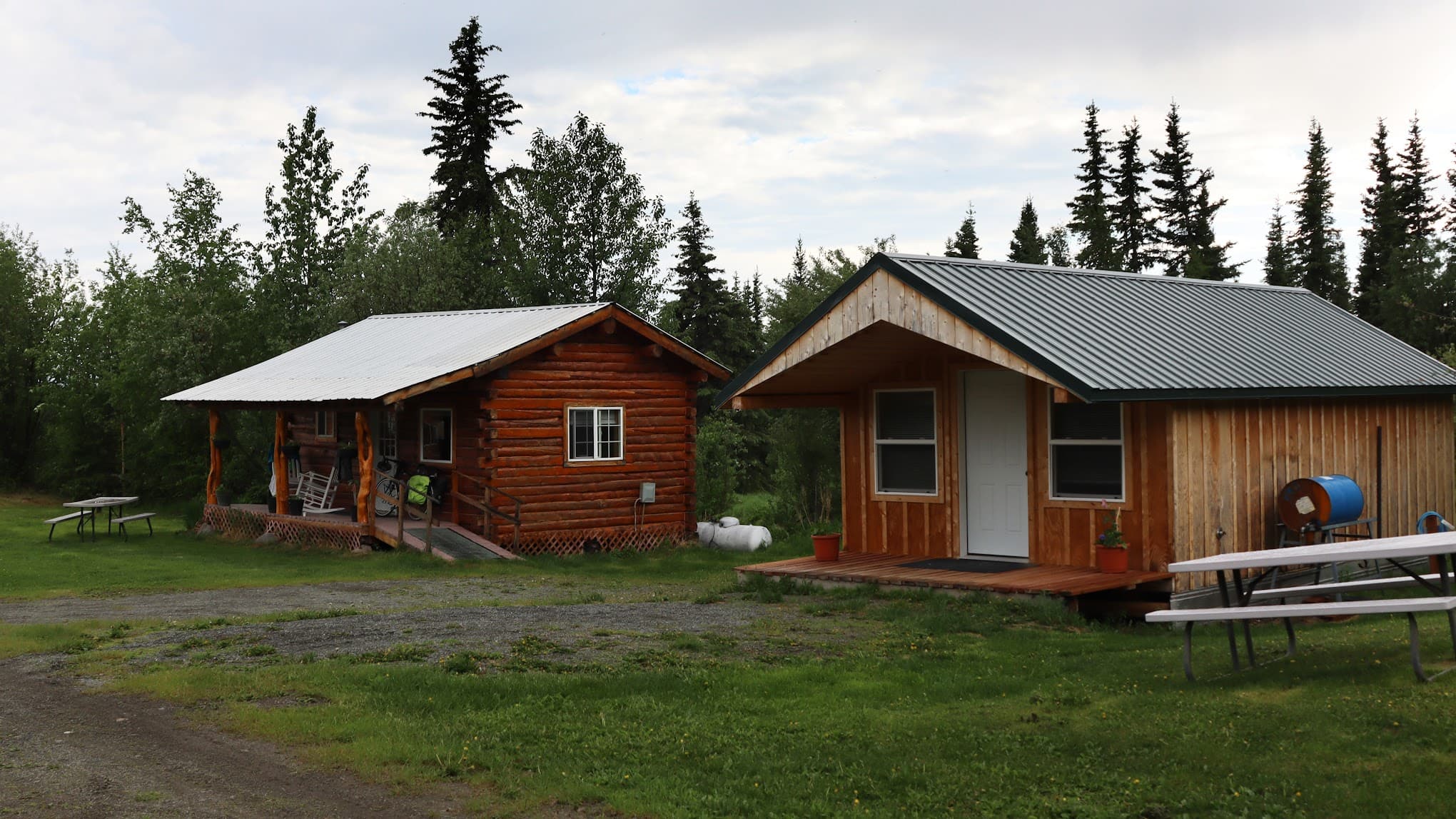
2.Grizzly Lake Campground LLC
Grizzly Lake Campground LLC is a highly-rated campground located in Gakona, Alaska, offering visitors a chance to experience the natural beauty of the region. With an impressive...
Show more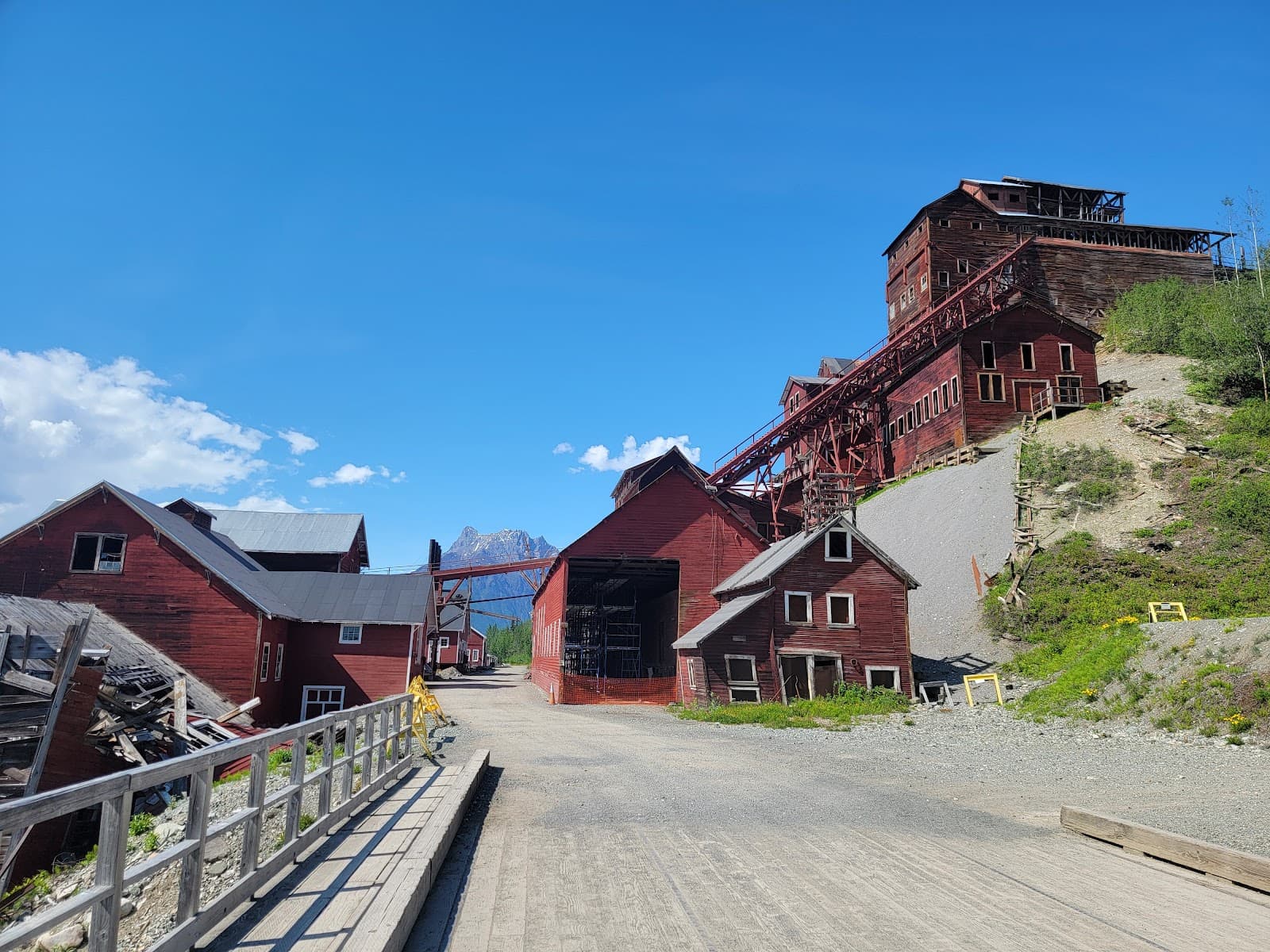
3.Base Camp Kennicott
Base Camp Kennicott is located at the end of the McCarthy Road, near the footbridge, in McCarthy, Alaska. It's a scenic spot surrounded by the Wrangell-St. Elias National Park and...
Show more
4.Kendesnii Campground
Kendesnii Campground is a campground located in Wrangell-St Elias National Park and Preserve. It offers a unique opportunity to experience the vast wilderness of Alaska. The...
Show more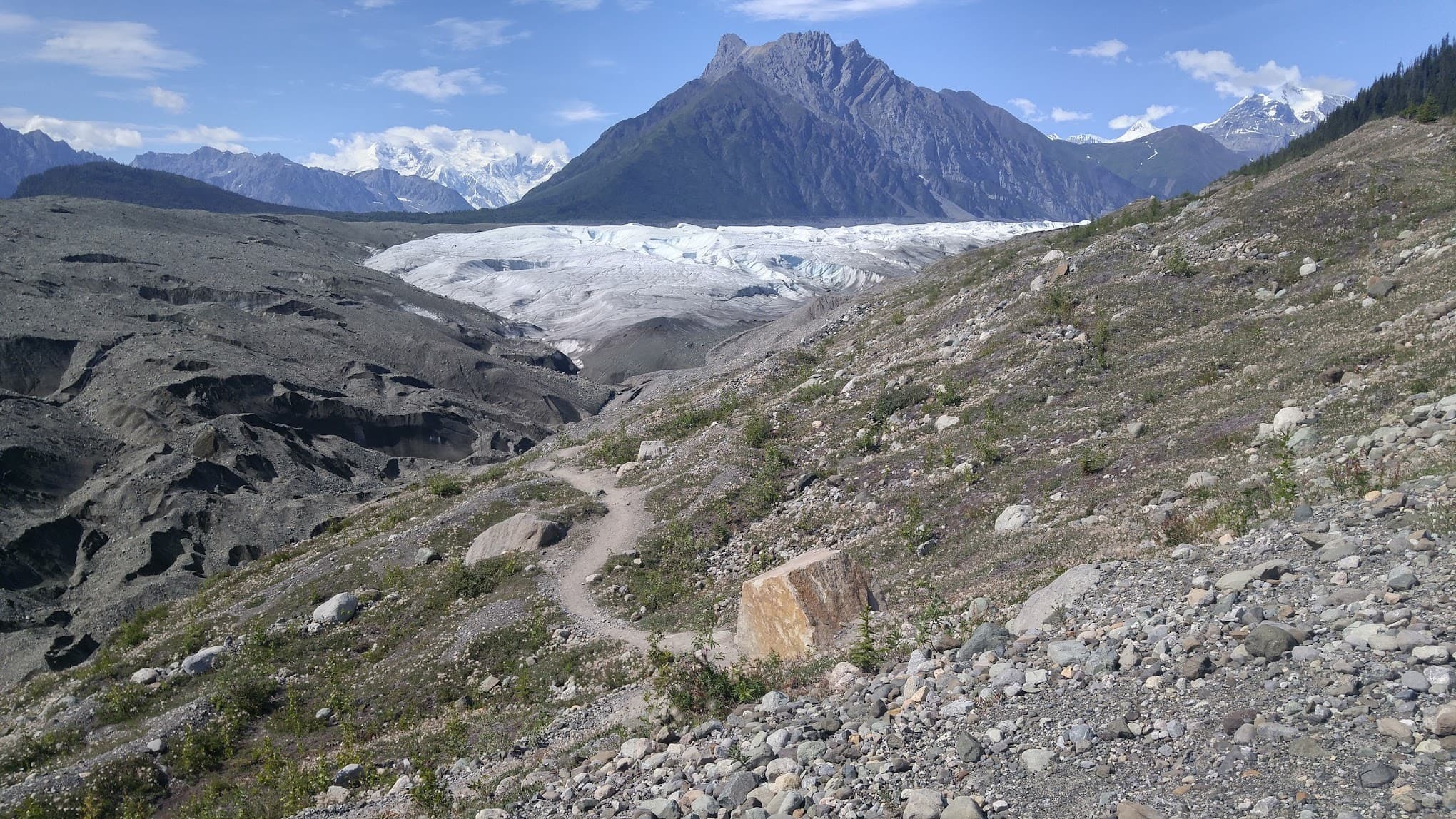
5.Jumbo Creek Camping Area
The McCarthy Road boasts spectacular scenery, views of the Copper and Chitina Rivers, wildlife viewing, and historic structures. The Jumbo Creek Campground is a primitive NPS...
Show more6.Midway Service
Midway Service is a highly-rated campground located in Gakona, Alaska, offering a convenient stop for travelers exploring the region. With a perfect 5-star Google rating based on...
Show more7.The Boneyard - National Park Service Campground
The Boneyard is a government-operated campground located in McCarthy, Alaska, offering visitors a unique camping experience in this remote Alaskan community. Situated in the heart...
Show more8.Rock Lake Rest Area
Rock Lake Rest Area is a campground located in Slana, Alaska, offering a convenient stopping point in this remote Alaskan region. With a Google rating of 3.7 out of 5 stars based...
Show more
9.Glacier Campground
Glacier Campground is located in Chitina, Alaska, offering a camping experience in this remote Alaskan community. The campground provides a base for visitors exploring the...
Show moreShowing 1–9 of 9 campgrounds within 75 miles
Frequently Asked Questions
How do I get to Wrangell-St. Elias National Park?
Two gravel roads provide access. The McCarthy Road (60 miles from Chitina) reaches the Kennicott area. The Nabesna Road (42 miles from Slana) enters the northern section. Both require high-clearance vehicles. Bush plane charters from Glennallen, Chitina, or Anchorage access remote areas.
The McCarthy Road follows the old Copper River & Northwestern Railway bed and takes roughly two to three hours one way. Old railroad spikes can puncture tires, so carry two full-size spares. The road dead-ends at the Kennicott River, where a footbridge leads to McCarthy (half mile) and Kennicott (five miles). Shuttle vans run between the footbridge and Kennicott during summer. The Nabesna Road is less traveled and provides access to hiking along the northern Wrangell Mountains.
Where can I camp near Wrangell-St. Elias?
Backcountry camping is allowed anywhere in the park without a permit. Near McCarthy, private campgrounds like Base Camp and Glacier View offer tent sites with basic amenities. Along the Nabesna Road, several pullouts provide informal camping spots. BLM land near Chitina also allows dispersed camping.
Base Camp Campground in McCarthy charges roughly $20 per night for tent sites with outhouses and fire pits. Kennicott River Lodge and Glacier View Campground offer additional options. Along the Nabesna Road, established pullouts at mile 21 and mile 28 work well for car camping. The BLM campground at Liberty Falls near Chitina provides eight sites with tables and fire rings for $10 per night. Inside the park, popular backcountry areas include the Root Glacier trail corridor and the Skolai Pass region.
What is the best time to visit?
June through August offers the warmest weather and longest daylight, with temperatures reaching 60 to 75 degrees. Late June through mid-July provides up to 20 hours of daylight. September brings fall colors and fewer mosquitoes but shorter days and colder nights. Both access roads typically open by mid-May and close by October.
July is the busiest month with the most stable weather, though rain can occur any day. June mosquitoes can be intense, especially in river valleys and low-elevation areas. Head nets and DEET are essential. August brings blueberry season and slightly fewer bugs. September temperatures can drop below freezing at night, but the Wrangell Mountains with fresh snow against golden tundra provide exceptional scenery. Winter visits are possible via ski or snowmachine but require advanced wilderness skills.
Can I visit the Kennicott copper mines?
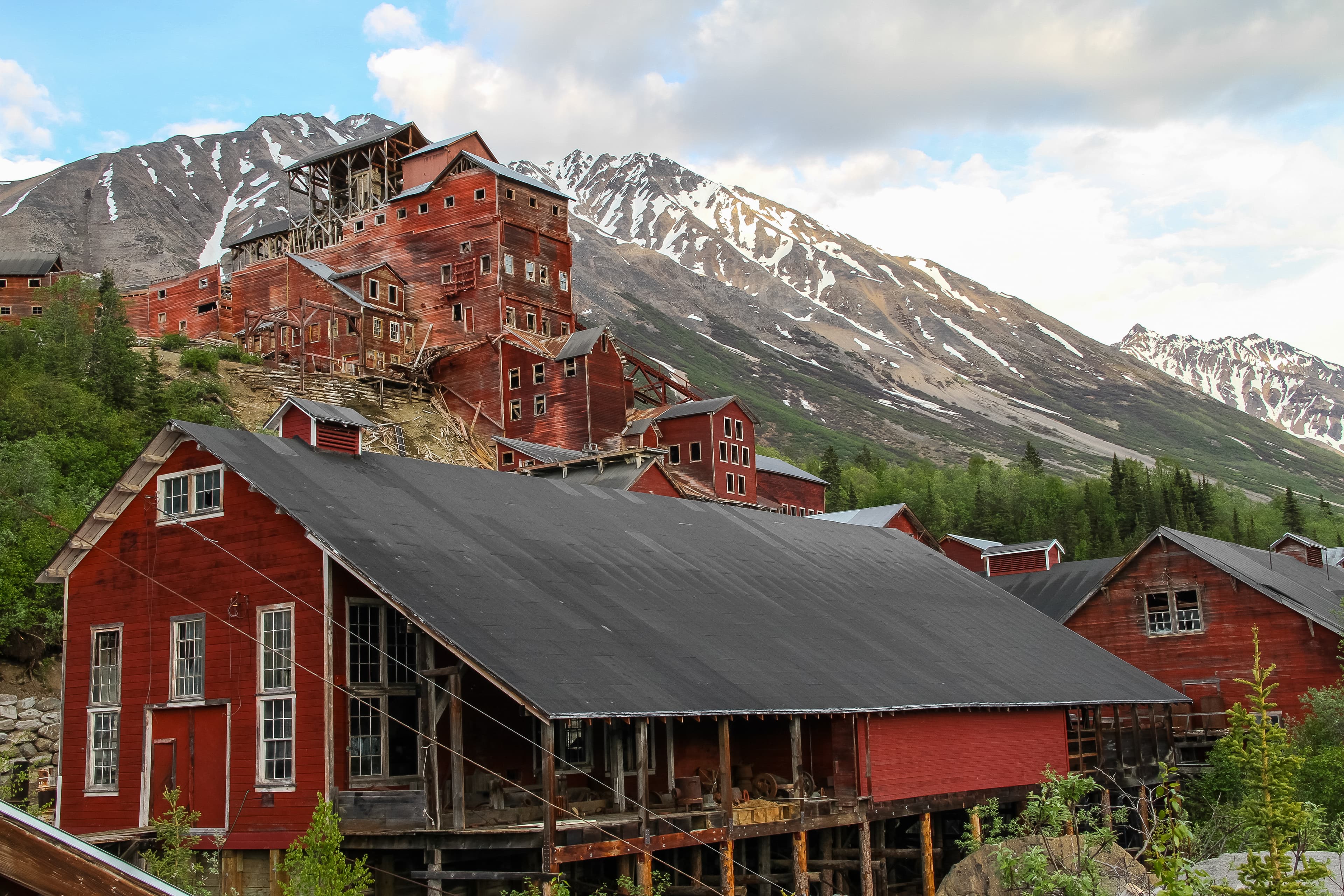
The Kennicott Mines National Historic Landmark includes 14 remaining structures from the early 1900s copper mining operation. NPS rangers lead guided tours of the mill building and concentration plant daily during summer. Self-guided walking tours of the exterior structures are free year-round.
The Kennecott Copper Corporation operated here from 1911 to 1938, extracting $200 million worth of copper ore. The 14-story concentration mill, power plant, and bunkhouses are preserved in a state of arrested decay. Guided ranger tours run twice daily from late May through mid-September and cost $28 for adults. The tours enter the mill building interior, which is otherwise closed to visitors. The five-mile walk from McCarthy to Kennicott follows a dirt road with views of the Kennicott and Root glaciers.
Is the Root Glacier safe to hike on?
The Root Glacier trail is a four-mile round trip from Kennicott to the glacier toe. Walking on the lower glacier is possible without technical equipment during summer, though the surface is uneven ice. Guided glacier hikes with crampons and ice axes are available through local outfitters for safer access to the upper glacier.
St. Elias Alpine Guides operates daily glacier hikes ranging from half-day introductory walks to full-day ice climbing trips. Half-day trips cost approximately $85 per person and include crampons, ice axes, and instruction. The glacier surface has crevasses, moulins (vertical shafts), and unstable ice features that make independent travel on the upper glacier dangerous. Stay on marked routes near the toe if hiking independently. The glacier is actively retreating, and conditions change each season. Check with the Kennicott Visitor Center for current access information.
What wildlife will I encounter?
Grizzly bears, black bears, moose, Dall sheep, caribou, wolves, and mountain goats inhabit the park. Dall sheep are commonly spotted on ridgelines above the Kennicott area. Grizzlies frequent river valleys and berry patches. Caribou herds migrate through the park's northern section during fall.
Bear encounters are possible anywhere in the park. Carry bear spray and know how to use it. Make noise on the trail to avoid surprising bears, especially near streams during salmon runs in July and August. Dall sheep are most visible from the Bonanza Mine trail above Kennicott. Wolves are present but rarely seen. Bald eagles nest along rivers throughout the park. Salmon spawn in several park rivers, attracting bears and eagles. The Mentasta caribou herd passes through the Nabesna Road area in September and October.
Do I need a bush plane to explore the backcountry?
Most of the park's 13.2 million acres is accessible only by bush plane. Charter flights from McCarthy, Chitina, Glennallen, or Ultima Thule Lodge provide access to remote landing strips and gravel bars. Costs range from $300 to $1,200 per hour depending on aircraft size and destination.
Wrangell Mountain Air and Copper Valley Air Service offer charter flights for backcountry drop-offs and pickups. Popular destinations include Skolai Pass, the Chitina River valley, and the Goat Trail area. Floatplanes can land on numerous lakes for fishing and camping access. Plan for weather delays, as cloud cover and wind frequently ground flights for one to three days. Always carry extra food and fuel for weather-related delays. Some hikers use packrafts to float out via rivers after a bush plane drop-off, combining backpacking with river travel.
Is there cell phone service in the park?
No cell service exists inside the park or in McCarthy and Kennicott. Limited satellite phone service works throughout the area. The town of Chitina has sporadic cell coverage. Glennallen, 120 miles from McCarthy, is the nearest town with reliable cellular and internet service.
McCarthy has a few lodges and businesses with satellite internet available for guests, though speeds are slow. The NPS visitor centers in Kennicott and at the Copper Center headquarters have landline phones for emergencies. A Garmin inReach or similar satellite communicator is strongly recommended for backcountry travel. The park's remoteness means rescue response times can exceed 24 hours depending on weather and aircraft availability. File a trip plan with the ranger station before any backcountry travel.
Quick Facts
- Entrance Fee
- Free (no entrance fee)
- Best Time to Visit
- June – September
- Nearest Town
- McCarthy, AK, Kennicott, AK, Glennallen, AK, Chitina, AK
- Elevation
- 600 – 18,008 ft
- Park Size
- 13,175,799 acres
- Annual Visitors
- ~94,000