
Camping Near Katmai National Park
Alaska | Established 1980
About Katmai National Park
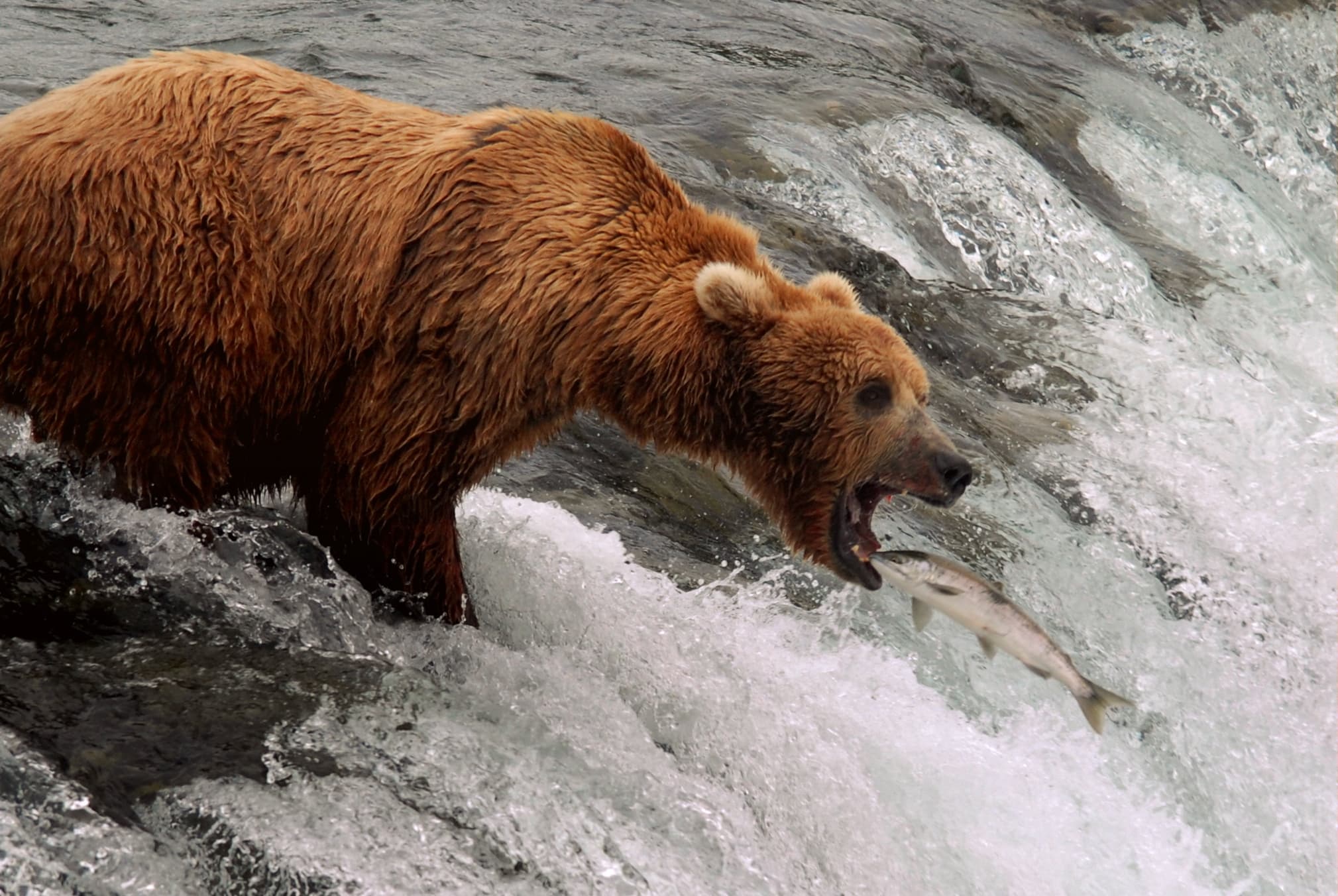
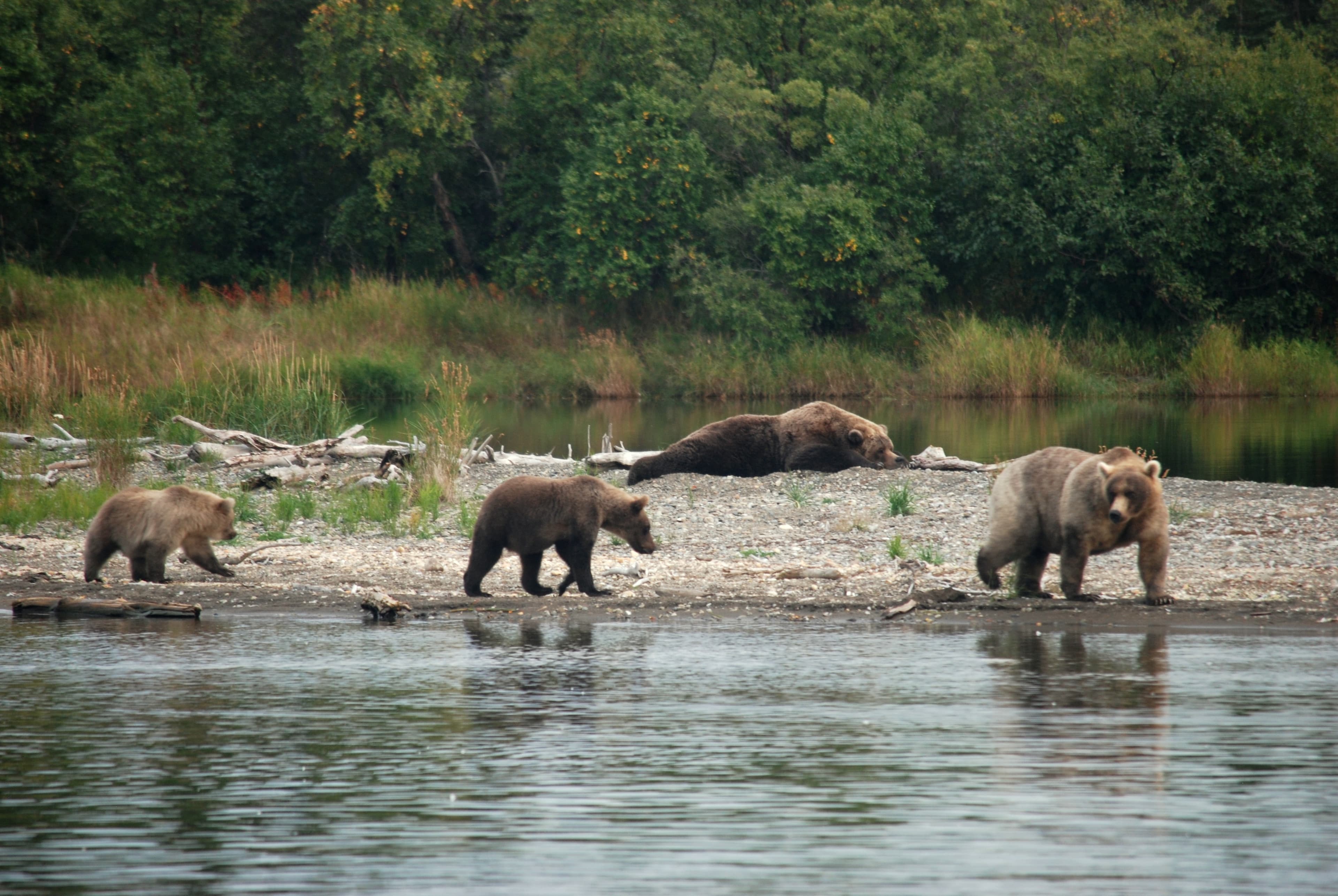
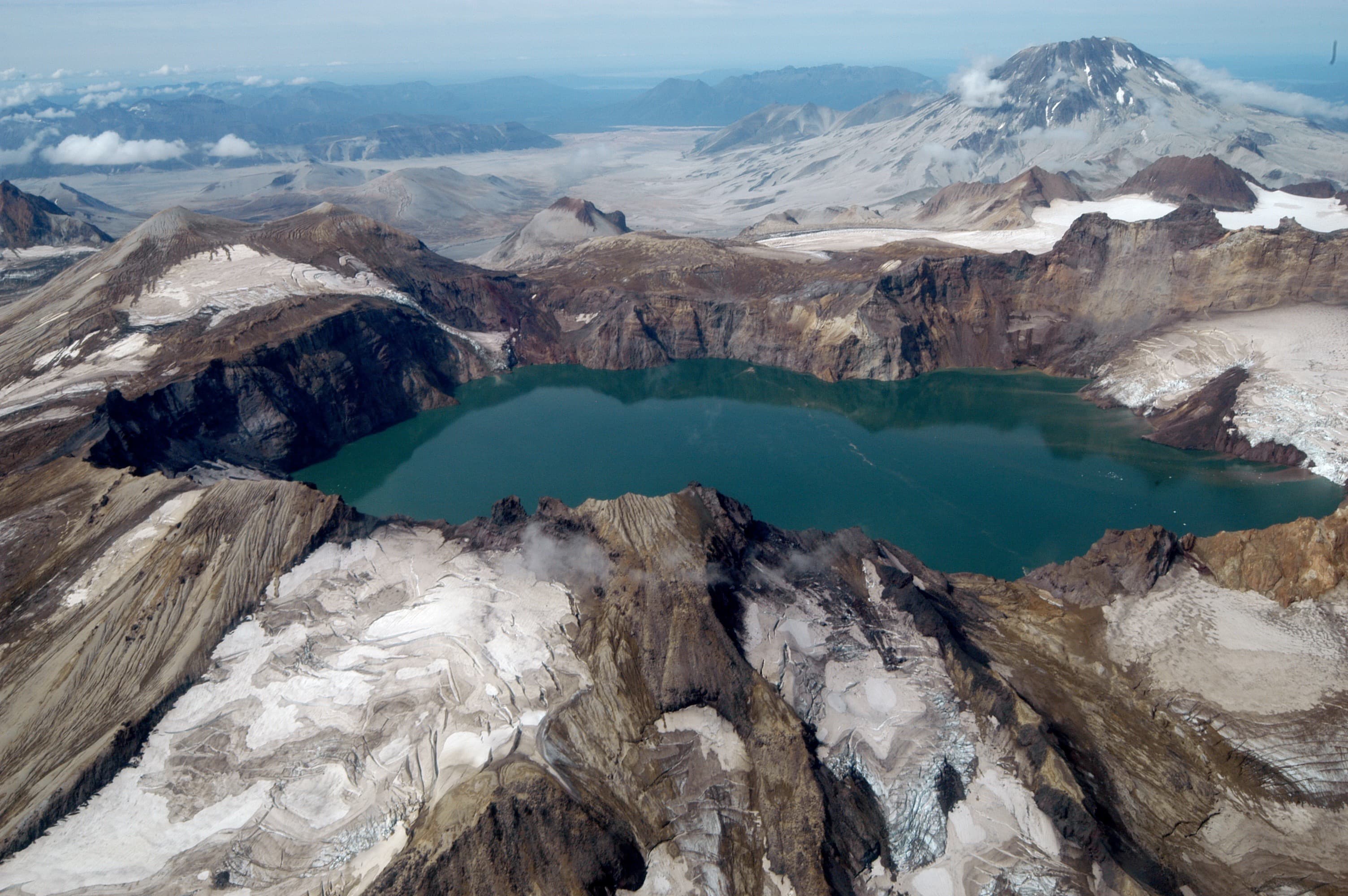
Katmai protects 4 million acres of wild Alaskan landscape centered on the Valley of Ten Thousand Smokes, formed by the 1912 Novarupta eruption, the largest volcanic event of the 20th century. Today the park is best known for Brooks Camp, where up to 70 brown bears fish for sockeye salmon at Brooks Falls each July.
Access is exclusively by floatplane or boat from King Salmon, which itself requires a flight from Anchorage. No roads lead to or through the park. Brooks Camp operates a 60-person overnight capacity during peak bear season (July through September), and reservations fill months in advance. The park also draws anglers targeting world-class rainbow trout, sockeye, and silver salmon in its remote river systems.
Camping Tips for Katmai
- Brooks Camp Campground has 12 tent sites (three people max per site) requiring advance reservations through Recreation.gov, which often fill within hours of opening in January. A $25 per night fee applies.
- All food must be stored in the campground's communal elevated food cache. Bears regularly walk through camp, and the electric fence around the campground is the only barrier between you and the largest brown bears in the world.
- Backcountry camping requires no permit but demands advanced bear safety skills. There are no trails in the backcountry. Navigation by map and compass or GPS is essential across trackless tundra and river crossings.
- Bring insect head nets and full-coverage rain gear. Mosquitoes from late June through July are among the worst in Alaska. Katmai receives rain on roughly half the days during summer.
- A bear orientation session at Brooks Camp is mandatory before accessing the viewing platforms or campground. Rangers cover safe distances (50 yards from bears), food storage rules, and trail right-of-way protocols.
RV Parks & Campgrounds Near Katmai National Park
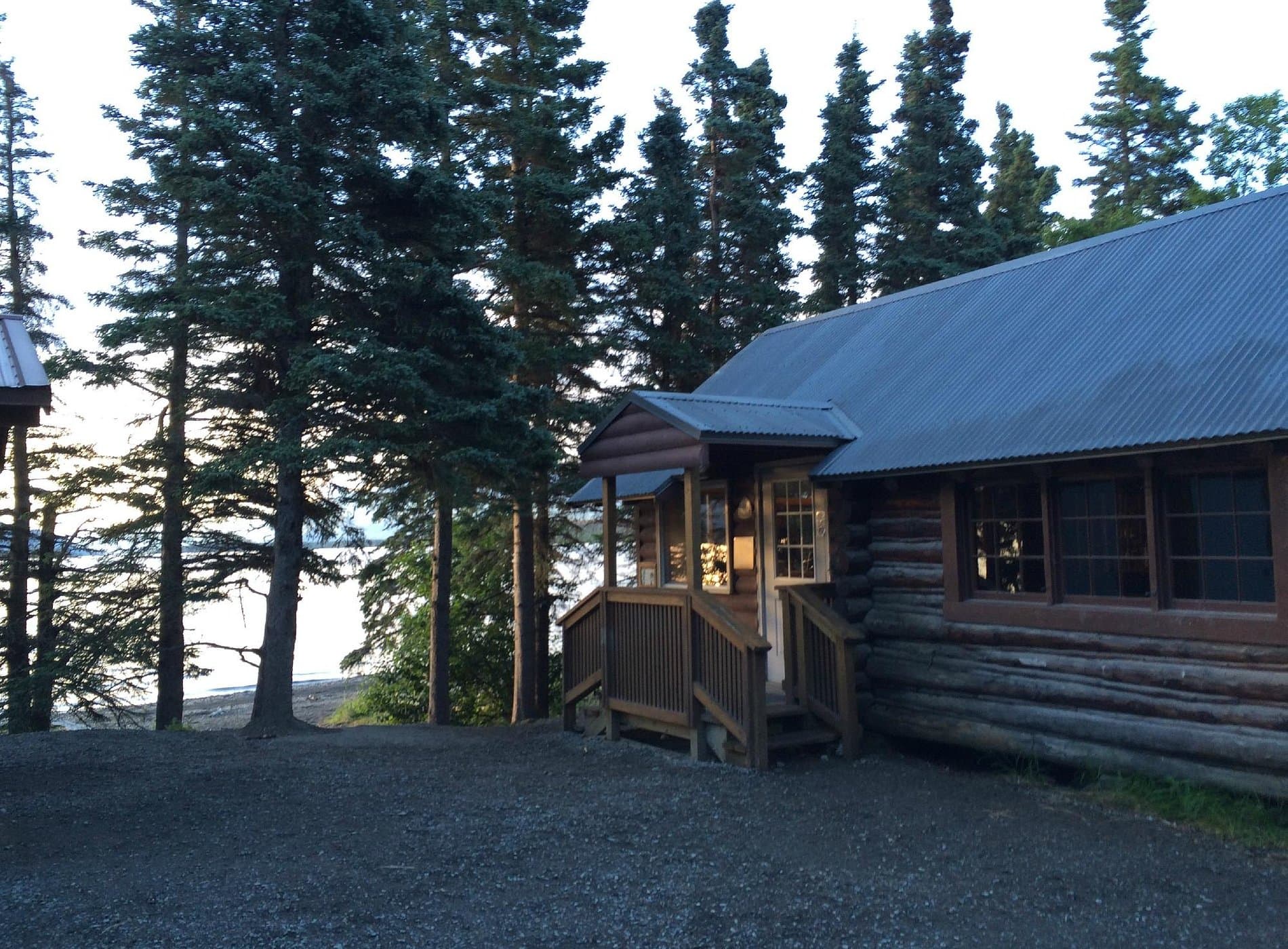
1.Brooks Camp
Brooks Camp is a campground located within Katmai National Park & Preserve. The camp is situated near Brooks Falls, a popular spot for bear viewing. Visitors can enjoy hiking,...
Show moreShowing 1–1 of 1 campgrounds within 75 miles
Frequently Asked Questions
How do I get to Katmai National Park?
Fly commercially from Anchorage to King Salmon (one hour). From King Salmon, take a floatplane (20 minutes) or boat to Brooks Camp. No roads connect to the park. Several air taxis operate scheduled floatplane service during summer for roughly $250 to $350 round trip.
Alaska Airlines, Ravn Alaska, and Grant Aviation operate daily flights from Anchorage to King Salmon during summer. Round-trip airfare runs $400 to $700. From King Salmon, Katmai Air and other operators fly floatplanes to Brooks Camp on scheduled runs. Same-day round trips for bear viewing are common and cost approximately $250 to $350 per person. Book both the commercial flight and floatplane well in advance, especially for July travel. Weather delays are frequent; build buffer days into your itinerary.
When is the best time to see bears at Brooks Falls?
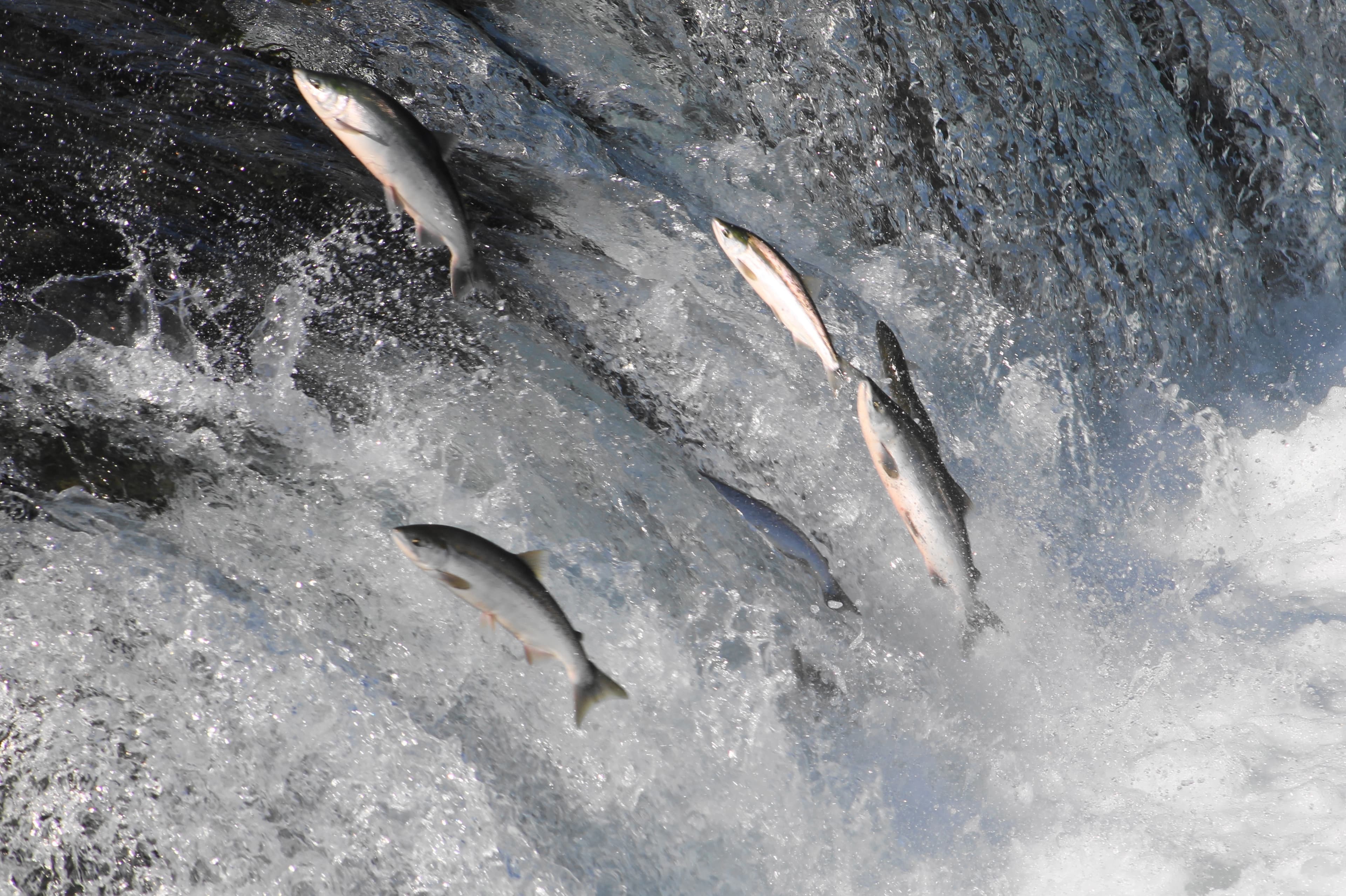
Peak bear viewing at Brooks Falls occurs during two windows: the first sockeye salmon run in July (especially mid-July) when bears catch leaping fish, and the late September salmon spawning run when bears feed heavily before hibernation. July offers the iconic jumping-salmon photographs.
During peak July viewing, 20 to 40 bears may be visible along the Brooks River at once. The Falls Platform holds 40 people with a one-hour time limit enforced during busy periods. The Riffles Platform downstream offers a different perspective with bears fishing in shallow water. In September, bears are at their fattest (males exceeding 1,000 pounds) and less active but still numerous. August sees fewer bears at Brooks Falls as salmon move upstream to spawn in tributaries. The park's webcams at explore.org broadcast live footage during the season.
Can I visit Katmai as a day trip from Anchorage?
Yes, guided day trips from Anchorage are available and popular. Operators like Katmailand fly you from Anchorage to Brooks Camp and back in a single day. Trips last 10 to 14 hours and cost $800 to $1,200 per person, including flights, lunch, and a park guide.
Day trips typically depart Anchorage at 6:00 AM, arrive at Brooks Camp by 9:00 AM, allow four to five hours of bear viewing and exploration, then return to Anchorage by evening. Some operators fly directly from Anchorage via floatplane (two and a half hours each way) while others route through King Salmon. July day trips should be booked three to six months in advance. Weather cancellations receive full refunds or rebooking with most operators. Bring rain gear, binoculars, and a camera with a telephoto lens of at least 200mm.
What should I bring to Brooks Camp?
Pack rain gear, warm layers, rubber boots (ankle-deep water crossings are common), insect head nets, binoculars, and a camera with a telephoto lens. Brooks Camp has no store. Bring all food and cooking supplies. A bear-resistant food container is not needed since the camp provides elevated food caches.
Brooks Camp Lodge serves meals if you book lodge accommodations, but campground users must bring everything. Pack freeze-dried meals and a camp stove, as campfires are not allowed at the campground. Rubber boots or waterproof hiking boots rated for stream crossings are essential since the trail to the falls crosses a bridge but wet conditions prevail throughout. Temperatures range from 45 to 65 degrees Fahrenheit during summer. Layered clothing handles the variable weather better than heavy single layers. Camera gear: a 100-400mm zoom lens produces the best bear photos from the viewing platforms.
Is camping at Brooks Camp safe with so many bears?
Brooks Camp has operated safely for decades despite close bear proximity. An electric fence surrounds the campground. Rangers enforce strict food storage rules using elevated caches. Bear spray is recommended but encounters within the fenced area are rare. The mandatory orientation covers all safety protocols.
Bears regularly walk along the lakeshore path between the campground and viewing platforms. Rangers sometimes temporarily close trails when bears are on or near the path. Maintain 50 yards from bears at all times and yield the trail if a bear approaches. Never run from a bear. At night, bears occasionally investigate the fence perimeter but rarely enter the campground. The 60-person overnight limit keeps the camp manageable. Store all scented items (toothpaste, sunscreen, snacks) in the food cache, not your tent. No food-related bear incidents have occurred at Brooks Camp in recent years.
What is the Valley of Ten Thousand Smokes?
The Valley of Ten Thousand Smokes is a 40-square-mile ash flow deposited by the 1912 Novarupta eruption. The ash layer reaches 700 feet deep in places. A daily bus tour from Brooks Camp travels 23 miles to an overlook of the valley. Rangers lead a hike down into the valley floor.
The 1912 eruption ejected 3.6 cubic miles of material, more than ten times the volume of Mount St. Helens in 1980. When explorer Robert Griggs visited in 1916, thousands of steam vents (fumaroles) rose from the ash, inspiring the name. Today the fumaroles have cooled, but the stark lunar landscape remains largely barren. The bus tour operates daily from mid-June through mid-September, departing Brooks Camp at 9:00 AM and returning by 4:30 PM. Cost is approximately $96 per person. The ranger-led hike descends 1,000 feet to the valley floor over two miles. Bring water and lunch.
Can I fish in Katmai National Park?
Katmai offers world-class fishing for rainbow trout, sockeye salmon, silver salmon, arctic char, and northern pike. A valid Alaska fishing license is required. The Brooks River is catch-and-release only for rainbow trout. Guided fly-out fishing trips access remote rivers for multi-day angling expeditions.
Sockeye salmon run the Brooks River from late June through August. Silver salmon arrive in September. Rainbow trout fishing peaks from August through October when large trout follow spawning salmon for eggs. Fishing in the Brooks River requires single-hook, barbless artificial lures only. Guided fishing lodges throughout the park cost $5,000 to $10,000 per week for all-inclusive fly-out fishing packages. Independent anglers can fly to remote rivers via air taxi from King Salmon for $400 to $800 per person. Always be aware of bears when fishing, as they actively compete for the same salmon.
Are there lodging options besides camping?
Brooks Lodge offers 16 rooms at Brooks Camp with full meal service, running roughly $750 to $950 per night per person. Reservations open in January and sell out quickly for July dates. In King Salmon, several small lodges and bed-and-breakfasts provide overnight options before or after park visits.
Brooks Lodge rooms are simple (no running water in rooms, shared bathhouse) but the location is unmatched for bear viewing. The rate includes three meals daily, round-trip floatplane from King Salmon, and park orientation. Antlers Inn and King Ko Inn in King Salmon offer rooms from $150 to $250 per night. Several fishing lodges operate in remote sections of the park with rates from $5,000 to $10,000 per week. Day visitors from King Salmon do not need overnight accommodations in the park, making same-day floatplane trips a popular budget alternative.
Quick Facts
- Entrance Fee
- Free (no entrance fee)
- Best Time to Visit
- July – September
- Nearest Town
- King Salmon, AK, Naknek, AK
- Elevation
- 15 – 7,606 ft
- Park Size
- 4,093,077 acres
- Annual Visitors
- ~64,000