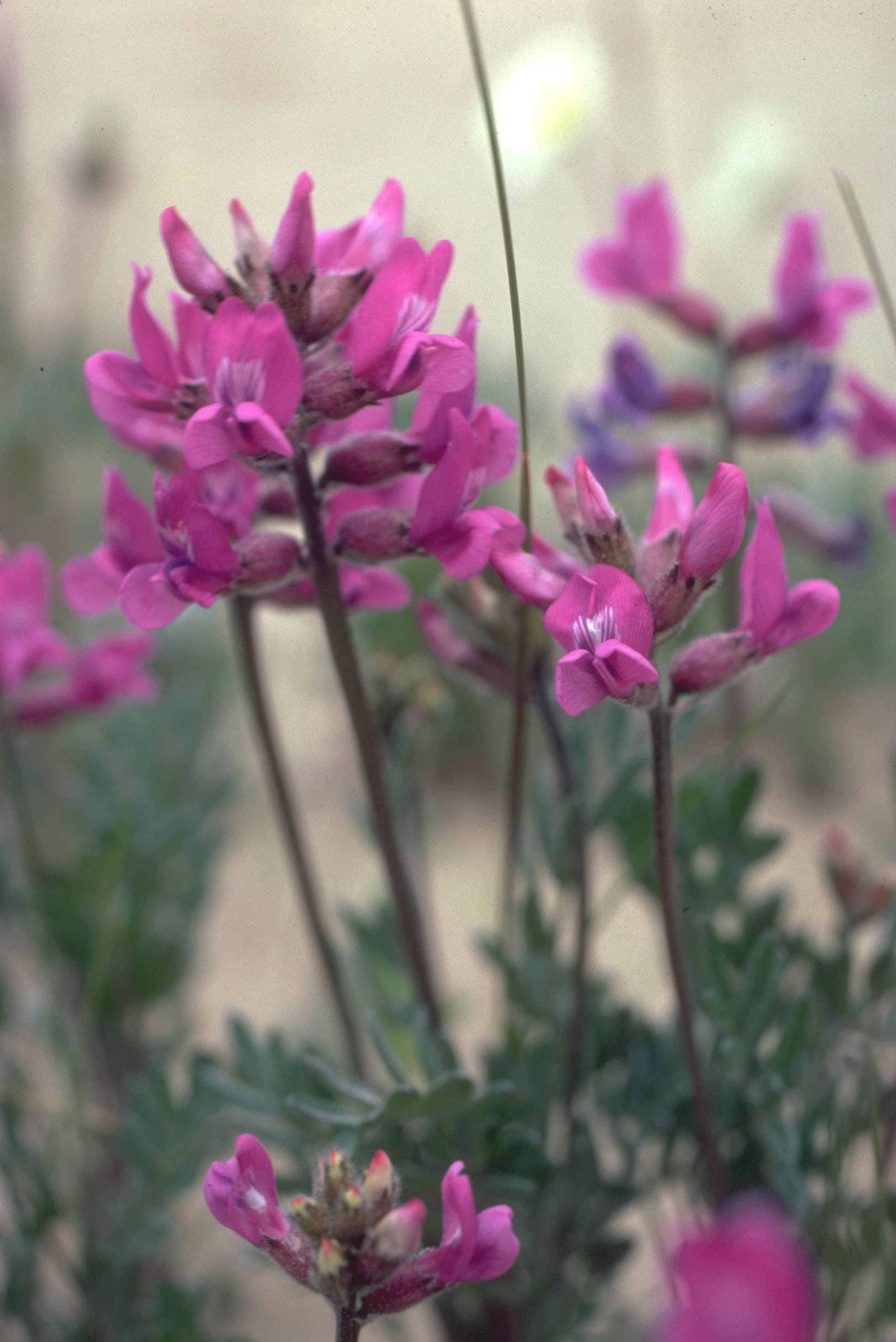
Camping Near Kobuk Valley National Park
Alaska | Established 1980
About Kobuk Valley National Park
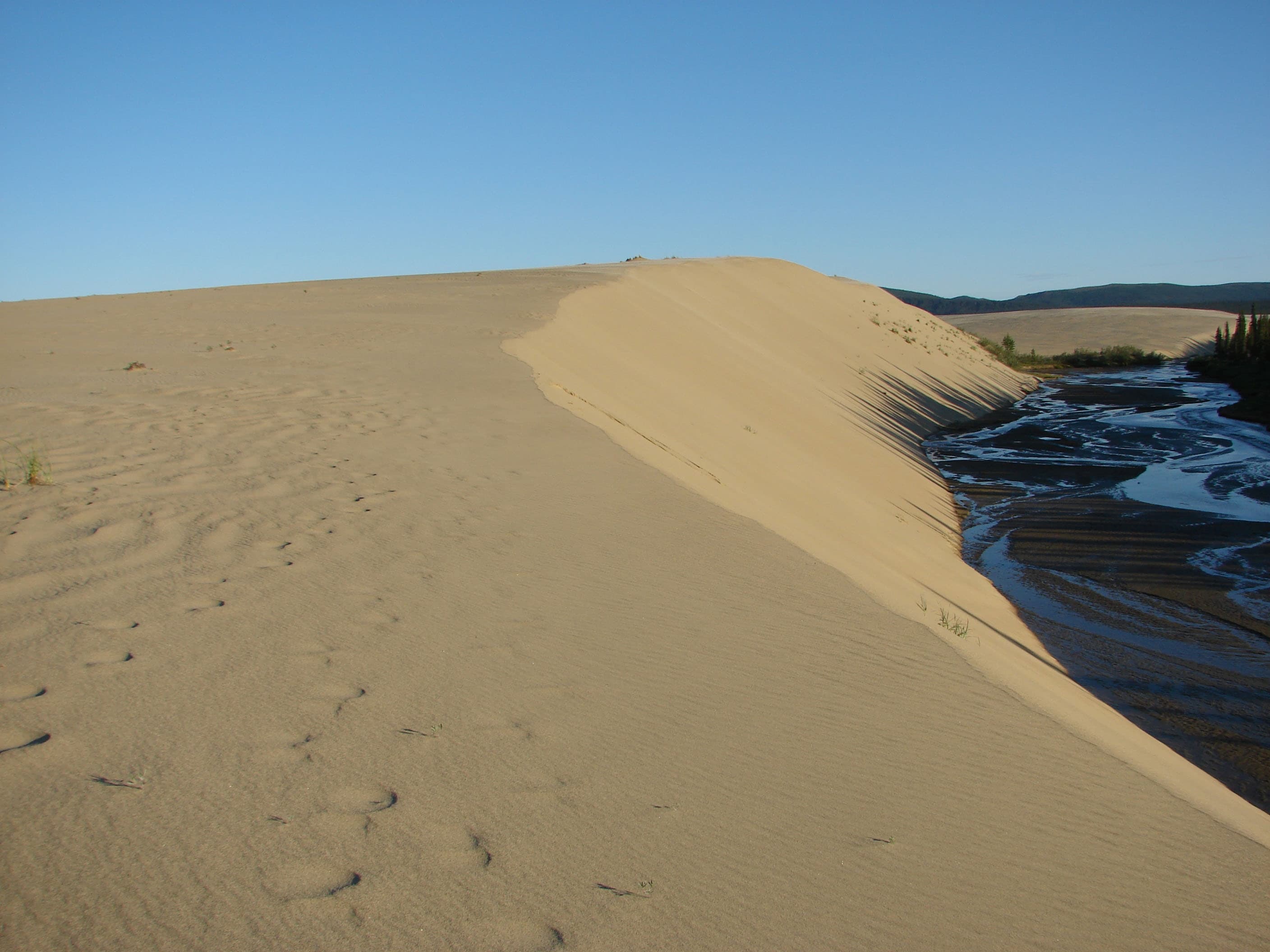
Kobuk Valley protects 1.75 million acres of Arctic wilderness centered on the Kobuk River and the Great Kobuk Sand Dunes, a 25-square-mile field of active sand dunes rising 100 feet above the surrounding tundra. These dunes are remnants of glacial outwash from the last ice age and are among the largest active dune fields in Arctic regions worldwide.
The park has no roads, no trails, no campgrounds, and no visitor facilities. Access is exclusively by bush plane from Kotzebue, a small Inupiat community on the coast 75 miles west. The Kobuk River is the main travel corridor, with float trips of 5 to 14 days following the current through the park. Each fall, the Western Arctic caribou herd (roughly 200,000 animals) crosses the Kobuk River at Onion Portage, a migration route used for at least 9,000 years.
Camping Tips for Kobuk Valley
- No developed campsites, facilities, or infrastructure of any kind exists in the park. All camping is true wilderness camping on gravel bars, tundra, or sand. Bring everything you need, including a camp stove since driftwood is limited.
- Bush plane from Kotzebue is the only practical access. Air taxi services like Bering Air and Northwestern Aviation fly visitors to gravel bars along the Kobuk River for $400 to $800 per person round trip depending on group size.
- Grizzly bears inhabit the river corridor. Use bear canisters for all food storage and cook 100 yards from your sleeping area. The park loans bear canisters through the Kotzebue ranger station if arranged in advance.
- Mosquitoes from late June through mid-July are among the worst in the Arctic. Head nets, bug jackets, and DEET are essential. Plan trips for late July through September to avoid peak mosquito season.
- River crossings and float trips on the Kobuk require cold-water preparation. Water temperatures rarely exceed 50 degrees. Dry suits or dry bags for spare clothing are essential safety gear for any river travel.
RV Parks & Campgrounds Near Kobuk Valley National Park
No campgrounds found within 100 miles. Try searching nearby towns.
Frequently Asked Questions
How do I get to Kobuk Valley National Park?
Fly commercially from Anchorage to Kotzebue (about two hours). From Kotzebue, charter a bush plane to a gravel bar along the Kobuk River inside the park (30 to 60 minutes). No roads or trails lead to the park. Bering Air and Alaska Airlines serve Kotzebue daily during summer.
Round-trip airfare from Anchorage to Kotzebue runs $500 to $800. Bush plane charters from Kotzebue into the park cost $400 to $800 per person round trip depending on landing location and group size. Northwestern Aviation and other local operators provide charter service. Some visitors access the park from the village of Ambler on the Kobuk River, reached by scheduled air service from Fairbanks or Kotzebue. Weather delays are frequent; plan for one to three buffer days in Kotzebue on each end of your trip.
What are the Great Kobuk Sand Dunes?
The Great Kobuk Sand Dunes cover 25 square miles and rise up to 100 feet above the surrounding tundra. Formed from glacial outwash deposits over thousands of years, they are the largest active dune field in the Arctic. Summer surface temperatures on the sand can reach 100 degrees despite the Arctic location.
The dunes sit south of the Kobuk River roughly 40 miles downstream from Ambler. Most visitors reach them by floating the Kobuk River and hiking roughly two miles inland from the riverbank. The hike crosses tundra, boreal forest, and scrub before the dunes appear suddenly. Little Kobuk and Hunt River dunes are smaller fields nearby. The sand is fine-grained and golden. Winds reshape the dune crests constantly. Camping on or near the dunes is permitted. The contrast between Arctic tundra, spruce forest, and desert sand creates a surreal landscape found nowhere else in the national park system.
When is the caribou migration at Onion Portage?
The Western Arctic caribou herd crosses the Kobuk River at Onion Portage typically in late August through mid-September. Crossing timing varies by year and weather conditions. Groups of hundreds to thousands of caribou swim the river over several weeks during the southward fall migration.
Onion Portage is an archaeological site where Inupiat and their ancestors have hunted caribou during river crossings for at least 9,000 years. The herd (roughly 200,000 animals) splits into groups that cross at various points along the Kobuk River. Some years, large groups cross at Onion Portage on a single day; other years the migration is dispersed. Timing is unpredictable, so plan a trip of at least seven days in the area from late August through September to maximize chances. Float trips starting upstream and ending at Onion Portage or beyond provide the best opportunity to witness crossings.
What is a Kobuk River float trip like?
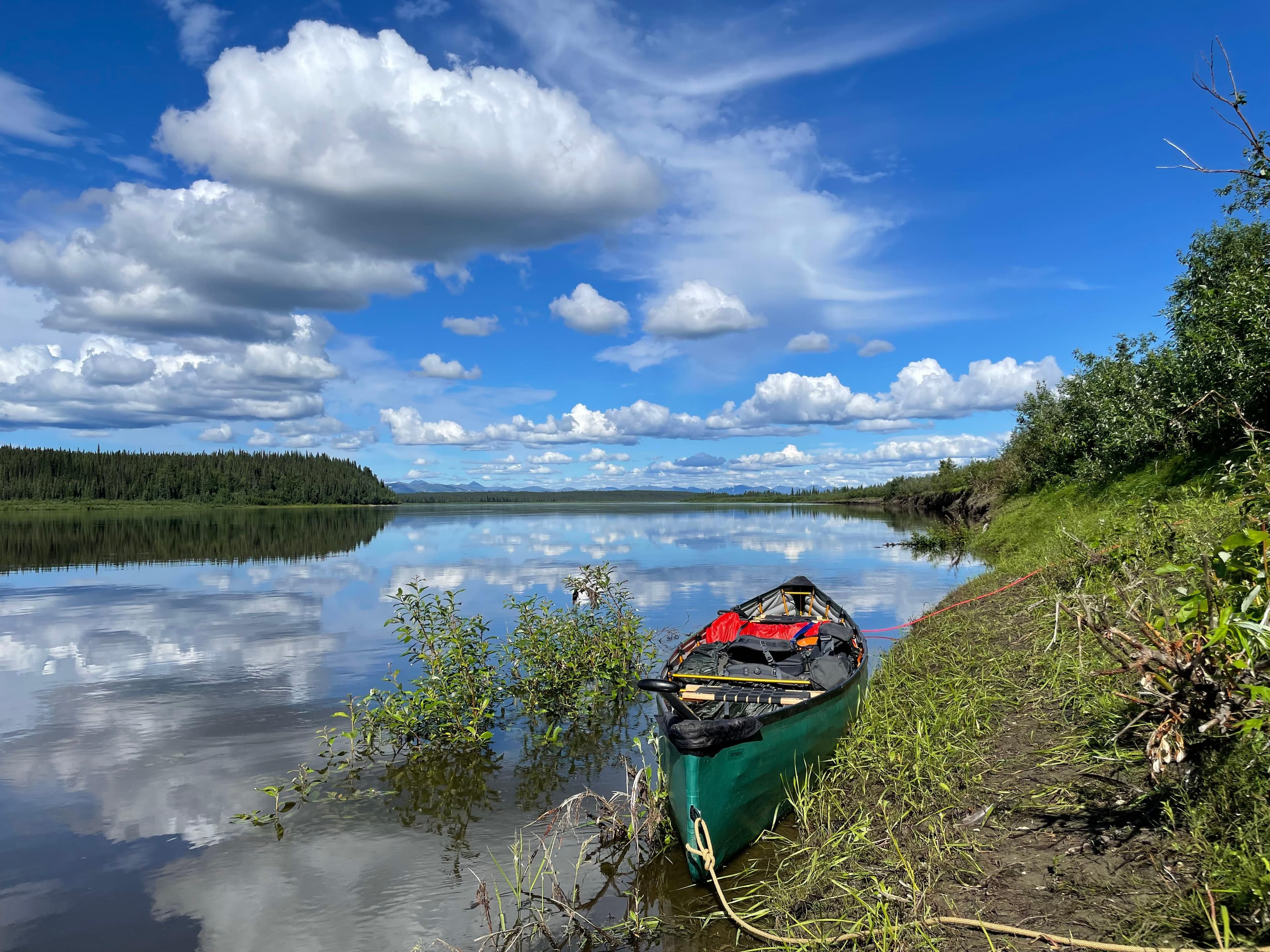
Kobuk River floats typically run 5 to 14 days, starting upstream near Ambler or Walker Lake and ending at Kiana. The river flows at 3 to 5 mph through wide valleys with gravel bars for camping. Class I water with no significant rapids makes it suitable for canoes, rafts, and inflatable kayaks.
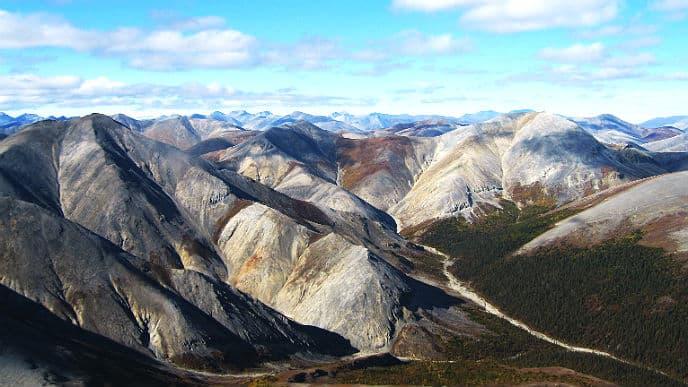
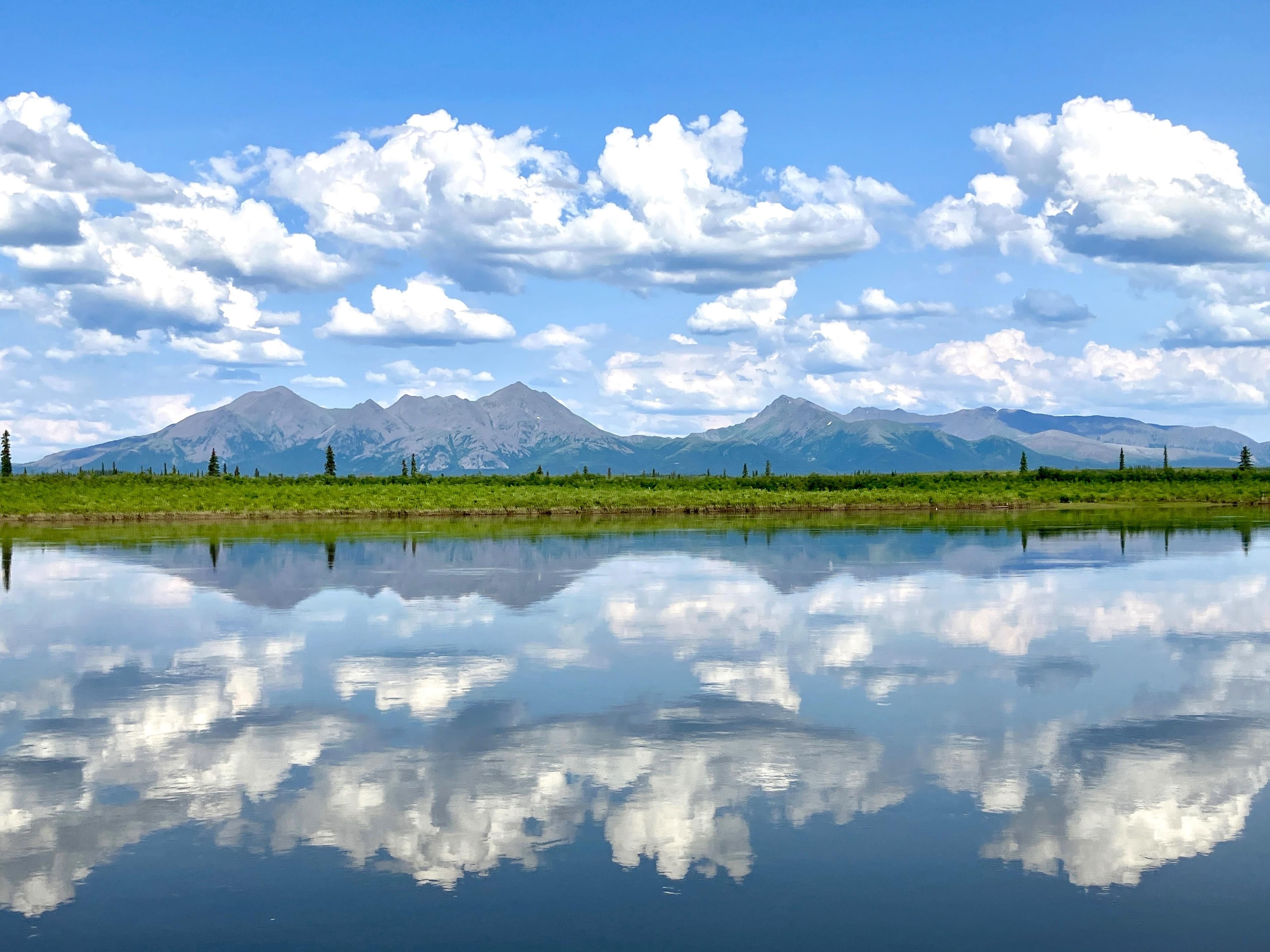
Most float trips cover 80 to 150 miles depending on put-in and take-out points. The river passes through broad valleys with views of the Baird and Waring mountains. Gravel bars provide excellent camping with good visibility for wildlife and easy water access. Fishing for sheefish, arctic char, grayling, and salmon supplements camp meals (Alaska fishing license required). Bring a packraft or folding canoe since bush planes cannot carry rigid boats. Arrange pickup by bush plane at an agreed gravel bar or float to Kiana, where scheduled flights return to Kotzebue.
What should I bring to Kobuk Valley?
Bring all food and supplies for your entire trip plus three extra days for weather delays. Essential gear includes a four-season tent, sleeping bag rated to 15 degrees, bear canister, water filter, camp stove, insect protection, rain gear, and a satellite communicator. No resupply is possible once in the park.
Pack roughly two pounds of food per person per day emphasizing calorie density. A camp stove is essential since firewood is limited to scattered driftwood on gravel bars. The satellite communicator (Garmin inReach or similar) is your only emergency contact. Bring repair kits for your boat and tent. Waders or dry suits are important for river entry and exit. A fishing rod saves pack weight by supplementing food supplies. Topographic maps and a GPS device are necessary for navigation. The park can loan bear canisters if arranged through the Kotzebue office before your trip.
What wildlife inhabits Kobuk Valley?
Caribou, grizzly bears, wolves, moose, musk oxen, wolverines, and Dall sheep inhabit the park. The Western Arctic caribou herd is the primary wildlife attraction. Bears frequent the river corridor during salmon season. Wolves follow caribou herds through the valley during fall migration.
Musk oxen are occasionally seen in the park's mountain foothills, though sightings are rare and unpredictable. Dall sheep inhabit the Baird Mountains along the park's northern boundary. River otters, beavers, and foxes are common along waterways. Bald eagles and peregrine falcons nest along the Kobuk River bluffs. Sheefish (inconnu), a prized Arctic game fish, spawn in the Kobuk River and its tributaries. During caribou crossings, wolves and bears concentrate near river crossing points, creating opportunities for dramatic predator-prey observation.
Is Kobuk Valley appropriate for first-time Alaska visitors?
Kobuk Valley is best suited for experienced backcountry travelers comfortable with complete self-reliance, remote wilderness navigation, river travel, and bear country protocols. First-time Alaska visitors should consider parks with more infrastructure, such as Denali or Kenai Fjords, before attempting Kobuk Valley.
The park's remoteness means rescue response can take 24 to 72 hours depending on weather. The nearest medical facility is in Kotzebue. River conditions, weather, and wildlife encounters require independent judgment without ranger assistance. Guided trips with experienced Arctic outfitters are available and recommended for those without prior Alaska backcountry experience. Outfitters handle logistics, provide equipment, and bring food for the trip at costs of $4,000 to $8,000 per person for 7 to 10 day float trips. This allows less experienced visitors to safely experience the park.
Can I visit Kobuk Valley in winter?
Winter visits are extremely rare and require expedition-level skills. Temperatures drop to -40 degrees Fahrenheit regularly from December through February. Daylight disappears entirely in December. Dog mushing and snowmachine travel along the frozen Kobuk River are the primary winter access methods.
Late March through April offers returning daylight and slightly warmer temperatures (-10 to 10 degrees Fahrenheit) for ski touring or snowshoeing. The frozen Kobuk River serves as a natural highway for snowmachine and dog sled travel between villages. Local Inupiat guides from Ambler and Kiana occasionally offer winter trips. Aurora viewing is exceptional from September through March due to the park's location above the Arctic Circle with zero light pollution. Winter camping requires expedition-grade cold-weather equipment and training. Contact the Kotzebue ranger station for winter trip planning advice.
Quick Facts
- Entrance Fee
- Free (no entrance fee)
- Best Time to Visit
- July – September
- Nearest Town
- Kotzebue, AK, Ambler, AK, Kiana, AK
- Elevation
- 100 – 4,760 ft
- Park Size
- 1,750,716 acres
- Annual Visitors
- ~19,000