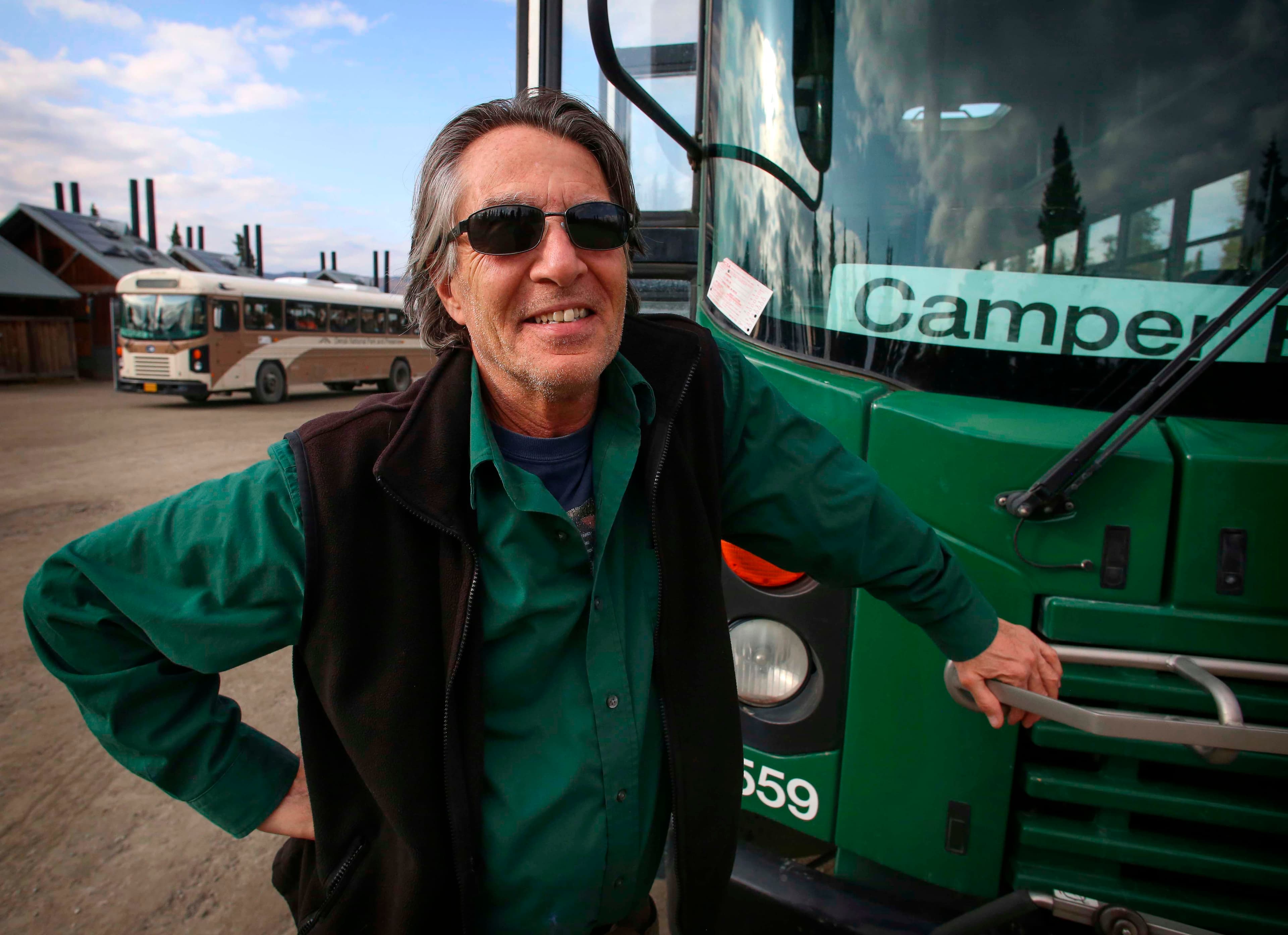
Camping Near Denali National Park
Alaska | Established 1917
About Denali National Park
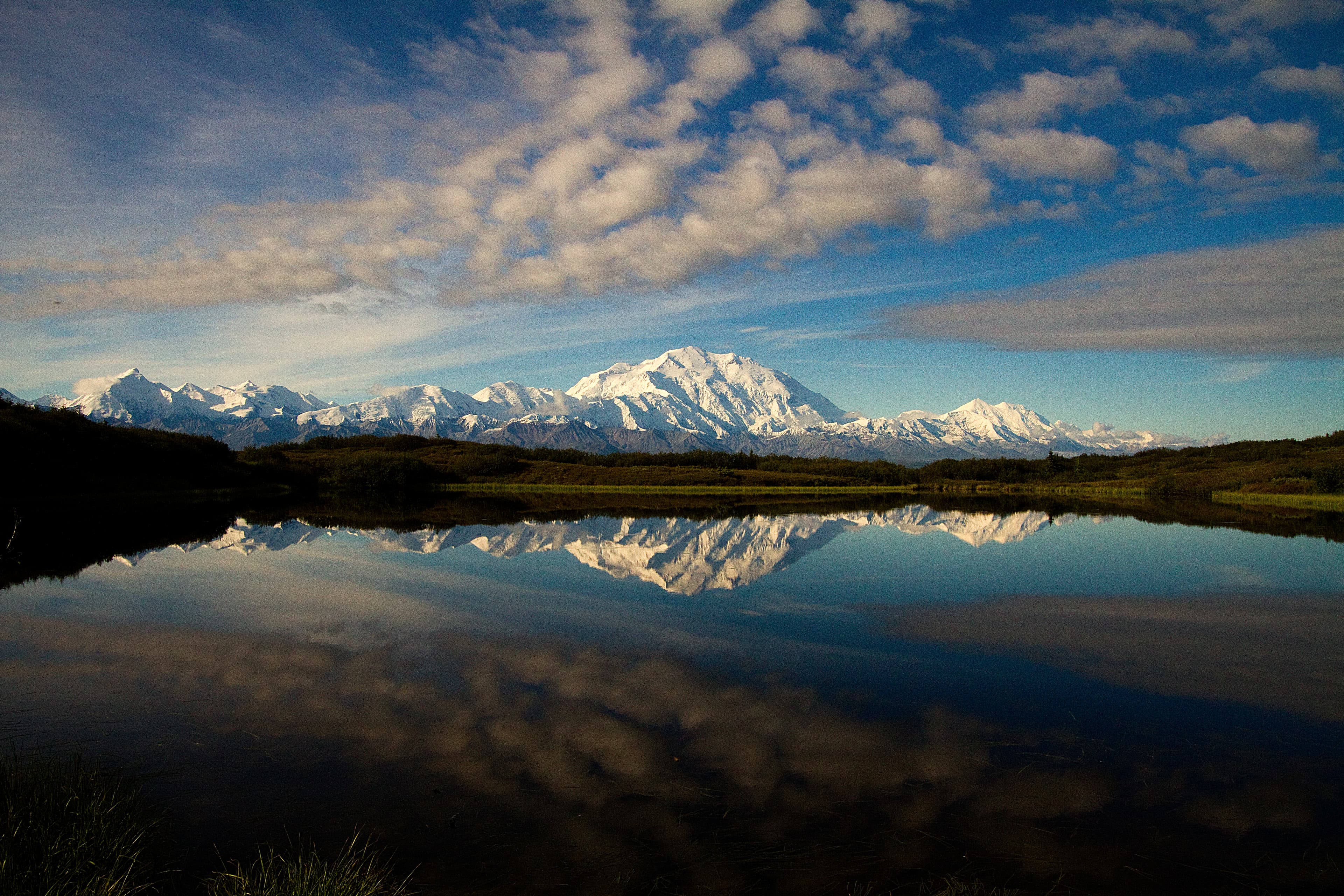
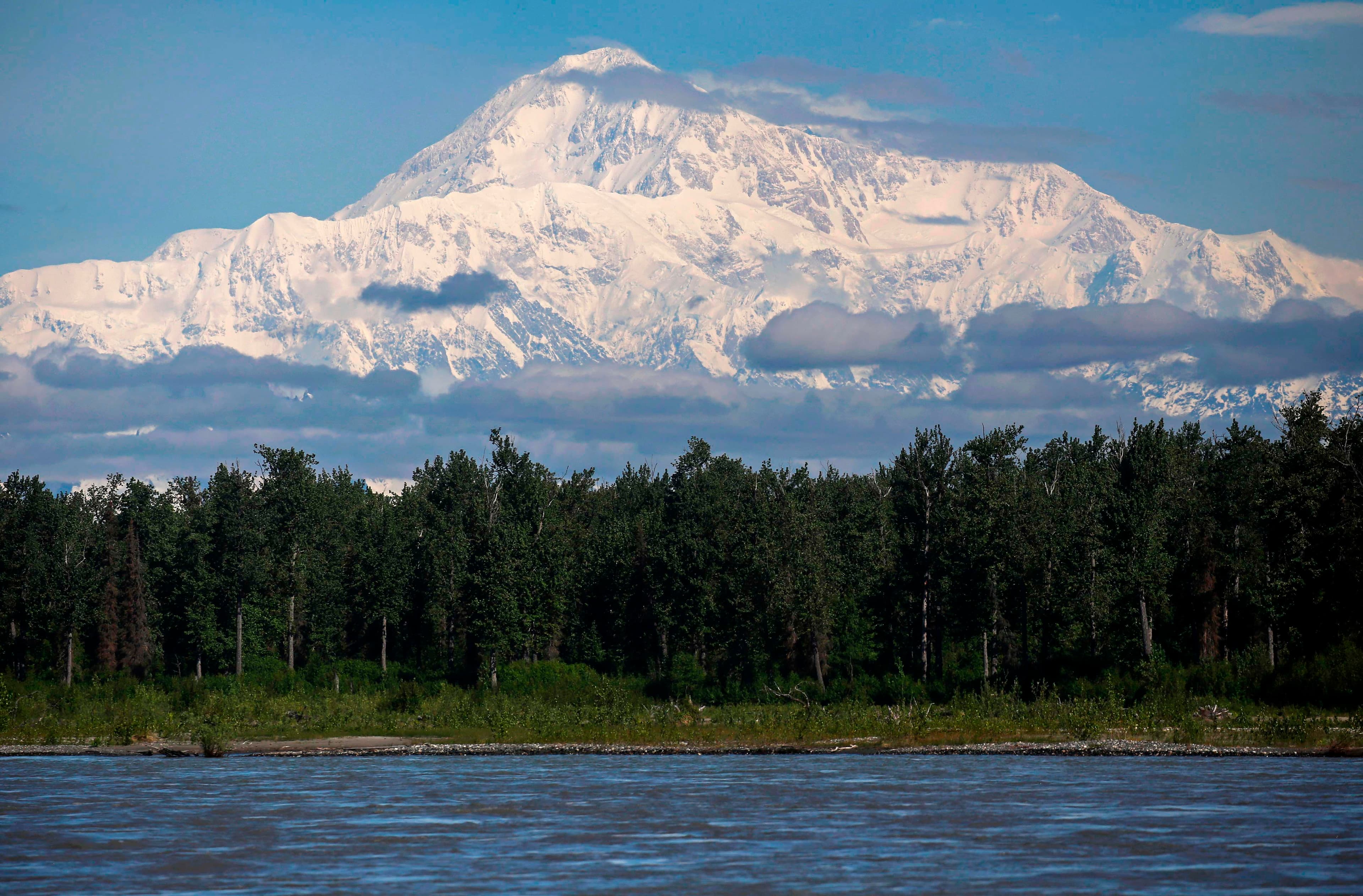
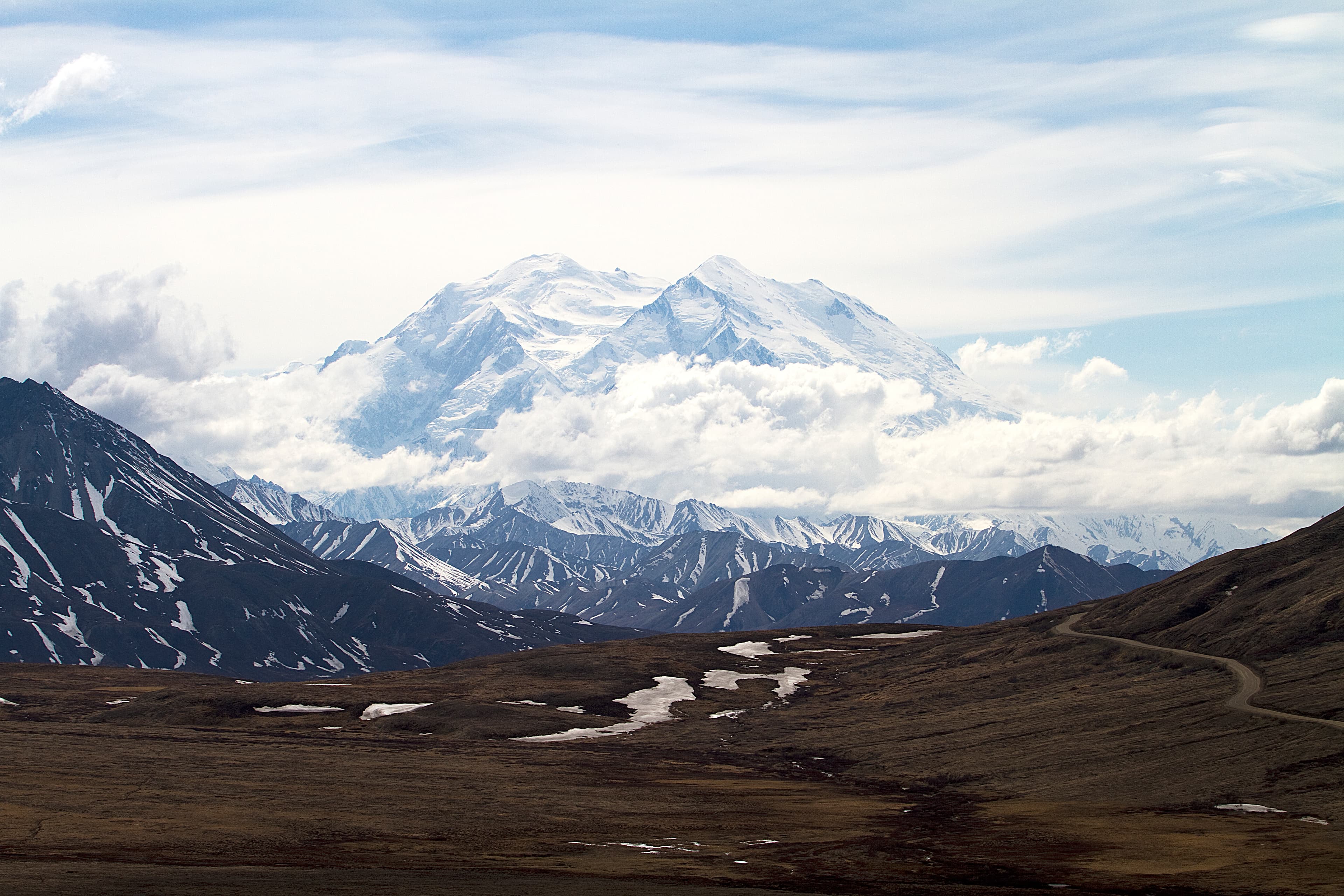
Denali National Park protects six million acres of Alaskan wilderness anchored by the 20,310-foot summit of Denali, the highest peak in North America. Private vehicles can drive only the first 15 miles of the 92-mile Park Road to Savage River. Beyond that, access requires the park shuttle or transit bus system, which drops campers at designated campgrounds deeper in the backcountry.
The park operates six campgrounds with roughly 260 total sites. Riley Creek near the entrance stays open year-round and accepts reservations ($15/night). Savage River at mile 14 is the farthest drive-in campground. Teklanika River at mile 29 requires a three-night minimum stay, and campers must ride the bus there while their vehicle stays parked at the site. Sanctuary River, Igloo Creek, and Wonder Lake are bus-access tent-only campgrounds offering remote wilderness immersion. Wonder Lake remains closed through 2026 for Pretty Rocks landslide road repairs. Reservations open December 1 for the following summer on recreation.gov.
Camping Tips for Denali
- Reserve Riley Creek or Savage River first since both are drive-in campgrounds accessible without the bus system. Sites cost $15/night and open December 1 on recreation.gov.
- Teklanika River requires a three-night minimum and bus access only. Drive your vehicle to the site, then it stays parked for your entire stay while you ride the bus for day trips.
- Bear-proof food storage containers are required for all backcountry camping and available for free loan at the Backcountry Information Center. Store everything scented, including sunscreen and toothpaste.
- Layer clothing for 30–80°F temperature swings in a single day. Hypothermia is a risk even in July if rain and wind combine. Pack a warm sleeping bag rated to at least 20°F.
- Bus tickets sell out weeks in advance for July. Book transit and camper buses as soon as reservations open December 1. The earliest buses offer the best wildlife viewing.
RV Parks & Campgrounds Near Denali National Park

11.Byers Lake Campground
Byers Lake Campground is located in the Matanuska-Susitna Valley, approximately 60 miles north of Anchorage. The campground is situated near Byers Lake, a beautiful lake...
Show more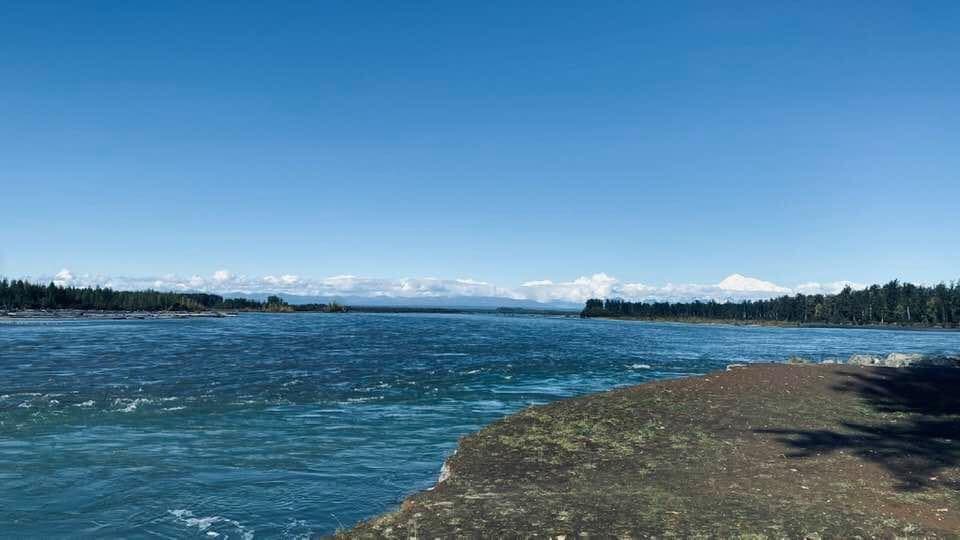
12.Alpine RV Lot
Alpine RV Lot is a campground located in Talkeetna, Alaska, offering a convenient base for exploring this scenic region. With a Google rating of 4.3 out of 5 stars, the facility...
Show more13.East Fork Chulitna Wayside
East Fork Chulitna Wayside is a campground located in Cantwell, Alaska, offering a convenient stop for travelers exploring the region. With a solid 4.3-star rating from 96...
Show more15.Byers Lake
Byers Lake Campground is a highly-rated destination located in Trapper Creek, Alaska. This scenic campground offers visitors an excellent base for exploring the natural beauty of...
Show more16.Waugaman Village RV Park
Waugaman Village RV Park is a well-established RV park located in Healy, Alaska, offering convenient access to the interior of Alaska. With a solid 3.8-star rating based on guest...
Show more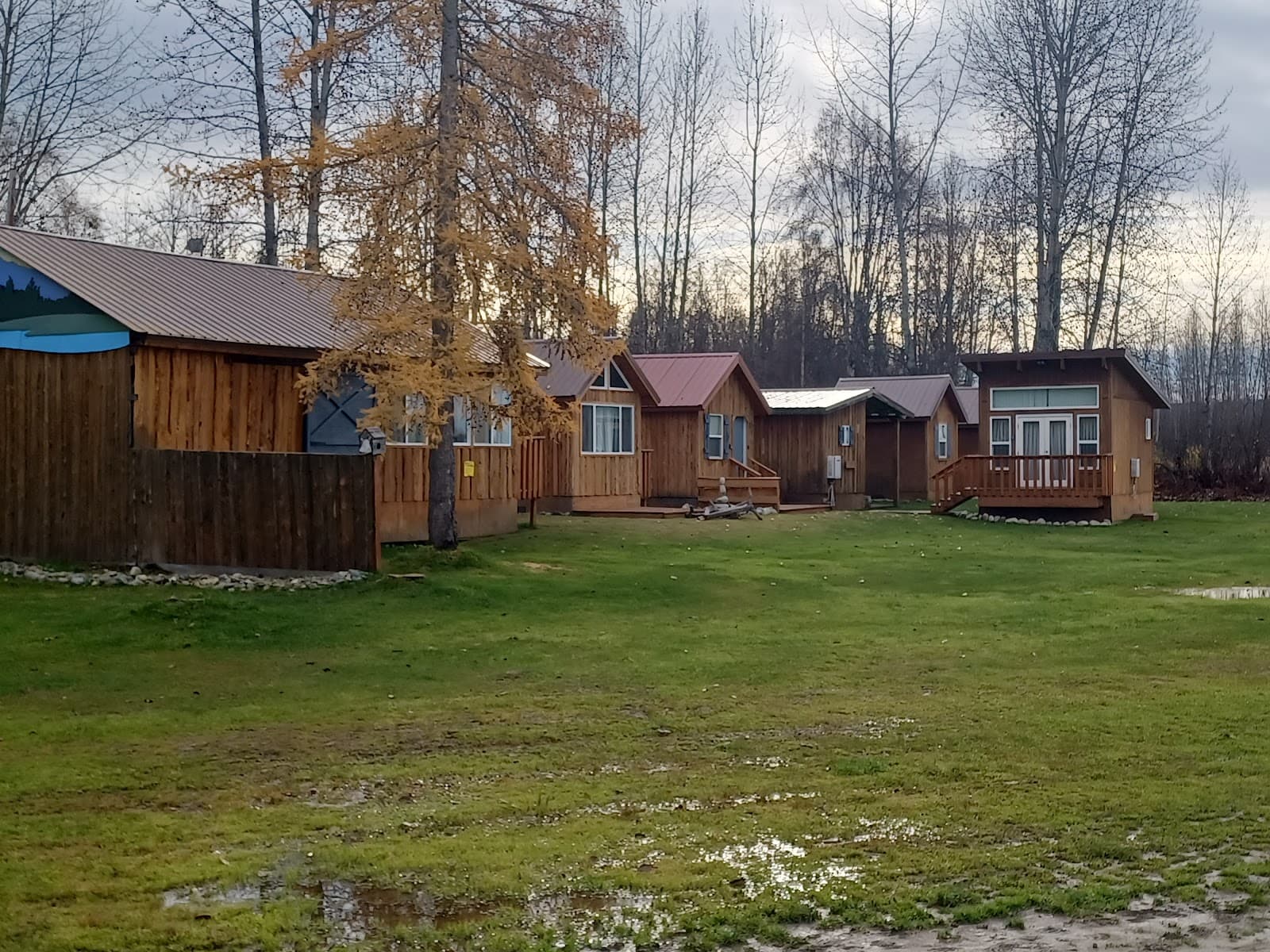
17.Talkeetna River Park Campground
Talkeetna River Park Campground is a scenic camping destination located in Talkeetna, Alaska. The campground offers a peaceful riverside setting where visitors can enjoy the...
Show more18.Anderson City Camp Ground
Anderson City Camp Ground is a well-regarded campground located in Anderson, Alaska. With a solid 4 out of 5 rating based on 18 reviews, this facility offers a reliable option for...
Show more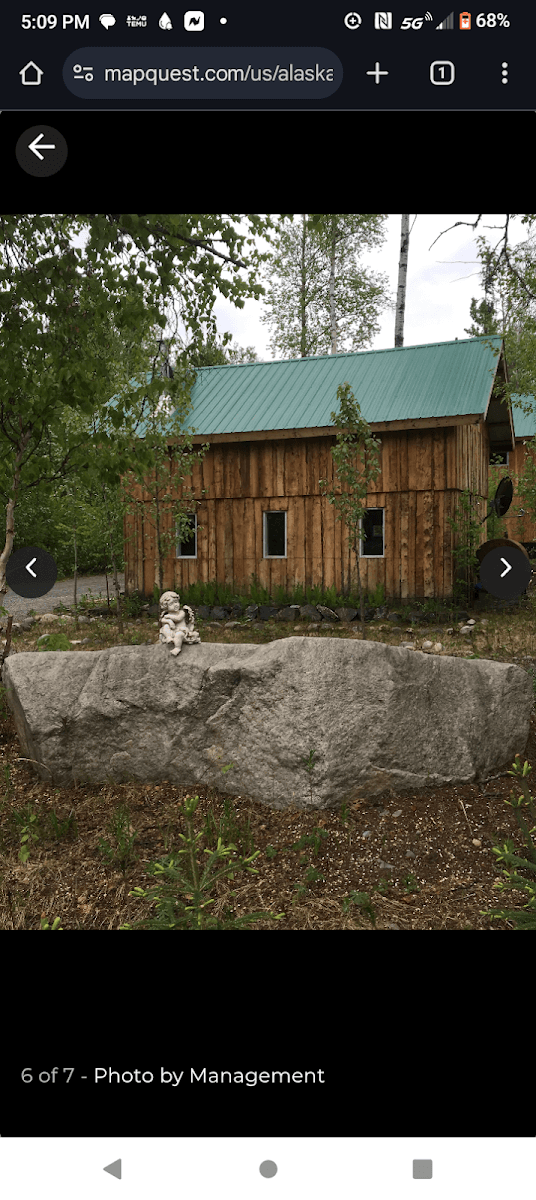
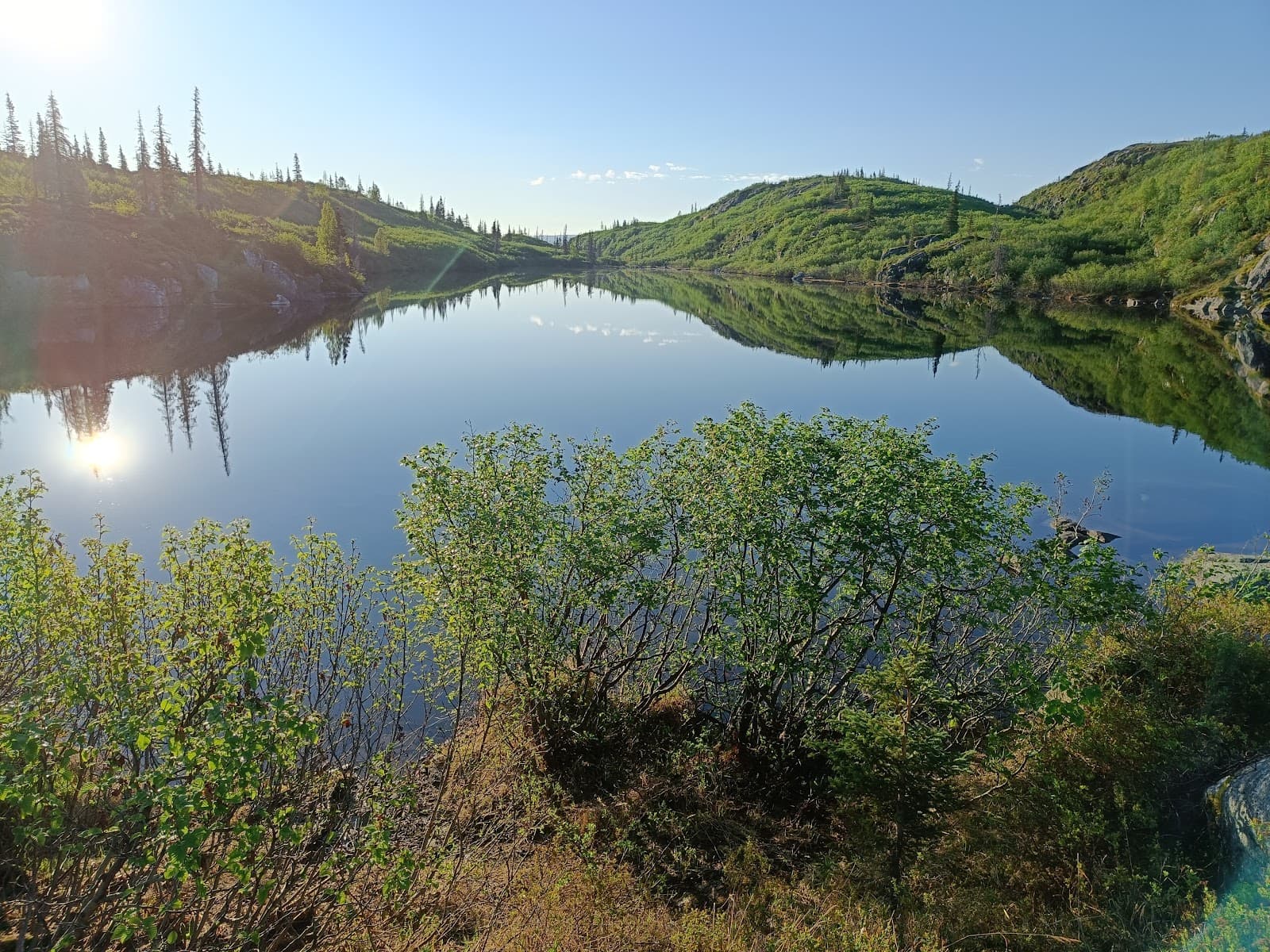
20.Skinny Lake Campground
Skinny Lake Campground is a peaceful camping destination located in Willow, Alaska. This campground offers a great base for exploring the natural beauty of the region and enjoying...
Show moreShowing 11–20 of 22 campgrounds within 75 miles
Frequently Asked Questions
How does the Denali bus system work for campground access?
Private vehicles can only drive the first 15 miles to Savage River. Beyond that, campers must ride park transit or camper buses to reach Teklanika, Sanctuary, Igloo Creek, and Wonder Lake campgrounds. Camper buses allow large gear and make campground stops.
Transit buses ($35 roundtrip) stop at fixed points while camper buses ($60 roundtrip) allow gear storage and flexible drop-offs. Teklanika campers drive their own vehicle to the campground but must stay parked for the full three-night minimum. Bus tickets open December 1 alongside campground reservations. Peak July dates sell out within days. Consider September for smaller crowds and fall colors.
Which Denali campground is best for RVs?
Riley Creek is the best option for RVs, located at mile 0.5 near the park entrance with 147 sites accommodating vehicles up to 40 feet. It has flush toilets and potable water but no hookups. Savage River at mile 14 also takes RVs but has only 33 sites.
No campground in Denali offers electric, water, or sewer hookups. Generators are allowed during limited daytime hours at Riley Creek and Savage River only. The nearest dump station is at Riley Creek near the park entrance. For full hookup RV parks, check Healy (12 miles north of the entrance) where several private parks offer 30/50-amp electric, water, and sewer connections year-round.
What wildlife precautions should campers take?
Store all food and scented items in bear-proof containers, available free at the Backcountry Information Center. Grizzly bears, black bears, moose, and wolves roam all campground areas. Cook at least 100 yards from your tent when backcountry camping and carry bear spray.
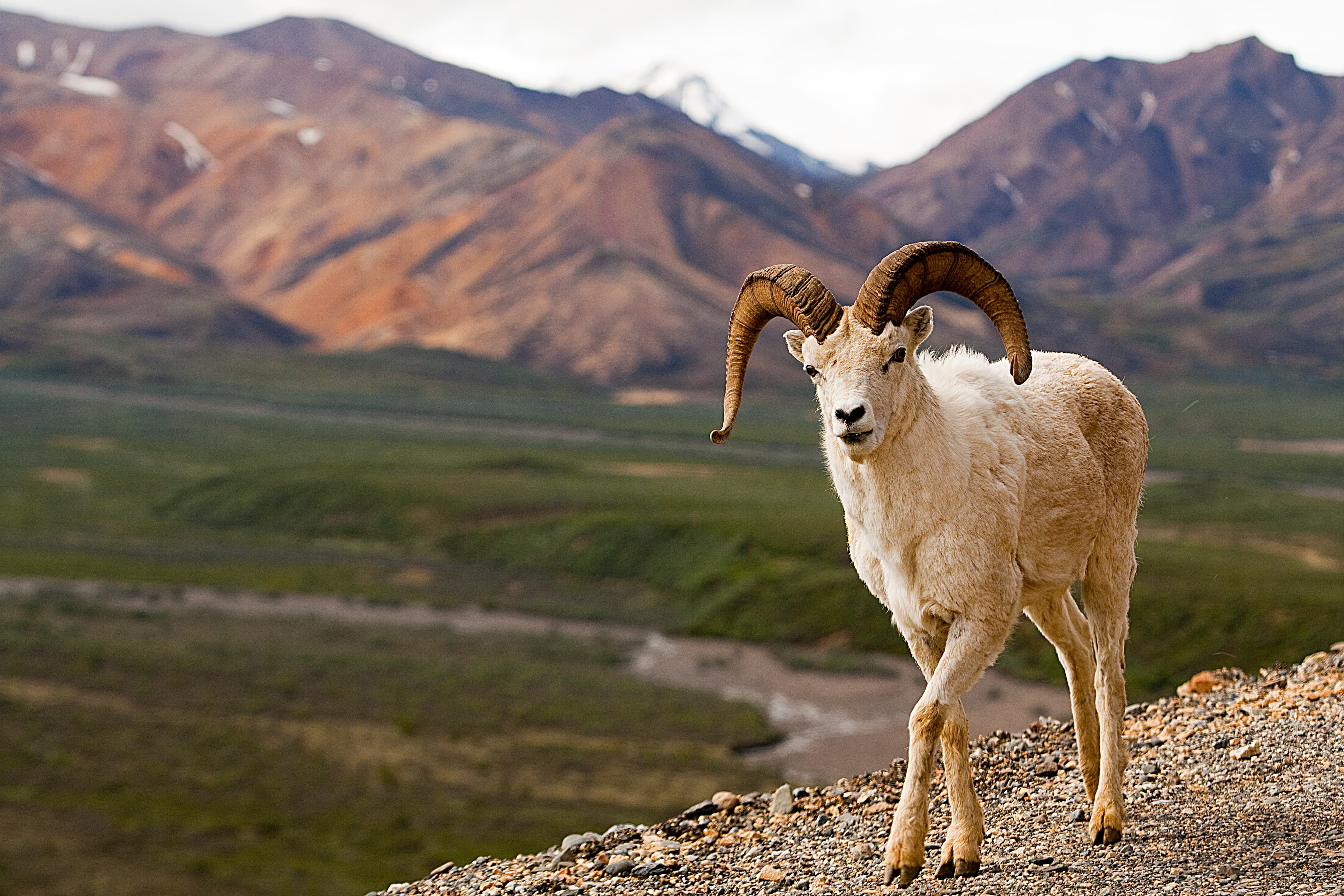
Bear-proof food containers are required for backcountry camping and strongly recommended at all developed campgrounds. Never approach moose, which injure more park visitors than bears do each year. Give moose at least 25 yards and bears at least 300 yards of distance. Caribou, Dall sheep, wolves, and foxes are common along the Park Road. Report any aggressive wildlife behavior to rangers immediately.
Is backcountry camping allowed at Denali?
Yes. Denali divides its backcountry into 87 units, each limited to a set number of groups per night. Free permits are required and issued at the Backcountry Information Center up to two days in advance. A backcountry orientation session is mandatory before receiving a permit.
Campers choose available units on a first-come basis at the information center. Popular units near Polychrome Pass and the Toklat River fill quickly in July. Bear-proof food containers are required and loaned free. No established trails exist in most backcountry units, so topographic maps and compass skills are essential. River crossings can be dangerous during snowmelt. Groups of four or more are recommended.
When do Denali campgrounds open and close?
Riley Creek is open year-round. Most other campgrounds open late May or early June and close mid-September, depending on snow and road conditions. Wonder Lake at mile 85 remains closed through 2026 due to ongoing Pretty Rocks landslide road repairs.
Savage River typically opens late May. Teklanika, Sanctuary, and Igloo Creek open in mid-June once the road is clear. Exact dates depend on snow conditions and are announced each spring. September camping offers smaller crowds, fall tundra colors, and northern lights viewing but nighttime temperatures regularly drop below freezing. Winter camping at Riley Creek requires full cold-weather gear for temperatures reaching negative 40°F.
How cold does it get at Denali campgrounds in summer?
Summer nighttime lows at campgrounds range from 35 to 45°F, with daytime highs reaching 60 to 75°F. Persistent rain and wind can drop perceived temperatures well below freezing. Snow is possible at higher elevations through June and again in late August.
The park sits between 1,500 and 20,310 feet elevation, and campgrounds cluster between 2,000 and 2,800 feet. Bring a sleeping bag rated to at least 20°F, moisture-wicking layers, a waterproof shell, and warm hat and gloves. Twenty-plus hours of daylight in June and July mean extended activity windows but can disrupt sleep without an eye mask. Insulated sleeping pads with R-values above 4 prevent heat loss to cold ground.
Can I see the summit of Denali from campgrounds?
The 20,310-foot summit is visible only about 30% of summer days due to cloud cover. Wonder Lake campground historically offered the clearest views but is closed through 2026. Teklanika and the Eielson Visitor Center area provide the next best vantage points on clear days.
Early morning offers the highest chance of clear summit views before afternoon clouds build. The summit sits 80 miles from the park entrance and is not visible from Riley Creek or Savage River campgrounds. Rangers post daily visibility updates at the visitor center. September brings clearer skies than midsummer, increasing your odds. Bring binoculars and a telephoto lens for the best experience.
How far in advance should I book Denali campgrounds?
Reservations open December 1 for the following summer season on recreation.gov. Peak July dates at Riley Creek and Teklanika often sell out within the first week. Book immediately when the reservation window opens for the best selection of dates and campsite locations.
Savage River, Sanctuary, and Igloo Creek are first-come, first-served with no advance reservations available. Arrive early in the day to secure a site at these campgrounds, especially on summer weekends when competition is highest. Teklanika requires advance booking due to the mandatory three-night minimum stay. Cancellations occasionally open up mid-season, so check recreation.gov regularly for openings. September availability is significantly easier to find than peak July dates.
Quick Facts
- Entrance Fee
- $15/person (7 days)
- Best Time to Visit
- June – September
- Nearest Town
- Healy, AK, Talkeetna, AK, Cantwell, AK
- Elevation
- 1,500 – 20,310 ft
- Park Size
- 6,045,153 acres
- Annual Visitors
- ~0.9 million