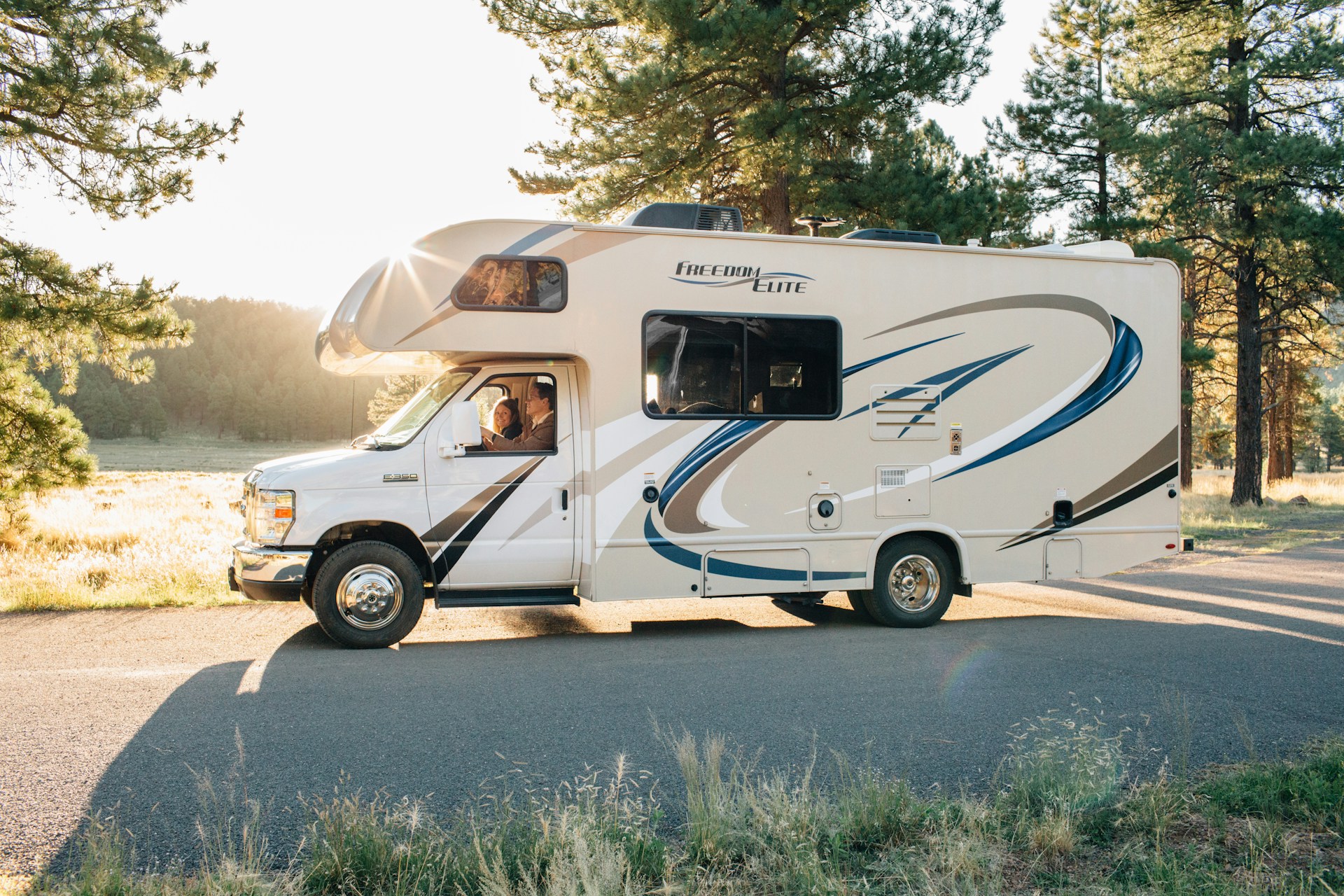
You found the one. Maybe it was at an RV show, maybe on Facebook Marketplace, maybe in a dealer lot while you were "just looking." Your heart's racing, your partner is already picking out throw pillows, and you're mentally calculating monthly payments. Stop. Take a breath. Read this first.
Buying your first RV is one of the most exciting (and most financially consequential) decisions you'll make as an outdoor enthusiast. The online RV community is packed with brand-new owners celebrating their purchases alongside seasoned travelers warning about the surprises that followed. This guide pulls from both camps to give you a grounded, honest look at everything involved: choosing the right type, budgeting for the costs nobody mentions on the sticker, stocking your rig with starter gear, and booking that first campground.
What Type of RV Should a First-Time Buyer Choose?
The right RV type depends on your tow vehicle, your travel style, and how many people you need to sleep. That's it. Ignore the forums telling you to "just get a Class A" or insisting that van life is the only real way to travel. Here's a breakdown of the major categories:
| RV Type | Typical Length | Price Range (New) | Tow Vehicle Needed? | Best For |
|---|---|---|---|---|
| Pop-Up / Folding Trailer | 8-16 ft | $8,000-$20,000 | Midsize SUV or truck | Budget-conscious beginners, tent campers upgrading |
| Teardrop Trailer | 8-14 ft | $10,000-$30,000 | Car or small SUV | Couples, minimalists |
| Travel Trailer | 16-35 ft | $15,000-$55,000 | Half-ton or ¾-ton truck | Families, weekenders, full-timers on a budget |
| Fifth Wheel | 22-42 ft | $30,000-$100,000+ | ¾-ton or 1-ton truck | Full-timers, larger families |
| Class C Motorhome | 22-33 ft | $60,000-$150,000 | N/A (self-propelled) | Families wanting an all-in-one vehicle |
| Class B Camper Van | 17-22 ft | $60,000-$180,000 | N/A (self-propelled) | Couples, solo travelers, stealth camping |
| Class A Motorhome | 26-45 ft | $80,000-$500,000+ | N/A (self-propelled) | Luxury-focused full-timers |
Source: RV Industry Association (RVIA) retail price data
A few quick rules of thumb:
- If you already own a half-ton truck (F-150, Ram 1500, Silverado 1500), a travel trailer under 7,000 lbs dry weight is your sweet spot. Don't max out your tow rating.
- If you don't want to tow at all, Class C motorhomes give you the most livable space per dollar. Class B vans are easier to drive and park but feel cramped with more than two people.
- If budget is your biggest constraint, a used travel trailer (3-5 years old) often delivers the best value. Depreciation on new RVs is brutal, sometimes 20-30% in the first two years.
One thing nearly every experienced RVer agrees on: rent before you buy. Most RV rental platforms let you try a Class C for a long weekend. You'll learn fast what matters to you (counter space, bed size, bathroom layout) before locking in.
What Are the Hidden Costs of Owning an RV?
The purchase price is only the starting line. Monthly payments, insurance, storage, maintenance, and campground fees add up quickly, and most first-time buyers underestimate them by 40% or more.
Here's what to budget beyond the sticker price:
- Insurance: $1,000-$3,000 per year for a travel trailer; $2,000-$5,000 for a motorhome. Full-timer policies cost more. Get quotes from specialty RV insurers (Good Sam, National General, Roamly) before buying.
- Storage: If you can't park your RV at home, expect $75-$300 per month depending on your area and whether you need covered or indoor storage.
- Registration and taxes: Sales tax on RVs can be significant. Some states like Montana have lower registration fees, which is why you see so many Montana-plated RVs on the road.
- Maintenance: Budget $1,000-$2,500 per year for routine items: roof sealant, tire replacement, brake inspections, bearing repacks, and appliance servicing.
- Campground fees: Full-hookup sites at private parks typically run $40-$80 per night. Weekly and monthly rates can cut that by 30-50%. Public campgrounds (state parks, national forests) are cheaper but often lack full hookups.
- Fuel: A Class A motorhome averaging 8 MPG burns through cash fast. Even towing a travel trailer will cut your truck's fuel economy by 25-40%.
- Depreciation: This is the invisible cost. A $40,000 travel trailer might be worth $25,000 in three years. Buying used minimizes this hit.
The total cost of ownership for a typical travel trailer (with tow vehicle already owned) runs roughly $8,000-$15,000 per year beyond the loan payment. For a motorhome, bump that to $12,000-$25,000. Knowing these numbers upfront prevents the "buyer's remorse" posts that flood RV forums every spring.
How Do You Actually Buy an RV Without Getting Burned?
Follow these seven steps and you'll sidestep the most common first-timer mistakes.
Step 1: Define Your Use Case
Will you travel two weekends a month? Spend entire summers on the road? Live in it full-time? Your answer determines everything from RV type to build quality. Weekend warriors can get by with lighter construction. Full-timers need four-season insulation, residential appliances, and a frame built for constant road vibration.
Step 2: Set a Realistic Total Budget
Add up the purchase price, tax, insurance, first-year maintenance, and storage. If that number makes you uncomfortable, scale down. The most common regret among new RV owners isn't buying too small. It's buying too expensive.
Step 3: Research Specific Models
Narrow to 2-3 models and read owner forums for those exact floor plans. Look for recurring complaints (water leaks in a specific year, undersized air conditioners, poorly designed plumbing). Forums like r/RVLiving, iRV2, and brand-specific Facebook groups are goldmines.
Step 4: Inspect Before Signing
If buying new, do a thorough pre-delivery inspection (PDI). Run every appliance. Fill the fresh water tank and check for leaks. Operate every slide-out. Test the leveling system. If buying used, hire an independent NRVIA-certified RV inspector. It costs $400-$700, and it's the best money you'll spend.
Step 5: Negotiate
Dealer markup on new RVs is substantial. A 15-25% discount off MSRP is common, especially on prior-year models sitting on the lot. On used units, bring inspection findings to the negotiation table.
Step 6: Understand Your Warranty
New RVs typically carry a one-year manufacturer warranty plus separate warranties on the chassis, appliances, and roof. Read the fine print. Some warranties require you to return to the selling dealer for service, which is a nightmare if you bought from a dealer 1,000 miles away to save money.
Step 7: Schedule a Walkthrough
A good dealer will spend 2-4 hours walking you through every system: electrical, plumbing, propane, slide-outs, awning, HVAC. Record it on your phone. You will forget half of it by the time you reach your first campsite.
What Gear Does Every New RV Owner Need?
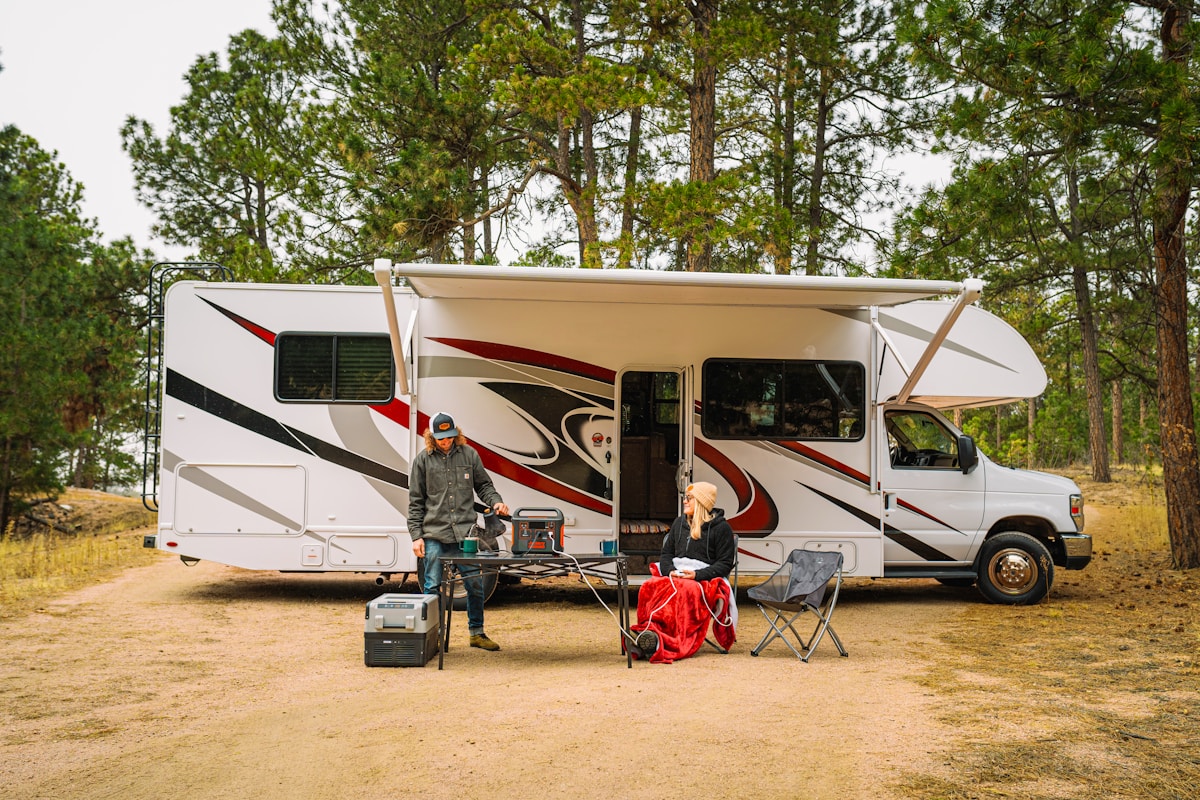
You'll need more than the keys. RVs ship without several essentials, and a few aftermarket items are genuinely critical for safety and convenience.
Must-Have Safety and Electrical Gear
- Surge protector (30-amp or 50-amp, matching your RV's electrical system): Campground power pedestals can spike and fry your electronics and appliances. A progressive surge protector with electrical management is the single most recommended purchase across every RV community.
- Tire pressure monitoring system (TPMS): Blowouts are the most common road emergency for RVers. A TPMS alerts you to pressure drops before they become blowouts.
- Fire extinguisher: Your RV may come with a small one, but add a larger ABC-rated extinguisher accessible from outside the kitchen area.
- Carbon monoxide and propane detector: Most new RVs include one. Verify it works during your PDI, and replace the batteries on a regular schedule.
Campsite Setup Essentials
- Water pressure regulator (campground water pressure varies wildly and can damage your plumbing)
- Drinking water hose (white or blue, never a garden hose)
- Sewer hose kit with clear elbow connector and a sewer donut
- Leveling blocks or an auto-leveling system
- Wheel chocks
- 25-foot and 50-foot extension cords (matching your amp service)
- Dog bone adapter (30-amp to 50-amp and vice versa)
Comfort and Convenience Items
- A good RV-specific GPS or GPS app that routes for vehicle height and weight
- Portable outdoor mat for your campsite
- RV toilet chemicals or drop-in treatments
- Extra fresh water tank treatment
- Basic toolkit: screwdrivers, pliers, socket set, duct tape, silicone sealant, and a multimeter
You don't need to buy everything at once. Start with the safety items and campsite setup basics, then add comfort items as you learn your rig's quirks over the first few trips.
How Do You Find the Right Campground for Your First Trip?
Book a campground that's close to home, has full hookups, and is known for being beginner-friendly. Your first trip should be about learning your RV's systems, not navigating a tight backcountry road or dry camping without shore power.
Here's what to prioritize when searching:
- Full hookups (water, electric, sewer at your site). You want to practice connecting and disconnecting each utility without pressure.
- Pull-through sites. Backing a travel trailer or fifth wheel takes practice. Pull-throughs let you drive straight in.
- Wide, level pads. Some older campgrounds have narrow sites designed for smaller rigs. Check recent reviews and photos.
- On-site staff or camp hosts. When your water heater won't light at 9 PM (and it will happen), a helpful neighbor or camp host is invaluable.
- Cell service. You'll want to look up YouTube tutorials on your phone when something confuses you.
Family-oriented RV resorts are often the best fit for a shakedown trip. Places like Cherry Hill Park in College Park, Maryland, offer full hookups, paved pads, and knowledgeable staff who've seen every first-timer question imaginable. If you're in the Southeast, The Ridge Outdoor Resort near the Great Smoky Mountains provides resort-level amenities with enough nearby attractions to fill a weekend even if your RV systems give you trouble.
For families with kids, Jellystone parks are specifically designed to keep children entertained (water slides, gem mining, mini golf) while parents figure out the sewer connection. Jellystone Park Quarryville in Pennsylvania and Jellystone Park Lazy River in New York's Hudson Valley are popular East Coast options with spacious sites.
Heading west? Yellowstone Grizzly RV Park in West Yellowstone, Montana, puts you right at the starting point for one of the country's most iconic parks, and the full-hookup sites accommodate big rigs comfortably. In the Midwest, Stoney Creek RV Resort in Osseo, Wisconsin, is a well-maintained stopover along I-94 that's great for a practice run.
Use AllCampsAndParks to filter by hookup type, site size, and amenities. Read recent reviews, not just star ratings. A 4.2-star park with detailed, recent reviews is often a better bet than a 4.8-star park with only a handful of ratings from three years ago.
What Should You Do During Your First Week of RV Ownership?
The gap between "signing paperwork" and "confidently camping" is about one week of focused preparation. Here's how to spend it:
- Day 1-2: Re-watch your dealer walkthrough video. Practice hooking up and disconnecting your water, sewer, and electric at home if possible.
- Day 3: Take your rig to an empty parking lot and practice driving, turning, and backing up. Bring a spotter. Use cones.
- Day 4: Load your gear and do a weight check. Find a CAT scale (they're at most truck stops) and weigh each axle. Overloading is dangerously common with new owners who pack like they're moving house.
- Day 5-6: Book your first campground (close to home, full hookups, pull-through). Drive there, set up, and spend the night. Run every system. Cook a meal. Take a shower. Dump your tanks.
- Day 7: Make a list of what worked, what broke, and what you forgot. This becomes your personalized checklist for every future trip.
That first night in your RV will probably involve at least one minor crisis. Maybe the fridge switches to propane when it shouldn't. Maybe you discover the slide-out makes a noise that sounds expensive. That's normal. Every RV owner has a "first night" story, and most of those stories end with "but we figured it out."
New vs. Used: Which Is Better for a First-Time Buyer?
Used RVs are generally the smarter financial move for first-time buyers. You avoid the steepest depreciation curve, and a previous owner has likely already discovered (and hopefully fixed) factory defects.
| Factor | New RV | Used RV (3-5 Years Old) |
|---|---|---|
| Price | Full MSRP (minus negotiated discount) | 30-50% less than original MSRP |
| Warranty | Full manufacturer warranty | Usually expired; may have transferable extended warranty |
| Condition | Fresh but may have factory defects | Wear items may need attention; major defects likely resolved |
| Customization | Choose your floor plan and options | Limited to what's available |
| Financing | Lower interest rates typically available | Rates may be slightly higher |
| Depreciation | Steepest in years 1-3 | Slower depreciation curve |
Source: J.D. Power RV retail valuation data
If you buy used, the NRVIA inspection mentioned earlier is non-negotiable. Water damage is the silent killer of RVs, and it can hide behind walls for years before you see staining on the interior.
If you buy new, negotiate aggressively and don't let the finance office load you up with overpriced dealer add-ons (paint protection, fabric treatment, extended service contracts at full price). You can often buy extended warranties from third parties for significantly less.
Frequently Asked Questions
How much does it cost to own an RV per month?
For a travel trailer with a loan payment, expect $500-$1,200 per month all-in (payment, insurance, storage, maintenance reserve). Motorhomes run $800-$2,500 per month depending on class and financing terms. These figures don't include fuel or campground fees.
Should I buy a new or used RV as a first-time buyer?
A used RV (3-5 years old) is the most financially sensible choice for most first-timers. You save 30-50% off the original price, and the previous owner has likely already identified factory defects. Just invest in a professional pre-purchase inspection.
What is the best type of RV for beginners?
A mid-size travel trailer (22-28 feet) is the most popular entry point. It's affordable, towable by most half-ton trucks, and offers enough living space for a family of four. If you don't want to tow, a Class C motorhome provides the best balance of drivability and livable space.
How do I know if my truck can tow a specific RV?
Check your truck's tow rating in the owner's manual or on the manufacturer's towing guide (not on the door sticker, which shows payload). Then compare it to the RV's gross vehicle weight rating (GVWR), not its dry weight. You need to account for water, gear, food, and passengers. A common rule: stay at least 10-15% under your truck's max tow rating.
What should I check before buying a used RV?
Hire an NRVIA-certified inspector to examine the roof, sidewalls (for delamination), plumbing, electrical system, appliances, frame, tires, and bearings. Water intrusion is the most critical issue. Also check for recalls on the chassis and any installed appliances.
Do I need a special license to drive an RV?
In most U.S. states, a standard driver's license covers RVs used for personal recreation, regardless of size. A few states have weight or length restrictions. Check your specific state's DMV website, and verify requirements for any states you plan to visit.