A complete guide to camping in Wyoming

Wyoming holds two of the most visited national parks in the country and some of the least populated land in between. Yellowstone's geothermal landscape and Grand Teton's mountain wall dominate the northwest corner, concentrating the heaviest camping traffic in a state that averages fewer than six people per square mile. Cody, Buffalo, and Lander sit along the access routes from the east, each serving as a base for different sections of the Bighorn and Wind River ranges.
The rest of Wyoming stretches across high plains, sagebrush basins, and isolated mountain ranges. The Bighorn Mountains in the north-central region, the Wind River Range in the west, and the Medicine Bow Mountains in the southeast provide mountain camping away from the national park crowds. Alcova and Glendo reservoirs in the central plains offer lake camping for the Casper area. Wyoming's camping happens almost entirely above 4,000 feet, with many campgrounds above 7,000 feet. The short summer season compresses most camping into a four-month window.
Mar-May
High 50°F · Low 38°F
Snow covers mountain campgrounds through May. Yellowstone's lower loops begin opening in late April. The plains dry out but wind is constant. Spring arrives late at Wyoming elevations.
Jun-Aug
High 70°F · Low 58°F
The camping season. Yellowstone and Grand Teton operate at full capacity. Mountain campgrounds open by late June. Wildflowers peak in July. Afternoon thunderstorms at higher elevations. Nights stay cool even in summer.
Sep-Nov
High 50°F · Low 38°F
September extends summer conditions. Aspens turn gold across the ranges. Elk bugling draws wildlife watchers. Campgrounds begin closing by mid-October. First heavy snow arrives in the mountains.
Dec-Feb
High 29°F · Low 17°F
January averages 21 degrees. Most campgrounds close under deep snow. Yellowstone is accessible only by snowcoach or snowmobile in winter. Extreme cold and wind across the plains.
| Season | Months | Avg High | Avg Low | Conditions |
|---|---|---|---|---|
| Spring | Mar-May | 50°F | 38°F | Snow covers mountain campgrounds through May. |
| Summer | Jun-Aug | 70°F | 58°F | The camping season. |
| Fall | Sep-Nov | 50°F | 38°F | September extends summer conditions. |
| Winter | Dec-Feb | 29°F | 17°F | January averages 21 degrees. |
Source: NOAA 30-Year Climate Normals

| Region | Terrain | Key Areas |
|---|---|---|
| Yellowstone and Grand Teton | Mountain | Yellowstone NP, Cody, West Yellowstone (MT), Jackson |
| Wind River Range | Mountain | Lander, Pinedale, Dubois, Riverton |
| Bighorn Mountains | Mountain | Buffalo, Sheridan, Lovell, Ten Sleep |
| Medicine Bow and Southeast | Mountain | Laramie, Centennial, Saratoga, Encampment |
| High Plains and Reservoirs | Plains | Casper, Alcova, Glendo, Sundance |
Mountain · Yellowstone NP, Cody, West Yellowstone (MT), Jackson
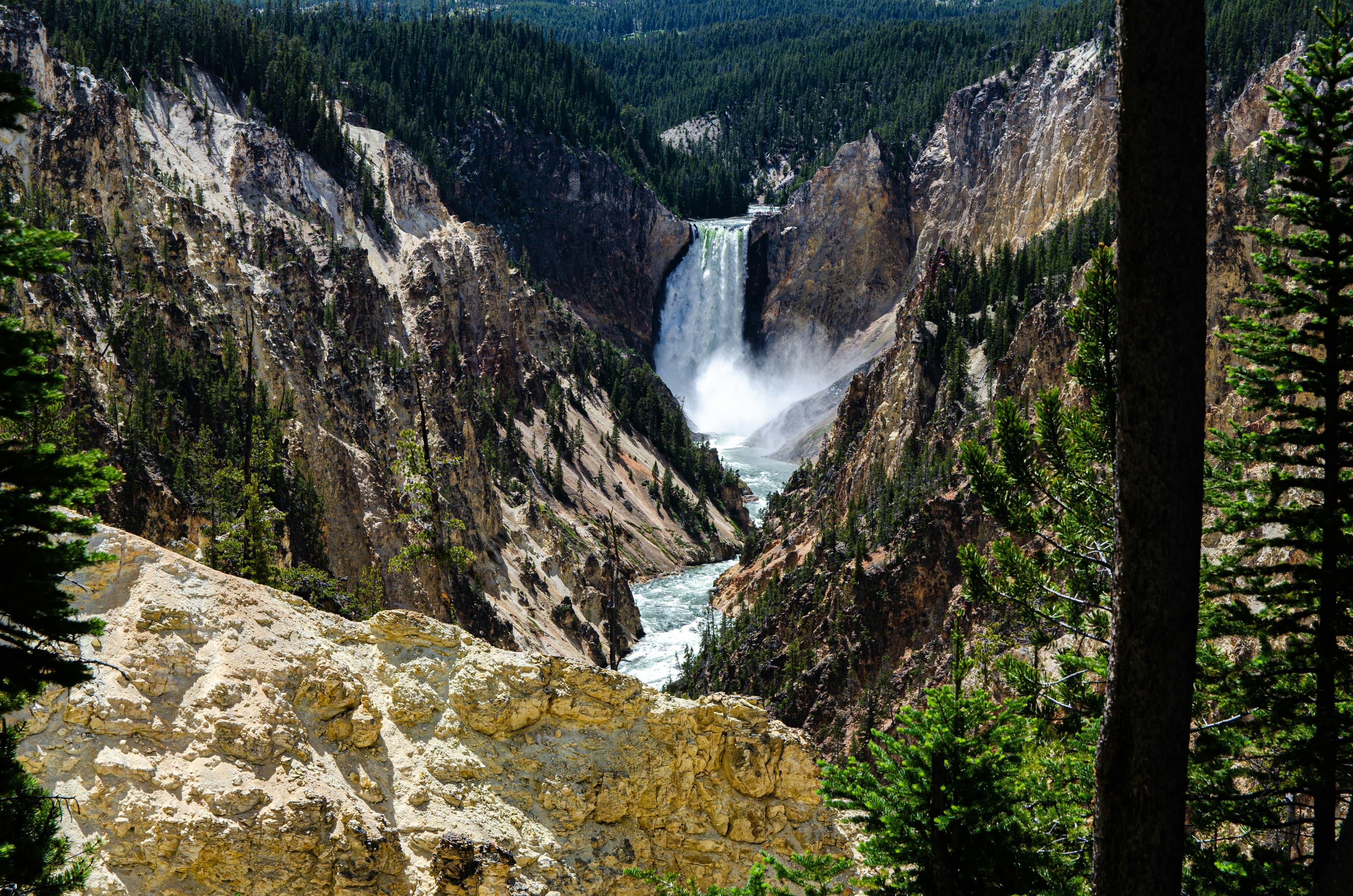
The northwest corner holds both national parks and the heaviest camping demand in the state. Twelve campgrounds within Yellowstone and five in Grand Teton operate from late May through September. Geysers, hot springs, wildlife, and mountain scenery draw millions. Cody and West Yellowstone serve as access towns. Ponderosa Campground and Cody Trout Ranch Camp in Cody serve the East Entrance corridor, while campgrounds in Moran and Jackson cover the south.
Mountain · Lander, Pinedale, Dubois, Riverton
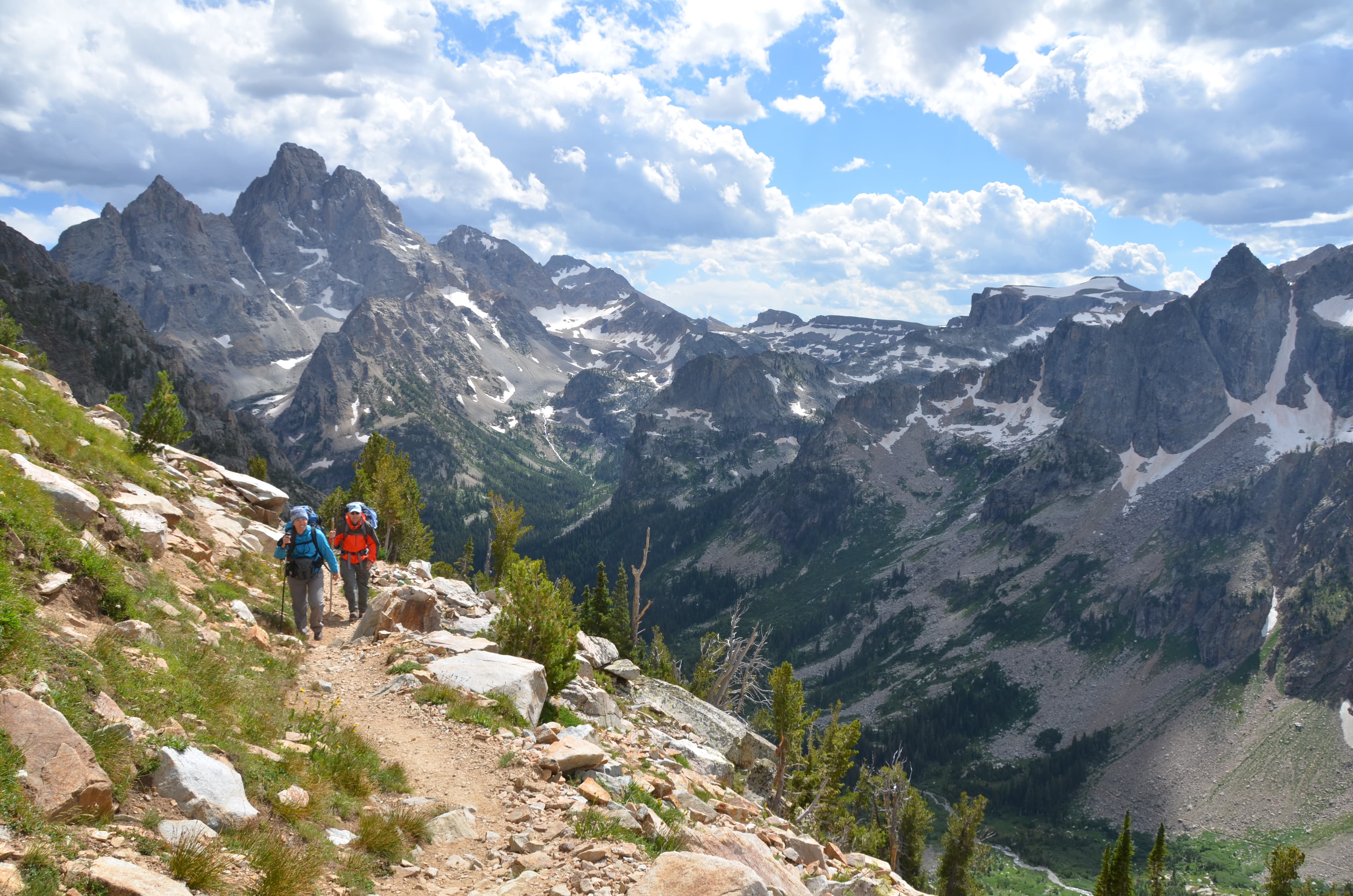
The longest mountain range in Wyoming running 100 miles through the west-central region. Lander and Pinedale access the eastern and western slopes. The Cirque of the Towers and Titcomb Basin rank among the top backcountry destinations in the Rockies. Dispersed camping in Bridger-Teton and Shoshone national forests. Sleeping Bear RV Park and Campground and Twin Pines RV Park near Lander serve the eastern slope, while Rim Station in Pinedale covers the western approach.
Mountain · Buffalo, Sheridan, Lovell, Ten Sleep
An isolated range in north-central Wyoming rising from the plains to over 9,000 feet. Buffalo and Sheridan sit at the eastern base. Cloud Peak Wilderness provides alpine backcountry. Highway 14 crosses the range with developed campgrounds at multiple elevations. Less crowded than the Yellowstone corridor. Bighorn View RV Campground and Buffalo KOA Journey in Buffalo, and Peter D's RV Park in Sheridan anchor the eastern base of the range.
Mountain · Laramie, Centennial, Saratoga, Encampment
The Snowy Range and Medicine Bow National Forest near Laramie provide the closest mountain camping to the Colorado Front Range. Vedauwoo Recreation Area has granite-tower climbing. The range tops out above 10,000 feet. Shorter drive from Denver than Yellowstone. Laramie RV Resort by Rjourney near Laramie and Nash Fork Campground near Centennial provide developed access to the Snowy Range.
Plains · Casper, Alcova, Glendo, Sundance
The open sagebrush plains covering central and eastern Wyoming. Alcova, Glendo, and Keyhole reservoirs provide lake-based camping. Devils Tower National Monument in the northeast corner offers the most distinctive plains camping. Wind, space, and isolation define the experience. Fort Caspar Campground in Casper and Windy Waters RV Park near Alcova serve the central Wyoming reservoir and plains camping.

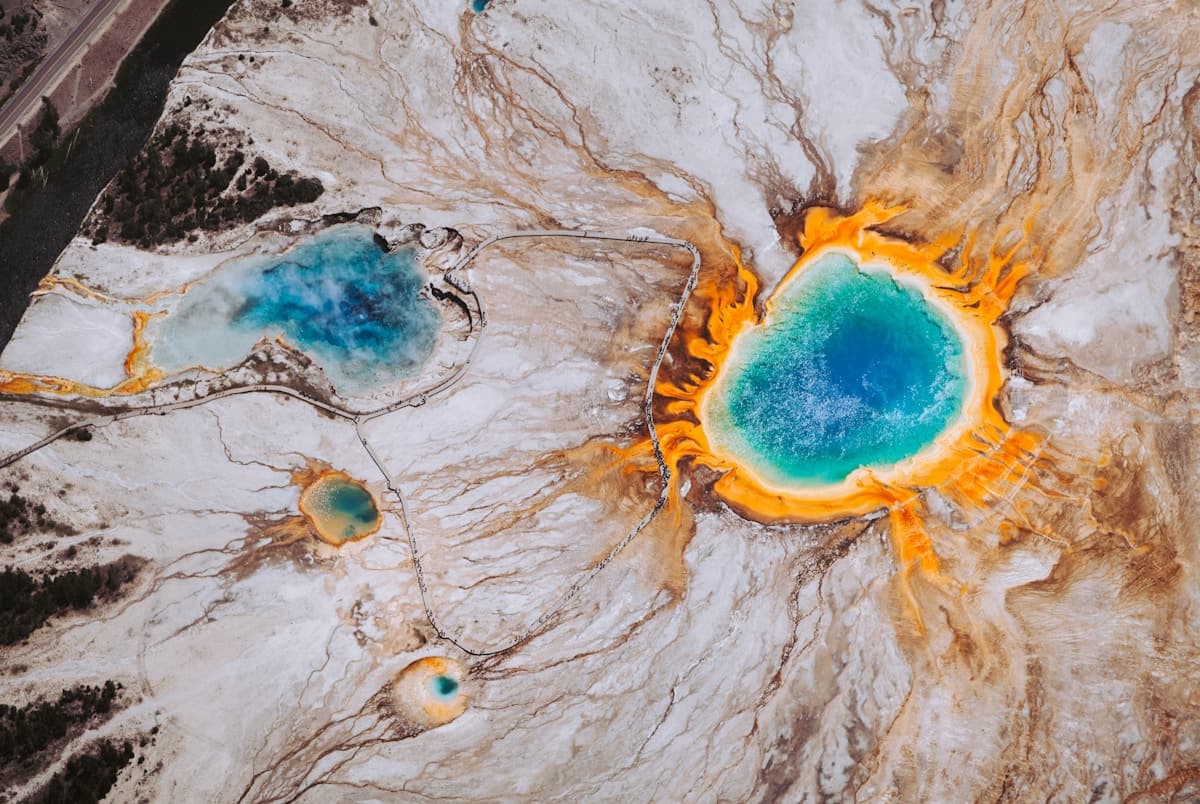
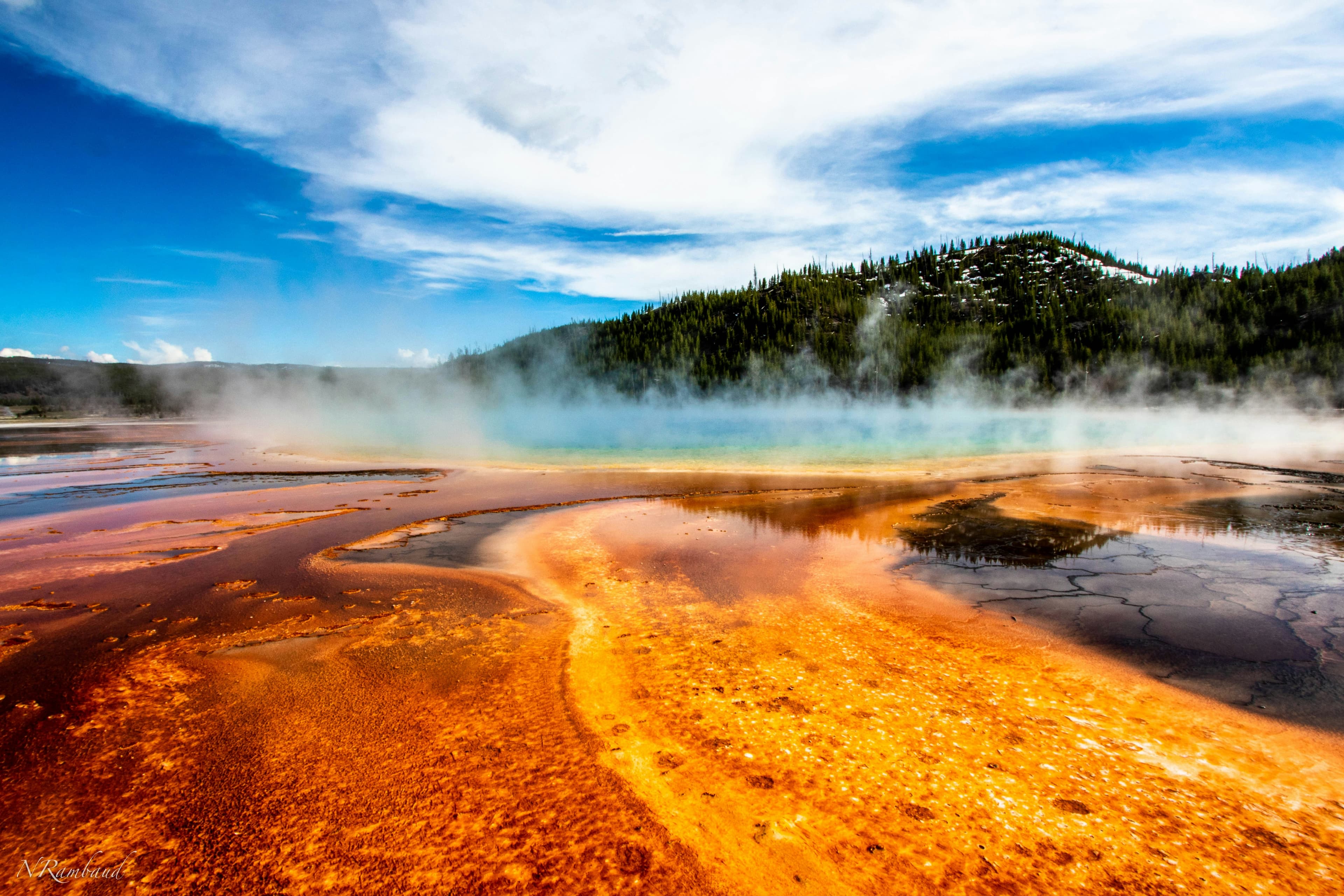
America's first national park, home to more than half the world's active geysers.
View camping guide →
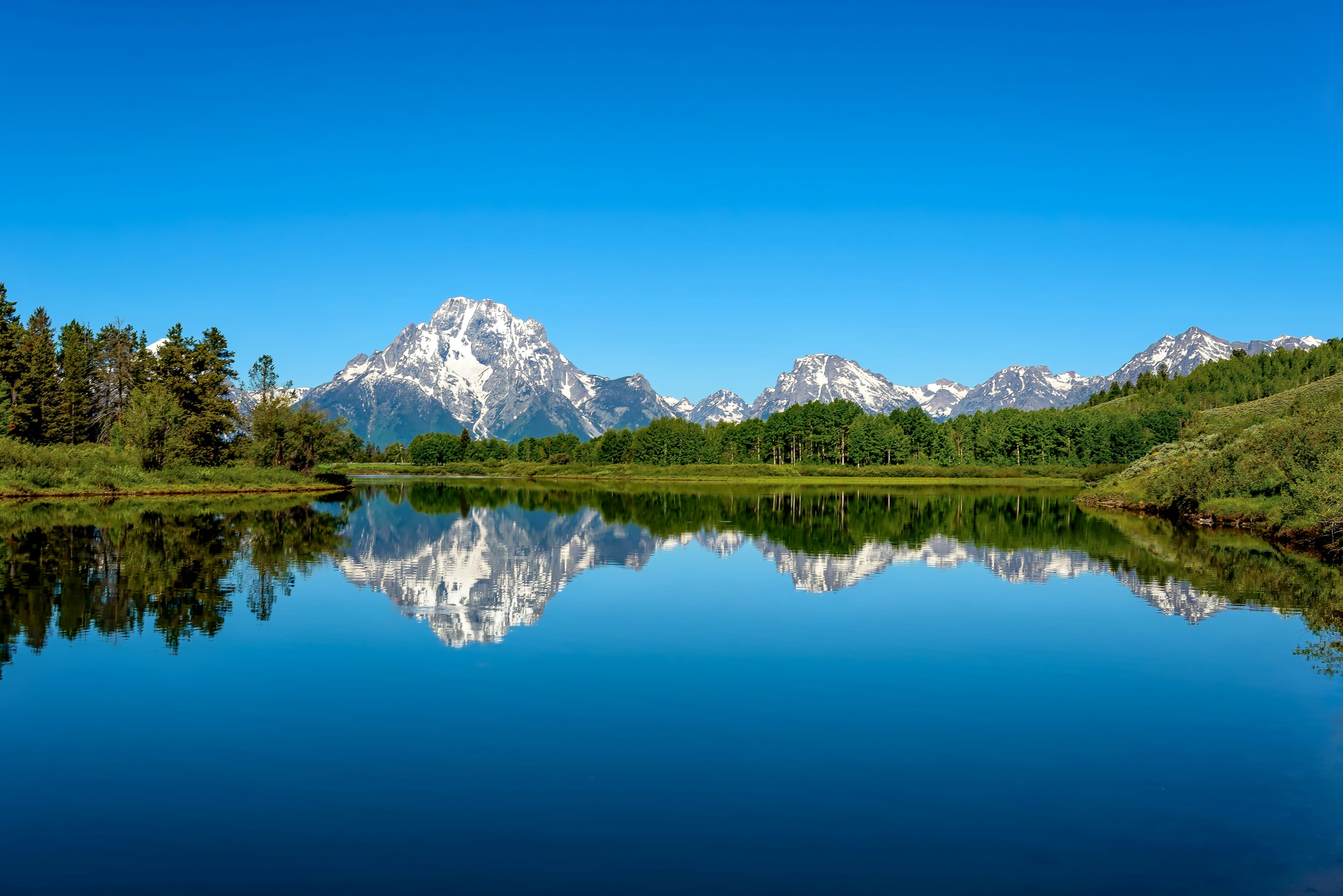
Jagged granite peaks rising abruptly 7,000 feet above the valley floor of Jackson Hole, with pristine alpine lakes at their base.
View camping guide →
As early as the reservation window allows. Most Yellowstone campgrounds open reservations five months ahead and fill within days for July and August dates. Canyon, Bridge Bay, and Madison are the hardest to get. Same-day availability exists at first-come campgrounds but requires arriving before noon.
Shoshone and Bridger-Teton national forests surround the parks and offer extensive dispersed camping with no fee or reservation. Popular dispersed areas along the Greys River, upper Wind River, and Beartooth Highway corridor fill on summer weekends but weekday availability is good.
Nighttime temperatures at campgrounds above 7,000 feet regularly drop into the 30s and 40s even in July. Frost is possible any month at higher elevations. A sleeping bag rated to at least 30 degrees is recommended for summer mountain camping.
Grizzly bears inhabit the Greater Yellowstone Ecosystem and their range is expanding. Bear spray, proper food storage, and bear-aware camping practices are required, not optional. Both national parks provide bear safety information. The national forests surrounding the parks also have grizzly activity.
Devils Tower National Monument in northeast Wyoming has a small campground at the base of the 867-foot volcanic rock tower. The monument sits on the plains, separate from the western mountain ranges. Rock climbing on the tower draws a dedicated community. The campground is small and fills during summer.