A complete guide to camping in Montana

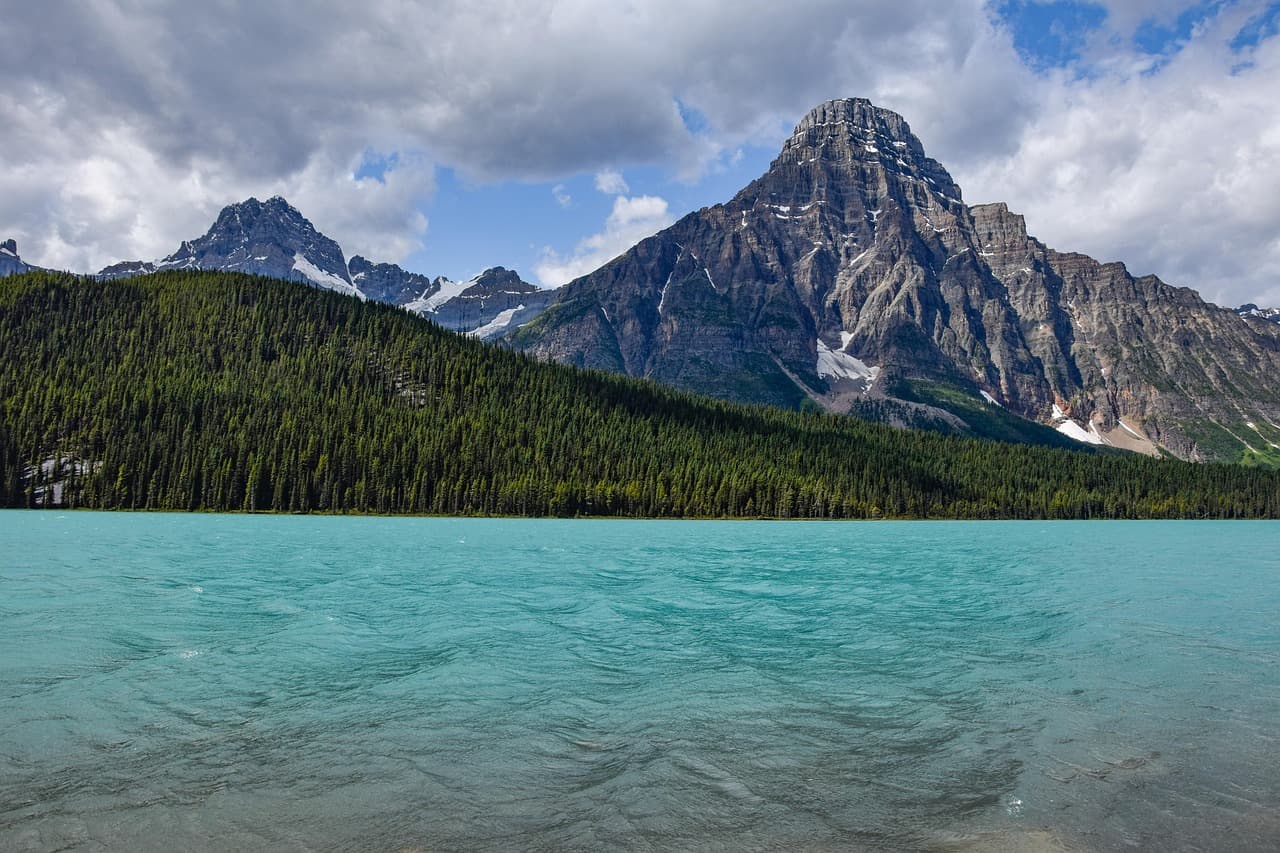
Montana's camping centers on two anchors: Glacier National Park in the northwest and Yellowstone's northern entrance near Gardiner. Between them stretches a landscape of mountain ranges, high valleys, and open grassland that supports hundreds of campgrounds across public and private land. The Continental Divide runs through the western half of the state, creating the dramatic peaks and glacial valleys that define Montana's identity.
The state's low population density means less competition for campsites outside the national park corridors. West Glacier and Gardiner fill quickly in summer, but dispersed camping opportunities across Gallatin, Flathead, and Beaverhead-Deerlodge national forests provide alternatives at no cost. The eastern half of Montana opens into high plains and badlands, a different camping experience defined by wide skies and solitude rather than mountain scenery. Helena, Dillon, and Libby serve as gateway towns to less-traveled camping zones.
Mar-May
High 51°F · Low 39°F
Snow lingers at higher elevations through May. Lower valleys green up in April. Going-to-the-Sun Road in Glacier remains closed. Limited campground access in the mountains. The plains dry out and warm.
Jun-Aug
High 70°F · Low 58°F
Peak season. Going-to-the-Sun Road typically opens by late June. Mountain campgrounds hit full capacity. Yellowstone's northern corridor fills daily. Long daylight hours with sunset after 9 PM. Afternoon thunderstorms at higher elevations.
Sep-Nov
High 51°F · Low 39°F
Larch trees turn gold in the northwest mountains through September. Crowds drop sharply after Labor Day. Elk bugling draws hunters and wildlife watchers. First snow arrives at higher elevations by October. Many campgrounds close by mid-October.
Dec-Feb
High 32°F · Low 20°F
Most campgrounds close. Winter camping is for experienced cold-weather campers only. January averages 24 degrees statewide. Heavy snowpack in the mountains. Some lower-elevation campgrounds near Yellowstone remain accessible.
| Season | Months | Avg High | Avg Low | Conditions |
|---|---|---|---|---|
| Spring | Mar-May | 51°F | 39°F | Snow lingers at higher elevations through May. |
| Summer | Jun-Aug | 70°F | 58°F | Peak season. |
| Fall | Sep-Nov | 51°F | 39°F | Larch trees turn gold in the northwest mountains through September. |
| Winter | Dec-Feb | 32°F | 20°F | Most campgrounds close. |
Source: NOAA 30-Year Climate Normals

| Region | Terrain | Key Areas |
|---|---|---|
| Glacier Country | Mountain | West Glacier, Browning, Whitefish, Libby |
| Yellowstone Corridor | Mountain | Gardiner, West Yellowstone, Livingston, Big Sky |
| Southwest Montana | Mountain | Dillon, Wise River, Butte, Philipsburg |
| Central Montana and Helena | Mountain | Helena, Great Falls, Townsend |
| Eastern Plains | Plains | Glendive, Miles City, Glasgow |
Mountain · West Glacier, Browning, Whitefish, Libby
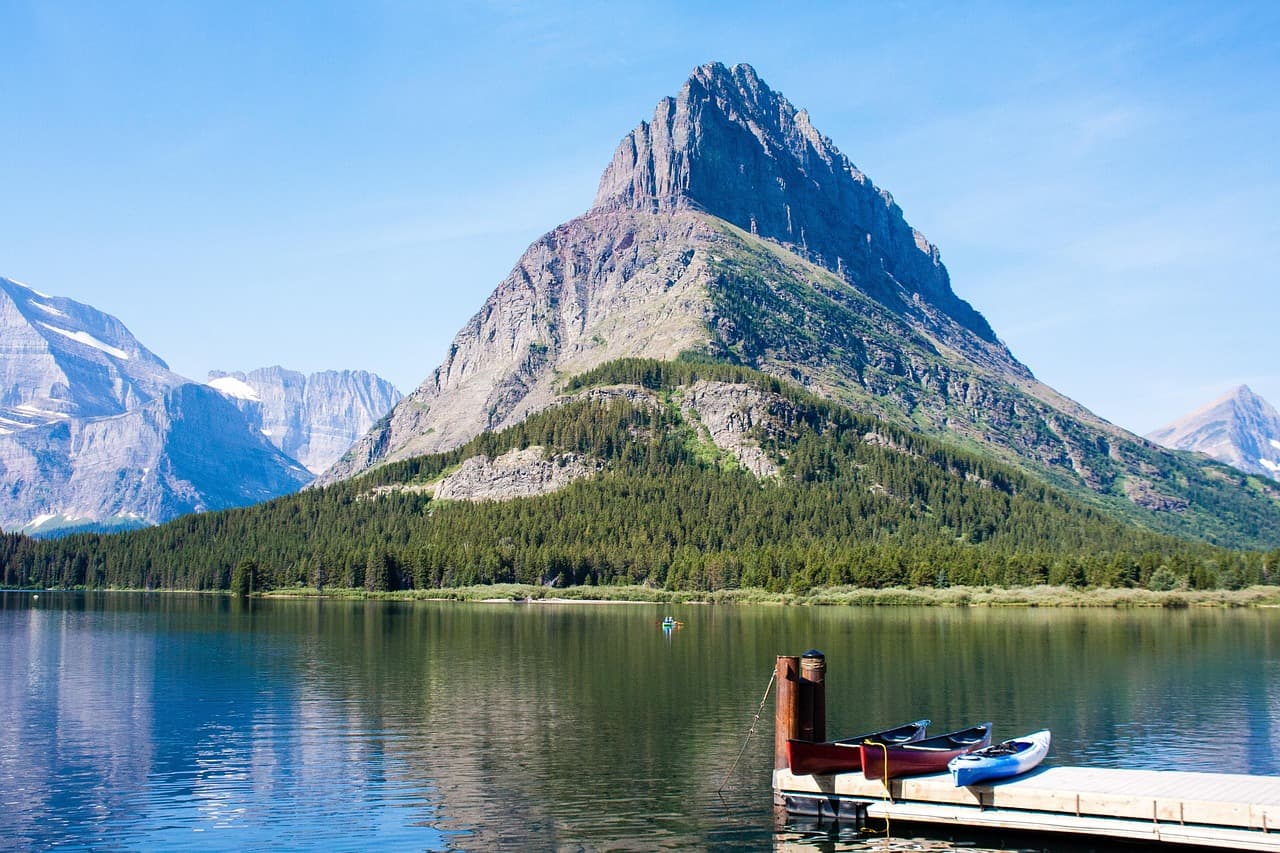
Northwest Montana around Glacier National Park. West Glacier, Hungry Horse, and Whitefish anchor the camping access points. Alpine terrain with glacial lakes, dense cedar and fir forests, and dramatic mountain passes. The highest concentration of grizzly bears in the lower 48. Glacier Campground and Moose Creek RV Resort near West Glacier serve the park's west entrance, while Johnson's of St. Mary covers the east side.
Mountain · Gardiner, West Yellowstone, Livingston, Big Sky
Gardiner sits at Yellowstone's north entrance, and West Yellowstone accesses the west gate. The Gallatin and Paradise valleys offer campgrounds with mountain and river access. Elk, bison, and thermal features define the landscape. The busiest region in the state during July and August. Sun Outdoors Yellowstone North and Yellowstone RV Park in Gardiner anchor the north entrance, while Yellowstone Grizzly RV Park in West Yellowstone serves the west.
Mountain · Dillon, Wise River, Butte, Philipsburg
The Beaverhead-Deerlodge National Forest covers much of this region. Dillon, Wise River, and the Big Hole Valley offer uncrowded camping with excellent fly fishing. Elevations range from 4,500 to 7,000 feet. Less dramatic peaks than Glacier but quieter and more accessible. Countryside RV Park and Southside RV Park in Dillon serve the Beaverhead Valley, while Grasshopper Campground near Wise River provides a Forest Service option in the Big Hole.
Mountain · Helena, Great Falls, Townsend
The state capital area provides access to the Helena National Forest and the Gates of the Mountains wilderness. Missouri River recreation and the Big Belt Mountains offer day trips from camp. Lower visitation than the national park zones. Grey Sandy Campground and Devils Elbow Campground near Helena, and Great Falls KOA Holiday serve the central Montana corridor.
Plains · Glendive, Miles City, Glasgow
Wide-open grassland and badlands east of the Rockies. Makoshika State Park near Glendive features eroded sandstone formations. The Missouri River breaks provide canoe-access camping. Extremely low population density with a solitude-focused camping character. Riverview RV Park and Caprock RV Park in Glendive, and Big Sky Camp and RV Park in Miles City provide the sparse but functional eastern plains camping.

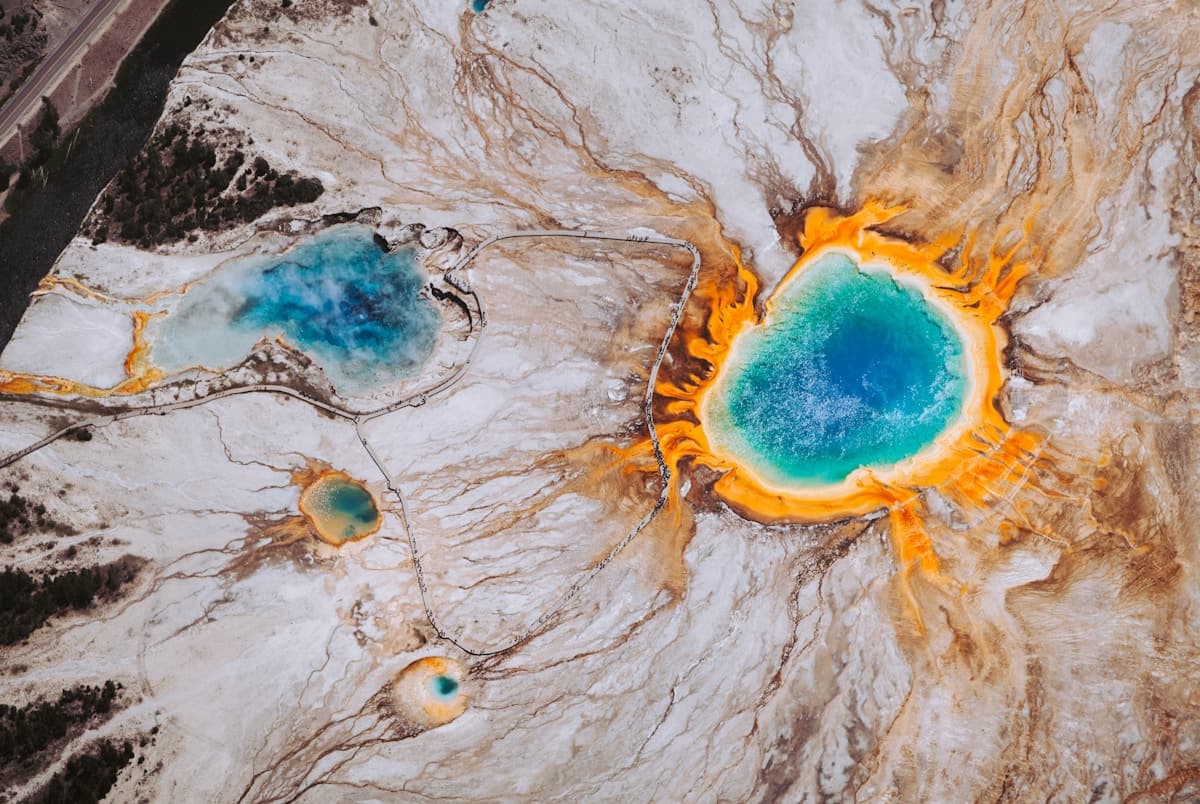
America's first national park, home to more than half the world's active geysers.
View camping guide →
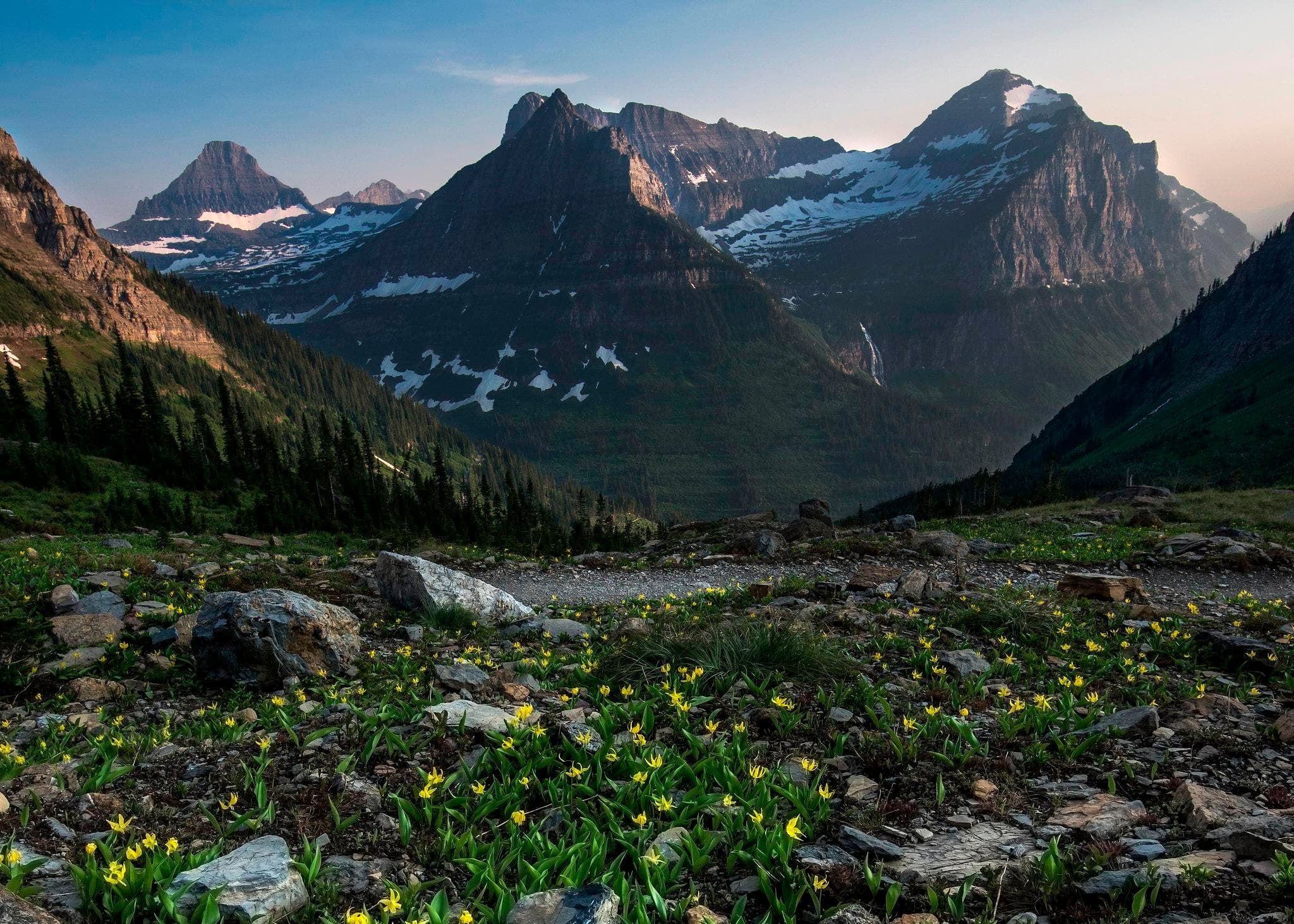
A million acres of pristine mountain wilderness where glaciers carved dramatic peaks, turquoise lakes, and the iconic Going-to-the-Sun Road.
View camping guide →
The road typically opens fully by late June or early July, depending on snowpack. Plowing begins in April and the exact opening date varies each year. Check the Glacier National Park website for current road status. The road closes to vehicles by mid-October.
Yes. Grizzly bears inhabit most of western Montana including both national park corridors and surrounding national forests. Bear spray is more effective than firearms in deterring charges. Carry it on your belt, not in your pack. Practice deploying it before your trip.
Extensive national forest land makes dispersed camping widely available throughout western Montana. Gallatin, Flathead, Beaverhead-Deerlodge, and Helena national forests all permit dispersed camping. No reservations needed. Eastern Montana has less public land but BLM areas allow camping.
Mountain campgrounds above 6,000 feet can drop below freezing any night of the year, including July. January statewide averages are around 24 degrees. Wind chill on the eastern plains adds another factor. A sleeping bag rated to at least 20 degrees is recommended for summer mountain camping.
Montana is one of the top fly-fishing destinations in the country. The Madison, Gallatin, Yellowstone, Missouri, and Big Hole rivers all have campgrounds within reach. A Montana fishing license is required. Check specific regulations for catch limits and seasonal restrictions on each river.