A complete guide to camping in Gatlinburg
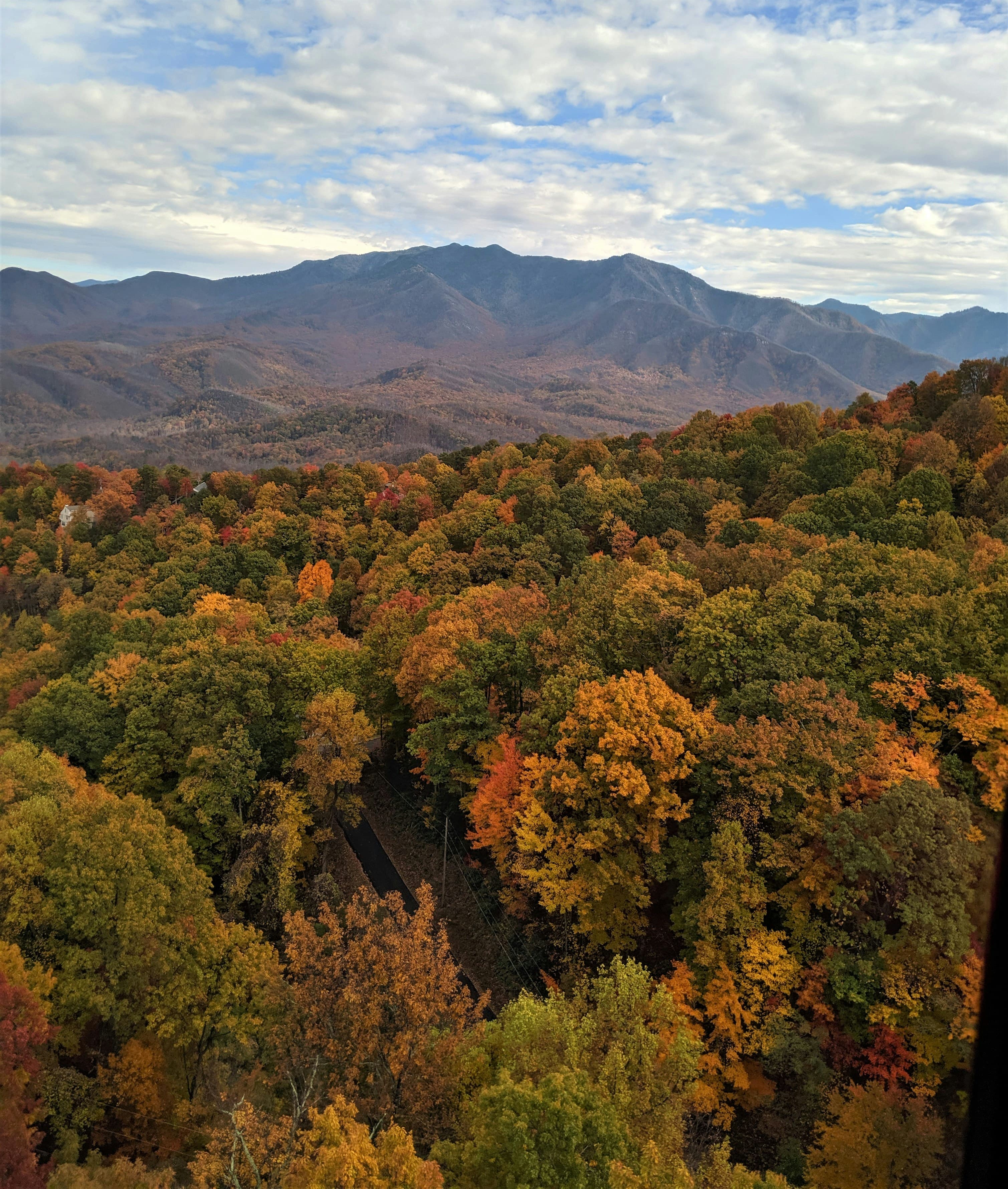
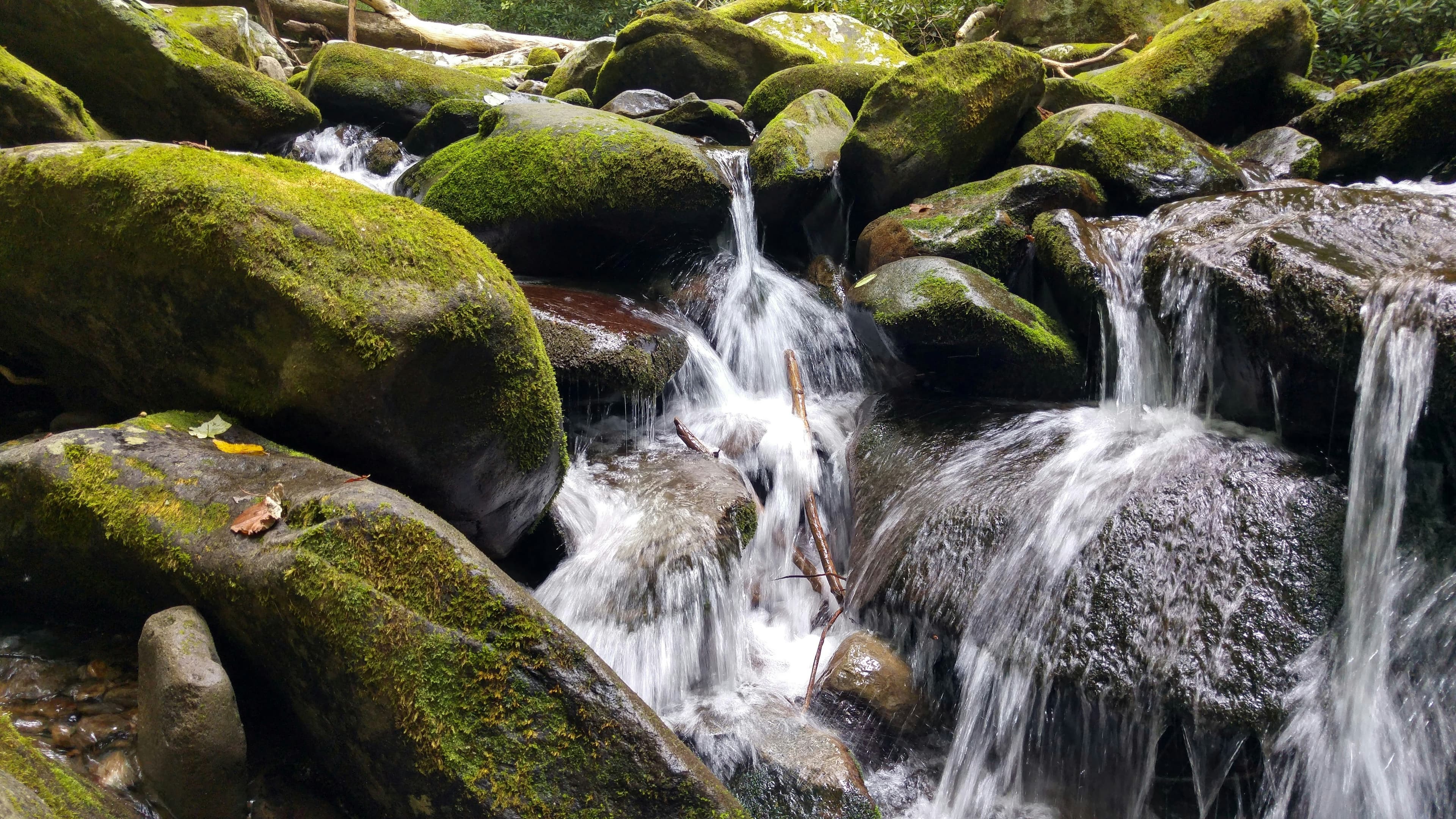
Gatlinburg sits at 1,918 feet in a narrow valley at the western entrance to Great Smoky Mountains National Park. The town itself is a concentrated strip of shops, restaurants, and tourist attractions, but the camping radiates outward into the surrounding mountains and river valleys along tributaries feeding down from the Smokies.
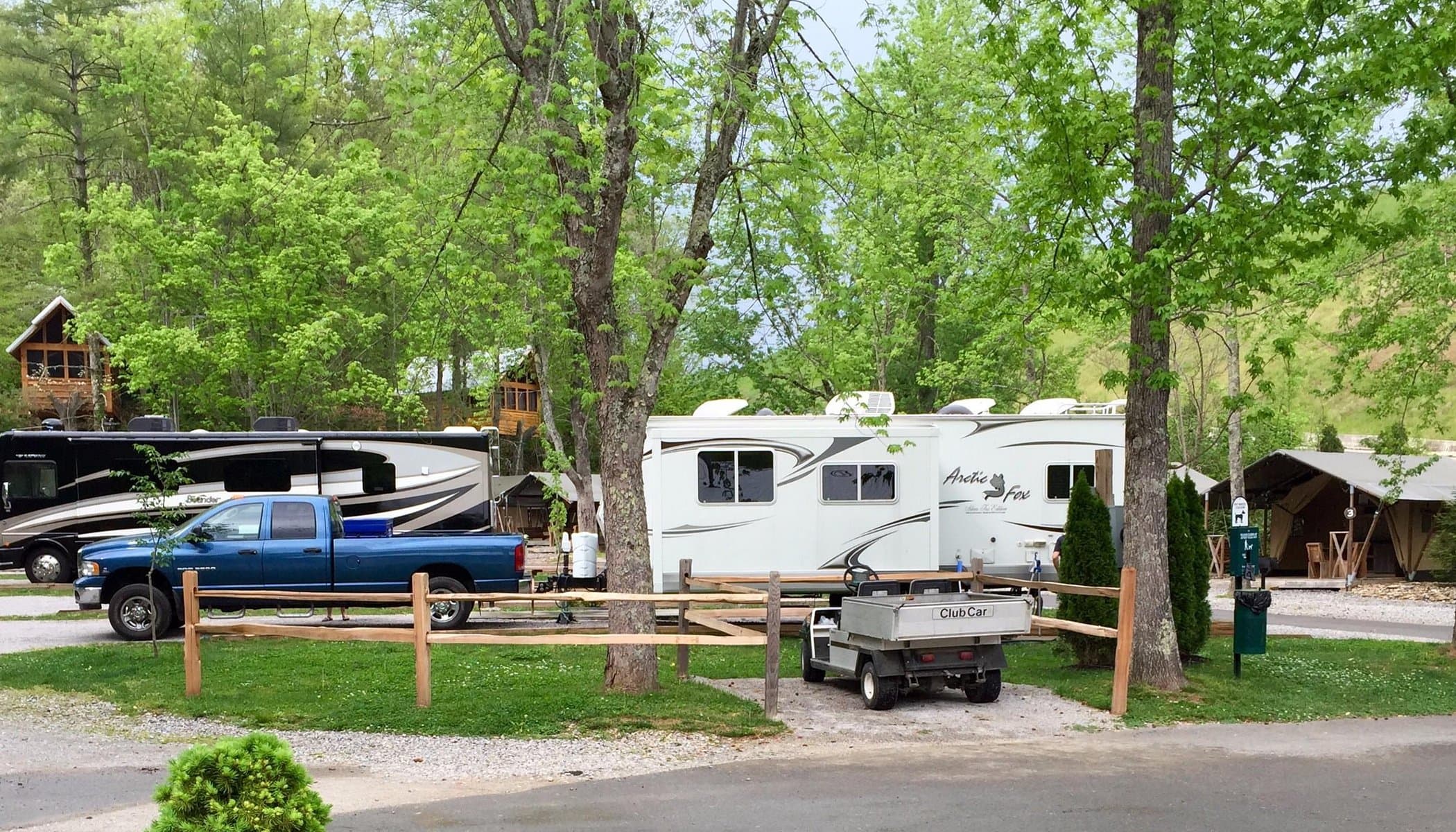
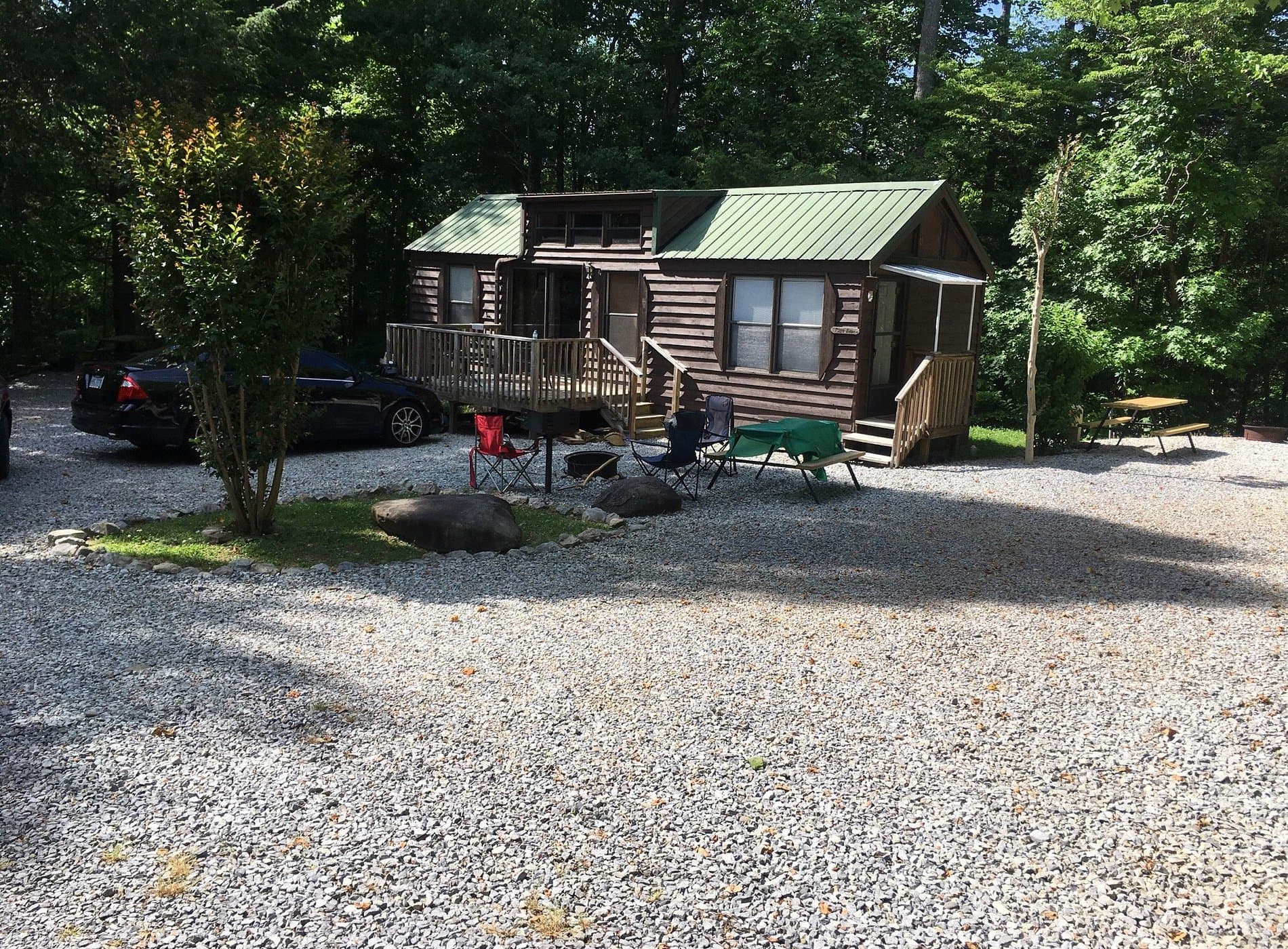
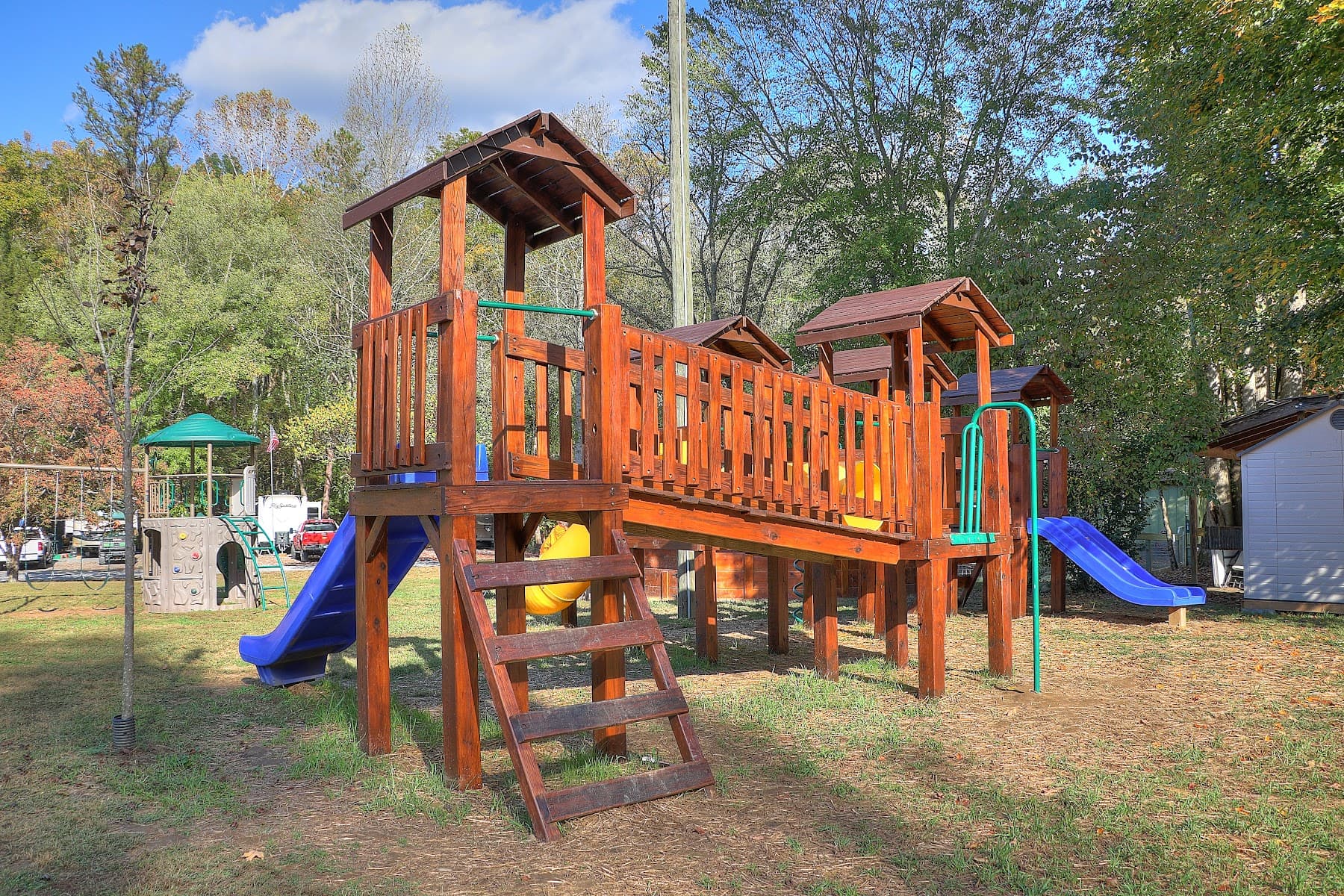
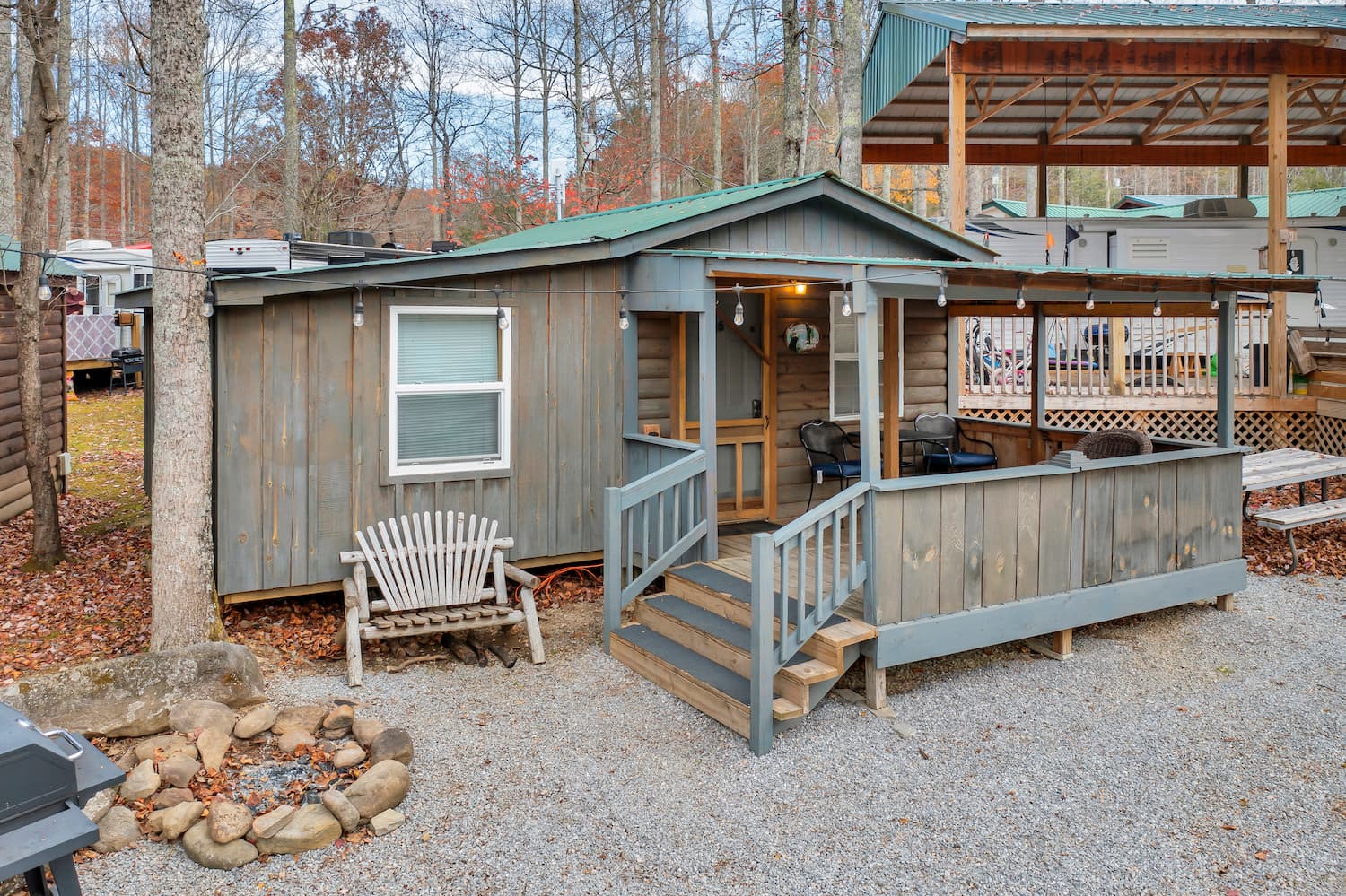
Greenbrier Campground and Arrow Creek Campground provide riverside tent and RV sites in the mountain-forest setting between Gatlinburg and the park. Camp LeConte Luxury Outdoor Resort offers a more upscale experience with furnished accommodations and resort amenities. For RV travelers wanting proximity to downtown, Twin Creek RV Resort and Smoky Bear Campground sit closest to the main strip with full hookups and walking access to Gatlinburg's restaurants. Crazy Horse Campground and Adventure Bound Camping Resorts round out the private options along the river corridors.
Inside Great Smoky Mountains National Park, Elkmont Campground along the Little River is the largest developed campground on the Tennessee side, with 200 sites in a deep forest setting. Backcountry shelters and designated tent sites extend into the park's remote interior for backpackers. The Roaring Fork Motor Nature Trail, Chimney Tops, and Alum Cave trailheads are all within minutes of town. The elevation difference between Gatlinburg and Clingmans Dome (6,643 feet) creates a 20-degree temperature swing that affects packing decisions for any camping trip based here.
Best months: April through June and September through October
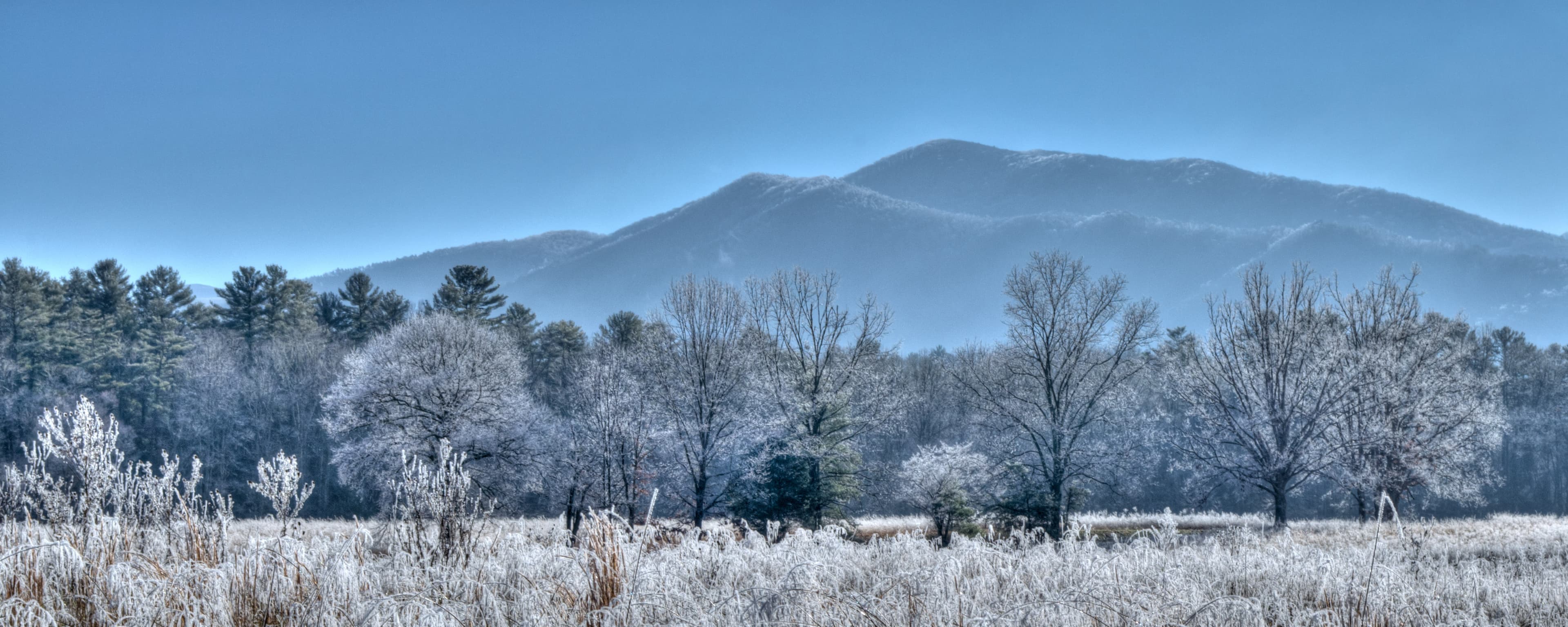
Spring brings wildflower blooms through the Smokies, peaking in mid-April with over 1,500 flowering plant species on display. Summer is warm and humid with afternoon thunderstorms common above 4,000 feet. Fall color peaks in mid to late October along the Blue Ridge, drawing the largest crowds of the year to both town and park. January averages 36 degrees in town but colder at higher elevations, with snow above 3,000 feet common from December through March.
| Season | Months | Avg High | Avg Low | Conditions |
|---|
| Spring | Mar-May | 61°F | 49°F | Spring brings wildflower blooms through the Smokies, peaking in mid-April with over 1,500 flowering plant species on display. |
| Summer | Jun-Aug | 78°F | 66°F | Summer is warm and humid with afternoon thunderstorms common above 4,000 feet. |
| Fall | Sep-Nov | 61°F | 49°F | Fall color peaks in mid to late October along the Blue Ridge, drawing the largest crowds of the year to both town and park. |
| Winter | Dec-Feb | 44°F | 32°F | January averages 36 degrees in town but colder at higher elevations, with snow above 3,000 feet common from December through March. |
Source: NOAA 30-Year Climate Normals

The park does not charge an entrance fee, making it unique among major national parks. No timed entry permit is required. Parking tags are required at some trailheads. Campground reservations are separate and required at developed park campgrounds. Backcountry camping requires a free permit from the park office.
Very crowded. Mid to late October is the busiest period of the year. Downtown traffic backs up for miles. Campgrounds fill months ahead. The Cades Cove loop road can take three hours to complete instead of one. Early morning starts and weekday visits help significantly. The Roaring Fork and Greenbrier areas see less congestion than Cades Cove.
Greenbrier Campground offers riverside sites with a family atmosphere and proximity to the park boundary. Camp LeConte provides a more resort-style experience with organized activities. Inside the park, Elkmont has 200 developed sites with river access and trailheads. Twin Creek and Smoky Bear suit families wanting walking access to downtown attractions.
Black bears are highly active in the Gatlinburg corridor and regularly enter both park and private campgrounds. The park estimates 1,500 bears live in the Smokies. All food, coolers, and scented items must be stored in vehicles or bear-proof containers. Never approach or feed bears. Bears that become habituated to human food are eventually euthanized.
For two weeks in late May through early June, synchronous fireflies perform a coordinated light display in the Elkmont area of the national park. It is the only location in North America where this species displays. Access requires a lottery entry through Recreation.gov, with a shuttle from a remote parking area. Demand far exceeds supply.