Camping Near Saguaro National Park
Arizona | Established 1994
About Saguaro National Park
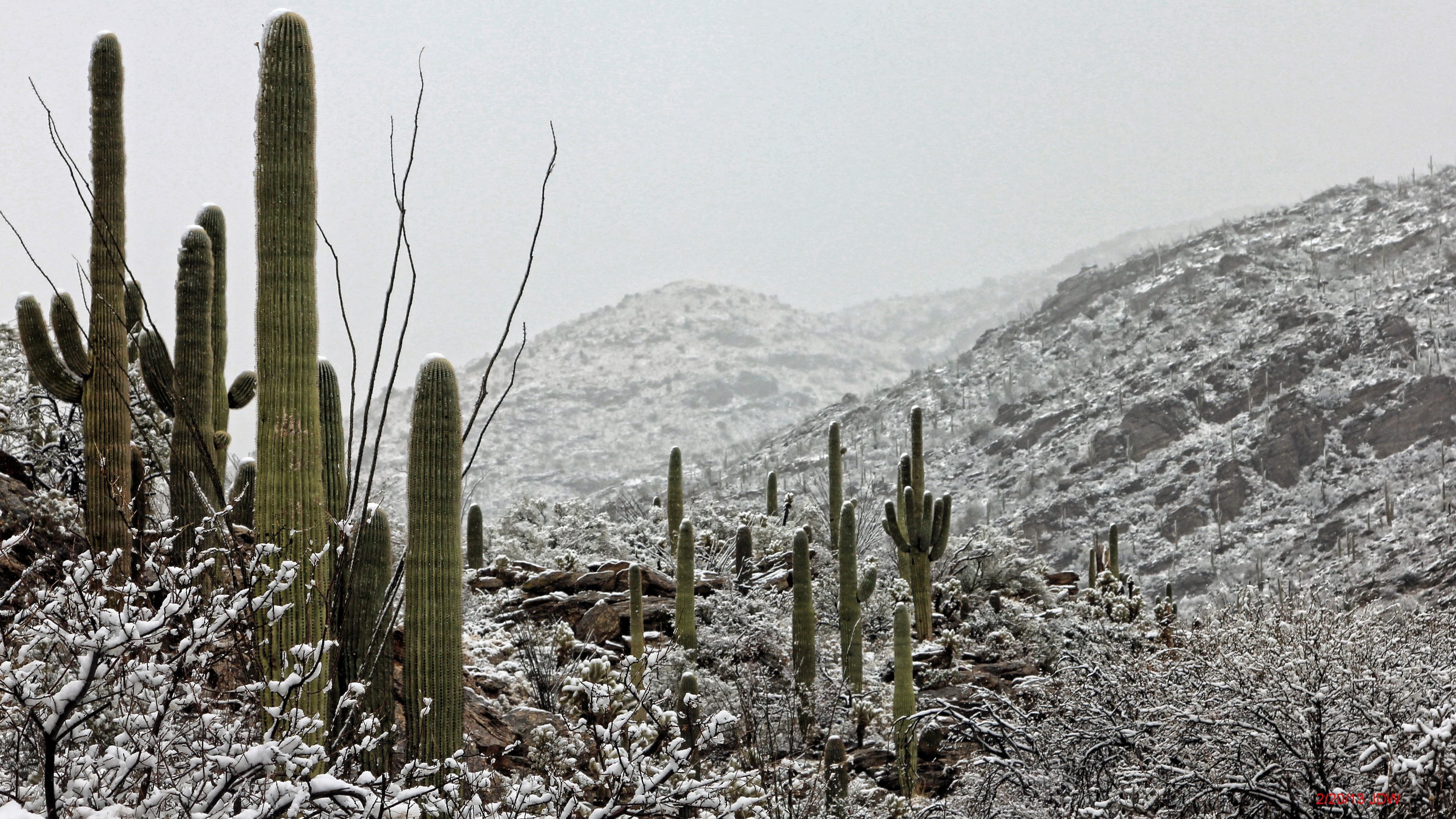
Saguaro National Park encompasses 91,327 acres in two separate districts on either side of Tucson, Arizona. The park has no developed campgrounds. Backcountry camping is available only in the Rincon Mountain District (east side) at six wilderness campsites requiring permits ($8/night through Recreation.gov) and a minimum 4.4-mile hike to the nearest site. No car camping or RV camping exists within park boundaries.
Nearby camping alternatives include Gilbert Ray Campground in Tucson Mountain Park (130 sites with electric hookups, $10-26/night, five miles from the west district), Catalina State Park (120 sites with hookups, 15 miles north), and dispersed camping on BLM land at Redington Pass (free). The Tucson Mountain District (west) features the 6-mile Cactus Forest Loop Drive and Signal Hill petroglyphs, while the Rincon Mountain District (east) offers backcountry trails climbing from desert floor to 8,666-foot Mica Mountain through five life zones.
Camping Tips for Saguaro
- No car camping or RV camping exists inside the park. For nearby camping, Gilbert Ray Campground in Tucson Mountain Park offers 130 sites with electric hookups at $10-26/night, just five miles from the west district.
- Backcountry camping requires permits ($8/night) through Recreation.gov. All six wilderness sites are in the Rincon Mountain District (east) and require hiking a minimum of 4.4 miles. No water is available at any site.
- Catalina State Park (120 sites, hookups available, $15-35/night) is 15 miles north of the park and offers the closest developed camping with showers and dump stations for RVs up to 45 feet.
- Avoid visiting from June through September when temperatures exceed 100 degrees regularly. November through March offers ideal hiking weather in the 60s to 80s with cool nights.
- Carry at least one gallon of water per person for day hikes and two gallons per person per day for backcountry camping. There are no water sources at wilderness campsites.
RV Parks & Campgrounds Near Saguaro National Park
31.Showers Point Group Site
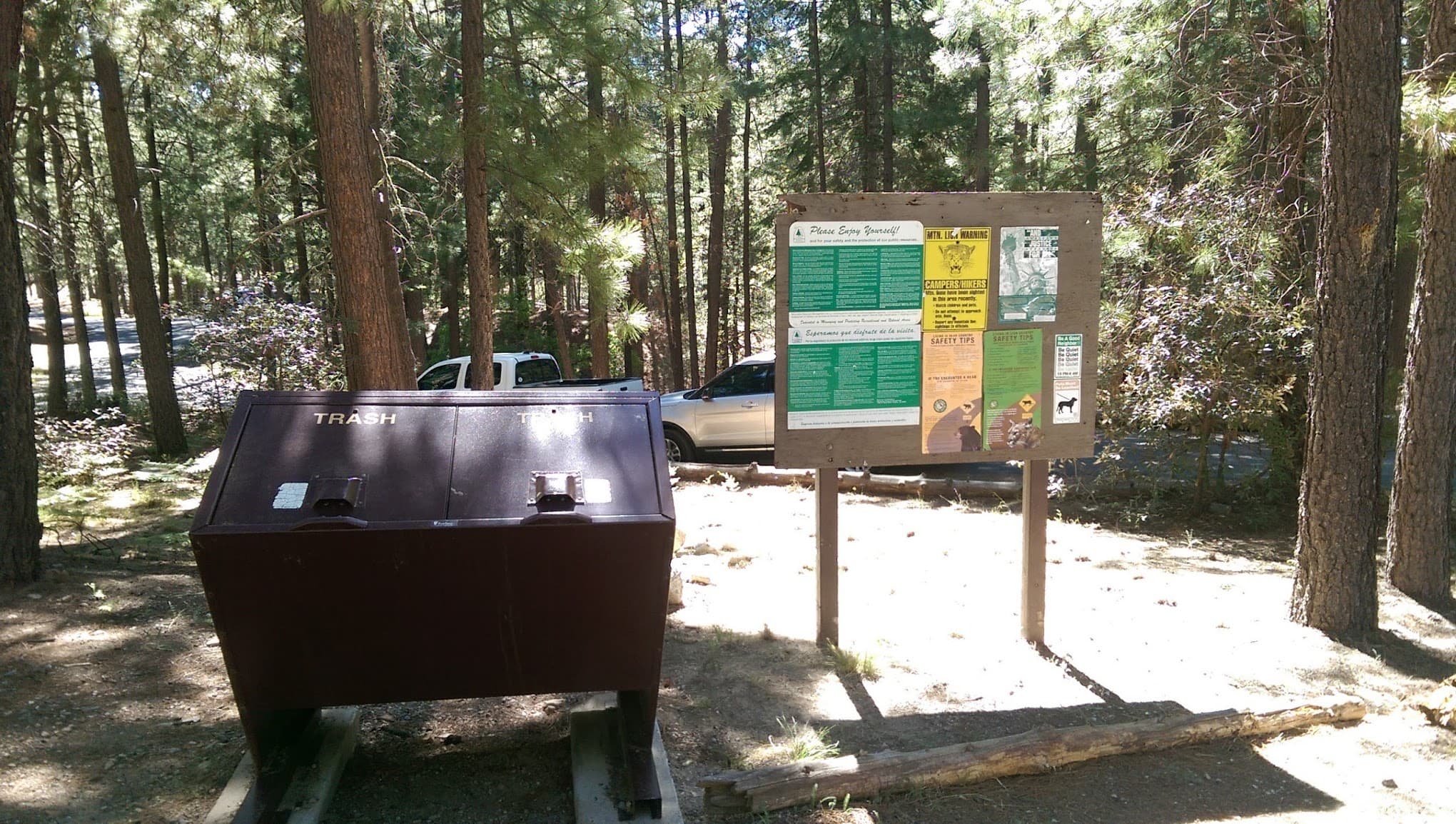
The Showers Point Group Site is a popular place for groups to spend a weekend or an afternoon, offering shaded campsites, picnic areas, hiking and mountain biking trails, and...
Show more
32.Spencer Canyon Campground
The Coronado National Forest offers a variety of recreation opportunities, including camping and cabins. The forest is divided into recreation regions, each with its own unique...
Show more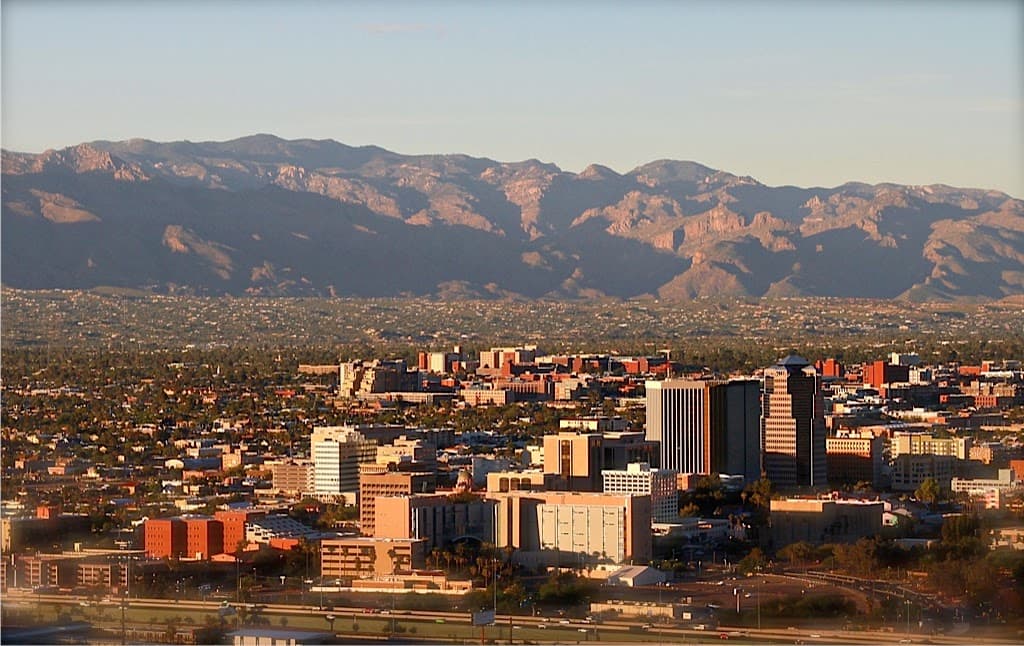
33.Sentinel Peak RV Park
Located in the heart of Tucson, Arizona, Sentinel Peak RV Park offers a convenient and comfortable stay for travelers. This RV park features a range of amenities, including...
Show more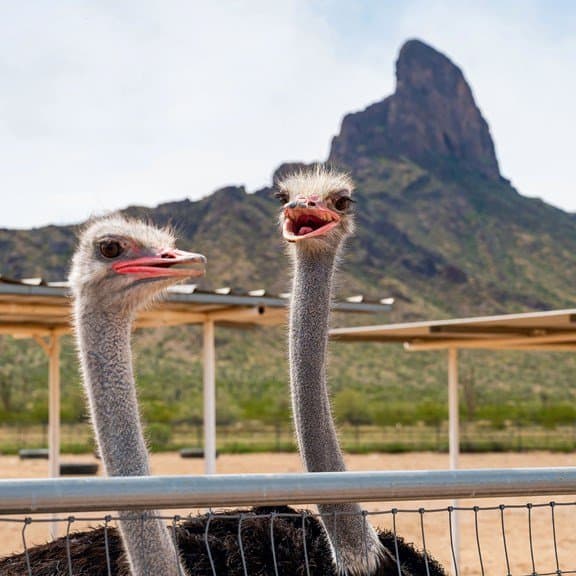
34.Picacho / Tucson NW KOA Journey
Nestled in the heart of the Sonoran Desert, Picacho KOA proudly offers premium KOA Patio sites featuring Polywood furniture. Premier Sites, in addition to a furnished patio,...
Show more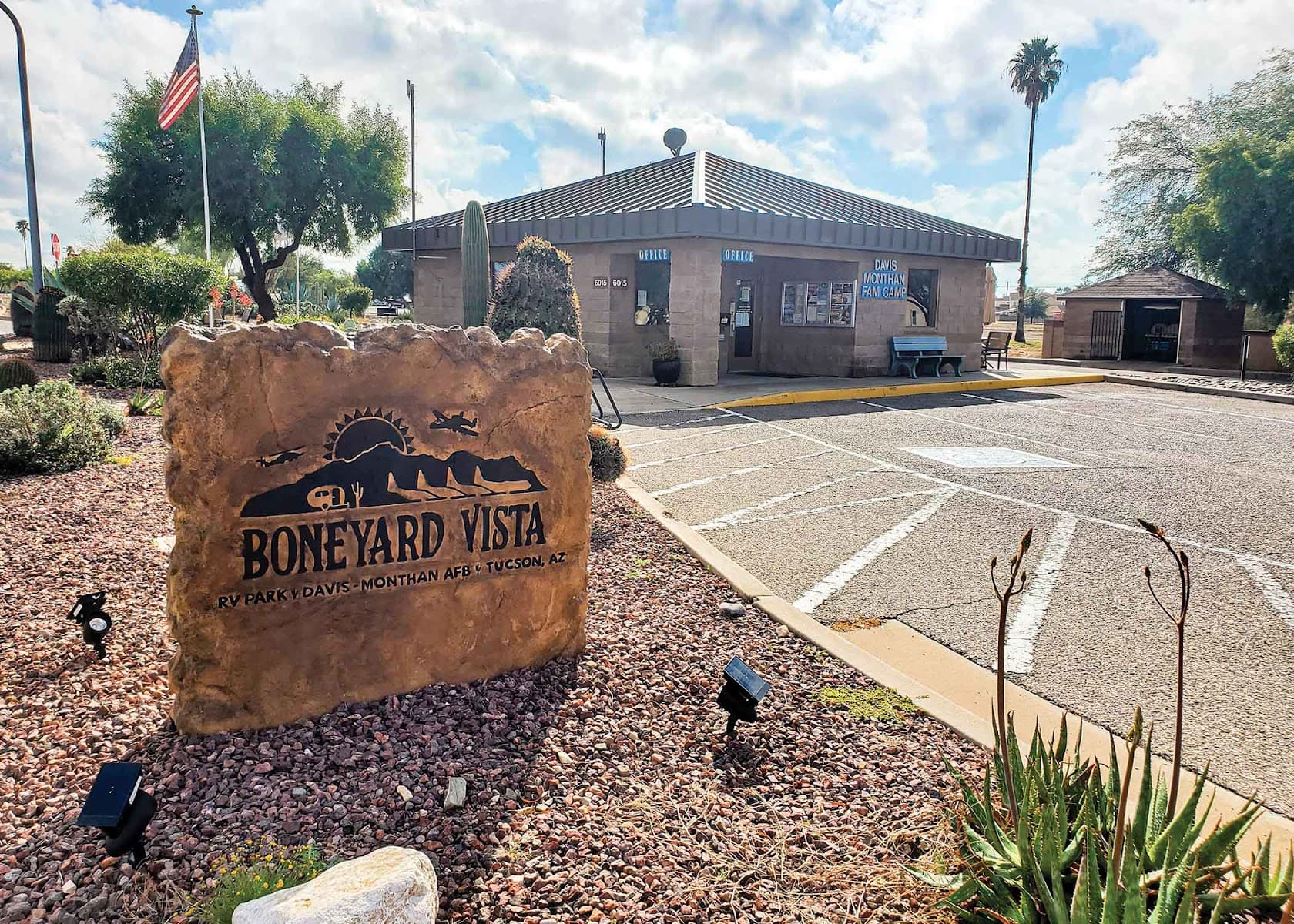
35.Boneyard Vista RV Park
Unfortunately, there is no description of the Boneyard Vista RV Park available on the provided website content. The content appears to be about DMFSS, a digital platform, and does...
Show more36.Camp Zion
Unfortunately, the website content does not provide a description of the park. The website appears to be a login portal for a church organization and does not contain any...
Show more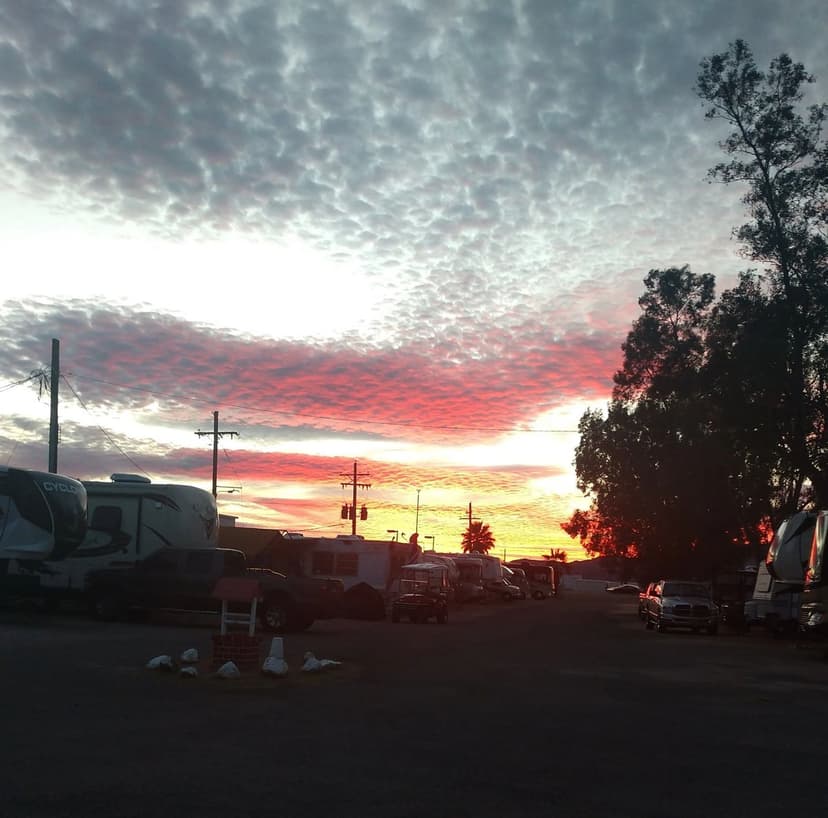
37.Wishing Well Trailer Court/Wishing Well RV Park
Wishing Well RV Park is located in Catalina, AZ, about 18 miles north of downtown Tucson. The park has large shade trees and can accommodate RVs and trailers up to 45 feet in...
Show more38.Green Valley Estates Mobile Home Park
Green Valley Estates Mobile Home Park is a 55+ gated community located 20 miles south of Tucson, Arizona, and 43 miles north of the U.S.-Mexican border in Green Valley, Arizona....
Show more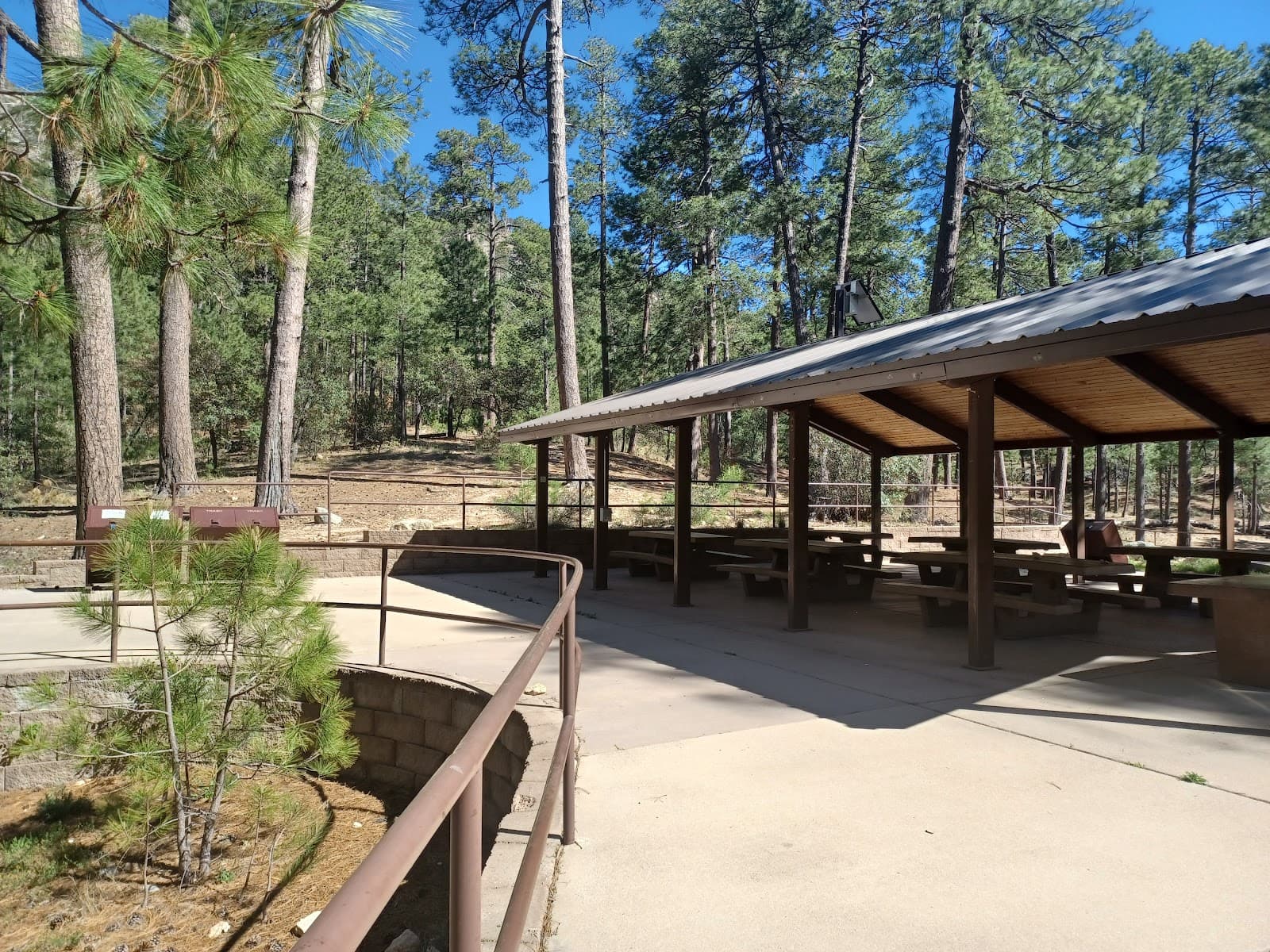
39.Rose Canyon Campground
The Coronado National Forest offers a variety of recreation opportunities, including camping and cabins. The forest is divided into different recreation regions, each with its own...
Show more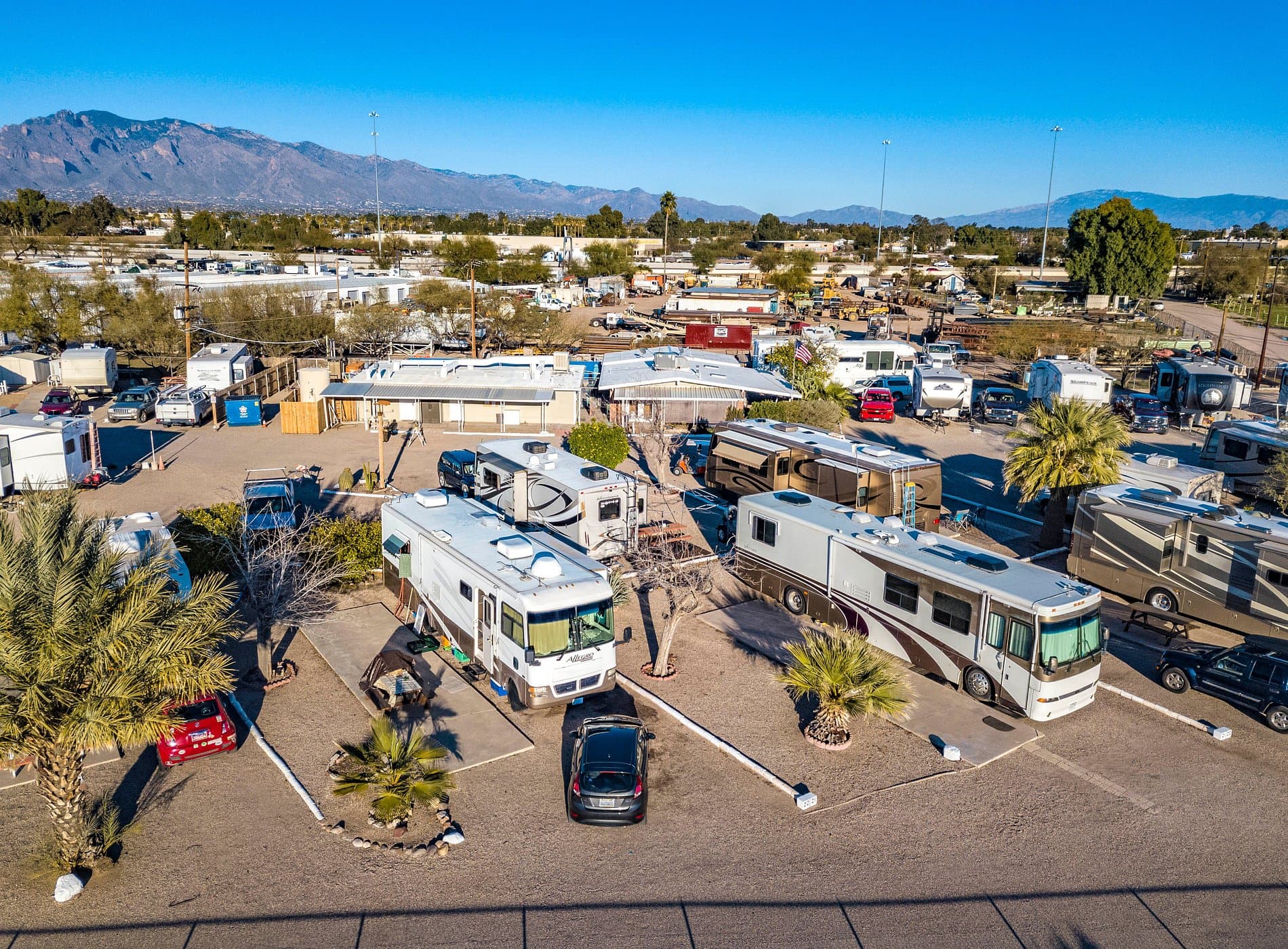
40.Tra-Tel Tucson RV Park
Tra-Tel Tucson RV Park is a well-established RV park located in Tucson, Arizona, offering convenient access to the heart of the Sonoran Desert region. With a solid 4.1-star rating...
Show moreShowing 31–40 of 69 campgrounds within 30 miles
Frequently Asked Questions
Can I camp inside Saguaro National Park?
Only backcountry camping is available, exclusively in the Rincon Mountain District (east side). Six wilderness campsites require permits at $8/night through Recreation.gov and a minimum 4.4-mile hike. No developed campgrounds, car camping, or RV camping exists within either district.
The six backcountry sites are Manning Camp, Juniper Basin, Happy Valley Saddle, Douglas Spring, Grass Shack, and Spud Rock. Manning Camp at 8,000 feet has the only seasonal water source (unreliable). All other sites require packing in all water. Sites have hitching rails for stock users. Fires are prohibited; use camp stoves only. Permits must be reserved in advance through Recreation.gov.
Where should I camp if I have an RV?
Gilbert Ray Campground in Tucson Mountain Park (130 sites, $10-26/night, electric hookups) is five miles from the west district. Catalina State Park (120 sites, hookups, $15-35/night) is 15 miles north. Private RV parks in Tucson offer full services.
Gilbert Ray accommodates RVs up to 35 feet with 30-amp electric hookups, water, and a dump station. Catalina State Park has water and electric hookups at individual sites and accommodates RVs up to 45 feet. Tucson's private RV parks like Voyager RV Resort and Rincon Country West offer full hookups, pools, and laundry within 20 minutes of either park district. Dispersed camping is free on BLM land at Redington Pass east of the park.
What is the difference between the two park districts?
The Tucson Mountain District (west) has the densest saguaro forests, the 6-mile Cactus Forest Loop Drive, and Signal Hill petroglyphs. The Rincon Mountain District (east) offers backcountry camping, longer trails, and elevations climbing from desert floor to 8,666-foot Mica Mountain.
The two districts are 30 miles apart, separated by the city of Tucson. The west district has shorter trails and a scenic drive ideal for day visitors. The east district has more rugged terrain with trails ascending through five biological life zones from Sonoran Desert to mixed conifer forest. Both districts have visitor centers with exhibits and ranger programs. The east district's Cactus Forest Drive is a paved 8-mile loop popular with cyclists.
Can I bring my dog to Saguaro National Park?
Dogs on a leash of six feet or shorter are allowed on paved roads, in parking areas, and on the paved Desert Discovery Nature Trail in the west district. Dogs are prohibited on all unpaved trails and in all backcountry areas, including wilderness campsites.
The strict pet policy protects desert wildlife and the fragile biological soil crust. For hiking with dogs near the park, Tucson Mountain Park adjacent to the west district allows leashed dogs on trails. The Arizona Trail passes near the east district and allows leashed dogs. Tucson has numerous pet boarding and daycare facilities. Never leave dogs in vehicles during warm months.
What is the entrance fee for Saguaro?
The entrance fee is $25 per vehicle for a seven-day pass valid at both districts. Motorcycles cost $20 and individual entry on foot or bicycle is $15. An annual Saguaro pass costs $45. The America the Beautiful pass ($80) also covers entry.
Entrance fees are collected at staffed stations at both districts. The west district station is on Kinney Road and the east district station is on Freeman Homestead Road. Self-pay kiosks are available when stations are unstaffed. Seniors 62 and older qualify for the $80 lifetime America the Beautiful pass. Active-duty military and dependents enter free with valid ID.
When do saguaro cacti bloom?
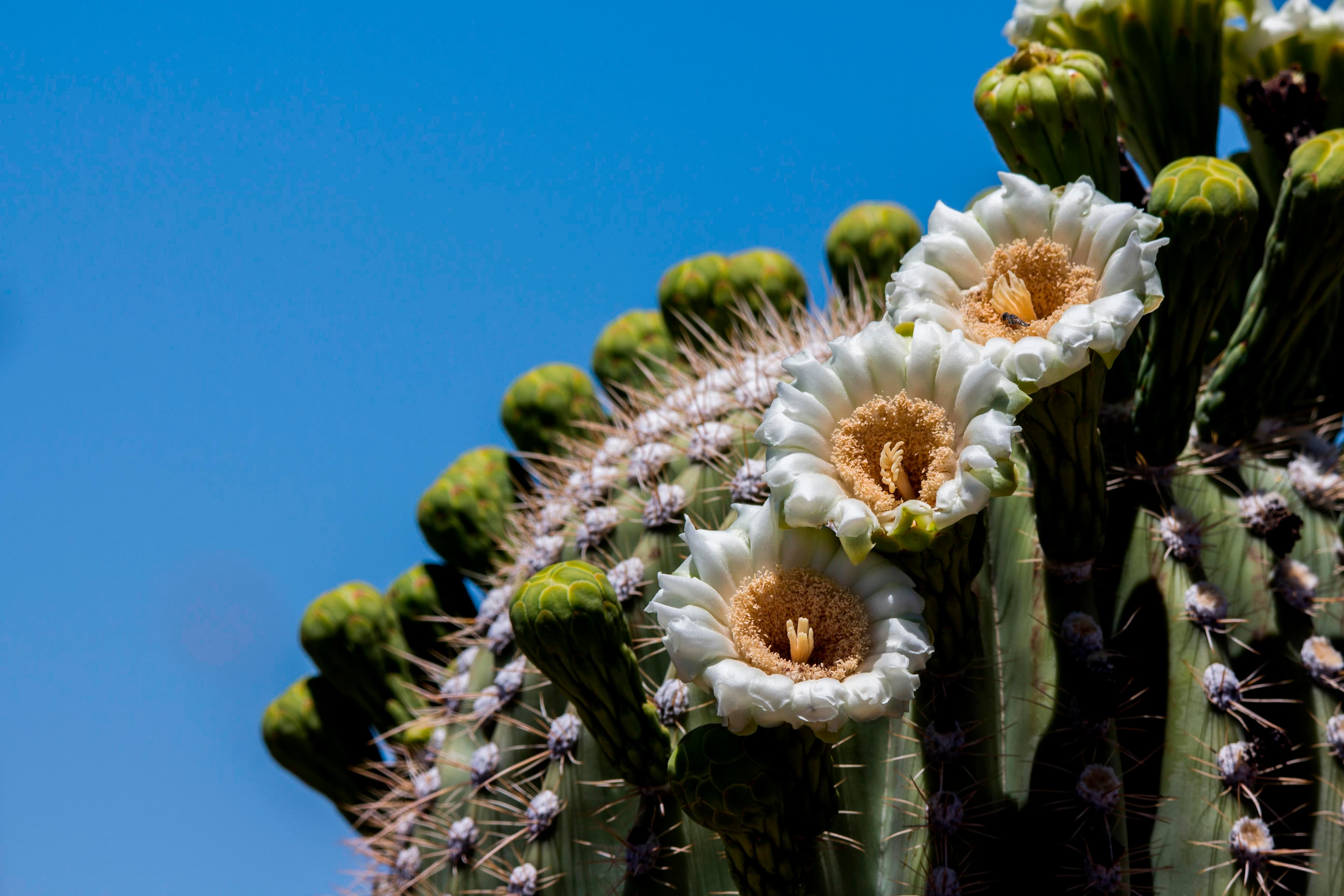
Saguaro cacti bloom from late April through June, with peak bloom typically in mid-May. White waxy flowers open at night and remain open through the following midday. Each flower lasts about 24 hours. The fruit ripens in June and July, attracting birds and bats.
Saguaro cacti must be 35 to 50 years old before producing their first flowers. The flowers are pollinated primarily by lesser long-nosed bats, white-winged doves, and honeybees. The red fruit that follows is an important food source for Tohono O'odham people who have harvested it for centuries. The park's best saguaro viewing areas are along the Valley View Overlook Trail and Cactus Garden Trail in the west district.
How much water should I carry for hiking?
Carry at least one gallon of water per person for day hikes and two gallons per person per day for backcountry trips. There are no water sources at trailheads or backcountry campsites. Dehydration is the primary safety risk at Saguaro.
Summer temperatures regularly exceed 100 degrees with low humidity, causing rapid fluid loss. Start hikes before 8 AM during warm months and avoid midday exposure. Symptoms of heat exhaustion include nausea, dizziness, and headache. The park recommends electrolyte supplements in addition to water. Drinking fountains are available only at visitor centers. Rescue operations for heat-related emergencies occur multiple times each summer.
What wildlife might I encounter while camping nearby?
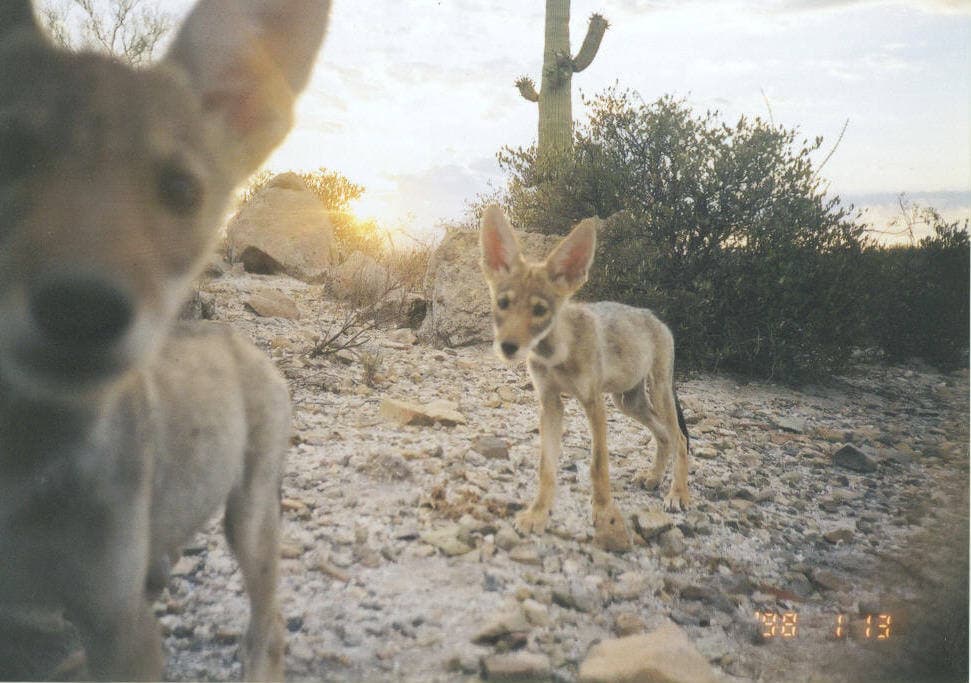
The Sonoran Desert supports javelina (peccaries), coyotes, Gila monsters, roadrunners, Harris's hawks, and over 25 species of rattlesnakes and other reptiles. Javelina are commonly seen at dawn and dusk near campgrounds. Mountain lions inhabit the Rincon Mountains.
Javelina travel in herds and can be aggressive if cornered or if they smell food. Store all food and scented items securely. Gila monsters are venomous but non-aggressive; do not handle them. Rattlesnakes are most active at dawn, dusk, and nighttime during warm months. Watch where you step and place your hands on trails. Coatis, related to raccoons, are seen in groups in the Rincon Mountains. The lesser long-nosed bat, a keystone saguaro pollinator, roosts in abandoned mines near the park.
Quick Facts
- Entrance Fee
- $25/vehicle (7 days)
- Best Time to Visit
- November – March
- Nearest Town
- Tucson, AZ, Vail, AZ, Marana, AZ
- Elevation
- 2,180 – 8,666 ft
- Park Size
- 91,327 acres
- Annual Visitors
- ~1.3 million