Camping Near Everglades National Park
Florida | Established 1947
About Everglades National Park
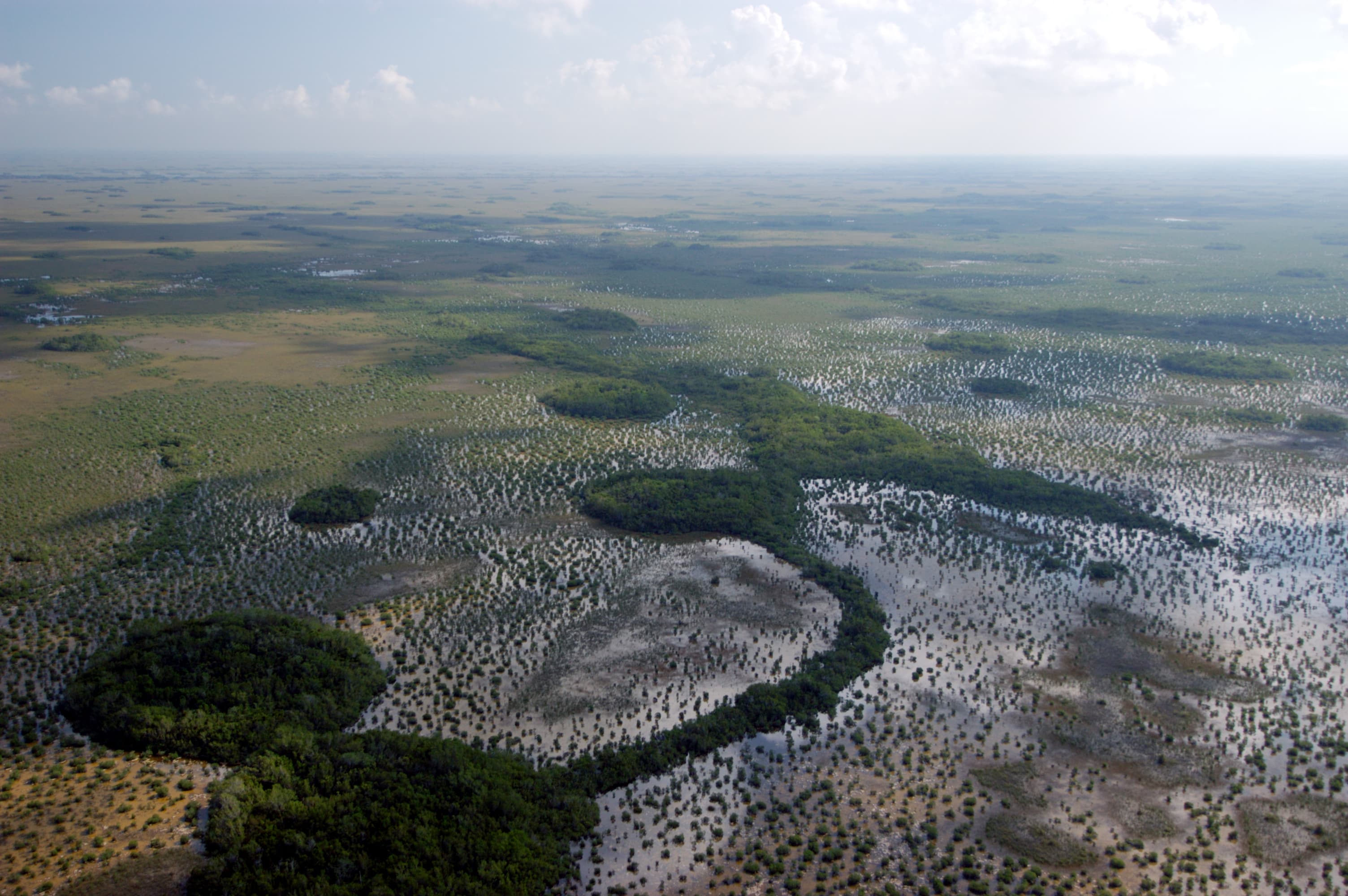
Everglades National Park encompasses 1.5 million acres of subtropical wetlands at the southern tip of Florida. Two frontcountry campgrounds serve vehicle-based campers. Flamingo Campground, 38 miles from the main entrance at the park's southern tip, has 234 drive-in sites with 41 electric hookup sites ($50-60/night) and 193 non-electric sites ($33-38.50/night). Long Pine Key Campground, near the main entrance, offers 108 first-come, first-served sites at $30-35/night, open November through April only.
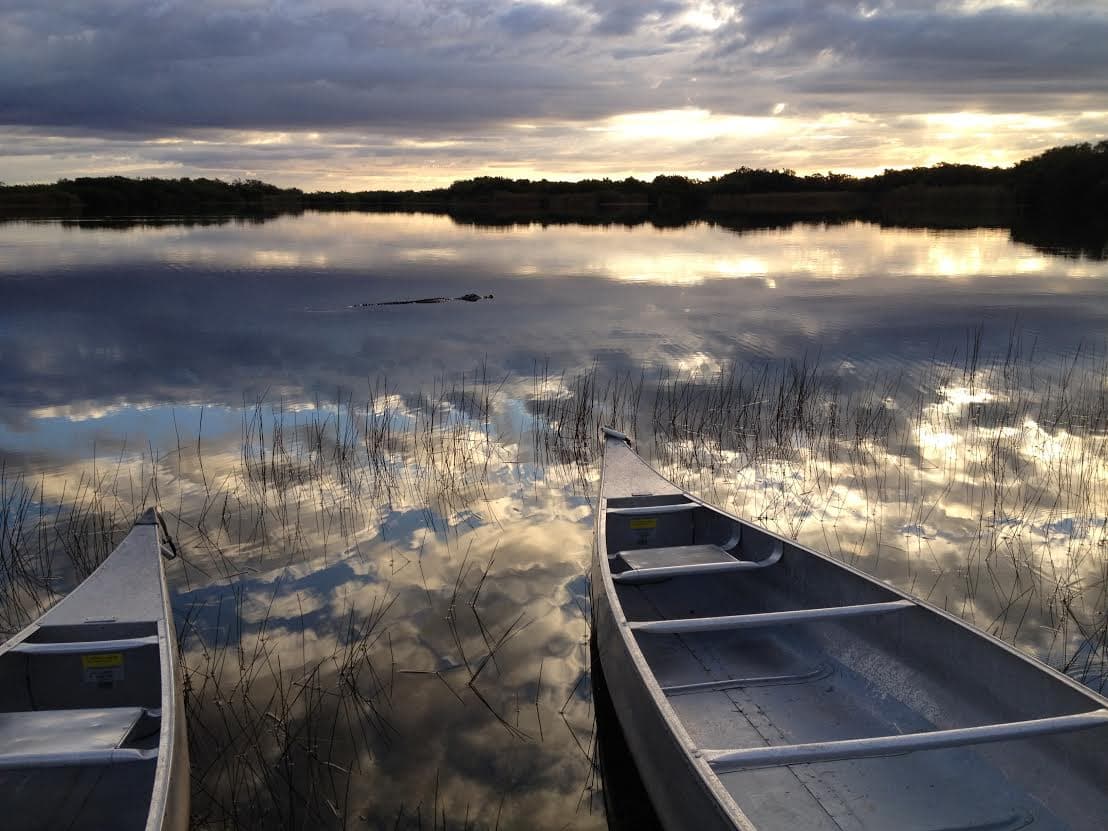
Beyond the frontcountry, 47 backcountry sites are accessible only by canoe, kayak, or motorboat. These include ground sites, beach sites, and elevated chickee platforms built over open water. Backcountry permits cost $21 plus $2 per person per night through Recreation.gov. The 99-mile Wilderness Waterway from Flamingo to Everglades City takes 7 to 10 days by canoe and is considered a premier paddling trip in the United States.
Camping Tips for Everglades
- Reserve Flamingo Campground three to four months ahead for dry season (December through April). Electric hookup sites ($50-60/night) fill first. Non-electric sites run $33-38.50/night depending on day of week.
- Long Pine Key Campground (108 sites, $30-35/night) is first-come, first-served only and operates November through April. Arrive early on winter weekends to secure a site.
- Backcountry chickee platforms and ground sites require permits ($21 plus $2/person/night) through Recreation.gov up to 90 days in advance. Chickees are elevated platforms over water with roof and toilet.
- Mosquitoes are intense from May through November (wet season). Bring DEET-based repellent, head nets, and long sleeves. Dry season (December through April) has dramatically fewer mosquitoes and is the best time to visit.
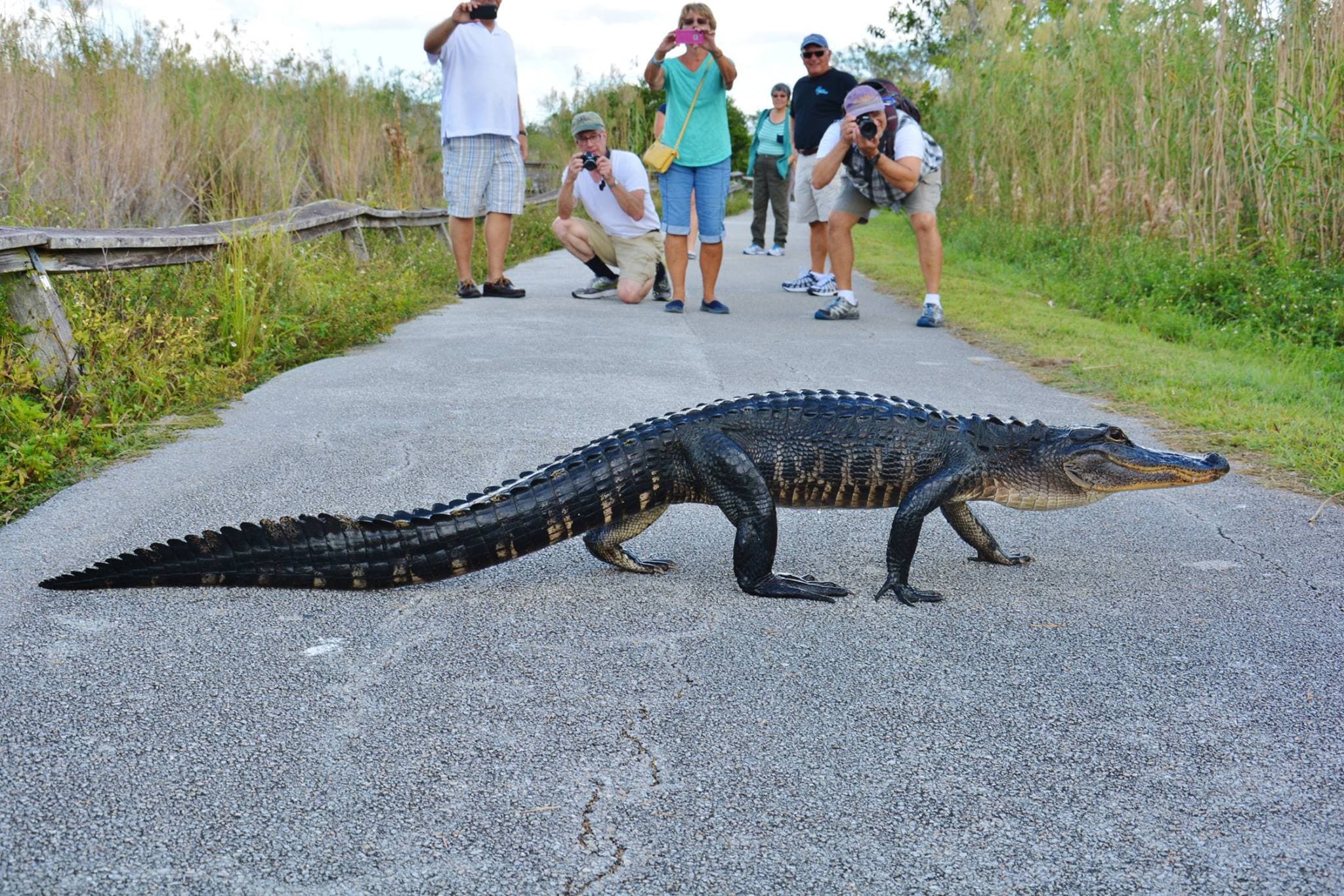
- Alligators and crocodiles inhabit every waterway in the park. Maintain at least 15 feet distance. Never feed wildlife. Keep dogs on a six-foot leash and away from water edges, as alligators prey on pets.
RV Parks & Campgrounds Near Everglades National Park

51.Ocean Breeze RV Park & Marina
Ocean Breeze RV Park & Marina is a waterfront destination located in Marathon, Florida, offering a scenic setting for RV enthusiasts. The park combines RV accommodations with...
Show more
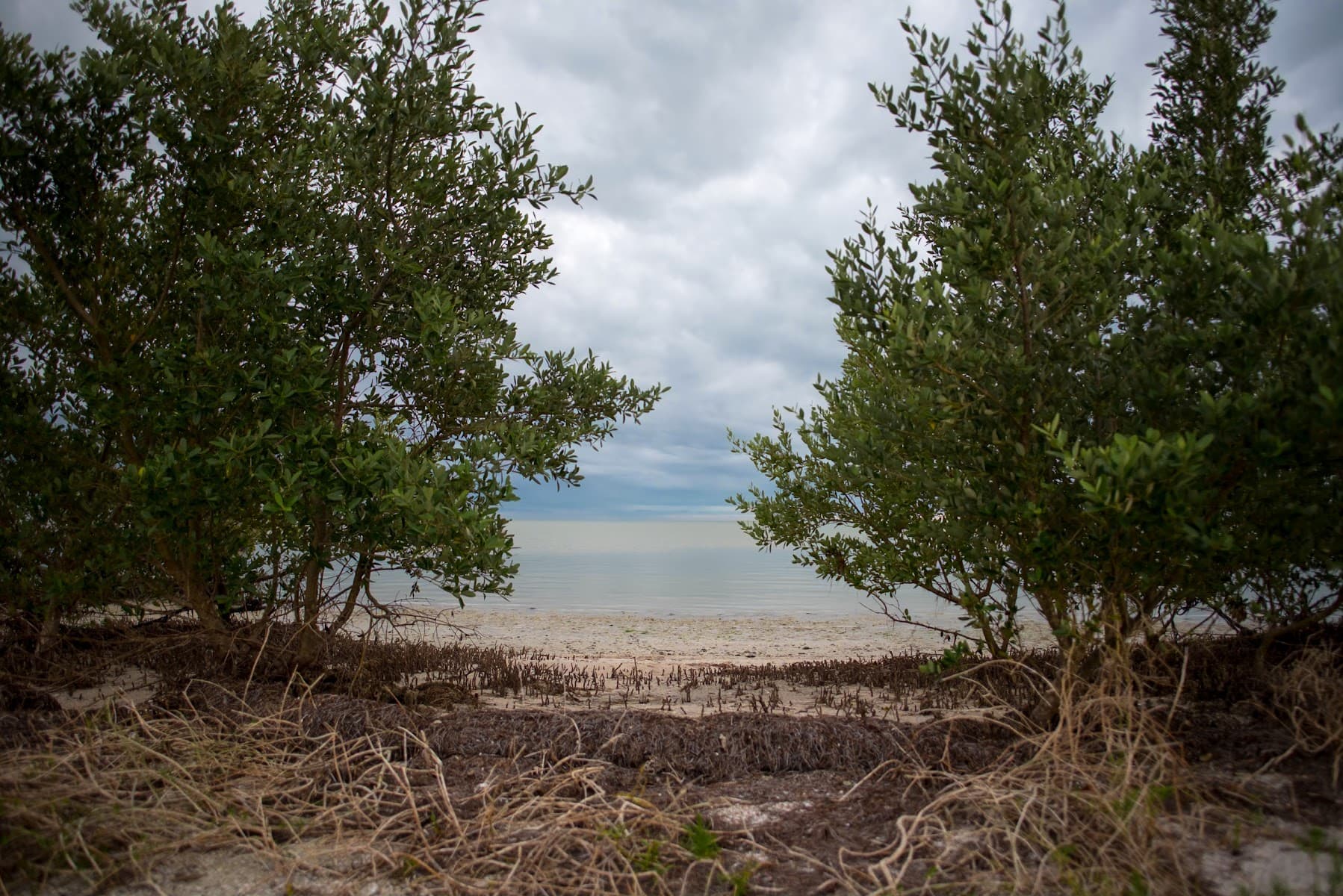
53.East Clubhouse Beach
East Clubhouse Beach is a sand/marl beach campsite located east of Slagle Ditch on the southern coast. It can be reached by boat from Florida Bay. The site affords a lovely view...
Show more54.Tiger Key Campsite
Tiger Key Campsite is a highly-rated campground located in Naples, Florida, offering an excellent destination for outdoor enthusiasts. With an impressive Google rating of 4.9 out...
Show more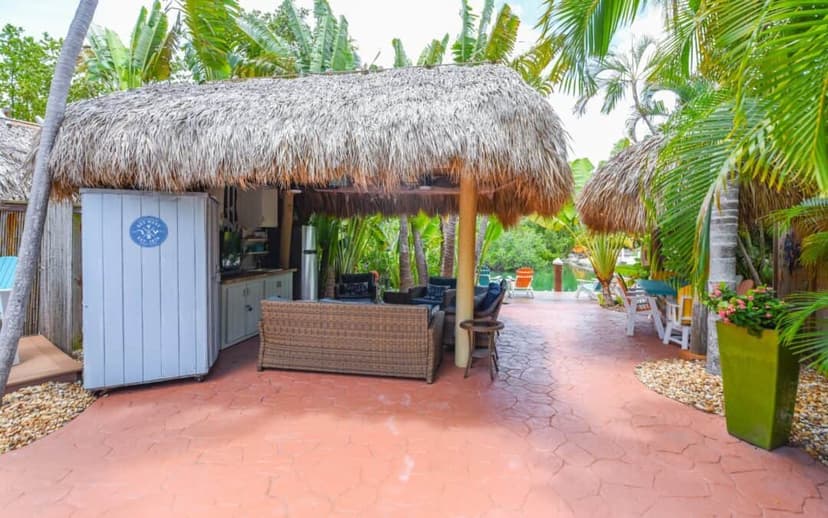
55.Bluewater Key Resort RV Lot 8
Tucked away in a peaceful enclave halfway between Big Pine and Key West, Bluewater Key RV Resort offers a wondrous adventure for luxury RV-ers. Dotted with tiki huts and...
Show more56.Embassy RV Park
Embassy RV Park is a well-rated RV park located in Hallandale Beach, Florida, offering convenient access to South Florida's beaches and attractions. With a solid 4 out of 5 rating...
Show more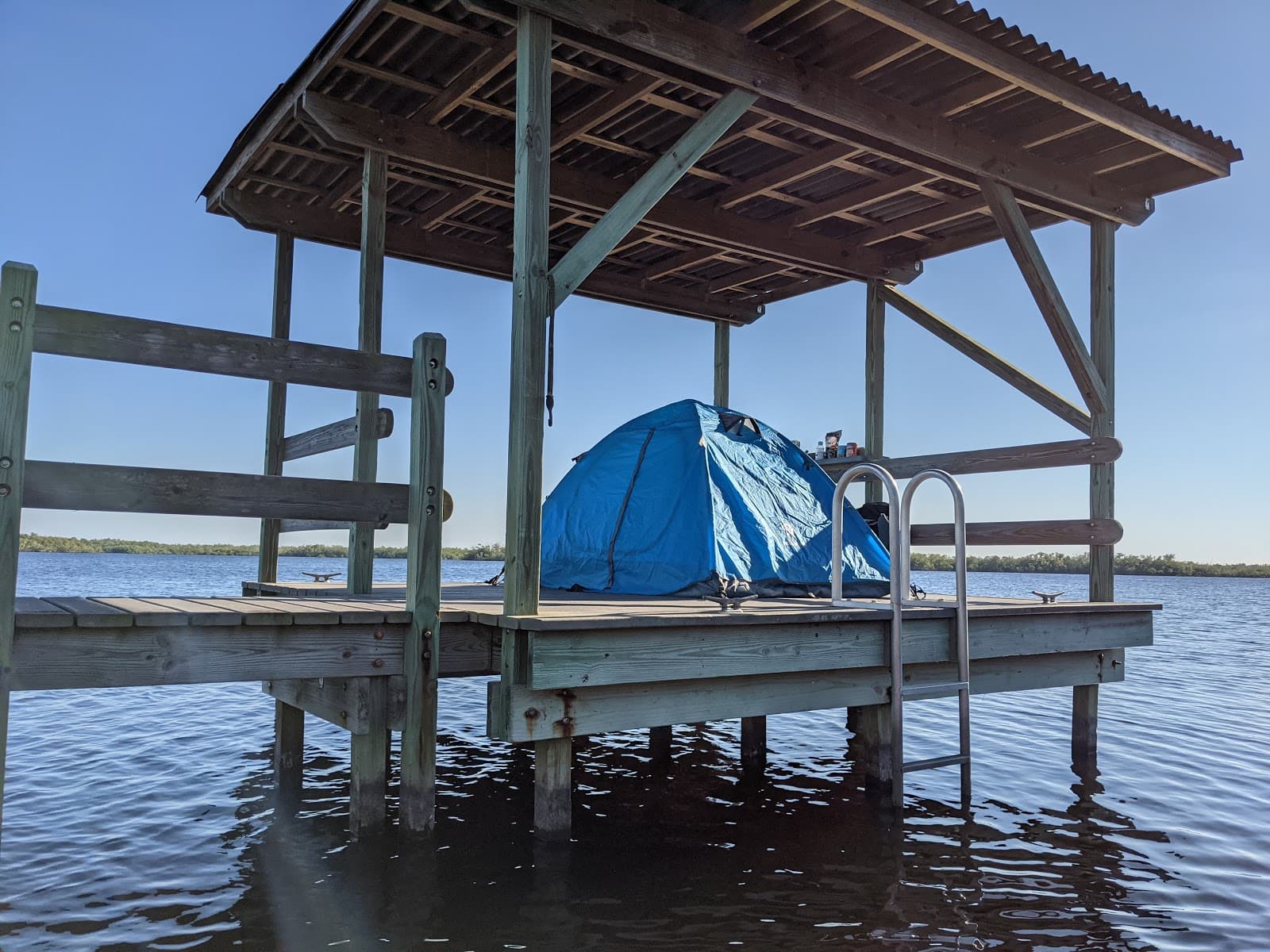
57.Pearl Bay Chickee
Pearl Bay Chickee is a campground located in Pearl Bay, Florida, offering a unique camping experience in a scenic waterfront setting. With a strong Google rating of 4.6 out of 5...
Show more58.Pinecrest Group Campground, Big Cypress National Preserve
No description available due to website error.
Show more59.Golden Trio Mobile Home Park
Golden Trio Mobile Home Park is a well-rated campground located in Hallandale Beach, Florida, offering a convenient base for exploring South Florida's beaches and attractions....
Show more60.Bayfront RV Park
Bayfront RV Park is a highly-rated RV park located in Islamorada, Florida, offering waterfront access in one of the Florida Keys' most desirable destinations. The park provides a...
Show moreShowing 51–60 of 77 campgrounds within 50 miles
Frequently Asked Questions
What campgrounds are inside Everglades National Park?
Everglades has two frontcountry campgrounds: Flamingo (234 sites, 41 with electric hookups at $50-60/night, 193 non-electric at $33-38.50/night, year-round) and Long Pine Key (108 sites, $30-35/night, first-come, November through April only). Neither has water or sewer hookups at individual sites.
Flamingo sits at the southern end of the park, 38 miles from the main entrance, with a marina, boat rentals, and a camp store. Long Pine Key is closer to the entrance amid a pine rockland forest. Flamingo requires reservations during peak season (November through April) through the park concessioner at 855-708-2207. A dump station is available at Flamingo. RVs up to 45 feet are accepted at both campgrounds.
How do I camp in the backcountry on chickee platforms?
Backcountry permits ($21 plus $2/person/night) are required for all 47 wilderness sites, including chickee platforms. Reserve through Recreation.gov up to 90 days in advance. Chickees are elevated wooden platforms over open water with a roof and portable toilet.
Chickee platforms accommodate one or two tents and are spaced along canoe and kayak routes through the mangrove backcountry. You must be entirely self-sufficient with water, food, stove, and waste bags. Ground sites and beach sites are also available along the coast and inland waterways. The 99-mile Wilderness Waterway from Flamingo to Everglades City takes 7 to 10 days and is the premier backcountry paddling route.
When is the best time to camp at Everglades?
December through April (dry season) offers the best camping with lower temperatures (60s to 80s), minimal mosquitoes, and concentrated wildlife around remaining water. Wet season (May through November) brings 90-degree heat, daily thunderstorms, and aggressive mosquitoes.
During dry season, wading birds, alligators, and other wildlife concentrate around shrinking water pools, making wildlife viewing exceptional. Ranger programs and boat tours operate on expanded schedules. Long Pine Key Campground only operates during dry season. Flamingo stays open year-round but summer heat, humidity, and mosquitoes make camping uncomfortable from June through October. February and March are peak visitation months.
How do I stay safe around alligators while camping?
Maintain at least 15 feet from all alligators and crocodiles. Never feed any wildlife (illegal, fines up to $5,000). Store all food securely. Keep children and pets away from water edges, especially at dawn and dusk when alligators are most active.
American alligators are found in every freshwater body in the park. American crocodiles inhabit saltwater and brackish areas around Flamingo. Both species are generally not aggressive toward humans who maintain distance. Alligators may approach campgrounds near water. If an alligator hisses, you are too close. Never swim in canals, ponds, or lakes. Report aggressive alligator behavior to a ranger or call 305-242-7700.
Can I bring my dog to Everglades campgrounds?
Dogs on a leash of six feet or shorter are allowed at Flamingo and Long Pine Key campgrounds, on paved roads, and in parking areas. Dogs are prohibited on all trails, boardwalks, the Anhinga Trail, Shark Valley Tram Road, and in the backcountry.
The pet restriction protects both wildlife and pets. Alligators and crocodiles will prey on dogs near water. Pythons and venomous snakes also pose risks. Never leave pets unattended or tied to objects at campsites. For pet-friendly outdoor activities near the park, Homestead and Florida City have dog parks. The nearest pet boarding is in Homestead, 10 miles from the park entrance.
What is the entrance fee for Everglades?
The entrance fee is $35 per vehicle for a seven-day pass. Motorcycles cost $30 and individual entry on foot or bicycle is $20. An annual Everglades pass costs $55. Shark Valley and Gulf Coast entrances have separate fees.
The main entrance on SR-9336 near Homestead provides access to Flamingo and Long Pine Key. Shark Valley on US-41 (Tamiami Trail) charges $30 per vehicle for a separate seven-day pass. The Gulf Coast entrance in Everglades City has no entrance fee but boat tours are fee-based. The America the Beautiful pass ($80) covers all entrances. Active-duty military enter free.
What is the Shark Valley Tram Tour?
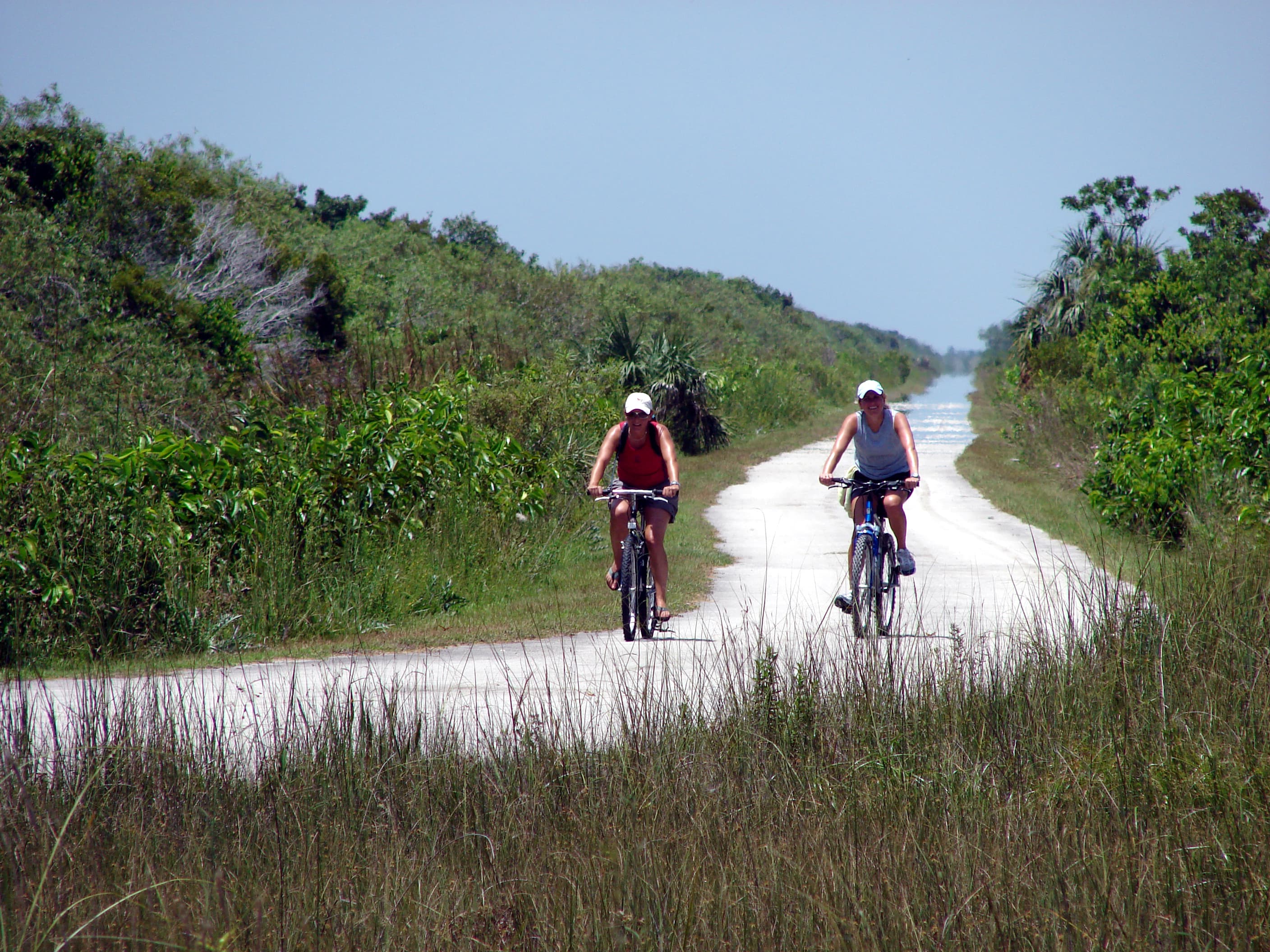
The Shark Valley Tram Tour is a two-hour narrated tour along a 15-mile loop road through sawgrass marsh, with a stop at a 65-foot observation tower. Tours depart multiple times daily and cost $29 for adults. The road is also popular for cycling and walking.
Shark Valley is on US-41 (Tamiami Trail), a separate entrance from the main park road. Alligators line the road, especially during dry season, making it one of the most reliable wildlife viewing areas in the park. Bicycle rentals are available at the Shark Valley Visitor Center. The loop is flat and paved. The observation tower at the halfway point provides panoramic views of the River of Grass extending to the horizon.
What should I bring to protect against mosquitoes?
Bring DEET-based insect repellent (30% or higher), long sleeves, long pants, head nets, and permethrin-treated clothing. Mosquitoes are present year-round but are most intense from May through November during wet season. Dry season (December through April) has significantly fewer mosquitoes.
Mosquito intensity varies dramatically by season and location. Flamingo and backcountry areas near standing water have the heaviest populations. The park describes summer mosquito levels as ranging from 'unpleasant' to 'unbearable.' Chemical-free alternatives like picaridin also work. Treat tent mesh and clothing with permethrin before your trip. Wind reduces mosquito activity, so campsite selection near open areas helps. The Flamingo area can be tolerable even in summer when sea breezes are active.
Quick Facts
- Entrance Fee
- $35/vehicle (7 days)
- Best Time to Visit
- December – April
- Nearest Town
- Homestead, FL, Florida City, FL, Everglades City, FL
- Elevation
- 0 – 8 ft
- Park Size
- 1.5 million acres
- Annual Visitors
- ~1.3 million