Camping Near Dry Tortugas National Park
Florida | Established 1992
About Dry Tortugas National Park
Dry Tortugas National Park encompasses 64,700 acres of open water and seven small islands 70 miles west of Key West, Florida. Fort Jefferson, the largest 19th-century masonry fort in the Americas, dominates Garden Key and served as a Union military prison during the Civil War. The park protects pristine coral reefs, seagrass beds, and nesting grounds for sooty terns, brown noddies, and sea turtles.
Garden Key Campground is the only camping option, offering 8 primitive tent sites at $15 per night and one group site at $30 per night. Each site accommodates up to six people with picnic tables and grills but no water, electricity, or shade structures. Access is exclusively by Yankee Freedom Ferry from Key West ($185 per camper roundtrip, 2.5-hour voyage) or seaplane charter. Campers must bring all water, food, and supplies since no stores or services exist on the island.
Camping Tips for Dry Tortugas
- Reserve camping six months in advance. Reservations open on the first weekday of each month at 8 a.m. EST through Yankee Freedom at 800-634-0939. February through April books immediately. Maximum stay is three consecutive nights.
- Bring at minimum two gallons of water per person per day. No freshwater exists on the island. The ferry docks from approximately 10 a.m. to 2:45 p.m., allowing one potential water refill before departure at 3 p.m. Calculate your total needs for drinking, cooking, and washing.
- Store all food in hard-sided containers with tight seals. Rats inhabit the Tortugas and actively forage through campsites at night. Soft coolers and bags provide no protection. Pack out all trash since no waste disposal exists on the island.
- Pack everything you will need: tent, sleeping pad, stove, fuel, cookware, food, water, sunscreen, snorkel gear, and rain protection. No stores, rental equipment, or ranger supplies exist on Garden Key. Tents must remain within 10 feet of picnic tables at assigned sites.
- Choose February through April for the calmest seas, best snorkeling visibility, and most comfortable temperatures. Summer brings extreme heat exceeding 90 degrees, hurricane risk, and rougher ferry crossings. Winter has cooler temperatures but stronger winds and choppier seas.
RV Parks & Campgrounds Near Dry Tortugas National Park

1.Dry Tortugas Campground
Dry Tortugas Campground is a highly-rated camping destination located in Key West, Florida. With a perfect 5-star Google rating based on visitor reviews, this campground offers an...
Show moreShowing 1–1 of 1 campgrounds within 30 miles
Frequently Asked Questions
How do I get to Dry Tortugas?
The Yankee Freedom Ferry departs Key West daily at 8 a.m. for a 2.5-hour voyage to Garden Key, returning at 3 p.m. Camper roundtrip fare is $185 per person plus the $15 park entrance fee. Seaplane charters from Key West reach the park in approximately 45 minutes at higher cost. No private boat dock exists.
Yankee Freedom operates under an NPS concession agreement as the sole authorized ferry service. The ferry includes breakfast and lunch for all passengers, reducing meal costs. Campers board early with gear and remain on Garden Key when day visitors depart at 3 p.m. Seaplane charters offer faster access for those prone to seasickness or with limited time. Both ferry and seaplane passengers pay the same $15 park entrance fee upon arrival. Reserve ferry camping spots months ahead for peak season.
What does a camping trip cost in total?
Total per-person cost is approximately $215 to $245 for a three-night trip: $185 ferry roundtrip, $15 park entrance fee, and $15 per night camping ($45 for three nights). You provide all food, water, and supplies independently. The ferry fare includes breakfast and lunch on travel days, offsetting some meal expenses.
Group sites cost $30 per night and accommodate larger parties. Seaplane access costs significantly more than the ferry but saves travel time. All camping supplies must be purchased in Key West before departure since nothing is available on the island. Budget for snorkel gear rental in Key West if you do not own equipment. Water is the most critical supply; pre-freeze gallon jugs to serve double duty as cooler ice and drinking water as they melt.
What amenities does Garden Key Campground have?
Each of the 8 sites includes a picnic table and charcoal grill. Composting toilets serve the campground. No water, electricity, showers, shade structures, or supply stores exist on the island. Campers bring all equipment including tent, stove, food, and water. Tents must stay within 10 feet of the assigned picnic table.
The primitive campground sits on the beach outside Fort Jefferson's walls. Some afternoon shade falls from the fort walls onto nearby sites. Wind is constant and can be strong, requiring thorough tent staking. Sand stakes work better than standard stakes in the loose coral sand. The composting toilets are maintained by park staff. No firewood collection is permitted; bring charcoal for the grill or a camping stove with fuel. Solar charging panels work well given the consistent sun exposure.
How long can I camp at Dry Tortugas?
Maximum camping duration is three consecutive nights and four days. Reservations open six months in advance on the first business day of each month at 8 a.m. EST through Yankee Freedom at 800-634-0939. Peak season dates (February through April) sell out within hours of opening.
Campers must depart on the Yankee Freedom ferry at 3 p.m. on their checkout day. Many visitors plan multiple shorter trips throughout the season rather than attempting extended single visits. The ferry operates daily year-round, weather permitting. Rough seas or tropical weather systems can delay or cancel ferry service with little advance notice. Always have a contingency plan for delayed departure including extra food and water. Contact Yankee Freedom for current schedule and weather-related cancellation policies.
What is Fort Jefferson and can I explore it?
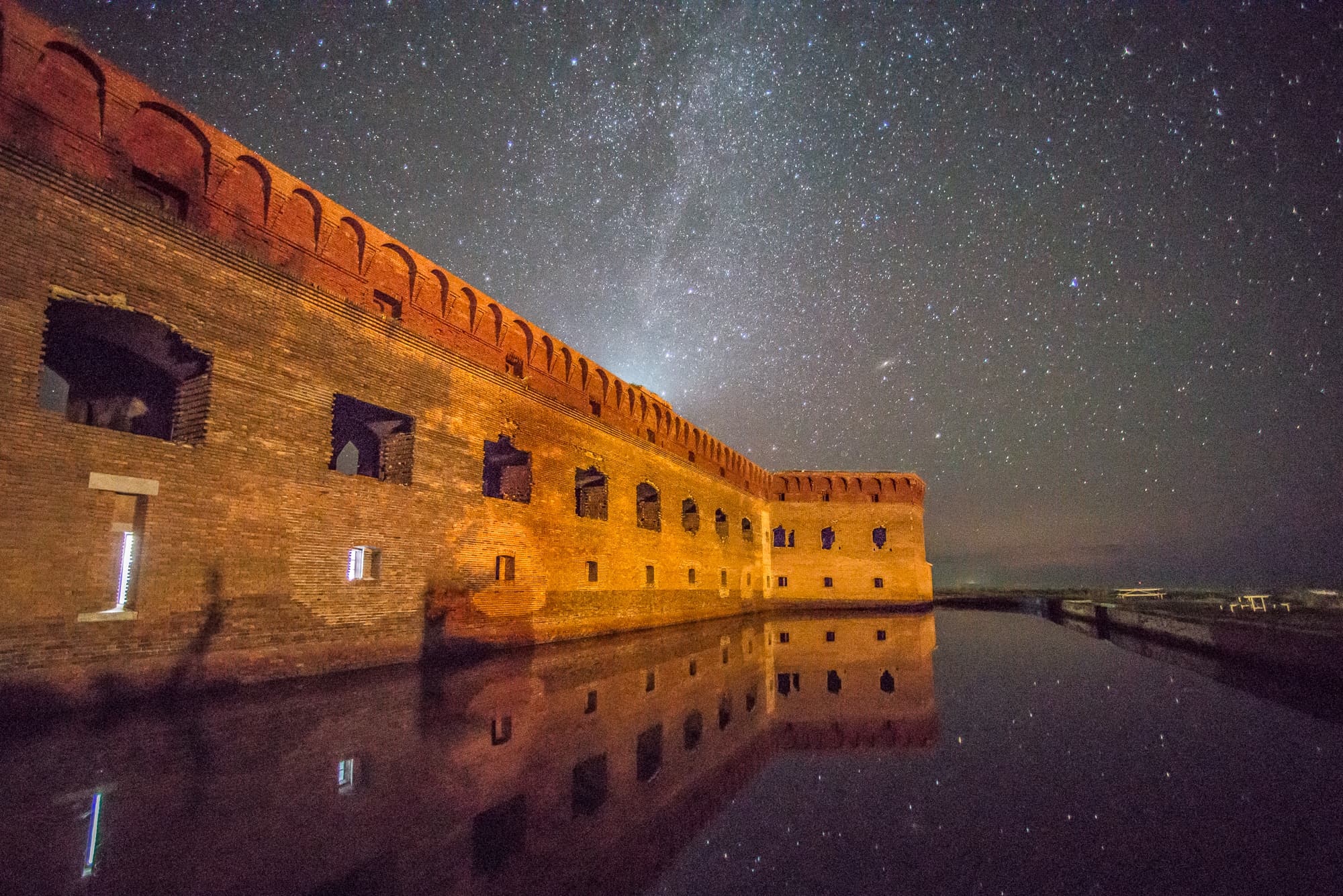
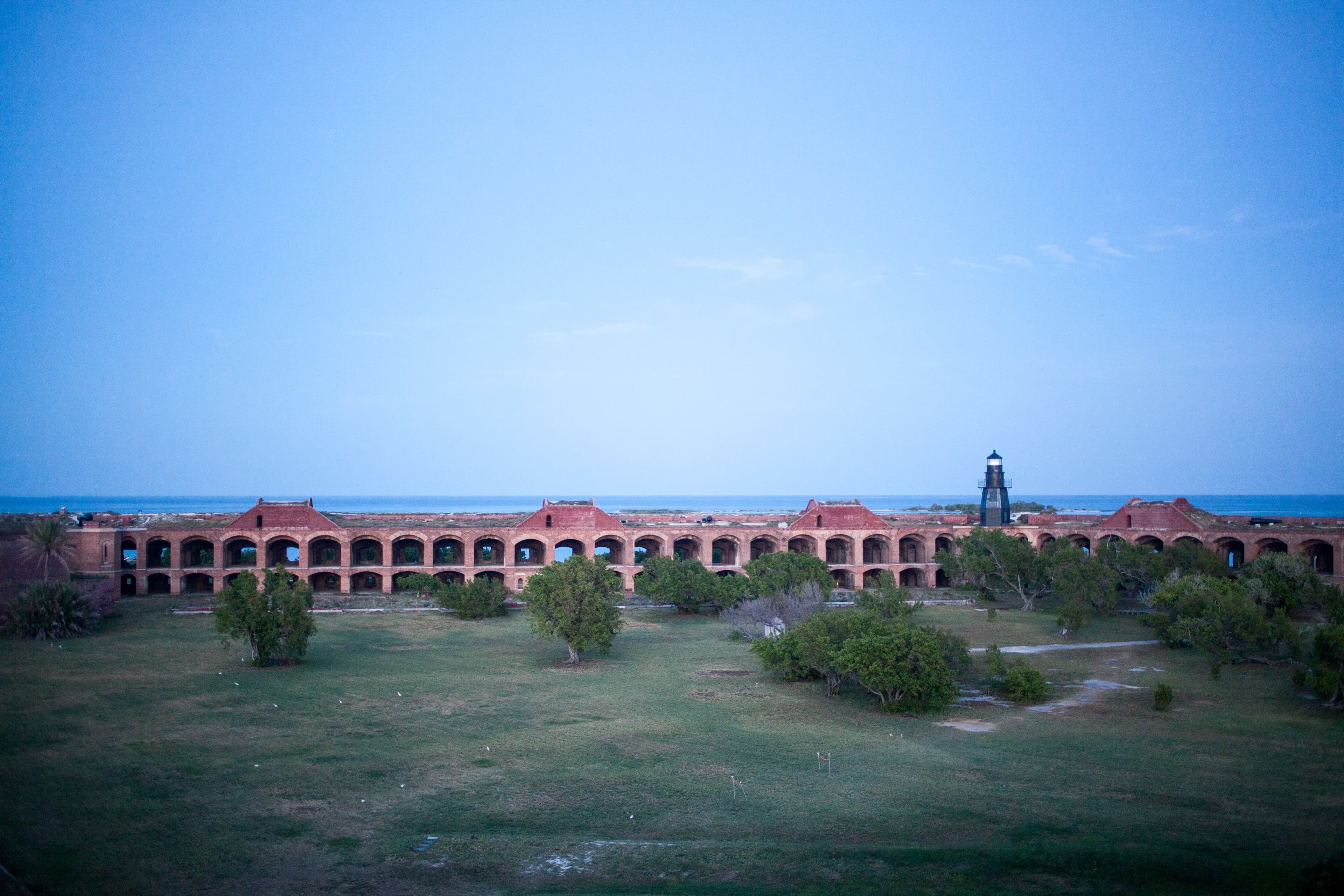
Fort Jefferson is the largest 19th-century masonry fort in the Americas, built on Garden Key beginning in 1846. The hexagonal structure features massive brick walls, gun rooms, and rampart walkways that visitors explore freely. The fort served as a Union military prison during the Civil War, notably holding Dr. Samuel Mudd.
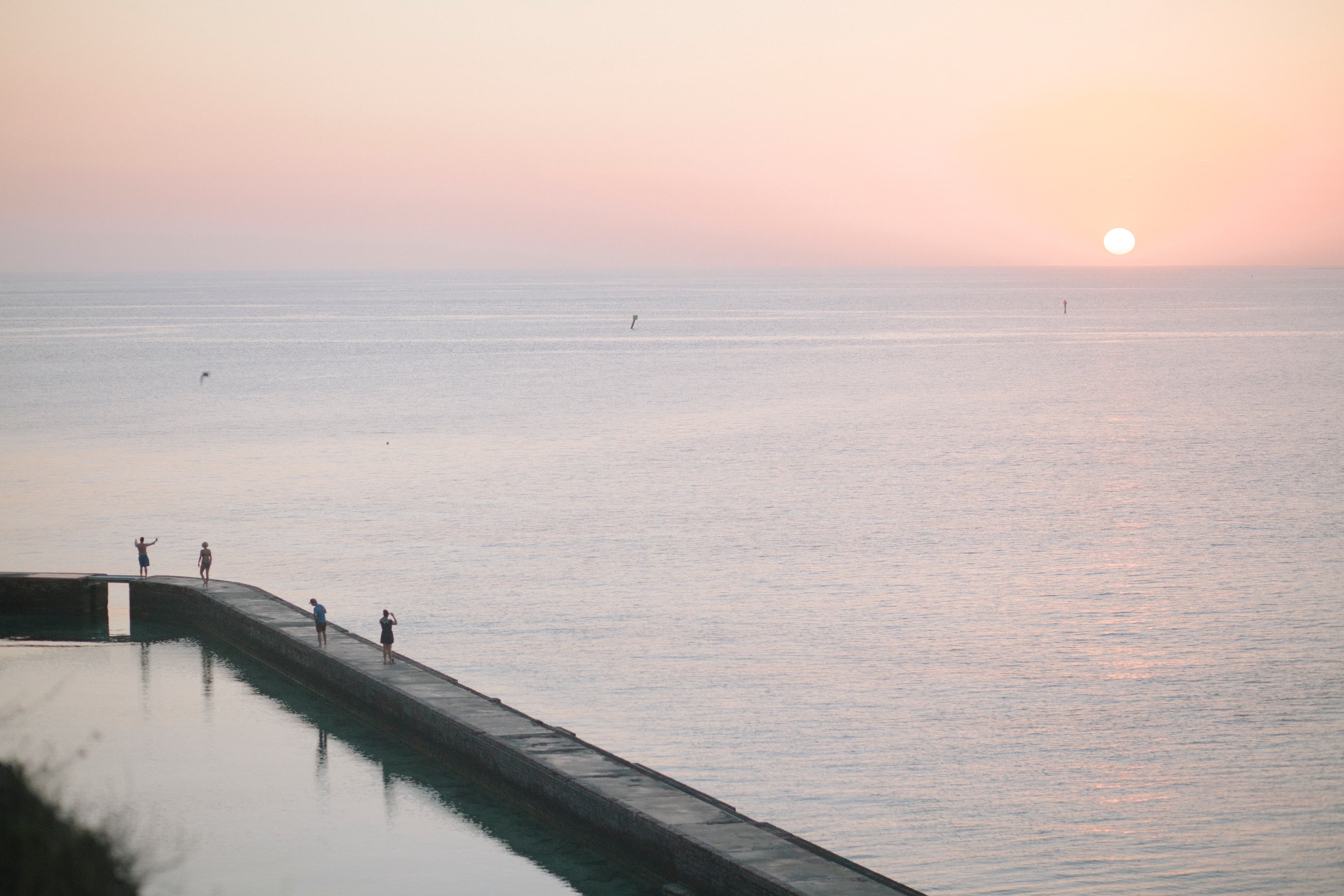
Self-guided tours of the fort are available throughout your stay. Walk the ramparts for panoramic ocean views and explore the interior rooms, gun ports, and officer quarters. Ranger-led tours may operate depending on staffing; check at the campground registration area. The fort was never completed and construction continued for decades before being abandoned. Photography opportunities are excellent from the ramparts at sunrise and sunset. The moat surrounding the fort provides additional snorkeling opportunities.
Is the snorkeling good at Dry Tortugas?
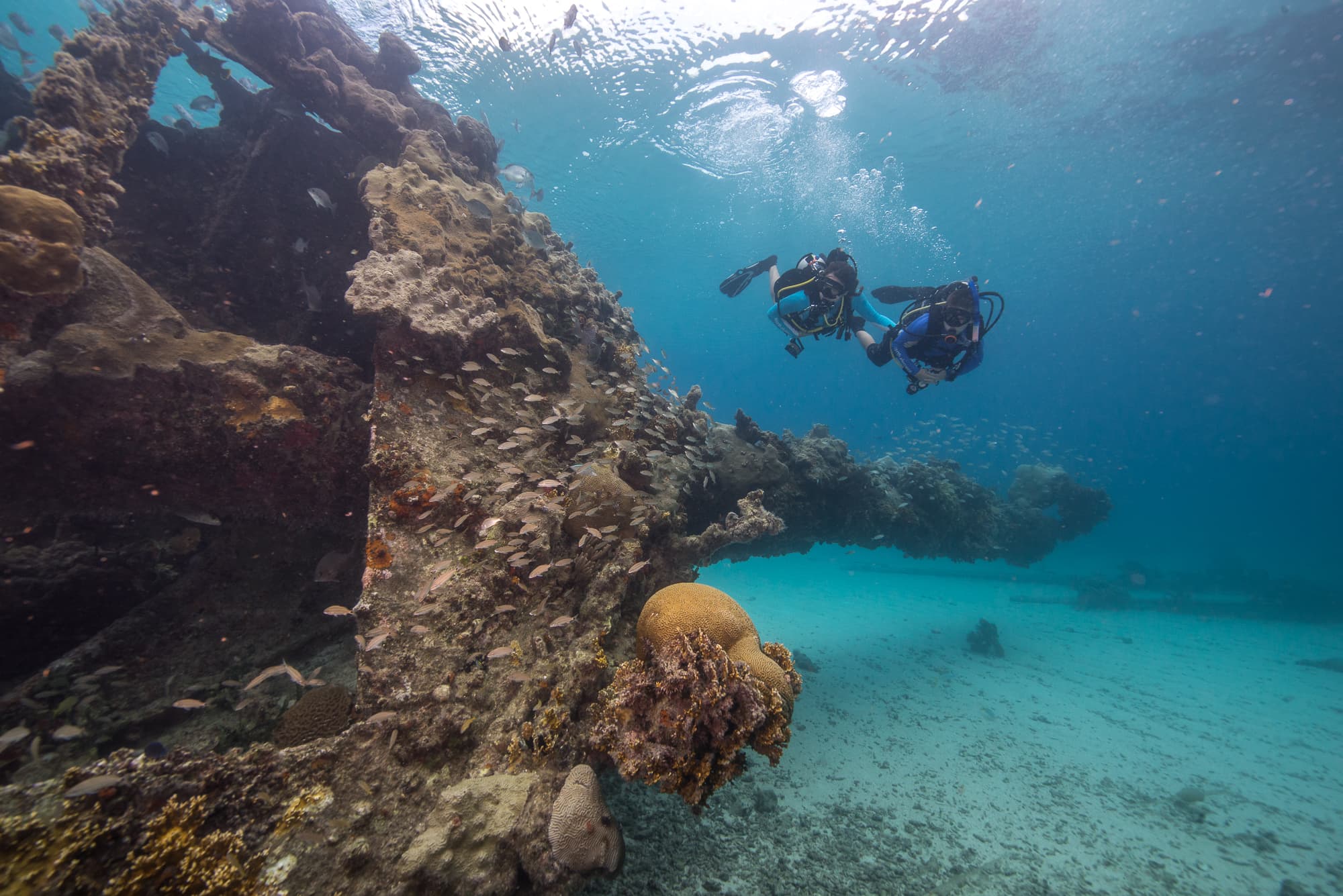
Dry Tortugas offers exceptional snorkeling in clear tropical waters with visibility frequently exceeding 60 feet. The moat wall surrounding Fort Jefferson provides an accessible snorkel spot with coral formations and tropical fish. The broader reef system around Garden Key supports sea turtles, nurse sharks, eagle rays, and hundreds of fish species.
The south coaling dock ruins create an artificial reef teeming with marine life and are accessible by a short swim from the campground beach. Water temperatures range from the mid-70s in winter to the upper 80s in summer. Bring your own snorkel gear since no rentals exist on the island. Full-face snorkel masks are not recommended due to safety concerns. Currents can be strong around the fort corners, so assess conditions before entering the water. The reef ecosystem is protected; do not touch or stand on coral.
What wildlife will I encounter?
Garden Key hosts large nesting colonies of sooty terns, brown noddies, and magnificent frigatebirds during spring and summer. Sea turtles (loggerhead and green) nest on park beaches. Rats inhabit the fort and island, foraging through campsites at night. Tropical reef fish, nurse sharks, and eagle rays populate surrounding waters.
Bird nesting season runs from February through September with Bush Key (adjacent to Garden Key) closed to visitors during this period to protect nesting terns. Over 300 bird species have been documented in the park, making it an important birding destination. The park's remote location attracts rare migratory species during spring and fall. Rats are the primary terrestrial nuisance; secure all food in hard-sided containers. No dangerous land animals inhabit the islands. Marine encounters with nurse sharks are harmless if you maintain distance.
What should I do if the ferry is cancelled due to weather?
Weather cancellations happen occasionally, especially during summer storm season and winter cold fronts. Yankee Freedom communicates cancellations by phone the evening before or morning of departure. Campers already on the island during cancellations must wait until the next available ferry with sufficient food and water supplies.
Always bring one extra day of water and food beyond your planned stay as a weather buffer. If stranded on Garden Key, park rangers stationed at the fort provide basic emergency communication. There is no way to leave the island independently without a private boat or seaplane charter. Travel insurance covering weather-related delays is recommended for expensive trips. Monitor weather forecasts for the Gulf of Mexico before your trip and during your stay using a battery-powered weather radio.
Quick Facts
- Entrance Fee
- $15/person (7 days)
- Best Time to Visit
- February – April
- Nearest Town
- Key West, FL
- Elevation
- 0 – 10 ft
- Park Size
- 64,700 acres
- Annual Visitors
- ~0.3 million