Camping Near Biscayne National Park
Florida | Established 1980
About Biscayne National Park
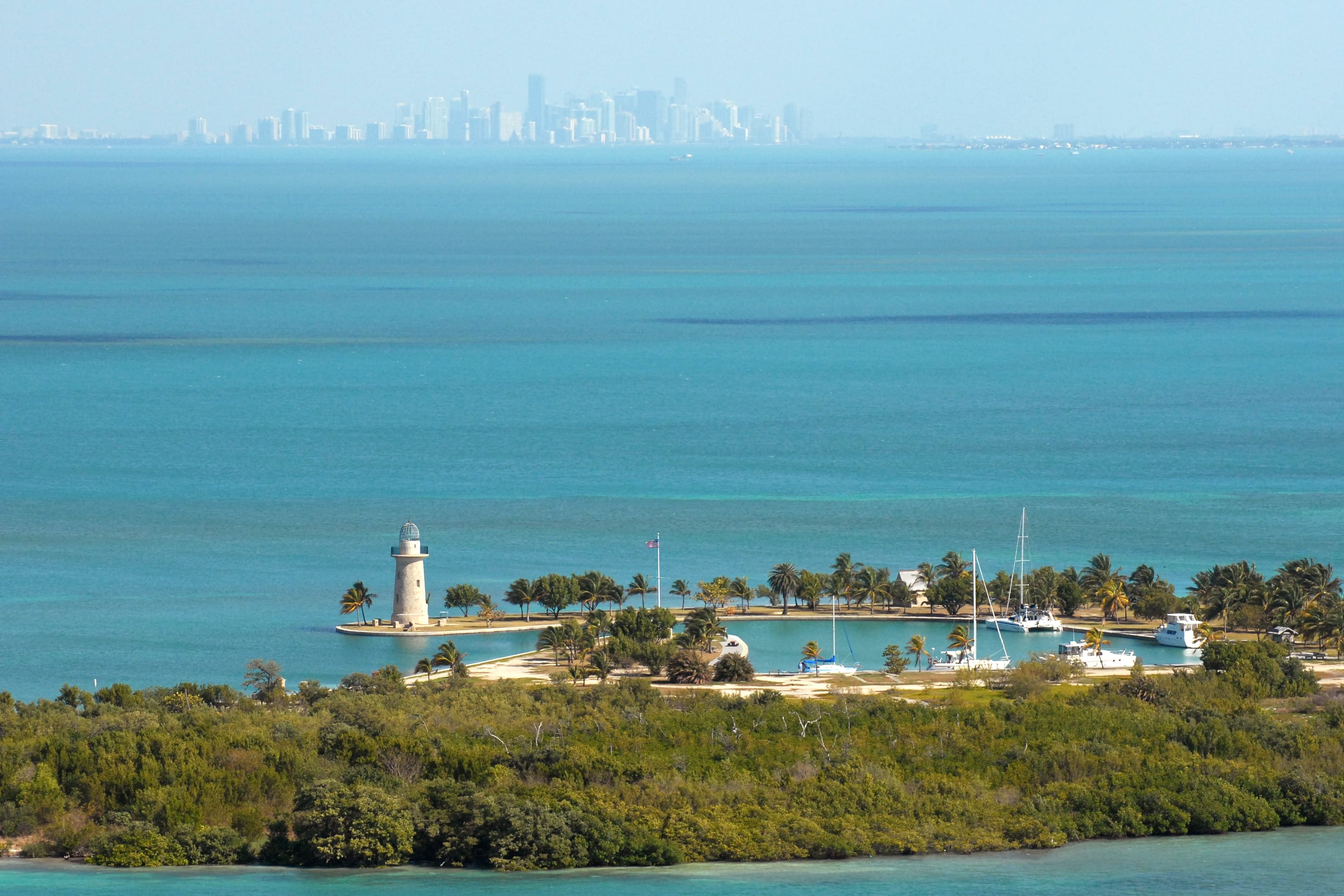
Biscayne National Park protects 172,971 acres of Biscayne Bay and the northernmost Florida Reef Tract south of Miami. The park is 95% water, making it unlike any other national park in the system. Two island campgrounds are accessible exclusively by boat: Elliott Key (a developed harbor with 42 slips, restrooms, showers, and drinking water) and Boca Chita Key (the park's most popular island with picnic areas, a historic lighthouse, and basic toilets but no water or showers).
Both campgrounds operate first-come, first-served with no advance reservations at $35 per night. Campers must bring their own boat or arrange charter transportation from the Dante Fascell Visitor Center at Convoy Point. December through April offers the best camping weather with mild temperatures, calm seas, and reduced mosquito activity. Summer brings extreme heat, humidity, and heavy mosquito populations that make island camping challenging without extensive insect protection and preparation.
Camping Tips for Biscayne
- Visit December through April only for comfortable camping. Summer mosquitoes on the islands are severe enough to make camping unbearable without full insect protection. Hurricane season runs June through November with serious storm risks.
- Bring all drinking water from the mainland. Elliott Key has potable water but Boca Chita Key has none. Pack at least one gallon per person per day plus reserves since no resupply is possible on the islands.
- Arrive early on winter weekends to secure a site since both islands are first-come, first-served with no reservations. Pay the $35 nightly fee using the recreation.gov app by scanning QR codes at island kiosks.
- Check tide depths before departure. Elliott Key harbor runs 2.5 feet at low tide and Boca Chita about four feet. Ground your arrival and departure around tidal schedules to avoid running aground.
- No ground fires are allowed on either island. Bring a camp stove for cooking. Charcoal grills must be elevated off the ground. Pack out all trash since no garbage collection exists on the islands.
RV Parks & Campgrounds Near Biscayne National Park

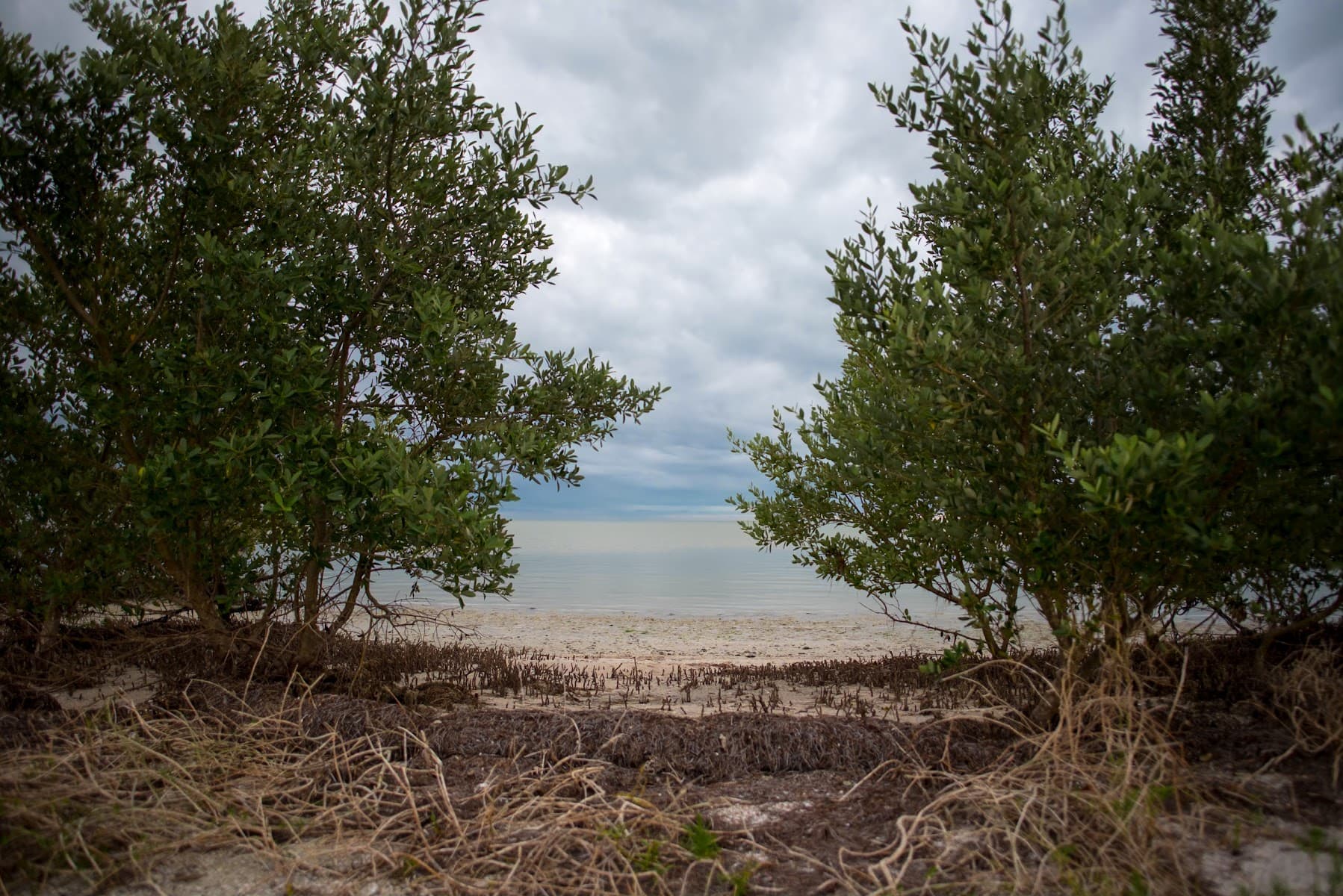
42.East Clubhouse Beach
East Clubhouse Beach is a sand/marl beach campsite located east of Slagle Ditch on the southern coast. It can be reached by boat from Florida Bay. The site affords a lovely view...
Show more43.Embassy RV Park
Embassy RV Park is a well-rated RV park located in Hallandale Beach, Florida, offering convenient access to South Florida's beaches and attractions. With a solid 4 out of 5 rating...
Show more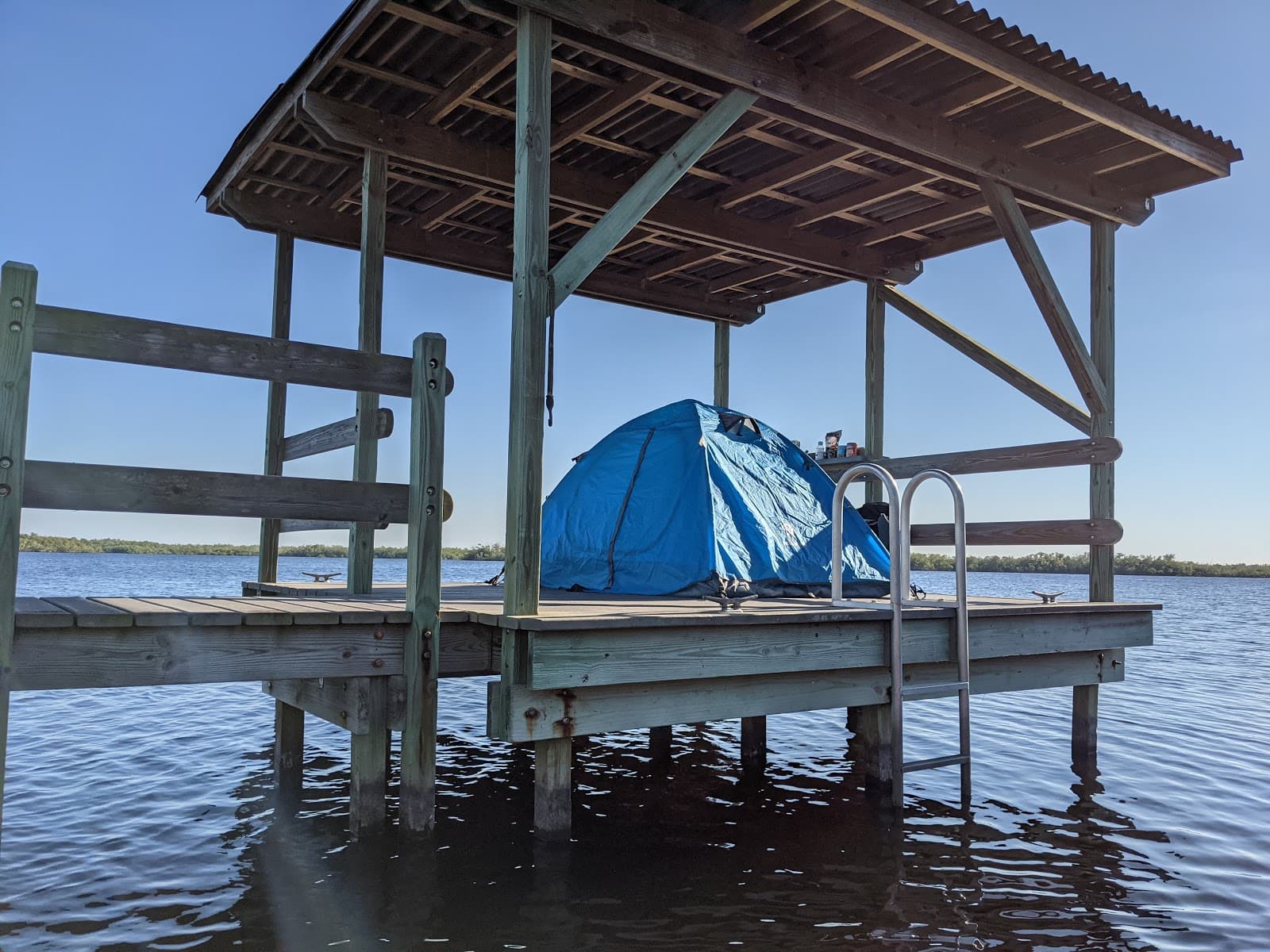
44.Pearl Bay Chickee
Pearl Bay Chickee is a campground located in Pearl Bay, Florida, offering a unique camping experience in a scenic waterfront setting. With a strong Google rating of 4.6 out of 5...
Show more45.Bayfront RV Park
Bayfront RV Park is a highly-rated RV park located in Islamorada, Florida, offering waterfront access in one of the Florida Keys' most desirable destinations. The park provides a...
Show more46.Pinecrest Group Campground, Big Cypress National Preserve
No description available due to website error.
Show more47.Golden Trio Mobile Home Park
Golden Trio Mobile Home Park is a well-rated campground located in Hallandale Beach, Florida, offering a convenient base for exploring South Florida's beaches and attractions....
Show more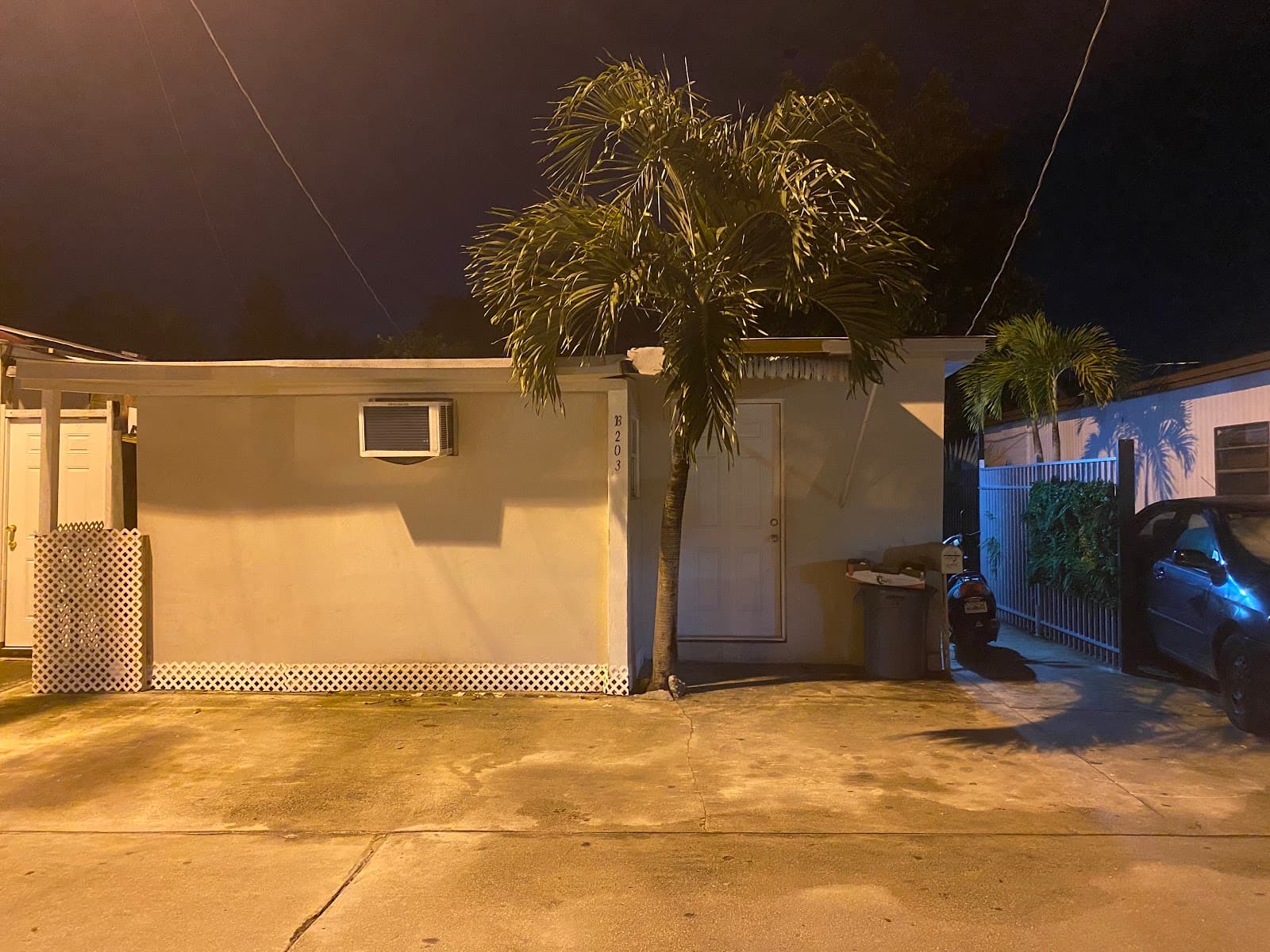
48.Tropical Mobile Home Park
Tropical Mobile Home Park is a campground located in Miami, Florida, offering accommodations for visitors to South Florida. With a Google rating of 4.1 out of 5 stars based on 25...
Show more49.Swaying Palms Mobile Home Park
Swaying Palms Mobile Home Park is a highly-rated campground located in Davie, Florida, offering a welcoming destination for travelers and residents alike. With a perfect 5-star...
Show more50.Jrretreatllc
Are you ready for a getaway that combines the charm of a welcoming community with the allure of a tropical paradise? Look no further than JR Retreat in Wilton Manors, Florida – a...
Show moreShowing 41–50 of 64 campgrounds within 50 miles
Frequently Asked Questions
Do I need a boat to camp at Biscayne?
Yes. Both Elliott Key and Boca Chita Key are accessible only by private boat, charter service, or park concessionaire. No roads, bridges, or ferries connect the islands to the mainland. You must own, rent, or charter a boat to reach either campground.
Private boats can moor at buoys or use the 42 boat slips at Elliott Key harbor. Charter services operate from the Dante Fascell Visitor Center at Convoy Point near Homestead. Kayaking to the islands is possible but requires significant open-water paddling experience. Elliott Key is about seven miles from the visitor center. Check weather and sea conditions before departing since afternoon thunderstorms develop quickly in summer.
What is the difference between Elliott Key and Boca Chita Key?
Elliott Key is the larger island with more amenities: 42 boat slips, restrooms with sinks, cold water showers, drinking water, and a nature trail. Boca Chita Key offers a waterfront campground with a historic lighthouse, picnic tables, grills, and basic toilets but no showers or potable water.
Elliott Key suits campers seeking more comfort and longer stays with its developed facilities. Boca Chita is the more popular day trip and short camping destination with dramatic bay views and the 65-foot ornamental lighthouse. Both charge $35 per night with no reservations. Harbor depths differ: Elliott Key runs about 2.5 feet at low tide while Boca Chita reaches four feet. Choose based on your boat draft, comfort needs, and water carrying capacity.
How bad are the mosquitoes at Biscayne?
Mosquitoes are a serious concern from May through November, with summer populations on the islands severe enough to make camping deeply unpleasant without full insect protection. Winter months (December through April) offer dramatically lower mosquito activity, though bugs are present year-round to some degree.
Bring high-DEET repellent, long lightweight clothing, and a mosquito net for sleeping. Set up camp away from standing water and dense vegetation when possible. Avoid dawn and dusk activities when mosquitoes are most aggressive. Elliott Key's harbor area has slightly better wind circulation than Boca Chita, which helps reduce biting. The most comfortable camping window is January through March when temperatures are mild and insect activity is at its annual low.
Can I snorkel or dive from the island campgrounds?
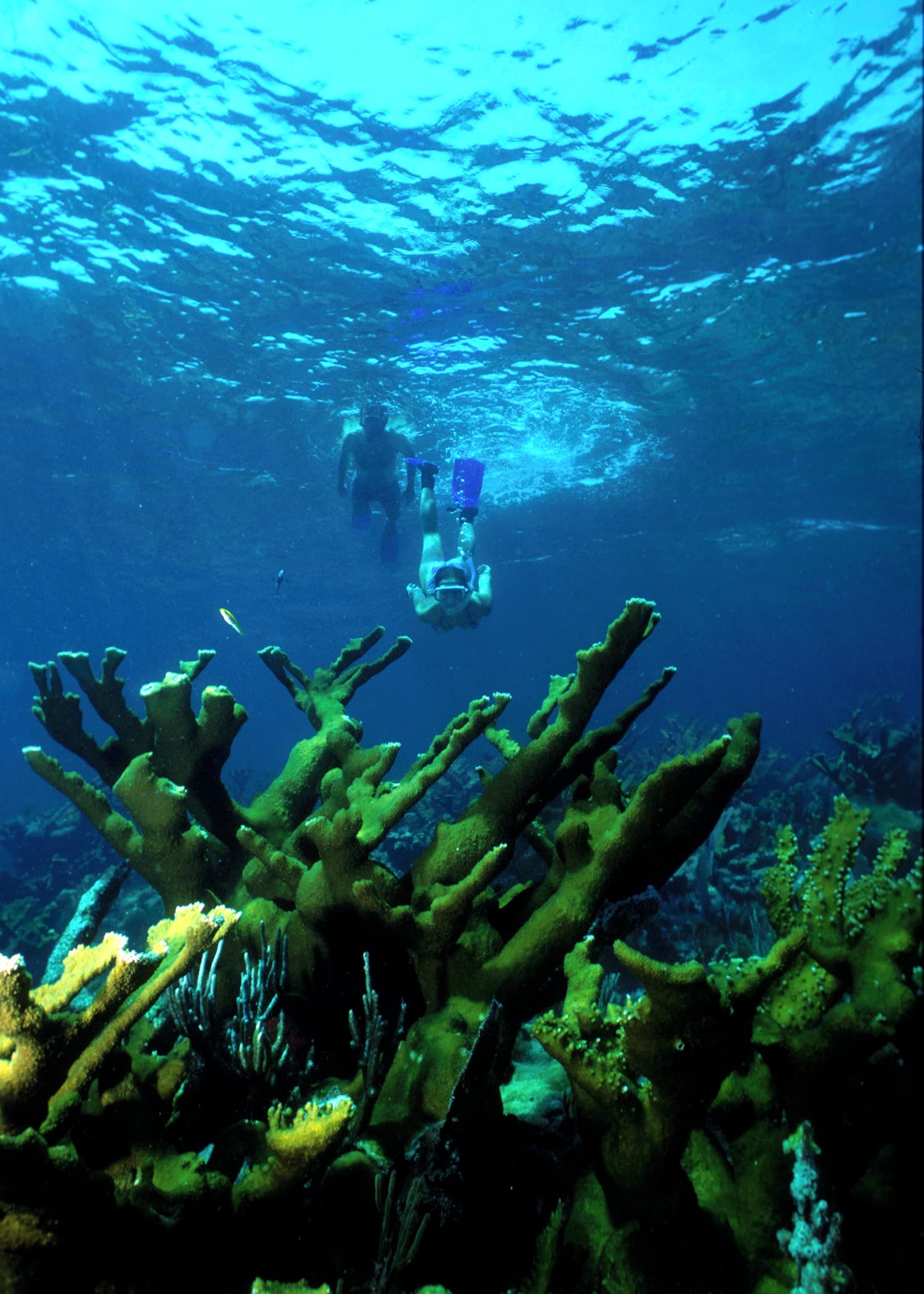
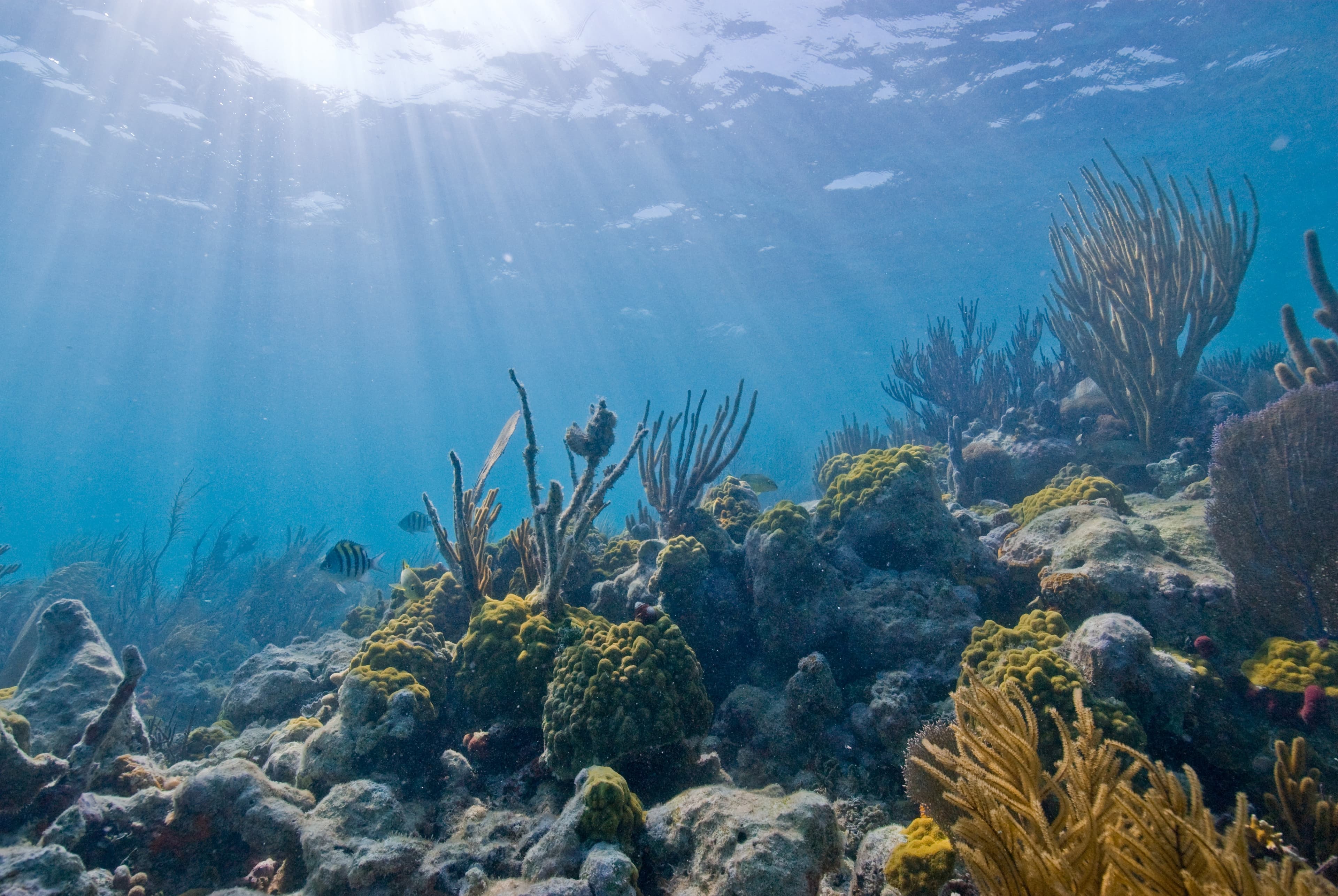
Snorkeling is excellent near both islands, with shallow coral formations and seagrass beds hosting tropical fish, sea turtles, and occasional manatees. The main reef tract lies about 10 miles offshore and requires a boat trip from your campsite. Guided snorkel tours depart from the visitor center and are recommended for first-time visitors.
Water visibility typically ranges from 15 to 40 feet depending on tides and weather. The best snorkeling months are March through May when water clarity peaks. Bring your own mask, snorkel, and fins since no rental equipment exists on the islands. Shore snorkeling at Elliott Key is accessible from the harbor area. Deeper reef snorkeling and diving require a boat and should account for current conditions. Water temperatures range from 70°F in winter to 85°F in summer.
What wildlife will I see while camping?
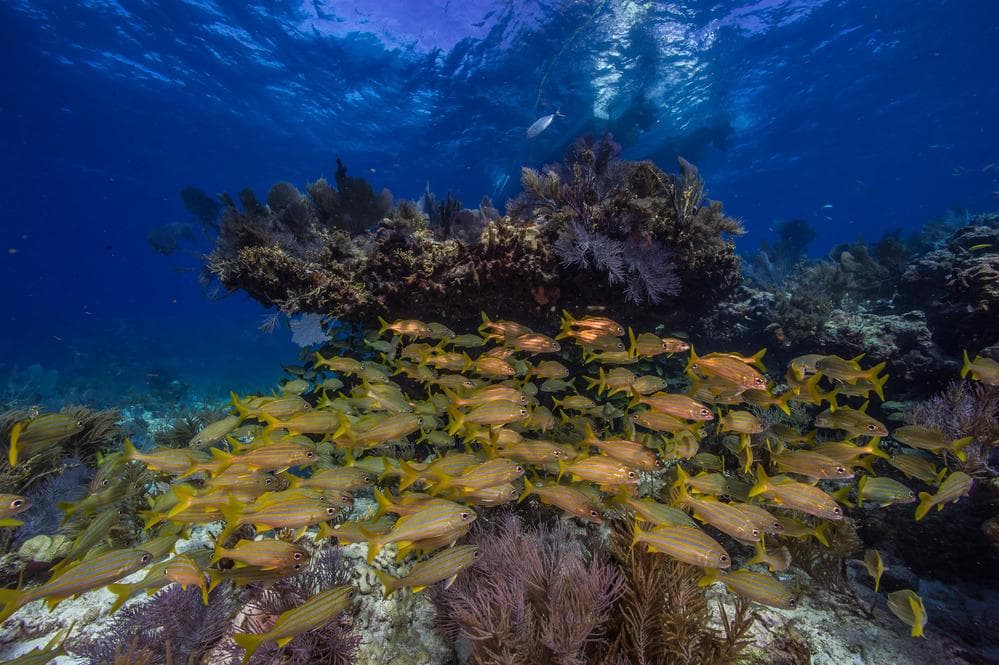
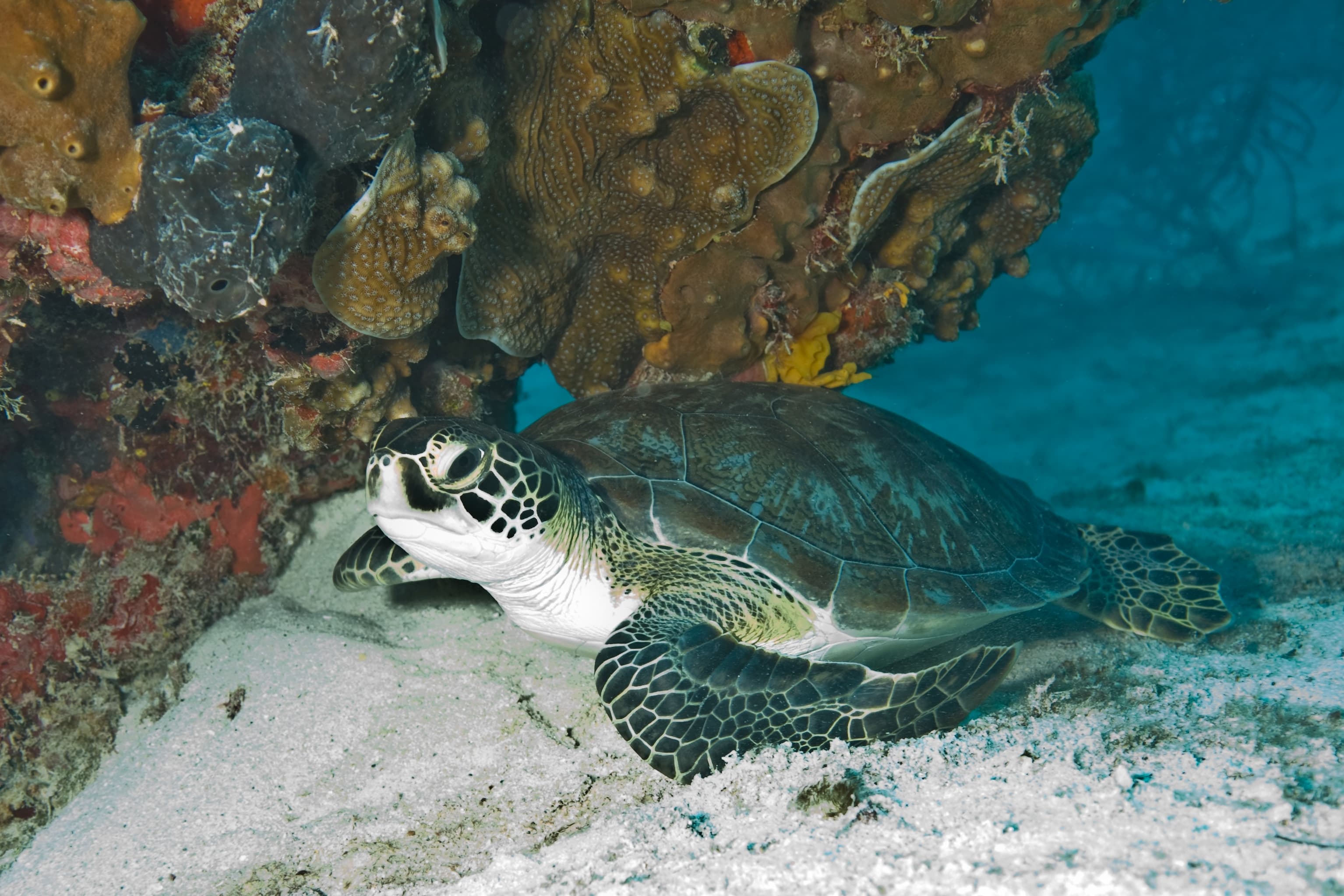
Manatees frequent Biscayne Bay year-round, with higher concentrations in winter when they seek warmer waters. Sea turtles, dolphins, tropical fish, and dozens of seabird species are common around both islands. The coral reef ecosystem supports over 500 species of fish and numerous invertebrates including lobster and sea stars.
Observe manatees from a safe distance and never touch or chase them. Sea turtle nesting occurs on island beaches from May through October. Brown pelicans, frigatebirds, and white ibis are commonly spotted near campgrounds. Night snorkeling reveals different marine life including octopus and nocturnal reef fish. Binoculars improve birdwatching from the islands. The park protects critical nursery habitat for commercially important fish species along the Florida Reef Tract.
How do I pay for camping with no advance reservations?
Both islands operate first-come, first-served at $35 per night. Pay using the recreation.gov mobile app by scanning QR codes at island kiosks when you arrive. Senior and Access pass holders receive 50% discounts. Download the app and create an account before leaving the mainland since cell service is limited on the islands.
There is no cash payment option at the islands. Arrive with the recreation.gov app pre-loaded and tested. Cell service reaches some areas of both islands but is unreliable, so complete payment as soon as you dock. Peak winter weekends (January through March) can fill both islands by midday. If one island is full, check the other before heading back to the mainland. Call the Dante Fascell Visitor Center at 786-335-3620 for current conditions before departure.
Is camping safe during hurricane season?
Hurricane season runs June 1 through November 30, and camping during this period carries real storm risk. The park issues closures and evacuations when tropical weather threatens. The islands offer no storm shelter or high ground. Avoid island camping entirely when tropical systems are in the forecast.
Even tropical storms that do not reach hurricane strength can create dangerous seas and strand campers on the islands. Monitor NOAA weather forecasts throughout your stay. The park may close islands with as little as 24 hours notice when conditions deteriorate. Summer afternoon thunderstorms are common and can produce dangerous lightning with no shelter available. Winter camping (December through April) avoids hurricane risk entirely and provides the most pleasant weather conditions.
Can I bring my pet to Biscayne's island campgrounds?
Pets are allowed on Elliott Key only, where they must remain leashed in developed areas at all times. Pets are prohibited on Boca Chita Key and all other islands within the park. No pet waste stations exist on the islands, so pack out all waste from your visit.
Elliott Key's harbor area and campground trail accommodate leashed dogs. Pets cannot access beaches, mangrove areas, or backcountry trails. The boat ride to the island can be stressful for some animals, especially in rough seas. Bring ample fresh water for your pet since island water is limited. Summer heat and mosquitoes are harder on pets than humans, making winter visits strongly preferred for pet-friendly camping trips.
Quick Facts
- Entrance Fee
- Free (camping $35/night)
- Best Time to Visit
- December – April
- Nearest Town
- Homestead, FL, Miami, FL, Key Largo, FL
- Elevation
- 0 – 5 ft
- Park Size
- 172,971 acres
- Annual Visitors
- ~0.7 million