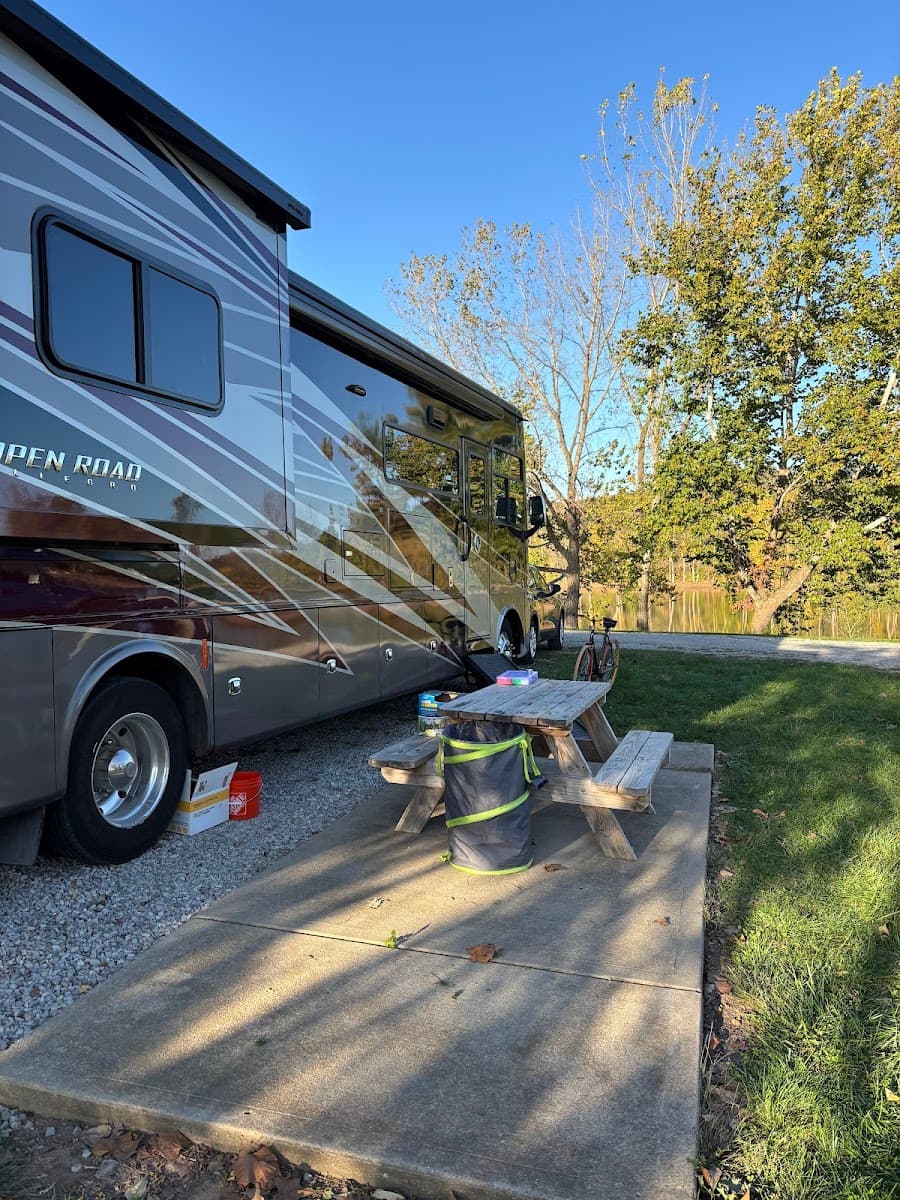
Car camping is the most accessible way to spend a night outdoors. You drive to your site, unload your gear, and sleep within steps of your vehicle. But "accessible" doesn't mean "easy to do well." Without a plan, you'll end up digging through a mountain of bags for your headlamp at 10 p.m., cooking dinner on uneven ground, or waking up sore on a deflated sleeping pad.
This guide covers everything you need to turn a cramped, disorganized campsite into a comfortable outdoor living space. We'll walk through site selection, gear organization, sleeping systems, cooking setups, and the unwritten rules that keep you (and your neighbors) happy.
How Do You Choose and Set Up the Best Campsite?
The single most important car camping decision happens before you unpack a single item: picking and orienting your site. A flat, well-drained spot with morning sun and afternoon shade will outperform the "prettiest" site every time.
When you pull into a campground, look at the ground before you look at the view. Walk the tent pad area and check for rocks, roots, and slope. Even a slight incline means you'll slide to one side of your tent all night. If the site has a minor slope you can't avoid, position your tent so your head is uphill.
Site setup checklist (in order):
- Park your vehicle to create a natural wind barrier on the side that gets the most breeze
- Identify the flattest ground for your tent and clear debris
- Set up your tent with the door facing away from prevailing wind
- Position your kitchen area at least 15 feet downwind from your sleeping area (this keeps food smells away from your tent)
- Establish a "gear zone" between your car and living area for bags, bins, and extras
- Set up chairs and your hangout area last, once everything functional is in place
Beginner-friendly campgrounds with well-maintained, level tent pads make this process much simpler. Cherry Hill Park in College Park, Maryland has clearly defined sites with paved pads and easy pull-through access, which takes the guesswork out of setup. Similarly, Greenbrier Campground near Gatlinburg, Tennessee offers shaded, spacious sites near Great Smoky Mountains National Park that are well-suited to first-timers.

What Gear Do You Actually Need for Car Camping?
Since you're driving to your site, weight limits barely matter. The real constraint is organization. Bringing too much unorganized gear is worse than bringing too little.
Think of your gear in three categories: shelter and sleep, kitchen, and everything else. Pack each category in its own bin or bag so you can grab what you need without tearing apart your entire vehicle.
Essential car camping gear by category:
- Shelter/Sleep: Tent (sized one capacity up from your group), sleeping bags rated 10°F below expected lows, sleeping pads (at minimum, self-inflating foam), and a ground tarp cut slightly smaller than your tent footprint
- Kitchen: Two-burner propane camp stove, a 10-inch cast iron skillet, a basic pot set, a cooler with a drain plug, a folding camp table, and a washbasin for dishes
- Camp life: Headlamps (one per person, plus a spare), camp chairs, a battery-powered lantern for the table, a first aid kit, and a tarp with paracord for rain shelter over your kitchen area
- Often overlooked: A doormat for your tent entrance, a small broom or whisk for sweeping out the tent, extra tent stakes, and a power bank for charging phones
A quality two-burner camp stove is probably the single best investment you'll make. Models from Coleman and Camp Chef run between $50 and $150 and last for years. Pair it with a sturdy folding camp table (not a flimsy card table) and your cooking experience improves dramatically.
How Do You Organize Your Car for Maximum Space?
The key to a well-organized car camping trip starts at home, not at the campsite. How you load your vehicle determines how quickly you can set up and how easily you'll find things throughout your trip.
Load your car in reverse order of need. Items you'll use first (tent, camp chairs, the cooler) go in last so they're on top. Things you won't touch until later (extra clothes, backup supplies) go in first, toward the bottom or back of the cargo area.
Car packing system that actually works:
| Load Order | Item Category | Container Type | Vehicle Position |
|---|---|---|---|
| First (bottom) | Extra clothing, towels | Duffel bag or compression sack | Deepest part of cargo area |
| Second | Sleeping bags, pads | Stuff sacks | On top of clothing layer |
| Third | Kitchen gear, stove, pots | Plastic storage bin with lid | Middle of cargo area |
| Fourth | Food and cooler | Hard-sided cooler + dry goods bin | Accessible from tailgate |
| Fifth (top) | Tent, chairs, tarp | Original stuff sacks | Very top, first items out |
Source: REI Co-op Camping Checklist Guide
Use clear plastic bins instead of opaque ones. Being able to see what's inside without opening the lid saves surprising amounts of time. Label each bin on the ends, not the tops, since the ends face you when you open a hatch or tailgate.
One more trick: keep a small "essentials bag" in the front seat with your headlamp, phone charger, snacks, sunscreen, and any campground reservation confirmations. You'll want these accessible during the drive and immediately upon arrival.

How Do You Sleep Comfortably While Car Camping?
Comfortable sleep comes down to three things: insulation from the ground, insulation from the air, and a level surface. Most first-time car campers underinvest in their sleeping pad and overspend on their sleeping bag.
Your sleeping pad matters more than your sleeping bag because cold ground steals body heat roughly 25 times faster than cold air. A self-inflating foam pad is the minimum for car camping. For serious comfort, look at double-thick self-inflating pads or insulated air pads with R-values above 3.0 for three-season camping.
Tips for actually sleeping well outdoors:
- Bring a real pillow from home. Compressible camp pillows are fine for backpacking, but you're car camping. Grab your bed pillow.
- Use a fitted sheet over your sleeping pad if you're a warm-weather camper. It feels more like a bed and keeps the pad clean.
- Wear dedicated sleep clothes. Changing out of your day clothes signals your body it's time to rest, and you won't bring campfire smoke into your sleeping bag.
- Earplugs and a sleep mask weigh nothing and block out neighboring campers, early birds, and sunrise light.
- If you're camping as a couple, a double-wide sleeping pad eliminates the gap between two singles. Pair it with zip-together sleeping bags for actual comfort.
For families, campgrounds with level, spacious tent pads make all the difference. Jellystone Park™ Golden Valley in Bostic, North Carolina is a strong option with family-sized sites and enough amenities that kids stay entertained while parents handle camp chores.
What's the Best Way to Set Up a Camp Kitchen?
Your camp kitchen should function like an outdoor assembly line: prep area, cooking area, and cleanup area, arranged left to right (or right to left if you're left-handed). This flow keeps raw food, hot surfaces, and dirty dishes separated.
Place your camp stove on a stable folding table, never on the ground. Cooking at ground level is a back-killer and a spill hazard. Position the stove on the downwind end of the table so flames stay stable and smoke blows away from your prep area.
Camp kitchen layout tips:
- Set your cooler near (but not on) the cooking table for easy ingredient access
- Keep a small cutting board and knife on the prep side of the table
- Hang a trash bag from the table edge using a binder clip or carabiner
- Store spices in a small tackle box or art supply container with compartments
- Use a collapsible wash basin with biodegradable soap for dishes (wash at least 200 feet from any water source)
- Bring a dedicated hand towel and clip it to the table with a clothespin
For food storage, a hard-sided cooler with a drain plug outperforms soft coolers significantly. Pre-chill it with a bag of ice 24 hours before your trip. Block ice (frozen water bottles or gallon jugs) lasts two to three times longer than cubed ice and doesn't leave your food swimming in meltwater.
Plan your meals so the most perishable items get eaten first. Night one is steak or fresh fish. Night two is sausages or pre-marinated chicken. Night three is pasta, canned goods, or foil packet meals. This approach means your cooler handles the heaviest demand when the ice is freshest.
Campgrounds with on-site stores can bail you out if you forget something. Mountain River Family Campground in Newland, North Carolina combines great mountain scenery with convenient camp store access, which is reassuring for newer campers still dialing in their meal planning.
What Are the Unwritten Rules of Car Camping Etiquette?
Respect for your neighbors and the land you're camping on is non-negotiable. Most campground conflicts come from noise, light pollution, and encroachment on other people's space.
Campsite etiquette rules every camper should follow:
- Quiet hours are real. Most campgrounds enforce quiet hours from 10 p.m. to 6 or 7 a.m. This means no generators, no loud music, no slamming car doors. Even outside quiet hours, keep your volume at a conversational level.
- Your site is your site. Don't walk through other people's campsites as a shortcut. It sounds minor, but it's one of the most common complaints at busy campgrounds.
- Headlamps after dark, not floodlights. A single lantern on your table is fine. A 1,000-lumen LED bar aimed at your neighbor's tent is not.
- Pack out everything. If it wasn't at your site when you arrived, it shouldn't be there when you leave. This includes food scraps, bottle caps, twist ties, and cigarette butts.
- Follow fire rules exactly. Burn only local firewood (never bring wood from home, as this spreads invasive insects). Keep fires in the provided ring. Fully extinguish fires with water, not dirt, before leaving or sleeping.
- Control your pets. Leashes aren't optional. Clean up after your dog immediately. Not every camper is comfortable around dogs, and wildlife can react unpredictably to unleashed pets.
Well-managed campgrounds make etiquette easier to follow because rules are clearly posted and sites are spaced appropriately. Jellystone Park™ Quarryville in Quarryville, Pennsylvania is a good example, with organized sites, friendly staff, and enough activities to keep groups entertained without disturbing neighbors.
Recommended Gear for Your First Car Camping Trip
You don't need to buy everything at once. Start with the essentials and add gear as you figure out what your camping style actually looks like.
Priority gear list (buy these first):
- Tent: A three-season, freestanding tent rated one size above your group (a 4-person tent for two adults, a 6-person for a family of four). Look for a full-coverage rainfly and a vestibule for storing shoes and gear.
- Sleeping pads: Self-inflating pads at minimum, 3+ inches thick. Brands like Therm-a-Rest and Exped make car-camping-specific pads that rival an air mattress without the puncture anxiety.
- Sleeping bags: Synthetic bags rated to 30°F cover most three-season camping. Zip-together compatibility is a plus for couples.
- Camp stove: A two-burner propane stove. Coleman's Classic is a proven budget pick. Camp Chef's Everest 2X offers more BTUs and better simmer control for about $50 more.
- Cooler: A 50 to 65-quart hard-sided cooler with a drain plug. You don't need a $350 rotomolded cooler for car camping. Igloo and Coleman make solid options under $80.
- Headlamps: At least one per person. Rechargeable USB models have largely replaced battery-powered ones and typically run $20 to $40 each.
- Camp chairs: Spend a few extra dollars on chairs with a higher weight rating and actual back support. Your lower back will thank you on night two.
Upgrade when you're ready:
- A pop-up canopy or tarp shelter for rain protection over your kitchen
- A portable camp table with a built-in sink or washbasin
- LED string lights for ambient campsite lighting
- A portable power station for charging devices and running small appliances
Step-by-Step: Your First Car Camping Trip From Start to Finish
Here's a practical sequence to follow from planning through departure.
- Pick your campground and reserve a site. Look for campgrounds labeled as beginner-friendly or family-oriented. Sites with water and electric hookups nearby (even if you don't use them) usually indicate a well-developed campground. WillowTree RV Resort & Campground in Longs, South Carolina offers tent sites alongside RV sites with full facilities, making it a comfortable starting point.
- Make a gear checklist two weeks before your trip. Use the categories above (shelter, kitchen, camp life) and check off items as you pack them.
- Do a backyard test run. Set up your tent at home at least once. Learn how the poles connect, where the rainfly clips, and how the guylines tension. Discovering a broken zipper at home is inconvenient. Discovering it at 9 p.m. in the rain is miserable.
- Load your car using the reverse-order system. Last items in are first items out.
- Arrive at your campsite with at least two hours of daylight left. Setting up in the dark is stressful and leads to mistakes.
- Follow the site setup checklist: vehicle placement, then tent, then kitchen, then living area.
- Cook a simple first-night meal. Hot dogs, pre-made foil packets, or a one-pot chili. Save the ambitious cooking for night two once you're settled.
- Before bed, secure all food in your car or a bear box. Even in areas without bears, raccoons and other critters will find unsecured food within hours.
- On departure day, do a final sweep. Walk your entire site perimeter and check under picnic tables, behind trees, and inside the fire ring for trash or forgotten items. Leave the site cleaner than you found it.
Frequently Asked Questions
How much does car camping cost per night?
Most developed campgrounds charge between $25 and $55 per night for a basic tent site. Sites with electric hookups or premium views run $40 to $75. State and national forest campgrounds are typically the cheapest, while private campgrounds with pools, showers, and activities charge more.
Can you sleep in your car instead of a tent?
Yes, and many car campers prefer it. Fold down your back seats, add a self-inflating mattress or thick sleeping pad, and you have a weather-proof shelter with built-in security. SUVs and minivans work best for this. Just crack a window for ventilation and use window shades for privacy.
What size tent is best for car camping?
Buy one size larger than the number of people sleeping in it. A 4-person tent is comfortable for two adults with gear. A 6-person tent gives a family of four room to move. "Person ratings" on tents assume shoulder-to-shoulder sleeping with no gear inside, which isn't realistic.
How do you keep food cold for a multi-day car camping trip?
Start with a pre-chilled hard cooler. Use block ice (frozen water bottles or jugs) instead of cubed ice. Keep the cooler in the shade and limit how often you open it. On trips longer than three days, plan to buy ice on day two or three, and drain meltwater daily so food isn't submerged.
Is car camping safe?
Car camping at established campgrounds is very safe. Lock valuables in your car, follow posted wildlife guidelines, and keep a flashlight and first aid kit accessible. The most common camping injuries are cuts from knives, burns from stoves, and rolled ankles on uneven ground, all of which are preventable with basic caution.
What's the difference between car camping and backpacking?
Car camping means you drive to your campsite and camp within steps of your vehicle. Backpacking means you hike to your campsite carrying everything on your back. Car camping lets you bring heavier, bulkier, and more comfortable gear since you're not carrying it over miles of trail.