A complete guide to camping in Utah

Utah concentrates five national parks within a state roughly the size of Michigan, creating one of the densest landscapes of public-land camping in the country. Moab anchors the southeast, providing access to both Arches and Canyonlands national parks. Capitol Reef, Bryce Canyon, and Zion spread across the south-central and southwest regions. Between them, the Grand Staircase-Escalante National Monument adds millions of acres of dispersed camping on BLM land.
Northern Utah offers a different experience. The Wasatch Range rises east of Salt Lake City with alpine camping above 8,000 feet near Heber City, Kamas, and the Uinta Mountains. The state's highest terrain reaches 9,600 feet in the camping zones. Winter transforms the Wasatch into ski country, while the southern red rock parks enter their peak season. This seasonal split means Utah camping rotates geographically through the year, with most travelers heading south in spring and fall and north in summer.
Mar-May
High 55°F · Low 43°F
The best season for southern Utah national parks. Moab, Zion, and Bryce Canyon have comfortable daytime temperatures in the 60s and 70s. Northern Utah campgrounds remain closed under snow through May. March and April are the least crowded months in the red rock parks.
Jun-Aug
High 76°F · Low 64°F
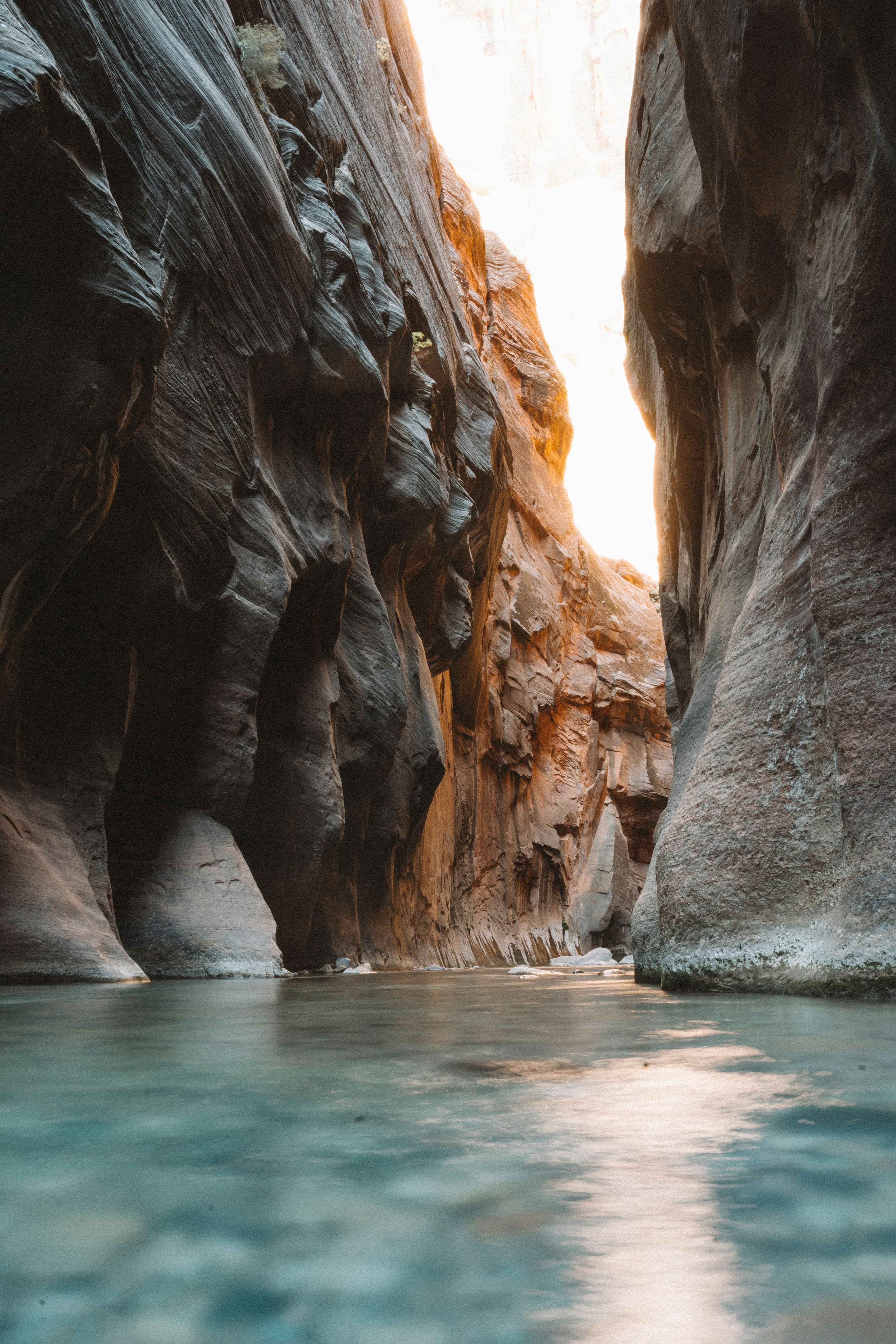
Southern Utah desert exceeds 100 degrees. Camping shifts north to the Wasatch Range and Uinta Mountains where elevations keep temperatures manageable. Moab campgrounds empty as heat sets in. Monsoon thunderstorms arrive in July bringing flash flood risk to slot canyons.
Sep-Nov
High 55°F · Low 43°F
October is peak season in southern Utah as temperatures cool and crowds thin from summer's mountain exodus. Moab and Capitol Reef see their best camping conditions. Northern mountain campgrounds begin closing by mid-October as snow returns. The most popular window statewide.
Dec-Feb
High 35°F · Low 23°F
Southern Utah parks stay accessible but cold, with freezing nights and shorter days. Zion's lower elevations remain the mildest option. Northern Utah is ski country. Some Moab-area BLM sites stay open year-round for cold-weather campers.
| Season | Months | Avg High | Avg Low | Conditions |
|---|---|---|---|---|
| Spring | Mar-May | 55°F | 43°F | The best season for southern Utah national parks. |
| Summer | Jun-Aug | 76°F | 64°F | Southern Utah desert exceeds 100 degrees. |
| Fall | Sep-Nov | 55°F | 43°F | October is peak season in southern Utah as temperatures cool and crowds thin from summer's mountain exodus. |
| Winter | Dec-Feb | 35°F | 23°F | Southern Utah parks stay accessible but cold, with freezing nights and shorter days. |
Source: NOAA 30-Year Climate Normals

| Region | Terrain | Key Areas |
|---|---|---|
| Moab and Canyonlands | Desert | Moab, Monticello, Blanding |
| Zion and Southwest Corner | Mountain | Springdale, Cedar City, St. George, Hurricane |
| Bryce Canyon and Capitol Reef | Mountain | Torrey, Escalante, Tropic, Boulder |
| Wasatch Range and Uinta Mountains | Mountain | Heber City, Kamas, Park City, Vernal |
| Northeastern Plateau | Mountain | Vernal, Duchesne, Dutch John, Roosevelt |
Desert · Moab, Monticello, Blanding
Red rock desert at 4,000 feet centered on Moab. Arches and Canyonlands national parks define the terrain. BLM land along the Colorado River and Highway 128 provides extensive dispersed camping. Mountain biking, four-wheeling, and river rafting drive activity beyond campground stays. Hot summers push the season to spring and fall. Sun Outdoors Moab Downtown and Red Desert RV Park anchor the in-town options, while Mountain View RV Park and Campground in Monticello serves the southern Canyonlands Needles access.
Mountain · Springdale, Cedar City, St. George, Hurricane
Zion National Park draws the heaviest visitation in the state. Watchman and South Campground sit along the Virgin River on the canyon floor. Cedar City and St. George provide private campground alternatives. Lower elevations than the rest of southern Utah, with milder winter temperatures. Zion Canyon Campground and RV Resort in Springdale sits closest to the park entrance, while Cedar City RV Resort by Rjourney provides a base for Cedar Breaks and Bryce access.
Mountain · Torrey, Escalante, Tropic, Boulder
The middle tier of southern Utah parks. Bryce Canyon sits at 8,000 feet with cold nights year-round and genuine winter. Capitol Reef is lower and drier, sitting along the Waterpocket Fold. Grand Staircase-Escalante lies between them with vast BLM dispersed camping. Less crowded than Zion and Moab. Wonderland RV Park and Thousand Lakes RV Park in Torrey serve the Capitol Reef corridor, while Canyons of Escalante RV Park anchors the Grand Staircase access.
Mountain · Heber City, Kamas, Park City, Vernal
Northern Utah mountain camping east of Salt Lake City. The Uinta Mountains are the highest east-west range in the lower 48, with alpine lakes above 10,000 feet. Heber City, Kamas, and Park City serve as access towns. Season runs June through September at high elevations. Winter transforms the area into ski resort territory. Mountain Valley RV Resort in Heber City and Ledgefork Campground near Kamas provide Wasatch and Uinta access from the east side of Salt Lake City.
Mountain · Vernal, Duchesne, Dutch John, Roosevelt
Dinosaur National Monument and the Book Cliffs define the remote northeastern corner. Vernal and Duchesne serve as supply towns. The Green River cuts through deep canyons. Fewer visitors than the southern parks with more dispersed camping on BLM and Ashley National Forest land. Fossil Valley RV Park in Vernal serves the Dinosaur National Monument area, while Lakeview Cove RV Campground in Duchesne provides a base for the Uinta Basin.

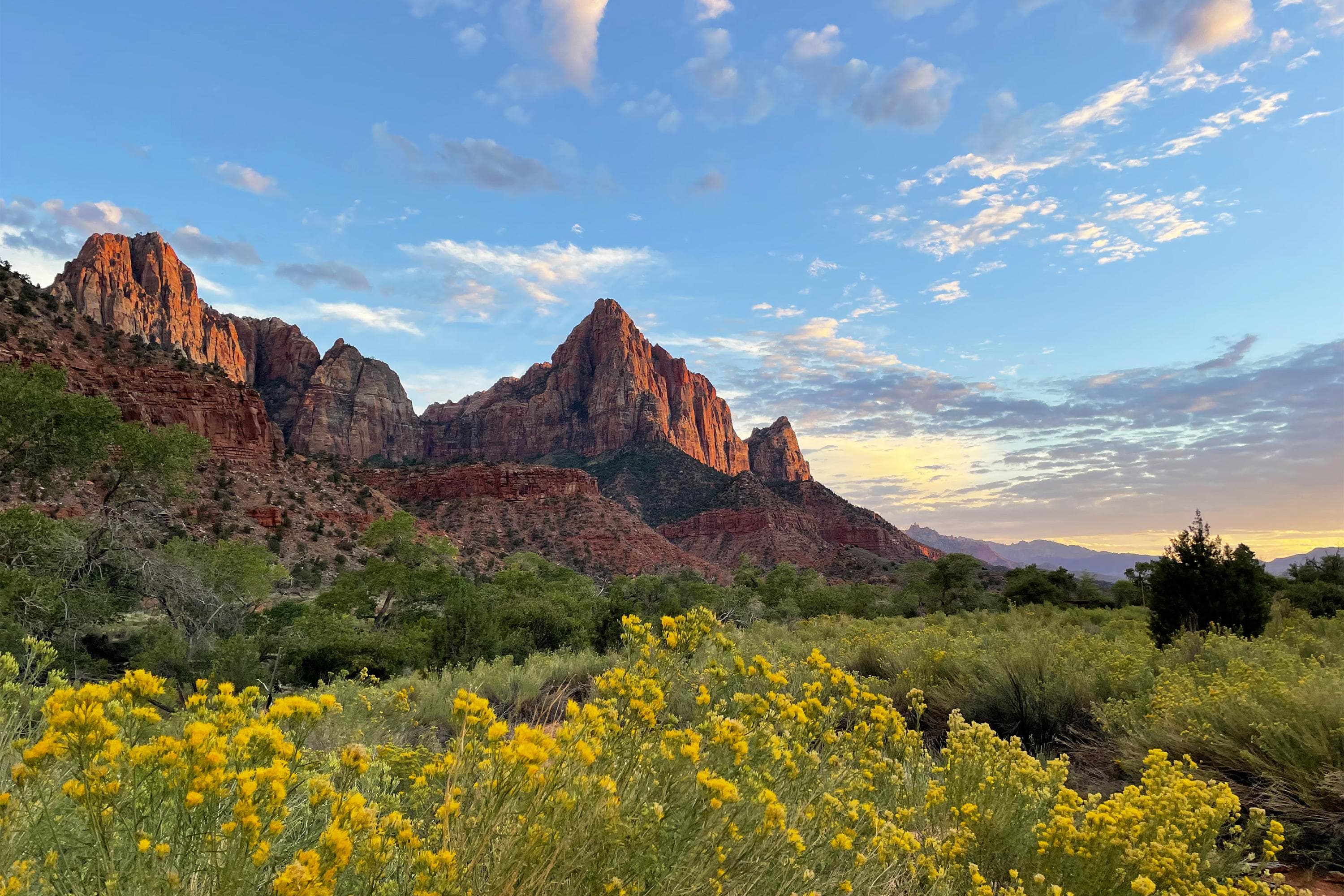
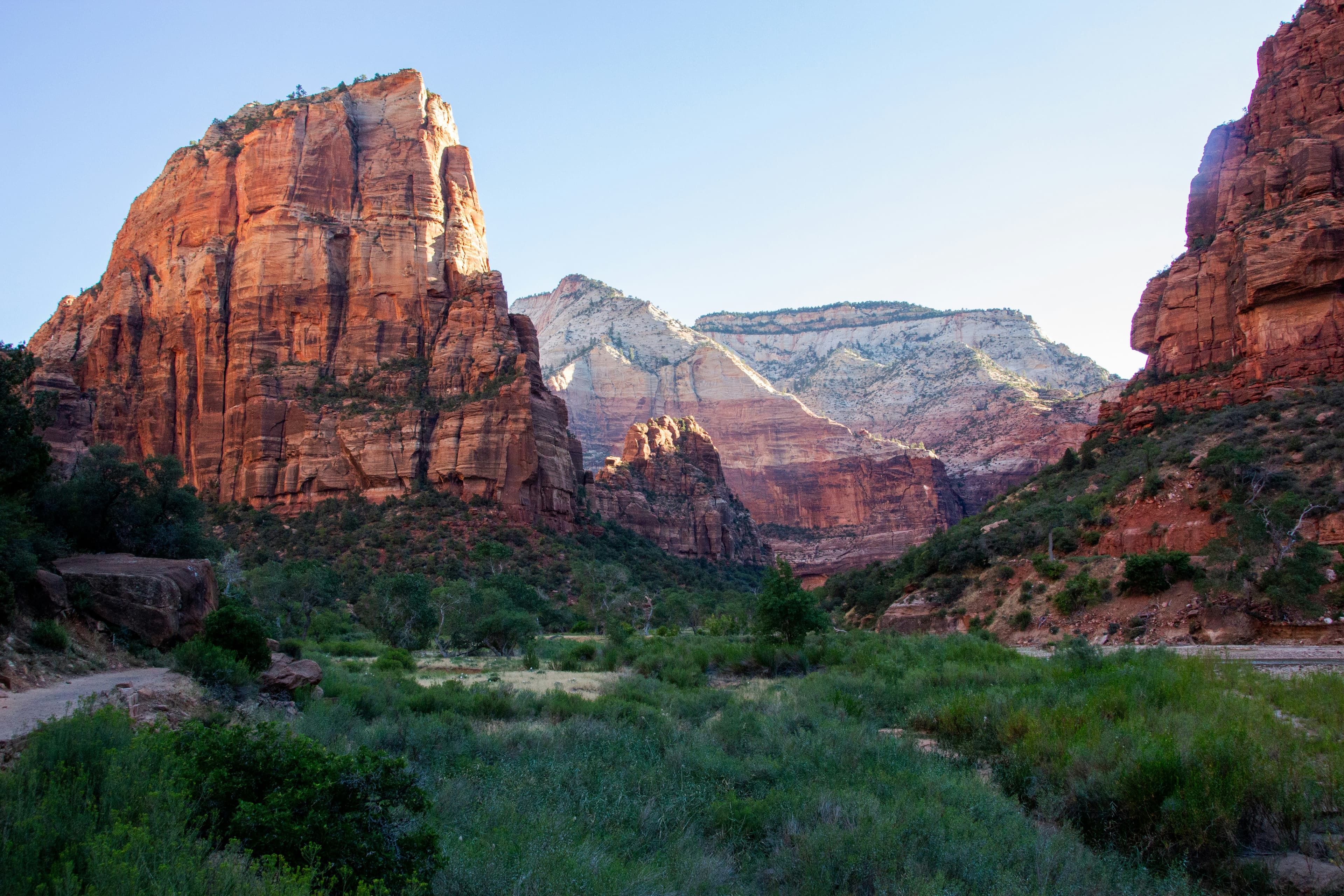
Towering red and white sandstone cliffs carved by the Virgin River in southwestern Utah.
View camping guide →
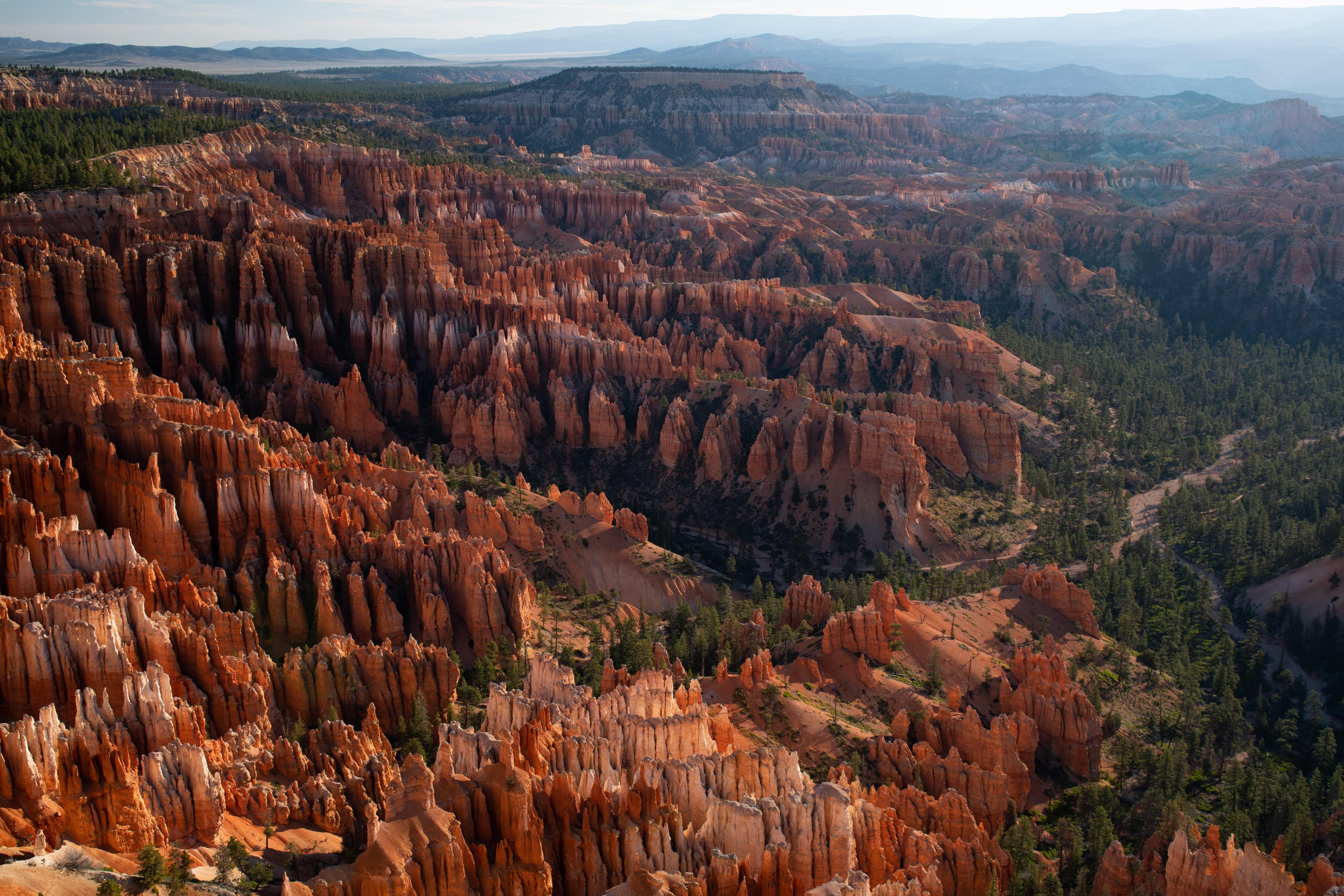
The world's largest concentration of hoodoos, bizarre rock spires glowing orange and red in a high-elevation amphitheater under some of the darkest skies in America.
View camping guide →
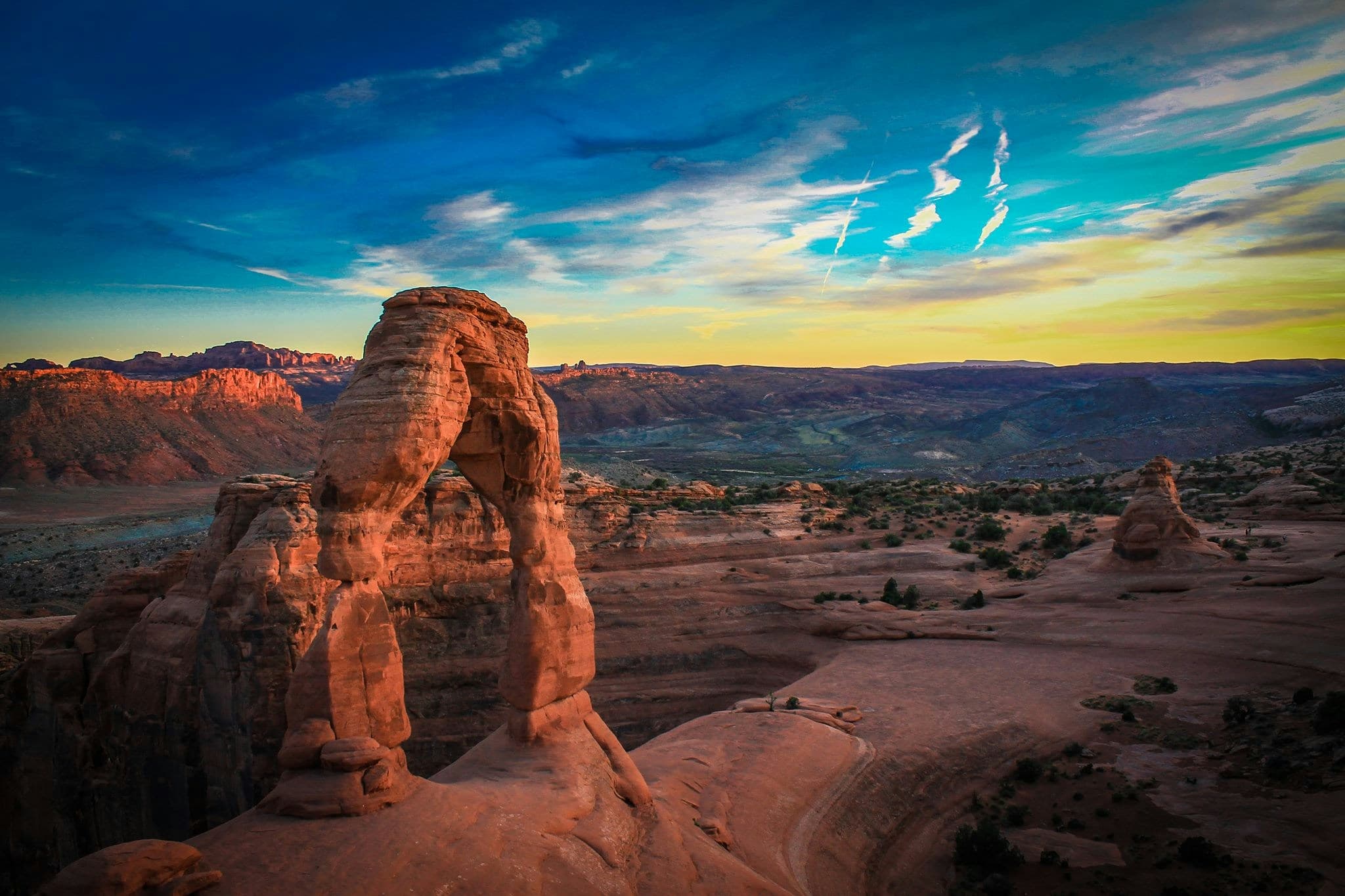
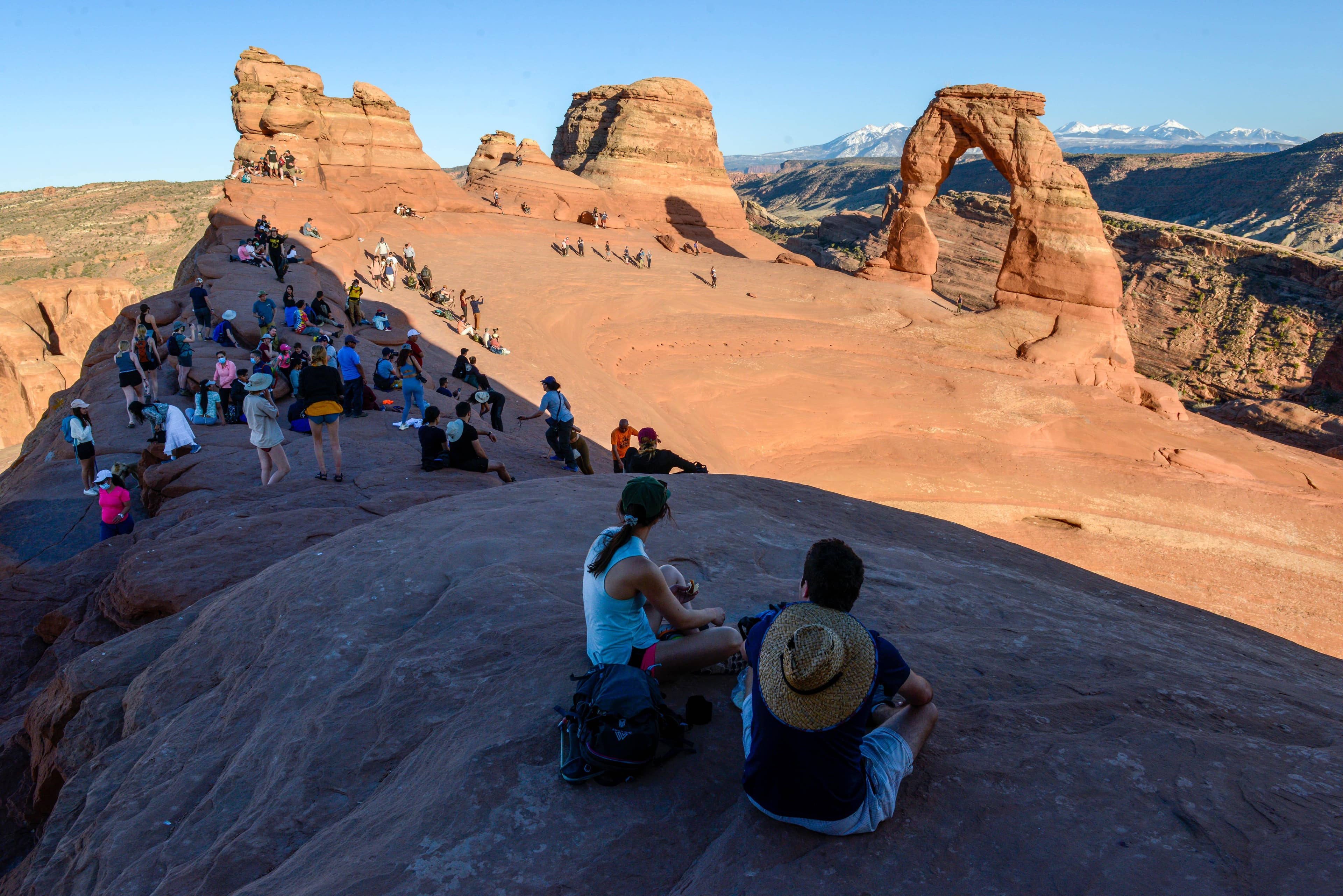
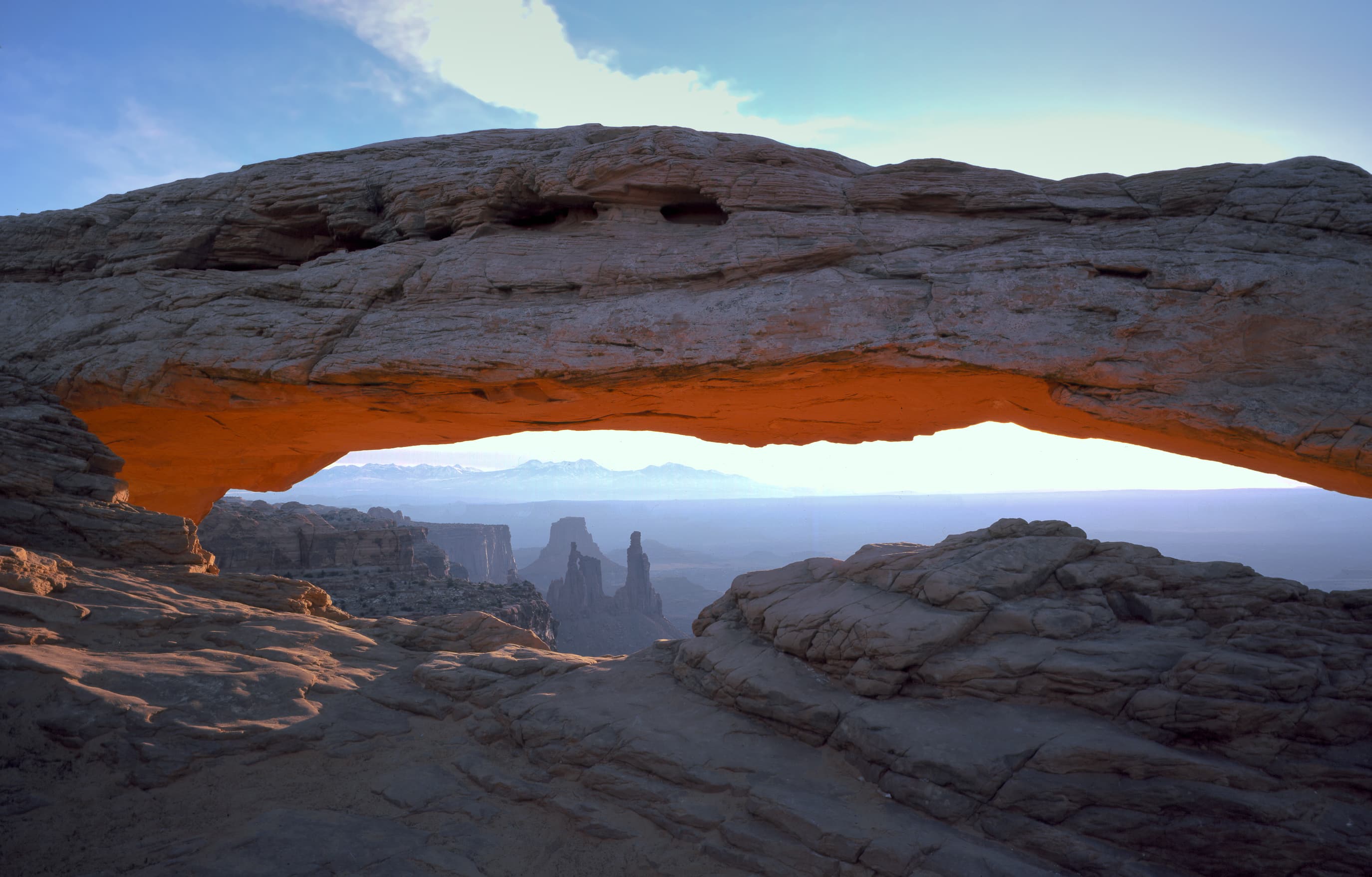
Over 2,000 natural stone arches in a desert landscape of red rock fins, towers, and balanced rocks just outside Moab, Utah.
View camping guide →
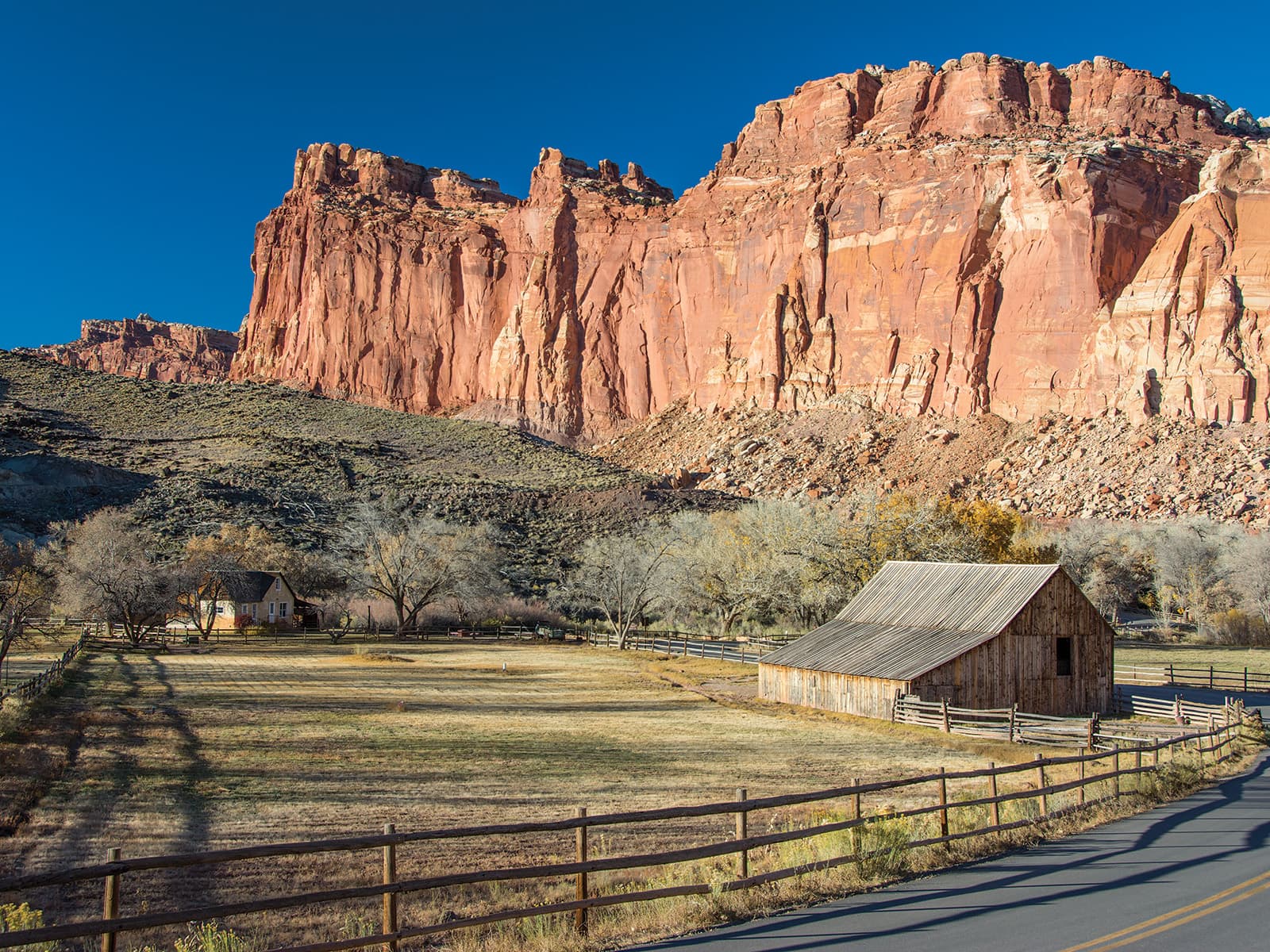
A 100-mile wrinkle in the Earth's crust where historic fruit orchards grow beneath towering sandstone domes in Utah's quiet heartland.
View camping guide →
A wilderness of canyons, mesas, and buttes carved by the Colorado and Green Rivers in the heart of Utah's red rock country.
View camping guide →
March through May and September through November. Spring and fall daytime temperatures range from 60 to 85 degrees with cool nights. Summer exceeds 100 degrees and camping is uncomfortable. Winter camping is possible but nights drop below freezing. October is the single best month.
BLM land covers vast areas of southern Utah and dispersed camping is widely available for free. Popular areas near Moab, Escalante, and Capitol Reef have established pulloff sites. The 14-day stay limit is enforced. Northern Utah has less BLM land but national forest campgrounds in the Wasatch and Uintas provide alternatives.
Flash floods are a genuine life-threatening hazard in southern Utah. Narrow slot canyons can fill with water from storms miles away. Deaths occur every year. Never enter a slot canyon if rain is forecast anywhere in the watershed. Even dry washes in open desert can flood rapidly during summer monsoons.
Many developed campgrounds are accessible by passenger car. However, dispersed BLM camping areas and backcountry roads in the Moab area, Grand Staircase, and Uinta Mountains benefit from high clearance or four-wheel drive. The most popular paved-access campgrounds at national parks do not require special vehicles.
Bryce Canyon sits at 8,000 feet and freezes most nights from September through May. Summer nighttime lows drop into the 30s and 40s even in July. A sleeping bag rated to at least 20 degrees is recommended for spring and fall visits. The campground stays open year-round but winter conditions are severe.