Camping Near Bryce Canyon National Park
Utah | Established 1928
About Bryce Canyon National Park
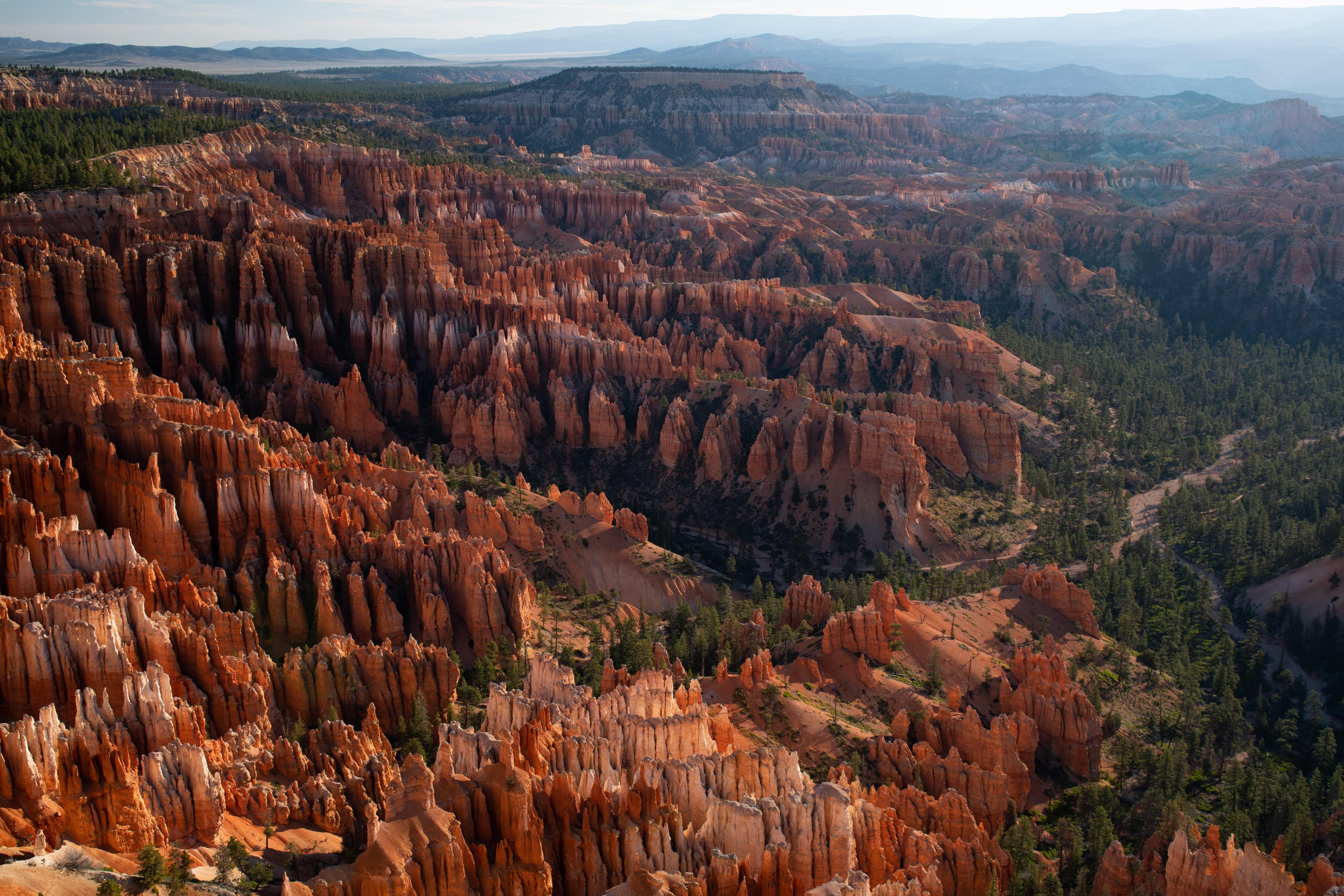
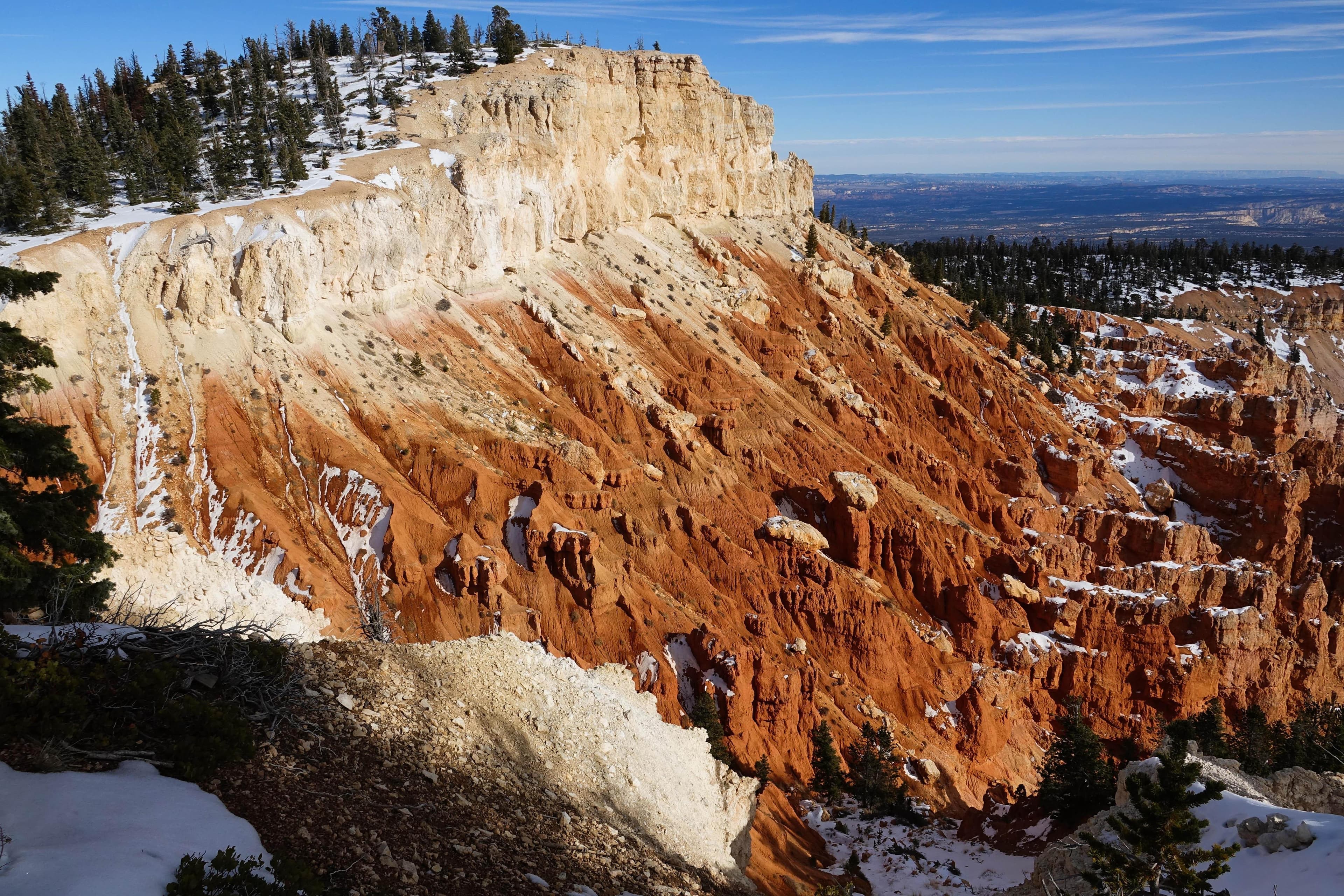
Bryce Canyon National Park protects 35,835 acres of high-elevation plateau in southern Utah, famous for the largest concentration of hoodoos on Earth. These tall, thin rock spires of red, orange, and white limestone fill natural amphitheaters carved into the eastern edge of the Paunsaugunt Plateau. Bryce Amphitheater, the park's centerpiece, contains the densest forest of hoodoos and is visible from Sunrise, Sunset, Inspiration, and Bryce Point overlooks.
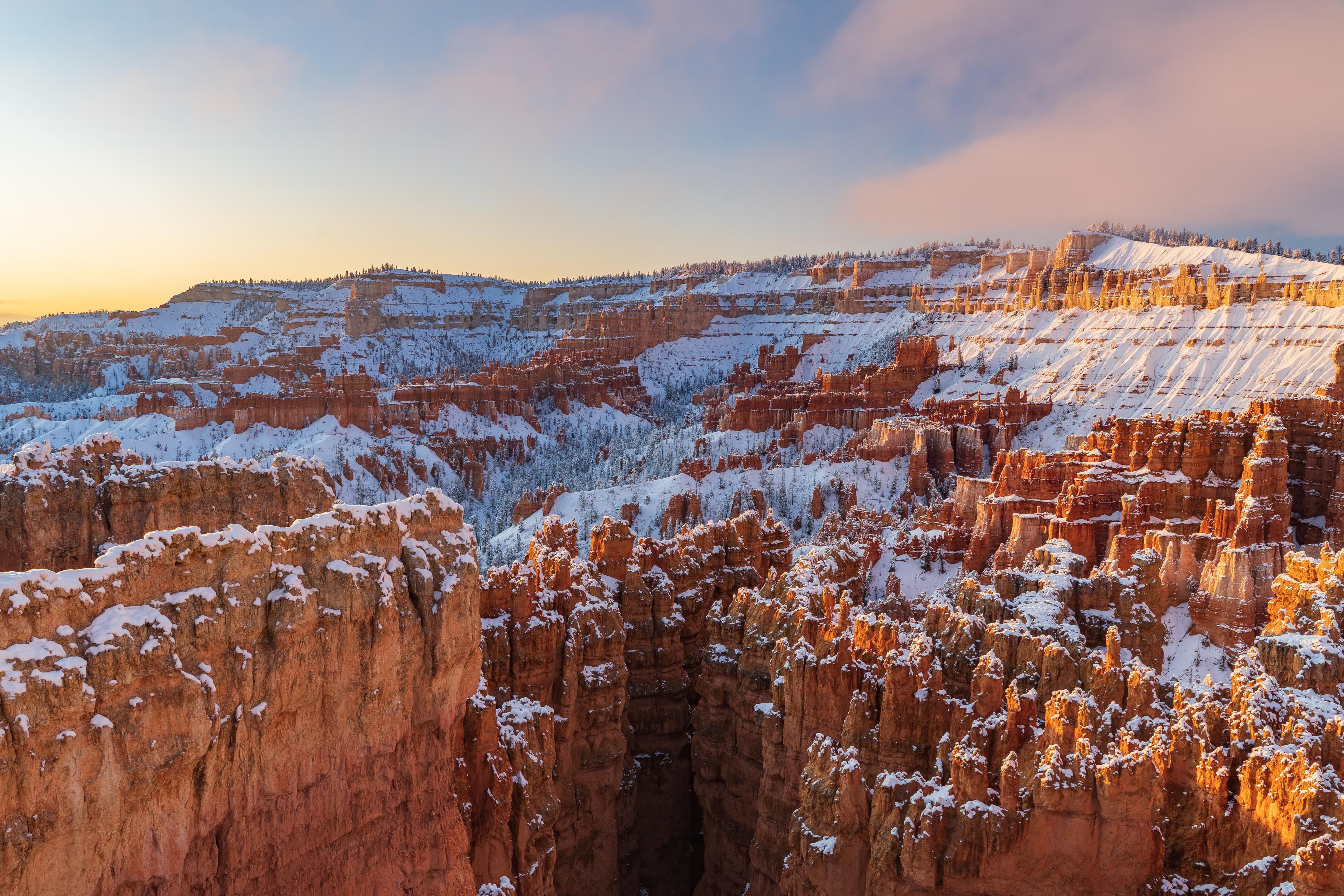
Two campgrounds sit near Bryce Amphitheater: North Campground (103 sites, open year-round) and Sunset Campground (101 sites, open mid-April through mid-October). Neither campground has electric, water, or sewer hookups. At 7,600 to 9,100 feet elevation, Bryce Canyon is significantly colder than other Utah parks, with nighttime temperatures dropping into the 30s even in midsummer and heavy snow common from November through March.
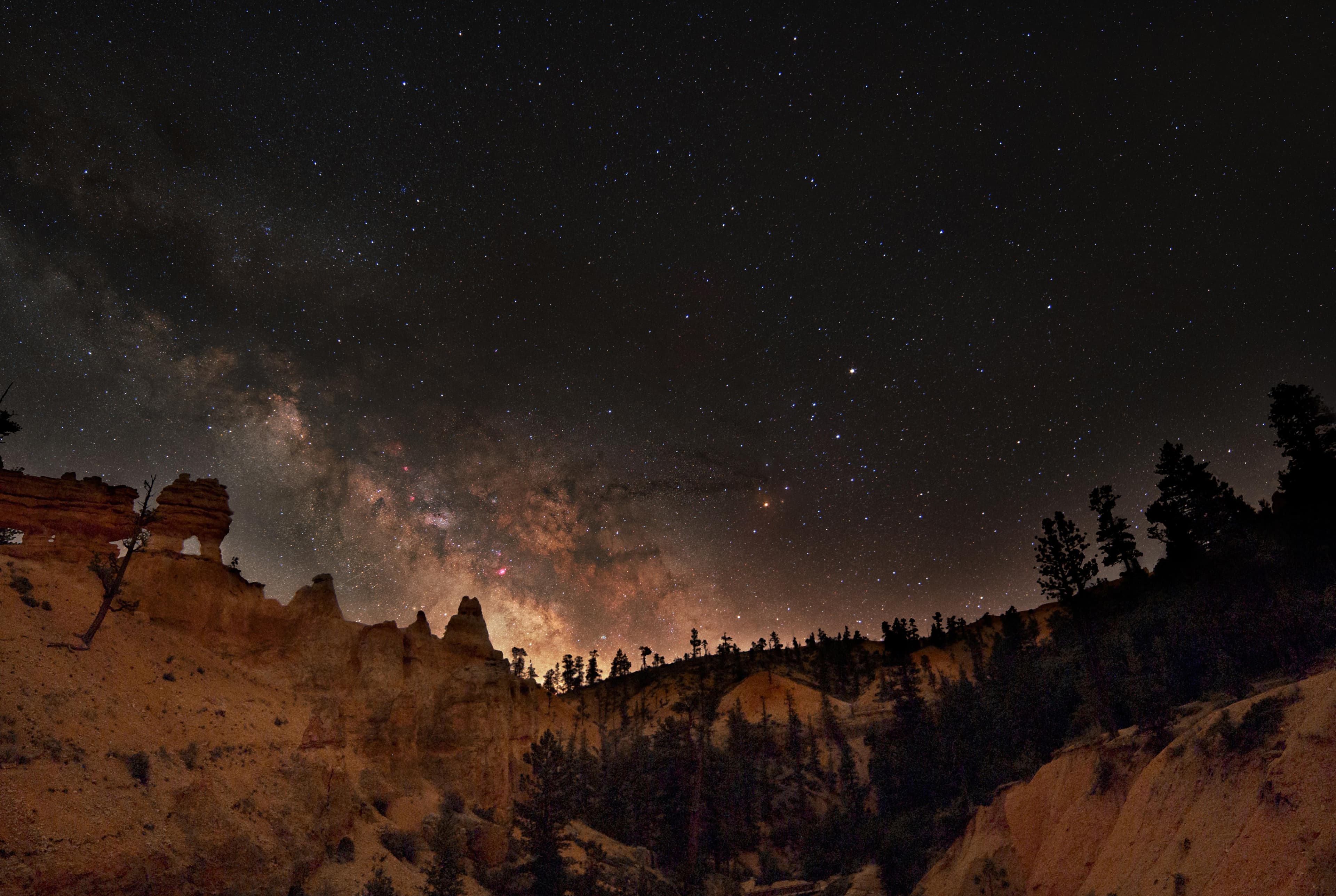
Bryce Canyon holds Gold Tier International Dark Sky Park status, offering some of the best stargazing in North America. On clear moonless nights, nearly 7,500 stars are visible to the naked eye compared to fewer than 2,000 in a typical suburban sky. The park hosts an annual astronomy festival each June with telescope viewing, guest speakers, and ranger-led programs.
Camping Tips for Bryce Canyon
- Night temperatures drop into the 30s even in July and August at this elevation. Bring sleeping bags rated to at least 20 degrees and dress in warm layers for evening stargazing and early morning hikes into the amphitheater.
- Neither campground has hookups. North Campground operates year-round on a first-come basis from November through mid-May, then switches to reservations. Sunset Campground requires reservations from mid-May through mid-October.
- Take advantage of the Gold Tier dark sky designation. Visit during a new moon weekend for the best stargazing, when nearly 7,500 stars are visible. The annual Astronomy Festival in June offers telescope viewing and expert talks.
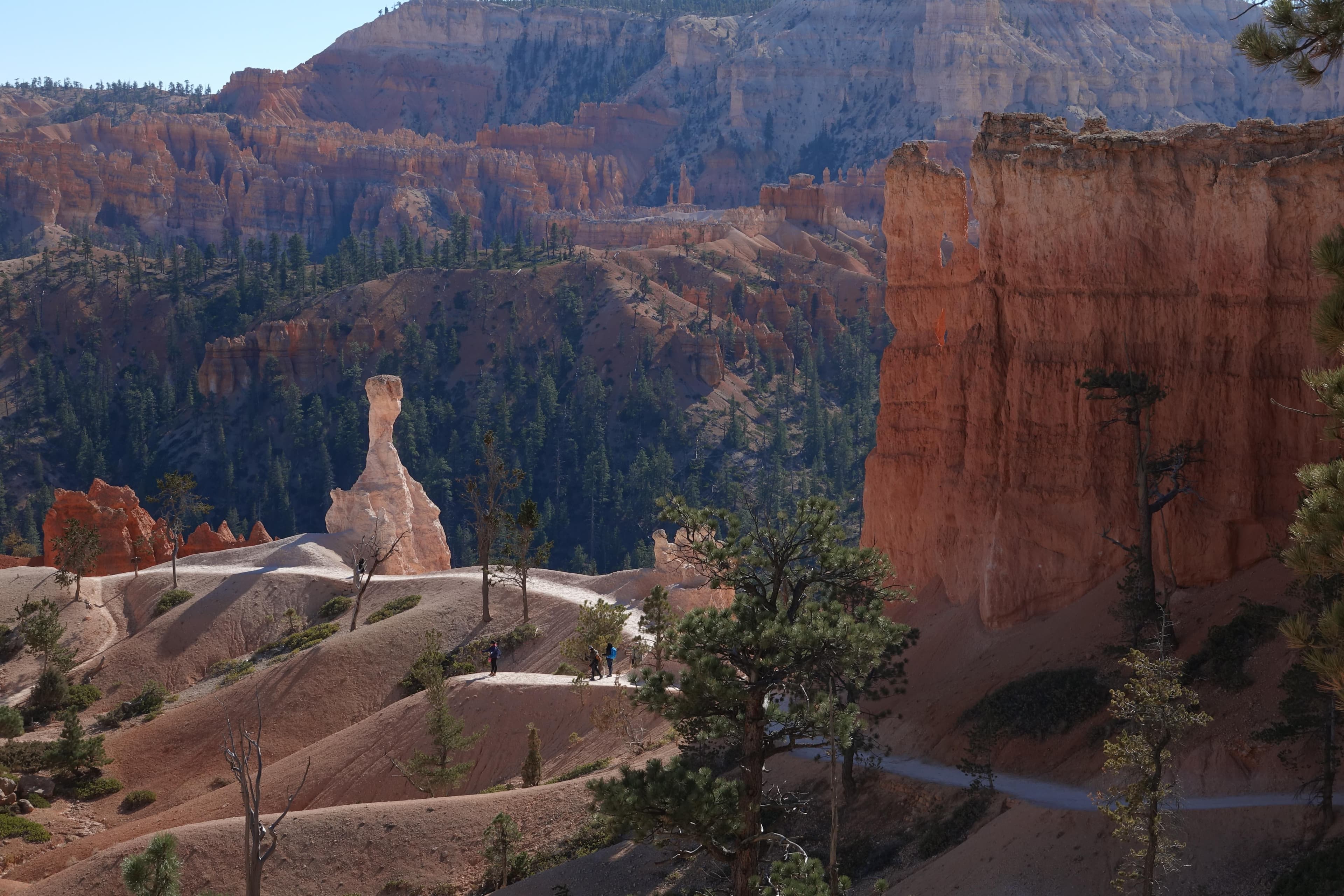
- The Queens Garden and Navajo Loop combination trail (2.9 miles, 625 feet elevation gain) is the most popular hike and the best introduction to walking among the hoodoos. Start early to avoid afternoon thunderstorms.
- The park sits at 8,000 to 9,000 feet elevation. Allow time to acclimate, stay hydrated, and take breaks on hikes. Altitude can cause headaches, fatigue, and shortness of breath for visitors arriving from lower elevations.
RV Parks & Campgrounds Near Bryce Canyon National Park
1.Kanab RV Corral
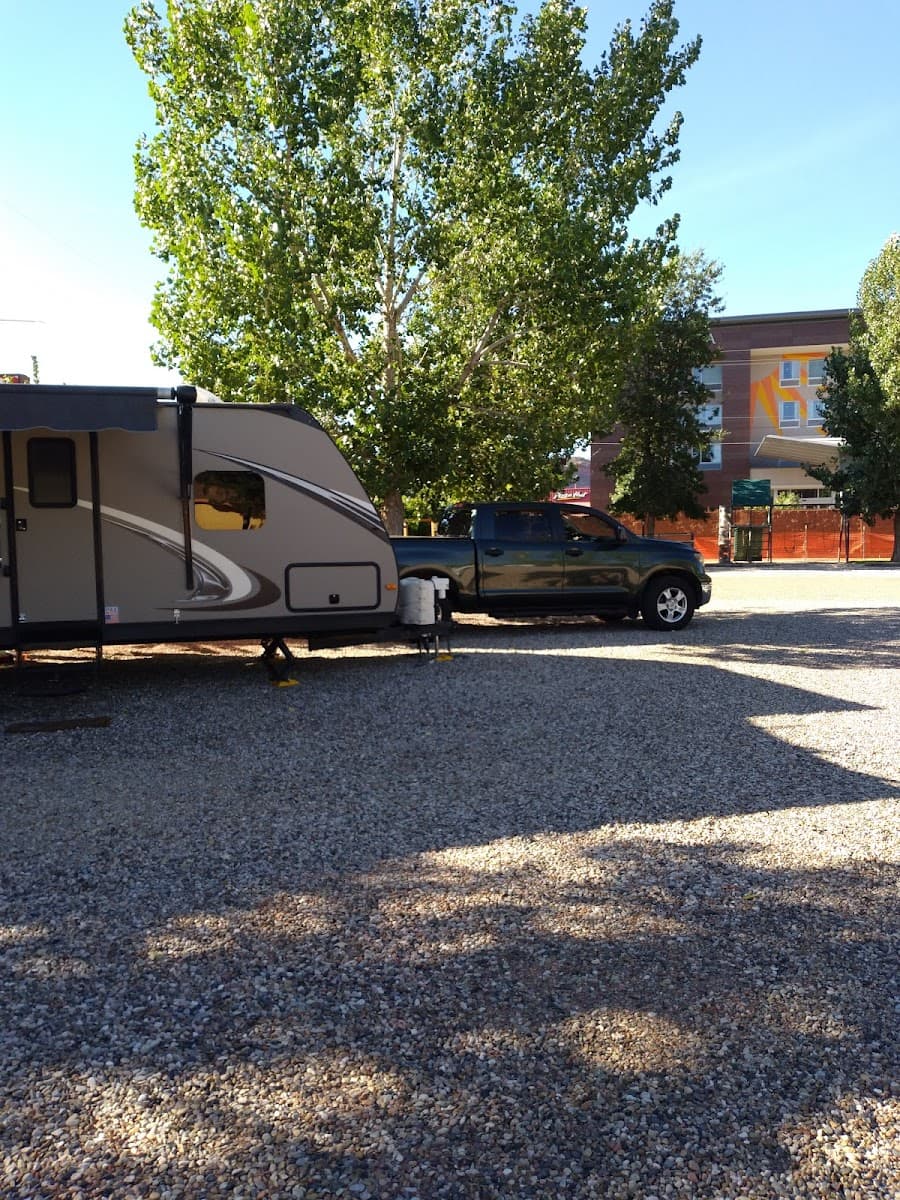
Kanab RV Corral is a highly-rated RV park located in southern Utah, serving as an ideal base for exploring the region's natural attractions. With 30 years of experience hosting...
Show more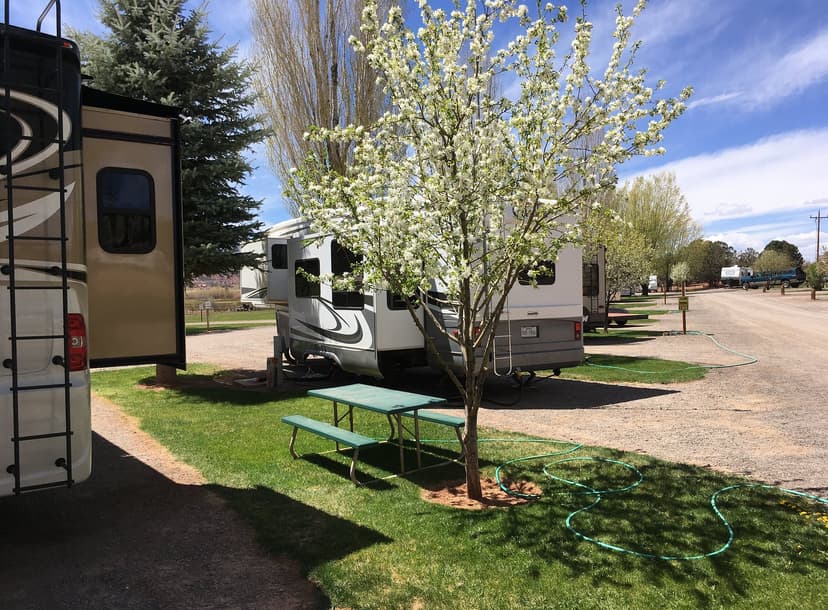
2.Wonderland RV Park
Wonderland RV Park is Southern Utah's premier RV park, located conveniently close to Capitol Reef National Park—just 10 miles from the park entrance with the visitor center...
Show more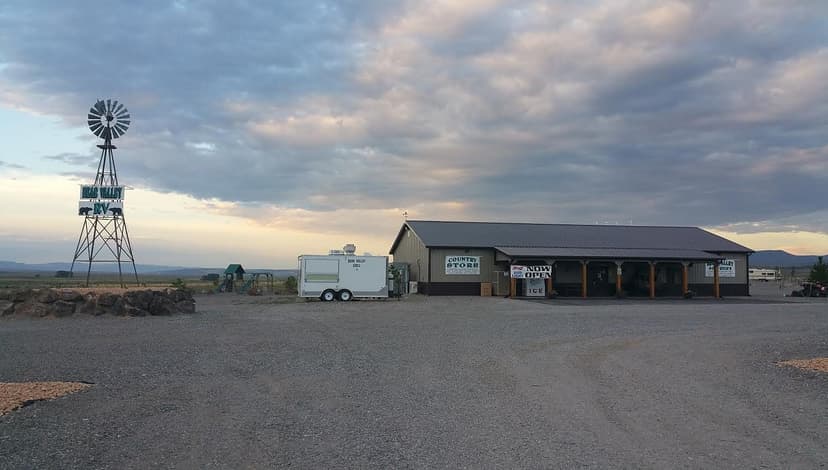
3.Bear Valley RV & Camping Resort
Bear Valley RV & Camping Resort is nestled just outside Panguitch, Utah, in the heart of Bryce Canyon and the Hoodoo Formations, offering a camper's paradise with 36 RV sites that...
Show more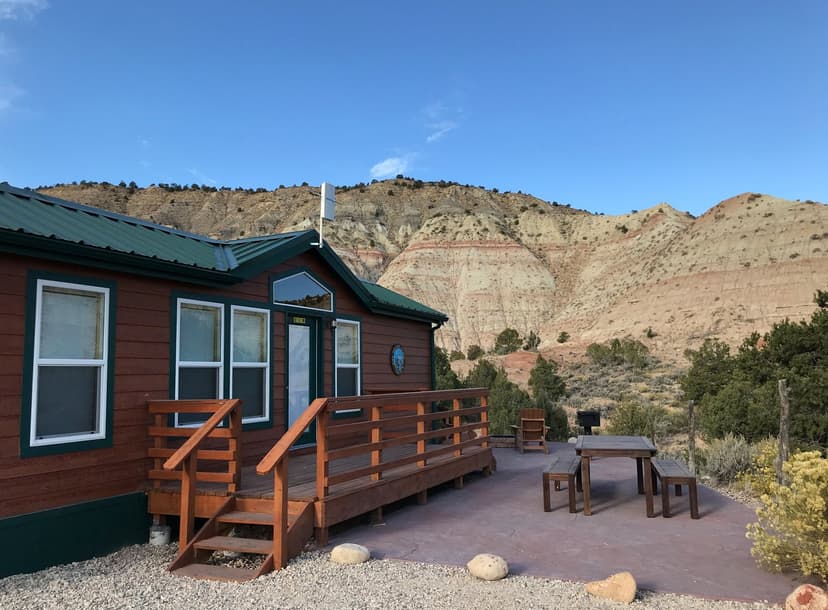
4.Bryce Canyon RV Resort by Rjourney
Bryce Canyon RV Resort by Rjourney is a premier RV park located in Cannonville, Utah, just off Highway 12, offering convenient access to the iconic Bryce Canyon National Park. The...
Show more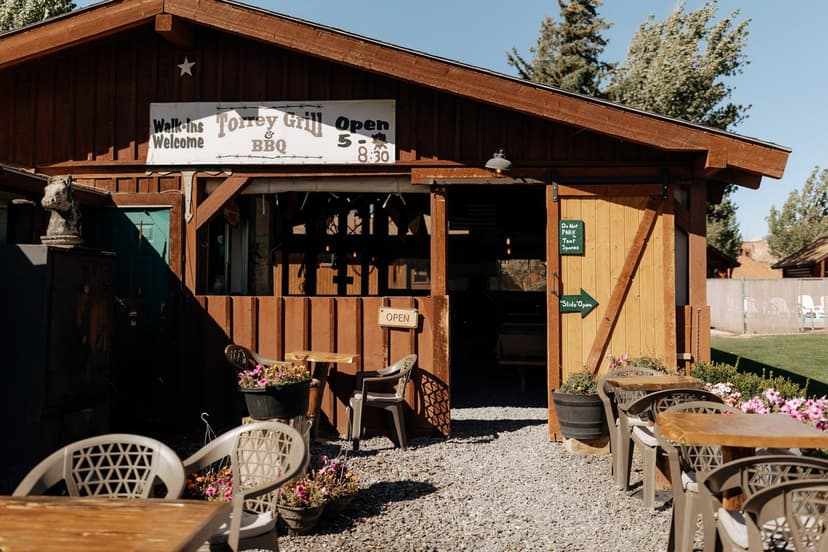
5.Thousand Lakes RV Park
Thousand Lakes RV Park is a 22-acre campground located just 6 miles west of Capitol Reef National Park near Torrey, Utah, at an elevation of 6,800 feet. The park offers stunning...
Show more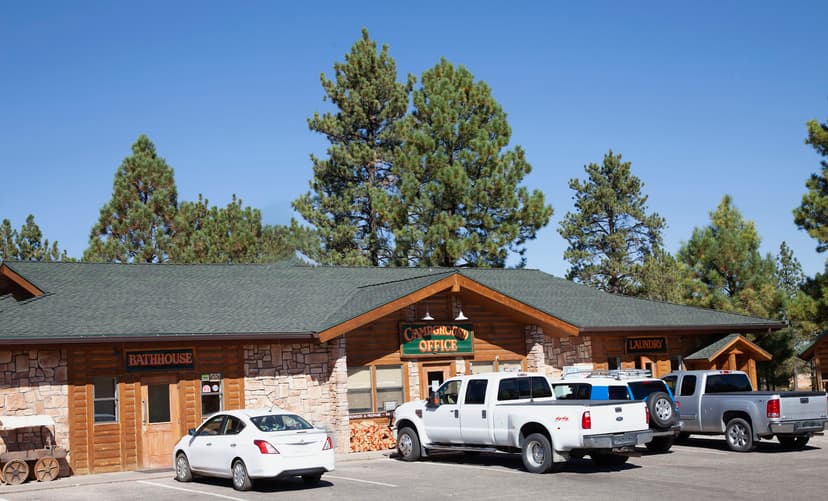
6.Ruby's Inn RV Park & Campground
Ruby's Inn RV Park & Campground is a full-service camping destination located less than a mile from the entrance to Bryce Canyon National Park in Bryce, Utah. The campground...
Show more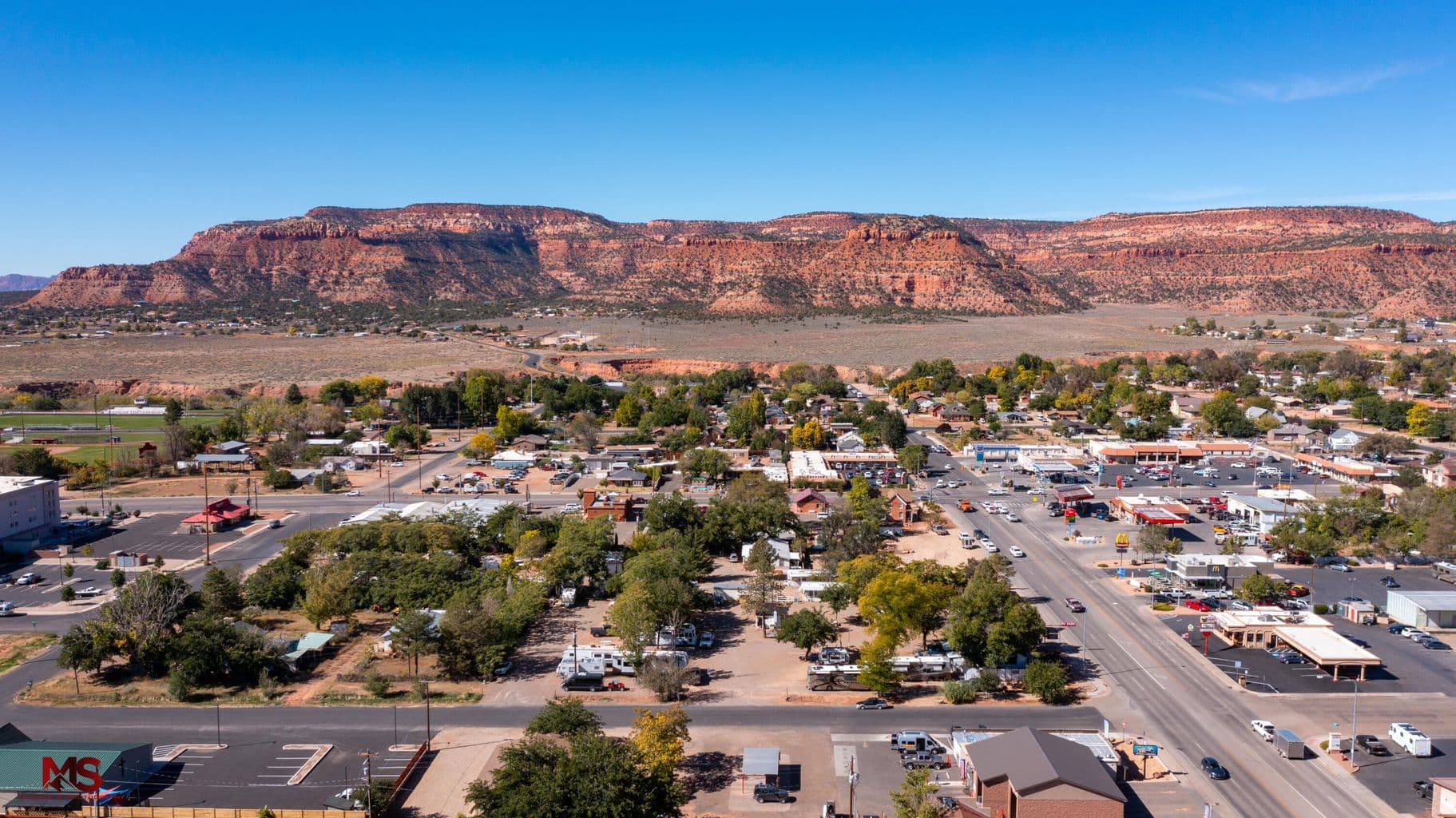
7.Hitch-N-Post RV Park
Hitch-N-Post RV Park and Campground is centrally located in Kanab, Utah, offering a memorable camping experience surrounded by stunning Navajo sandstone cliffs that provide a...
Show more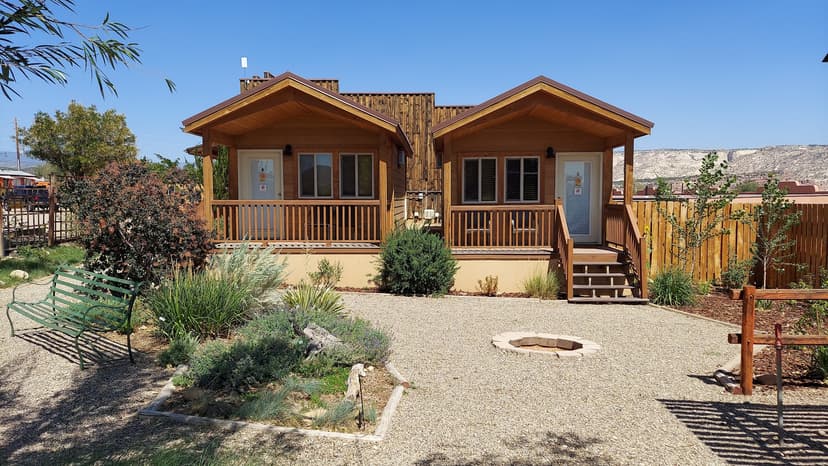
8.Canyons of Escalante RV Park
Canyons of Escalante RV Park is a family-owned and operated campground located in Escalante, Utah on Main Street, just off Scenic Byway 12. Surrounded by the pristine 1.87 million...
Show more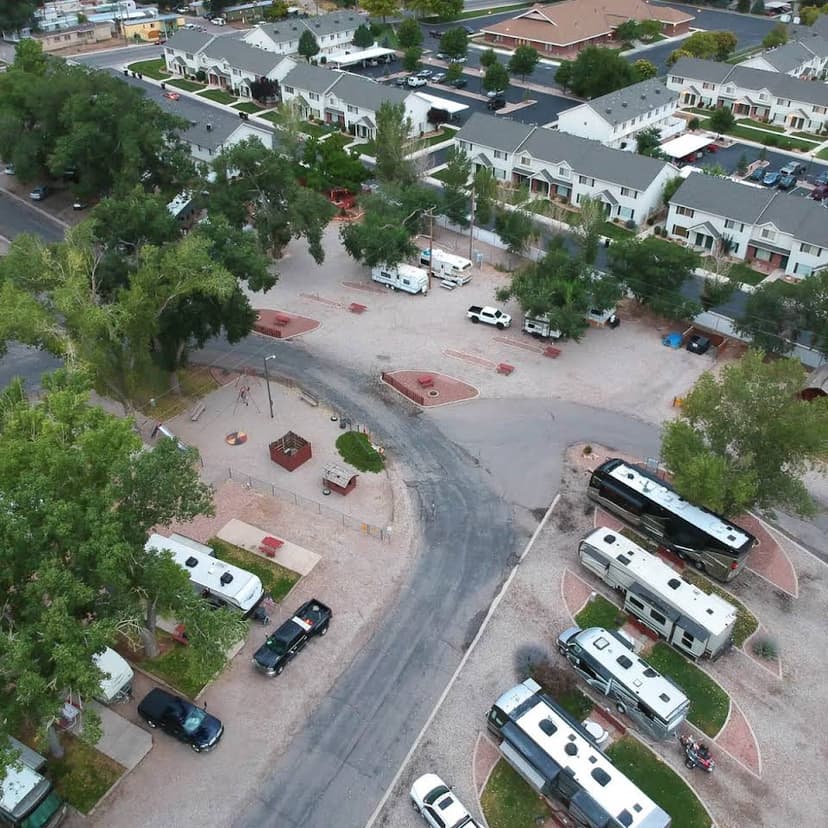
9.Cedar City RV Resort By Rjourney
Cedar City RV Resort is a full-service RV park conveniently located just off Interstate 15 in Cedar City, Utah, making it an ideal stop for travelers exploring southern Utah or...
Show more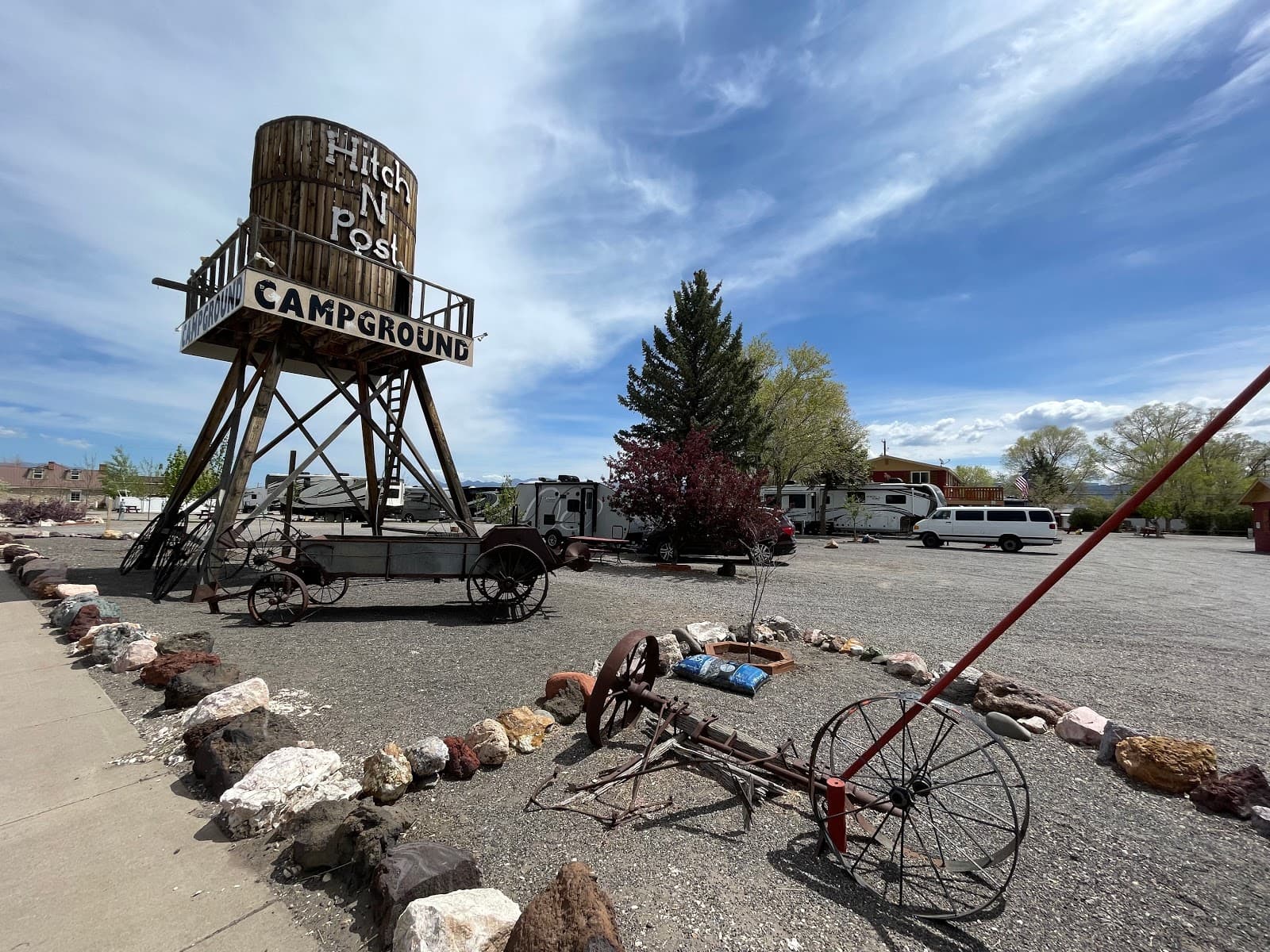
10.Henrie's Hitch-N-Post RV Resort
Henrie's Hitch-N-Post RV Resort is a year-round luxury RV park located in historic Panguitch, Utah, nestled between two scenic plateaus in the heart of southern Utah's stunning...
Show moreShowing 1–10 of 173 campgrounds within 50 miles
Frequently Asked Questions
What campgrounds are inside Bryce Canyon National Park?
Bryce Canyon has two campgrounds near Bryce Amphitheater: North Campground (103 sites, $30/night, open year-round) and Sunset Campground (101 sites, $30/night, open mid-April through mid-October). Neither has electric, water, or sewer hookups. Both accept reservations through Recreation.gov during peak season.
North Campground operates first-come, first-served from November through mid-May, then switches to reservations through early October. Sunset Campground opens on a first-come basis in mid-April before switching to reservations in mid-May. Senior and Access pass holders receive 50 percent off ($15 per night). Group sites at Sunset are limited to 28-foot maximum vehicle length.
How cold does it get at Bryce Canyon?
Bryce Canyon sits between 7,600 and 9,100 feet elevation, making it significantly colder than other Utah parks. Summer highs reach the 60s to low 80s but nights drop into the 30s. Winter brings heavy snow with temperatures well below freezing. Spring can produce surprise snowstorms through April.
The high elevation means large temperature swings between day and night year-round. Even in July, frost is possible overnight. Winter camping at North Campground requires a four-season tent, sleeping bags rated below zero, and insulated sleeping pads. The park receives moderate to heavy snowfall from November through March, and the scenic drive may close temporarily during storms. Spring visitors in March and April should prepare for both warm sunny days and sudden snow.
What are hoodoos and where can I see them?
Hoodoos are tall, thin rock spires formed by millions of years of frost weathering and erosion on the limestone of the Paunsaugunt Plateau. Bryce Canyon contains the largest concentration of hoodoos on Earth. The densest collection is in Bryce Amphitheater, visible from Sunrise, Sunset, Inspiration, and Bryce Point overlooks.
The hoodoos range from 5 to over 150 feet tall and display bands of red, orange, white, and pink limestone. They form when water seeps into cracks, freezes and expands (up to 200 freeze-thaw cycles per year at this elevation), and gradually breaks apart the rock. The best way to experience them up close is hiking the Navajo Loop or Queens Garden trails that descend into the amphitheater among the formations.
What are the best hikes at Bryce Canyon?
The Queens Garden and Navajo Loop combination trail (2.9 miles, 625 feet elevation gain, 2-3 hours) is the most popular and best introduction to the park. Other top hikes include Peek-a-Boo Loop (5.5 miles, strenuous), Fairyland Loop (8 miles, challenging), and the Rim Trail (up to 11 miles, connecting all amphitheater viewpoints).
The Navajo Loop descends via tight switchbacks through Wall Street, a narrow slot between towering hoodoo walls. Queens Garden is the least strenuous trail into the amphitheater. Combining both creates the park's signature hike. For an easier experience, the paved Rim Trail between Sunrise and Sunset Points is relatively flat with continuous hoodoo views. Dogs are allowed on the paved Rim Trail section and the Shared Use Path but not on any unpaved trails.
Is Bryce Canyon good for stargazing?
Bryce Canyon holds Gold Tier International Dark Sky Park status, the highest designation available. On clear moonless nights, nearly 7,500 stars are visible to the naked eye. The park hosts an annual Astronomy Festival each June with telescope viewing, expert speakers, and ranger-led night sky programs.
The park's remote location, high elevation, and dry air create exceptional conditions for stargazing. The Milky Way is clearly visible on moonless nights, and planets, nebulae, and galaxies can be seen with binoculars. Best viewing spots include the natural amphitheater viewpoints where hoodoos create dramatic foregrounds for night sky photography. Visit during a new moon for optimal darkness. Ranger-led astronomy programs run throughout the summer season.
Can I bring my dog to Bryce Canyon?
Dogs on a leash of six feet or shorter are allowed in campgrounds, parking lots, on paved roads, and on the paved Rim Trail between Sunset Point and Sunrise Point. Dogs are also allowed on the paved Shared Use Path between the park entrance and Inspiration Point. Dogs are prohibited on all unpaved hiking trails.
The paved sections where dogs are allowed offer excellent hoodoo views without descending into the amphitheater. The Shared Use Path runs about 2.5 miles from the park entrance toward Inspiration Point. For more extensive trail hiking with your dog, Dixie National Forest surrounds the park and allows leashed dogs on most trails. Boarding services are available in Panguitch, about 24 miles northwest.
Are there RV hookups at Bryce Canyon campgrounds?
Neither North Campground nor Sunset Campground has electric, water, or sewer hookups. Both campgrounds can accommodate larger RVs on most sites, though Sunset group sites limit vehicles to 28 feet. A dump station is available in the park.
For RVs needing full hookups, Ruby's Inn RV Park and Campground in Bryce Canyon City, just outside the park entrance, offers full-hookup sites. Other private campgrounds in Tropic, Cannonville, and Panguitch provide hookup options within 10 to 25 miles of the park. Fill freshwater tanks and empty holding tanks before entering the park, as the nearest full services are outside park boundaries.
How far is Bryce Canyon from Zion National Park?
Bryce Canyon is approximately 85 miles (about 1.5 hours driving) northeast of Zion National Park via Highway 89 and Highway 9. Many visitors combine both parks in a single trip, along with Grand Staircase-Escalante National Monument and Capitol Reef National Park along Utah's scenic byways.
The drive between Bryce and Zion passes through the charming town of Mount Carmel Junction and offers scenic views throughout. A common Utah road trip circuit visits Zion, Bryce Canyon, Capitol Reef, Canyonlands, and Arches (the Mighty Five). Bryce is higher and colder than Zion, so pack layers for the elevation change. Cedar City and St. George also serve as base camps between the two parks.
Quick Facts
- Entrance Fee
- $35/vehicle (7 days)
- Best Time to Visit
- May – September
- Nearest Town
- Bryce Canyon City, UT, Tropic, UT, Panguitch, UT
- Elevation
- 6,100 – 9,100 ft
- Park Size
- 35,835 acres
- Annual Visitors
- ~2.6 million