A complete guide to camping in Pigeon Forge
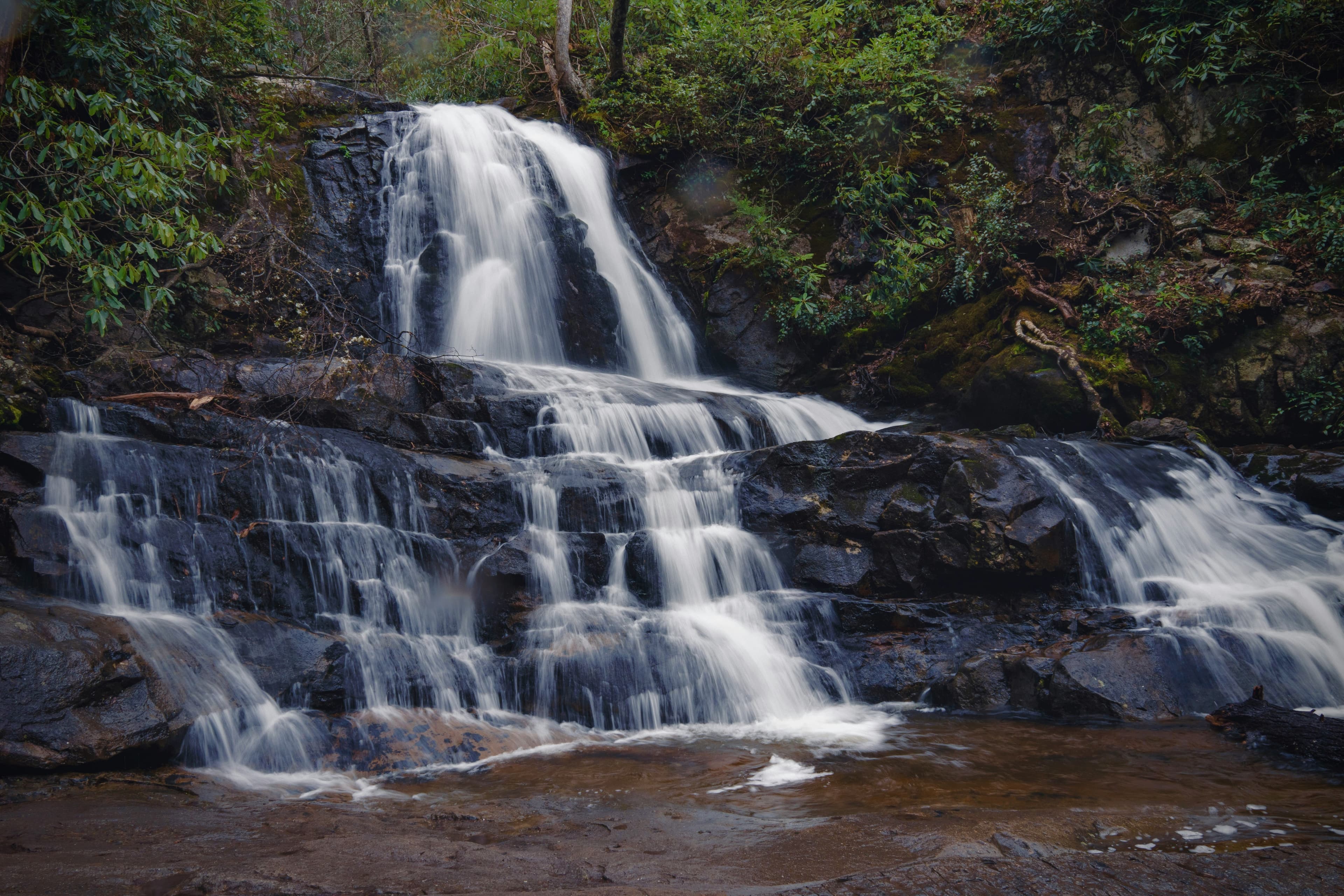
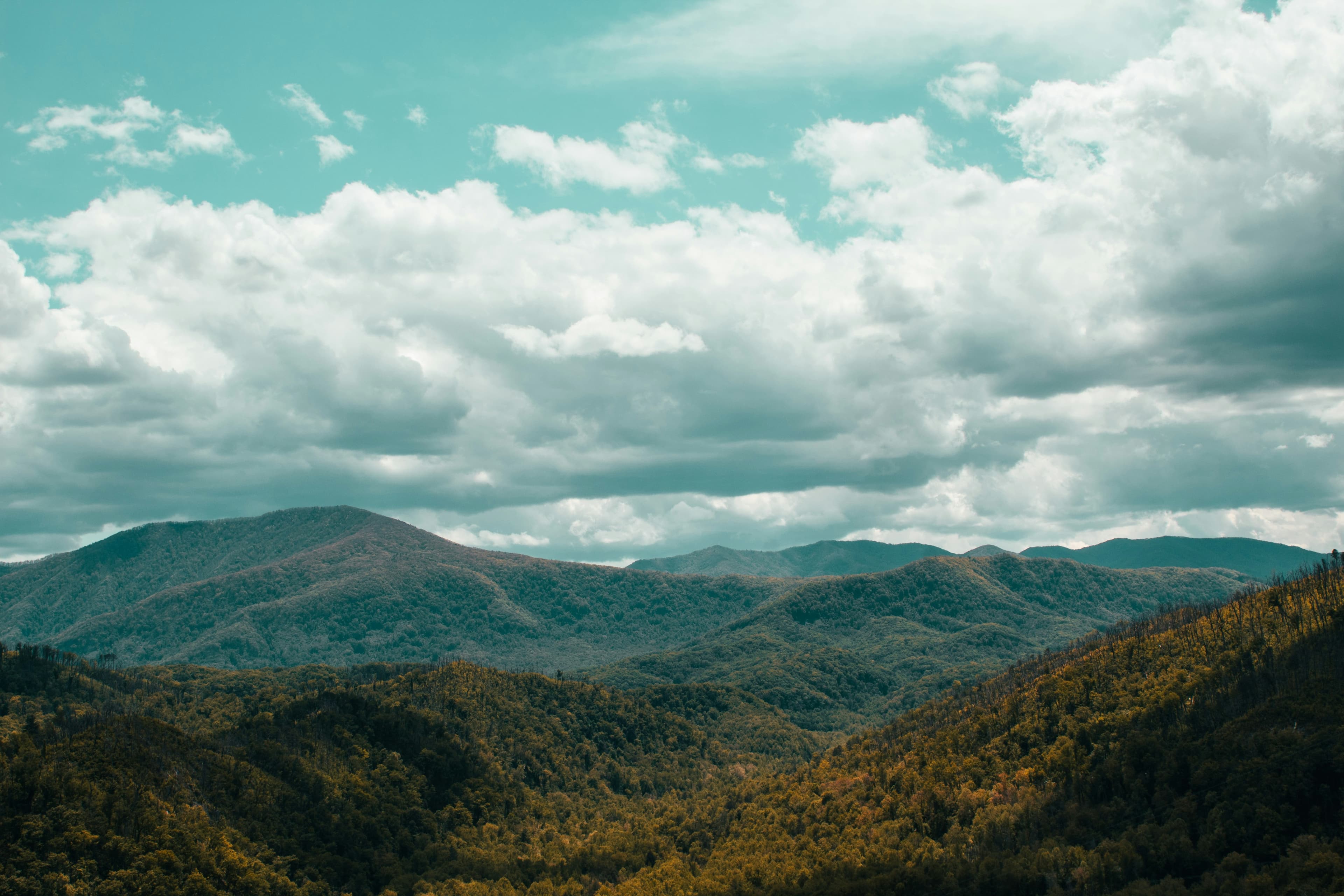
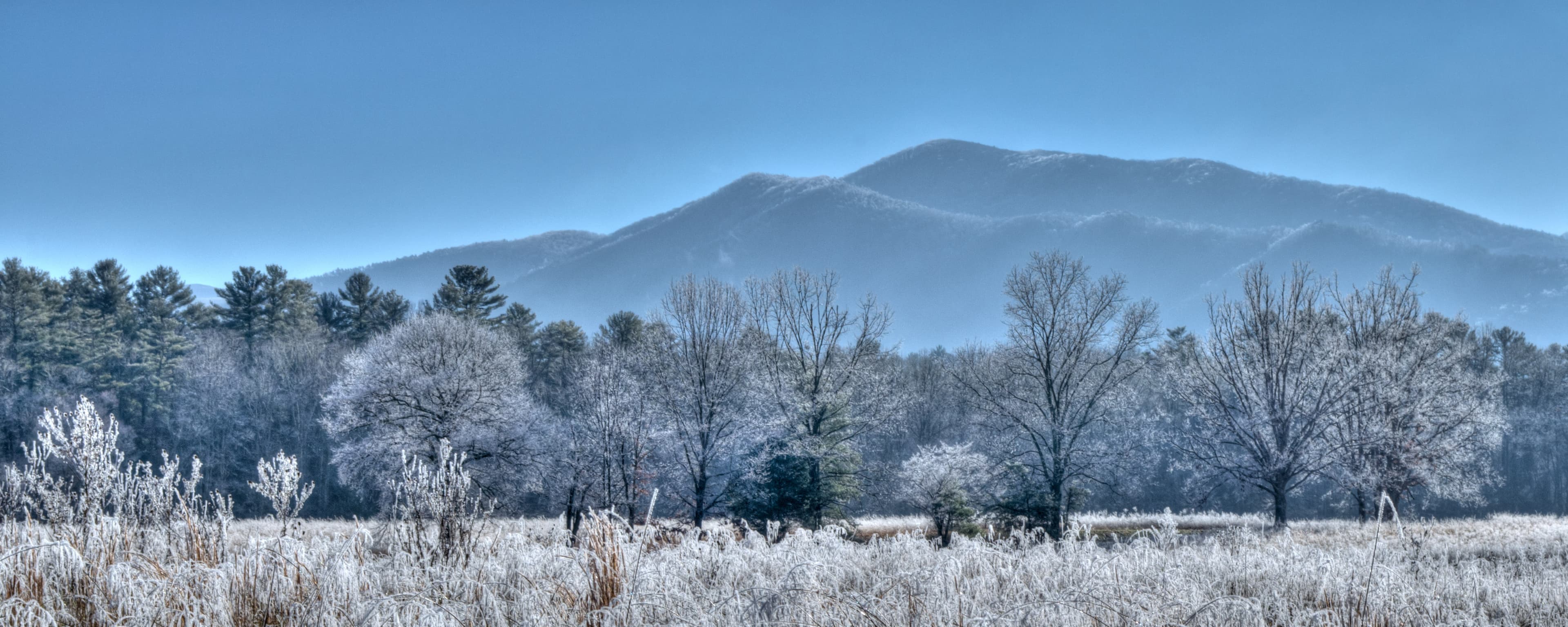
Pigeon Forge sits at 1,017 feet along the West Prong of the Little Pigeon River, five miles north of Gatlinburg and 12 miles from Great Smoky Mountains National Park. The town is built around tourism, with Dollywood theme park, dinner theaters, and the Parkway strip of attractions drawing millions of visitors annually. The camping scene runs parallel to the entertainment, with campgrounds lining the river corridors and mountain roads surrounding the town.
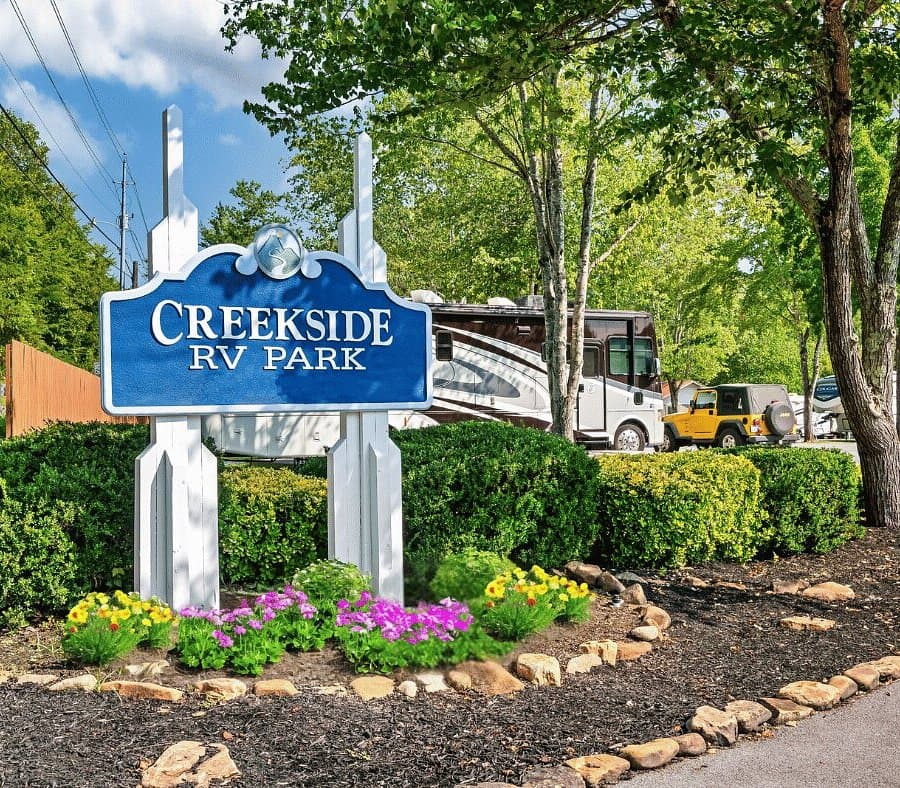
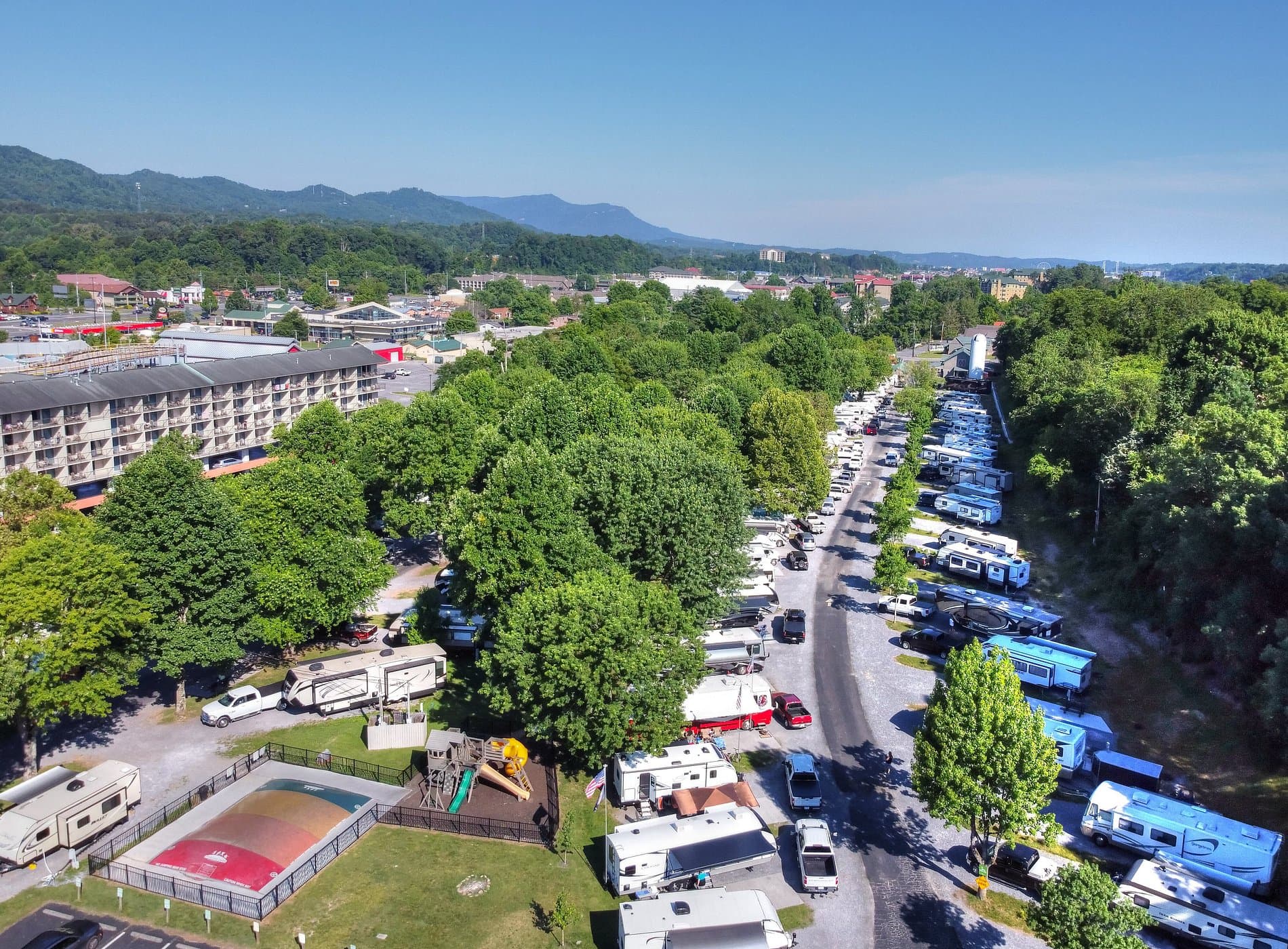
Camp Riverslanding and Riverbend Campground provide riverside camping along the Little Pigeon River. Pigeon Forge RV Resort and Creekside RV Park serve the RV crowd with full hookups. Clabough's Campground operates a family-oriented campground on the north side of town. Gateway RV Campground and Foothills RV Park and Cabins add more options along the highway corridors.
Inside Great Smoky Mountains National Park, Elkmont Campground along the Little River sits 15 minutes from Pigeon Forge via the Sugarlands entrance. It is the largest developed campground on the Tennessee side of the park with 200 sites in a deep forest setting. The park's Cades Cove loop road is accessible from Pigeon Forge in 40 minutes, and the Roaring Fork Motor Nature Trail begins in neighboring Gatlinburg. Pigeon Forge provides a more family-entertainment-oriented base than quieter Gatlinburg for Smokies camping.
Best months: April through June and September through October
Spring brings wildflowers through the Smokies and comfortable temperatures in the 60s and 70s. Summer is warm and humid with afternoon thunderstorms in the mountains. Fall color peaks in mid to late October, bringing the heaviest traffic of the year. January averages 36 degrees with occasional snow at higher elevations. The Pigeon Forge entertainment strip operates year-round with holiday events in November and December.
| Season |
|---|
| Months |
|---|
| Avg High |
|---|
| Avg Low |
|---|
| Conditions |
|---|
| Spring | Mar-May | 61°F | 49°F | Spring brings wildflowers through the Smokies and comfortable temperatures in the 60s and 70s. |
| Summer | Jun-Aug | 78°F | 66°F | Summer is warm and humid with afternoon thunderstorms in the mountains. |
| Fall | Sep-Nov | 61°F | 49°F | Fall color peaks in mid to late October, bringing the heaviest traffic of the year. |
| Winter | Dec-Feb | 44°F | 32°F | January averages 36 degrees with occasional snow at higher elevations. |
Source: NOAA 30-Year Climate Normals

Pigeon Forge is more family-entertainment-oriented with Dollywood, dinner theaters, and the Parkway strip of attractions. Gatlinburg is smaller, closer to the national park entrance, and more mountain-town in character. Pigeon Forge campgrounds tend to be larger and more RV-friendly. Both provide access to Great Smoky Mountains National Park within 15 to 20 minutes.
The Sugarlands entrance to Great Smoky Mountains National Park is about 15 minutes south of Pigeon Forge via Gatlinburg. Cades Cove is 40 minutes via the Laurel Creek Road from the Sugarlands entrance. The park does not charge an entrance fee.
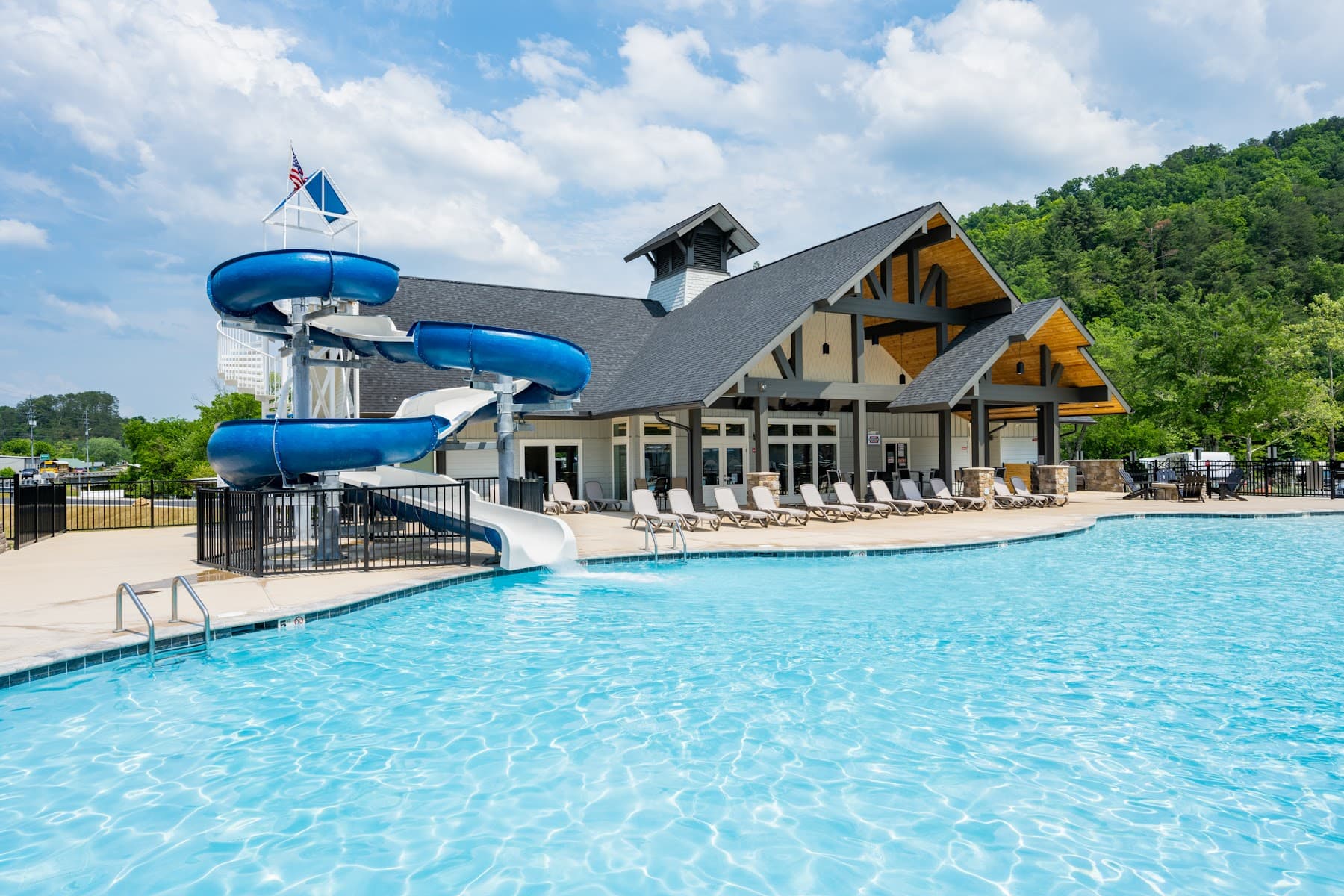
Camp Riverslanding offers riverside sites with a shuttle to town, avoiding traffic hassles. Clabough's Campground has a family atmosphere on the north end. Pigeon Forge RV Resort and Creekside RV Park provide full amenities for RV families. Inside the park, Elkmont Campground is the most developed option with 200 sites.
Black bears are common throughout the Pigeon Forge and Gatlinburg corridor. The national park estimates 1,500 bears in the Smokies. Bears regularly enter private campgrounds looking for food. All food, coolers, and scented items must be stored in vehicles or bear-proof containers at every campground in the area.
Dollywood operates from mid-March through early January with scheduled closures between seasons. Peak events include Festival of Nations (spring), Smoky Mountain Summer, Harvest Festival (September through October), and Smoky Mountain Christmas (November through January). The park closes most Tuesdays and Wednesdays outside of summer.