A complete guide to camping in North Carolina
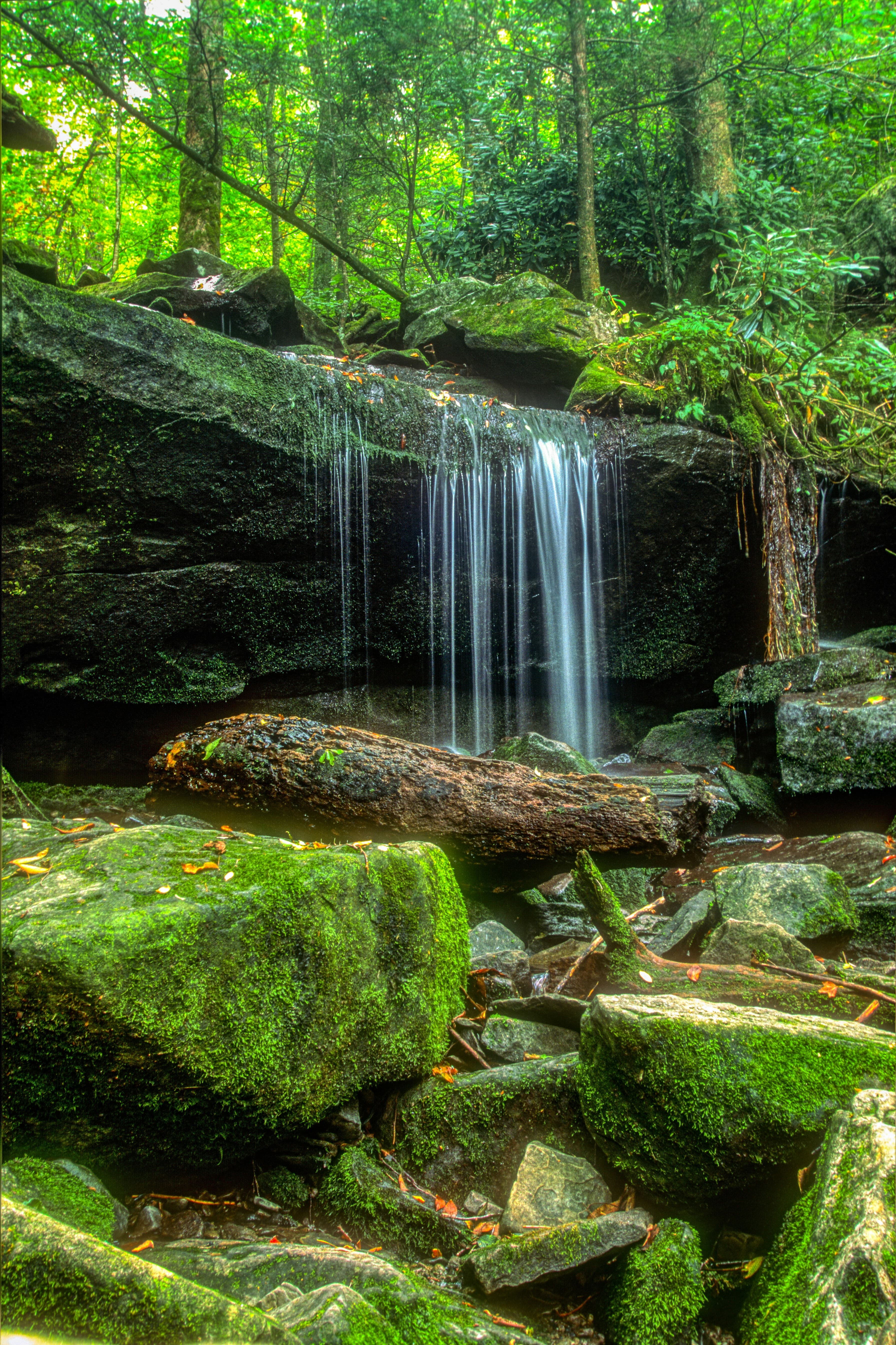
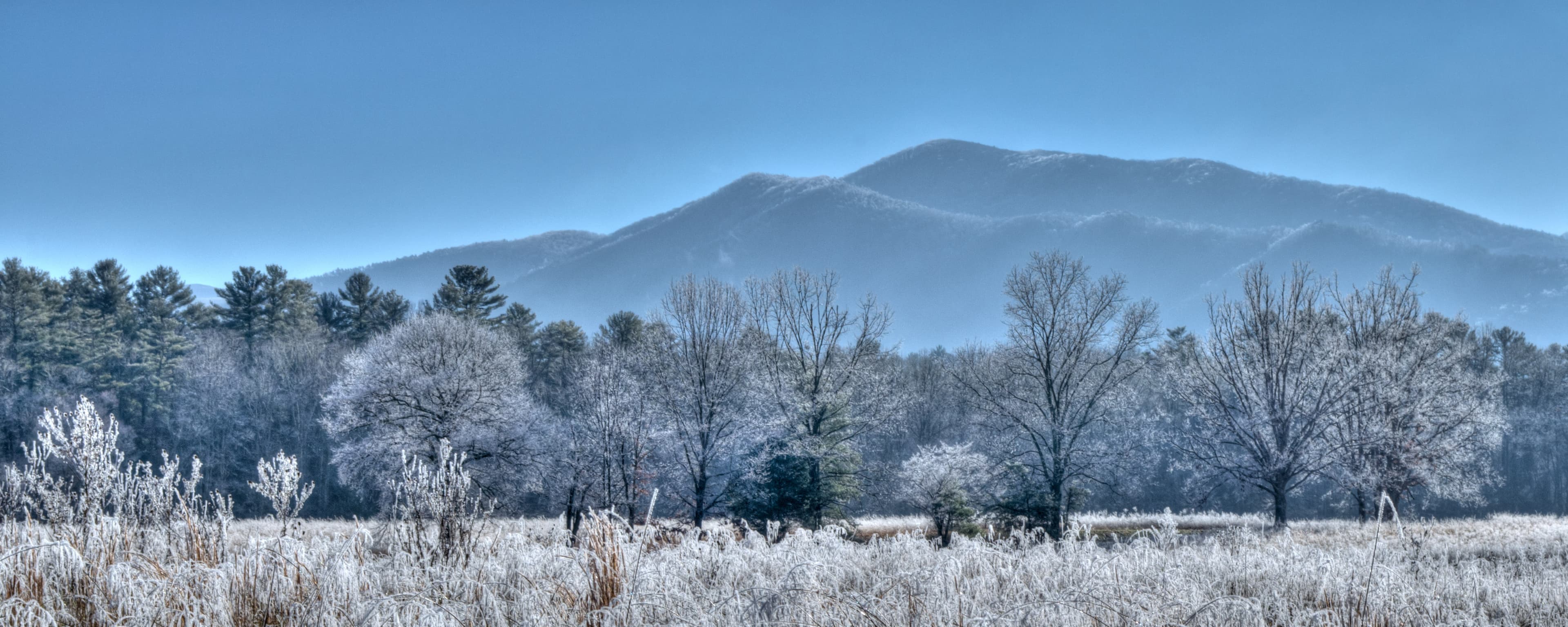
North Carolina spans from the Outer Banks barrier islands to the Blue Ridge Mountains, with camping concentrated at both extremes. The western mountains around Asheville, Bryson City, and Cherokee draw the highest volume of campers, positioned along the Blue Ridge Parkway and at the eastern edge of Great Smoky Mountains National Park. Elevations reach 3,700 feet in the camping zones, with Appalachian hardwood forests, waterfalls, and cool summer nights.
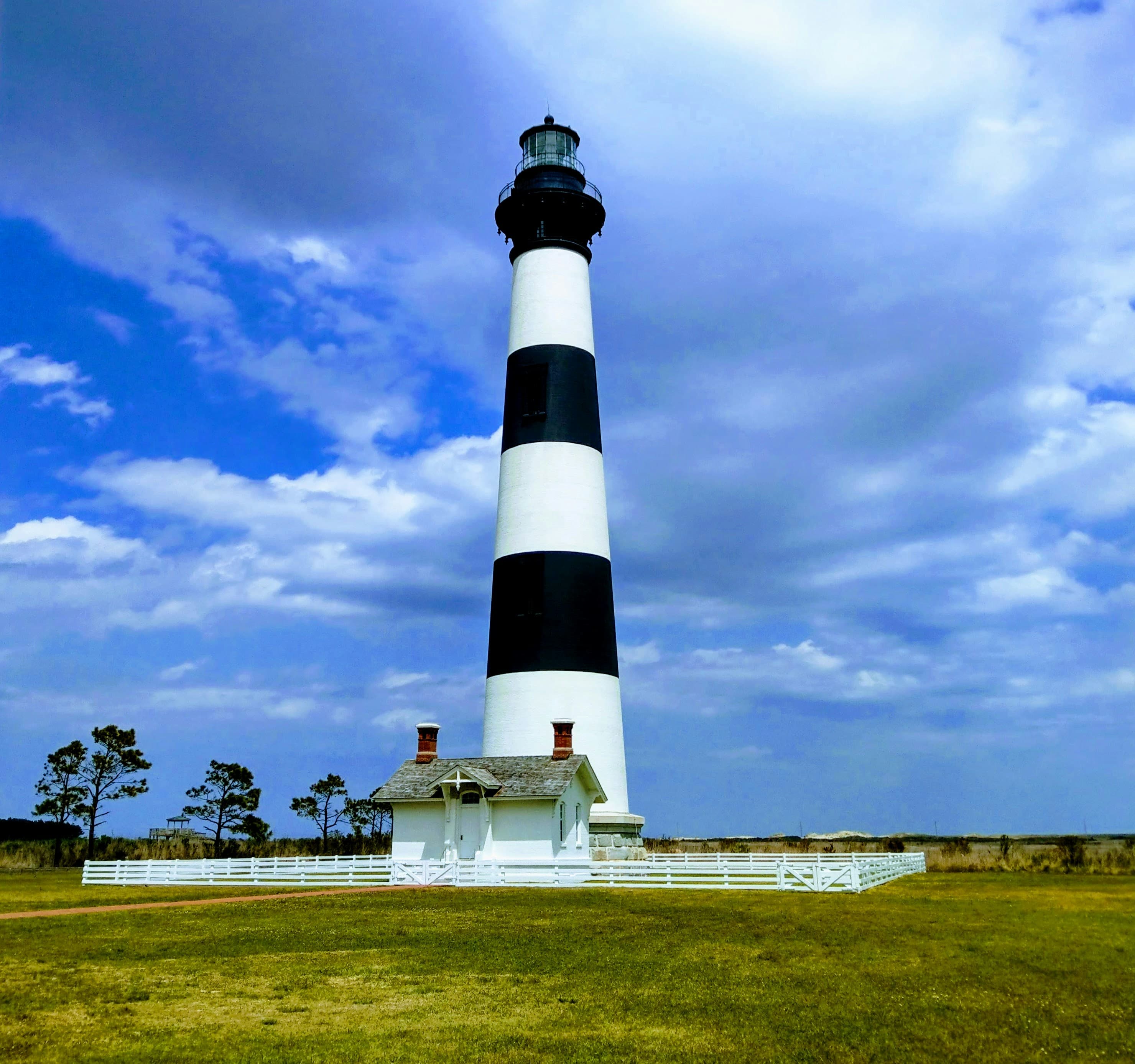
The coastal plain stretches east to the Outer Banks, where narrow barrier islands offer beach-adjacent camping exposed to Atlantic weather. Cape Hatteras and Cape Lookout National Seashores provide the most distinctive coastal camping in the Southeast. Between the mountains and the coast, the Piedmont region holds less camping interest but connects the two with a band of rolling farmland and forest. Most campers choose a mountain or coast trip rather than combining both in a single visit.
Mar-May
High 63°F · Low 51°F
Mountain wildflowers peak in April. Temperatures climb through the 60s and 70s at lower elevations. Higher peaks stay cool. Outer Banks warm gradually with wind remaining a factor. One of the less crowded seasons for mountain camping.
Jun-Aug
High 80°F · Low 68°F
Mountain campgrounds fill on weekends as lowland heat drives campers to higher elevations. Blue Ridge Parkway campgrounds and Pisgah National Forest see peak traffic. The Outer Banks draw beach campers. Afternoon thunderstorms common in the mountains.
Sep-Nov
High 63°F · Low 51°F
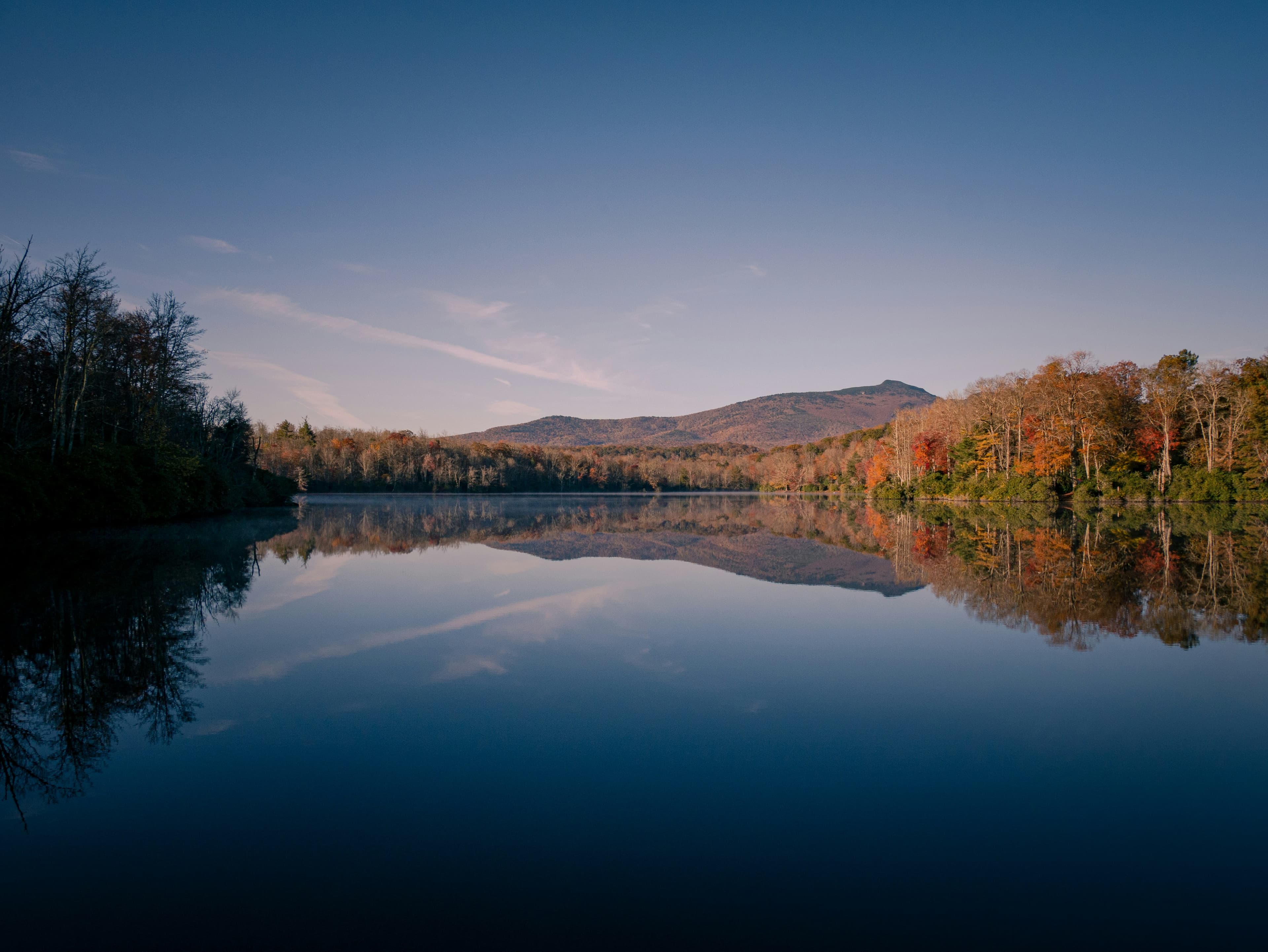
Fall color along the Blue Ridge Parkway peaks in October, making this the busiest season for mountain camping. Reservations are critical. The Outer Banks hurricane season extends through November. Clear, dry weather in the mountains most days.
Dec-Feb
High 46°F · Low 34°F
Mountain campgrounds operate with limited services. January averages 38 degrees statewide but mountain areas drop lower. Outer Banks camping is quiet and cold with occasional nor'easters. Some private campgrounds close December through February.
| Season | Months | Avg High | Avg Low | Conditions |
|---|---|---|---|---|
| Spring | Mar-May | 63°F | 51°F | Mountain wildflowers peak in April. |
| Summer | Jun-Aug | 80°F | 68°F | Mountain campgrounds fill on weekends as lowland heat drives campers to higher elevations. |
| Fall | Sep-Nov | 63°F | 51°F | Fall color along the Blue Ridge Parkway peaks in October, making this the busiest season for mountain camping. |
| Winter | Dec-Feb | 46°F | 34°F | Mountain campgrounds operate with limited services. |
Source: NOAA 30-Year Climate Normals

| Region | Terrain | Key Areas |
|---|---|---|
| Blue Ridge Mountains | Mountain | Asheville, Waynesville, Marion, Boone |
| Great Smoky Mountains Border | Mountain | Bryson City, Cherokee, Robbinsville, Franklin |
| Foothills and Piedmont | Forest | Mt Airy, Morganton, Uwharrie |
| Outer Banks and Coast | Coastal | Nags Head, Hatteras, Ocracoke, Emerald Isle |
Mountain · Asheville, Waynesville, Marion, Boone
Asheville, Waynesville, and the Blue Ridge Parkway define this region. Pisgah National Forest offers both developed and dispersed camping. Elevations from 2,000 to 3,700 feet with dense Appalachian hardwood forest, waterfalls, and mountain streams. The highest camping traffic in the state concentrates here during fall color season. Asheville Bear Creek RV Park and Campfire Lodgings provide developed Asheville-area options, while Creekwood Farm RV Park near Waynesville adds a quieter mountain setting.
Mountain · Bryson City, Cherokee, Robbinsville, Franklin
Bryson City, Cherokee, and Robbinsville sit along the Tennessee border at the eastern entrance to Great Smoky Mountains National Park. Deep Creek and Balsam Mountain campgrounds are on the North Carolina side. The Nantahala National Forest extends south with river gorges and whitewater. Smoky Mountain Campground and Deep Creek Tube Center and Campground in Bryson City sit closest to the Deep Creek park entrance. Happy Holiday RV Village in Cherokee serves the Oconaluftee corridor.
Forest · Mt Airy, Morganton, Uwharrie
The transition zone between mountains and coastal plain. Mt. Airy, Hanging Rock, and Pilot Mountain state parks offer camping on monadnock peaks rising above the rolling Piedmont. Uwharrie National Forest provides the closest mountain-feel camping to Charlotte and the Triad cities. Mayberry Campground in Mt Airy and Steel Creek Park and Family Campground in Morganton provide the primary options in the foothills transition zone.
Coastal · Nags Head, Hatteras, Ocracoke, Emerald Isle
Barrier island camping from Corolla south through Hatteras to Cape Lookout. Cape Hatteras National Seashore campgrounds sit behind the dunes with beach access. Cape Lookout requires a ferry and offers more primitive camping. Wind and sand are constants. Fishing, surfing, and lighthouse visits drive the activity. Oregon Inlet Campground near Nags Head and Hatteras Sands Campground provide developed camping on the barrier islands within Cape Hatteras National Seashore.

Higher elevations above 4,000 feet begin turning in late September. The peak along the Parkway typically falls in the second and third weeks of October. Lower elevations around Asheville reach peak color by late October. Timing shifts by a week or two depending on temperature and rainfall patterns each year.
Cape Hatteras National Seashore has developed campgrounds at Oregon Inlet, Cape Point, Frisco, and Ocracoke. Sites sit behind the primary dune line with beach access. Cape Lookout National Seashore offers more primitive beach camping accessible only by ferry or private boat. Reservations are recommended for summer.
Pisgah and Nantahala national forests permit dispersed camping on most forest land. Camp at least 200 feet from water and trails. No permits required for dispersed camping, but some popular areas have designated sites. Fire regulations vary by season and location.
Very crowded in October. Blue Ridge Parkway campgrounds are first-come and fill by early afternoon on weekends. Private campgrounds near Asheville book weeks in advance. The southern Smokies border area (Bryson City, Cherokee) has more availability than the Parkway corridor but still fills on peak weekends.
Black bears are the primary concern in western North Carolina. Store food in bear-proof containers or vehicles. Copperhead and timber rattlesnakes inhabit rocky areas below 4,500 feet. Venomous spiders are rare. Elk have been reintroduced to the Cataloochee Valley area of Great Smoky Mountains National Park.