A complete guide to camping in Hawaii

Hawaii camping requires different expectations than the mainland. The state's volcanic islands offer camping on black-sand beaches, in tropical rainforest, and above the clouds on dormant volcanoes. But the infrastructure is limited, permitting is complex, and the camping culture runs on a different set of rules. Most campgrounds are managed by county, state, or national park systems with varying permit requirements that must be obtained before arrival.
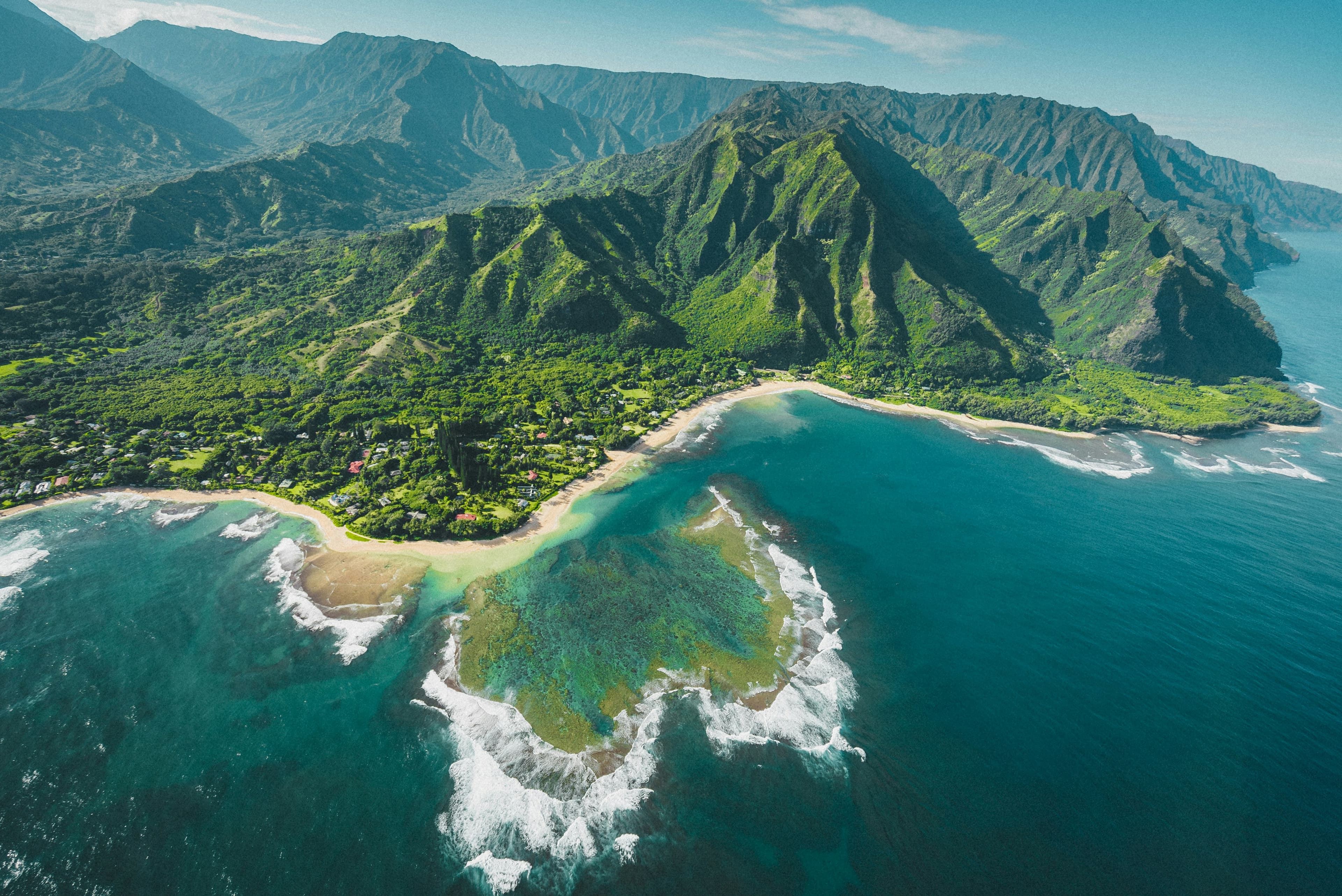
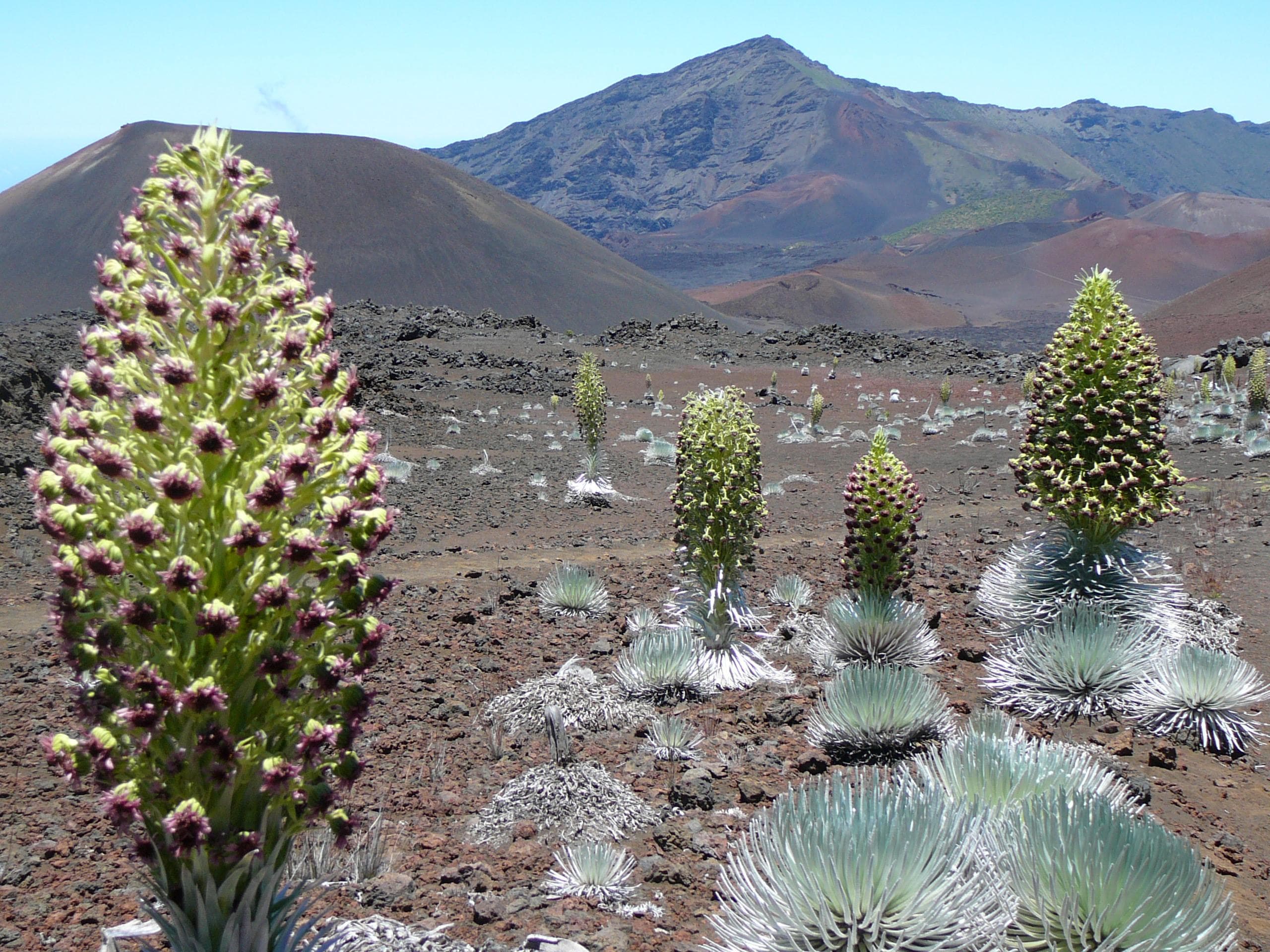
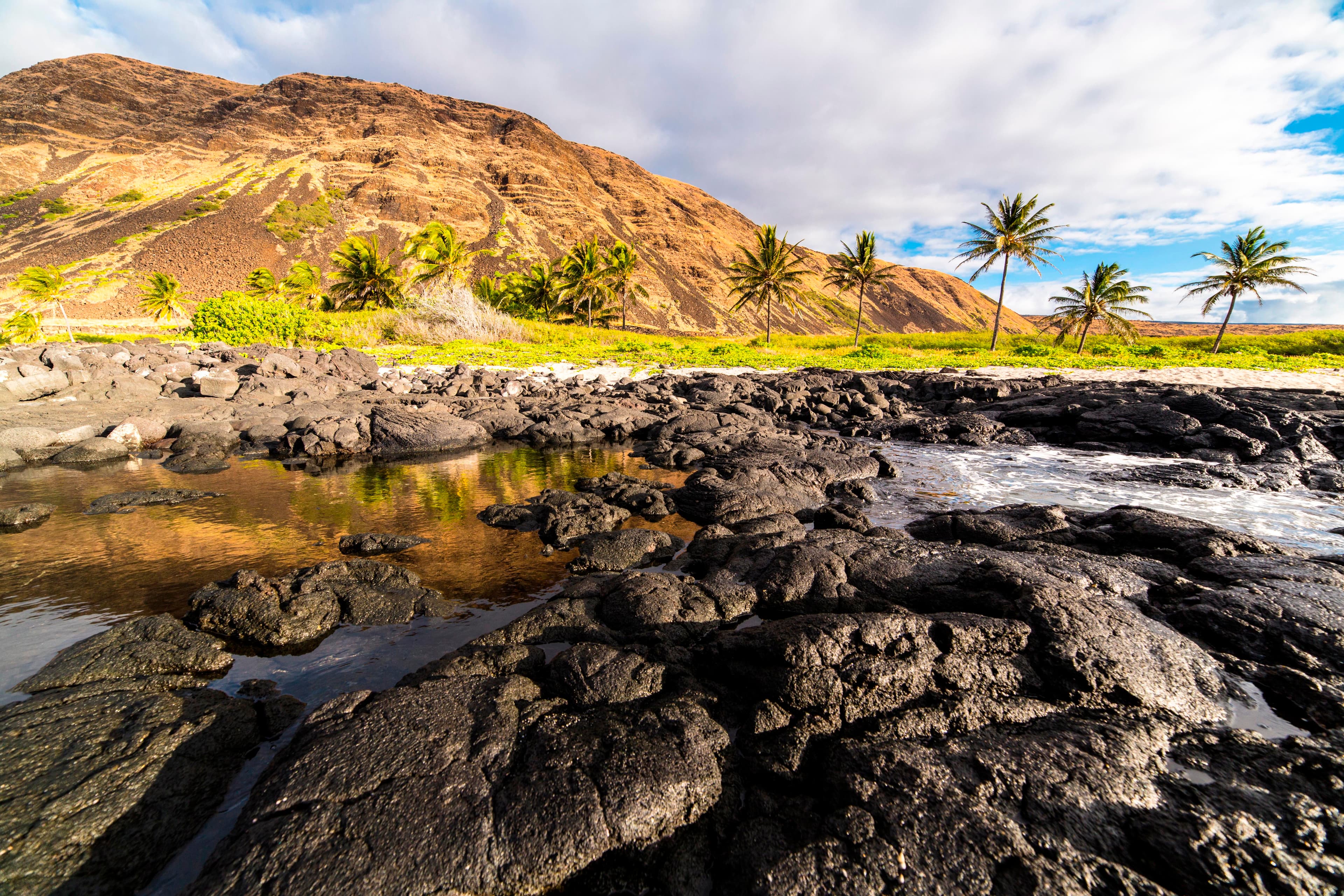
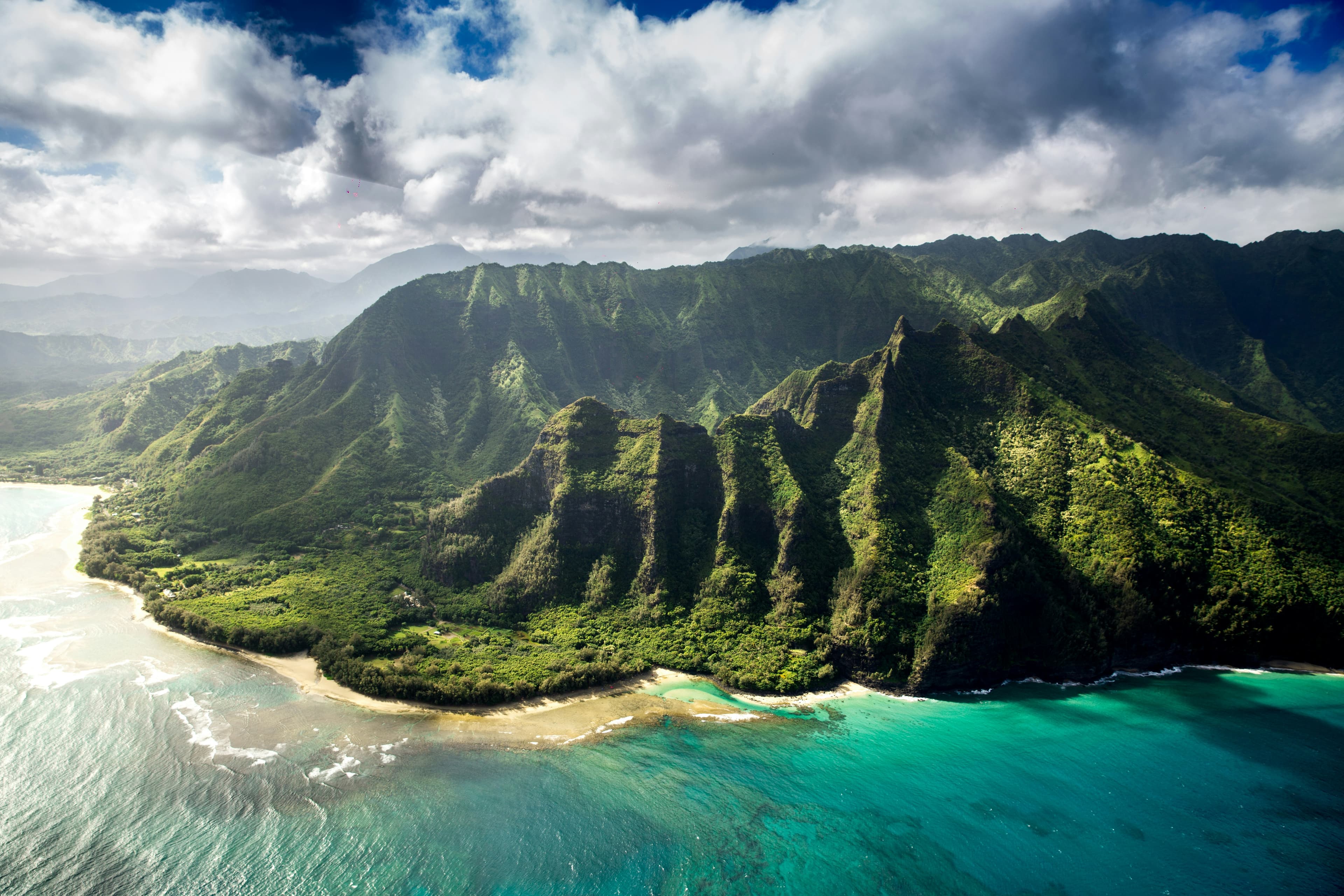
The Big Island (Hawaii Island) holds the most camping variety, from the volcanic landscape of Hawaii Volcanoes National Park to the green Hamakua Coast. Maui's Haleakala National Park provides high-elevation crater camping above 7,000 feet. Kauai's Na Pali Coast trail is one of the most famous backcountry hikes in the world, with coastal campsites accessible only by foot or boat. Oahu has the most accessible campgrounds but also the most regulations and permit competition due to population density.
Mar-May
Transitioning from wet to dry season. North shore surf diminishes. Trail conditions improve on windward sides. Whale season ends in April. Comfortable temperatures in the low 80s.
Jun-Aug
Dry season on most islands. The most popular camping window. Trade winds keep temperatures manageable. South and west shore beaches are calmest. Campground permits compete with peak tourist season.
Sep-Nov
Continued dry conditions. Hurricane season peaks in August and September but direct hits are rare. Crowds thin after summer. One of the best windows for both camping and permits.
Dec-Feb
Wet season, especially on windward (north and east) sides. North shore surf reaches 20 to 40 feet. Haleakala summit can freeze. Whale watching season begins December through April. Campground availability improves.
| Season | Months | Avg High | Avg Low | Conditions |
|---|---|---|---|---|
| Spring | Mar-May | — | — | Transitioning from wet to dry season. |
| Summer | Jun-Aug | — | — | Dry season on most islands. |
| Fall | Sep-Nov | — | — | Continued dry conditions. |
| Winter | Dec-Feb | — | — | Wet season, especially on windward (north and east) sides. |
Source: NOAA 30-Year Climate Normals

| Region | Terrain | Key Areas |
|---|---|---|
| Big Island (Hawaii Island) | Coastal | Waimea, Hilo, Volcano, Kailua-Kona |
| Maui | Mountain | Kula, Hana, Paia, Lahaina |
| Kauai | Coastal | Hanapepe, Princeville, Kapaa, Waimea |
| Oahu | Coastal | Waianae, Kaneohe, Waimanalo, Haleiwa |
Coastal · Waimea, Hilo, Volcano, Kailua-Kona
The largest island with the most diverse camping. Hawaii Volcanoes National Park has drive-in and backcountry camping on active volcanic terrain. The Kohala Coast is dry and sunny. The Hamakua Coast is lush rainforest. Mauna Kea rises to 13,796 feet. Waimea and Hilo serve as supply towns. Camp Hale Koa near Waimea and campgrounds within Hawaii Volcanoes National Park provide the primary developed options on the Big Island.
Mountain · Kula, Hana, Paia, Lahaina
Haleakala National Park offers high-elevation camping inside a volcanic crater at 7,000 to 10,000 feet. Temperatures drop below freezing at the summit. The road to Hana passes multiple county and state campgrounds. Hosmer Grove campground sits in cloud forest on Haleakala's slope. West Maui is dry and resort-focused. Hosmer Grove Campground on Haleakala's slope and Kipahulu Campground at the end of the Hana Highway provide the two main park camping options on Maui.
Coastal · Hanapepe, Princeville, Kapaa, Waimea
The oldest main island with the most dramatic terrain. The Na Pali Coast trail (Kalalau) is the most dramatic backcountry camping experience in Hawaii. Polihale State Park on the west side has beach camping on one of the state's longest stretches of sand. Kokee State Park sits at 3,400 feet with forest camping. Sugi Grove Campground near Hanapepe and state park campgrounds along the Na Pali and Kokee corridors serve Kauai's limited but scenic camping.
Coastal · Waianae, Kaneohe, Waimanalo, Haleiwa
The most populated island with the most regulated camping. County beach parks require permits with limited consecutive nights. Malaekahana and Bellows Beach are among the best tent camping options. The North Shore provides a surfing-culture backdrop. Camp security is a bigger consideration here than on other islands. Campgrounds at Ho'omaluhia Botanical Garden in Kaneohe and beach campsites along the Waianae coast provide the primary Oahu options, all requiring county permits.

Almost always. County beach parks, state parks, and national parks each have separate permit systems. County permits are usually free but limited in consecutive nights. State parks charge a per-night fee. National park campgrounds use Recreation.gov. Apply online before your trip as permits are not always available at the gate.
The 11-mile trail along Kauai's Na Pali Coast is one of the most spectacular hikes in the world. Camping at Kalalau Beach rewards the effort with a remote, cliff-ringed beach. The trail is strenuous with exposure, river crossings, and mud. Permits are required and competitive for summer. Not recommended for inexperienced hikers.
Haleakala summit reaches 10,023 feet. Temperatures at the summit can drop below freezing year-round, including summer. Wind chill adds to the cold. The campground at Hosmer Grove sits at 6,800 feet with more moderate conditions. Bring full cold-weather gear for summit camping.
Unfortunately, yes. Campground theft is well-documented on all islands, most frequently on Oahu. Do not leave valuables in tents or visible in vehicles. Use hard-sided containers. Camp in groups when possible. The problem is manageable with awareness but should not be ignored.
The Big Island offers the most variety: volcanic terrain, rainforest, dry coast, and high mountains. Kauai has the most dramatic scenery with the Na Pali Coast. Maui has Haleakala crater camping. Oahu is the most accessible but most regulated. First-time Hawaii campers often start with the Big Island for its range of options.