Camping Near Hawaii Volcanoes National Park
Hawaii | Established 1916
About Hawaii Volcanoes National Park
Hawaii Volcanoes National Park preserves 335,259 acres on the Big Island of Hawaii, encompassing two active volcanoes: Kilauea and Mauna Loa. Two drive-in campgrounds serve the park. Namakanipaio Campground at 4,000 feet has 16 tent sites ($15/night) with water, restrooms, and picnic tables. Kulanaokuaiki Campground sits at 2,700 feet along Hilina Pali Road with 9 primitive tent sites ($10/night), pit toilets, and no water. Both operate first-come, first-served with a seven-day maximum stay.
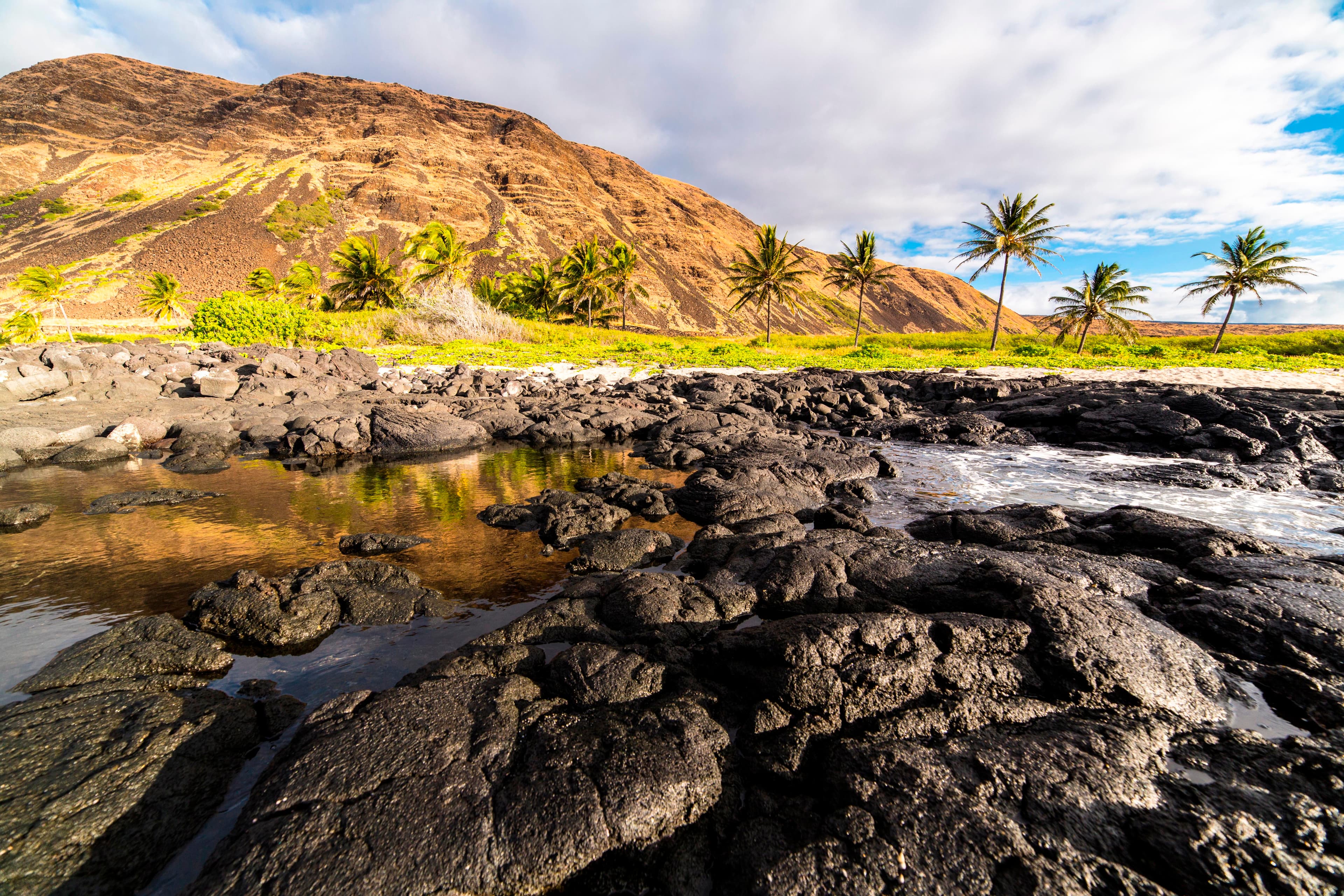
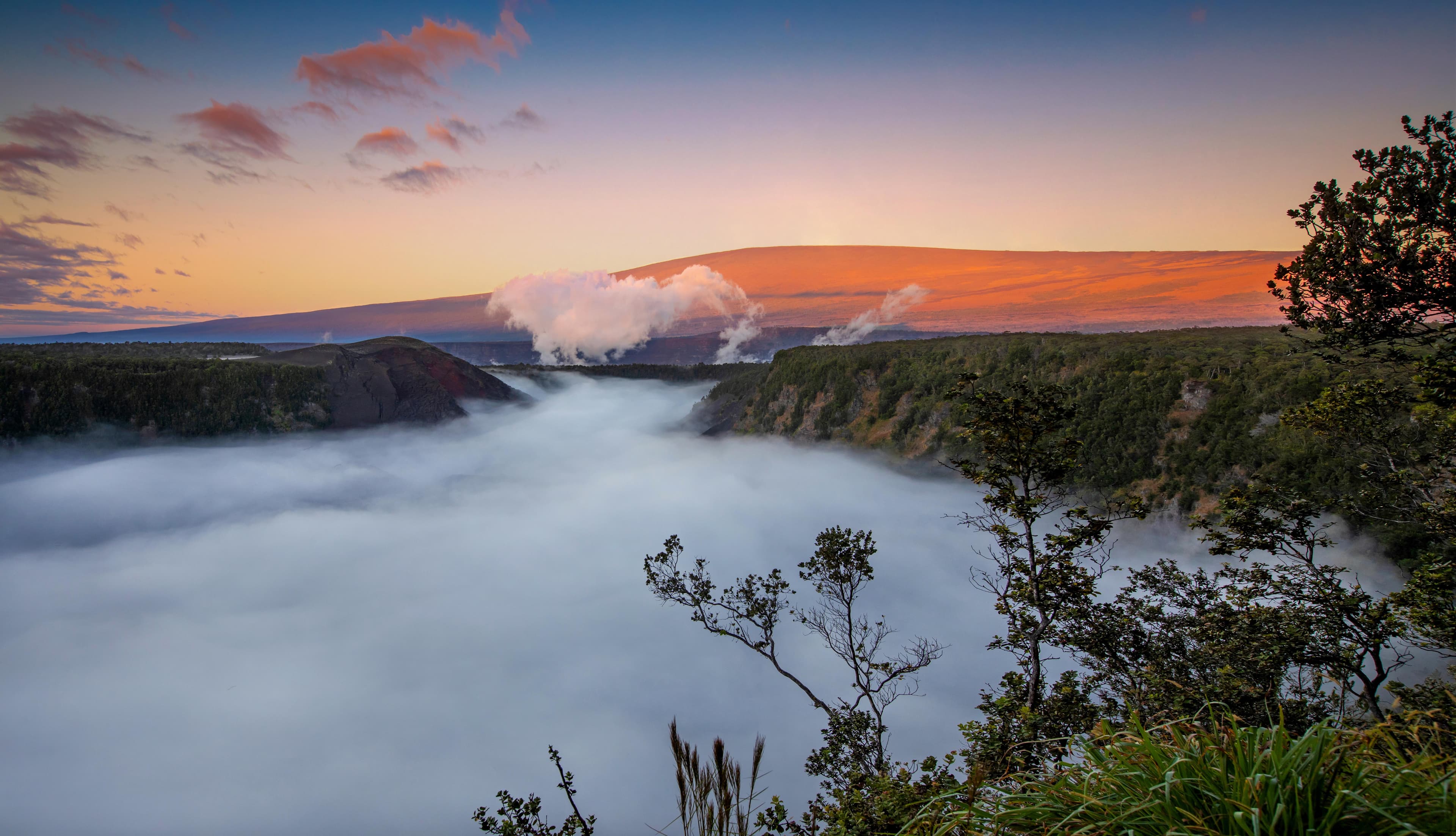
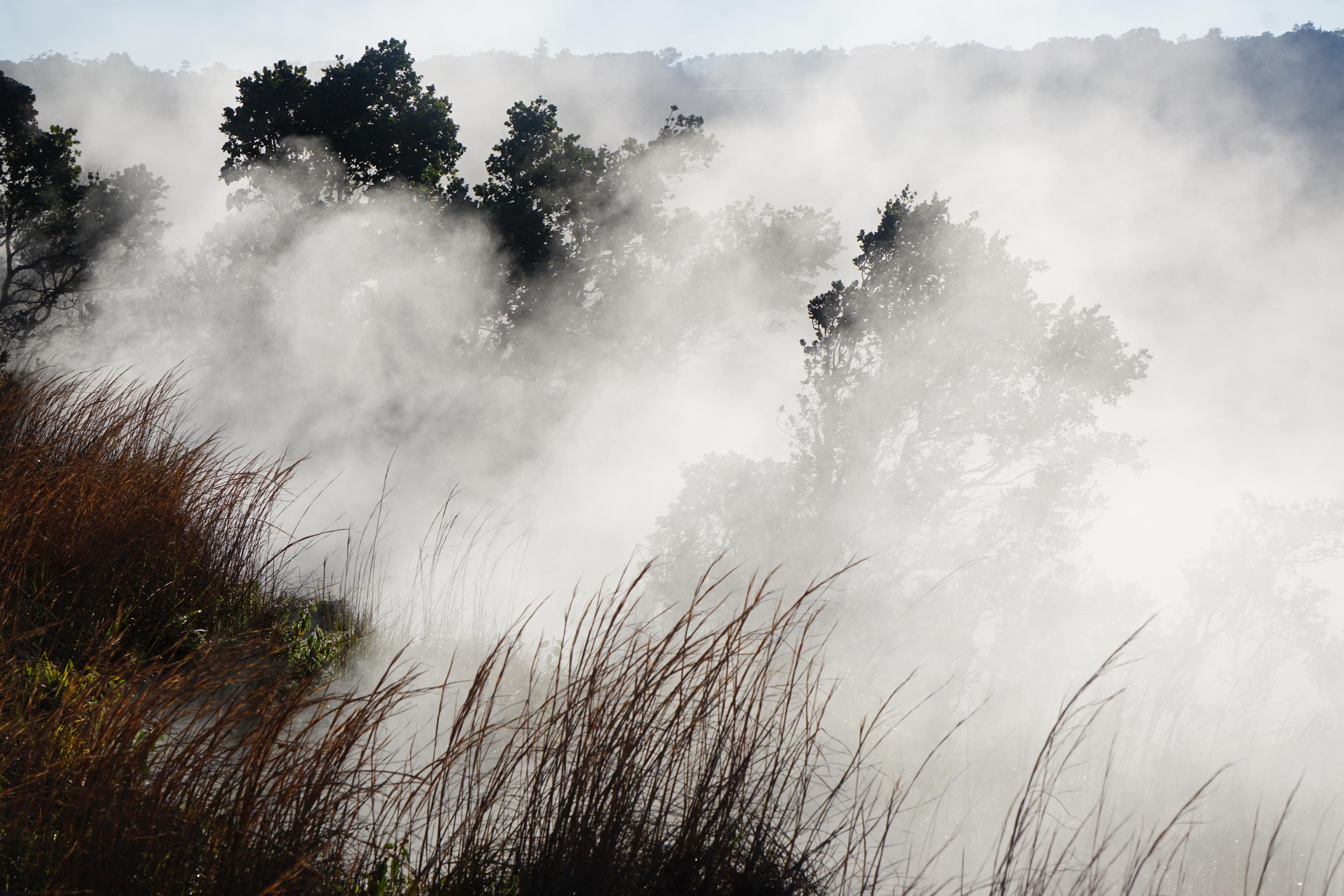
Crater Rim Drive (11 miles) circles the Kilauea caldera with overlooks of steaming vents and the Halemaumau crater. Chain of Craters Road (19 miles) descends 3,700 feet from the crater rim to the coast, passing lava flows and the Pu'u Loa petroglyph field. The Thurston Lava Tube is a 500-year-old tunnel accessible via an easy 20-minute walk. Volcanic smog (vog) from Kilauea's emissions can affect air quality, particularly during trade wind disruptions from May through October.
Camping Tips for Hawaii Volcanoes
- Both campgrounds are first-come, first-served with a seven-day maximum stay. Namakanipaio (16 sites, $15/night) has water and restrooms. Kulanaokuaiki (9 sites, $10/night) has pit toilets only and no water.
- Bring warm layers. Namakanipaio at 4,000 feet drops to the 40s and 50s at night year-round. Rain is frequent; pack rain gear and a tarp regardless of forecast.
- Check volcanic activity and air quality before visiting. Volcanic smog (vog) from Kilauea can cause respiratory irritation. Conditions worsen during kona winds from May through October. Monitor alerts at the park website.
- Arrive before 10 AM to secure parking at popular trailheads and overlooks along Crater Rim Drive. Lots fill quickly during peak visitation.
- Pets on a leash of six feet or shorter are allowed at Namakanipaio Campground, on paved roads, and in parking areas. Pets are prohibited at Kulanaokuaiki, on all trails, and in the backcountry.
RV Parks & Campgrounds Near Hawaii Volcanoes National Park
No campgrounds found within 40 miles. Try searching nearby towns.
Frequently Asked Questions
What campgrounds are inside Hawaii Volcanoes National Park?
The park has two drive-in campgrounds: Namakanipaio (16 tent sites, $15/night, 4,000 feet, water and restrooms) and Kulanaokuaiki (9 tent sites, $10/night, 2,700 feet, pit toilets, no water). Both are first-come, first-served with a seven-day maximum stay. No RV hookups exist.
Namakanipaio sits near the park entrance in a eucalyptus and ohia forest with picnic tables, grills, water spigots, and restrooms. Kulanaokuaiki is 5 miles down Hilina Pali Road in a more remote setting. Neither campground accommodates large RVs; sites are designed for tents and small campervans. The park also has backcountry campsites accessible by foot for wilderness camping with a free permit from the visitor center.
Is there active lava to see at Hawaii Volcanoes?
Kilauea is among the most active volcanoes on Earth. Whether surface lava is visible depends on current volcanic activity, which changes frequently. Check the park's eruption updates page and USGS Hawaiian Volcano Observatory alerts before visiting for the latest conditions.
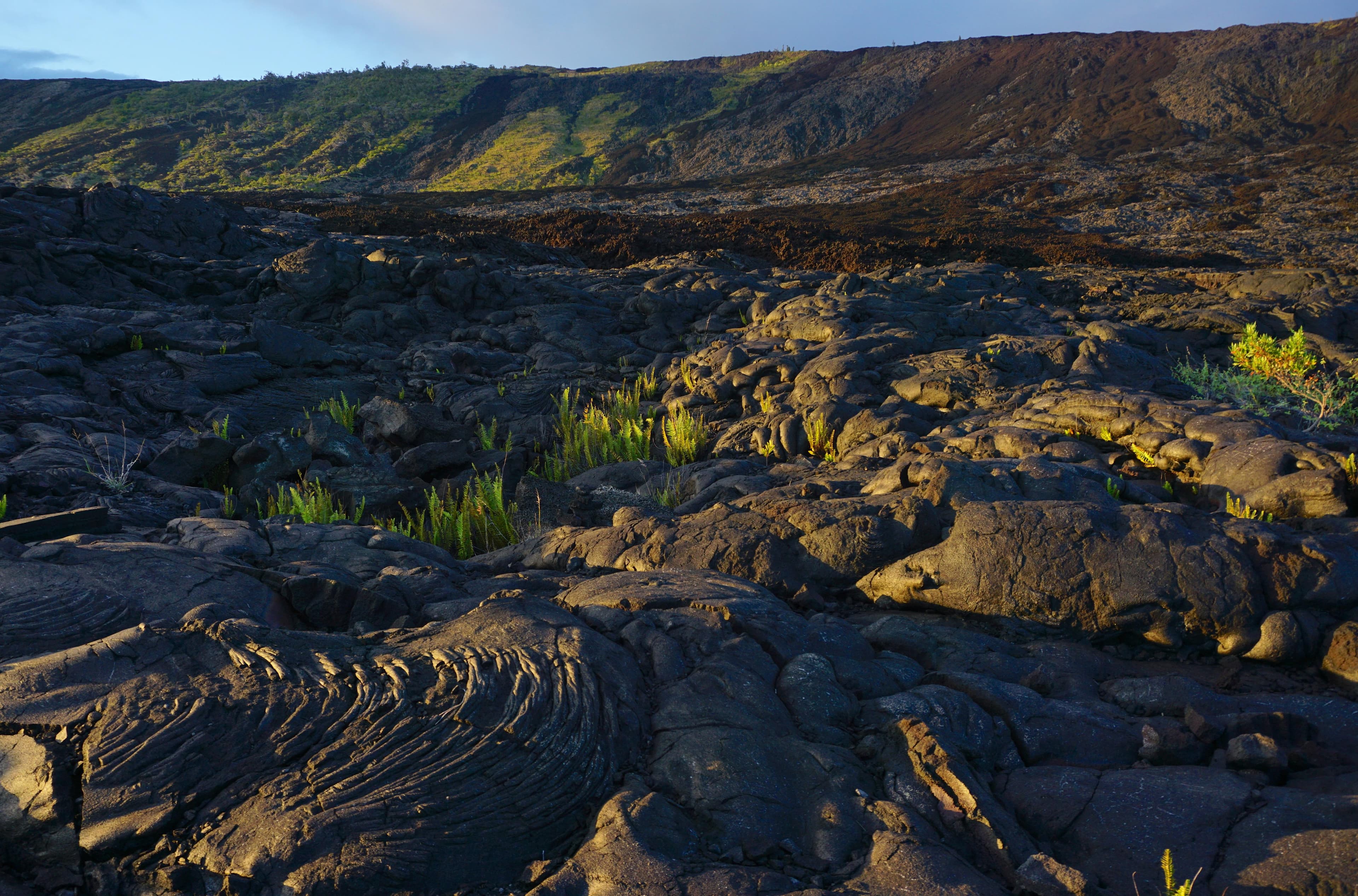
During eruptions, lava may be visible at the Halemaumau crater, along the rift zone, or where flows reach the coast. Between eruptions, the park offers steaming vents, sulfur banks, and lava fields from previous eruptions. Crater Rim Drive overlooks provide views into the Halemaumau crater. Chain of Craters Road passes through multiple generations of lava flows. The park's volcanic activity is monitored continuously by USGS.
What is volcanic smog (vog) and how does it affect camping?
Vog is a haze created when sulfur dioxide gas from Kilauea reacts with moisture and sunlight. It can cause headaches, breathing difficulty, and eye irritation. Conditions are worst during kona wind patterns (May through October) when emissions blow back over the park.
People with asthma, respiratory conditions, or heart problems should monitor air quality before visiting. The park posts current vog conditions at visitor centers and on the website. Trade winds (northeast winds dominant November through April) typically blow vog away from the park. When trade winds weaken or reverse (kona conditions), vog concentrates over the park. N95 masks can help during moderate vog days.
Can I bring my dog to Hawaii Volcanoes campgrounds?
Dogs on a leash of six feet or shorter are allowed at Namakanipaio Campground, on paved roads, and in parking areas. Dogs are prohibited at Kulanaokuaiki Campground, on Hilina Pali Road, on all trails, and in the backcountry.
The park protects endangered Hawaiian species including the nene (Hawaiian goose) and Hawaiian petrel. Dogs must not approach or disturb nene, which are frequently seen on lawns and roadsides near the visitor center. No kennel services are available near the park. Pet boarding is available in Hilo, about 30 miles northeast. Service animals are permitted in all areas with documentation.
What is the Thurston Lava Tube?
The Thurston Lava Tube (Nahuku) is a 500-year-old tunnel formed when the outer surface of a lava flow hardened while molten lava continued flowing inside. The 20-minute walk through native tree-fern forest and the illuminated tunnel is paved, easy, and suitable for all ages.
The lava tube is located off Crater Rim Drive near the Kilauea Iki overlook. The walk descends through dense ohia and hapu'u fern forest before entering the tunnel, which is about 600 feet long with a ceiling height of about 20 feet. The tunnel is lit but a flashlight helps in darker sections. The trail continues through an unlit extension for adventurous visitors. Morning visits before 10 AM avoid the heaviest crowds.
What is the entrance fee for Hawaii Volcanoes?
The entrance fee is $30 per vehicle for a seven-day pass. Motorcycles cost $25 and individual entry on foot or bicycle is $15. An annual Hawaii Tri-Park pass ($55) covers Hawaii Volcanoes, Haleakala, and Pu'uhonua o Honaunau.
The America the Beautiful pass ($80) covers all federal recreation sites. The park entrance on Highway 11 is staffed but also has self-pay kiosks. The park is open 24 hours a day, which makes it one of the few national parks where you can view volcanic glow at night from Crater Rim Drive overlooks. Campground fees are separate from the entrance fee.
What should I pack for camping at Hawaii Volcanoes?
Pack warm layers (nights drop to 40s-50s at 4,000 feet), rain gear (rain is frequent), a headlamp, and at least one gallon of water per person per day. Bring a camp stove since wood fires are prohibited at Kulanaokuaiki. Tent stakes for rocky volcanic soil are helpful.
The park's elevation creates cooler and wetter conditions than coastal Hawaii. Many visitors are surprised by how cold it gets at night. Rain can occur any time with little warning. A tarp over your tent and cooking area is invaluable. Bring layers that dry quickly. Mosquitoes are less of an issue at elevation than at sea level. The nearest stores for supplies are in Volcano Village (1 mile from the park entrance) and Hilo (30 miles northeast).
What are the main scenic drives in the park?
Crater Rim Drive (11 miles) circles the Kilauea caldera with overlooks, steam vents, and the Thurston Lava Tube. Chain of Craters Road (19 miles) descends 3,700 feet from the rim to the coast, passing lava fields and the Pu'u Loa petroglyph field with over 23,000 carvings.
Crater Rim Drive may have partial closures due to volcanic activity or gas emissions; check current conditions. Chain of Craters Road ends where lava flows covered the pavement. The Pu'u Loa Petroglyphs trail (1.5 miles round trip) leads to a field of over 23,000 images carved into lava rock by early Hawaiians. The Holei Sea Arch at the road's end is a dramatic coastal formation. Both drives have minimal shade; bring water and sun protection.
Quick Facts
- Entrance Fee
- $30/vehicle (7 days)
- Best Time to Visit
- April – October
- Nearest Town
- Volcano, HI, Hilo, HI, Pahala, HI
- Elevation
- Sea level – 13,681 ft
- Park Size
- 335,259 acres
- Annual Visitors
- ~1.0 million