A complete guide to camping in Florida

Florida camping happens at sea level. The highest campground in the state sits barely 200 feet above the ocean, and most are within earshot of saltwater or freshwater. The state's 1,350 miles of coastline create a camping scene dominated by beach access, tidal marshes, and barrier island campgrounds. The Atlantic side runs from Jacksonville's dunes south through Flagler and Cocoa Beach to the Keys. The Gulf side stretches from the Panhandle's sugar-sand beaches through Naples and into the Everglades.
Inland Florida offers a different landscape. The central lake region around Okeechobee and Lakeland supports a large RV community that stays through winter. Cypress swamps, spring-fed rivers, and pine flatwoods make up the interior terrain. Ocala National Forest and the Kissimmee Prairie anchor the public-land camping options. The state's subtropical climate means camping is a year-round activity, though summer brings intense heat, daily thunderstorms, and mosquitoes that test even experienced campers. Winter is peak season, when snowbirds fill campgrounds from November through March.
Mar-May
High 76°F · Low 64°F
Comfortable temperatures before summer humidity sets in. Spring break crowds thin by April. Good window for beach camping and kayaking in the Keys and Gulf coast.
Jun-Aug
High 87°F · Low 75°F
Hot and humid with daily afternoon thunderstorms. Mosquitoes peak near standing water. Beach campgrounds remain popular but inland sites see lower occupancy. Hurricane season begins June 1.
Sep-Nov
High 76°F · Low 64°F
September and October remain hot with active hurricane season. November marks the start of the dry season and the return of pleasant camping weather. Snowbird season begins.
Dec-Feb
High 65°F · Low 53°F
Peak camping season. Northern travelers fill campgrounds from December through March. January averages 58 degrees statewide. The Keys and South Florida stay warm while the Panhandle can dip into the 40s overnight.
| Season | Months | Avg High | Avg Low | Conditions |
|---|---|---|---|---|
| Spring | Mar-May | 76°F | 64°F | Comfortable temperatures before summer humidity sets in. |
| Summer | Jun-Aug | 87°F | 75°F | Hot and humid with daily afternoon thunderstorms. |
| Fall | Sep-Nov | 76°F | 64°F | September and October remain hot with active hurricane season. |
| Winter | Dec-Feb | 65°F | 53°F | Peak camping season. |
Source: NOAA 30-Year Climate Normals

| Region | Terrain | Key Areas |
|---|---|---|
| Gulf Coast and Panhandle | Coastal | Destin, Panama City Beach, Naples, St. Petersburg |
| Atlantic Coast | Coastal | Jacksonville, St. Augustine, Cocoa Beach, Key West |
| Central Lakes and Okeechobee | Lakefront | Okeechobee, Lakeland, Lake Wales, St. Cloud |
| Everglades and South Florida | Coastal | Ochopee, Homestead, Key Largo |
| North Florida and Springs | Forest | Ocala, High Springs, Lake City |
Coastal · Destin, Panama City Beach, Naples, St. Petersburg
White sand beaches from Pensacola through Panama City and south to Naples. The Panhandle offers the most traditional beach camping experience in the state. Campgrounds sit behind dunes with direct beach access. The Big Bend coast south of Tallahassee is less developed, with marshland and oyster bars replacing sandy beaches. Bayview RV Campground in Destin, Sun Outdoors Panama City Beach, and Camp Grayton Beach State Park in Santa Rosa Beach anchor the panhandle corridor.
Coastal · Jacksonville, St. Augustine, Cocoa Beach, Key West
Florida's eastern shore runs from Amelia Island near Jacksonville south through Daytona, Cocoa Beach, and Palm Beach to Miami. State parks like Anastasia and Sebastian Inlet offer beachfront camping. The Intracoastal Waterway parallels the coast. Campgrounds tend to be more urban here than the Gulf side. North Beach Camp Resort near St. Augustine and Flamingo Lake in Jacksonville provide the primary north-coast options.
Lakefront · Okeechobee, Lakeland, Lake Wales, St. Cloud
The interior lake region around Okeechobee, Lakeland, and the Kissimmee chain attracts long-term RV campers who winter in the mild central Florida climate. Flat terrain with cattle ranches, citrus groves, and freshwater fishing. Less touristy than the coasts with more affordable seasonal rates. Lakeside North RV Resort and Zachary Taylor Waterfront RV Resort in Okeechobee draw the largest seasonal RV population in central Florida.
Coastal · Ochopee, Homestead, Key Largo
Everglades National Park and Big Cypress National Preserve offer a camping experience unlike anywhere else in the country. Chickee platforms in the backcountry, drive-in sites at Flamingo, and canoe-access camping through mangrove waterways. Dry season (November through April) is the only practical camping window. Trail Lakes Campground in Ochopee and Long Pine Key Campground in Homestead provide developed bases for Everglades exploration.
Forest · Ocala, High Springs, Lake City
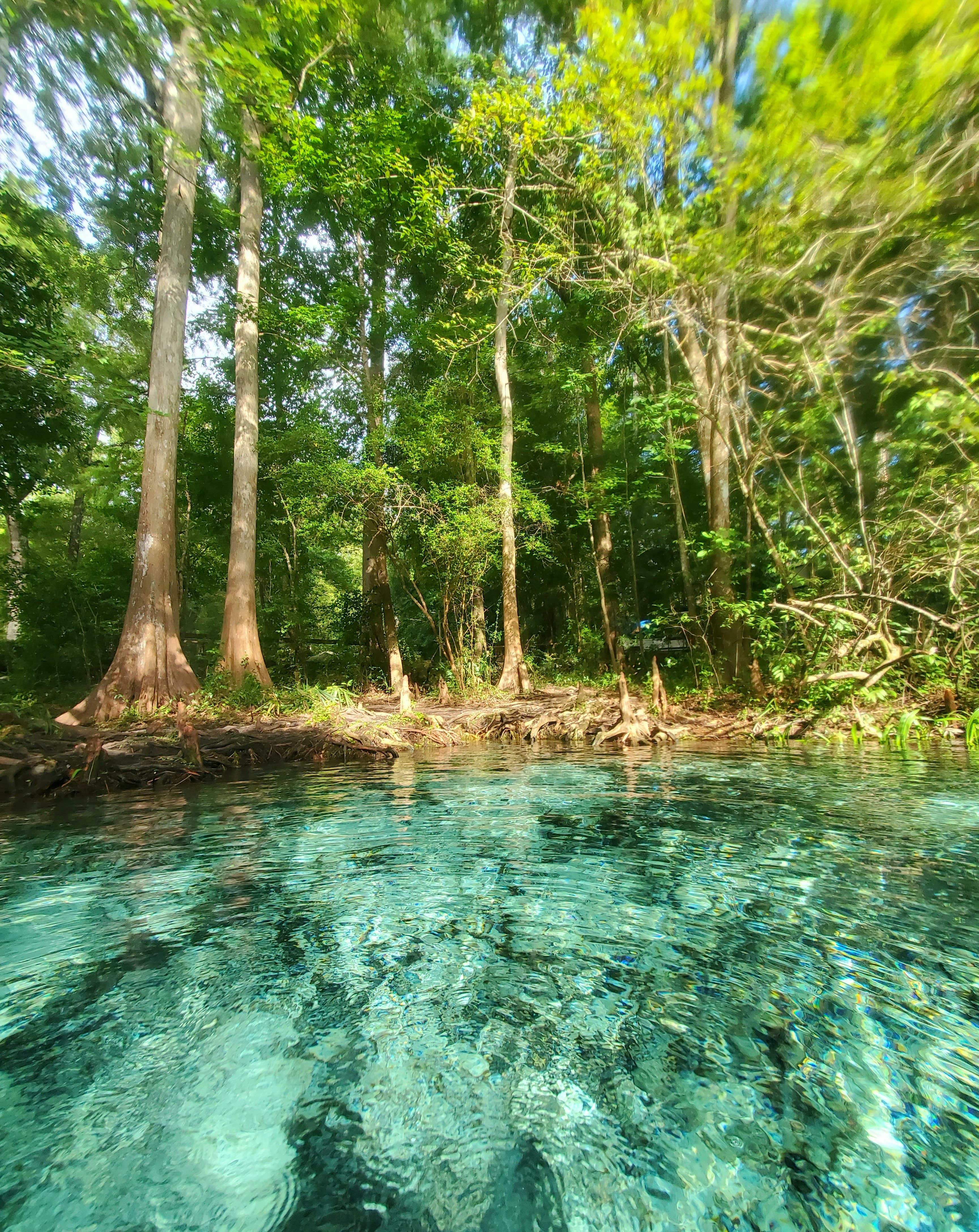
Spring-fed rivers, pine flatwoods, and the Ocala National Forest define this region. Ichetucknee, Rainbow, and Ginnie Springs draw tubers and divers. Campgrounds here feel more like the rural South than tropical Florida. Cooler winters than the rest of the state. Ginnie Springs Outdoors near High Springs combines camping with one of the clearest spring-diving sites in the state, while Ocala Sun RV Resort serves the national forest area.

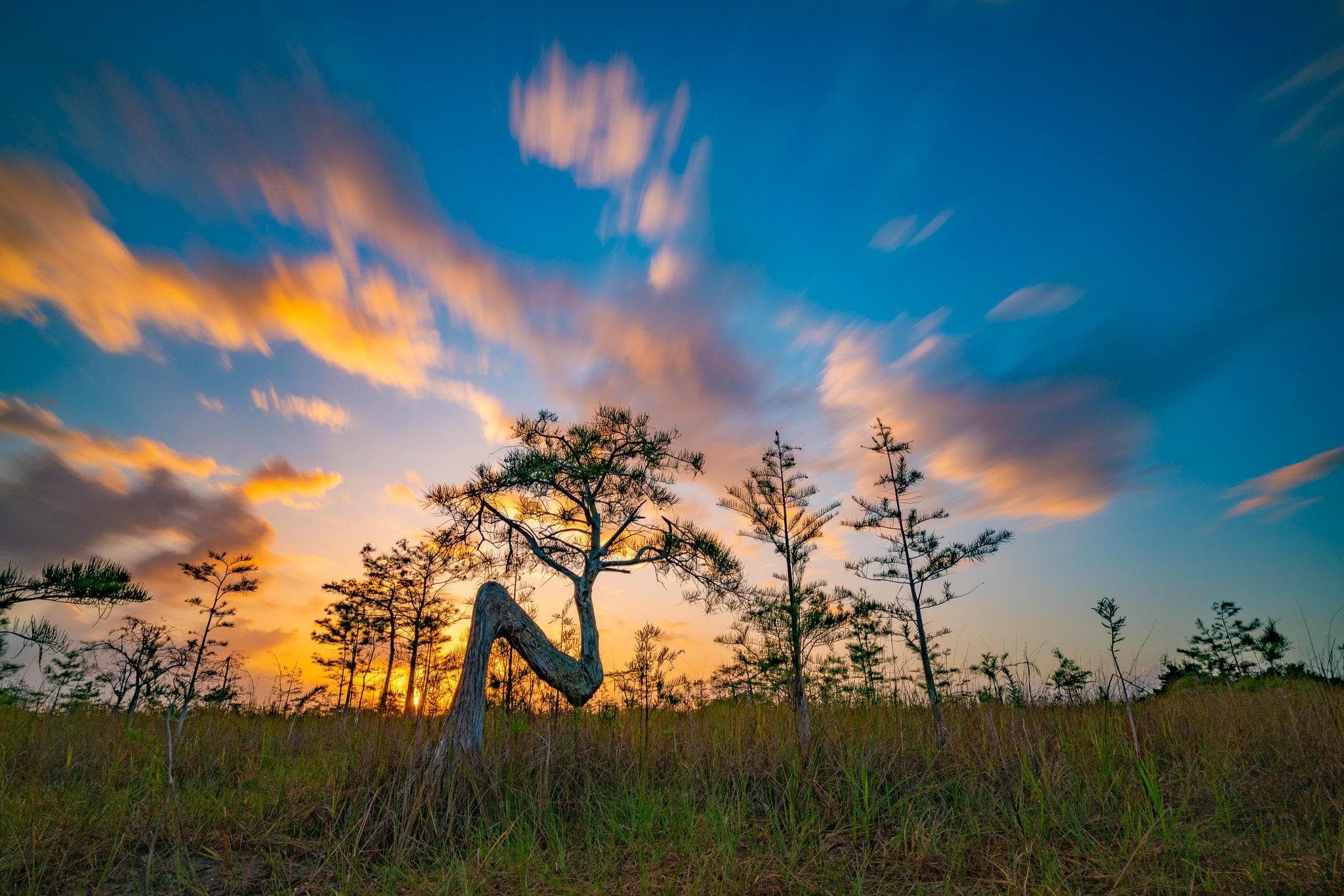
A vast subtropical wilderness of sawgrass marshes, mangrove forests, and coastal waterways teeming with wildlife.
View camping guide →
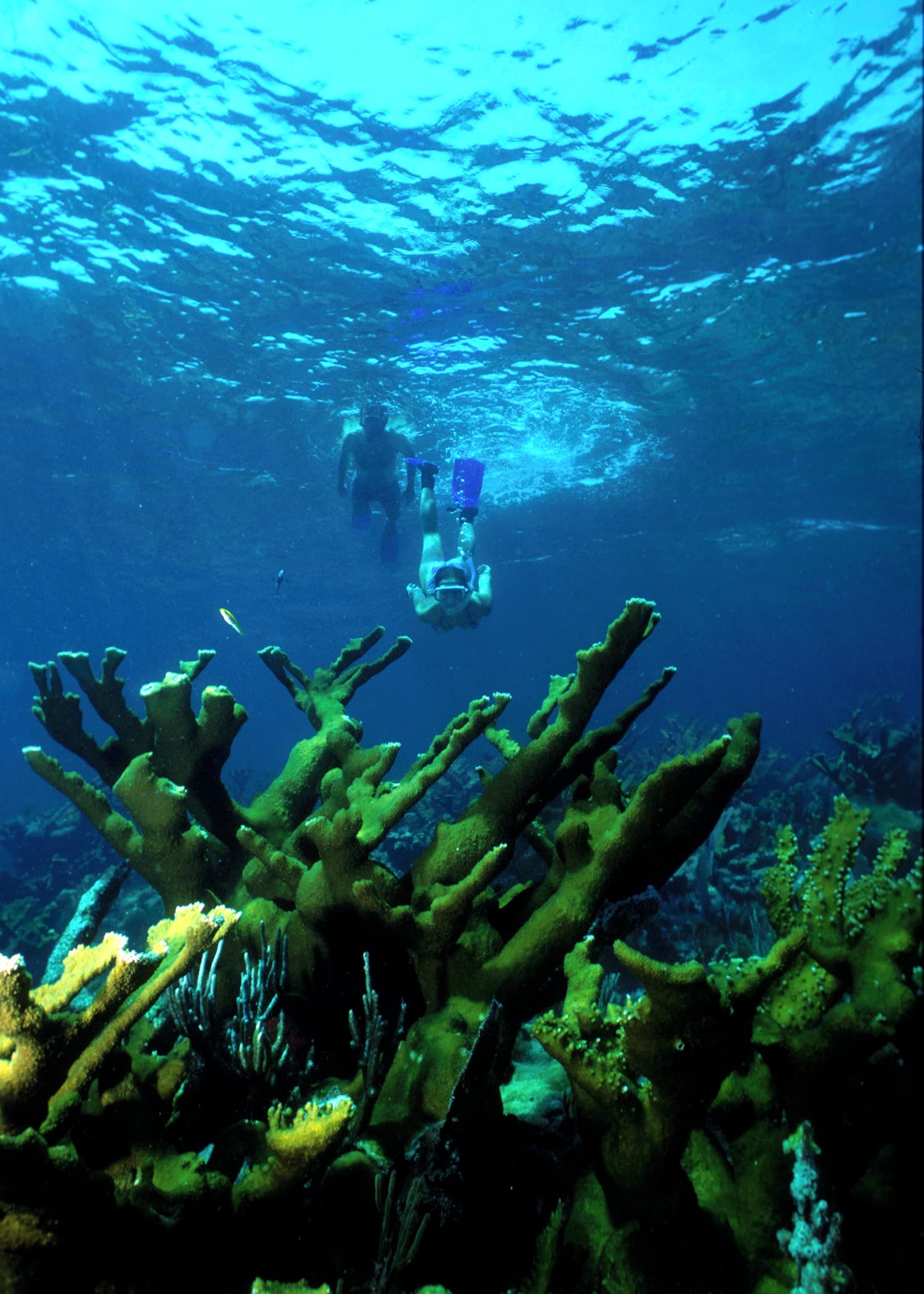
Camp on tropical keys accessible only by boat in a park that is 95% water, with coral reefs, mangroves, and warm turquoise shallows.
View camping guide →
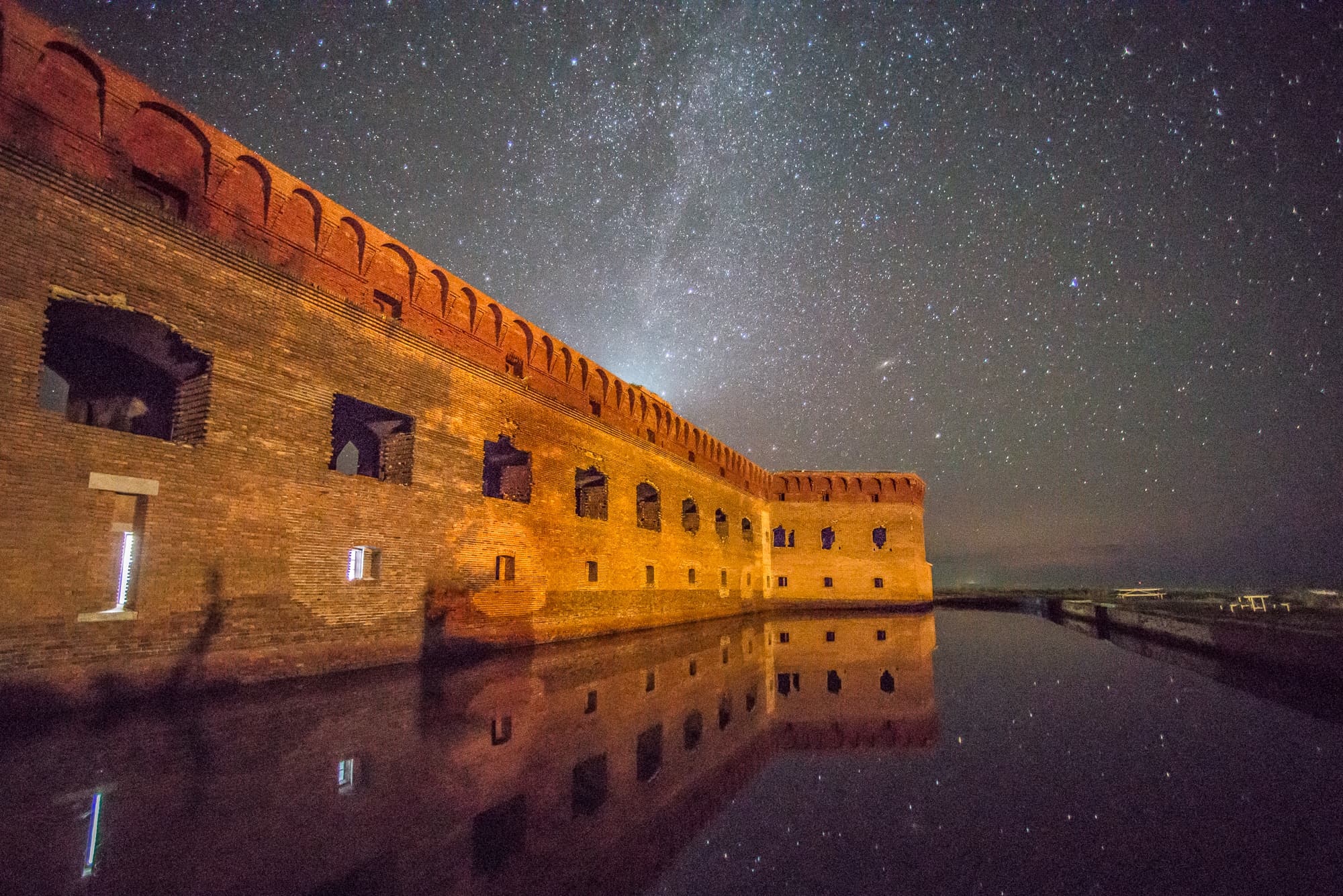
A remote island fortress surrounded by pristine coral reefs, 70 miles west of Key West.
View camping guide →
November through April is peak season with dry weather, lower humidity, and comfortable temperatures. January averages 58 degrees statewide. Summer is hot, humid, and mosquito-heavy, though beach campgrounds still draw visitors willing to tolerate afternoon storms.
Several state parks offer beachfront or near-beach camping. Bahia Honda in the Keys, Anastasia near St. Augustine, and St. Andrews near Panama City Beach are among the most popular. Beach camping on undesignated areas is generally not permitted.
Mosquitoes are a real factor from May through October, especially near standing water and in the Everglades. Coastal campgrounds with steady breezes have fewer issues. Bring DEET-based repellent, wear long sleeves at dusk, and choose sites with good airflow.
Hurricane season runs June 1 through November 30. Monitor forecasts and have an evacuation route planned. Most campgrounds will issue evacuation orders 24 to 48 hours before a storm. Travel insurance is worth considering for summer and fall camping trips.
Flamingo Campground in Everglades National Park has sites for RVs up to 45 feet with electric hookups. Long Pine Key is more primitive. Backcountry chickee platforms and ground sites require a canoe or kayak to reach. The dry season from November through April is the practical camping window.