Camping in Sedona, Arizona
A complete guide to camping in Sedona
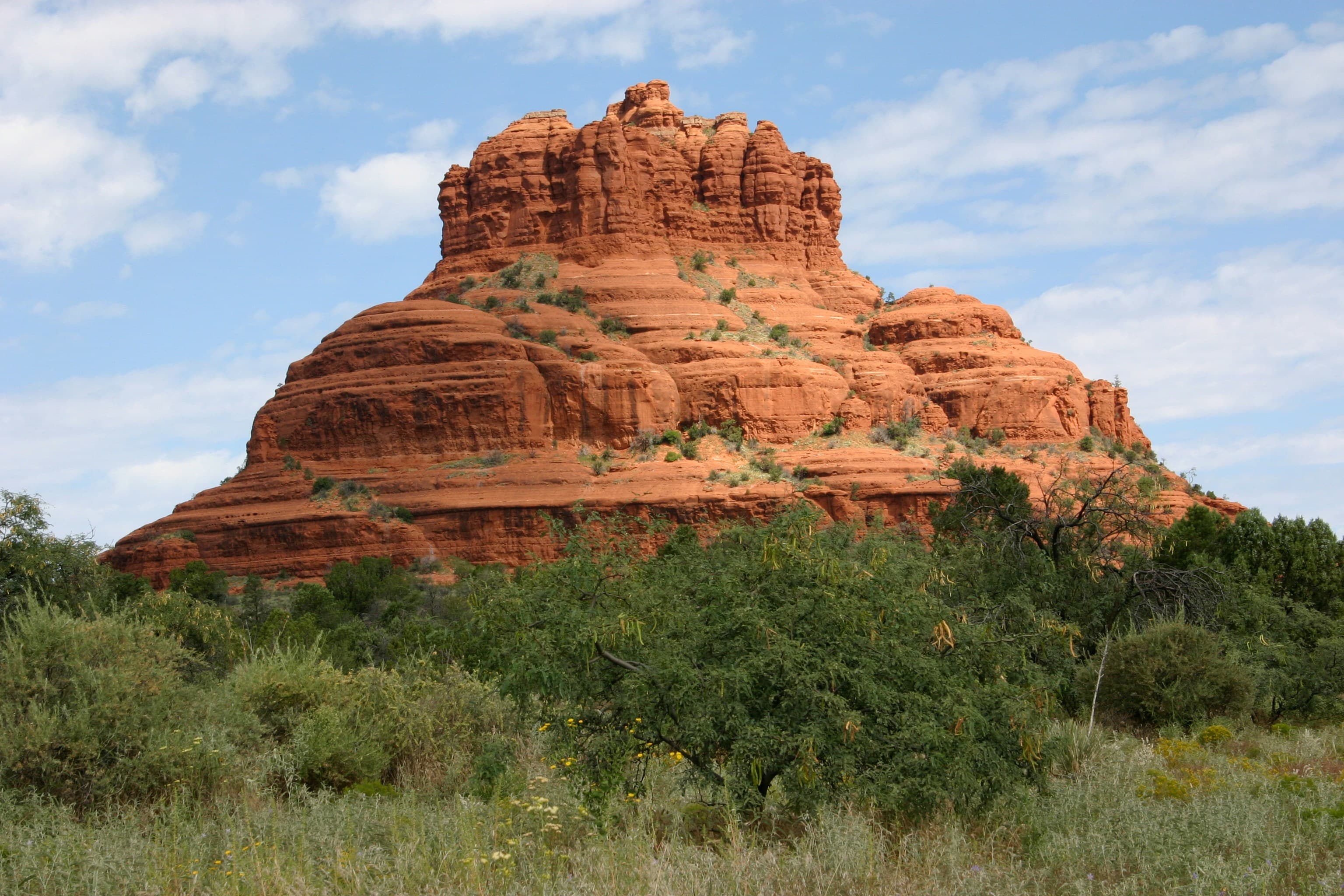
Photo Credit: T Harman
Overview
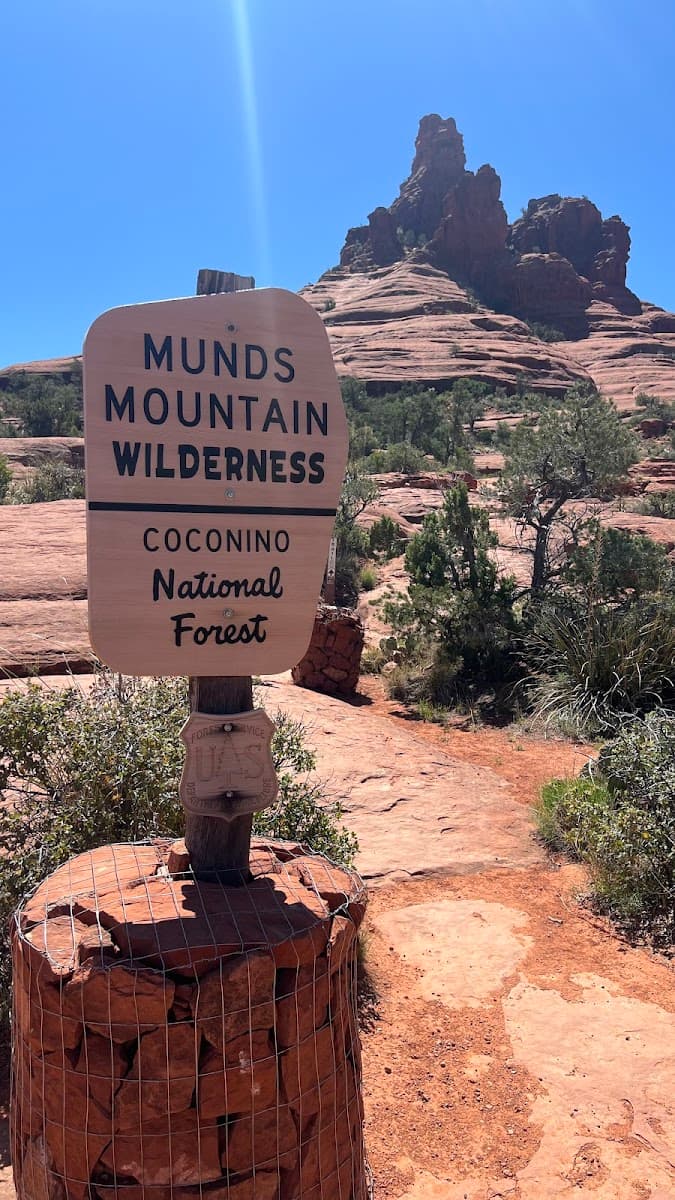
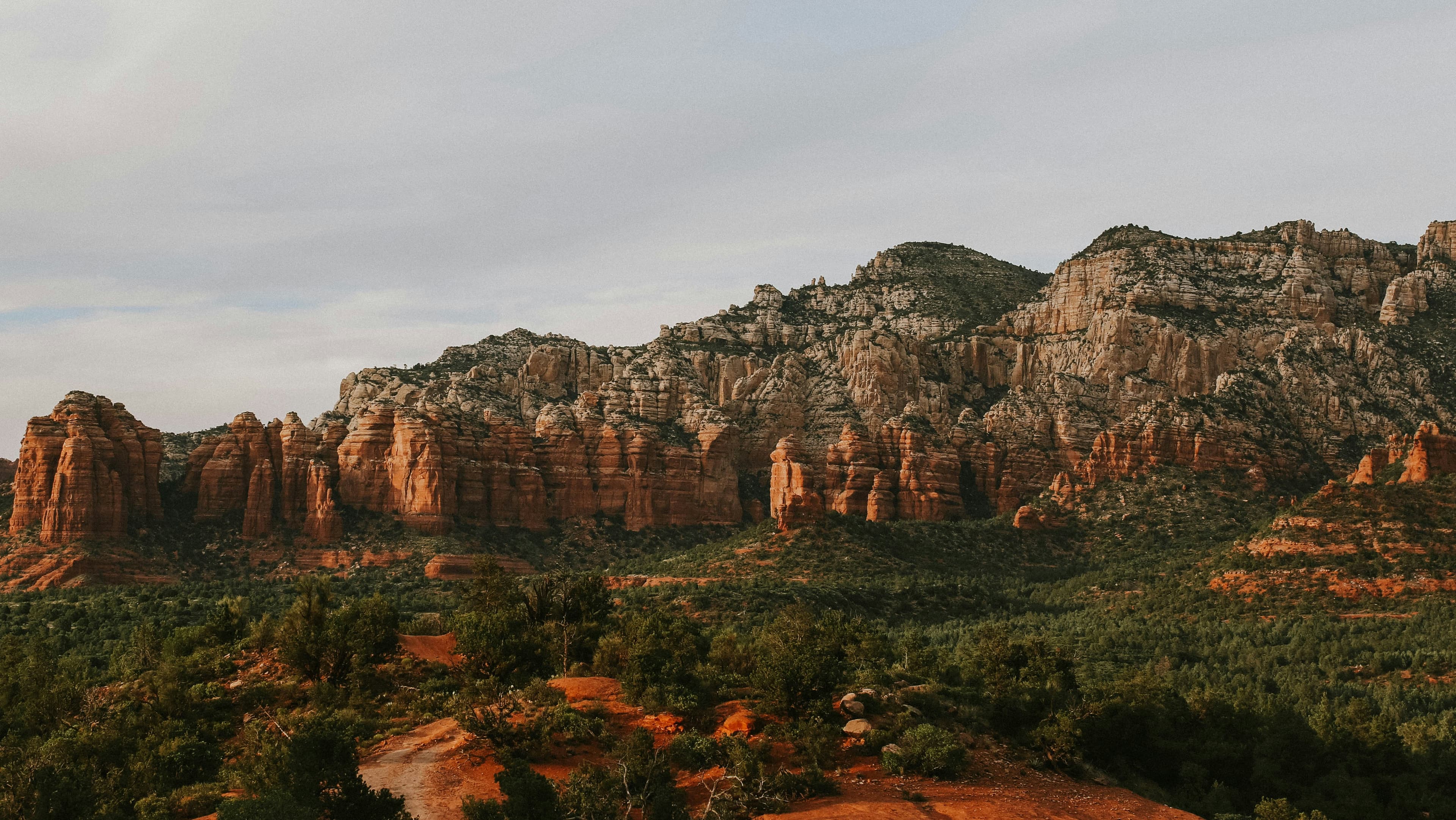
Sedona sits at 4,350 feet in a red rock canyon where Oak Creek cuts through sandstone formations that glow orange and red at sunrise and sunset. The town straddles the transition between Sonoran Desert and ponderosa pine forest, with the canyon walls above displaying both ecosystems in vertical layers. Camping here splits between the in-town RV options and the Forest Service campgrounds lining Oak Creek Canyon to the north.
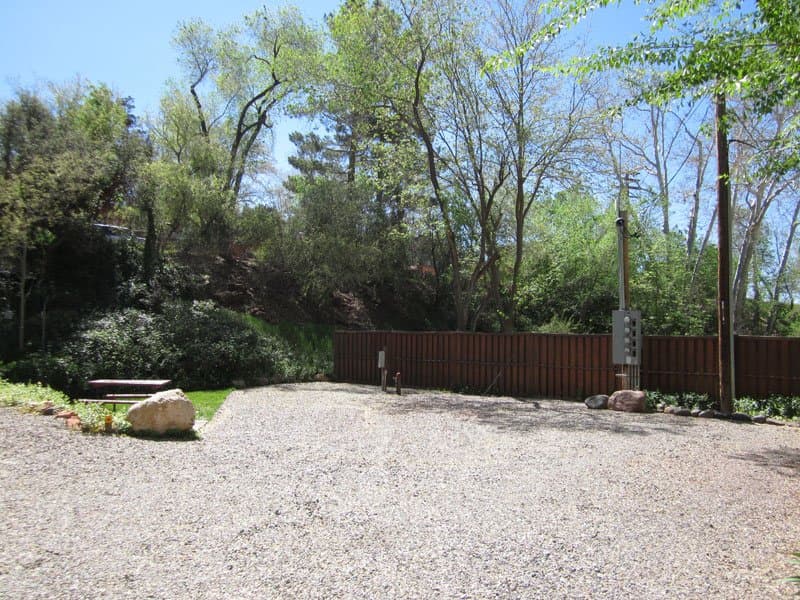
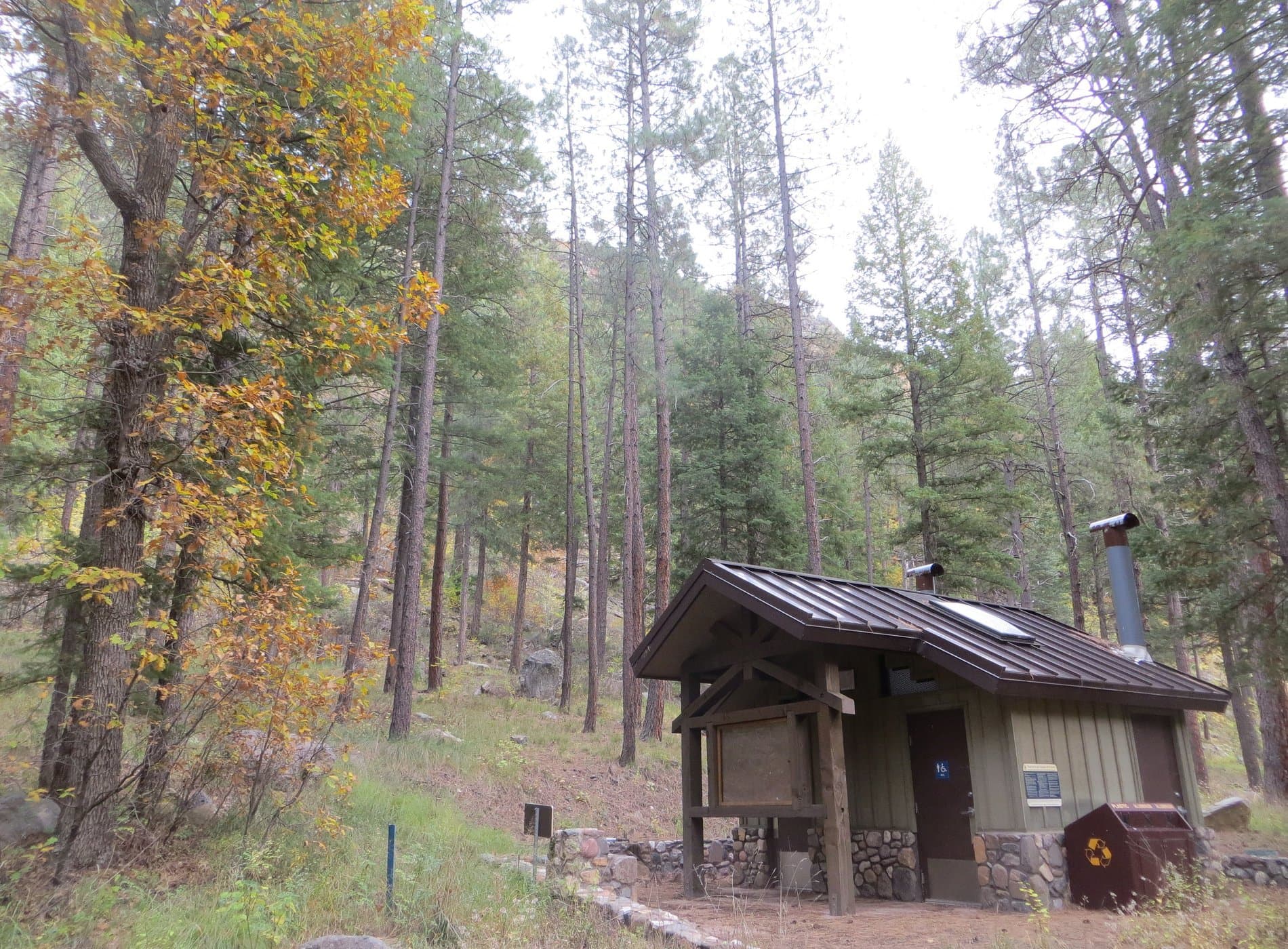
Rancho Sedona RV Park is the primary in-town option, set along Oak Creek with cottonwood shade and red rock views from the sites. It accommodates RVs and has full hookups. For tent camping and a more natural experience, Oak Creek Canyon north of town holds Pine Flat, Cave Springs, Manzanita, and Bootlegger campgrounds along Highway 89A. These Forest Service sites sit in ponderosa and Douglas fir forest along the creek, running 10 to 15 degrees cooler than the Sedona valley floor. The canyon is narrow enough that sites fill by early morning on spring and fall weekends.
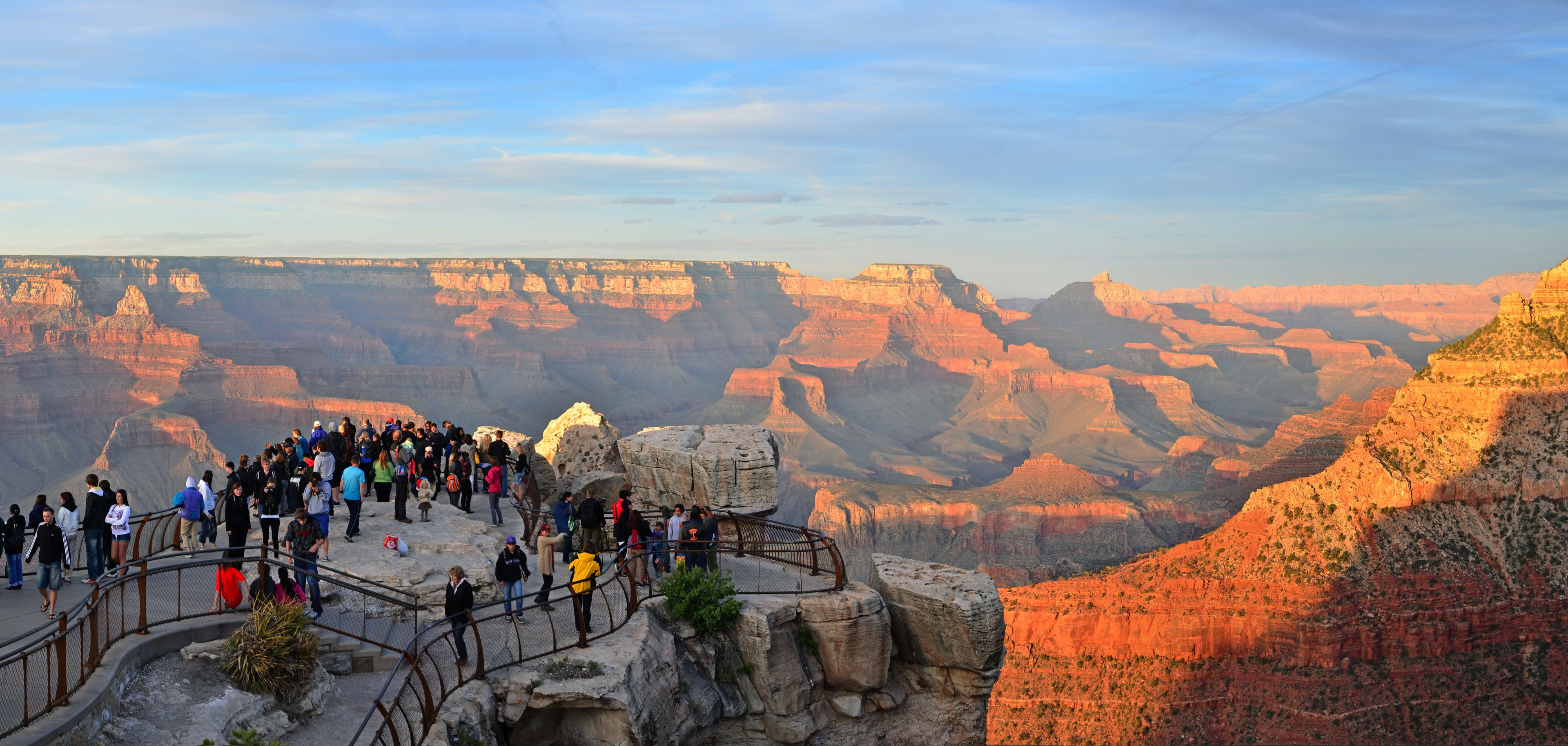
Chavez Crossing south of the main canyon provides a less-known alternative accessed from a Forest Service road. Dispersed camping on Coconino National Forest land outside the immediate Sedona area is also available for those with high-clearance vehicles willing to drive forest roads. Slide Rock State Park within Oak Creek Canyon provides the most popular swimming hole in northern Arizona but does not have camping. The Grand Canyon sits 80 miles north for day-trip access.
Weather & Best Seasons
Best months: March through May and September through November
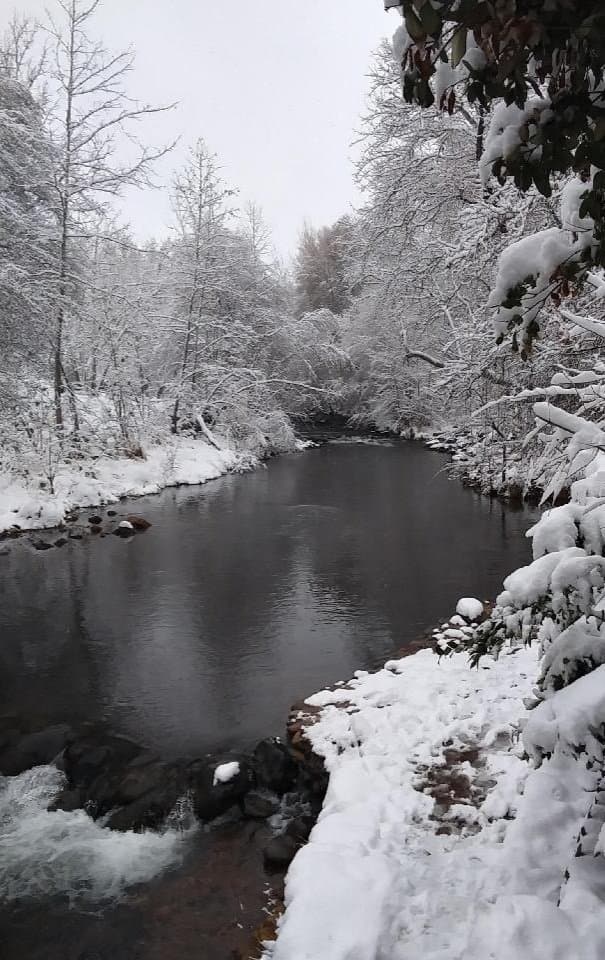
Sedona's 4,350-foot elevation keeps temperatures moderate compared to the low desert. Spring and fall daytime highs reach the 70s and 80s with cool nights. Summer pushes into the mid-90s in town, but Oak Creek Canyon campgrounds above 5,000 feet stay meaningfully cooler. Monsoon thunderstorms arrive in July bringing afternoon rain and flash flood risk in the canyon. Winter brings daytime highs in the 50s with occasional overnight frost and rare snow.