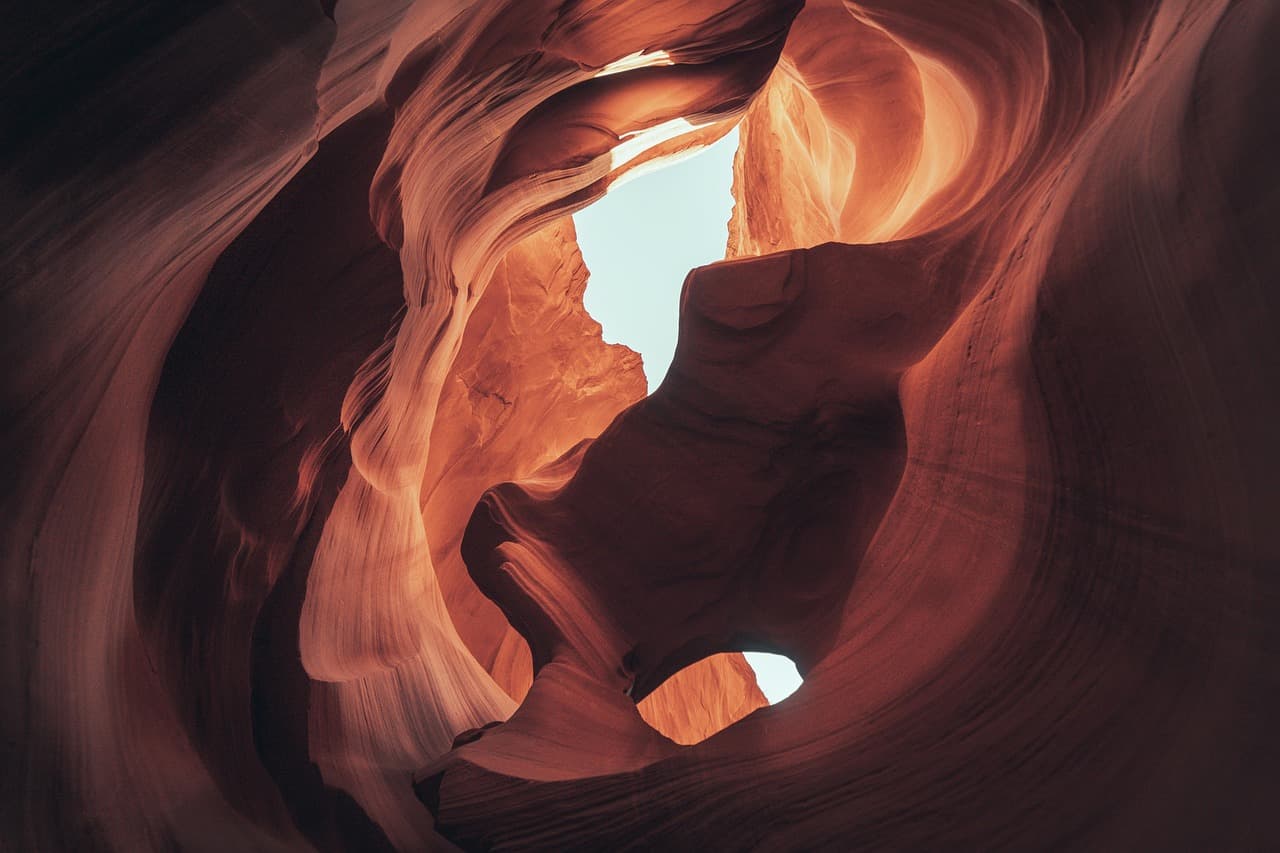
A complete guide to camping in Arizona

Arizona camping splits between two climates separated by 5,000 feet of elevation. The low desert around Yuma, Quartzsite, and Phoenix bakes in summer but draws thousands of RV campers each winter, when daytime temperatures settle into the comfortable 60s and 70s. Quartzsite alone becomes a temporary city of over 150,000 RVers from January through February, making it the largest winter camping gathering in the country.
The northern half of the state rises into pine forests and mountain terrain around Flagstaff, Prescott, and Payson. Temperatures there run 20 to 30 degrees cooler than the desert floor. The Grand Canyon's South Rim sits at 7,000 feet, with campgrounds that fill months in advance. Between the two zones, the Sonoran Desert around Tucson and the red rock country near Sedona offer distinct landscapes that define Arizona's visual identity for most visitors.
Mar-May
High 69°F · Low 57°F
The best window for desert camping. Sonoran wildflowers bloom in March and April after wet winters. Northern Arizona warms slowly with some campgrounds still snow-covered through April.
Jun-Aug
High 85°F · Low 73°F
Desert camping shuts down as Phoenix and Tucson exceed 110 degrees. Mountain campgrounds around Flagstaff and Prescott enter peak season. Monsoon thunderstorms bring afternoon lightning and flash flood risk from July through September.
Sep-Nov
High 69°F · Low 57°F
Monsoon season fades by October. Desert temperatures return to comfortable levels. Northern Arizona fall color peaks along Oak Creek Canyon and the Mogollon Rim. Campground availability improves as summer crowds depart.
Dec-Feb
High 52°F · Low 40°F
Peak season in the low desert. Quartzsite and Yuma fill with snowbirds. Tucson and Phoenix-area campgrounds book solid. Northern Arizona campgrounds close as snow arrives. Sedona stays accessible with cool, dry weather.
| Season | Months | Avg High | Avg Low | Conditions |
|---|---|---|---|---|
| Spring | Mar-May | 69°F | 57°F | The best window for desert camping. |
| Summer | Jun-Aug | 85°F | 73°F | Desert camping shuts down as Phoenix and Tucson exceed 110 degrees. |
| Fall | Sep-Nov | 69°F | 57°F | Monsoon season fades by October. |
| Winter | Dec-Feb | 52°F | 40°F | Peak season in the low desert. |
Source: NOAA 30-Year Climate Normals

| Region | Terrain | Key Areas |
|---|---|---|
| Low Desert and Colorado River | Desert | Quartzsite, Yuma, Lake Havasu City, Parker |
| Sonoran Desert and Tucson | Desert | Tucson, Apache Junction, Mesa, Gold Canyon |
| Red Rock Country | Mountain | Sedona, Cottonwood, Camp Verde |
| Mogollon Rim and High Country | Mountain | Payson, Prescott, Pine, Show Low |
| Grand Canyon and Flagstaff | Mountain | Flagstaff, Williams, Grand Canyon Village, Tusayan |
Desert · Quartzsite, Yuma, Lake Havasu City, Parker
Yuma, Quartzsite, and Lake Havasu anchor the western desert camping scene. Winter temperatures in the 60s and 70s draw the largest seasonal RV population in the country. BLM land stretches for miles with free dispersed camping. Summers are uninhabitable for camping. Holiday Palms RV Resort in Quartzsite and Westwind RV and Golf Resort in Yuma anchor the developed campground options among the vast BLM dispersed areas.
Desert · Tucson, Apache Junction, Mesa, Gold Canyon
Saguaro-studded terrain surrounding Tucson and the Phoenix metro. Catalina State Park, Saguaro National Park, and the Tonto National Forest provide campground access. Lost Dutchman State Park near Apache Junction sits at the foot of the Superstition Mountains. Milder winters than the low desert with more varied terrain. Crazy Horse RV Campgrounds and Rincon Country West RV Resort serve the Tucson metro, while Blue Star near Apache Junction sits at the base of the Superstition Mountains.
Mountain · Sedona, Cottonwood, Camp Verde
Sedona and the Verde Valley offer red sandstone formations, clear creeks, and mild year-round temperatures at 4,500 feet. Oak Creek Canyon runs north toward Flagstaff with campgrounds along the creek. The area operates as a transition zone between desert and mountain. Campgrounds fill quickly on weekends year-round. Rancho Sedona RV Park along Oak Creek and Pine Flat Campground in the canyon provide the primary in-area options.
Mountain · Payson, Prescott, Pine, Show Low
Payson, Prescott, and the Mogollon Rim form Arizona's mountain camping belt. Pine and juniper forests at 5,000 to 7,500 feet provide summer relief from desert heat. The Prescott National Forest and Tonto National Forest offer both developed and dispersed camping. Cooler summers and genuine winter cold. Payson Campground and RV Resort and Oxbow RV Park in Payson serve the Rim country, while Point of Rocks RV Campground anchors the Prescott area.
Mountain · Flagstaff, Williams, Grand Canyon Village, Tusayan
The state's highest terrain around Flagstaff at 7,000 feet, rising to the Grand Canyon's rims. Coconino National Forest campgrounds surround Flagstaff. The Grand Canyon South Rim operates year-round while the North Rim closes in winter. Heavy pine forest with cold winters and comfortable summers. Woody Mountain Campground near Flagstaff and Railside RV Ranch in Williams provide private bases for Grand Canyon day trips.

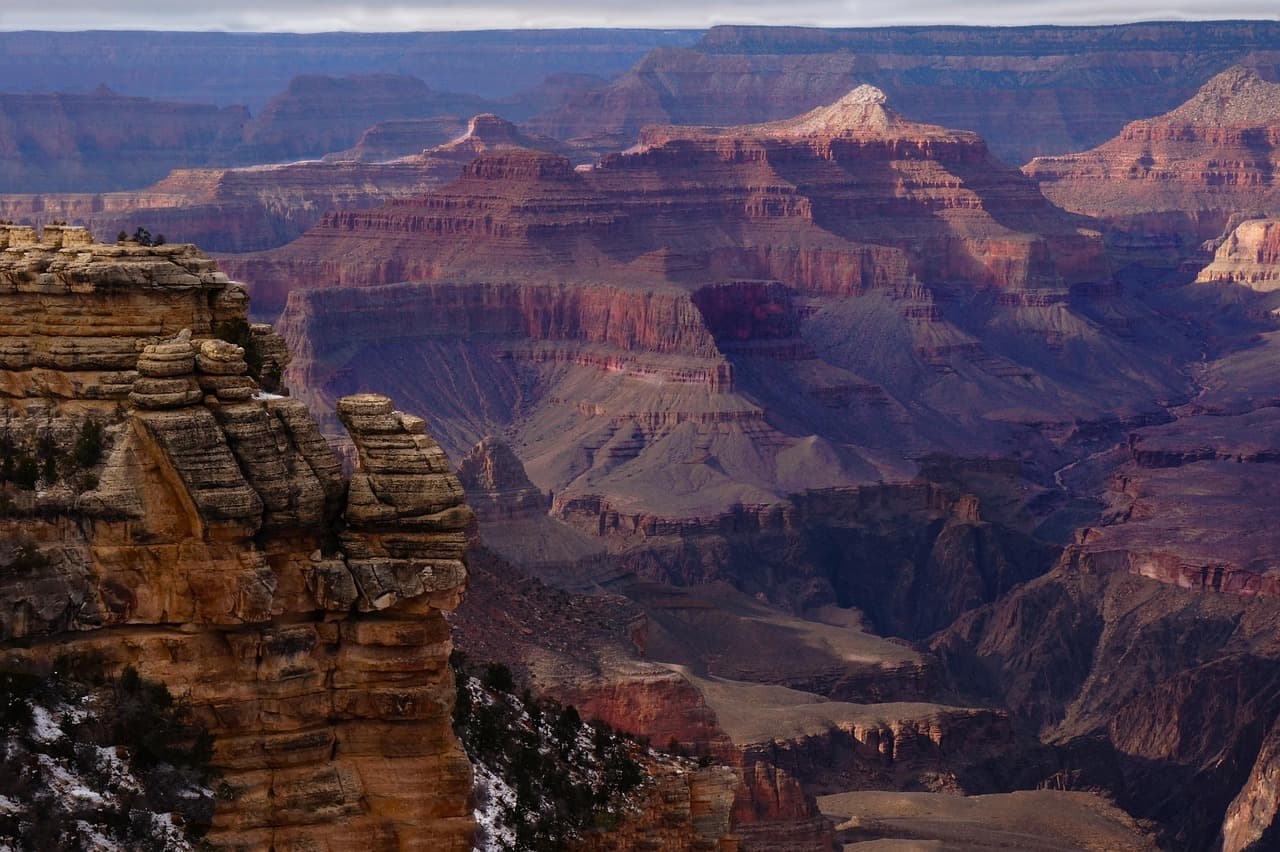
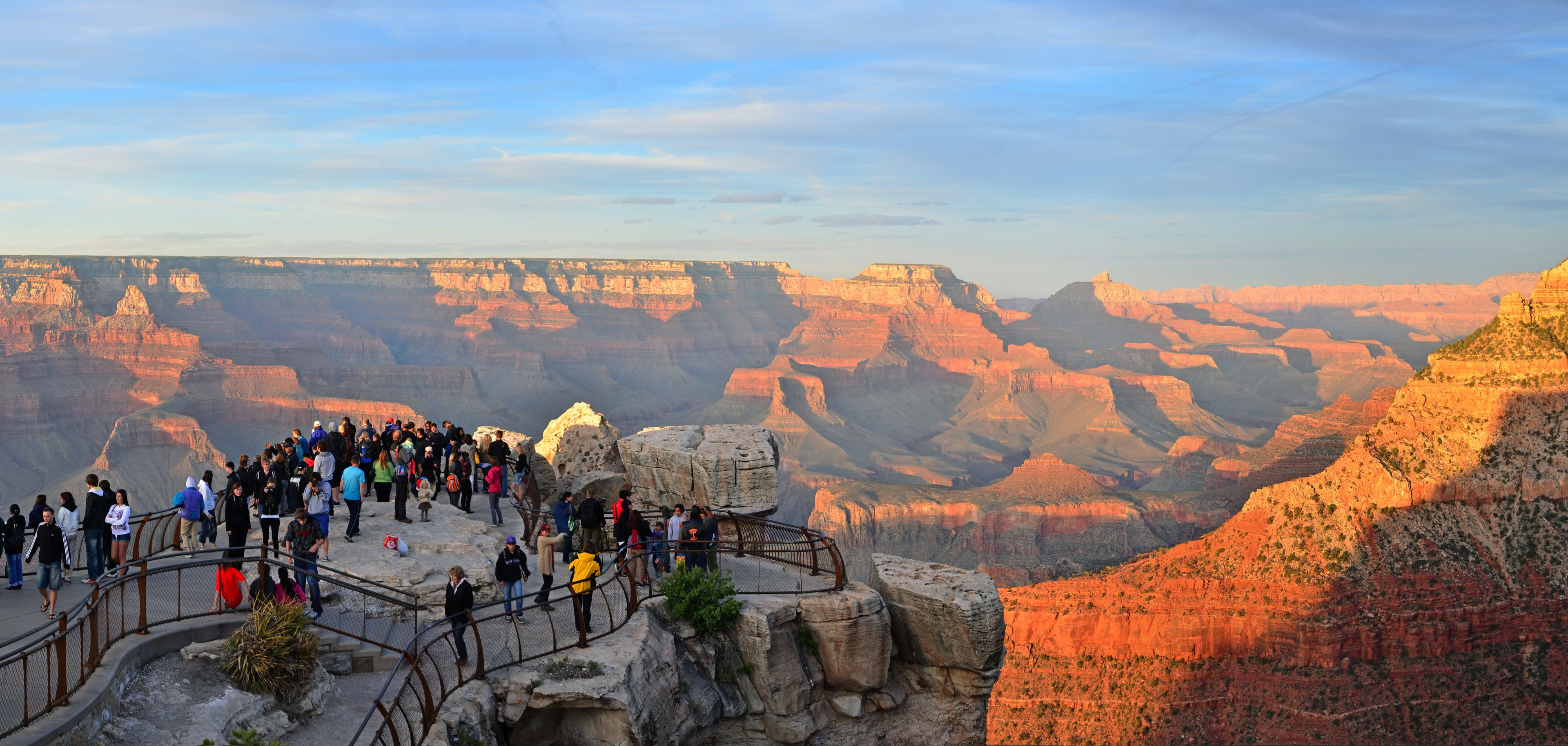
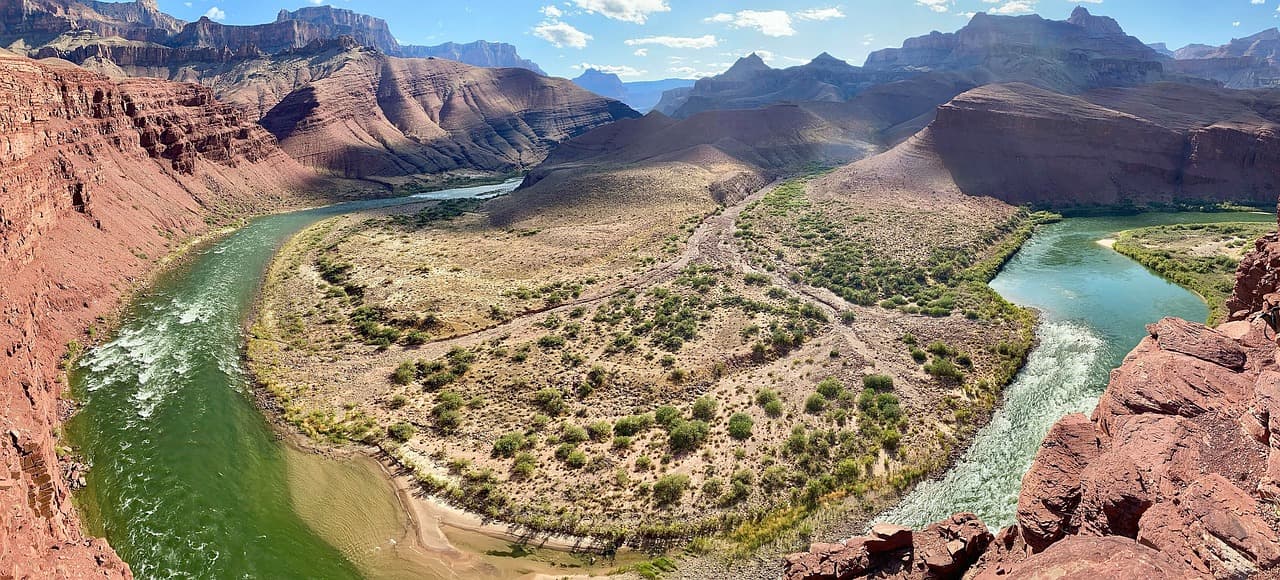
277 miles long and up to a mile deep, carved by the Colorado River over millions of years.
View camping guide →
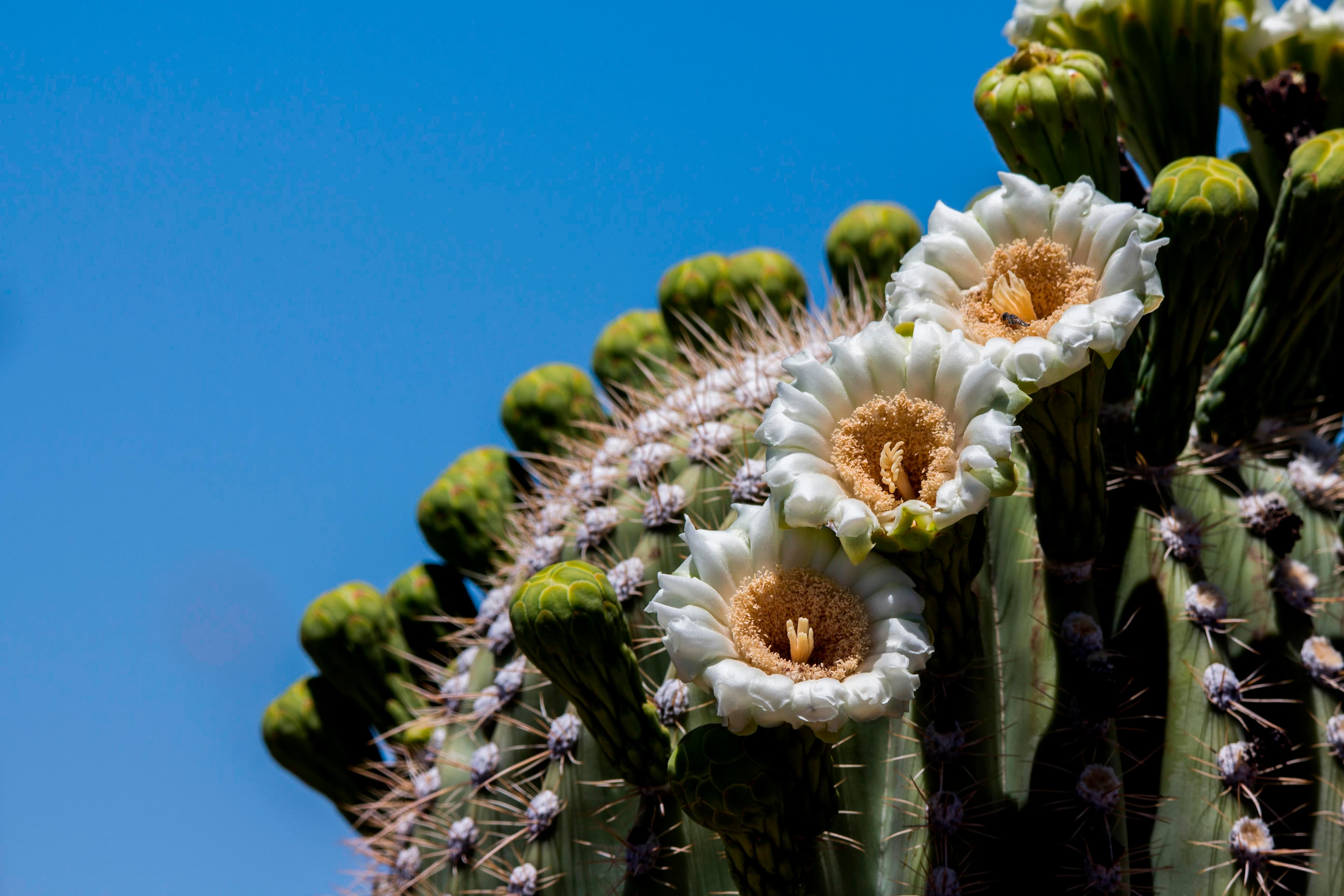
Two desert districts flanking Tucson protect towering saguaro cactus forests and Sonoran Desert wildlife.
View camping guide →
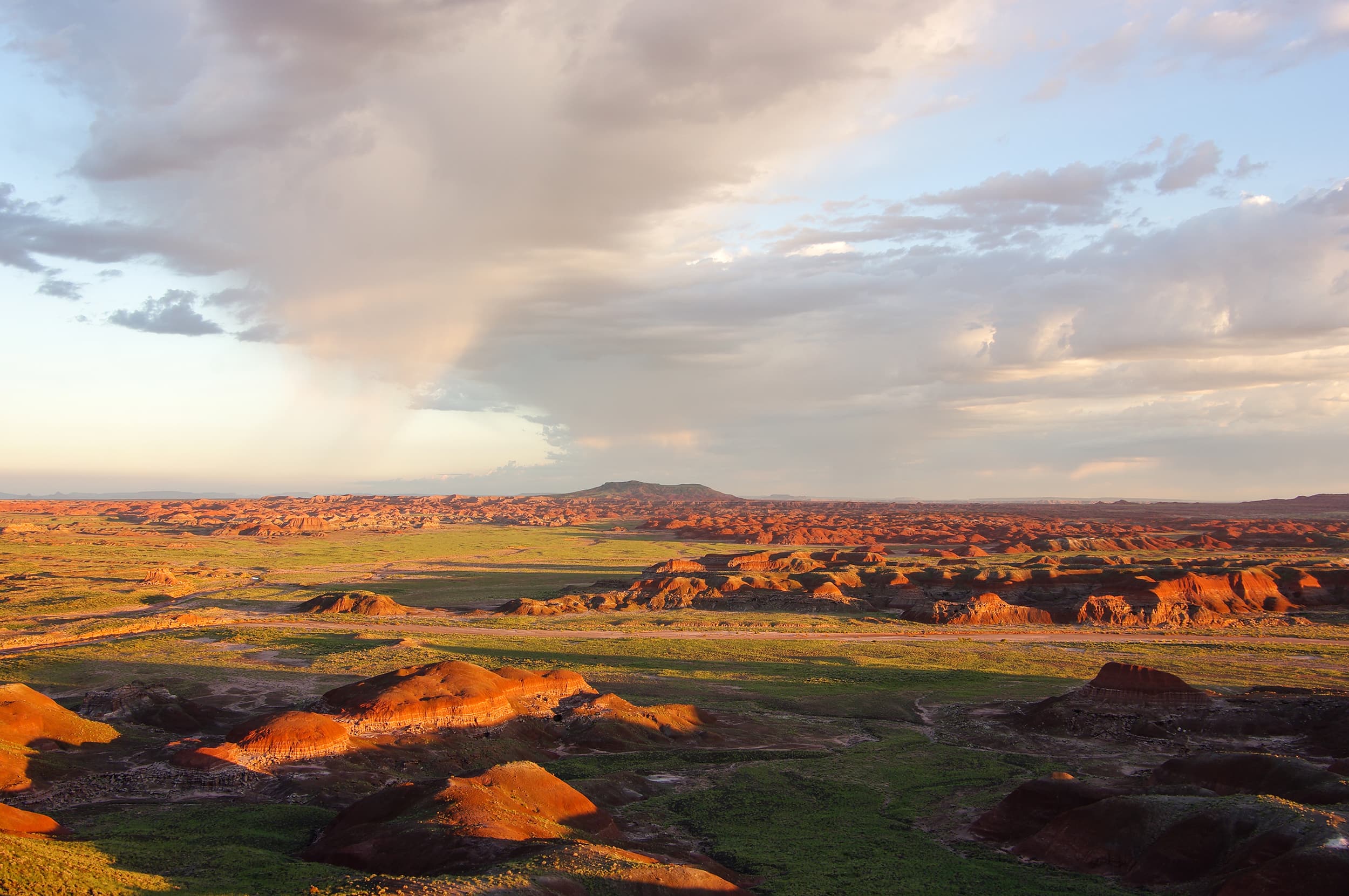
Ancient petrified logs scattered across a painted desert landscape of colorful badlands and grasslands in northeastern Arizona.
View camping guide →
October through April. Winter daytime temperatures in the low desert range from 60 to 80 degrees with cool nights. Spring brings desert wildflowers after wet winters. Summer temperatures exceed 110 degrees and camping is not recommended below 4,000 feet.
BLM and national forest land across Arizona allow dispersed camping, usually free with a 14-day limit. The Quartzsite area and Sonoran Desert BLM land are the most popular. Tonto, Coconino, and Prescott national forests also permit dispersed camping. Check local regulations for fire restrictions.
Mather Campground on the South Rim opens reservations six months in advance and fills quickly for spring and fall dates. Same-day availability is rare from March through October. The North Rim has fewer sites and a shorter season, May through mid-October.
Quartzsite transforms from a small town of 2,000 to a temporary city of over 150,000 RVers each winter. BLM land surrounding town offers free 14-day dispersed camping. The main gathering runs January through February with swap meets, gem shows, and RV rallies. Bring your own water and waste management.
Monsoon season runs July through September. Afternoon thunderstorms bring lightning, heavy rain, and flash floods. Avoid camping in washes or low-lying drainages. Mountain campgrounds above 5,000 feet are safer but still experience lightning. Check weather forecasts daily and have a plan for sudden storms.