Camping Near Capitol Reef National Park
Utah | Established 1971
About Capitol Reef National Park
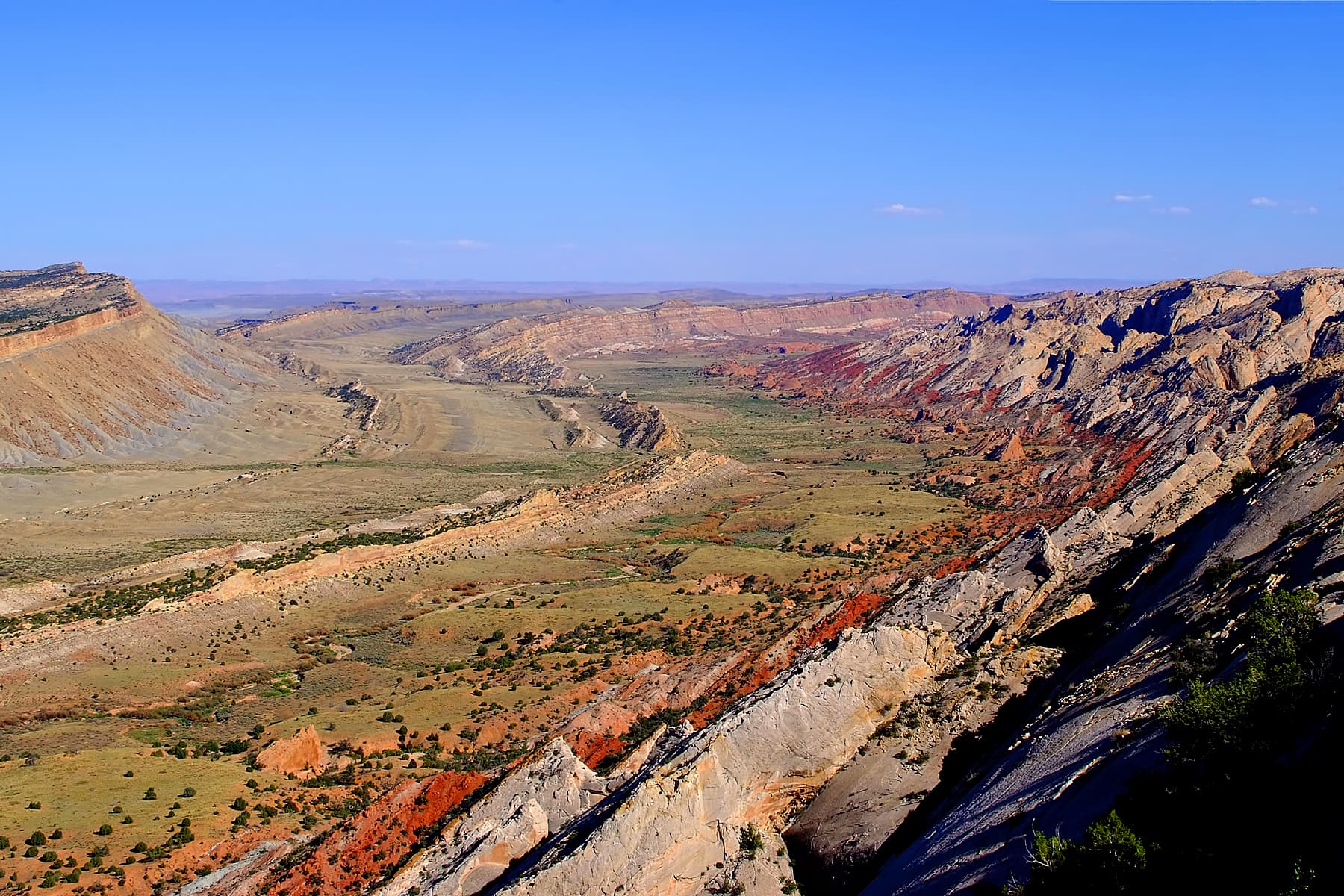
Capitol Reef National Park protects 241,904 acres centered on the Waterpocket Fold, a 100-mile-long monocline (a wrinkle in the Earth's crust) that exposes layers of colorful sandstone, limestone, and shale sculpted into domes, canyons, arches, and natural bridges. The park takes its name from the white Navajo Sandstone domes that resemble the U.S. Capitol building and the rocky barriers that early settlers called reefs.
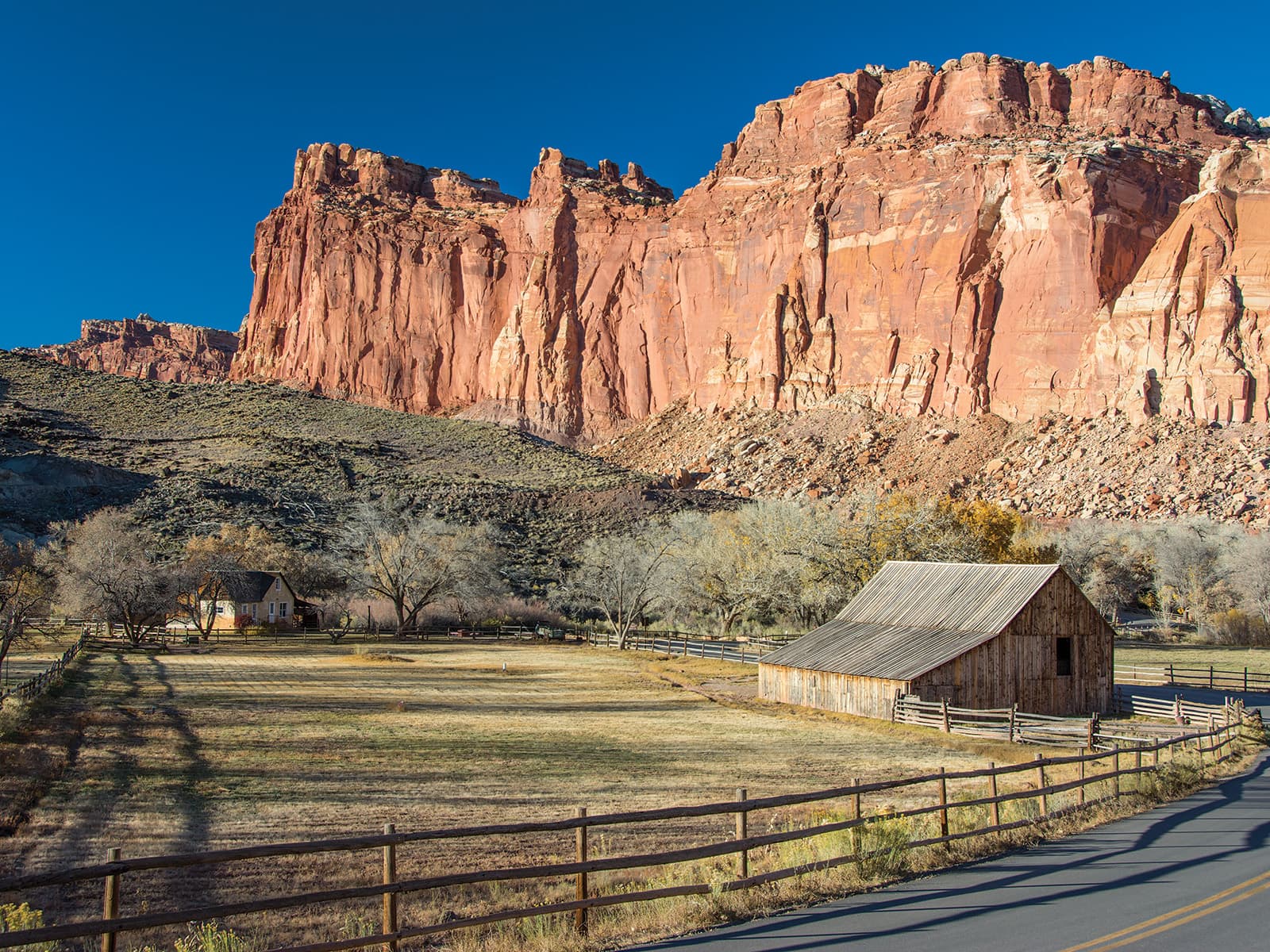
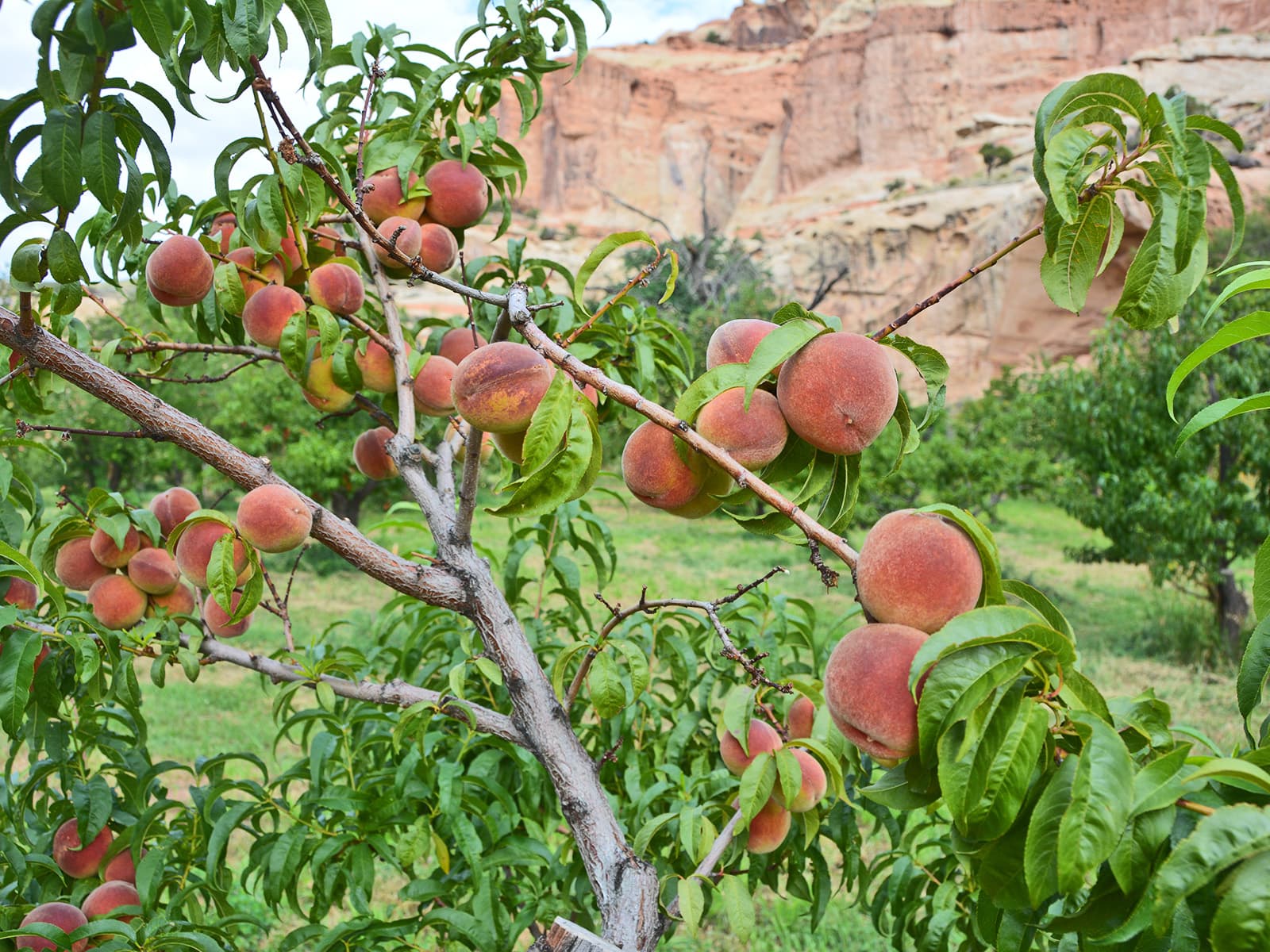
Fruita Campground is the only developed campground in the park, offering 71 sites at $25 per night with water at sites and a dump station but no electric hookups. The campground sits among the historic Fruita orchards, where visitors can pick cherries, apricots, peaches, pears, and apples in season from trees planted by Mormon settlers in the 1880s. Cathedral Valley offers six free primitive sites accessible only by high-clearance vehicle on a 36-mile rough road.
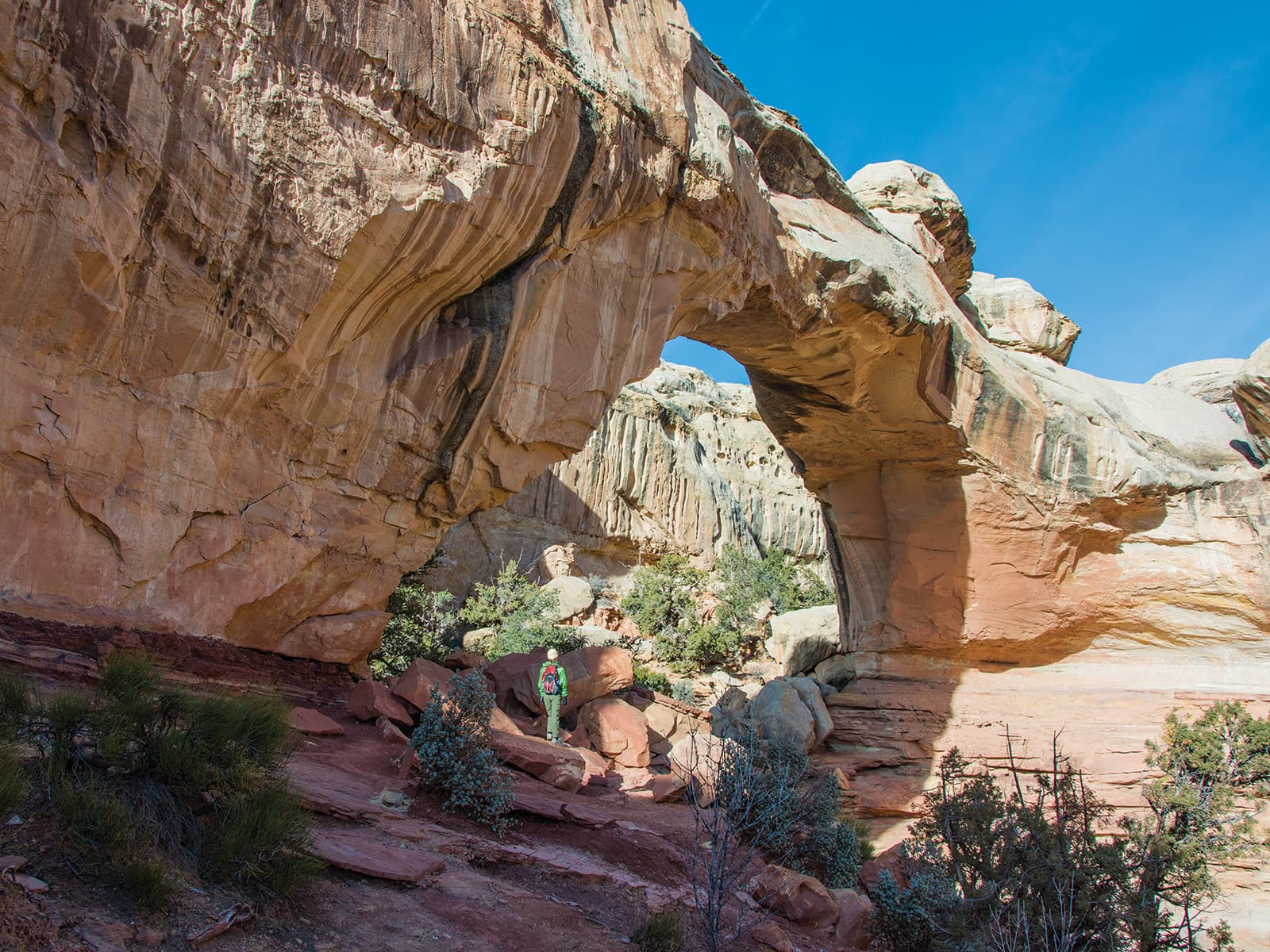
Capitol Reef receives a fraction of the visitors that crowd Zion, Arches, and Bryce Canyon, despite offering comparable red rock scenery. The Scenic Drive ($20 vehicle fee) winds 7.9 miles along the base of towering cliffs, connecting trailheads for Grand Wash, Capitol Gorge, and Cassidy Arch. Highway 24 passes through the park with no fee, providing access to the visitor center, Fruita orchards, Hickman Bridge trailhead, and petroglyphs left by the Fremont people nearly 1,000 years ago.
Camping Tips for Capitol Reef
- Fruita Campground fills year-round due to its small size (71 sites). Reserve through Recreation.gov as far in advance as possible. The campground has water at sites and a dump station but no electric hookups.
- Pick your own fruit in the historic Fruita orchards adjacent to the campground. Cherries ripen in mid-June, apricots and peaches in July through August, and apples in September through October. Self-pay stations provide bags and scales.
- Cathedral Valley Campground offers six free primitive sites with no water, accessed via 36 miles of rough road requiring a high-clearance vehicle. For free camping closer to the main park, BLM dispersed camping is available within a few miles of the boundary.
- The $20 vehicle fee applies only to the Scenic Drive. Highway 24 through the park, the visitor center, Fruita orchards, Hickman Bridge trailhead, and the petroglyphs are all accessible without paying the scenic drive fee.
- Capitol Reef is far less crowded than Zion, Arches, and Bryce Canyon despite equally dramatic red rock landscapes. Its remote location on Highway 24 between Torrey and Hanksville means you will often have trails and viewpoints to yourself.
RV Parks & Campgrounds Near Capitol Reef National Park
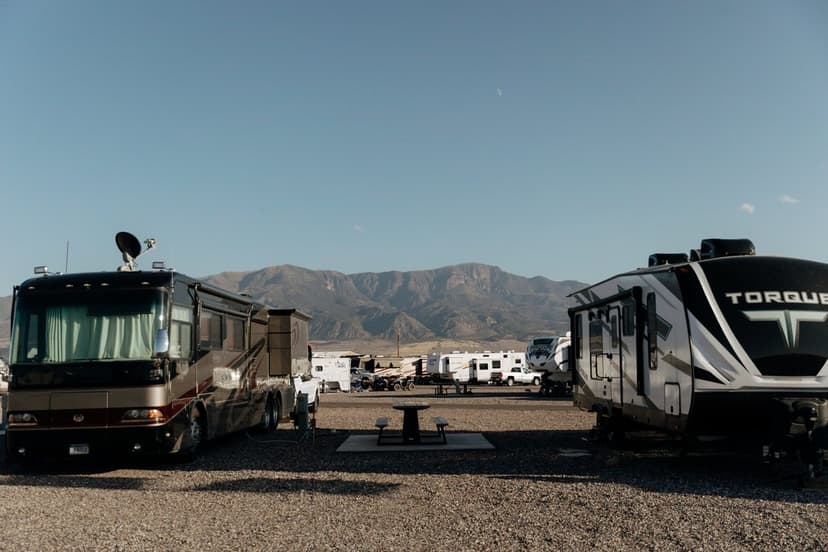
11.Venture RV Park
Venture RV Park is a brand new RV resort located in Richfield, Utah, perfectly positioned off I-70 as the ultimate gateway to South-Central Utah. Designed for both rookie and...
Show more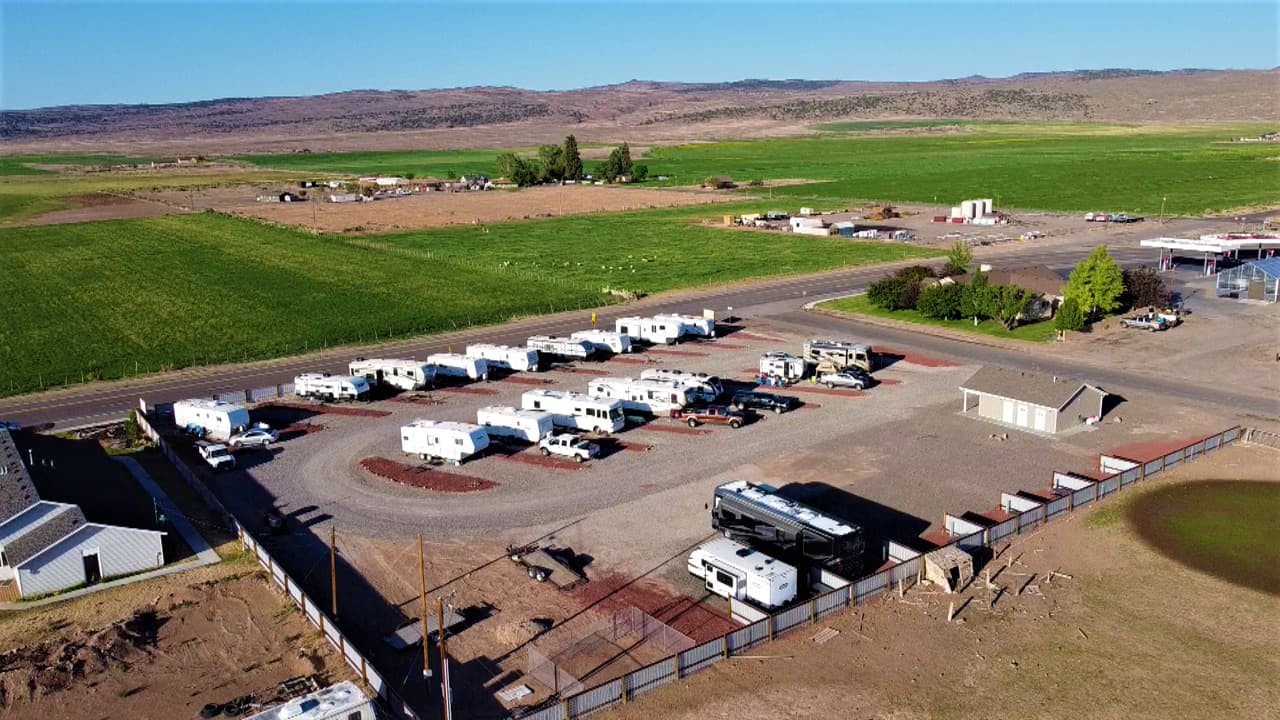
12.Fremont River RV Park
Fremont River RV Park is a full-service RV and tent campground located in Loa, Utah, serving as an ideal gateway to some of Southern Utah's most spectacular natural attractions....
Show more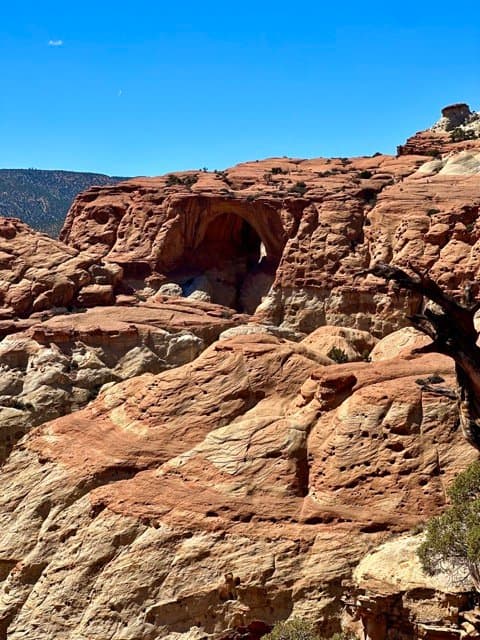
13.Capitol Reef RV Park & Glamping
Capitol Reef RV Park & Glamping is Utah's newest RV resort and glamping destination, nestled in the heart of stunning red rock country just a short drive from Capitol Reef...
Show more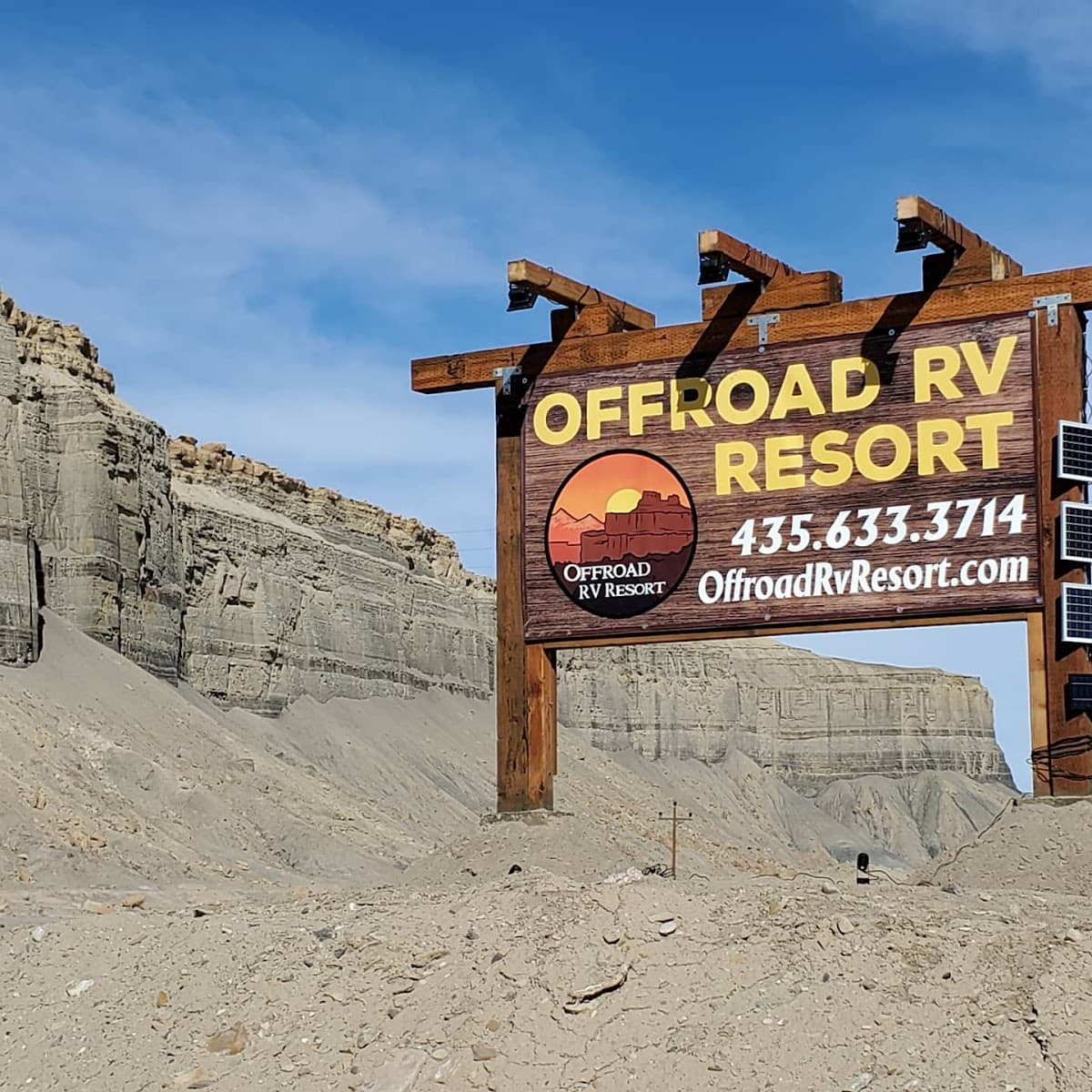
14.Offroad RV Resort
Offroad RV Resort is located in Cainesville, Utah, right below Steamboat Point on 110 acres of pristine desert land. The resort is perfectly positioned as a home base for...
Show more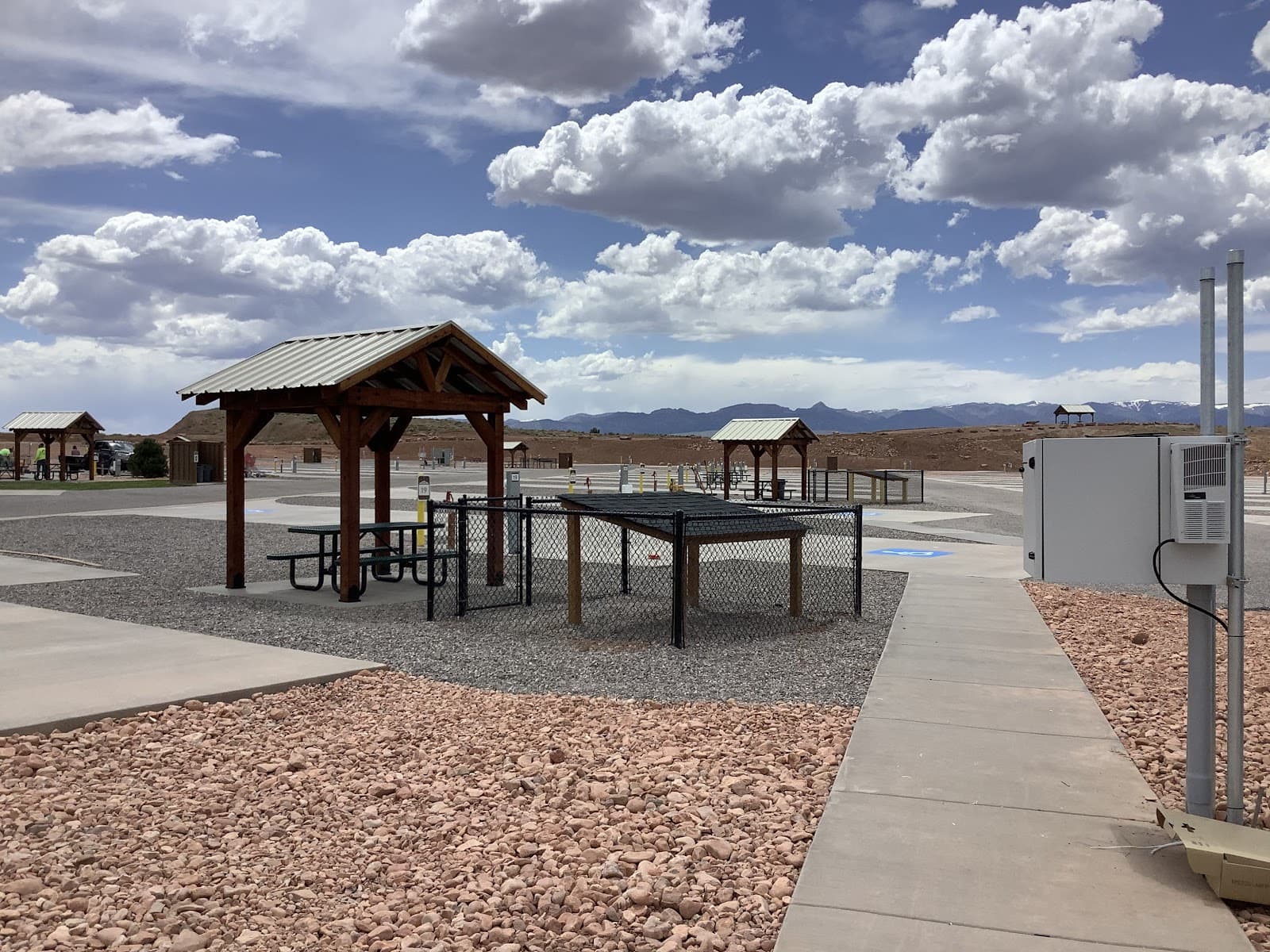
15.Love's RV Stop
Love's RV Stop is a great place to stay. Unfortunately, the website content provided does not contain a description of the park. However, it does mention that life is better...
Show more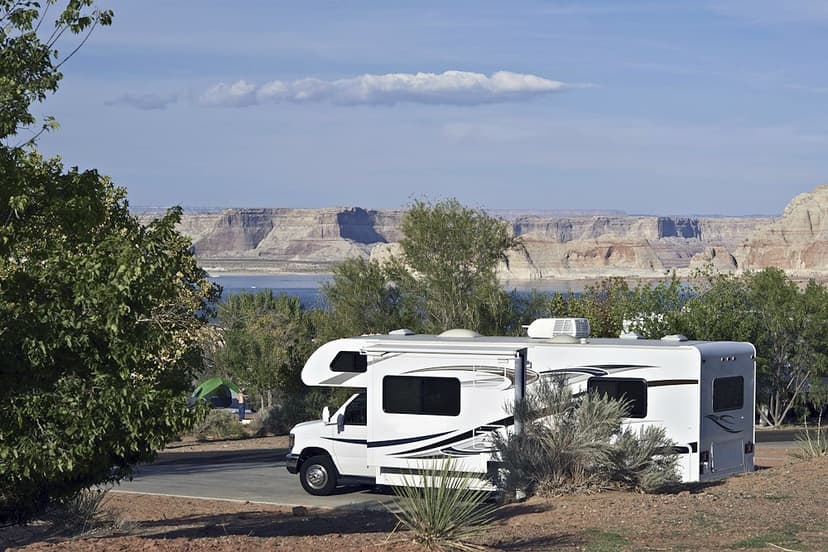
16.Bullfrog RV & Campground
Bullfrog RV & Campground is located on the shores of Lake Powell, offering stunning views and a range of amenities. The campground features RV sites, tent sites, and cabins, as...
Show more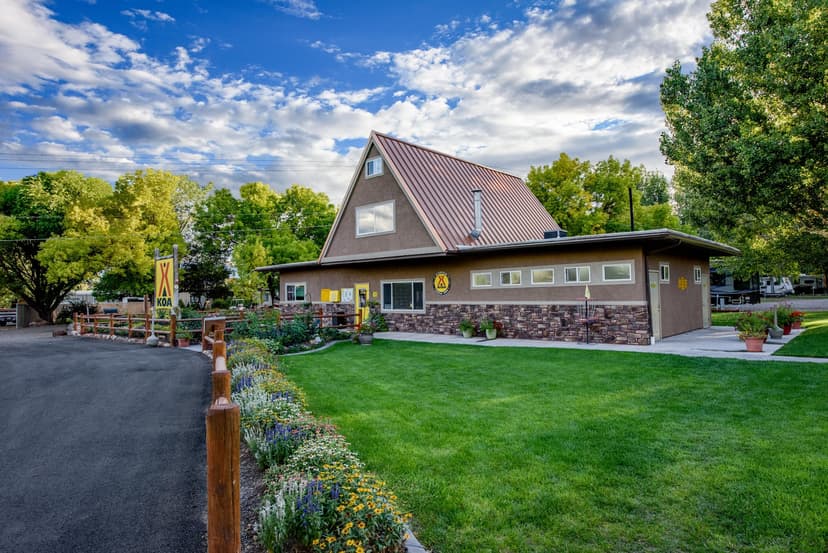
17.Richfield KOA Holiday
Explore central Utah this spring at Richfield KOA: Relax, recharge, and enjoy scenic camping. Whether you’re exploring the local area or hanging out at the campground, KOA...
Show more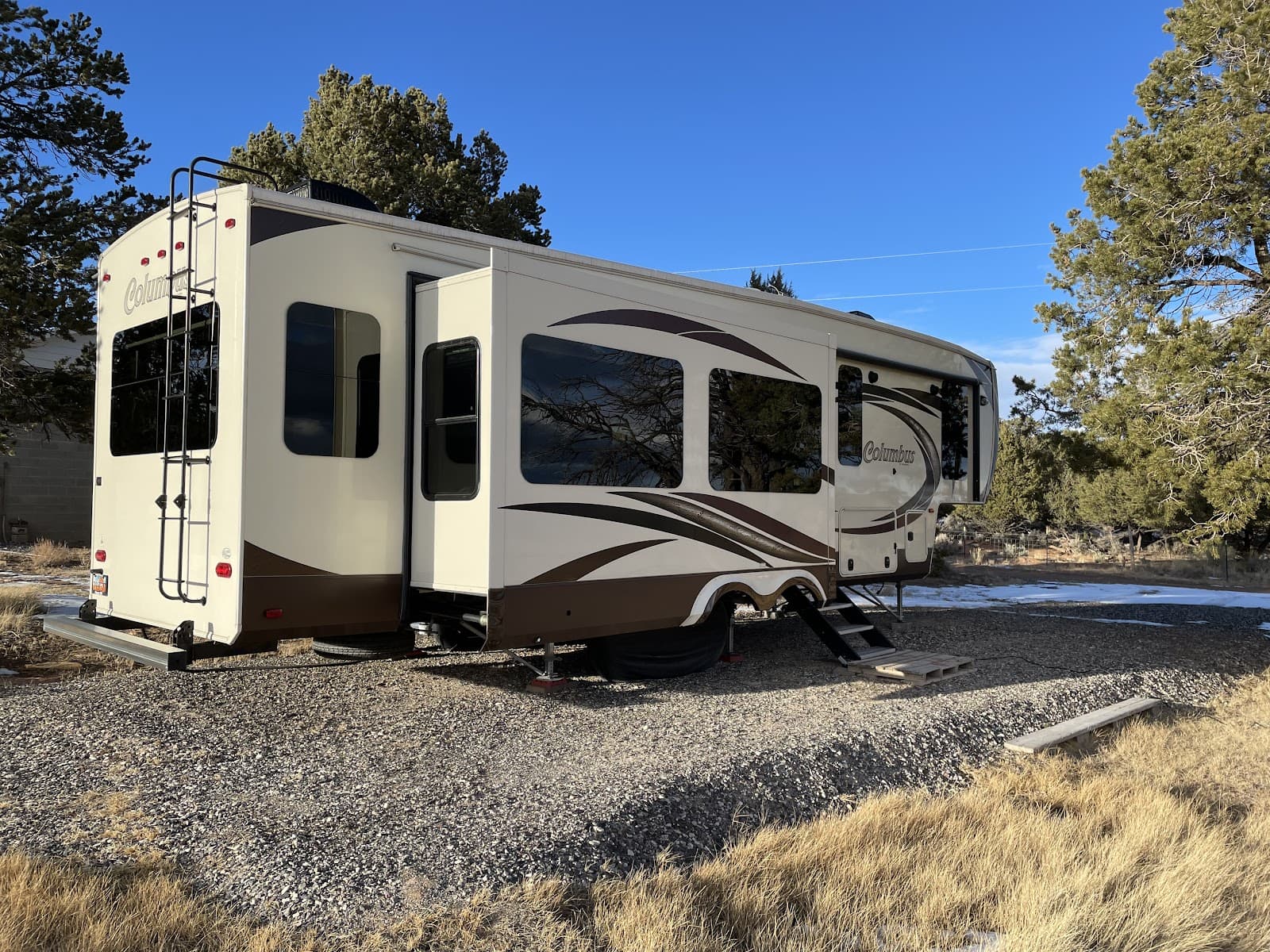
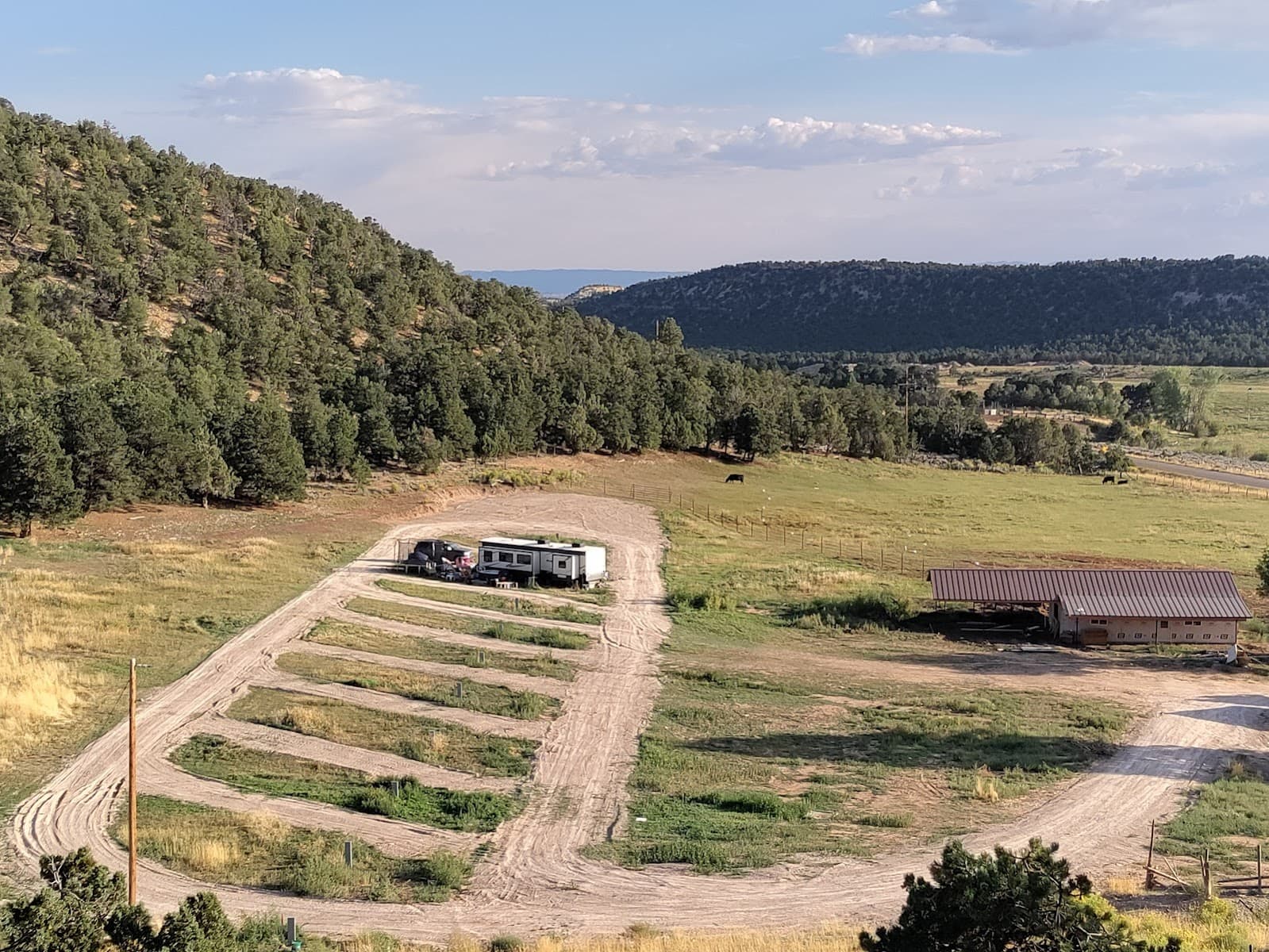
19.Boulder Meadows RV and Campground
Boulder Meadows RV and Campground is a family-owned business located at 7000ft bordering the Dixie National Forest. It offers pull-through RV sites with full hook-ups and tent...
Show more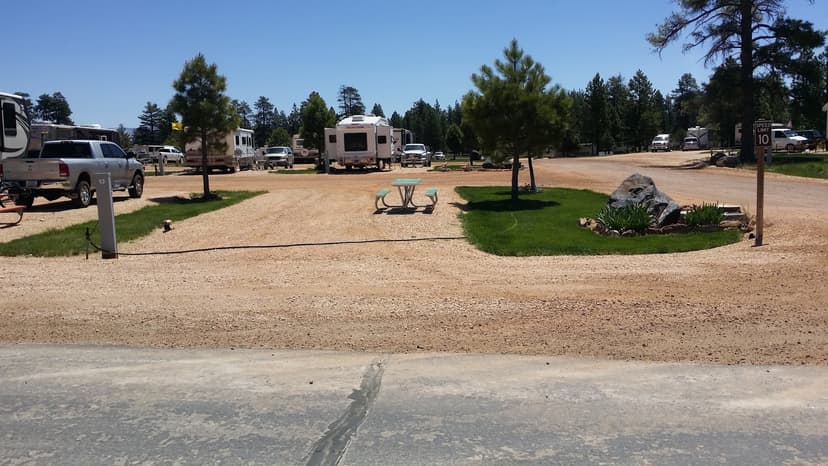
20.Escalante View Ruby's Inn Employee RV Park
Located near Bryce Canyon National Park, the Escalante View Ruby's Inn Employee RV Park is a convenient option for those visiting the area. The park offers a range of amenities,...
Show moreShowing 11–20 of 84 campgrounds within 50 miles
Frequently Asked Questions
What campgrounds are inside Capitol Reef?
Fruita Campground is the only developed campground, with 71 sites at $25 per night. Sites have water and picnic tables, and the campground has a dump station, but there are no electric hookups. It operates year-round and requires reservations through Recreation.gov. Cathedral Valley offers six free primitive sites with no water.
Fruita accommodates RVs up to 50 feet on some sites, though most are better suited to smaller rigs. Three sites have electric outlets reserved exclusively for medical device use. The campground sits among the historic fruit orchards, creating a campground setting unlike any other in the national park system. Free dispersed camping on BLM land is available within a few miles of the park boundary near Torrey and along Highway 24.
Can I pick fruit in the orchards at Capitol Reef?
Visitors can pick and eat fruit for free while in the orchards. Fruit taken out of the orchard must be purchased at self-pay stations with bags and scales. Cherries ripen in mid-June, apricots in late June through July, peaches in August through September, pears in September, and apples in September through October.
The Fruita orchards contain about 2,700 trees planted by Mormon settlers beginning in the 1880s. The National Park Service maintains the orchards as a living cultural landscape. Ladders and fruit-picking tools are provided, but climbing trees is prohibited. Call the fruit hotline at 435-425-3791 (press 1 then 5) for current picking availability. Deer and wildlife also browse the orchards, so some trees may be netted for protection.
Do I need to pay an entrance fee at Capitol Reef?
The $20 per vehicle fee applies only to the Scenic Drive. Highway 24 through the park is fee-free, providing access to the visitor center, Fruita Campground, orchards, Hickman Bridge trailhead, the Fremont petroglyphs, and several picnic areas without any charge.
The Scenic Drive extends 7.9 miles from the visitor area southward along the base of the reef, connecting to trailheads for Grand Wash, Capitol Gorge, and Cassidy Arch. Even without paying the scenic drive fee, visitors can enjoy substantial portions of the park including some of the best hikes and all of the orchard areas. The America the Beautiful annual pass ($80) covers the scenic drive fee.
What are the best hikes at Capitol Reef?
Top hikes include Hickman Bridge (1.7 miles round trip, natural bridge), Cassidy Arch (3.4 miles round trip, named after Butch Cassidy, panoramic views), Grand Wash (4.4 miles round trip, towering canyon walls), Capitol Gorge (2 miles round trip, historic pioneer inscriptions), and Navajo Knobs (9.4 miles round trip, views of the Waterpocket Fold).
Hickman Bridge is the most popular trail, climbing 400 feet to a 133-foot natural bridge with views of the Capitol Dome. Grand Wash and Capitol Gorge are flat canyon walks between 500-foot walls, accessible from the Scenic Drive. Cassidy Arch requires a moderate climb to a natural arch you can walk across (carefully). For experienced hikers, the Navajo Knobs trail extends past Hickman Bridge to a high viewpoint overlooking the entire Waterpocket Fold.
Can I bring my dog to Capitol Reef?
Dogs on a leash of six feet or shorter are allowed in Fruita Campground, picnic areas, on the trail from the visitor center to the campground, and on the Fremont River Trail from the campground south. Dogs are also allowed in unfenced orchards and within 50 feet of roads open to vehicle traffic. Dogs are prohibited on all other hiking trails.
The pet policy is more restrictive than some parks, with most trails off-limits. The Fremont River Trail is the primary dog-friendly hiking option. For more extensive hiking with your dog, BLM land and Dixie National Forest near Torrey allow leashed dogs on trails. No kennels or pet boarding are available near the park.
How crowded is Capitol Reef compared to other Utah parks?
Capitol Reef receives about 1.6 million visitors annually, compared to 4.7 million at Zion, 3.3 million at Joshua Tree, and 2.6 million at Bryce Canyon. Its location on Highway 24 between the more famous parks means many visitors pass through quickly, leaving trails and campgrounds quieter than comparable parks.
Capitol Reef is often called the least-visited of Utah's Mighty Five national parks (along with Zion, Bryce Canyon, Arches, and Canyonlands). This relative quiet is its greatest asset for campers and hikers seeking solitude. The park's remote location means fewer services, but Torrey (8 miles west) provides restaurants, lodging, and a general store. Many Utah road trip itineraries include Capitol Reef as a stop between Bryce Canyon and Moab.
What is the Waterpocket Fold?
The Waterpocket Fold is a 100-mile-long monocline, a giant step-like fold in the Earth's crust created about 50 to 70 million years ago when tectonic forces buckled the rock layers. Erosion has since exposed colorful layers of sandstone, limestone, and shale, creating the park's dramatic landscape of domes, canyons, natural bridges, and arches.
The fold is named for the natural water pockets (called tanks or tinajas) that form in the sandstone and collect rainfall. These pockets were critical water sources for early travelers and wildlife. The best views of the fold are from the Navajo Knobs trail, the Scenic Drive, and the remote Cathedral Valley in the park's northern section. Highway 24 cuts through the fold near the Fruita area, exposing the tilted rock layers at road level.
When is the best time to visit Capitol Reef?
Spring (March through May) and fall (September through October) offer the best hiking weather with daytime temperatures in the 60s to 70s. Fall brings apple and pear harvest in the orchards. Summer highs reach the 80s to 90s, cooler than most desert parks due to higher elevation, with afternoon monsoon thunderstorms from July through September.
The park is pleasant year-round due to its elevation (mostly above 5,000 feet). Winter brings mild daytime temperatures in the 40s to 50s with occasional snow that creates dramatic contrast against the red rock. Fruita Campground operates year-round, making winter visits feasible for self-contained campers. The quietest months are December through February when you may have the entire park nearly to yourself.
Quick Facts
- Entrance Fee
- $20/vehicle, Scenic Drive (7 days)
- Best Time to Visit
- March – May, September – October
- Nearest Town
- Torrey, UT, Bicknell, UT, Hanksville, UT
- Elevation
- 3,877 – 7,042 ft
- Park Size
- 241,904 acres
- Annual Visitors
- ~1.6 million