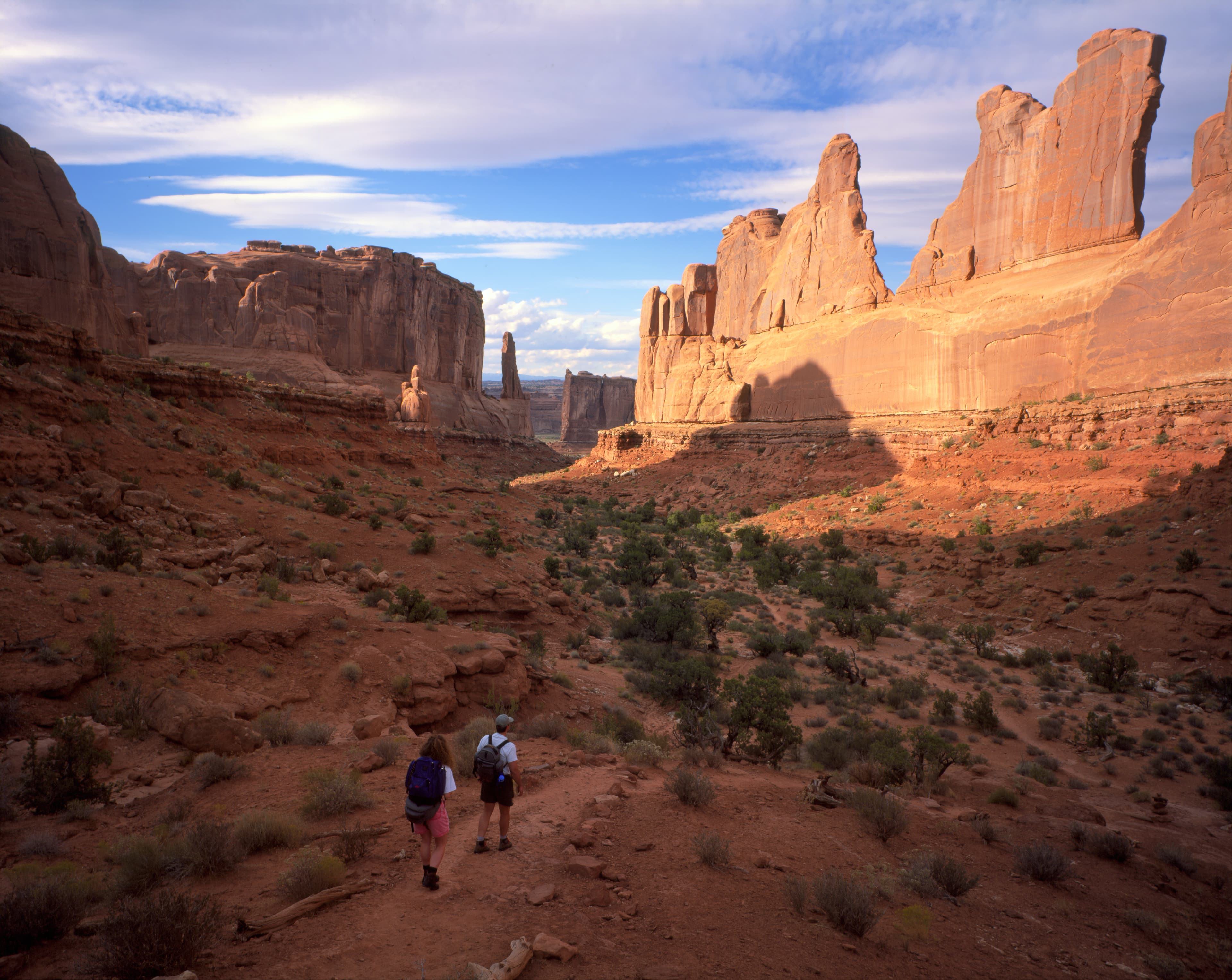
Camping Near Arches National Park
Utah | Established 1971
About Arches National Park
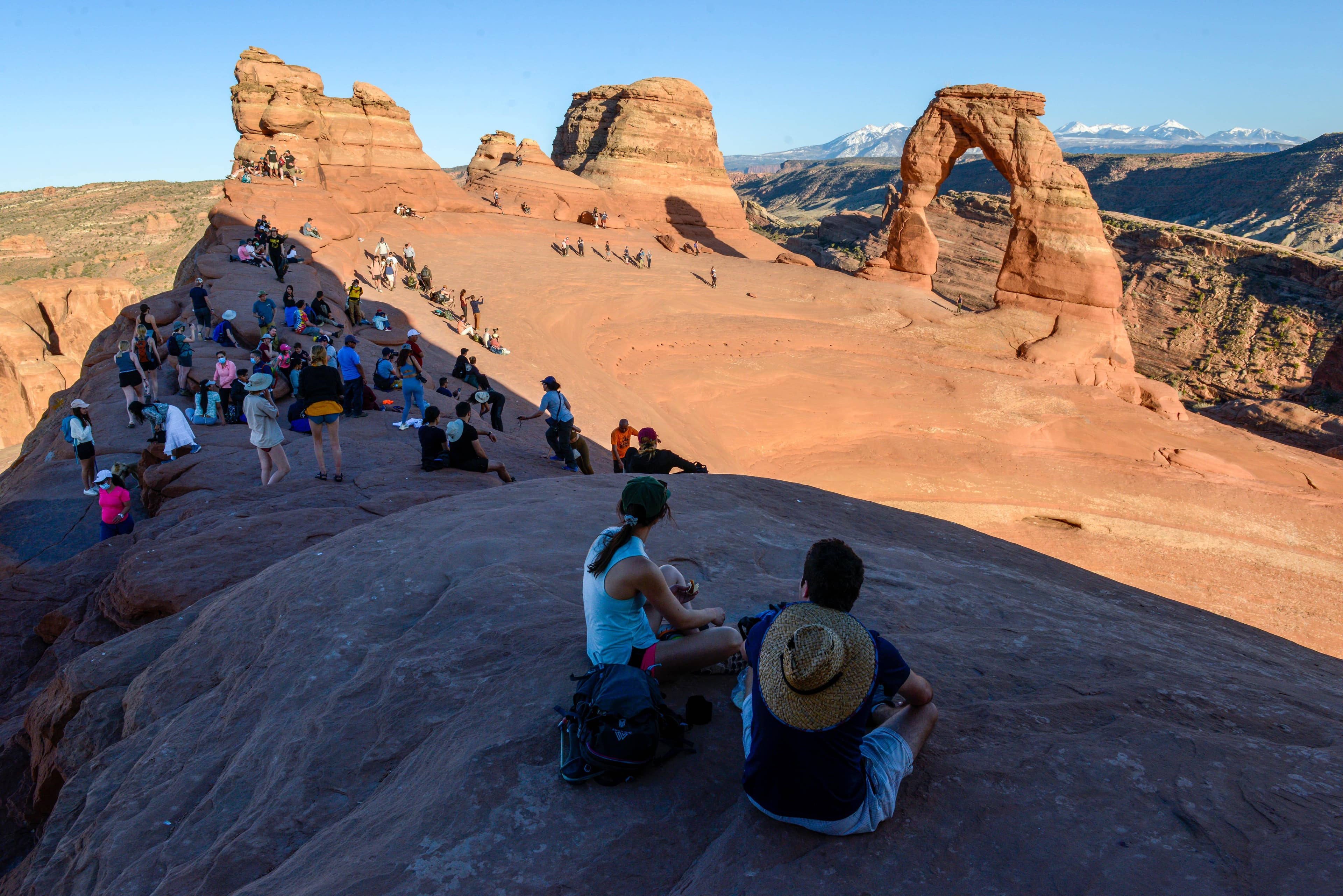
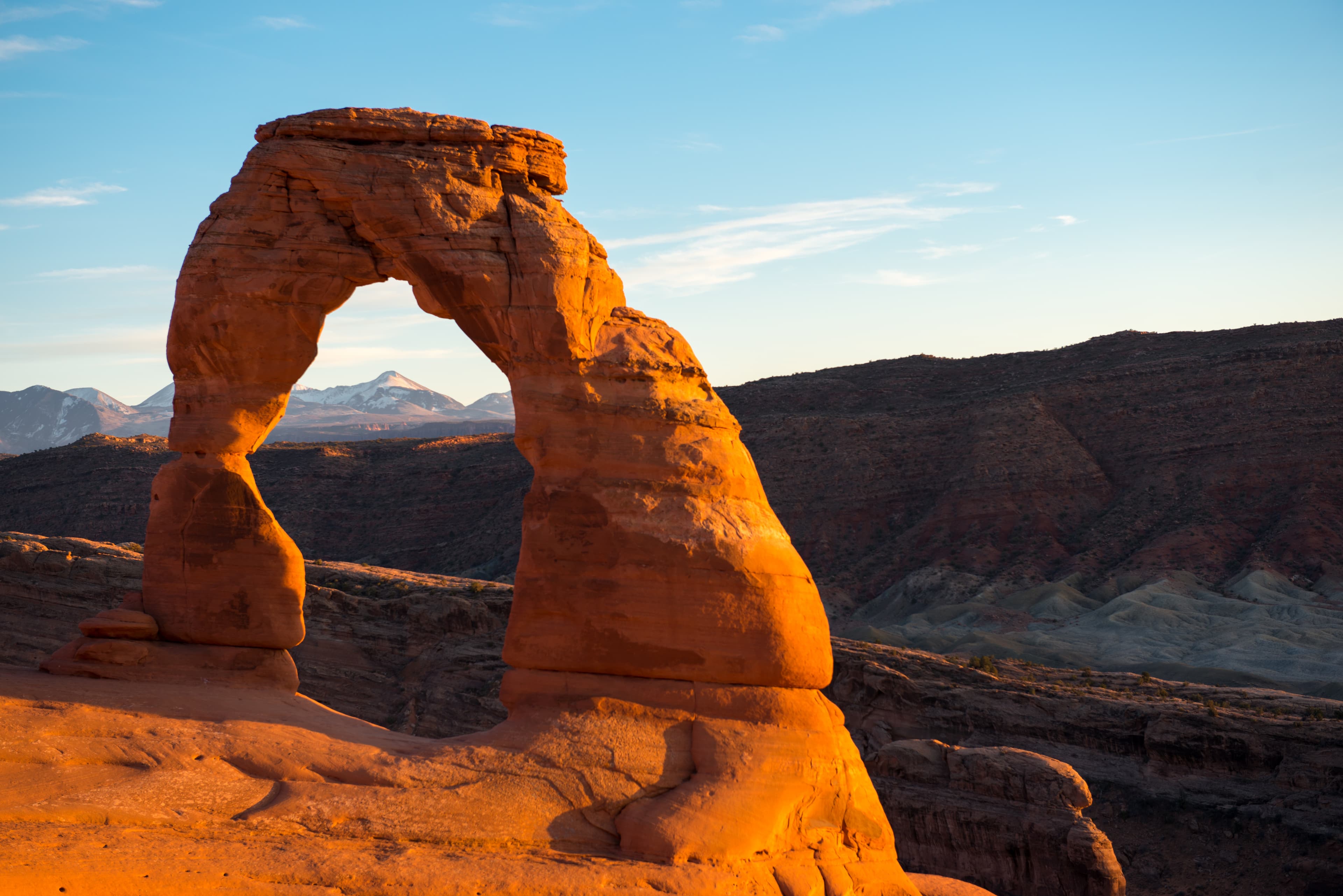
Arches National Park preserves over 2,000 natural sandstone arches within 76,519 acres of high desert in eastern Utah, the highest density of natural arches in the world. Delicate Arch, the park's most iconic formation, stands 46 feet tall on the edge of a sandstone bowl and serves as the unofficial symbol of Utah. The arches, fins, pinnacles, and balanced rocks formed over millions of years as salt deposits deep underground shifted, cracking the sandstone above and allowing water and ice to sculpt the openings.
Devils Garden Campground is the only campground inside the park, offering 51 sites at $25 per night with no hookups and no dump station. The campground sits 18 miles from the park entrance and fills nearly every night from March through October. Moab, the gateway town five miles south of the park entrance, serves as the base camp for most visitors with private RV parks, restaurants, outfitters, and proximity to both Arches and Canyonlands National Park.
The desert climate brings extreme temperature swings, with summer days exceeding 100 degrees and nights cooling to the 60s. Spring and fall are the prime seasons for hiking and camping, with comfortable temperatures in the 60s to 80s. The Delicate Arch hike at sunset and the Devils Garden Trail through Landscape Arch (the longest span in the park at 290 feet) are the two must-do experiences.
Camping Tips for Arches
- Devils Garden Campground fills nearly every night from March through October. Reserve through Recreation.gov exactly six months in advance. From November through February, sites are first-come, first-served with more availability.
- There are no hookups and no dump station at Devils Garden. RV campers should fill freshwater tanks and empty holding tanks in Moab before driving the 23 miles to the campground. Private RV parks in Moab offer full hookups as an alternative base.
- The Delicate Arch hike (3 miles round trip, 480 feet elevation gain) is best at sunset when the arch glows orange-red against the La Sal Mountains. Start at least 90 minutes before sunset to reach the viewpoint in time.
- Summer temperatures exceed 100 degrees during the day. Plan hikes for early morning or evening, carry at least one liter of water per hour of hiking, and avoid midday sun exposure on the exposed sandstone trails.
- Moab is five miles from the park entrance and serves as the hub for both Arches and Canyonlands National Park (30 minutes away). Many visitors use Moab as a base camp to explore both parks over several days.
RV Parks & Campgrounds Near Arches National Park

131.Dog Island Campground
Dog Island Campground is a scenic campground located in Mack, Colorado, offering a peaceful retreat in the western Colorado landscape. The campground provides a range of camping...
Show moreShowing 131–131 of 131 campgrounds within 50 miles
Frequently Asked Questions
What campgrounds are inside Arches National Park?
Devils Garden is the only campground in Arches, with 51 sites (including 2 group sites) at $25 per night. The campground has flush toilets and drinking water but no hookups and no dump station. It sits 18 miles from the park entrance and 23 miles from Moab. Reservations through Recreation.gov are required from March through October.
From November through February, Devils Garden operates first-come, first-served. Group sites accommodate 11 to 55 people at $75 to $250 per night. The campground is surrounded by red rock fins and provides trailhead access to the Devils Garden Trail. For RV camping with hookups, Moab offers several private parks including Sun Outdoors Arches Gateway (six minutes from the park entrance) with full hookups.
Do I need a timed entry reservation for Arches?
Timed entry reservations are no longer required for Arches National Park. The timed entry system used in previous years has been discontinued. Standard entrance fees apply at the gate. Expect lines at the entrance station during peak morning hours from March through October.
In previous years, a $3 timed entry ticket was required from April through October between 7 AM and 4 PM. Even without timed entry, parking at popular trailheads like Delicate Arch and Devils Garden fills by mid-morning on busy days. Arriving before 8 AM or after 4 PM avoids the heaviest congestion. The Windows section and Balanced Rock have larger parking areas that fill later in the day.
Can I bring my dog to Arches National Park?
Dogs on a leash of six feet or shorter are allowed in the campground, on paved roads, and on two unpaved roads: Cache Valley Road and Willow Springs Road. Dogs are prohibited on all hiking trails, off-trail areas, and in park buildings even if carried.
Arches prohibits dogs on all hiking trails. There are no dog-friendly trails. The park's fragile desert soil (biological soil crust) is easily damaged and dogs can disturb cryptobiotic crusts that take decades to recover. For hiking with dogs near Moab, BLM land and adjacent public lands offer extensive trail systems that allow leashed pets. Moab also has pet boarding and daycare services.
What are the best hikes in Arches?
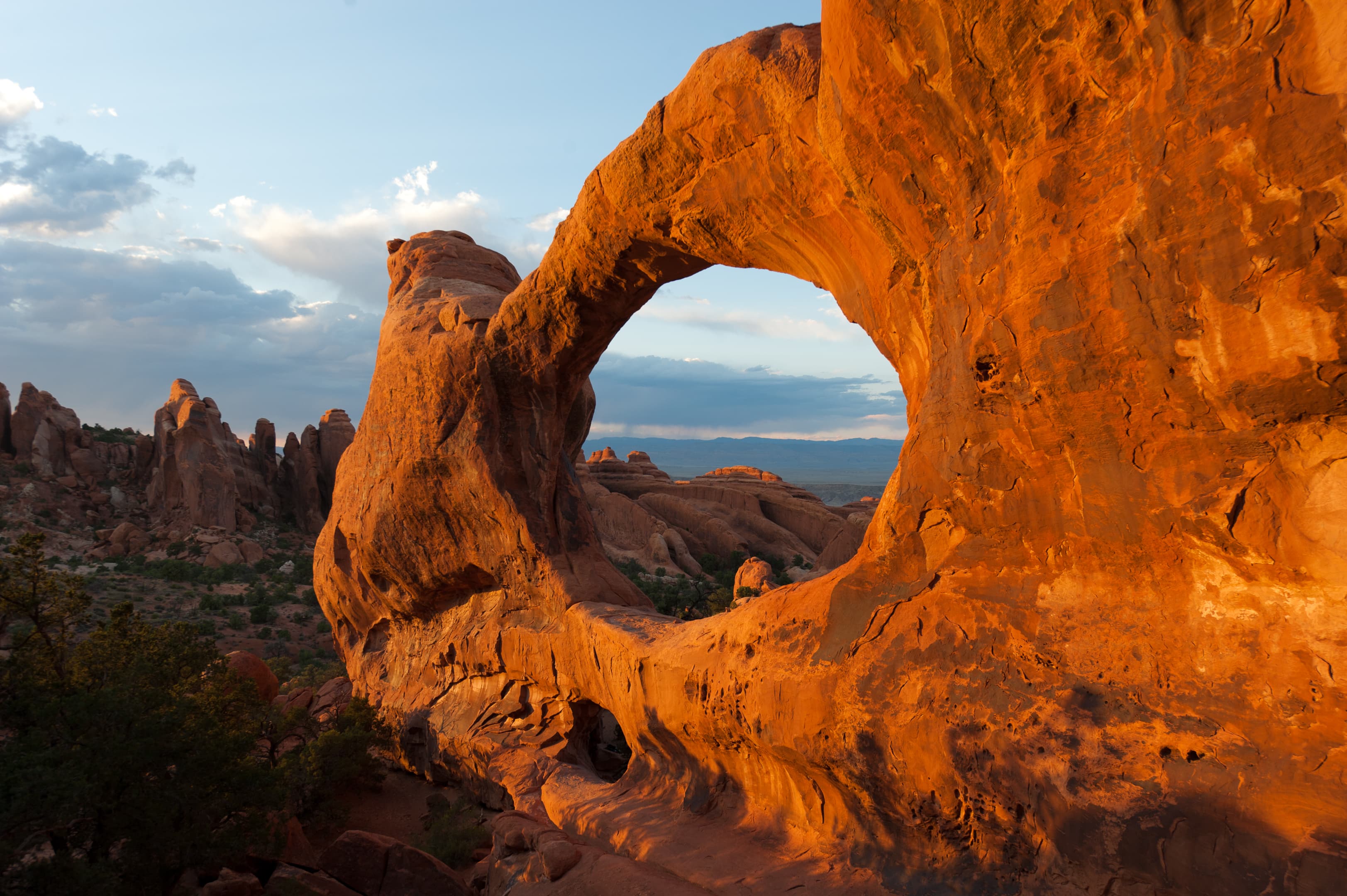
Top hikes include Delicate Arch (3 miles round trip, iconic freestanding arch, best at sunset), Devils Garden to Landscape Arch (1.6 miles one way, longest arch at 290 feet), Windows Loop (1 mile, easy walk to multiple arches), Double Arch (0.5 miles, massive twin arches), and the full Devils Garden Primitive Loop (7.2 miles, challenging).
The Delicate Arch trail is the park's most popular hike, climbing exposed slickrock to a natural amphitheater framing the arch. The Devils Garden Trail starts at the campground and passes seven named arches over its full length. The Fiery Furnace is a labyrinth of narrow sandstone passages requiring either a ranger-guided tour or a permit for self-guided exploration. The Windows section offers the easiest arch viewing with short, accessible trails.
When is the best time to visit Arches?
Spring (March through May) and fall (September through November) offer the best weather for hiking with daytime temperatures in the 60s to 80s and cool nights. Summer exceeds 100 degrees daily with dangerous heat on exposed trails. Winter brings mild days in the 40s to 50s with cold nights and occasional snow.
April and October are considered the ideal months, balancing comfortable temperatures with manageable crowds. Spring brings occasional wildflower displays in good rainfall years. Fall offers clear skies and warm rock for late afternoon photography. Summer visitors should limit hiking to before 10 AM or after 5 PM and carry extra water. Winter is the quietest season with open campsites and dramatic snow on red rock landscapes.
How close is Arches to Canyonlands National Park?
Canyonlands National Park's Island in the Sky district is about 30 minutes from Moab, making it easy to visit both parks from the same base camp. Arches is five miles north of Moab and Canyonlands is about 30 miles southwest. Dead Horse Point State Park sits between them with panoramic Colorado River views.
Many visitors spend two to four days in Moab exploring both parks. Arches is smaller and can be seen in one full day. Canyonlands is much larger and divided into three districts (Island in the Sky, Needles, and the Maze) that require separate drives. Island in the Sky is the most accessible from Moab. The combination of Arches, Canyonlands, and Dead Horse Point makes Moab one of the premier outdoor destinations in the American West.
What is the Fiery Furnace?
The Fiery Furnace is a dense labyrinth of narrow sandstone fins, slots, and dead-end passages in the heart of Arches. Exploring it requires either a ranger-guided tour (reservations recommended, 2.5-3 hours) or a self-guided permit. There is no marked trail, and navigation relies on route-finding between the sandstone walls.
Ranger-guided tours are offered spring through fall and typically book out well in advance on Recreation.gov. The tours cover about two miles over uneven terrain with some scrambling required. Self-guided permits are available at the visitor center and require watching an orientation video. The name comes from the way the sandstone fins glow fiery red and orange at sunset, not from temperature. Getting lost is a real possibility without a guide, as the canyon walls block GPS signals and landmarks.
Are there rattlesnakes at Arches?
Midget faded rattlesnakes are present throughout Arches, especially in rocky areas and during warm months from April through October. They are generally shy and avoid humans. Watch where you step and place your hands, especially around rock ledges and boulders.
Desert wildlife at Arches also includes scorpions, black widow spiders, and kangaroo rats. Shake out shoes and sleeping bags before use when camping. Keep tent zippers closed at all times. If bitten by a rattlesnake, remain calm, keep the bite below heart level, and get to a hospital as quickly as possible. The nearest emergency room is in Moab (23 miles from the campground). Cell service is unreliable in the park.
Quick Facts
- Entrance Fee
- $30/vehicle (7 days)
- Best Time to Visit
- March – May, September – November
- Nearest Town
- Moab, UT
- Elevation
- 4,085 – 5,653 ft
- Park Size
- 76,519 acres
- Annual Visitors
- ~2.1 million