A complete guide to camping in Virginia
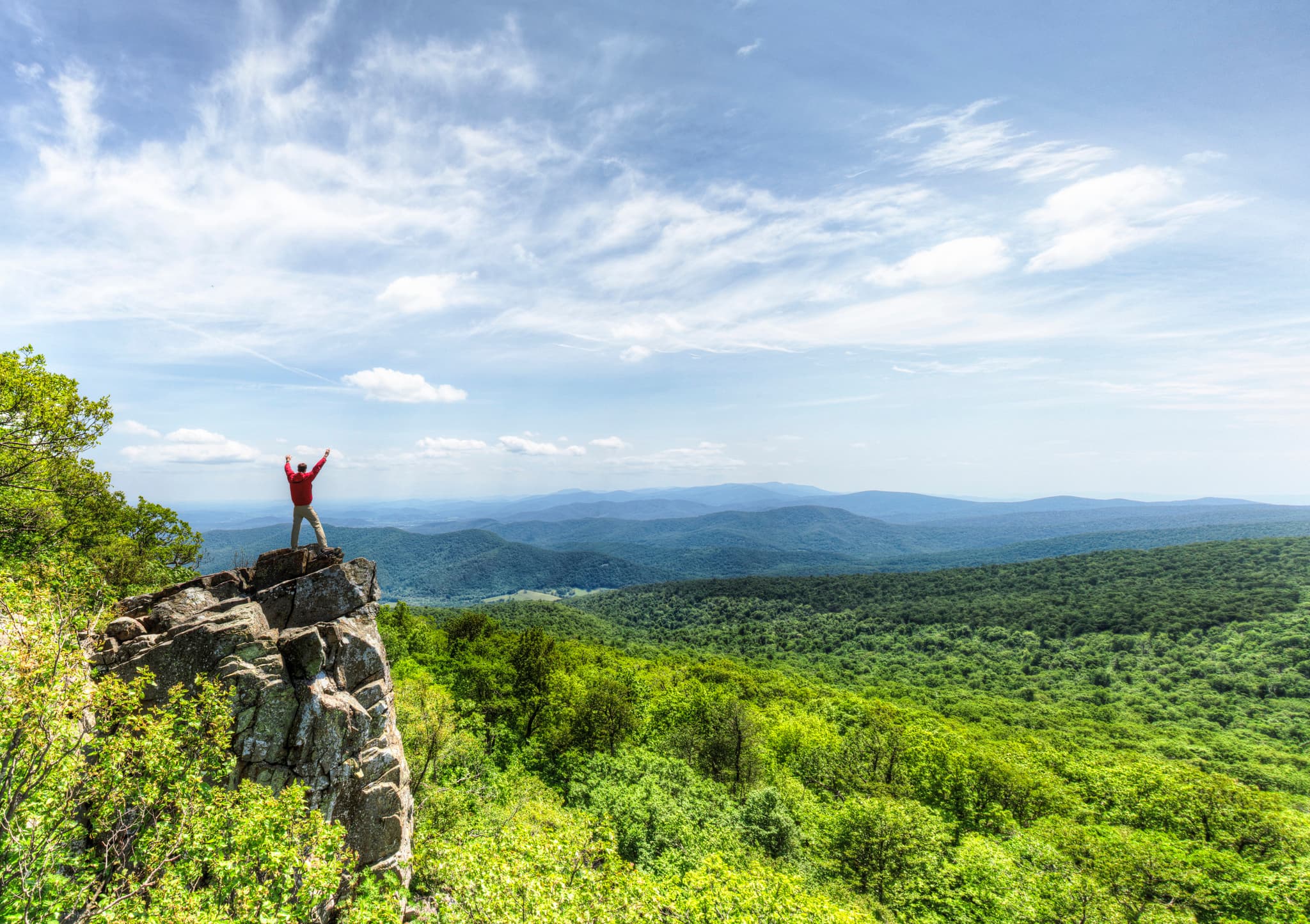
Virginia's camping stretches along Shenandoah National Park and the Blue Ridge Parkway, which together create a spine of mountain campgrounds running the length of the state's western edge. Skyline Drive through Shenandoah and the Parkway to the south provide direct access to Appalachian ridge camping at elevations from 1,500 to 4,300 feet. Luray, Front Royal, and the Shenandoah Valley towns anchor the access points.
The eastern half of the state drops to the coastal plain and the Chesapeake Bay. Virginia Beach, Chincoteague Island, and the Eastern Shore offer beach and marsh camping in a maritime environment. Between the mountains and coast, the Piedmont holds a mix of state parks along rivers and reservoirs. George Washington and Jefferson National Forests cover much of the western mountains, providing extensive dispersed camping beyond the national park boundaries. The state's moderate climate supports year-round camping at lower elevations.
Mar-May
High 59°F · Low 47°F
Dogwood and redbud bloom along Skyline Drive in April. Mountain wildflowers follow through May. The Shenandoah Valley warms into the 60s and 70s. Coastal areas stay cool with occasional nor'easters through March.
Jun-Aug
High 77°F · Low 65°F
Mountain campgrounds along the Blue Ridge provide relief from Piedmont and coastal humidity. Virginia Beach and Chincoteague hit peak beach season. Afternoon thunderstorms are common in the mountains. Firefly season runs June through July in the Shenandoah Valley.
Sep-Nov
High 59°F · Low 47°F
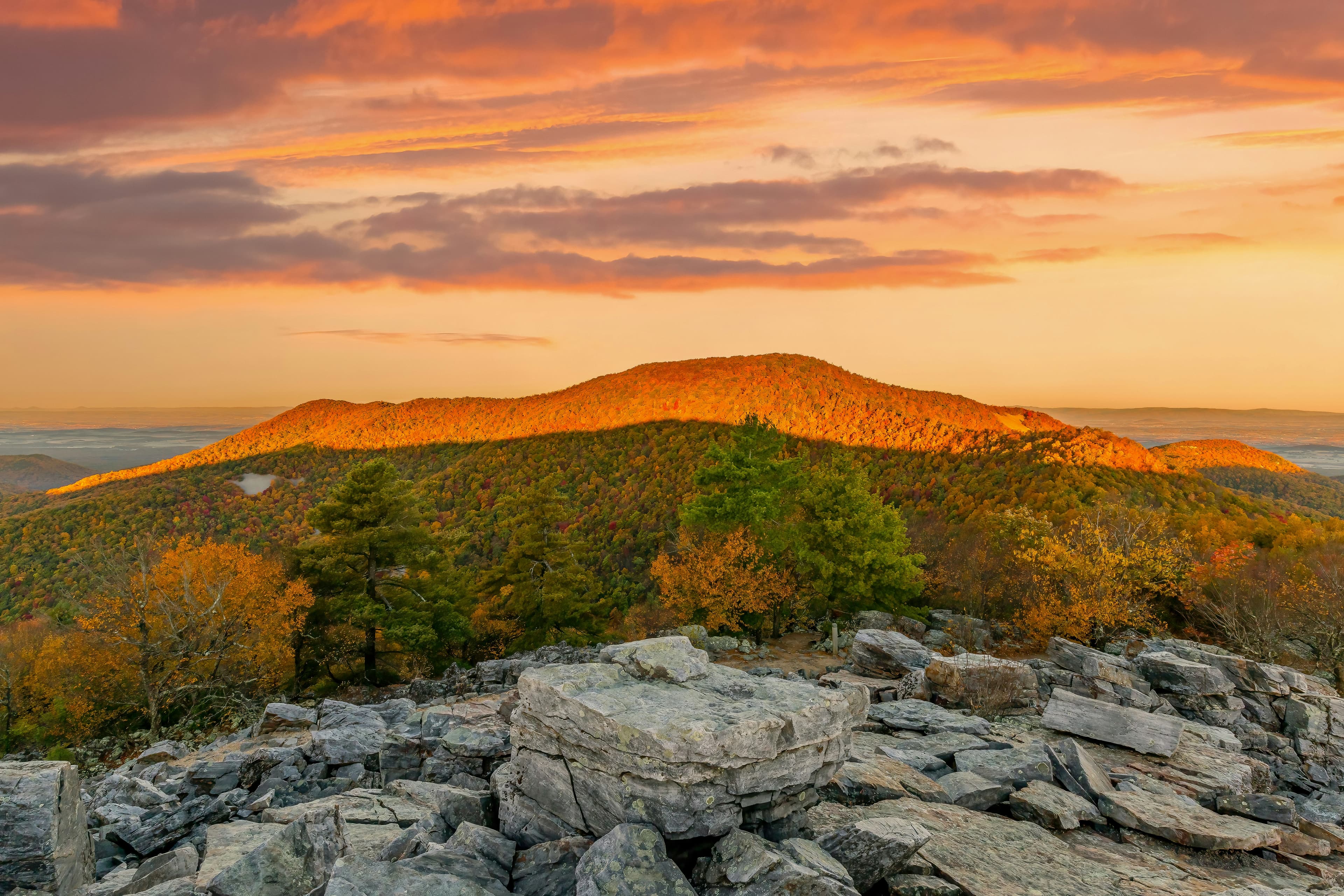
Fall color along Skyline Drive and the Blue Ridge Parkway peaks in mid to late October. The most popular camping season in the mountains. Reservations are critical for October weekends. Coastal areas enter a quieter, pleasant shoulder season.
Dec-Feb
High 41°F · Low 29°F
Lower-elevation campgrounds stay accessible. January averages 33 degrees statewide but mountain areas run colder. Shenandoah campgrounds close for winter. Coastal camping is quiet with mild temperatures compared to the mountains.
| Season | Months | Avg High | Avg Low | Conditions |
|---|---|---|---|---|
| Spring | Mar-May | 59°F | 47°F | Dogwood and redbud bloom along Skyline Drive in April. |
| Summer | Jun-Aug | 77°F | 65°F | Mountain campgrounds along the Blue Ridge provide relief from Piedmont and coastal humidity. |
| Fall | Sep-Nov | 59°F | 47°F | Fall color along Skyline Drive and the Blue Ridge Parkway peaks in mid to late October. |
| Winter | Dec-Feb | 41°F | 29°F | Lower-elevation campgrounds stay accessible. |
Source: NOAA 30-Year Climate Normals

| Region | Terrain | Key Areas |
|---|---|---|
| Shenandoah Valley and National Park | Mountain | Luray, Front Royal, Fort Valley, Harrisonburg |
| Blue Ridge Highlands | Mountain | Floyd, Natural Bridge Station, Galax, Marion |
| Piedmont and Central Virginia | Plains | Charlottesville, Fredericksburg, Lexington |
| Chesapeake Bay and Coast | Coastal | Virginia Beach, Chincoteague, Cape Charles, Williamsburg |
Mountain · Luray, Front Royal, Fort Valley, Harrisonburg
Skyline Drive runs 105 miles along the ridge of the Blue Ridge Mountains through Shenandoah National Park. Four developed campgrounds and backcountry options in the park. Luray, Front Royal, and Fort Valley serve as valley-floor base towns. Elevation along the drive ranges from 2,000 to 4,000 feet. Jellystone Park Luray and Luray RV Resort on the Shenandoah River serve the central valley, while North Fork Resort near Front Royal covers the northern park entrance.
Mountain · Floyd, Natural Bridge Station, Galax, Marion
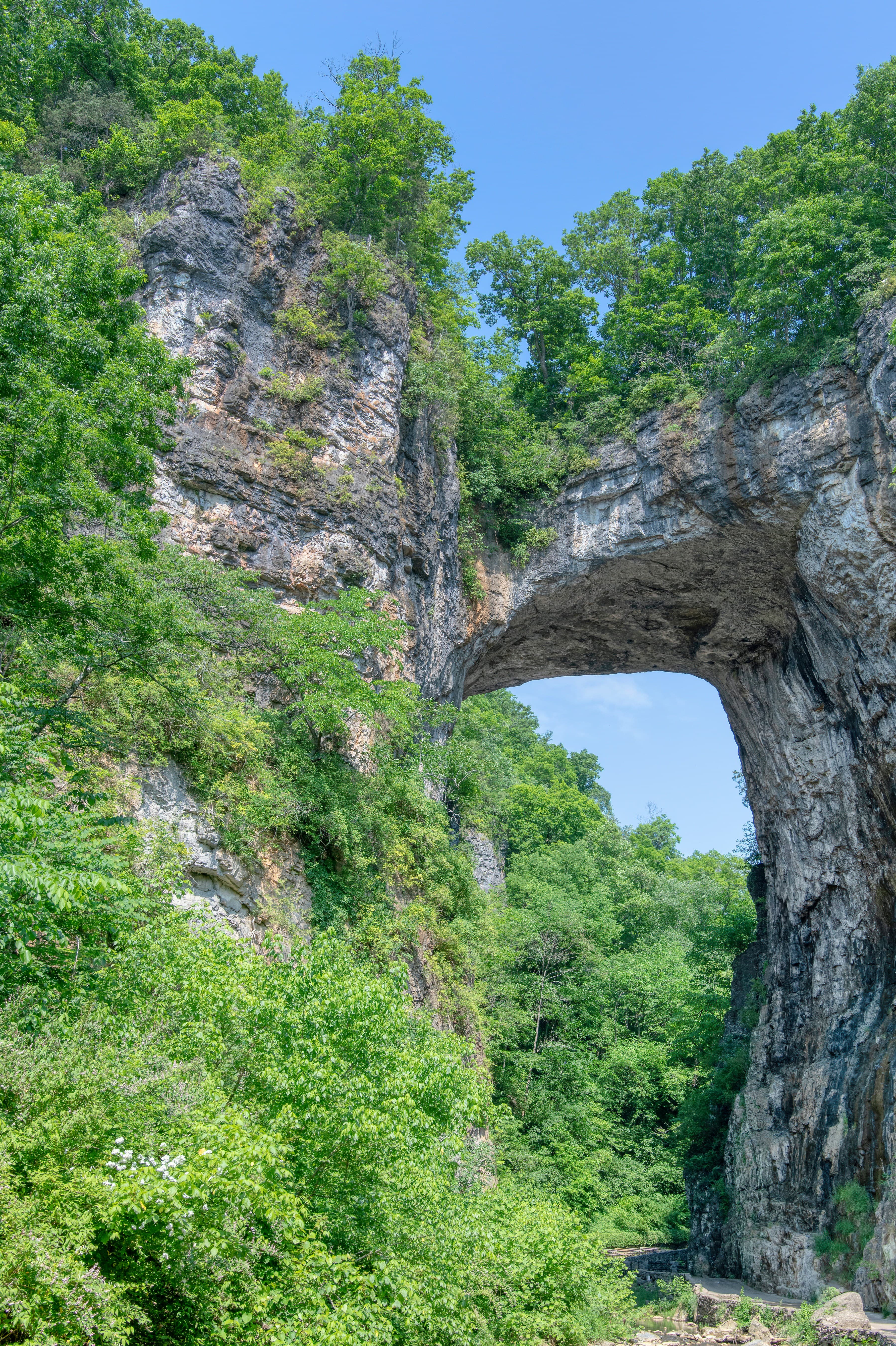
The southwestern corner of Virginia where the Blue Ridge Parkway continues south toward North Carolina. Floyd, Natural Bridge Station, and the Mount Rogers area anchor the camping. Mount Rogers at 5,729 feet is the state's high point. Grayson Highlands State Park has wild ponies and high-elevation meadows. Jellystone Park Natural Bridge in Natural Bridge Station and campgrounds near Floyd along the Parkway provide the primary southwestern Virginia options.
Plains · Charlottesville, Fredericksburg, Lexington
Rolling terrain between the mountains and coastal plain. State parks along the James and Rappahannock rivers provide camping near historic sites. Shenandoah River State Park combines mountain views with river access. More moderate elevation and gentler terrain than the western mountains. Charlottesville KOA Holiday and Fredericksburg KOA Holiday serve the metro populations between the mountains and the coast.
Coastal · Virginia Beach, Chincoteague, Cape Charles, Williamsburg
Virginia Beach, Chincoteague Island, and the Eastern Shore offer beach and marsh camping. First Landing State Park in Virginia Beach sits where the Chesapeake Bay meets the Atlantic. Chincoteague provides access to Assateague Island's wild ponies and beaches. Kiptopeke State Park on the southern tip of the Eastern Shore has bay-front camping. Holiday Trav-L-Park and North Landing Beach Campground in Virginia Beach provide the most developed coastal camping, while Tom's Cove Park on Chincoteague Island puts campers near the wild ponies.

Higher elevations along Skyline Drive begin turning in early October. Peak color at the overlooks typically falls in the second and third weeks of October. Lower valley areas around Luray and Front Royal follow a week later. Shenandoah National Park publishes weekly color reports from mid-September.
Grayson Highlands State Park in southwestern Virginia has a herd of wild ponies that roam the high-elevation meadows. Chincoteague Island on the Eastern Shore has the famous Chincoteague ponies that graze on Assateague Island, visible from many points on the island.
Skyline Drive stays open in winter but may close temporarily during ice and snow events. All four developed campgrounds close for the season, typically by late November. Backcountry camping is permitted year-round with a free permit. Winter hiking is popular but icy conditions require traction devices.
George Washington and Jefferson National Forests cover over 1.8 million acres in western Virginia and permit dispersed camping on most forest land. No reservation or fee required. Camp at least 200 feet from water and trails. Fire regulations vary by season.
First Landing State Park sits at the northern end of Virginia Beach where the Chesapeake Bay meets the Atlantic. The campground has sites in cypress swamp and maritime forest, with trails leading to bay beaches. The park fills on summer weekends. Virginia Beach city campgrounds provide alternatives closer to the oceanfront.