A complete guide to camping in Vermont

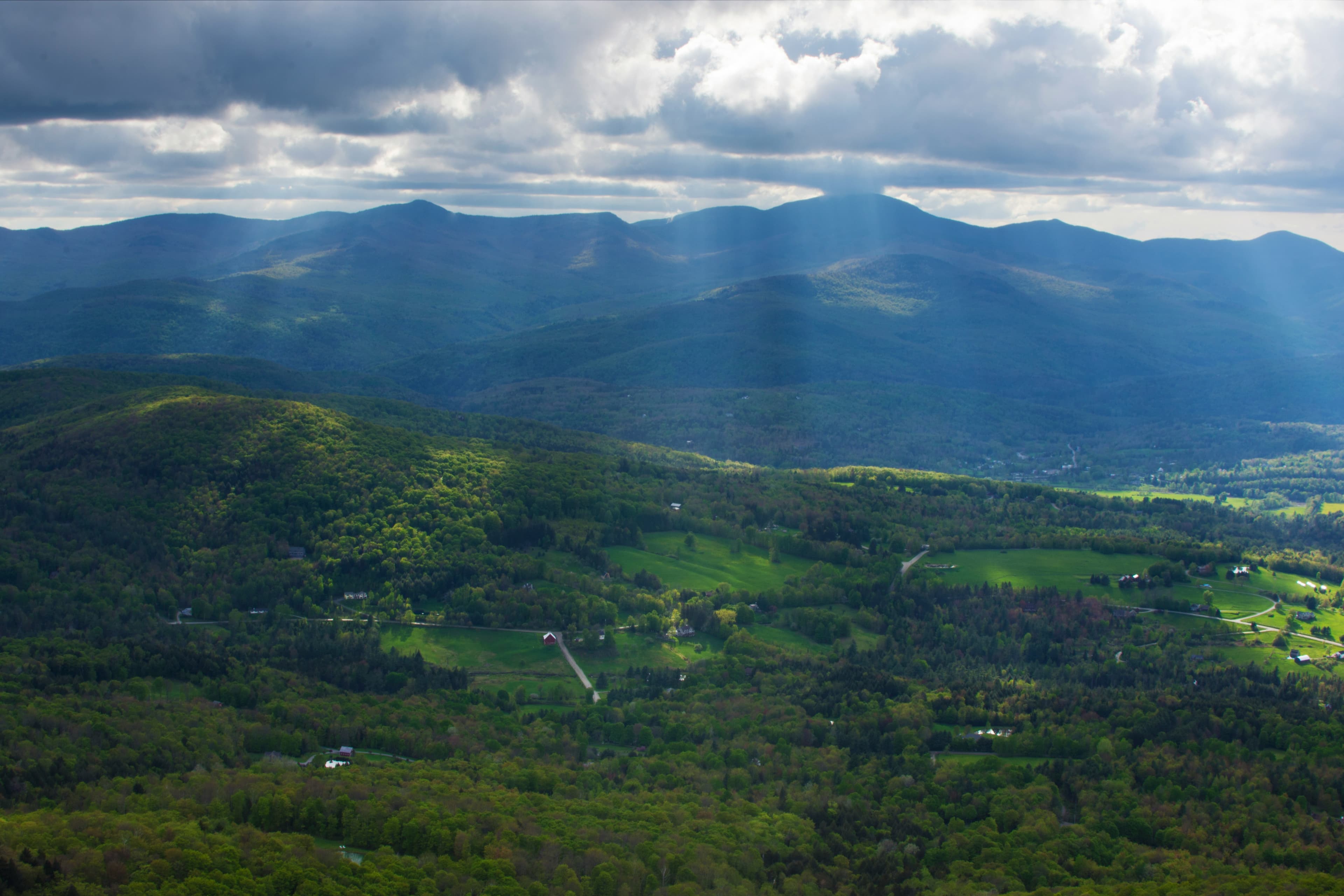
Vermont camping runs through the Green Mountains, a north-south spine of forested peaks and valleys that defines the state's geography and character. The Long Trail, the oldest long-distance hiking trail in the country, follows the ridgeline from Massachusetts to Canada, with shelters and tent sites along its 272 miles. State parks cluster around the mountain corridors and lake shores, with Lake Champlain on the western border and the Northeast Kingdom in the far north providing two distinct camping flavors.
The state's small size means no campground is more than a few hours from any other, but the terrain changes meaningfully between the southern Green Mountains near Killington, the central valleys around Stowe and Waterbury, and the remote Northeast Kingdom around East Burke and Island Pond. Fairlee, North Hero on Lake Champlain, and Salisbury provide lakefront options. Vermont's camping season runs roughly May through October, with fall color drawing the heaviest traffic statewide.
Mar-May
High 50°F · Low 38°F
Mud season through April as snowmelt saturates forest roads. Campgrounds open in late May. Black flies emerge. Sugar maples are tapped in March. The quietest camping window once campgrounds open.
Jun-Aug
High 73°F · Low 61°F
Peak season. Lake Champlain and mountain campgrounds fill on weekends. Swimming in rivers and lakes warms by late June. Long daylight. Black flies subside by late June, replaced by fewer mosquitoes than neighboring states.
Sep-Nov
High 50°F · Low 38°F
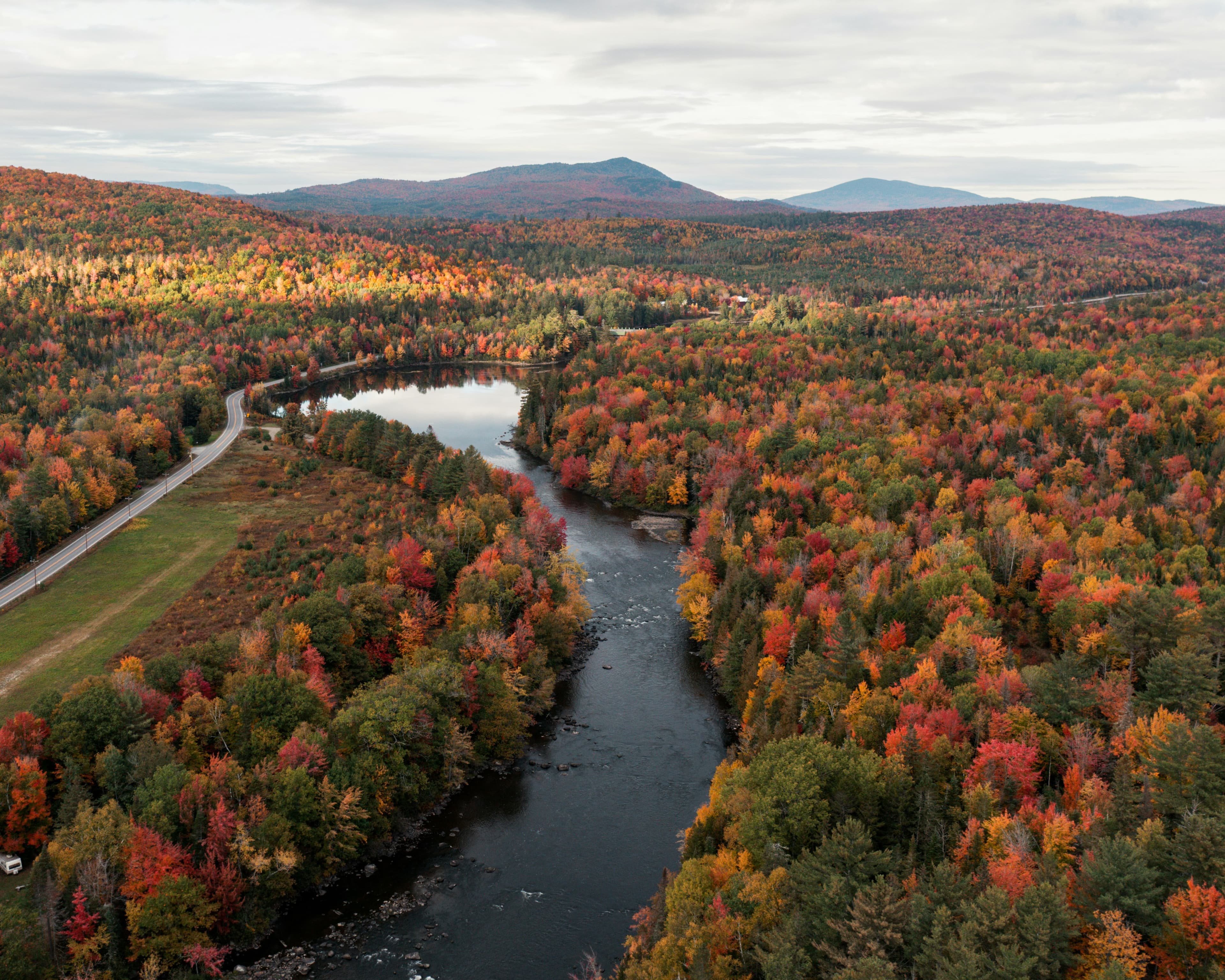
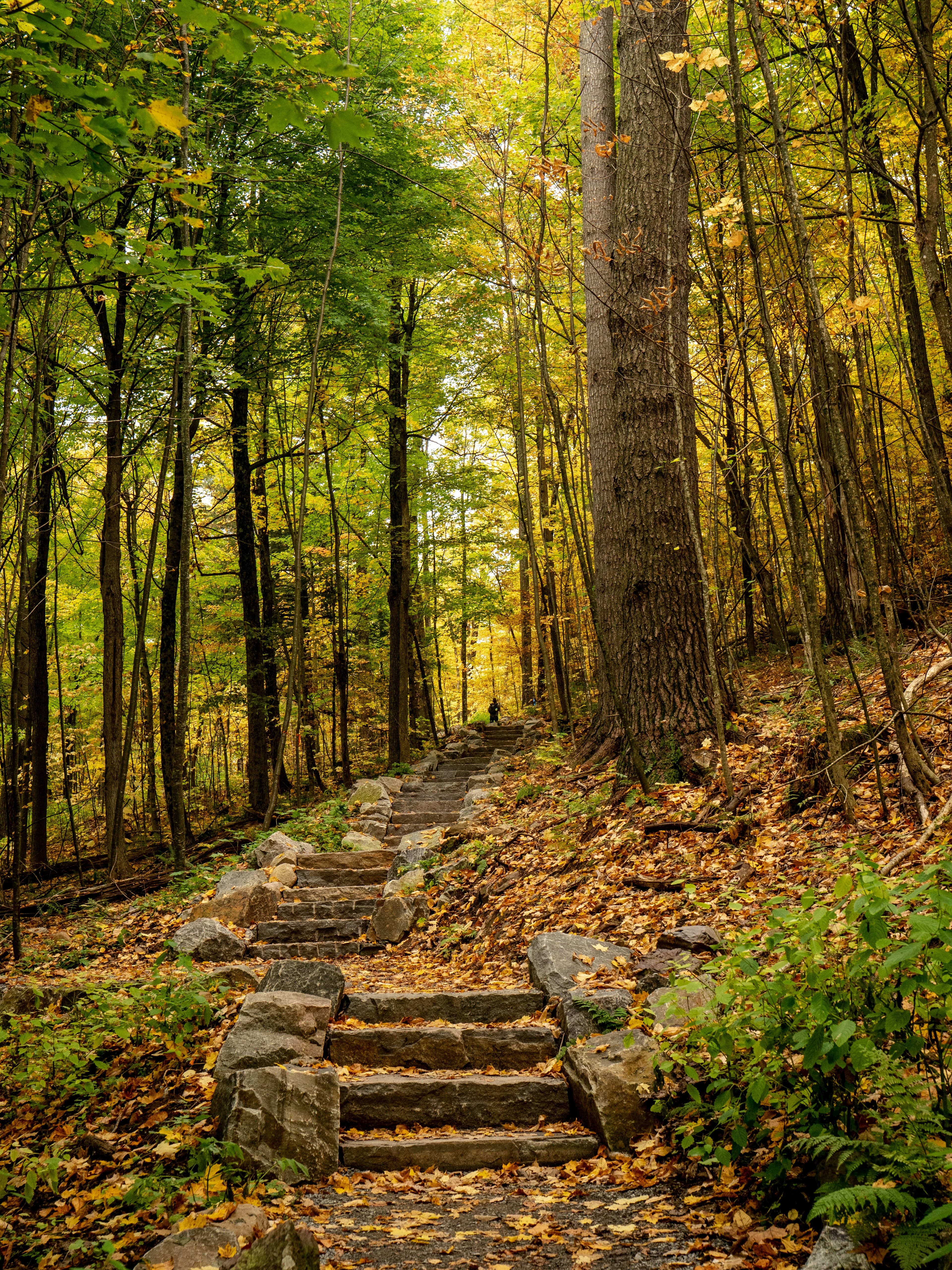
Vermont fall color is the state's biggest tourism draw. Peak foliage moves south from late September to mid-October. Every campground fills for color weekends. Reserve months ahead for October dates.
Dec-Feb
High 26°F · Low 14°F
January averages 18 degrees. Campgrounds close. The Green Mountains receive heavy snow. Ski towns (Stowe, Killington, Sugarbush) replace camping tourism. Winter backcountry camping exists for the experienced.
| Season | Months | Avg High | Avg Low | Conditions |
|---|---|---|---|---|
| Spring | Mar-May | 50°F | 38°F | Mud season through April as snowmelt saturates forest roads. |
| Summer | Jun-Aug | 73°F | 61°F | Peak season. |
| Fall | Sep-Nov | 50°F | 38°F | Vermont fall color is the state's biggest tourism draw. |
| Winter | Dec-Feb | 26°F | 14°F | January averages 18 degrees. |
Source: NOAA 30-Year Climate Normals

| Region | Terrain | Key Areas |
|---|---|---|
| Green Mountains | Mountain | Stowe, Waterbury, Killington, Warren |
| Lake Champlain | Lakefront | North Hero, Grand Isle, Burlington, Vergennes |
| Northeast Kingdom | Forest | East Burke, Island Pond, Lyndonville, St. Johnsbury |
| Connecticut River Valley | Plains | Fairlee, Quechee, Woodstock, White River Junction |
Mountain · Stowe, Waterbury, Killington, Warren
The forested mountain spine running the length of the state. State parks at Underhill, Little River, and Smugglers Notch provide developed camping among the peaks. The Long Trail and its shelters offer backcountry camping. Stowe and Waterbury anchor the central Green Mountain access. Elevations from 1,000 to 2,900 feet at campground level. Gold Brook Campground near Stowe provides one of the most established private options in the central Green Mountain corridor.
Lakefront · North Hero, Grand Isle, Burlington, Vergennes
The western border of Vermont along the sixth-largest freshwater lake in the US. North Hero, Grand Isle, and Burton Island state parks provide island and lakefront camping. The Champlain Valley is warmer and drier than the Green Mountains. Ferry access to New York from several points. Carry Bay Campground on North Hero and Champlain Adult Campground on Grand Isle provide island camping on Lake Champlain accessible by causeway.
Forest · East Burke, Island Pond, Lyndonville, St. Johnsbury
The remote northeastern corner of the state. East Burke, Island Pond, and Lyndonville anchor a region with lower tourism density than the rest of Vermont. Brighton State Park on Spectacle Pond and Maidstone State Park offer quiet lake camping. Mountain biking trails at Kingdom Trails draw a dedicated following. Camp Kiki and Maple Brook Campground near East Burke serve the Kingdom Trails mountain biking community, while Lakeside Camping on Island Pond covers the deeper northeast.
Plains · Fairlee, Quechee, Woodstock, White River Junction
The eastern border along the Connecticut River. Fairlee, Thetford, and Quechee provide developed camping in the river valley. The terrain is gentler than the Green Mountains. Quechee Gorge and the covered bridge corridor add day-trip interest. Closer to New Hampshire's White Mountains than to Vermont's own peaks. Campgrounds near Fairlee and the river towns provide developed options along the Vermont-New Hampshire border.

The Northeast Kingdom begins turning in late September. Peak color moves south through the Green Mountains during the first two weeks of October. The Champlain Valley and southern Vermont follow in mid to late October. Timing shifts by a week depending on temperature and rainfall patterns.
The Long Trail has over 70 shelters and tent sites along its 272-mile route. Shelters are three-sided wooden structures on a first-come basis. No reservations. Carry a tent in case shelters are full. The Green Mountain Club maintains the trail and shelters. A small caretaker fee applies at some sites during peak season.
Green Mountain National Forest permits dispersed camping on most forest land in southern and central Vermont. No fee or permit required. Camp at least 200 feet from water and trails. State parks and state forests require designated campsites. Vermont has less public land than many states.
Late March through April when snowmelt saturates the ground and forest roads become impassable. Many campgrounds and backcountry roads close during this period. Plan Vermont camping trips for late May onward unless targeting specific lower-elevation sites that open earlier.
Vermont is more rural and less developed than New Hampshire. The Green Mountains are lower and rounder than the White Mountains. Vermont campgrounds tend to be smaller and quieter. New Hampshire has more dramatic above-treeline terrain. Vermont has better fall color variety due to its sugar maple density.