A complete guide to camping in Texas

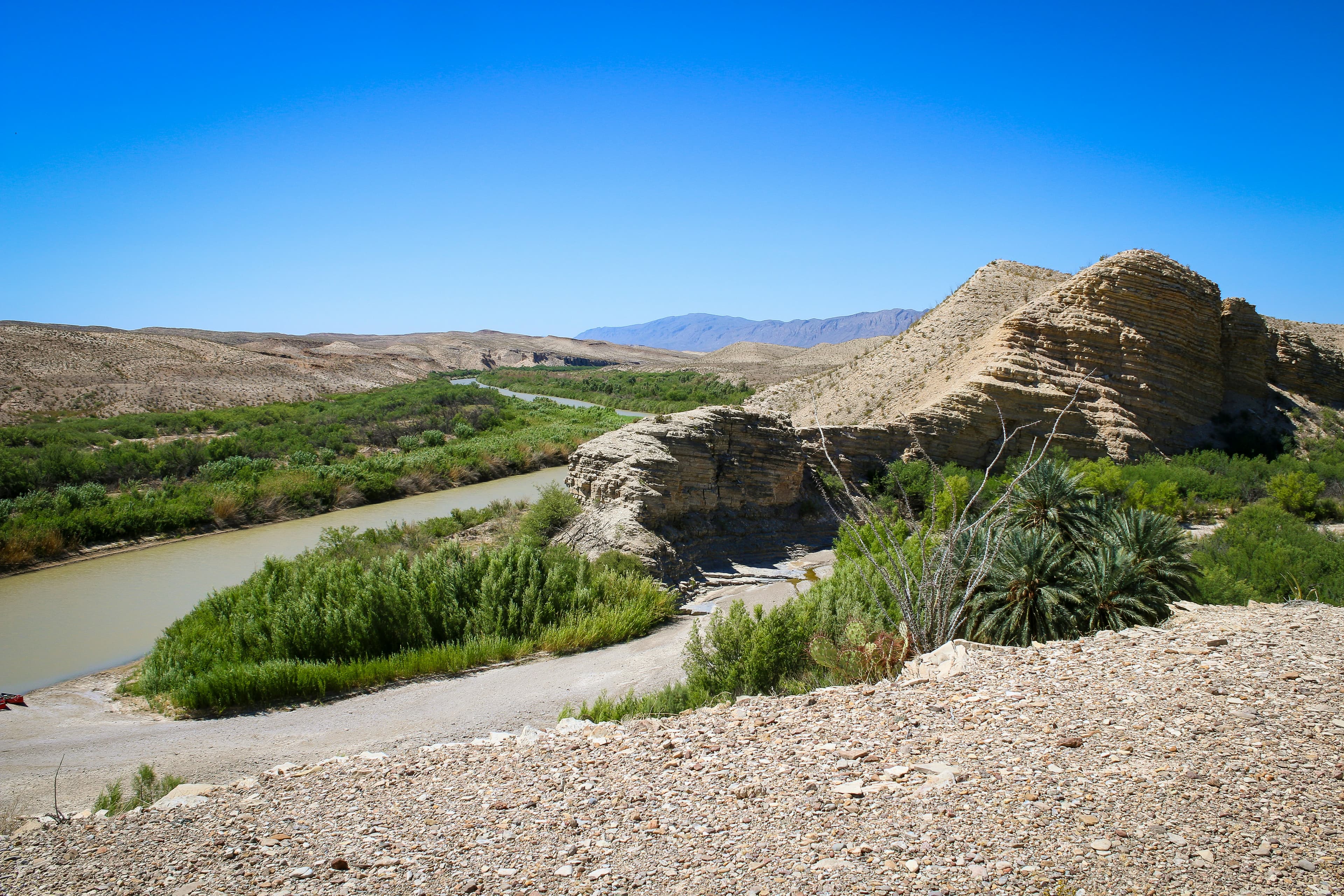
Texas camping spreads across a state large enough to contain most of Western Europe. The terrain shifts from Gulf Coast barrier islands to Chihuahuan Desert canyons, from East Texas pine forests to the flat western plains around Odessa and Midland. Big Bend National Park anchors the far west, where the Rio Grande carves through limestone canyons at elevations reaching 6,000 feet. The Gulf Coast from Rockport to South Padre Island draws a different crowd entirely, with beach camping, birding, and fishing as the primary activities.
The sheer distances between camping regions define the Texas experience. Driving from Houston to Big Bend takes seven hours. The Panhandle sits a full day's drive from the Valley. Most campers focus on a single region per trip rather than attempting to cross the state. Central Texas hill country around Fredericksburg and New Braunfels offers a middle ground with river access, moderate terrain, and proximity to Austin and San Antonio.
Mar-May
High 71°F · Low 59°F
Wildflower season in the Hill Country peaks in April. Comfortable temperatures across most of the state before summer heat arrives. Big Bend warms rapidly by May. Gulf Coast fishing season picks up.
Jun-Aug
High 87°F · Low 75°F
Extreme heat across most of Texas. Desert regions exceed 100 degrees regularly. Gulf Coast brings humidity and hurricane risk. River camping in the Hill Country and mountain camping in the Davis Mountains offer some relief.
Sep-Nov
High 71°F · Low 59°F
Temperatures moderate by October. Big Bend enters its best season. Gulf Coast hurricane risk decreases by November. The state's busiest camping months as heat breaks.
Dec-Feb
High 56°F · Low 44°F
Mild in South Texas and the Gulf Coast where January averages 48 degrees. Big Bend stays campable with cool nights. The Panhandle and North Texas get cold fronts with occasional ice. Winter Texans fill RV parks along the Valley and Gulf.
| Season | Months | Avg High | Avg Low | Conditions |
|---|---|---|---|---|
| Spring | Mar-May | 71°F | 59°F | Wildflower season in the Hill Country peaks in April. |
| Summer | Jun-Aug | 87°F | 75°F | Extreme heat across most of Texas. |
| Fall | Sep-Nov | 71°F | 59°F | Temperatures moderate by October. |
| Winter | Dec-Feb | 56°F | 44°F | Mild in South Texas and the Gulf Coast where January averages 48 degrees. |
Source: NOAA 30-Year Climate Normals

| Region | Terrain | Key Areas |
|---|---|---|
| Big Bend and Trans-Pecos | Desert | Big Bend National Park, Terlingua, Marfa, Fort Davis |
| Gulf Coast | Coastal | Rockport, Port Aransas, South Padre Island, Galveston |
| Hill Country | Plains | Fredericksburg, New Braunfels, Wimberley, Concan |
| East Texas Piney Woods | Forest | Sam Houston NF, Lufkin, Tyler, Nacogdoches |
| Panhandle and Plains | Plains | Amarillo, Canyon, Lubbock, Abilene |
Desert · Big Bend National Park, Terlingua, Marfa, Fort Davis
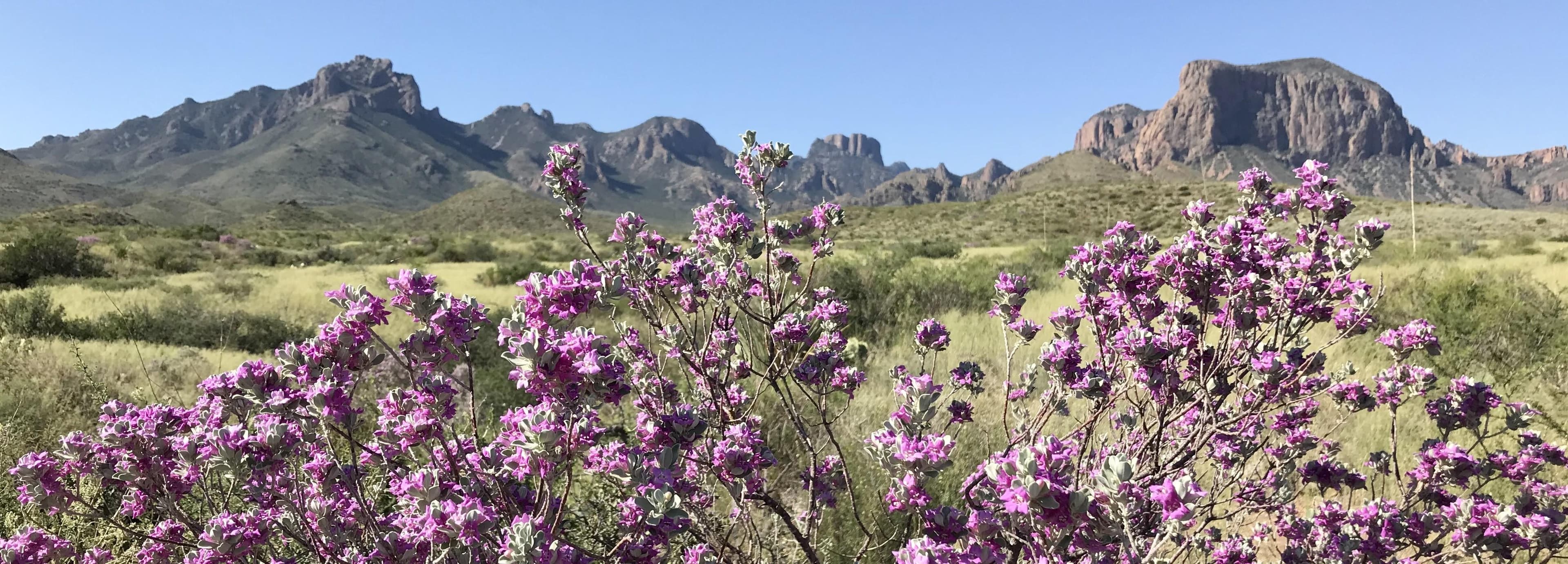
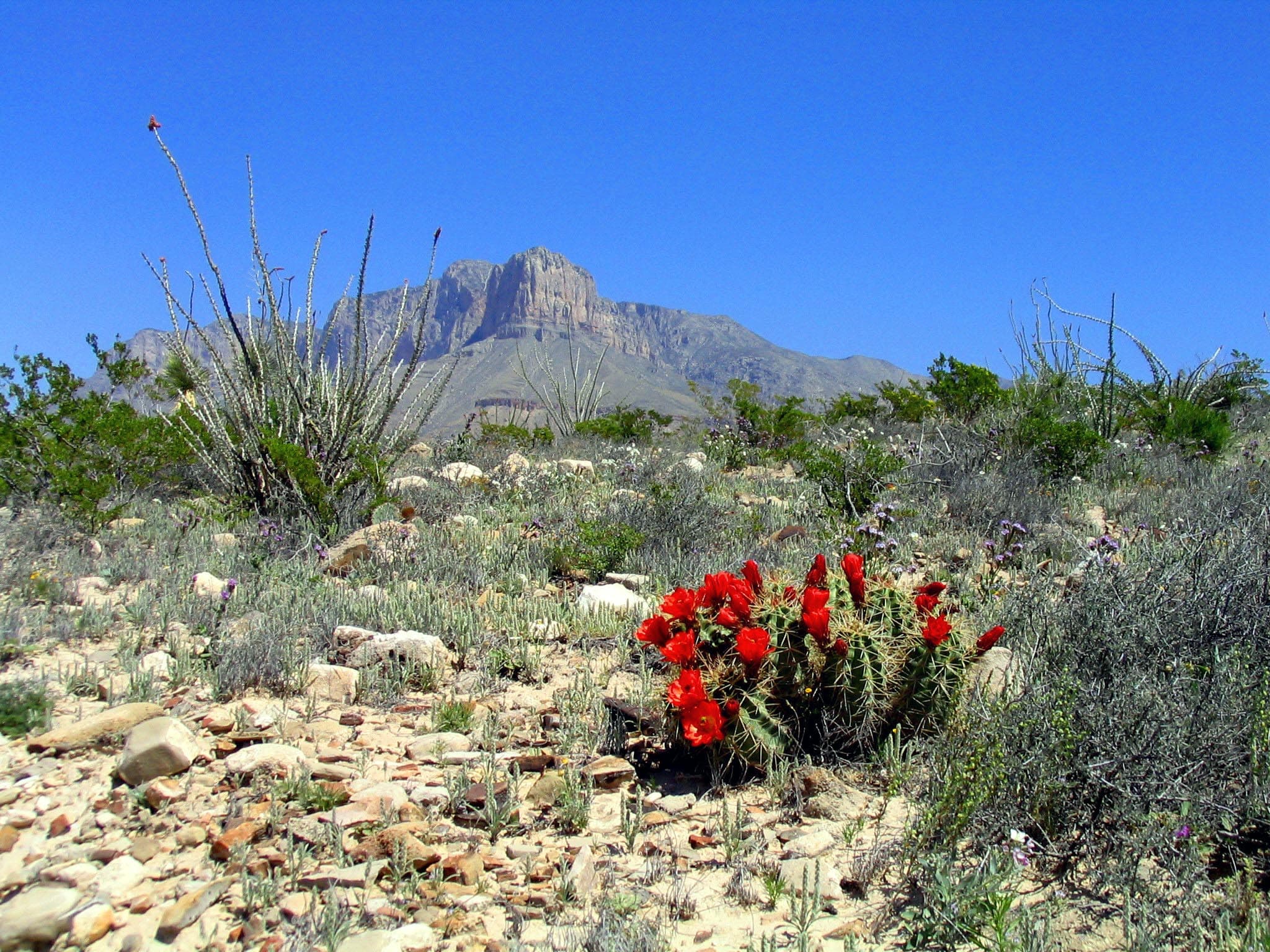
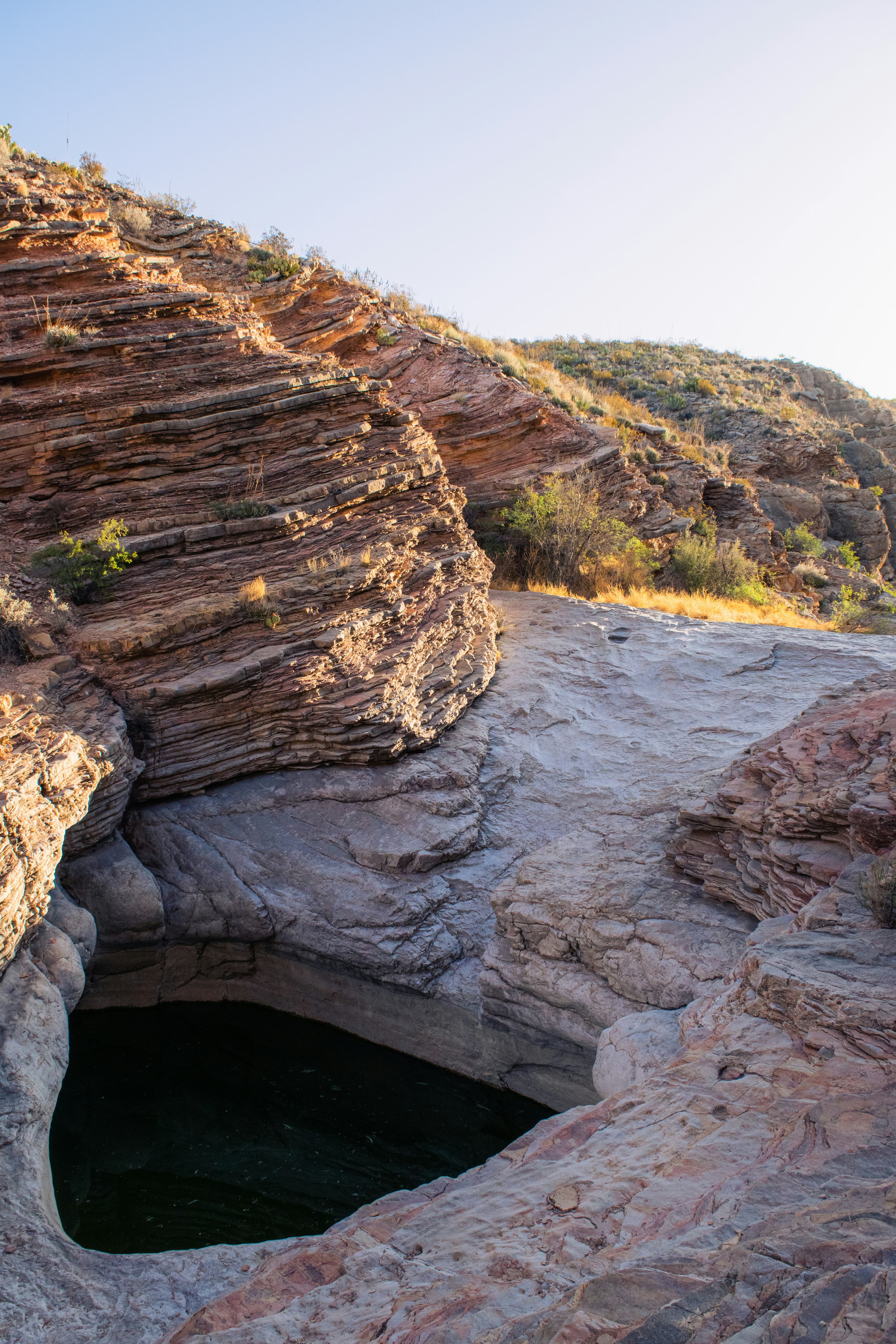
Desert canyon country along the Rio Grande. Big Bend National Park and Big Bend Ranch State Park offer both developed and backcountry camping. The Chisos Mountains reach 7,800 feet, providing mountain camping in an otherwise desert landscape. Remote, with limited services. The drive from any major city takes at least five hours. Chisos Basin Campground and Rio Grande Village Campground inside Big Bend National Park provide the primary park options, with RoadRunner Travelers RV Park in Terlingua serving as the nearest private base.
Coastal · Rockport, Port Aransas, South Padre Island, Galveston
Barrier island camping from Galveston south through Rockport, Port Aransas, and Padre Island National Seashore. Beach driving and surf fishing define the experience. Winter Texan season fills coastal RV parks from November through March. Birding is exceptional in the Aransas and Laguna Madre areas. Copano Bay RV Resort and Wilderness Oaks RV Resort in Rockport anchor the central coast, while Pioneer RV Beach Resort in Port Aransas adds Gulf-front access.
Plains · Fredericksburg, New Braunfels, Wimberley, Concan
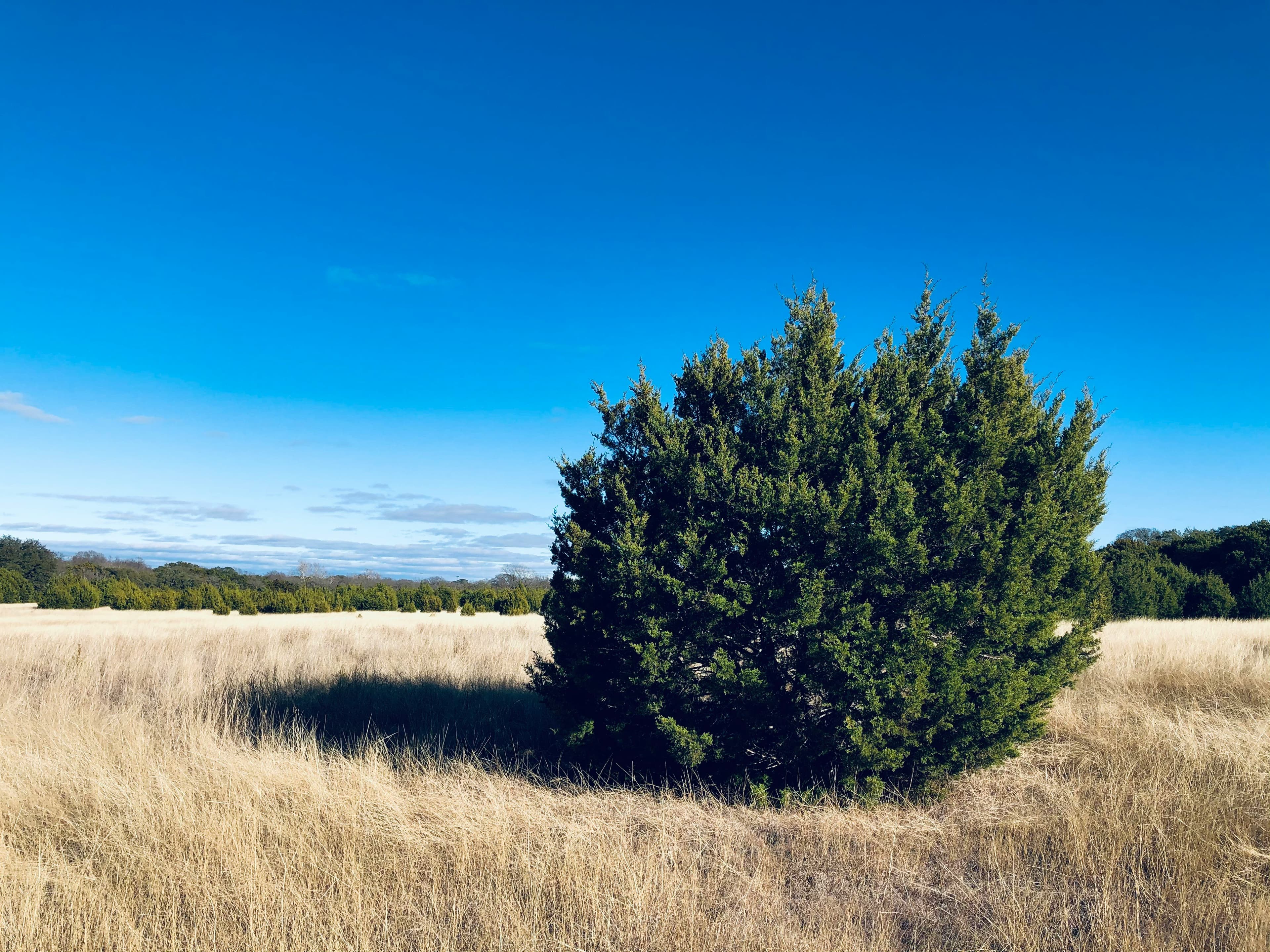
Rolling limestone hills between Austin and San Antonio with clear rivers, spring-fed swimming holes, and live oak woodlands. The Guadalupe, Frio, and Pedernales rivers anchor the camping scene. Fredericksburg and New Braunfels serve as base towns. The most accessible camping region from the state's major population centers. Oakwood RV Resort and Texas Wine Country Jellystone Park in Fredericksburg draw families, while Sun Retreats Texas Hill Country in New Braunfels puts campers on the Guadalupe River corridor.
Forest · Sam Houston NF, Lufkin, Tyler, Nacogdoches
Dense pine and hardwood forest in the eastern third of the state. Sam Houston, Angelina, and Davy Crockett national forests offer dispersed camping. The landscape feels more like Louisiana than the rest of Texas. Higher rainfall, more humidity, and greener terrain than points west. Southern Pines RV Campground in Lufkin and Field of Dreams RV Resort in Tyler provide developed bases near the national forests.
Plains · Amarillo, Canyon, Lubbock, Abilene
Flat open country with dramatic canyon exceptions. Palo Duro Canyon near Amarillo is the second-largest canyon in the US and offers developed camping on the canyon floor. Caprock Canyons adds another option. The Panhandle gets genuinely cold in winter with ice storms and occasional snow. Big Texan RV Ranch and Fort Amarillo RV Park in Amarillo serve I-40 travelers, while Palo Duro RV Park in Canyon sits near the canyon rim.

Remote Chihuahuan Desert wilderness with legendary dark skies, hot springs, and the Rio Grande carving through ancient canyons.
View camping guide →
Summit Texas's highest peak and camp in remote desert canyons where 275-million-year-old fossil reefs meet dramatic fall foliage.
View camping guide →
October through April. Winter daytime temperatures in the desert range from 55 to 75 degrees with cold nights. The Chisos Mountains stay cooler year-round. Summer brings temperatures above 100 degrees in the lowlands. Spring break and Thanksgiving are the busiest periods.
Padre Island National Seashore allows beach camping along most of its 60-mile stretch. A four-wheel-drive vehicle is needed to reach the more remote southern sections. Galveston Island State Park and Mustang Island State Park offer developed beachside camping. Fees and permits vary by location.
Very remote. Big Bend is five to seven hours from the nearest major city. Cell service is absent in most of the park and surrounding area. The nearest full-service town is Alpine, 100 miles from the park entrance. Carry extra fuel, water, and supplies.
National forests in East Texas allow dispersed camping. Big Bend Ranch State Park offers backcountry camping with a permit. Texas state parks do not allow dispersed camping but have developed sites. Public land is more limited in Texas than western states, so most camping happens at designated campgrounds.
Rattlesnakes are the primary concern, especially in rocky terrain from West Texas through the Hill Country. Scorpions are common in desert areas. Feral hogs may pass through campgrounds at night. Black bears have returned to Big Bend but encounters are rare. Alligators inhabit coastal and East Texas waterways.