A complete guide to camping in South Dakota
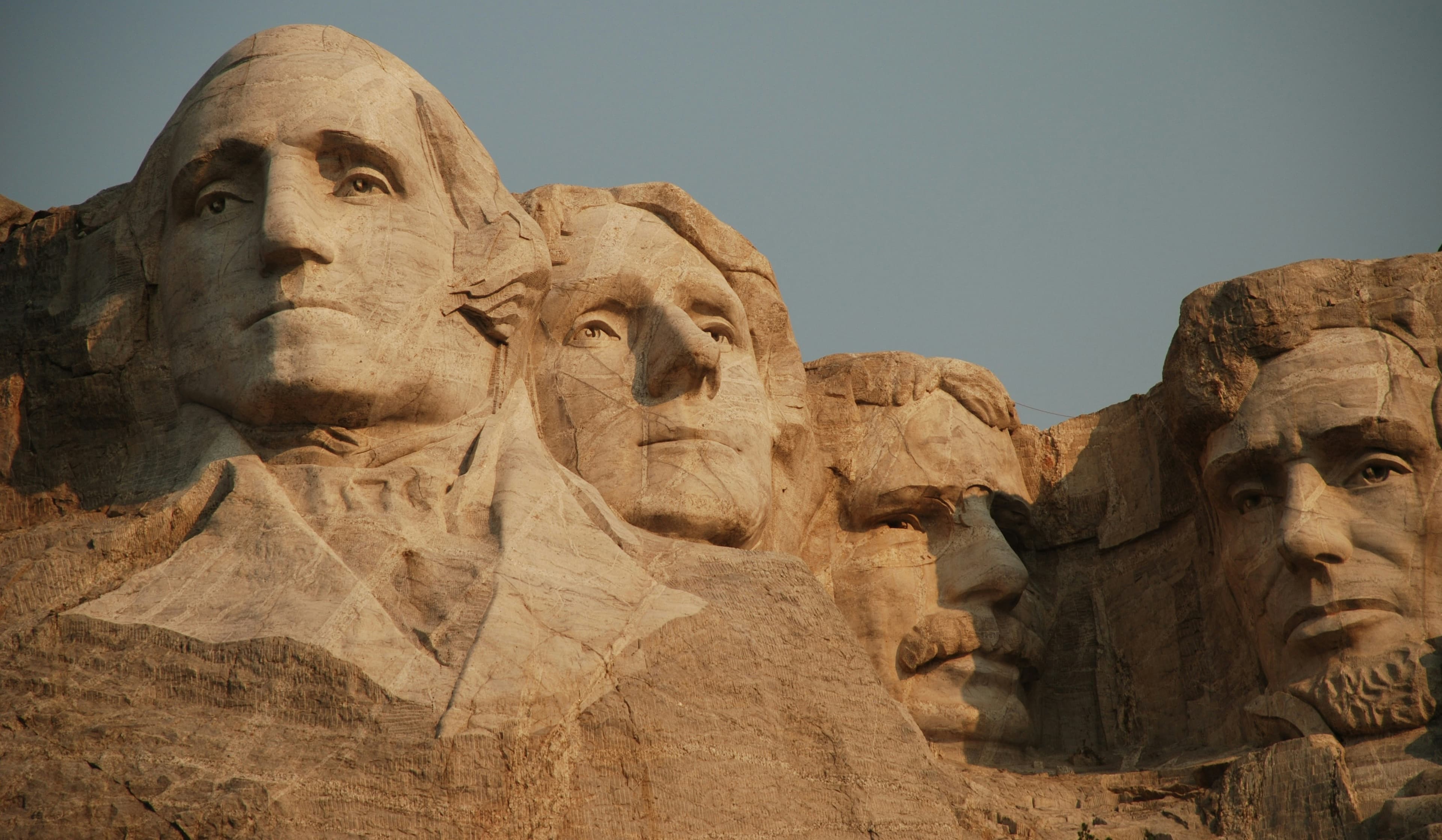
South Dakota camping splits dramatically between the Black Hills in the west and the Missouri River prairie in the east. The Black Hills anchor the state's camping identity, a 70-mile island of ponderosa pine and granite peaks rising from the surrounding plains. Custer State Park, Mount Rushmore, and the Crazy Horse Memorial cluster in the southern Hills, while Sturgis and Deadwood draw motorcycle and Old West tourism in the north. Hill City, Hot Springs, and Rapid City serve as base towns.
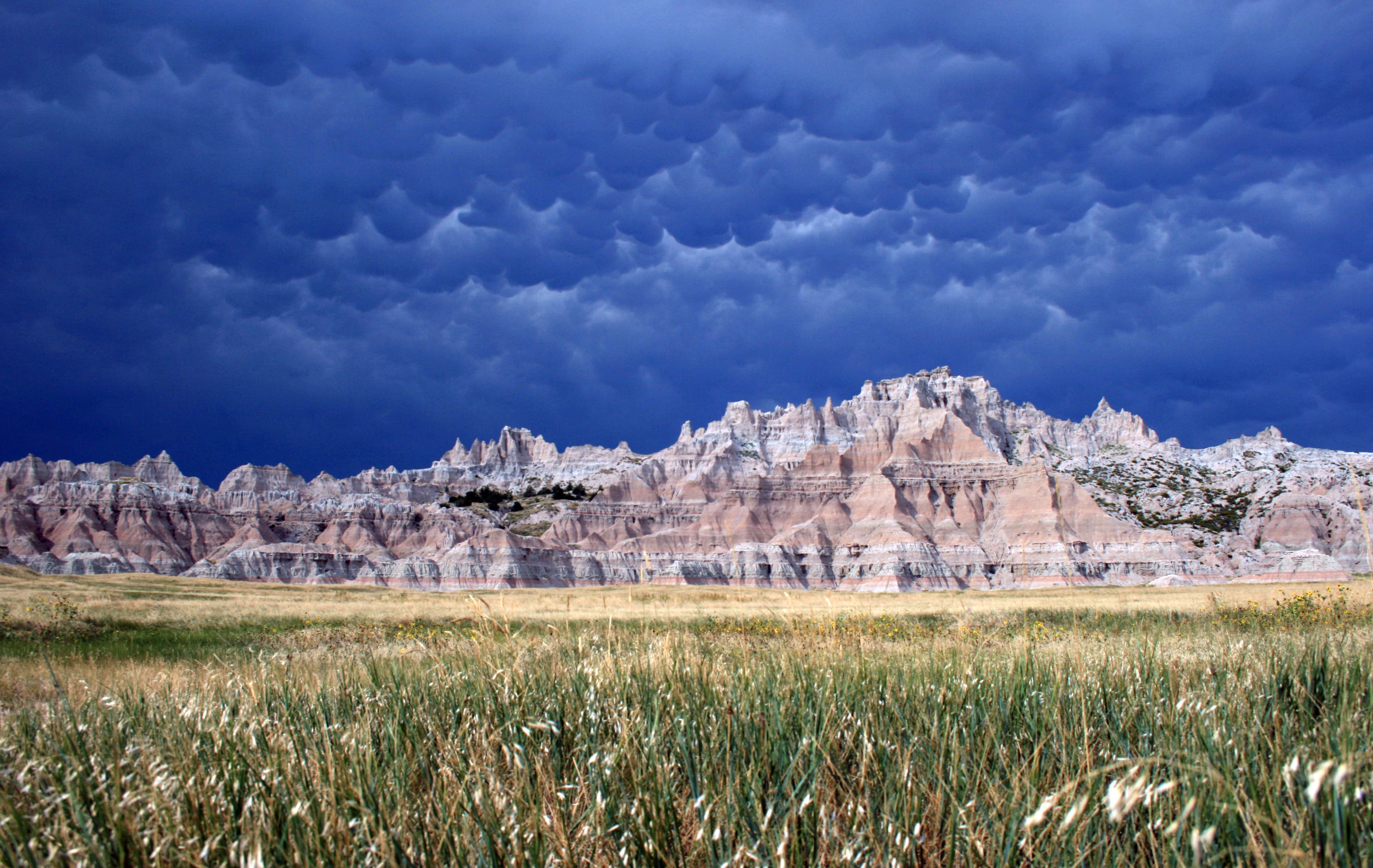
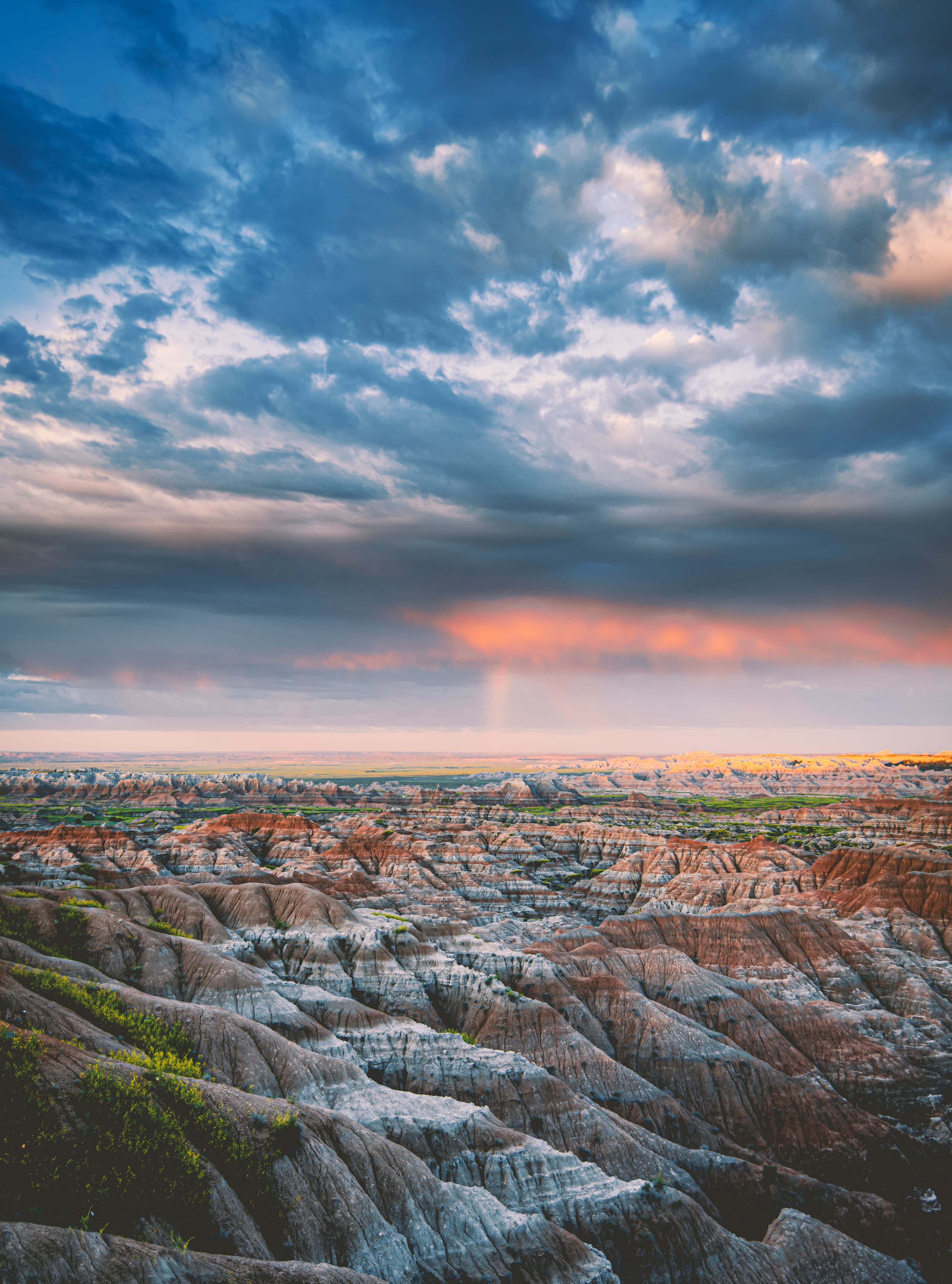
Badlands National Park east of the Black Hills provides an entirely different camping landscape, with eroded buttes, pinnacles, and mixed-grass prairie. The Badlands Wall drops 200 feet from the upper prairie to the eroded formations below. East of the Missouri River, the state flattens into corn and cattle country with fewer camping destinations. Yankton and the Lewis and Clark Lake corridor provide the primary eastern waterfront camping. Wind Cave National Park adds cave-country camping below the Black Hills.
Mar-May
High 54°F · Low 42°F
Snow clears from the Black Hills by April. Prairie greens up. Temperatures climb into the 50s and 60s. Sturgis Rally has not yet arrived. One of the quieter windows in the Hills. Wind is a constant.
Jun-Aug
High 77°F · Low 65°F
Peak season. Black Hills campgrounds fill daily in July. The Sturgis Motorcycle Rally in early August overwhelms the entire region for a week. Mount Rushmore and Custer State Park see their heaviest traffic. Badlands temperatures exceed 95 degrees.
Sep-Nov
High 54°F · Low 42°F
September is the best month for the Black Hills after the Rally crowds depart and before winter arrives. Aspen and birch turn gold. Badlands temperatures moderate. Campgrounds thin. Wildlife is more visible.
Dec-Feb
High 32°F · Low 20°F
January averages 24 degrees. Black Hills campgrounds close or operate minimally. Snow accumulates in the Hills while the Badlands stay drier and wind-swept. Not a primary camping season.
| Season | Months | Avg High | Avg Low | Conditions |
|---|---|---|---|---|
| Spring | Mar-May | 54°F | 42°F | Snow clears from the Black Hills by April. |
| Summer | Jun-Aug | 77°F | 65°F | Peak season. |
| Fall | Sep-Nov | 54°F | 42°F | September is the best month for the Black Hills after the Rally crowds depart and before winter arrives. |
| Winter | Dec-Feb | 32°F | 20°F | January averages 24 degrees. |
Source: NOAA 30-Year Climate Normals

| Region | Terrain | Key Areas |
|---|---|---|
| Southern Black Hills | Mountain | Custer, Hill City, Hot Springs, Keystone |
| Northern Black Hills | Mountain | Sturgis, Deadwood, Spearfish, Lead |
| Badlands | Plains | Rapid City, Wall, Interior, Philip |
| Missouri River and Eastern Prairie | Lakefront | Yankton, Pierre, Chamberlain, Mitchell |
Mountain · Custer, Hill City, Hot Springs, Keystone
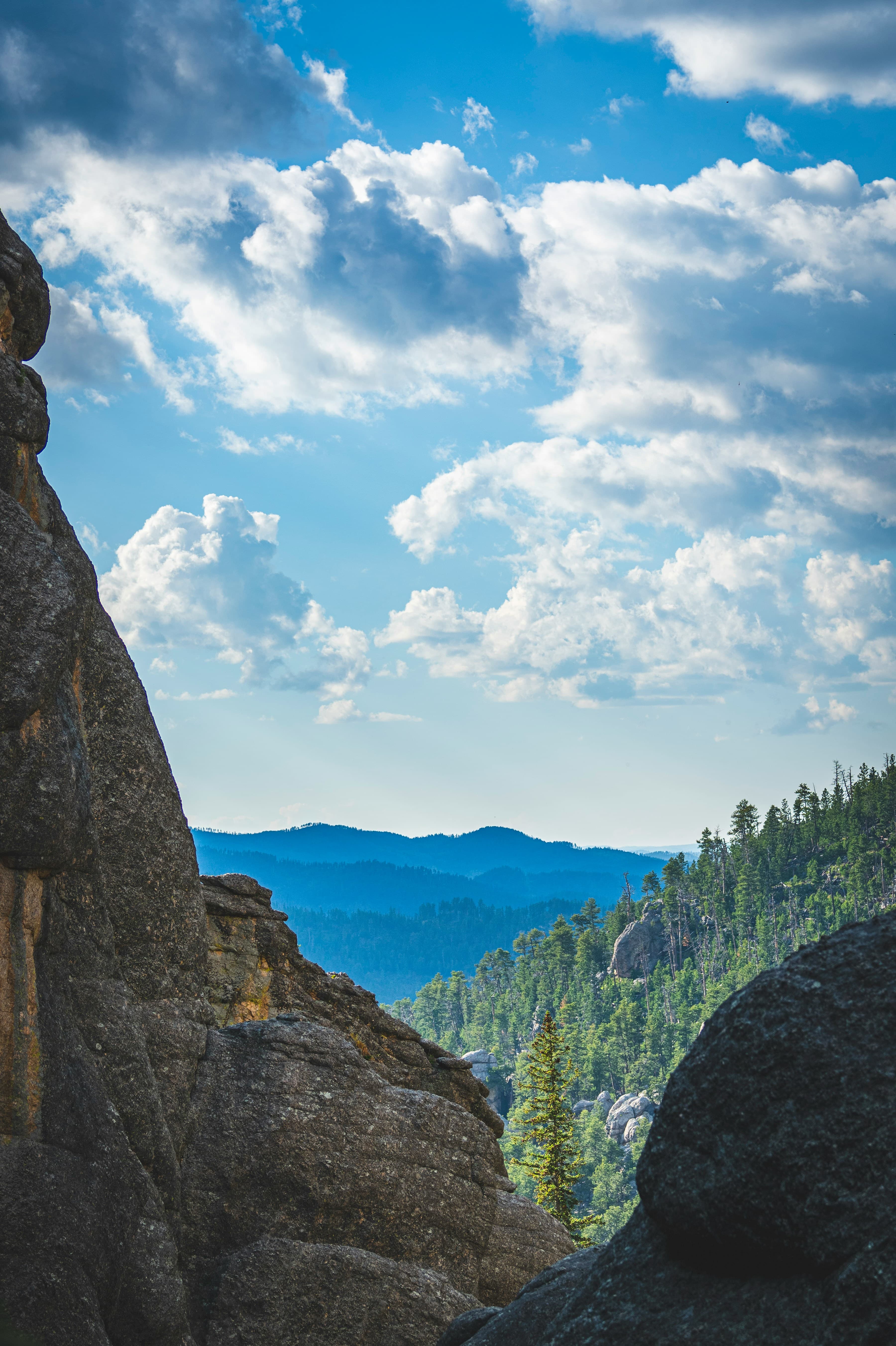
Custer State Park, Wind Cave National Park, Mount Rushmore, and the Crazy Horse Memorial cluster in the southern Hills. Sylvan Lake and the Needles Highway provide the most dramatic terrain. Granite spires, ponderosa pine, and free-roaming bison define the landscape. The highest concentration of camping in the state. Beaver Lake RV Campground in Custer and Black Hills Trailside Park Resort in Hill City anchor the southern Hills camping near Mount Rushmore.
Mountain · Sturgis, Deadwood, Spearfish, Lead
Sturgis, Deadwood, and Spearfish anchor the northern access. The Spearfish Canyon scenic drive rivals the Needles Highway for scenery. The terrain is slightly lower than the southern Hills. Sturgis Rally in August transforms the region. Bear Butte State Park near Sturgis holds cultural significance. No Name City Luxury Cabins and RV near Sturgis and Fish N Fry Campground in Deadwood serve the northern Hills and Rally corridor.
Plains · Rapid City, Wall, Interior, Philip
Eroded buttes and pinnacles rising from mixed-grass prairie east of the Black Hills. Badlands National Park has one developed campground (Cedar Pass) and dispersed backcountry camping. The Badlands Wall provides the most dramatic views. Sage Creek area in the western unit has free primitive camping among bison herds. Rushmore Shadows Resort and Rapid City RV Park near Rapid City provide the closest developed camping to the Badlands, while Sage Creek Campground in the park's western unit offers free primitive camping among bison.
Lakefront · Yankton, Pierre, Chamberlain, Mitchell
The Missouri River divides the state. Lewis and Clark Lake near Yankton provides the primary eastern waterfront camping. Farm Island near Pierre and Lake Oahe extend the river corridor north. Eastern South Dakota is flat agricultural land with fewer camping destinations than the western half. Midway Gulch Campground and Yankton RV Park near Yankton, and Dakota Sky RV Park in Pierre serve the river and eastern prairie regions.

Sharply eroded buttes and spires rising from the largest undisturbed mixed-grass prairie in the United States.
View camping guide →
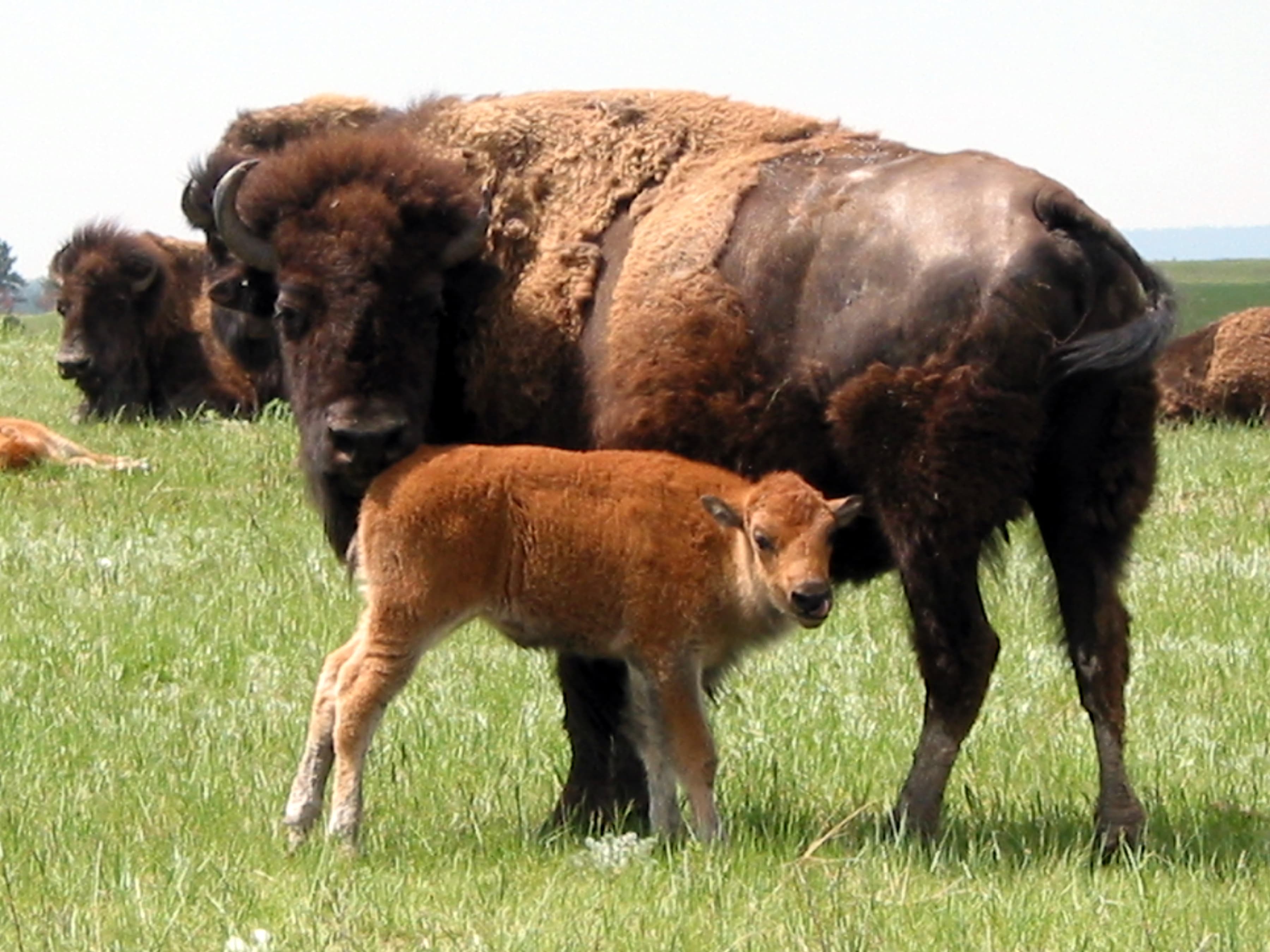
Camp on the Black Hills prairie above the world's densest concentration of boxwork cave formations, where bison and elk roam freely.
View camping guide →
The first full week of August during the Sturgis Motorcycle Rally. Every campground, hotel, and restaurant in the Black Hills region fills with the Rally crowd. If you are not attending, avoid the area entirely. The week before and after the Rally also sees elevated traffic.
Cedar Pass campground is the only developed option. Sage Creek campground in the western unit is free and primitive, with bison wandering through camp. Backcountry camping is permitted with no permit required, at least a half mile from roads and trails. Bring all water. There is no shade.
Custer State Park is one of the best state parks in the country. The Wildlife Loop Road passes through bison herds. Sylvan Lake sits in a granite cirque. The Needles Highway threads through granite spires. Game Lodge and Sylvan Lake campgrounds are the most in-demand. The park is worth the planning required.
The Black Hills are 10 to 15 degrees cooler than the surrounding plains in summer due to elevation (5,000 to 7,000 feet). Afternoon thunderstorms develop in the mountains. Nights cool into the 50s even in July. Winter brings snow and cold. The Hills create their own microclimate distinct from the prairie.
Custer State Park has a herd of approximately 1,300 bison that roam freely, including through campground areas. The Sage Creek area of Badlands National Park also has free-ranging bison near the primitive campground. Keep a safe distance at all times. Bison are unpredictable and can charge without warning.