A complete guide to camping in South Carolina
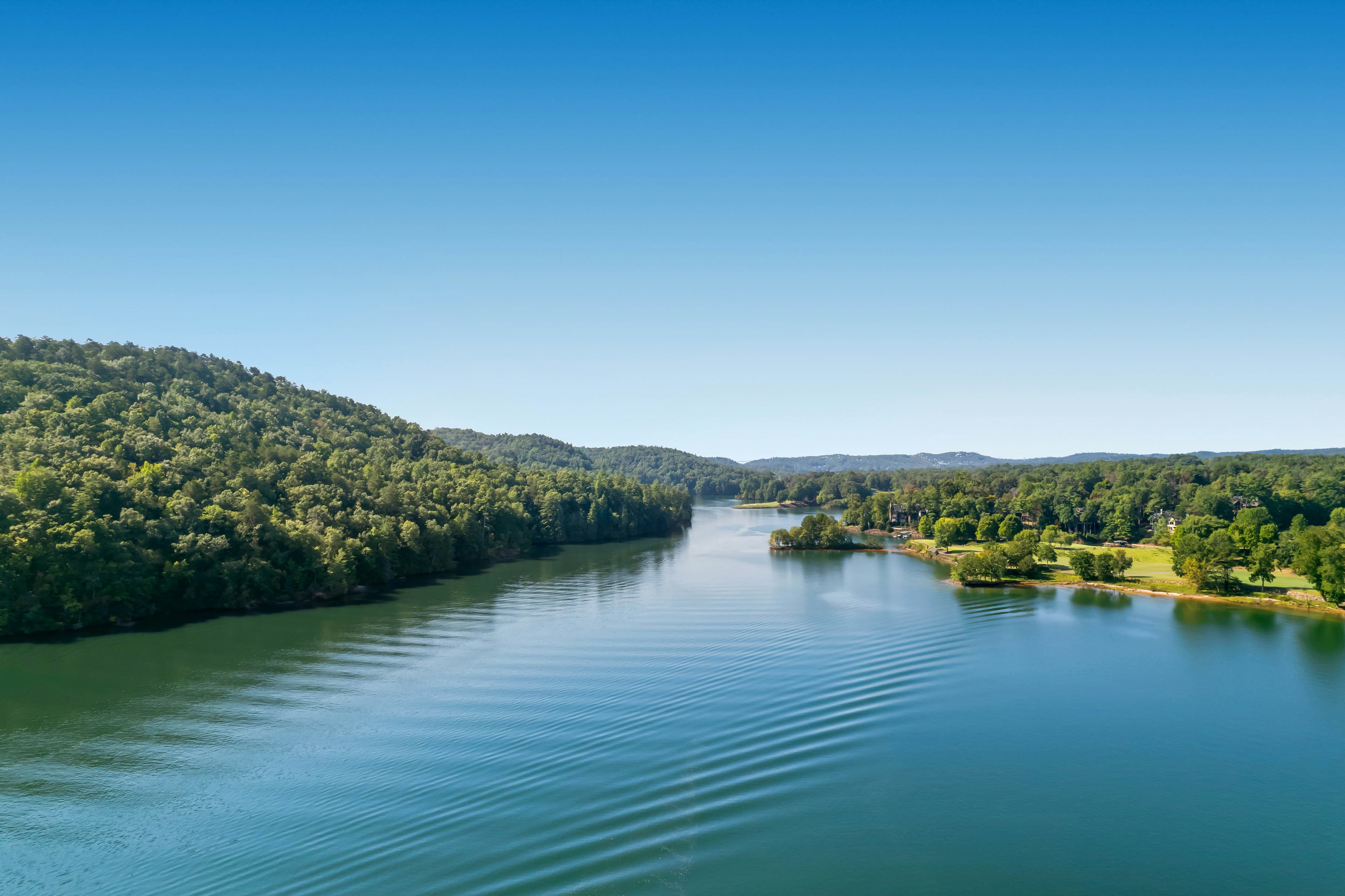
South Carolina camping stretches from the Blue Ridge escarpment in the northwest corner to the Atlantic barrier islands around Myrtle Beach and Charleston. The Upstate mountains near Seneca, Salem, and Mountain Rest provide Appalachian camping at elevations up to 2,900 feet, where the terrain drops sharply from the Blue Ridge into the Piedmont. Table Rock and Caesars Head state parks sit on this escarpment with views extending 50 miles on clear days.
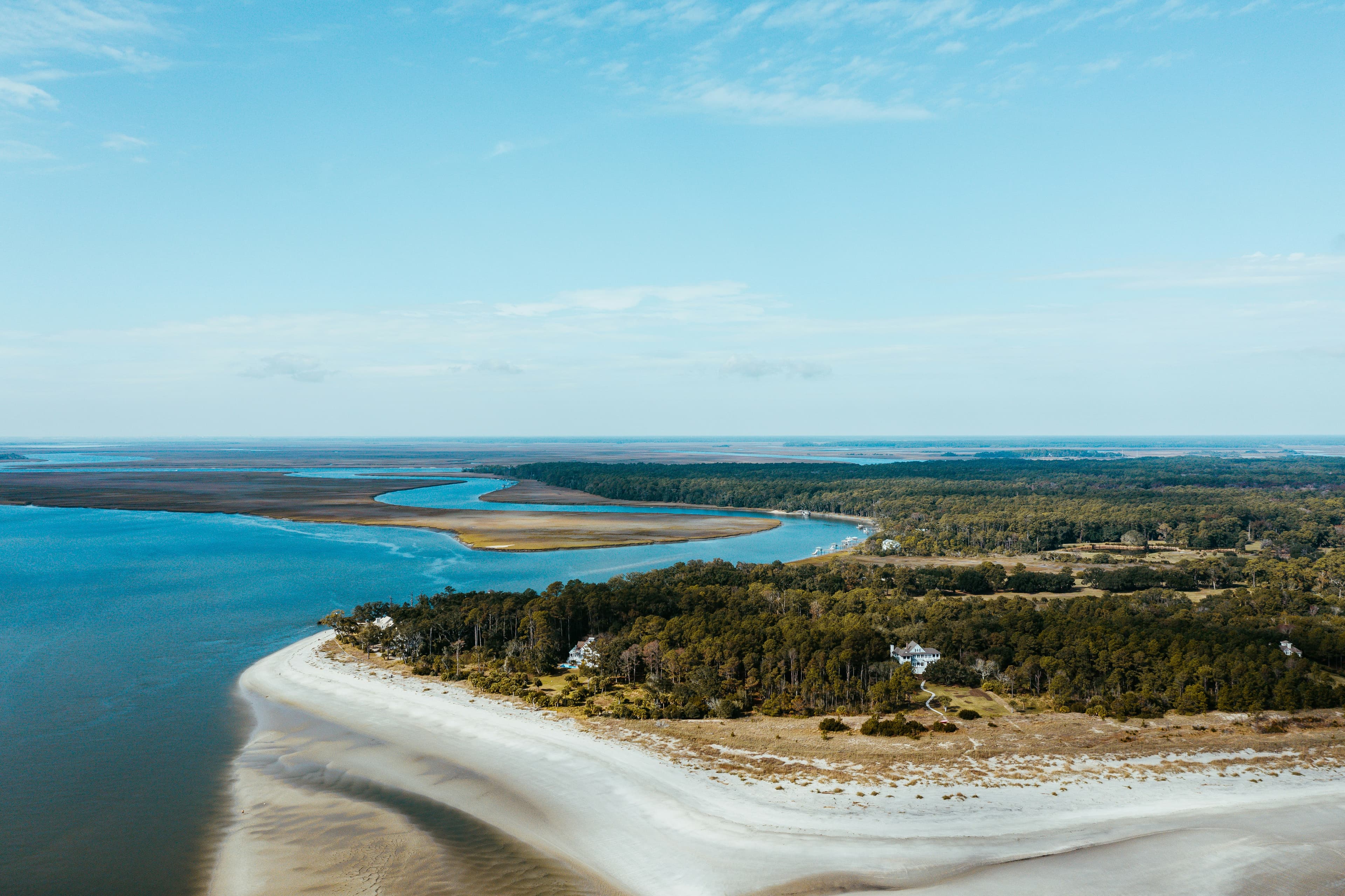
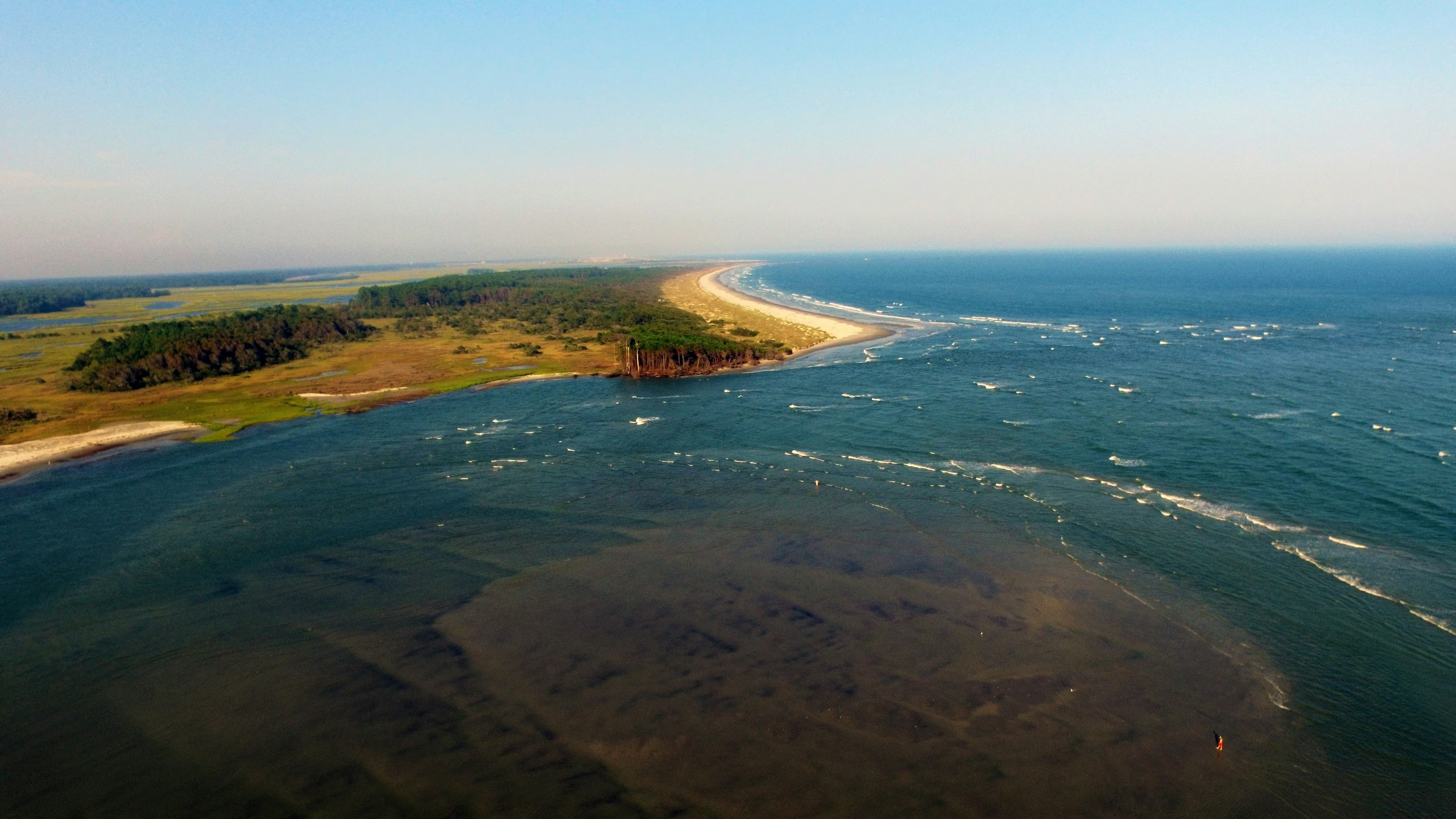
The coast dominates the state's camping traffic. Myrtle Beach anchors a dense concentration of private campgrounds and RV resorts along the Grand Strand. Hunting Island, Edisto Beach, and Huntington Beach state parks provide more natural coastal camping with maritime forest and tidal marsh. Between the mountains and coast, the Midlands hold a quieter camping scene along the Congaree River and Lake Murray. The state's mild winters make campgrounds operational year-round, with spring and fall drawing the most comfortable conditions.
Mar-May
High 66°F · Low 54°F
Azalea and dogwood season across the state. Mountain campgrounds reopen with cool, pleasant conditions. Beach campgrounds warm into the 70s. One of the most comfortable windows before summer humidity builds.
Jun-Aug
High 83°F · Low 71°F
Hot and humid statewide. Coastal camping brings sea breezes but temperatures above 90 with high humidity. Mountain campgrounds above 2,000 feet offer some relief. Afternoon thunderstorms are daily occurrences. Hurricane season begins June 1.
Sep-Nov
High 66°F · Low 54°F
Mountain fall color peaks in late October. Coastal temperatures moderate by October. Hurricane risk continues through November. The best beach camping season as humidity drops and crowds thin.
Dec-Feb
High 49°F · Low 37°F
Mild winters keep most campgrounds open. January averages 41 degrees statewide. Coastal areas stay warmer. Mountain campgrounds may see occasional frost and light snow. Winter camping at Myrtle Beach draws snowbirds.
| Season | Months | Avg High | Avg Low | Conditions |
|---|---|---|---|---|
| Spring | Mar-May | 66°F | 54°F | Azalea and dogwood season across the state. |
| Summer | Jun-Aug | 83°F | 71°F | Hot and humid statewide. |
| Fall | Sep-Nov | 66°F | 54°F | Mountain fall color peaks in late October. |
| Winter | Dec-Feb | 49°F | 37°F | Mild winters keep most campgrounds open. |
Source: NOAA 30-Year Climate Normals

| Region | Terrain | Key Areas |
|---|---|---|
| Upstate Mountains | Mountain | Seneca, Salem, Mountain Rest, Pickens |
| Grand Strand and Myrtle Beach | Coastal | Myrtle Beach, North Myrtle Beach, Pawleys Island, Georgetown |
| Lowcountry and Charleston Coast | Coastal | Charleston, Edisto Island, Beaufort, Fripp Island |
| Midlands and Congaree | Plains | Columbia, Cross Hill, Blacksburg, Newberry |
Mountain · Seneca, Salem, Mountain Rest, Pickens
The Blue Ridge escarpment in the northwest corner. Table Rock, Caesars Head, and Devil's Fork state parks offer mountain camping with views of the Piedmont below. Seneca, Salem, and Mountain Rest serve as access towns. Chattooga River runs along the Georgia border with whitewater and fishing. Elevations from 1,000 to 2,900 feet. Tiger Mountain RV Camping and Cabins near Seneca and Devils Fork State Park Campground in Salem provide mountain camping along the Blue Ridge escarpment.
Coastal · Myrtle Beach, North Myrtle Beach, Pawleys Island, Georgetown
The highest concentration of RV parks and campgrounds in the state. The Grand Strand runs roughly 60 miles from North Myrtle Beach to Georgetown. Large private campgrounds with pools, water parks, and full amenities. Huntington Beach State Park near Pawleys Island provides a more natural alternative. Ocean Lakes Family Campground, Myrtle Beach Travel Park, and Barefoot RV Resort in North Myrtle Beach anchor the Grand Strand's massive campground corridor.
Coastal · Charleston, Edisto Island, Beaufort, Fripp Island
Hunting Island, Edisto Beach, and James Island County Park near Charleston offer coastal camping in maritime forest and tidal creek settings. Spanish moss, palmetto trees, and pluff mud define the character. Charleston provides cultural day-trip access from nearby campgrounds. Campground at James Island County Park near Charleston and Live Oak Campground on Edisto Island provide the primary developed coastal options.
Plains · Columbia, Cross Hill, Blacksburg, Newberry
The Piedmont and upper coastal plain between the mountains and coast. Congaree National Park protects old-growth bottomland forest along the Congaree River with primitive camping. Dreher Island and Sesquicentennial state parks serve the Columbia metro. Quieter camping with more availability than the coast. All Seasons Family Campground near Cross Hill and Cruisers Roost RV Park near Columbia serve the Piedmont and upper coastal plain.

October and November offer the best combination of warm water, mild air temperatures, and reduced crowds. Spring (March through May) is also comfortable but busier. Summer brings heat, humidity, and afternoon storms. Winter stays mild enough for camping but water is too cold for swimming.
Congaree has a free, primitive campground (Longleaf Campground) with walk-in sites. No reservation system. The park protects the largest intact old-growth bottomland hardwood forest in the US. Boardwalk trails loop through the floodplain. Mosquitoes can be intense near the river, especially in summer.
Hunting Island State Park campground opens reservations 13 months in advance and fills quickly for spring through fall dates. Weekend availability is hardest to get. Weekday stays are more available. The park has sites in maritime forest within walking distance of the beach.
South Carolina has limited public land compared to western states. Sumter National Forest in the Upstate and Francis Marion National Forest near Charleston permit dispersed camping. State parks require reserved sites. The Chattooga River corridor in the Upstate offers backcountry camping options.
Mosquitoes are active statewide from April through October. Sand gnats (no-see-ums) are a coastal-specific problem, worst near tidal marsh at dawn and dusk. Ticks are present in woods and tall grass. Fire ants build mounds in sandy soil throughout the state. Inspect your campsite before setting up.