A complete guide to camping in Rhode Island
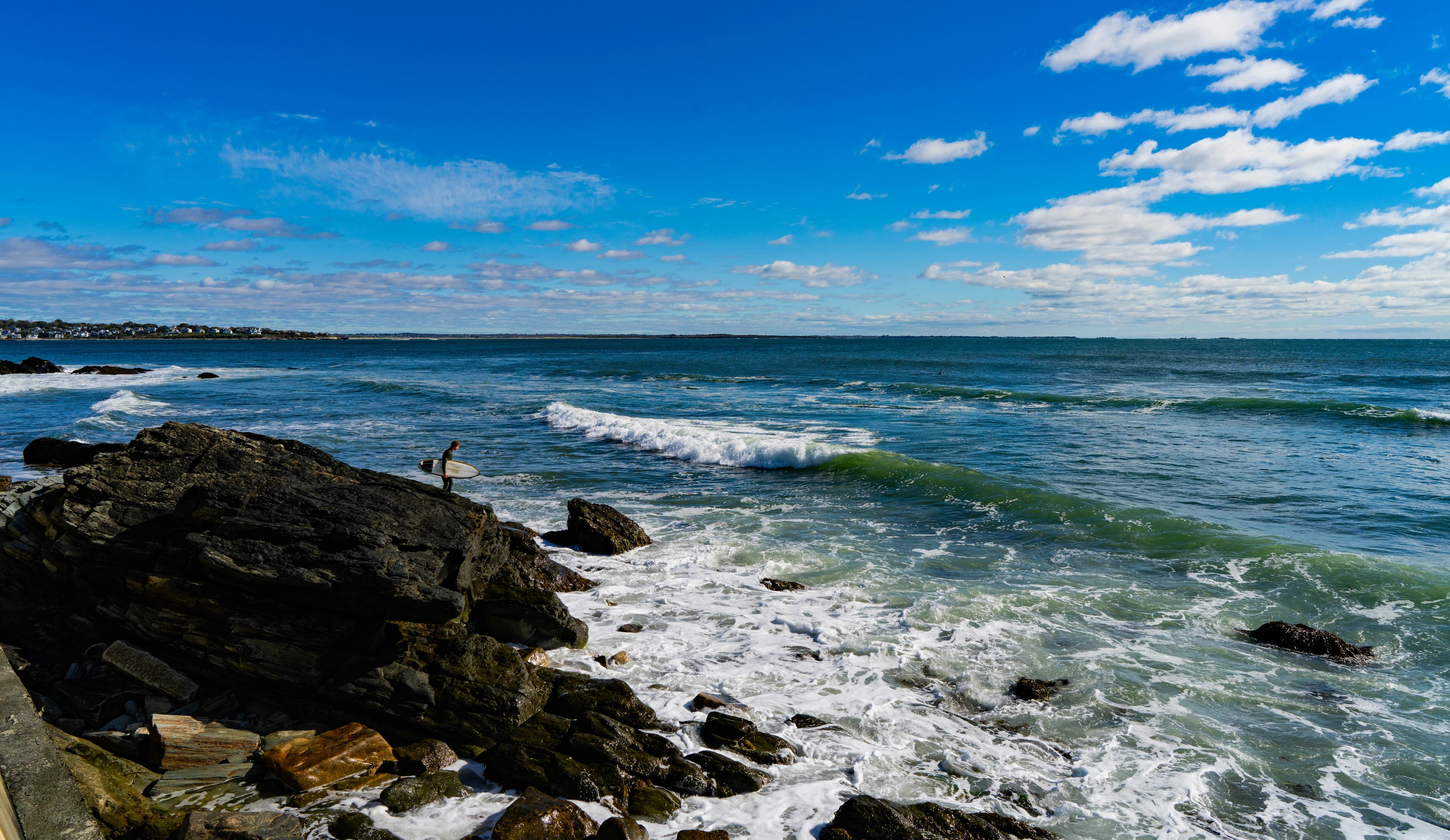
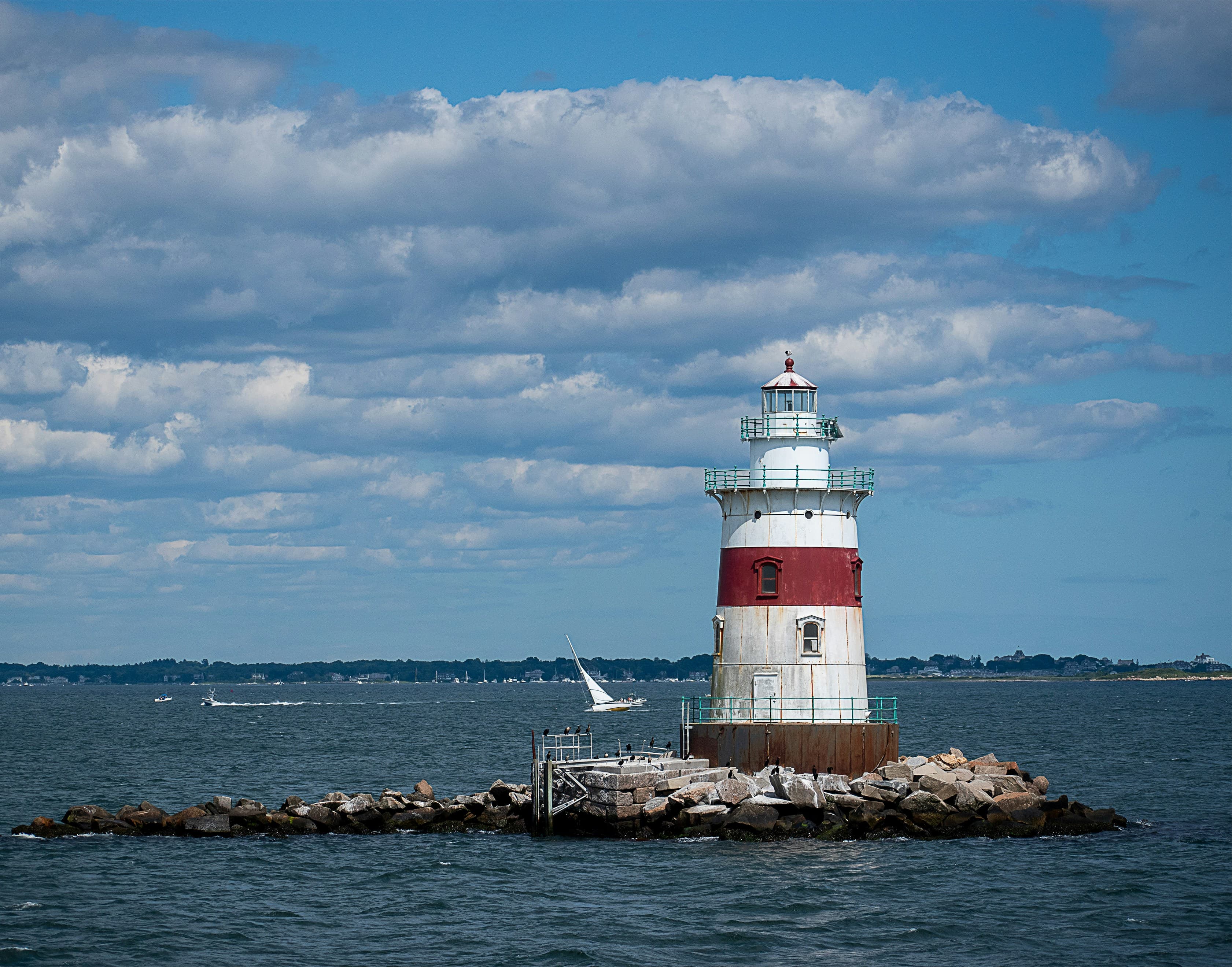
Rhode Island is the smallest state in the country, and its camping scene fits within a 48-mile-long, 37-mile-wide footprint. Despite the size, the state holds a functional camping network through its state park and management area system. Burlingame State Park near Charlestown anchors the primary camping destination with over 700 sites in pine-and-oak forest near the coast. The barrier beaches along the southern shore and Block Island Sound provide the recreational draw.
The western hill country around Rockville, Hopkinton, and the Arcadia Management Area provides the most forested camping terrain, with miles of mountain bike and hiking trails through second-growth oak forest. George Washington Management Area in the northwest adds a quieter alternative. Rhode Island's proximity to Providence and the Connecticut and Massachusetts metros means weekend camping competition is concentrated at Burlingame and the coastal parks. Interior campgrounds offer more availability.
Mar-May
Campgrounds open in April. Cool ocean temperatures keep the coast brisk. Interior forests green up. Fishing season opens. A quieter window before summer beach traffic.
Jun-Aug
Peak season. Burlingame and coastal parks fill on weekends. July averages 73 degrees. Ocean water warms to the mid-60s by August. Block Island ferries run frequent schedules. Beach days and evening campfires define the rhythm.
Sep-Nov
September extends beach season with warm water. Fall color in the interior peaks in mid to late October. Campgrounds thin after Labor Day. The most pleasant overall camping window.
Dec-Feb
January averages 31 degrees. Most campgrounds close by October. No significant winter camping infrastructure. The coast stays accessible for day trips.
| Season | Months | Avg High | Avg Low | Conditions |
|---|---|---|---|---|
| Spring | Mar-May | — | — | Campgrounds open in April. |
| Summer | Jun-Aug | — | — | Peak season. |
| Fall | Sep-Nov | — | — | September extends beach season with warm water. |
| Winter | Dec-Feb | — | — | January averages 31 degrees. |
Source: NOAA 30-Year Climate Normals

| Region | Terrain | Key Areas |
|---|---|---|
| South Shore and Burlingame | Coastal | Charlestown, Westerly, South Kingstown, Narragansett |
| Western Hills and Arcadia | Forest | Rockville, Hopkinton, Exeter, West Greenwich |
| Northern and Providence Access | Plains | Chepachet, Burrillville, Coventry, Foster |
Coastal · Charlestown, Westerly, South Kingstown, Narragansett
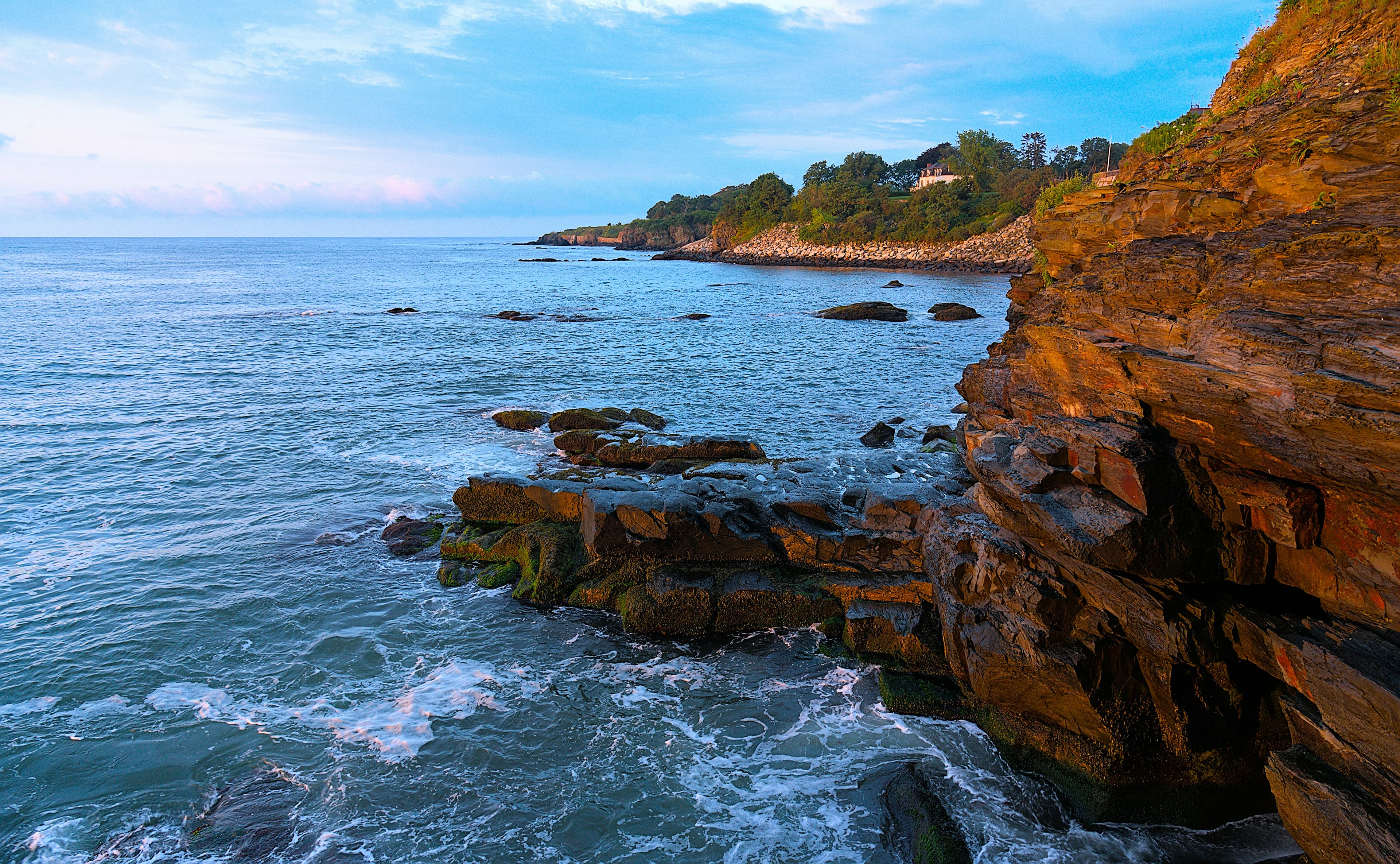
Burlingame State Park in Charlestown is the camping hub of Rhode Island. Over 700 sites in pine-and-oak forest with Watchaug Pond for swimming and fishing. The southern barrier beaches (Misquamicut, East Beach, Charlestown Breachway) provide salt-water access within a short drive. Ninigret National Wildlife Refuge adds birding and coastal ponds. Burlingame State Campgrounds in Charlestown and Timber Creek RV Resort in Westerly anchor the south shore camping.
Forest · Rockville, Hopkinton, Exeter, West Greenwich
The Arcadia Management Area covers 14,000 acres of oak-and-pine forest in the western interior. Mountain bike trails, hiking, and fishing in the Wood River and its tributaries. Camping at Arcadia and surrounding areas. Rockville and Hopkinton anchor the access. The most forested terrain in the state. Campsite Netop and Campsite Kit Carson near Rockville provide Arcadia Management Area camping access.
Plains · Chepachet, Burrillville, Coventry, Foster
George Washington Management Area in the northwest provides the closest public-land camping to Providence. Pulaski State Park and George Washington campground sit in wooded terrain. Chepachet and Burrillville serve as access towns. Smaller and quieter than the southern parks. Oakleaf Family Campground and Bowdish Lake Camping Area near Chepachet serve the closest camping to Providence.

Rhode Island has a functional camping network despite its size. Burlingame State Park alone has over 700 sites. The Arcadia Management Area provides 14,000 acres of forest trails. The state's small size means you can camp in the interior and reach any beach in 30 minutes. It works for weekend camping from the Providence, Boston, and Connecticut metros.
Block Island has no public campgrounds. The island is accessible by ferry from Point Judith (year-round) and Newport (summer). Day trips are the main way to experience the island's beaches and bluffs. Bike rentals at the ferry terminal make the island explorable in a day.
Burlingame and coastal-area campgrounds fill quickly for July and August. Reservations open in January for the full season. Interior parks like George Washington and Arcadia have more availability. Weekday camping is consistently easier to book than weekends. September is the sweet spot for availability and weather.
Rhode Island's largest public recreation area at 14,000 acres in the western interior. Oak and pine forest with over 60 miles of multi-use trails for hiking, mountain biking, and horseback riding. The Wood River and Flat River Reservoir provide fishing and paddling. Camping is available at several sites within and adjacent to the management area.