A complete guide to camping in Oklahoma
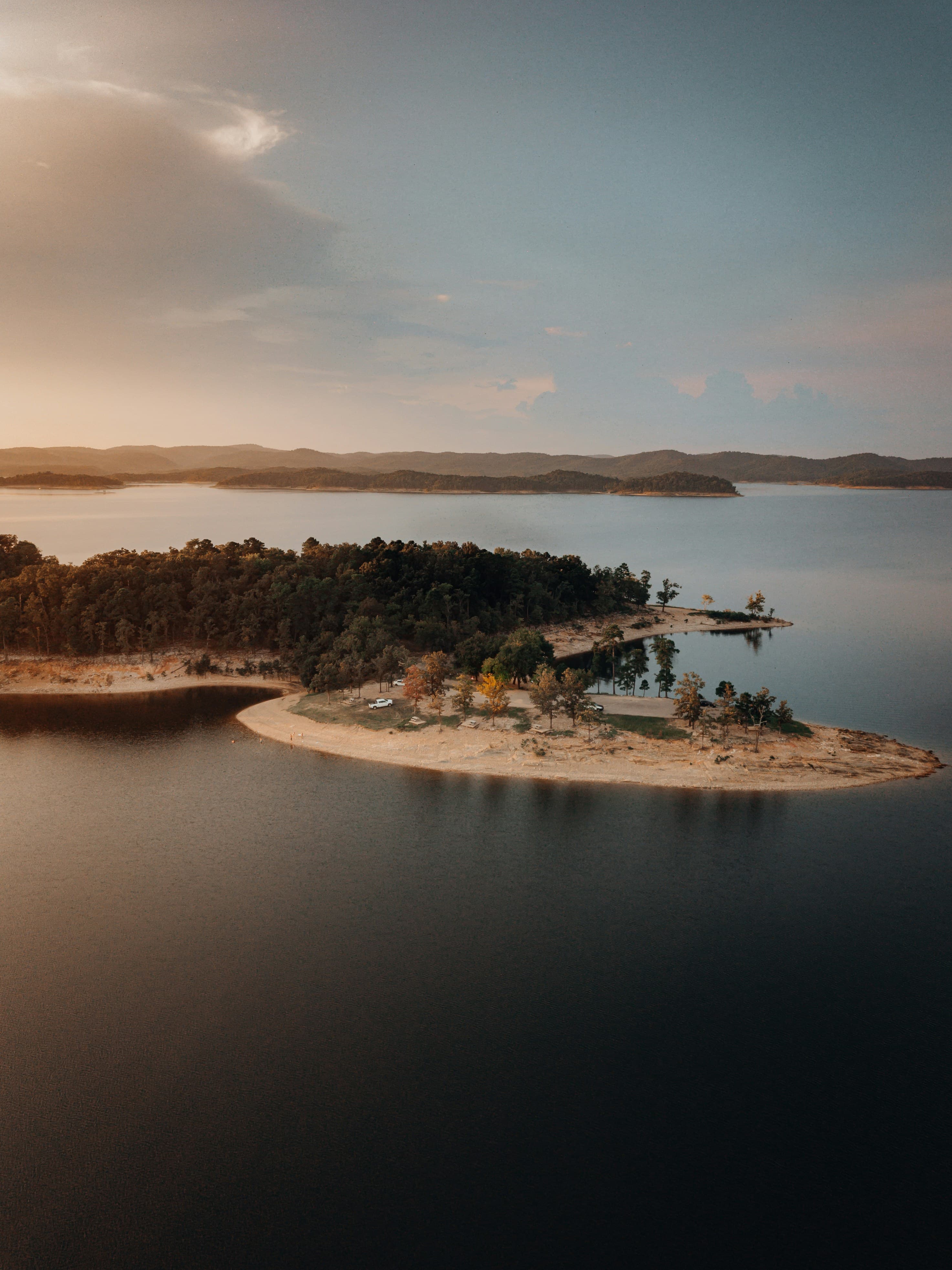
Oklahoma camping spans from the Ouachita Mountain forests in the southeast to the arid mesas and canyons of the western panhandle. The eastern third of the state holds the best terrain for camping, where Broken Bow Lake, the Wichita Mountains, and the Ouachita National Forest provide forested hills, clear-water lakes, and granite-boulder landscapes. Broken Bow and Beavers Bend State Park anchor the southeast corner with the heaviest single-destination camping traffic.
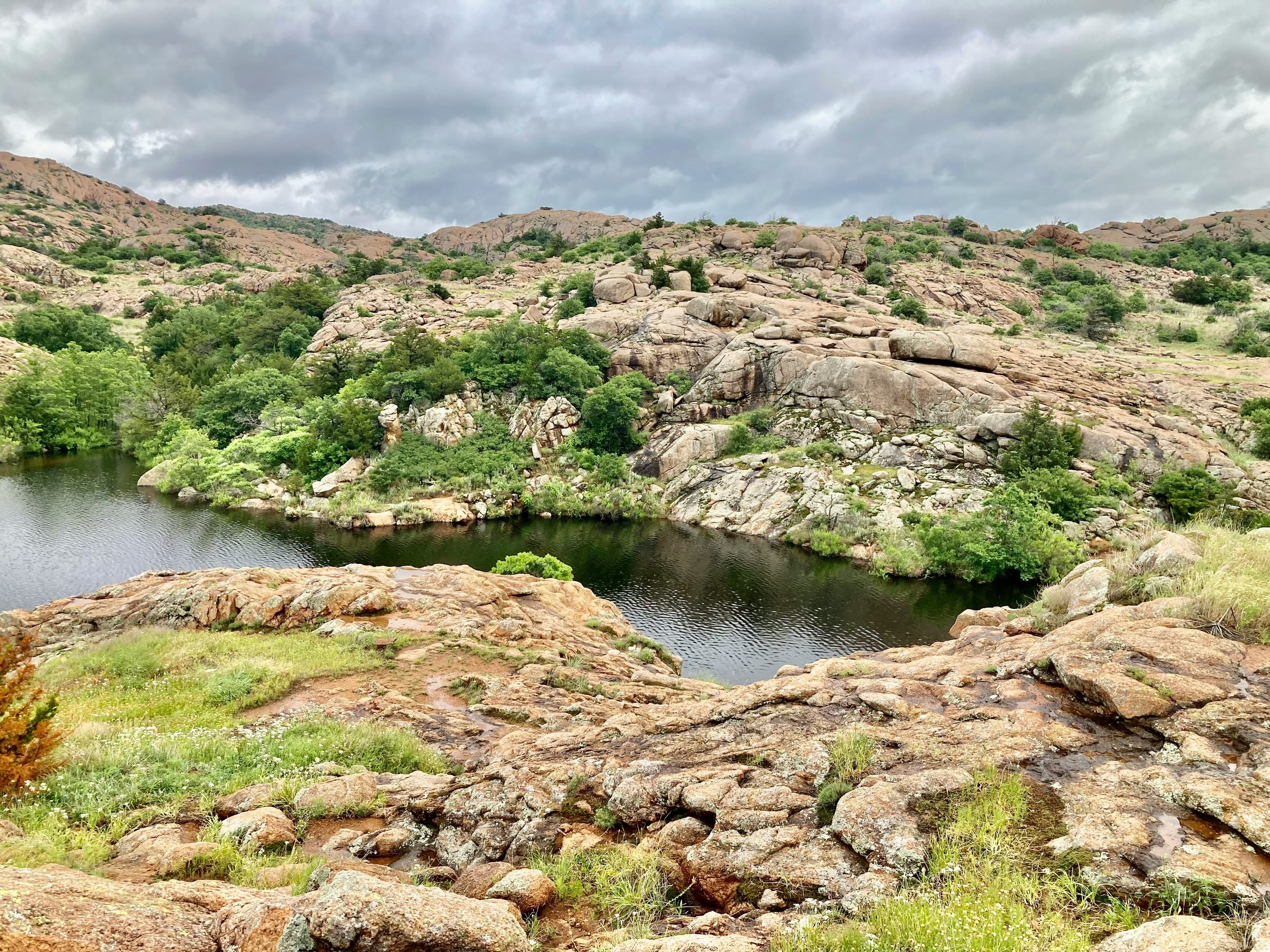
The Wichita Mountains Wildlife Refuge near Lawton offers a unique camping experience among free-roaming bison, elk, and longhorn cattle on a granite island rising from the plains. Central and western Oklahoma flatten into prairie and wheat country with fewer natural camping destinations but a network of state parks along reservoirs. Tishomingo, Kingston, and the Arbuckle Mountains near the Texas border provide limestone terrain with springs and waterfalls. The state park system is well-funded and maintains some of the best-developed campgrounds in the southern Plains region.
Mar-May
High 65°F · Low 53°F
Wildflowers across the prairies. Temperatures reach the 70s and 80s. The best window before summer heat. Tornado season increases through April and May. Lake levels are high from spring rain.
Jun-Aug
High 85°F · Low 73°F
Hot across the state. July averages 81 degrees. Lake campgrounds fill on weekends. Broken Bow and the eastern mountains provide some canopy shade. The western plains are exposed. Afternoon thunderstorms and occasional severe weather.
Sep-Nov
High 65°F · Low 53°F
Temperatures moderate by October. Eastern Oklahoma shows fall color in late October. Lake campgrounds enter a quieter season. The most comfortable camping window statewide. Hunting season opens in November.
Dec-Feb
High 45°F · Low 33°F
January averages 37 degrees. Ice storms hit periodically. Most state park campgrounds stay open with reduced services. The southeast stays milder. Western Oklahoma is cold and wind-swept. Not a primary camping season but campable.
| Season | Months | Avg High | Avg Low | Conditions |
|---|---|---|---|---|
| Spring | Mar-May | 65°F | 53°F | Wildflowers across the prairies. |
| Summer | Jun-Aug | 85°F | 73°F | Hot across the state. |
| Fall | Sep-Nov | 65°F | 53°F | Temperatures moderate by October. |
| Winter | Dec-Feb | 45°F | 33°F | January averages 37 degrees. |
Source: NOAA 30-Year Climate Normals

| Region | Terrain | Key Areas |
|---|---|---|
| Broken Bow and Ouachita Mountains | Mountain | Broken Bow, Hochatown, Idabel, Smithville |
| Wichita Mountains | Mountain | Lawton, Medicine Park, Indiahoma |
| Arbuckle Region and South Central | Plains | Tishomingo, Kingston, Ardmore, Sulphur |
| Green Country and Northeast | Forest | Tahlequah, Park Hill, Jay, Grove |
| Central and Western Plains | Plains | Stillwater, Watonga, Elk City, Boise City |
Mountain · Broken Bow, Hochatown, Idabel, Smithville
The southeast corner where the Ouachita Mountains extend from Arkansas. Beavers Bend State Park on Broken Bow Lake is the camping centerpiece. Mountain Fork River below the dam runs cold and clear for trout fishing. Dense forest at elevations up to 2,600 feet. The most popular camping region in Oklahoma. Redwood RV Park and Bigfoot Adventure Luxury RV Resort near Broken Bow anchor the southeast mountain camping corridor.
Mountain · Lawton, Medicine Park, Indiahoma
A granite mountain island rising from the southern plains near Lawton. The wildlife refuge supports free-roaming bison, elk, and longhorn cattle. Mount Scott provides panoramic views. The campground is first-come with no fees. Rock climbing at the Narrows and Crab Eyes draws climbers. A unique landscape unlike anywhere else in Oklahoma. Buffalo Bob RV Park in Lawton and Medicine Park Primitive Campground provide private and public options near the wildlife refuge.
Plains · Tishomingo, Kingston, Ardmore, Sulphur
Limestone terrain south of the Canadian River with springs, waterfalls, and caves. Turner Falls Park has the largest waterfall in the state. Chickasaw National Recreation Area near Sulphur combines mineral springs with Lake of the Arbuckles. Tishomingo and Kingston provide lake camping on Texoma. Blue River Bells near Tishomingo and Paradise City RV Resort in Kingston serve the Arbuckle springs and Lake Texoma area.
Forest · Tahlequah, Park Hill, Jay, Grove
The Ozark foothills in the northeast corner. Grand Lake, Tenkiller Ferry Lake, and Illinois River provide water-based camping. Tahlequah and the Illinois River corridor draw float-trip traffic. More tree cover and rainfall than central and western Oklahoma. Natural Falls State Park has a 77-foot waterfall. Eagle Bluff Resort and River Roost RV Park near Tahlequah serve the Illinois River float-trip camping corridor.
Plains · Stillwater, Watonga, Elk City, Boise City
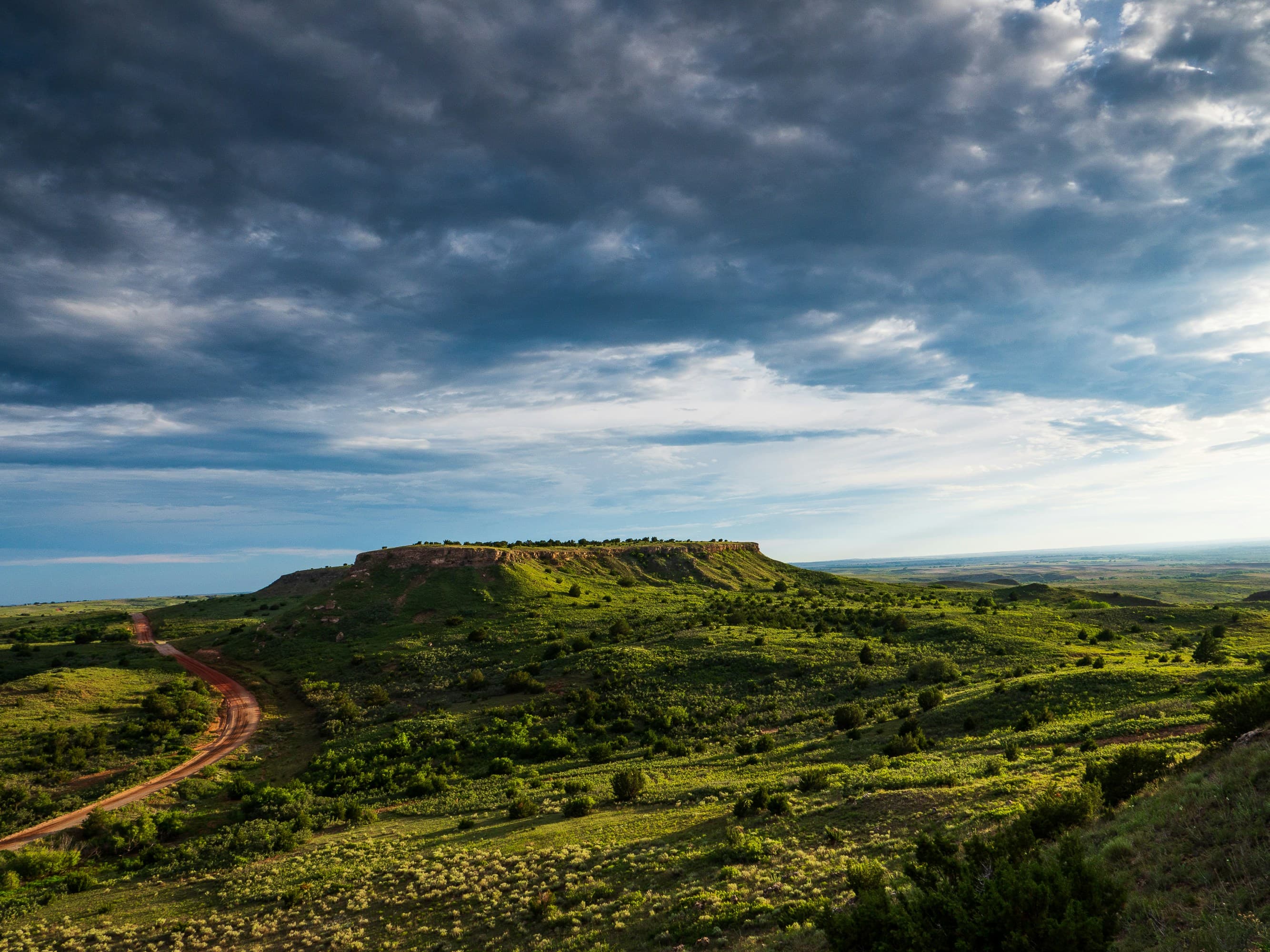
Prairie and wheat country with camping centered on reservoirs. Roman Nose State Park, Foss Lake, and Great Salt Plains offer developed campgrounds in open terrain. The panhandle extends into high plains with Black Mesa as the state's highest point. Wide horizons, wind, and big sky. Whitetail Woods RV Park near Stillwater and Cowboy Camp Upscale RV Park provide developed prairie camping along the I-35 and I-40 corridors.

The Doris Campground in the Wichita Mountains Wildlife Refuge is first-come, first-served with no reservation system and no camping fee. Sites have basic amenities. The campground sits among bison pasture. Arrive by mid-morning on weekends for the best site selection.
March through June, with peak activity in April and May. Tornadoes can occur at any time of year but spring brings the highest frequency. Know your campground's storm shelter and have a way to receive weather alerts. Most state park campgrounds have designated shelters.
Beavers Bend State Park on Broken Bow Lake is the most developed and popular camping destination in Oklahoma. The Mountain Fork River below the dam supports year-round trout fishing in cold, clear water. Dense pine-and-hardwood forest at moderate elevation. Cabins, tent sites, and full-hookup RV sites. Book months ahead for peak dates.
The Illinois River in northeast Oklahoma near Tahlequah is the most popular float stream in the state. Outfitters operate canoe and kayak rentals along the river. The scenic section runs through the Ozark foothills. Peak season is May through September. Water levels vary with rainfall.
The Ouachita National Forest in the southeast corner allows dispersed camping on forest land. No fee or permit required. Oklahoma has less public land than western states, so most camping happens at state park or Army Corps of Engineers campgrounds on reservoirs. Many Corps campgrounds charge modest fees.