A complete guide to camping in New York
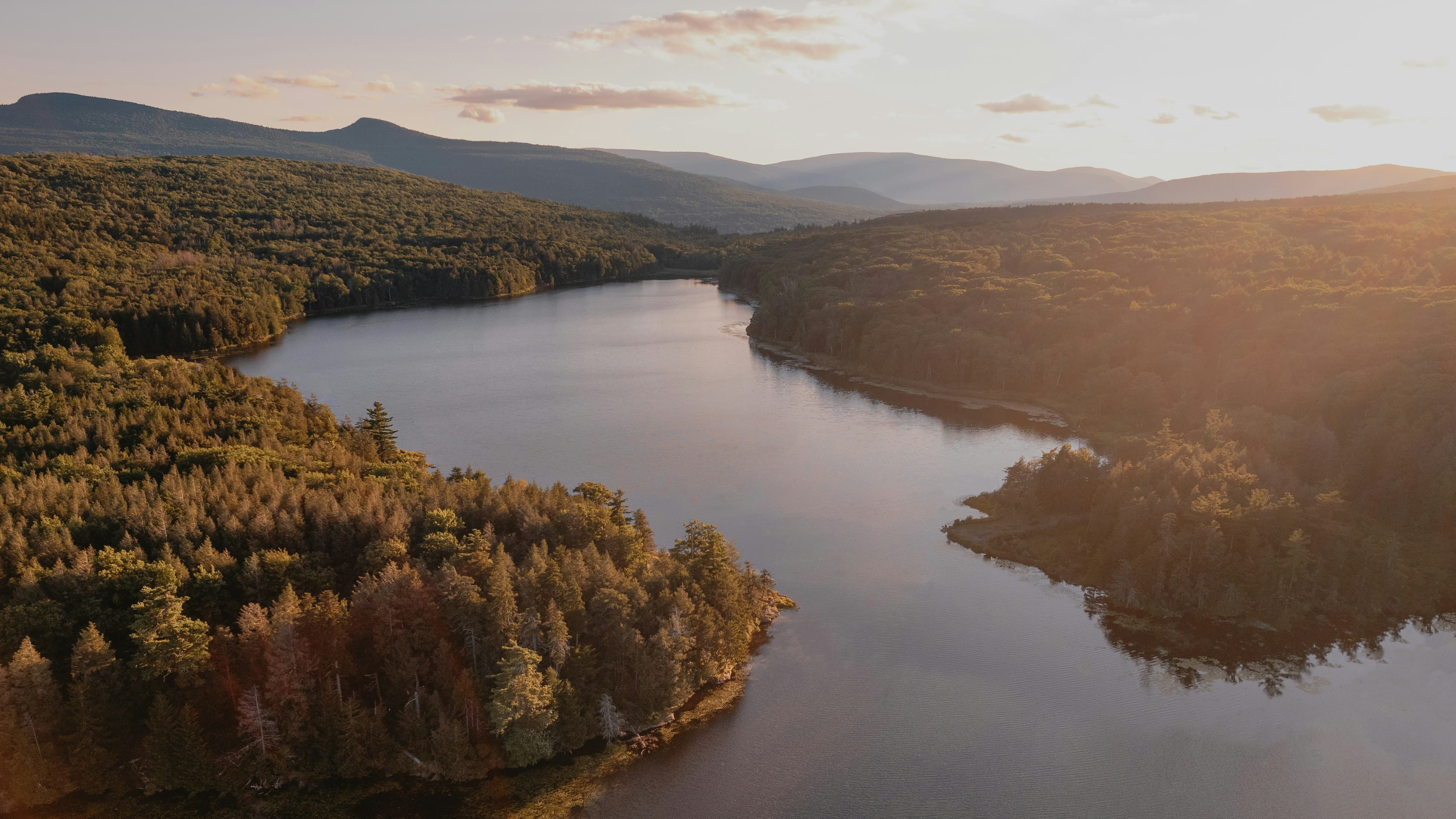
New York camping centers on the Adirondack Park, a six-million-acre preserve in the northern part of the state that contains more land than Yellowstone, Yosemite, Grand Canyon, Glacier, and Great Smoky Mountains national parks combined. Indian Lake, Long Lake, Saranac Lake, and Lake George anchor the camping access points within a wilderness of boreal forest, alpine peaks, and over 3,000 lakes and ponds. The Adirondacks support both developed state campgrounds and extensive backcountry camping.
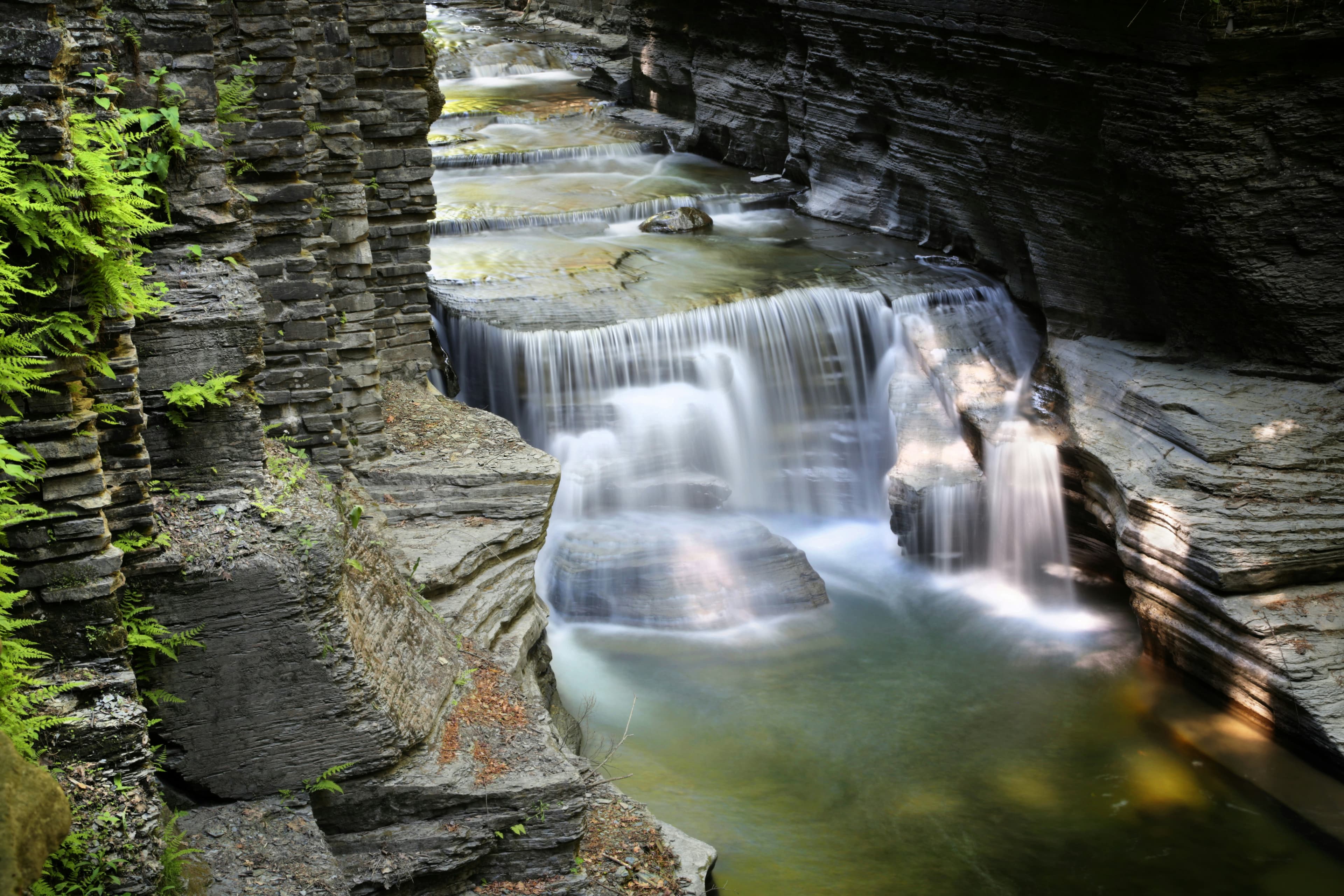
The Catskill Mountains south of Albany provide a second mountain camping region, closer to New York City and with a different character. Lower elevations, warmer temperatures, and trout-filled streams define the Catskills. The Finger Lakes region in central New York adds waterfall gorges and lakefront camping on Seneca, Cayuga, and Keuka lakes. Long Island's eastern end holds surprising beach camping at state parks, while the Thousand Islands region along the St. Lawrence River offers island camping by boat.
Mar-May
High 51°F · Low 39°F
Ice-out on Adirondack lakes happens through May. Black flies emerge by late May in the mountains. Lower elevations and the Finger Lakes warm faster. Trout season opens in April on most streams.
Jun-Aug
High 73°F · Low 61°F
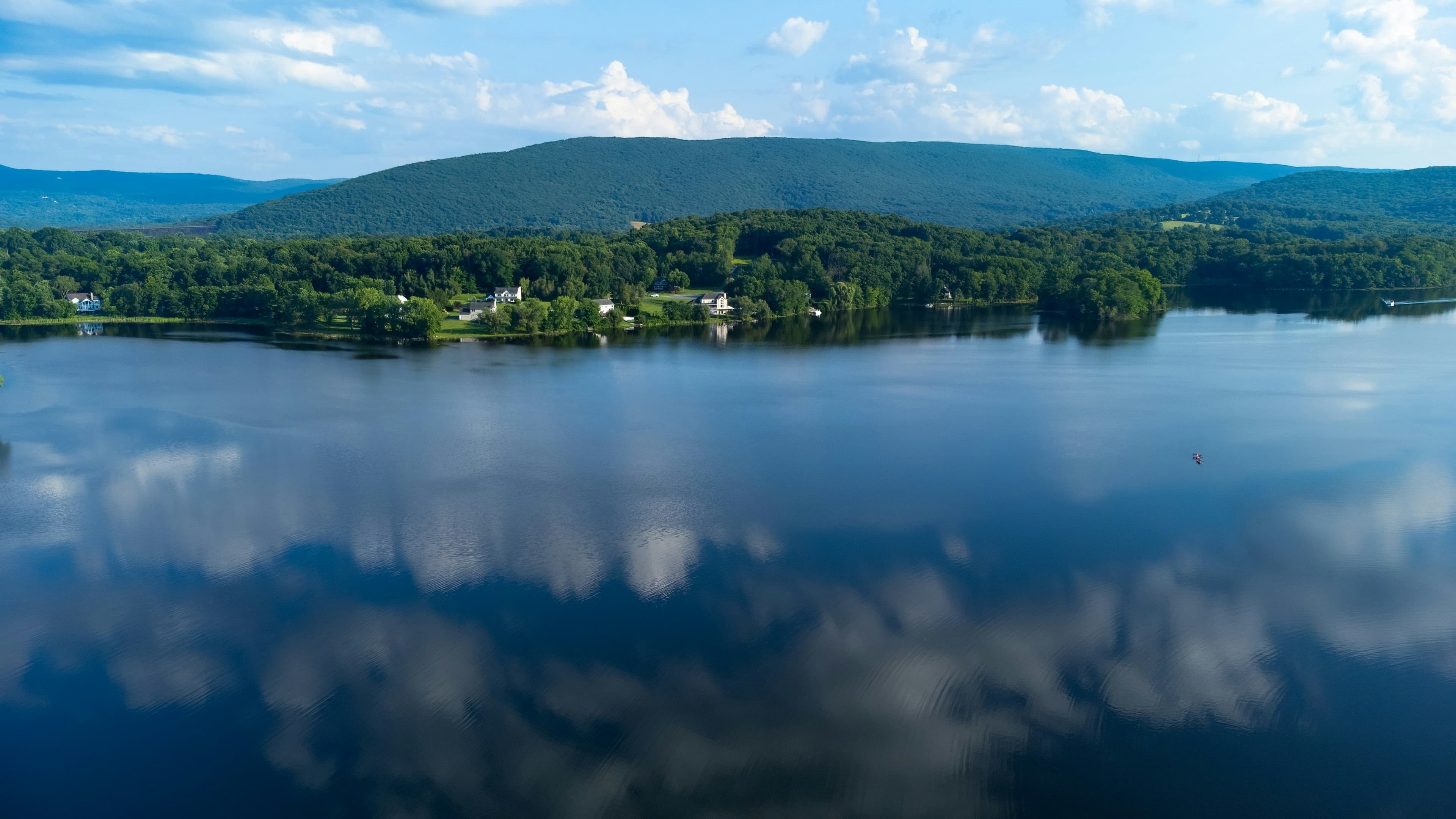
Peak camping season. Adirondack campgrounds and Lake George fill on weekends. Finger Lakes wineries draw camping visitors. Long Island beach camping hits capacity. Mountain peaks are accessible for hiking. Black flies subside by late June.
Sep-Nov
High 51°F · Low 39°F
Fall color in the Adirondacks peaks in late September through early October. The Catskills follow a week later. One of the most scenic camping seasons in the Northeast. Crowds thin after Columbus Day weekend. Cool nights and dry conditions.
Dec-Feb
High 29°F · Low 17°F
Most campgrounds close by Columbus Day. The Adirondacks receive heavy snow. Winter camping is for experienced cold-weather travelers. January averages 21 degrees statewide. Lean-to shelters in the Adirondacks remain accessible year-round.
| Season | Months | Avg High | Avg Low | Conditions |
|---|---|---|---|---|
| Spring | Mar-May | 51°F | 39°F | Ice-out on Adirondack lakes happens through May. |
| Summer | Jun-Aug | 73°F | 61°F | Peak camping season. |
| Fall | Sep-Nov | 51°F | 39°F | Fall color in the Adirondacks peaks in late September through early October. |
| Winter | Dec-Feb | 29°F | 17°F | Most campgrounds close by Columbus Day. |
Source: NOAA 30-Year Climate Normals

| Region | Terrain | Key Areas |
|---|---|---|
| Adirondack High Peaks | Mountain | Indian Lake, Long Lake, Saranac Lake, Lake Placid |
| Lake George and Southern Adirondacks | Lakefront | Lake George, Bolton Landing, Warrensburg, Speculator |
| Catskill Mountains | Mountain | Hunter, Windham, Phoenicia, Roscoe |
| Finger Lakes | Lakefront | Watkins Glen, Ithaca, Penn Yan, Hammondsport |
| Thousand Islands and St. Lawrence | Lakefront | Alexandria Bay, Clayton, Ogdensburg, Salamanca |
Mountain · Indian Lake, Long Lake, Saranac Lake, Lake Placid
The mountainous core of the Adirondack Park with 46 peaks above 4,000 feet. Indian Lake, Long Lake, Saranac Lake, and Lake Placid anchor the access. Backcountry camping at lean-to shelters and designated tent sites. Some of the most remote camping east of the Mississippi. Thornbush Acres RV Park and Cedar River Campsites near Indian Lake, and Forked Lake Campground near Long Lake provide developed access to the High Peaks interior.
Lakefront · Lake George, Bolton Landing, Warrensburg, Speculator
The most accessible Adirondack camping from the south. Lake George village serves as the tourism hub. Island camping on the lake requires a boat. Bolton Landing, Warrensburg, and Schroon Lake provide mainland campground options. More developed than the High Peaks region with a resort-town atmosphere. King Phillips Campground and Resort and Lake George RV Park serve the tourism corridor, while Juanita Island and other DEC campgrounds provide boat-access island camping on the lake.
Mountain · Hunter, Windham, Phoenicia, Roscoe
Lower and warmer than the Adirondacks, sitting 100 miles north of New York City. Trout streams, hemlock gorges, and waterfalls define the terrain. North-South Lake Campground is the most popular developed option. Backcountry camping is permitted with restrictions above and below 3,500 feet. Sleepy Hollow Campground and Phoenicia Black Bear Campground near Phoenicia provide the primary private campground options in the Catskill interior.
Lakefront · Watkins Glen, Ithaca, Penn Yan, Hammondsport
Eleven narrow glacial lakes in central New York with state parks perched on the gorge rims. Watkins Glen, Robert H. Treman, and Taughannock Falls combine waterfall hiking with campground access. Wine country surrounds Seneca and Keuka lakes. Rolling agricultural terrain at moderate elevations. Watkins Glen KOA Resort and Ithaca by Firelight Camps provide developed camping near the gorge parks and lake wineries.
Lakefront · Alexandria Bay, Clayton, Ogdensburg, Salamanca
Island camping along the St. Lawrence River at the Canadian border. Wellesley Island State Park and numerous state-owned islands with designated campsites. Boat access required for most island camping. Warm summers with water recreation as the primary draw. Salamanca and the western tier offer different terrain along the Allegheny River. Swan Bay Resort and Marina and 1000 Islands Campground in Alexandria Bay put campers on the river with boat access to the island archipelago.

Solo and small-group camping below 3,500 feet does not require a permit. Groups of 10 or more need a DEC permit anywhere in the backcountry. Camping above 3,500 feet is restricted to designated sites. Bear canisters are required in the Eastern High Peaks zone.
Three-sided wooden shelters with a sloped roof and raised sleeping platform, positioned along trails and lakeshores throughout the Adirondack Park. Over 200 lean-tos are maintained by the DEC. They are free and first-come, first-served. Carry a tarp and ground pad as backup.
High Peaks color begins in late September. Lake levels and southern Adirondacks peak in the first two weeks of October. Columbus Day weekend is traditionally the busiest camping period. The Catskills follow about a week behind the Adirondack peaks.
Hither Hills State Park near Montauk offers beachfront camping with sites behind the dunes. It is one of the most sought-after campgrounds in the state and books immediately when reservations open. Wildwood State Park on the North Shore and Cedar Point County Park provide alternatives.
The Adirondack Park contains over one million acres of designated wilderness. The High Peaks and remote interior lakes can require full-day hikes to reach. Cell service is absent in most of the backcountry. The southern and eastern edges of the park are more accessible, with campgrounds reachable by car.