A complete guide to camping in Nebraska
Nebraska camping centers on the Sandhills and the panhandle, two regions that defy the state's flat reputation. The Sandhills cover a quarter of the state with grass-stabilized sand dunes, shallow lakes, and ranch country that looks more like Montana than the Midwest. Valentine and the Niobrara River anchor the recreational access, with river tubing, canoeing, and lakeside camping as the primary draws.
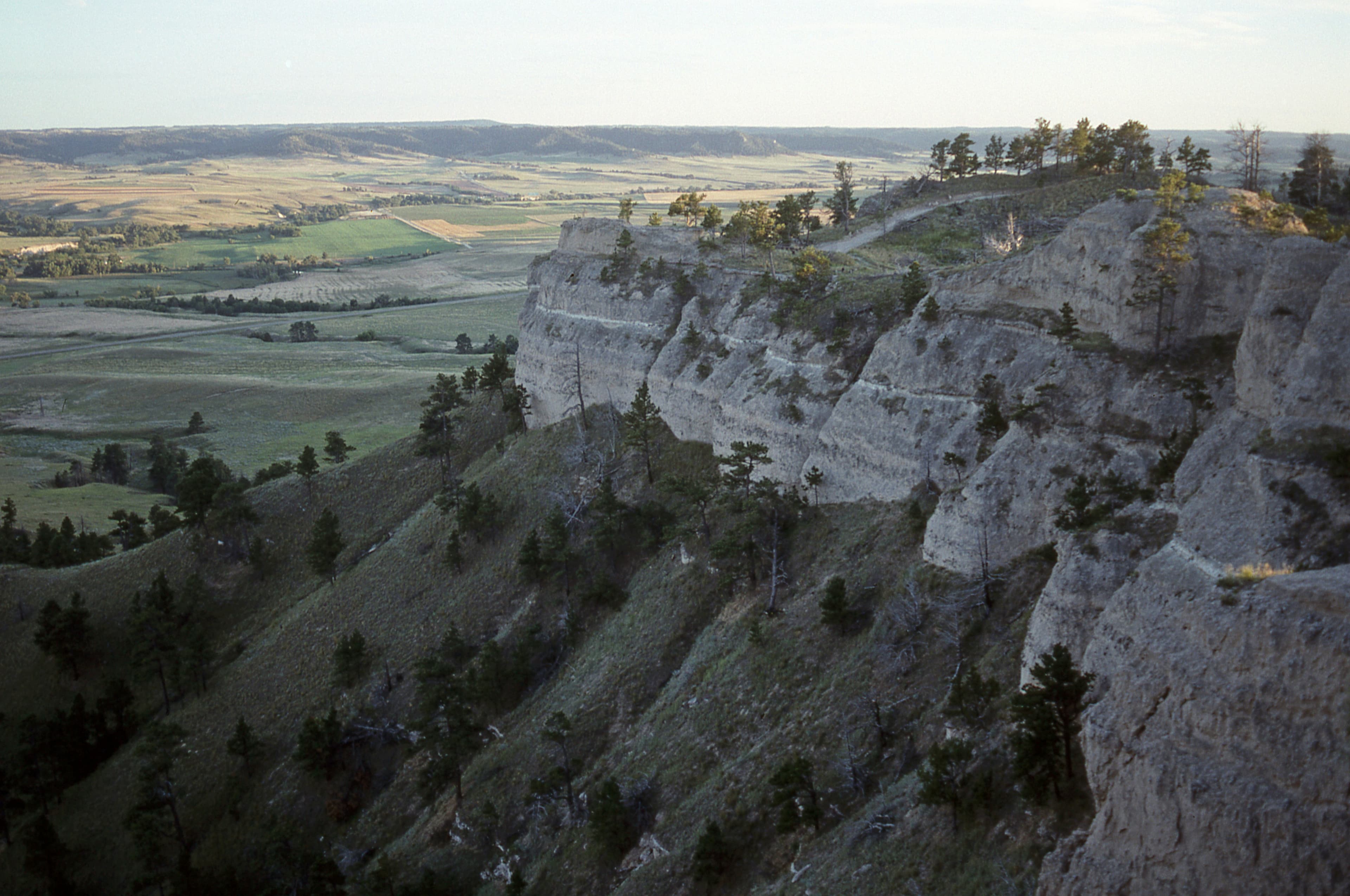
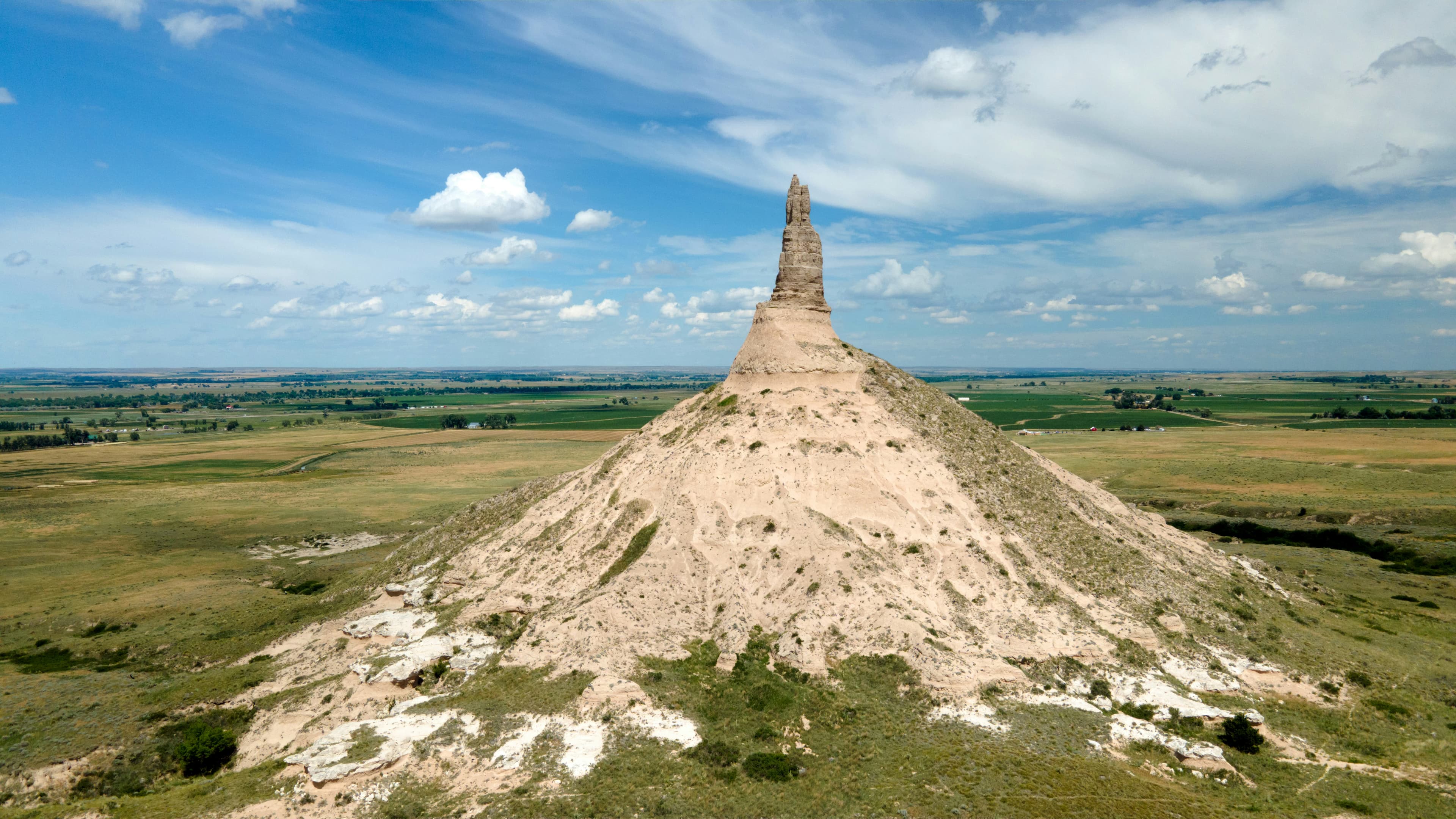
The panhandle in the western third holds Chimney Rock, Scotts Bluff, and the Pine Ridge. These geological landmarks along the Oregon Trail corridor create a camping landscape shaped by buttes, bluffs, and ponderosa pine forest at elevations approaching 5,000 feet. North Platte and Ogallala sit along the Platte River, which serves as a seasonal staging ground for the sandhill crane migration each spring. The eastern third of the state around Omaha and Lincoln holds lake-based state recreation areas.
Mar-May
High 56°F · Low 44°F
Sandhill crane migration peaks along the Platte River near Kearney in March. Prairie greens up. Wind is constant. Temperatures climb into the 60s. The Niobrara opens for floating by May.
Jun-Aug
High 79°F · Low 67°F
Peak season. Niobrara River tubing and Sandhills lake camping drive the traffic. July averages 75 degrees. Western Nebraska is drier and hotter. Afternoon thunderstorms on the plains. Long daylight hours.
Sep-Nov
High 56°F · Low 44°F
Temperatures moderate. Cottonwoods along rivers turn gold. Hunting season opens in November. Campgrounds thin after Labor Day. The Sandhills stay warm through September.
Dec-Feb
High 33°F · Low 21°F
January averages 25 degrees. Wind chill drops below zero regularly. Most campgrounds close. The panhandle and Sandhills get cold and wind-swept. Not a camping season for most travelers.
| Season | Months | Avg High | Avg Low | Conditions |
|---|---|---|---|---|
| Spring | Mar-May | 56°F | 44°F | Sandhill crane migration peaks along the Platte River near Kearney in March. |
| Summer | Jun-Aug | 79°F | 67°F | Peak season. |
| Fall | Sep-Nov | 56°F | 44°F | Temperatures moderate. |
| Winter | Dec-Feb | 33°F | 21°F | January averages 25 degrees. |
Source: NOAA 30-Year Climate Normals

| Region | Terrain | Key Areas |
|---|---|---|
| Niobrara Valley and Sandhills | Plains | Valentine, Ainsworth, Bassett, Crofton |
| Panhandle and Pine Ridge | Mountain | Chadron, Crawford, Gering, Harrison |
| Platte River Corridor | Lakefront | Ogallala, North Platte, Kearney, Grand Island |
| Eastern Nebraska and Metro | Lakefront | Columbus, Ashland, Lincoln, Omaha area |
Plains · Valentine, Ainsworth, Bassett, Crofton
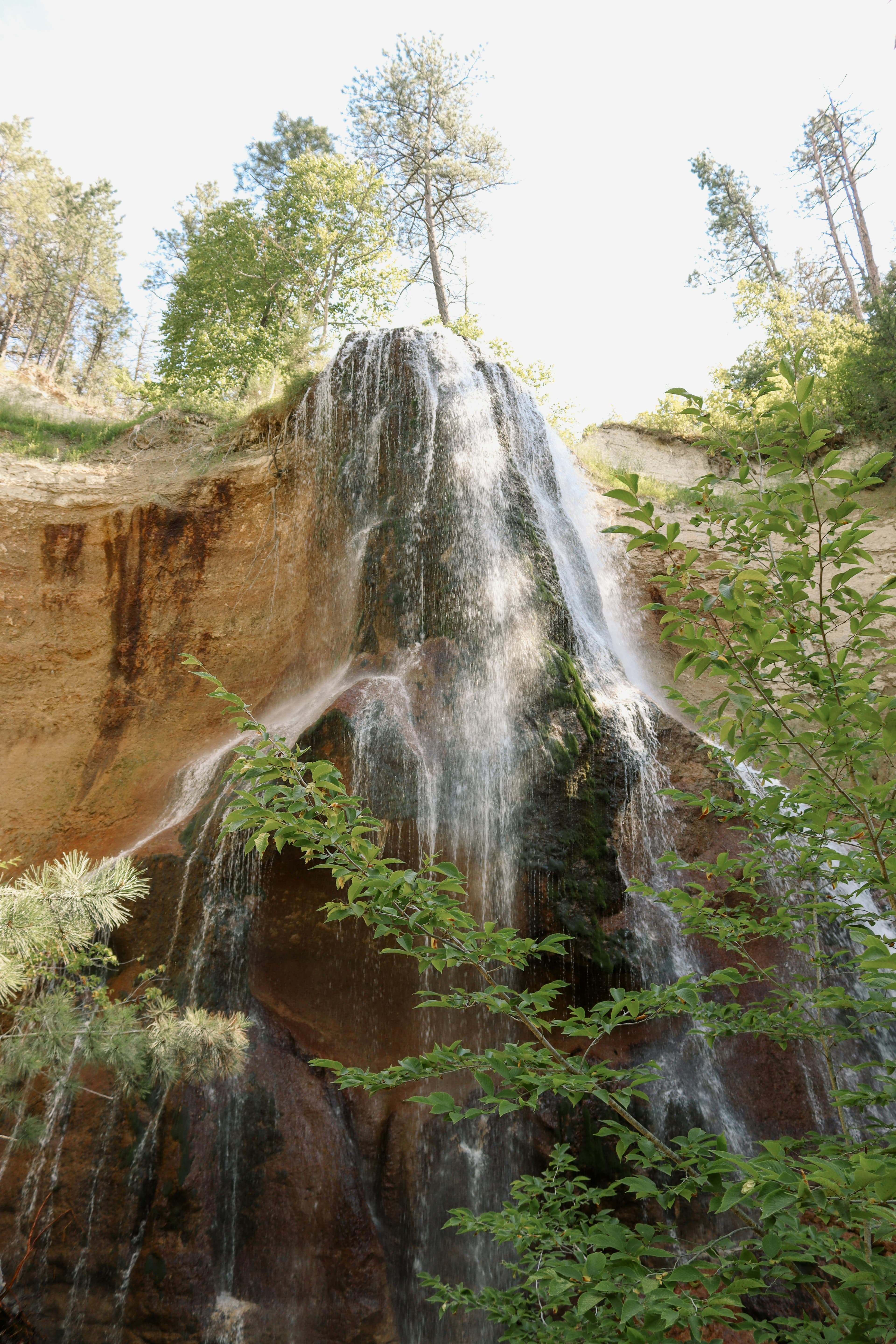
The Niobrara National Scenic River cuts through the northern Sandhills with 70-foot waterfalls, including Smith Falls (the tallest in Nebraska). Valentine serves as the outfitter and supply town. River tubing and canoeing drive summer traffic. The surrounding Sandhills are grass-covered dunes with shallow lakes and ranch country. Fishberry Campground and RV Park and Sharps Campground near Valentine serve the Niobrara River float-trip base.
Mountain · Chadron, Crawford, Gering, Harrison
Western Nebraska's most dramatic terrain. Scotts Bluff and Chimney Rock mark the Oregon Trail corridor. Chadron State Park and Fort Robinson State Park sit in the Pine Ridge at the state's highest elevations. Ponderosa pine forest at 4,000 to 5,000 feet. Buttes and badlands contrast with the eastern prairies. Eagle Rest RV Park in Chadron and Soldier Creek Campground near Crawford anchor the Pine Ridge camping corridor.
Lakefront · Ogallala, North Platte, Kearney, Grand Island
The Platte River runs east across the center of the state. Lake McConaughy near Ogallala is the state's largest reservoir with sand-beach camping. North Platte and the I-80 corridor provide accessible camping for road travelers. The sandhill crane migration staging area near Kearney is a spring destination. Ogallala KOA Journey near Lake McConaughy and I-80 Lakeside Campground in North Platte serve the central Platte corridor.
Lakefront · Columbus, Ashland, Lincoln, Omaha area
Lake-based state recreation areas serving the Omaha and Lincoln populations. Branched Oak, Pawnee, and Louisville provide the closest camping to the metro. Platte River State Park and Mahoney State Park offer developed facilities. Flat to gently rolling terrain with agricultural surroundings. Riverland Campground in Columbus and Ashland RV Campground near Ashland provide the closest developed camping to the Omaha and Lincoln metros.

The largest sand dune formation in the Western Hemisphere, covering 19,000 square miles of north-central Nebraska. The dunes are stabilized by grass and range from 100 to 300 feet high. Beneath them sits the Ogallala Aquifer, feeding shallow lakes and the Niobrara River. Mostly private ranch land with limited public camping access at state parks.
Peak migration along the Platte River near Kearney occurs in March, when over 500,000 cranes stage along an 80-mile stretch. Fort Kearny State Recreation Area and Rowe Sanctuary provide viewing blinds. The migration is one of the great wildlife spectacles in North America.
Lake McConaughy (Big Mac) near Ogallala is Nebraska's largest reservoir with white sand beaches and camping along the shore. The lake allows beach camping in many areas. Popular for boating, fishing, and swimming. Wind is a factor. Summer weekends draw large crowds. Alcohol is permitted on the beach.
The panhandle and Sandhills have very low population density. Towns are small and far apart. Cell service is spotty outside of major highways. Carry extra fuel and water. The remoteness is part of the appeal, with dark skies, open horizons, and solitude. Fort Robinson and Chadron State Park provide the most developed western camping.
Nebraska National Forest near Halsey and the Oglala National Grassland in the panhandle allow dispersed camping. Nebraska has the only hand-planted national forest in the country. State recreation areas require designated campsites. Overall, public land for camping is more limited than in western states.