A complete guide to camping in Minnesota
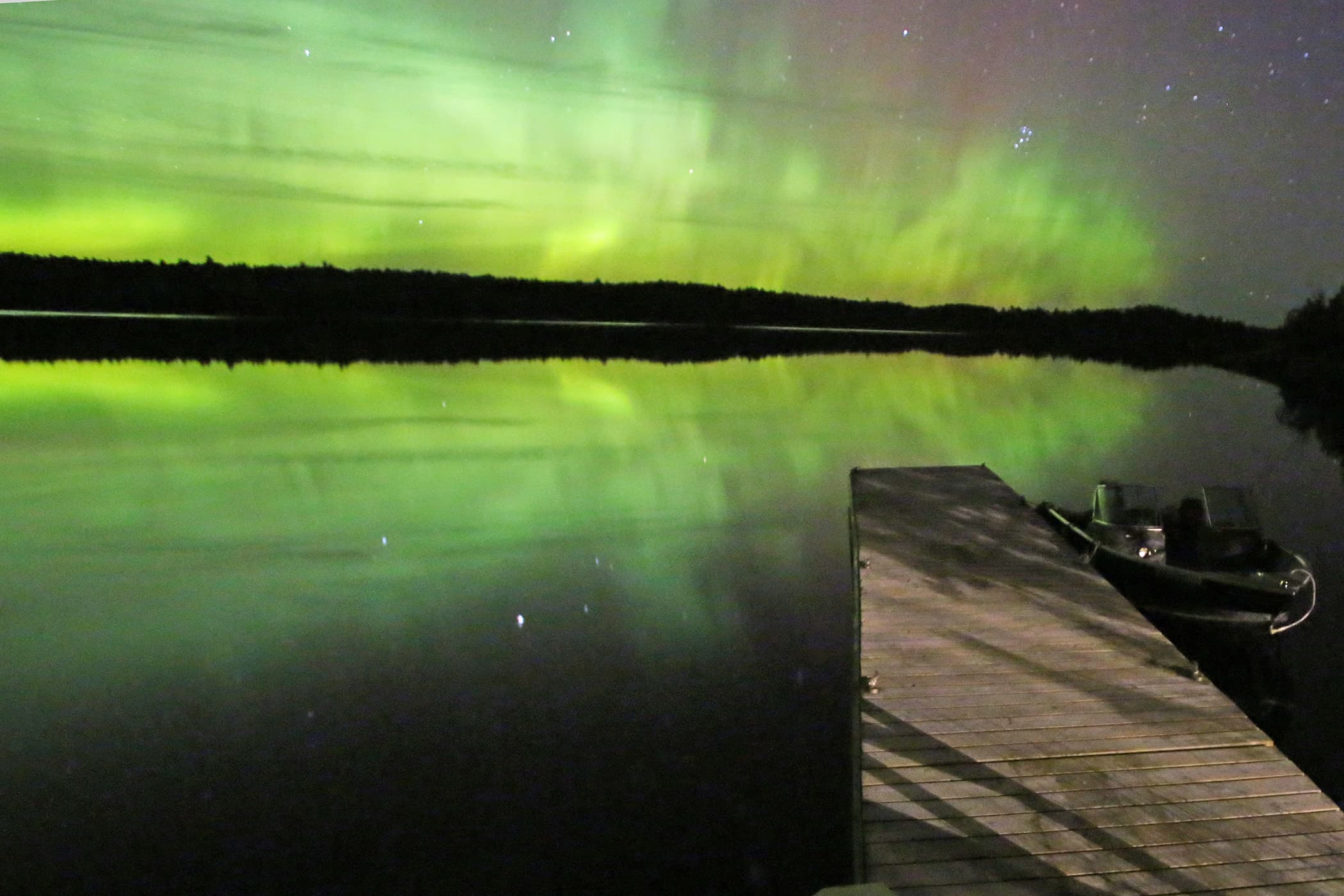
Minnesota camping follows the lakes. The state holds over 10,000 lakes and the camping infrastructure spreads across them, from the Boundary Waters Canoe Area Wilderness in the northeast to the prairie lakes of the southwest. The Arrowhead region along Lake Superior's North Shore draws the heaviest camping traffic, with Grand Marais, Ely, and the Cook County interior providing access to boreal forest, waterfalls, and canoe routes that connect to the Canadian border.
The southern half of the state flattens into agricultural prairie with fewer camping destinations but a network of state parks along river corridors. The Mississippi River bluffs near Red Wing and Winona, the Minnesota River valley, and the lake chains around Brainerd and Mille Lacs form the central camping belt. Minnesota's camping season compresses into roughly May through October, with the Boundary Waters and North Shore operating on an even shorter window.
Mar-May
High 44°F · Low 32°F
Ice-out on northern lakes happens through late April. Black flies and mosquitoes emerge by mid-May. Southern state parks open earlier with wildflower blooms. Fishing opener on the state's walleye lakes falls in mid-May.
Jun-Aug
High 71°F · Low 59°F
Peak season. Boundary Waters permits are hardest to get in July. North Shore and lake country campgrounds fill on weekends. Long daylight hours with sunset after 9 PM. Water temperatures in southern lakes warm enough for swimming by late June.
Sep-Nov
High 44°F · Low 32°F
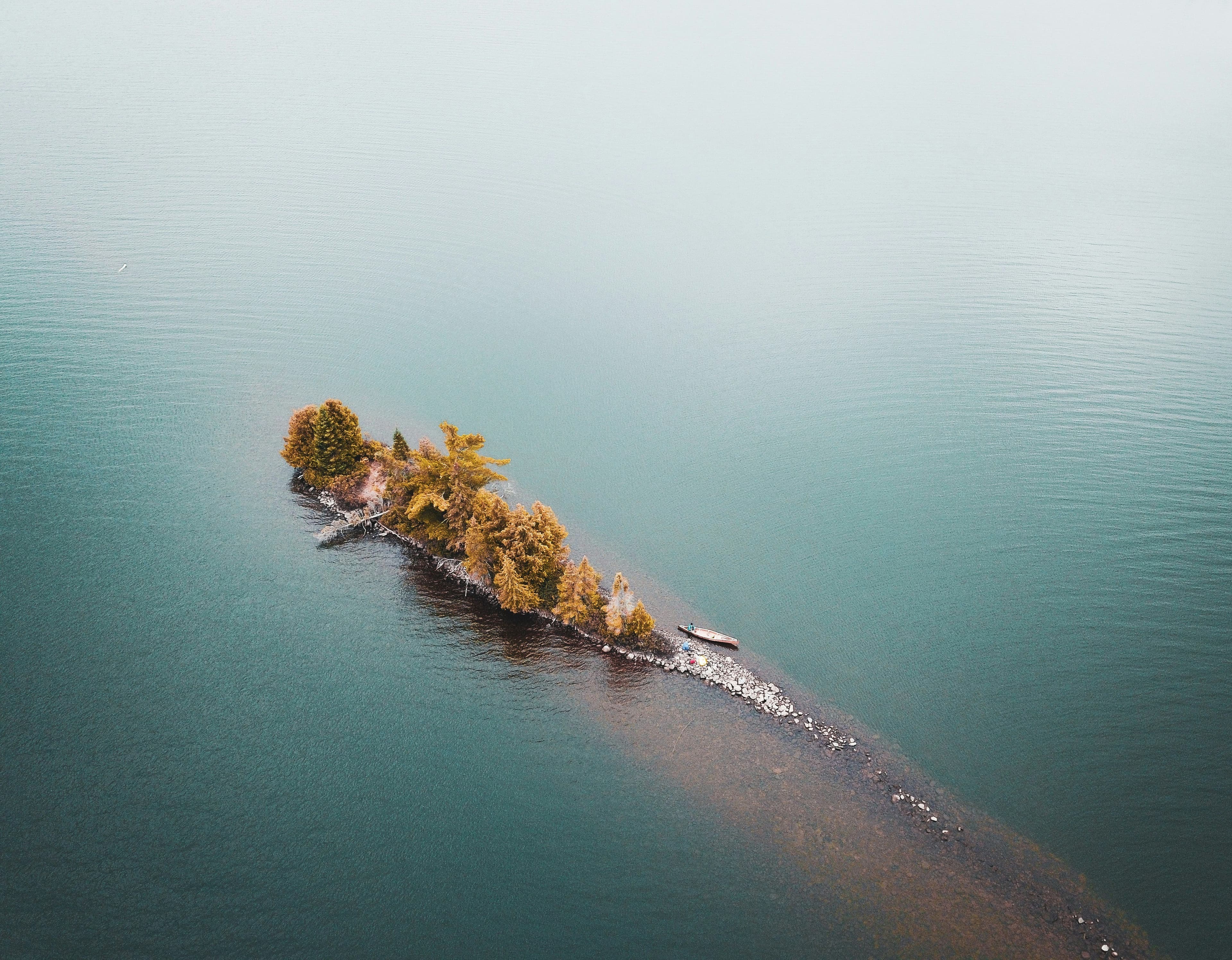
Fall color peaks along the North Shore in late September through early October. Boundary Waters crowds thin after Labor Day. Cool nights and fewer insects make September one of the best camping months. Most campgrounds close by mid-October.
Dec-Feb
High 17°F · Low 5°F
January averages 9 degrees statewide. The Boundary Waters freeze solid. Most campgrounds close. Winter camping exists for the dedicated, with ice fishing and cross-country skiing replacing summer activities. The North Shore remains accessible but cold.
| Season | Months | Avg High | Avg Low | Conditions |
|---|---|---|---|---|
| Spring | Mar-May | 44°F | 32°F | Ice-out on northern lakes happens through late April. |
| Summer | Jun-Aug | 71°F | 59°F | Peak season. |
| Fall | Sep-Nov | 44°F | 32°F | Fall color peaks along the North Shore in late September through early October. |
| Winter | Dec-Feb | 17°F | 5°F | January averages 9 degrees statewide. |
Source: NOAA 30-Year Climate Normals

| Region | Terrain | Key Areas |
|---|---|---|
| Boundary Waters and Arrowhead | Lakefront | Ely, Grand Marais, Tofte, International Falls |
| North Shore of Lake Superior | Coastal | Duluth, Two Harbors, Silver Bay, Grand Marais |
| Central Lakes and Brainerd | Lakefront | Brainerd, Aitkin, Crosslake, Garrison |
| Mississippi River Bluffs | Plains | Red Wing, Winona, Lanesboro, Wabasha |
| Prairie and Western Minnesota | Plains | Marshall, Montevideo, Worthington |
Lakefront · Ely, Grand Marais, Tofte, International Falls
The crown jewel of Minnesota camping. Over one million acres of interconnected lakes and portage trails. Canoe-access camping at designated sites throughout the wilderness. Ely is the primary entry-point town. Grand Marais and the Gunflint Trail access the eastern portion. No motors allowed in most of the wilderness area. Fall Lake Campground and Birch Lake Campground near Ely provide the primary developed campground staging areas for Boundary Waters entry, while Grand Marais Campground and Marina serves the eastern Gunflint Trail access.
Coastal · Duluth, Two Harbors, Silver Bay, Grand Marais
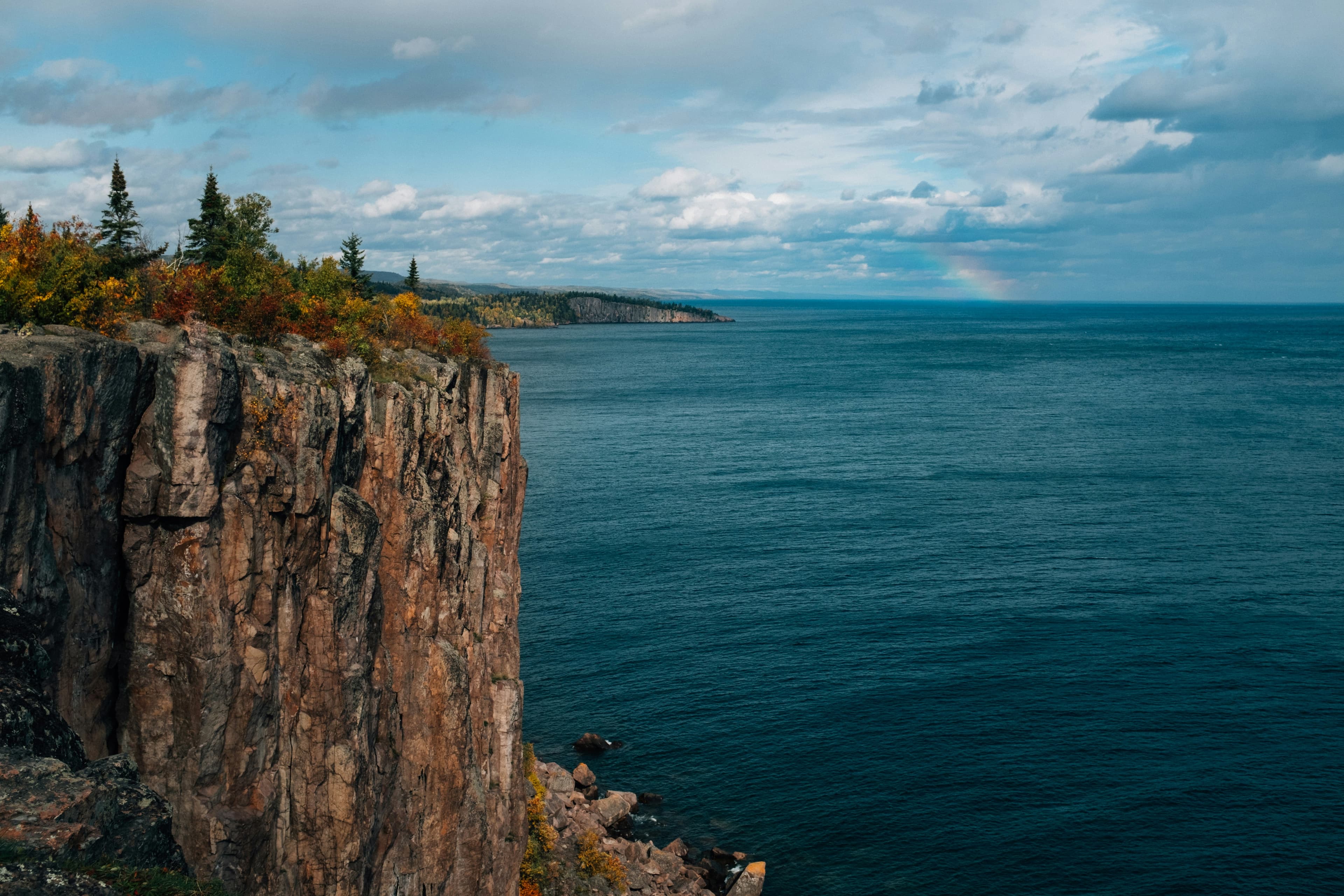
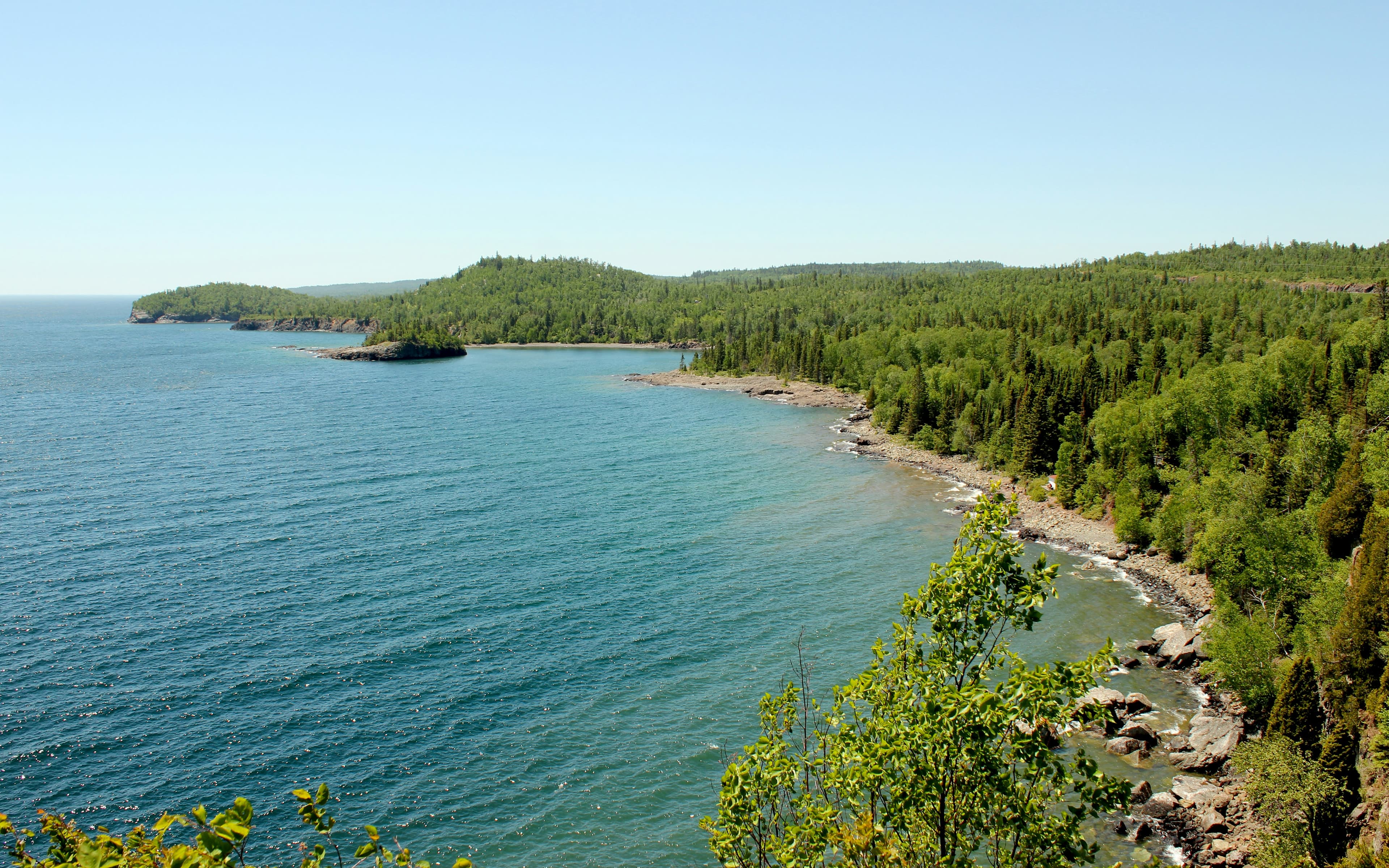
Highway 61 runs 150 miles from Duluth to Grand Portage along the lake. State parks at Gooseberry Falls, Tettegouche, and Temperance River sit on rocky headlands above the water. Split Rock Lighthouse and Cascade River add to the corridor. Cool summers with Lake Superior moderating temperatures. Fond du Lac Campground and Buffalo Valley Campground in Duluth anchor the southern end of the shore, with Penmarallter Campground near Two Harbors further north.
Lakefront · Brainerd, Aitkin, Crosslake, Garrison
The traditional family cabin and camping region. Mille Lacs, Gull Lake, and the Brainerd chain of lakes draw summer visitors for fishing, boating, and swimming. More developed campgrounds with full amenities. Warmer water temperatures than the northern lakes. Crow Wing Lake Campground in Brainerd and Pete's Retreat Family Campground near Aitkin serve the central lake chain corridor.
Plains · Red Wing, Winona, Lanesboro, Wabasha
Southeastern Minnesota along the Mississippi River features sandstone bluffs, hardwood forest, and trout streams. Whitewater, Forestville/Mystery Cave, and Great River Bluffs state parks offer developed camping in the Driftless terrain. Warmer than northern regions with longer seasons. Hay Creek Valley Campground near Red Wing and Prairie Island Campground in Winona provide developed camping along the bluff corridor.
Plains · Marshall, Montevideo, Worthington
Flat agricultural terrain with state parks along rivers and glacial lakes. Blue Mounds, Camden, and Lac qui Parle state parks anchor the camping options. Open skies, wind, and wide horizons define the experience. Less camping traffic than the northern half of the state. Blue Mounds Group Camp near Luverne provides the primary public camping option on the southwestern prairie.

Overnight permits are required and limited per entry point per day. Reservations open in late January on Recreation.gov. Popular entry points like Lake One and Moose Lake sell out within hours. Day-use permits are self-issued at entry points. Plan your route and have backup entry points ready.
Late August through September. Black flies peak from mid-May through late June. Mosquitoes follow from June through July. By August, both populations decline significantly. September offers cool nights, fall color, and minimal insect pressure.
Water temperatures rarely exceed 50 degrees even in August along the North Shore. Some protected bays and river mouths warm slightly more. Extended swimming requires a wetsuit. Inland lakes and rivers near the North Shore provide warmer swimming options.
Superior National Forest in northeastern Minnesota permits dispersed camping outside of the Boundary Waters. State forests also allow primitive camping at designated sites. State parks require reserved campsites. The Boundary Waters has designated campsites only.
Minnesota is one of the top fishing destinations in the country. Walleye, northern pike, bass, and lake trout are the primary species. A Minnesota fishing license is required. Many campgrounds sit directly on productive fishing lakes. The walleye opener in mid-May is a statewide event.