A complete guide to camping in Michigan
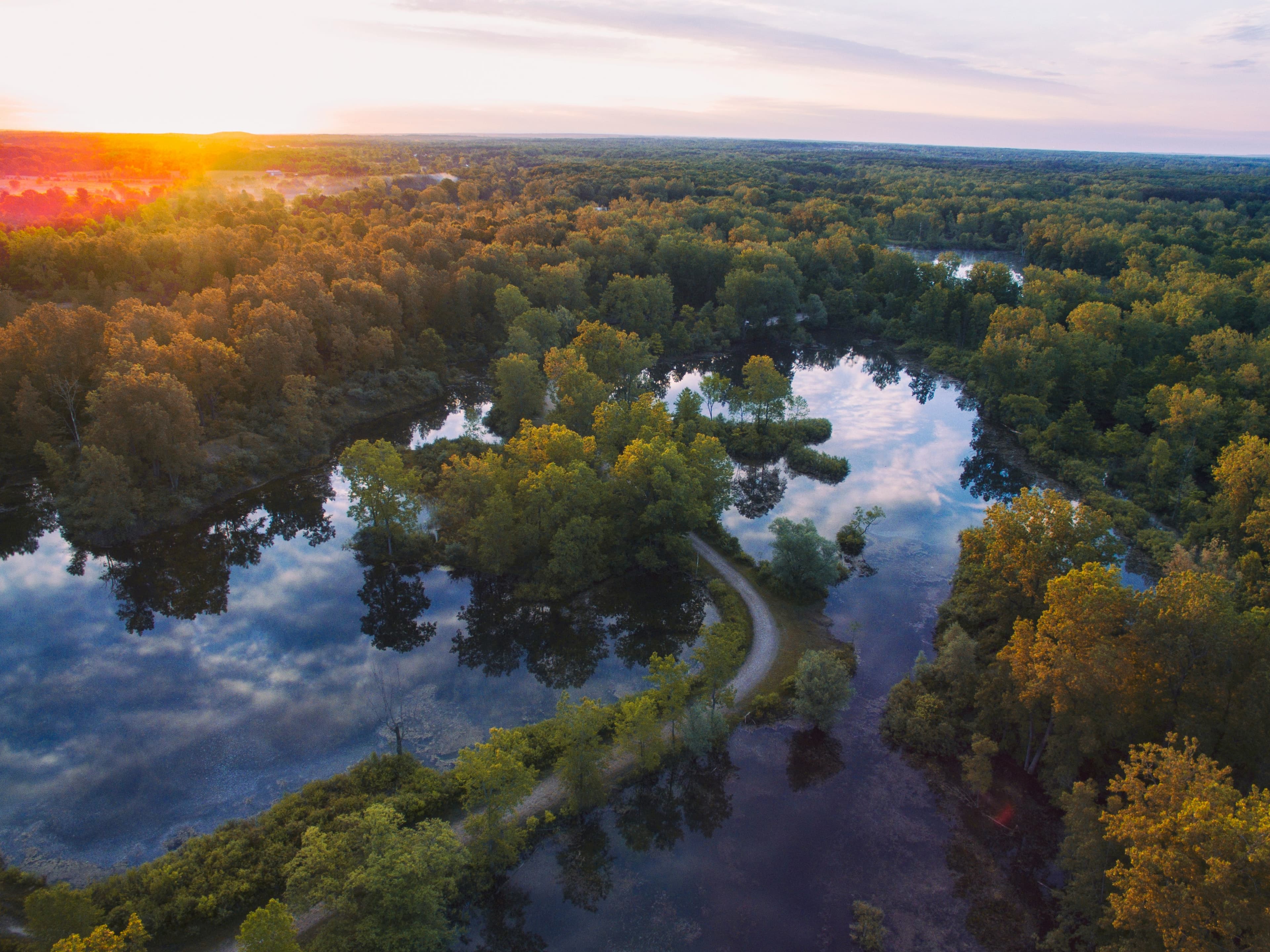
Michigan's two peninsulas create distinct camping experiences separated by the Straits of Mackinac. The Lower Peninsula holds the larger population and more developed private campgrounds, with Lake Michigan's western shore drawing summer beach campers to towns like Ludington, Traverse City, and Sleeping Bear Dunes. The eastern shore along Lake Huron is quieter, with longer stretches of undeveloped coastline.
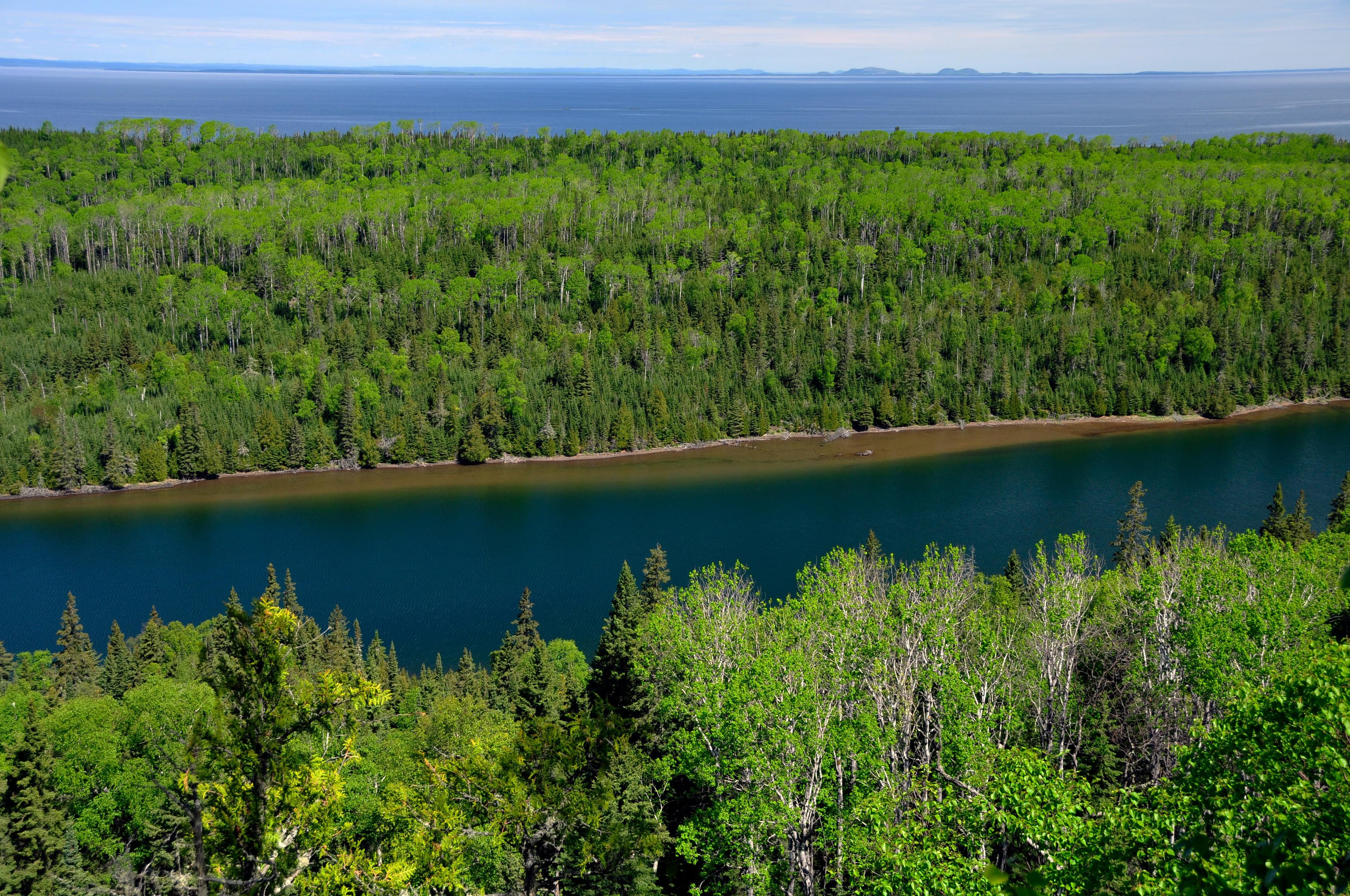
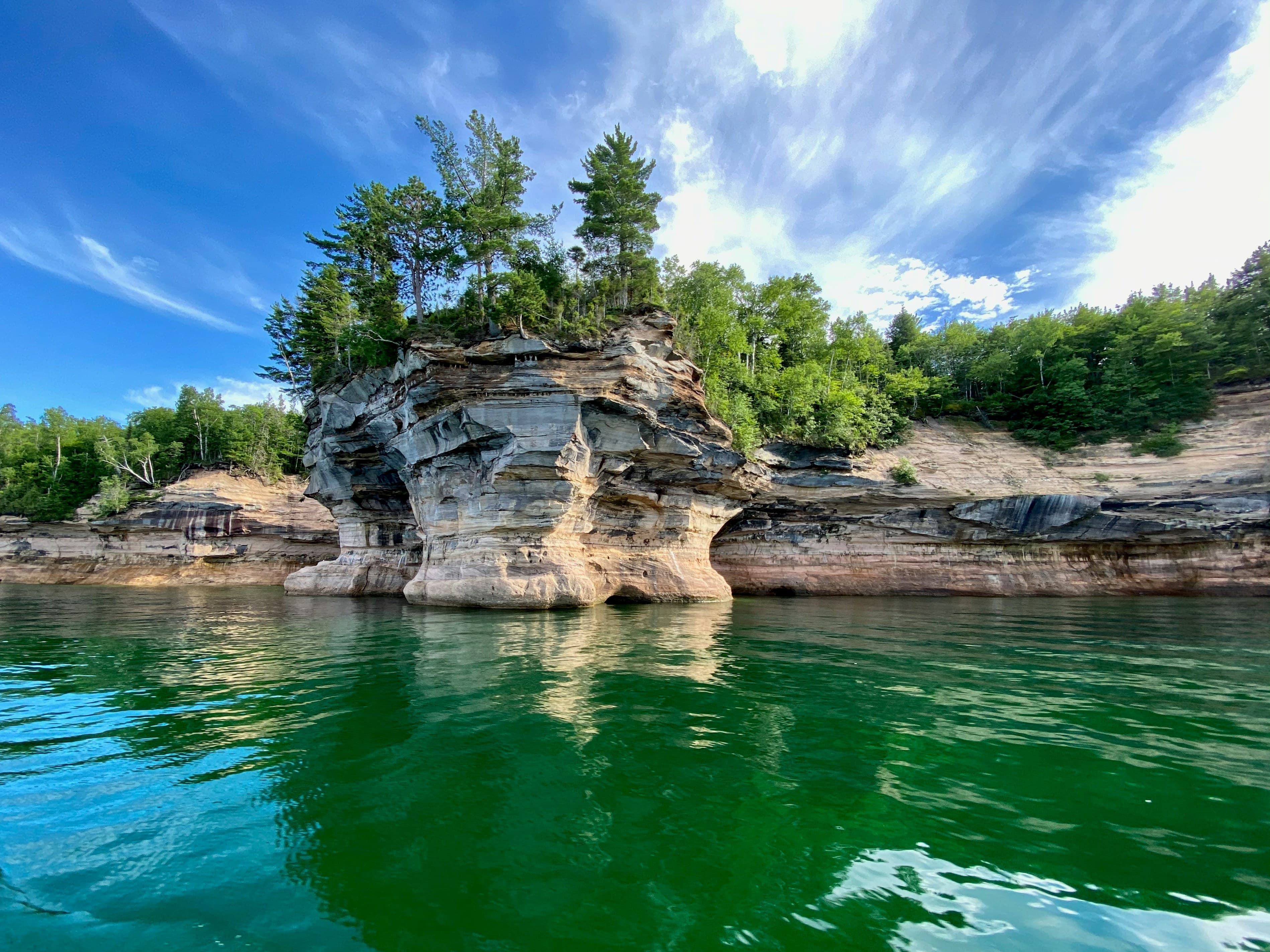
The Upper Peninsula is where Michigan camping turns wild. Dense boreal forest, the Pictured Rocks lakeshore, waterfalls, and Lake Superior's cold, clear water define the experience. Munising, Marquette, and the Keweenaw Peninsula attract campers willing to trade amenities for solitude and scenery. Winter arrives early and stays late in the UP, compressing the camping season to roughly May through October. Statewide, Michigan's 100-plus state parks form one of the largest public campground systems in the country, with many parks sitting directly on Great Lakes shoreline.
Mar-May
High 50°F · Low 38°F
Ice-out on inland lakes happens through April. Black flies emerge in the UP by May. Lower Peninsula campgrounds open in April with cool temperatures. Mushroom hunting (morels) draws visitors to the northern Lower Peninsula in May.
Jun-Aug
High 72°F · Low 60°F
Peak season across both peninsulas. Lake Michigan beach campgrounds fill daily in July. Pictured Rocks and Sleeping Bear Dunes hit maximum capacity. Long daylight hours. Water temperatures in the Great Lakes remain cold through June but warm enough for swimming by mid-July in sheltered bays.
Sep-Nov
High 50°F · Low 38°F
Fall color peaks from late September in the UP through mid-October in the Lower Peninsula. Campgrounds thin out after Labor Day. Cool nights and clear days. Hunting season begins in the northern forests by November.
Dec-Feb
High 28°F · Low 16°F
Most campgrounds close. The UP receives 150 to 200 inches of snow annually. Some hardy winter campers use state forest campgrounds. Ice fishing replaces open-water activity. January averages 20 degrees statewide.
| Season | Months | Avg High | Avg Low | Conditions |
|---|---|---|---|---|
| Spring | Mar-May | 50°F | 38°F | Ice-out on inland lakes happens through April. |
| Summer | Jun-Aug | 72°F | 60°F | Peak season across both peninsulas. |
| Fall | Sep-Nov | 50°F | 38°F | Fall color peaks from late September in the UP through mid-October in the Lower Peninsula. |
| Winter | Dec-Feb | 28°F | 16°F | Most campgrounds close. |
Source: NOAA 30-Year Climate Normals

| Region | Terrain | Key Areas |
|---|---|---|
| Lake Michigan Shore (Lower Peninsula) | Coastal | Ludington, Traverse City, Holland, Petoskey |
| Northern Lower Peninsula | Forest | Grayling, Oscoda, Houghton Lake, Alpena |
| Pictured Rocks and Central UP | Coastal | Munising, Manistique, Grand Marais |
| Keweenaw Peninsula and Western UP | Forest | Watersmeet, Houghton, Copper Harbor, Ontonagon |
| Southeast and Metro Detroit | Lakefront | Holly, Pinckney, Brighton |
Coastal · Ludington, Traverse City, Holland, Petoskey
Sandy beach campgrounds from New Buffalo north through Holland, Ludington, and Sleeping Bear Dunes to Petoskey. The most popular summer camping corridor in the state. State parks sit directly on the shore with dune access. Water warms enough for swimming by mid-July in most years. Vacation Station RV Resort in Ludington and Holiday RV Park and Campground in Traverse City anchor the Lake Michigan camping corridor.
Forest · Grayling, Oscoda, Houghton Lake, Alpena
The region north of the 45th parallel including Grayling, Gaylord, and the inland lake chains. The Au Sable River runs through Huron National Forest, drawing anglers and canoeists. More forested and less developed than the Lake Michigan shore. Hunting camps and rustic state forest sites dominate. Jellystone Park Grayling and Wooded Acres Family Campground near Houghton Lake serve the inland lake and Au Sable River region.
Coastal · Munising, Manistique, Grand Marais
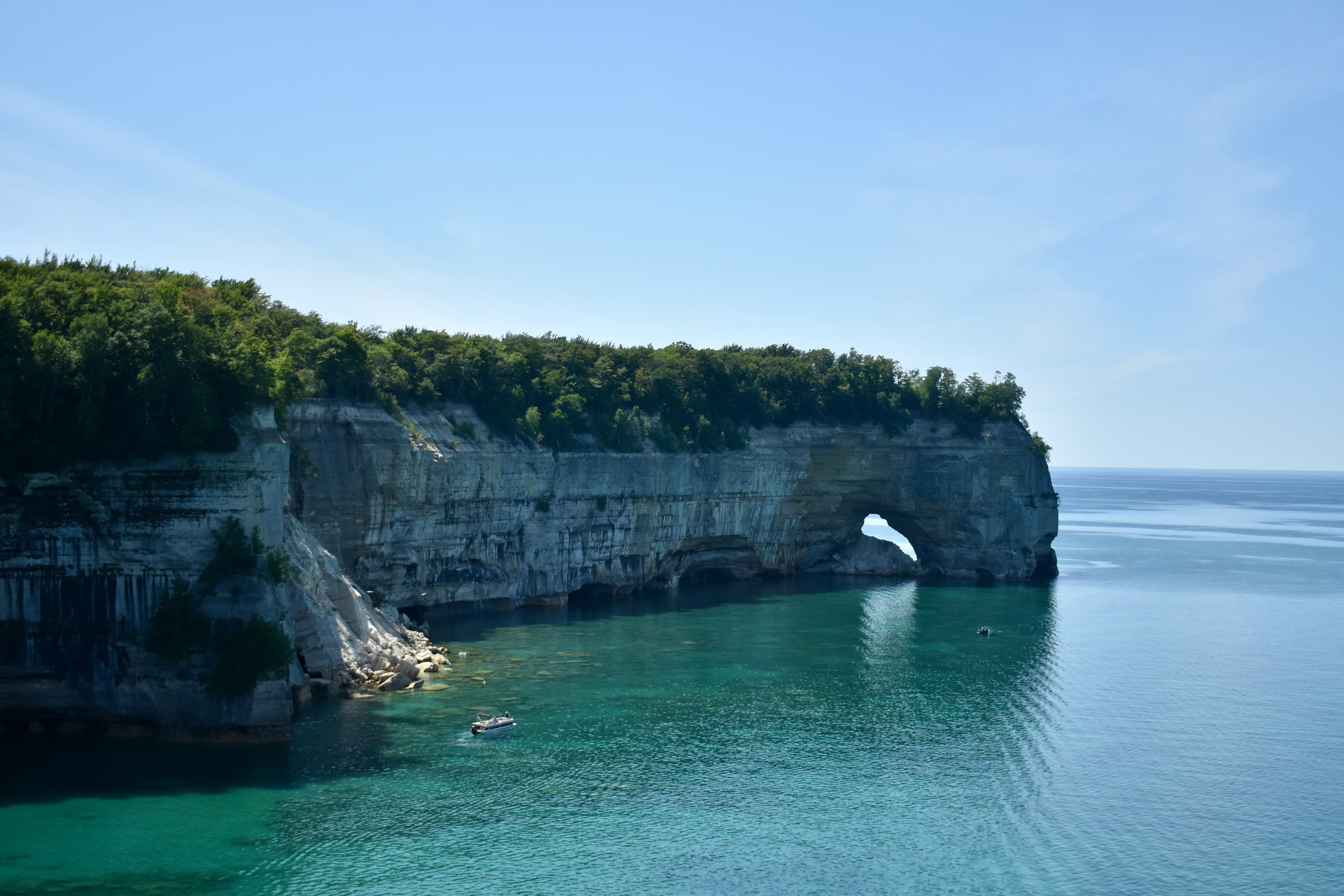
Munising anchors access to Pictured Rocks National Lakeshore, where sandstone cliffs meet Lake Superior. Backcountry camping along the lakeshore trail requires reservations. Nearby Hiawatha National Forest extends the camping options inland. Summer highs reach the 70s but nights stay cool. Munising Tourist Park Campground in Munising provides the closest developed camping to Pictured Rocks, while Indian Lake RV Resort and Campground in Manistique serves the central UP lake country.
Forest · Watersmeet, Houghton, Copper Harbor, Ontonagon
The most remote camping in Michigan. Copper Harbor, Eagle Harbor, and the Porcupine Mountains anchor a region defined by Lake Superior shoreline, old-growth hemlock forest, and historic copper mining towns. Watersmeet and the Ottawa National Forest provide inland lake and river camping. North Shore Campground and Burned Dam Campground near Watersmeet serve the Ottawa National Forest, while Keweenaw Waters Resort in Houghton adds a lakefront option.
Lakefront · Holly, Pinckney, Brighton
State recreation areas within an hour of Detroit and Ann Arbor provide weekend camping for the state's largest population center. Holly, Pinckney, and Waterloo recreation areas offer wooded sites with lake access. More developed than northern campgrounds with closer proximity to services. The Holly Campground in Holly and Hell Creek Ranch Campground in Pinckney provide the closest wooded camping to the Detroit metro.

Lake Michigan water temperatures reach comfortable swimming levels (mid-60s to low 70s) by mid-July in sheltered bays. Lake Huron follows a similar pattern. Lake Superior rarely warms above 55 degrees even in August. Inland lakes warm earlier, usually swimmable by late June.
The Mackinac Bridge connects the two peninsulas at Mackinaw City. The drive from Detroit to Munising takes about five and a half hours. There is no bridge to the eastern UP. Access from the east requires driving through the Soo Locks area near Sault Ste. Marie.
Pictured Rocks National Lakeshore has 13 backcountry campgrounds along a 42-mile shoreline trail. Reservations are required and available on Recreation.gov. Sites book quickly for July and August. Each site has bear-proof food storage. Permits cost $25 per trip plus a per-night fee.
A $17 annual vehicle pass (purchased with registration renewal) that grants access to all Michigan state parks and recreation areas. Without it, a daily pass costs $9 per vehicle. The passport covers entry only, not camping fees, which are separate.
Black flies peak from late May through late June and can be intense near water. Mosquitoes follow from June through August. Biting flies appear in July. Head nets, long sleeves, and DEET or picaridin repellent are necessary for comfortable camping. Breezy lakeshore sites have fewer issues.