A complete guide to camping in Maryland
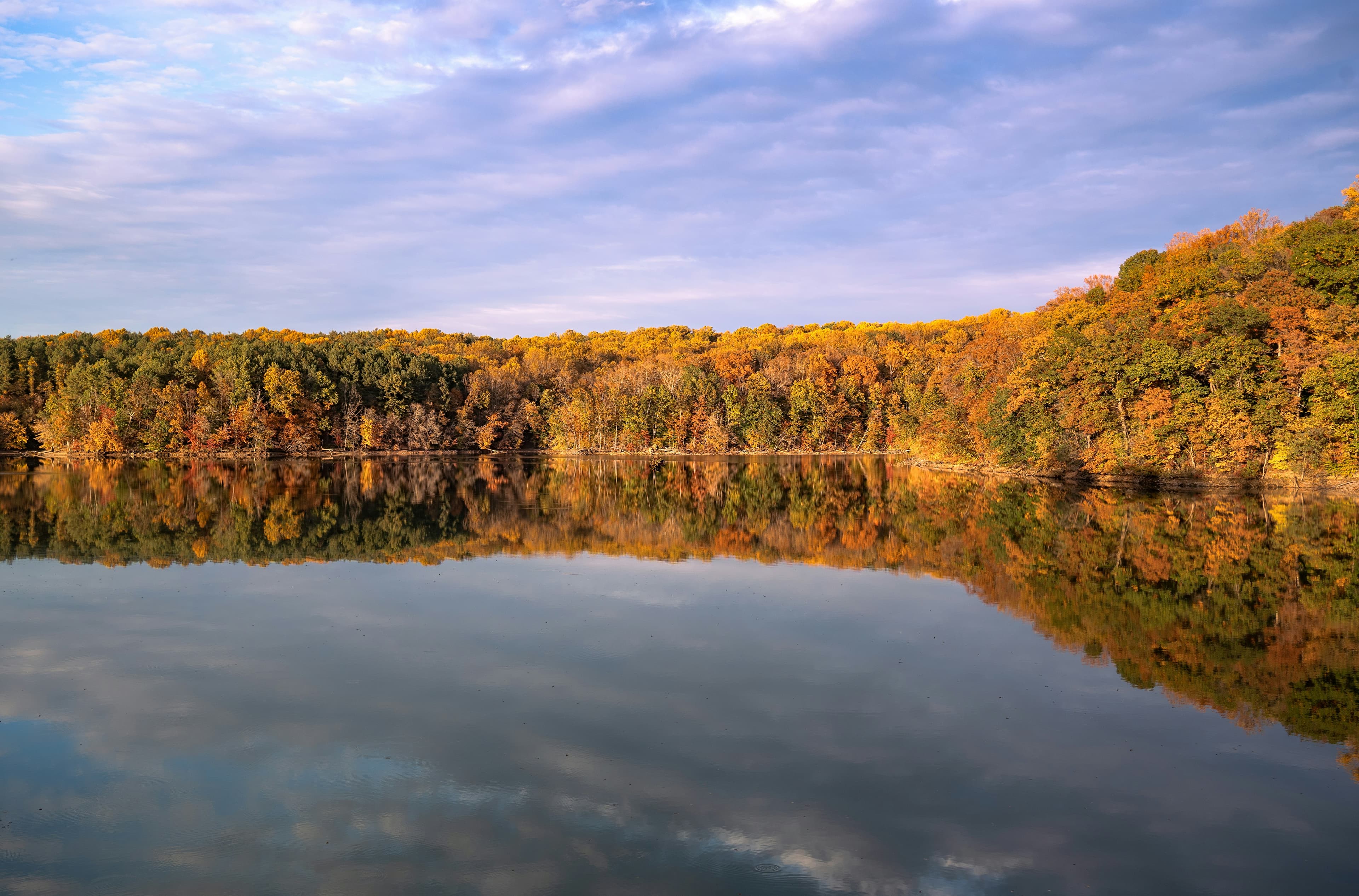
Maryland camping stretches from the Appalachian ridges along the western panhandle to the Chesapeake Bay marshes and the Atlantic beach at Ocean City. The western counties around Flintstone, Little Orleans, and Oldtown hold the most rugged terrain, where Green Ridge State Forest covers 47,000 acres of forested ridge-and-valley country along the Potomac River. Deep Creek Lake in Garrett County provides the state's highest-elevation lake camping above 2,400 feet.
The Chesapeake Bay bisects the state, creating two distinct eastern and western shore characters. Assateague Island National Seashore on the Atlantic provides the most distinctive Maryland camping, with wild ponies, beach-side sites, and barrier island exposure. The C&O Canal towpath runs 184 miles along the Potomac from Washington DC to Cumberland, with free hiker-biker campgrounds spaced along its length. Berlin and North East serve the eastern shore, while Williamsport connects the canal corridor to the western mountains.
Mar-May
High 60°F · Low 48°F
Azalea and dogwood blooms. The C&O Canal towpath is at its greenest. Mountain campgrounds open by May. Chesapeake Bay fishing picks up. Cool temperatures through April.
Jun-Aug
High 80°F · Low 68°F
Peak season. Assateague fills daily in July. Deep Creek Lake and western mountain campgrounds draw visitors escaping DC and Baltimore heat. July averages 76 degrees. Humidity builds. Chesapeake Bay swimming.
Sep-Nov
High 60°F · Low 48°F
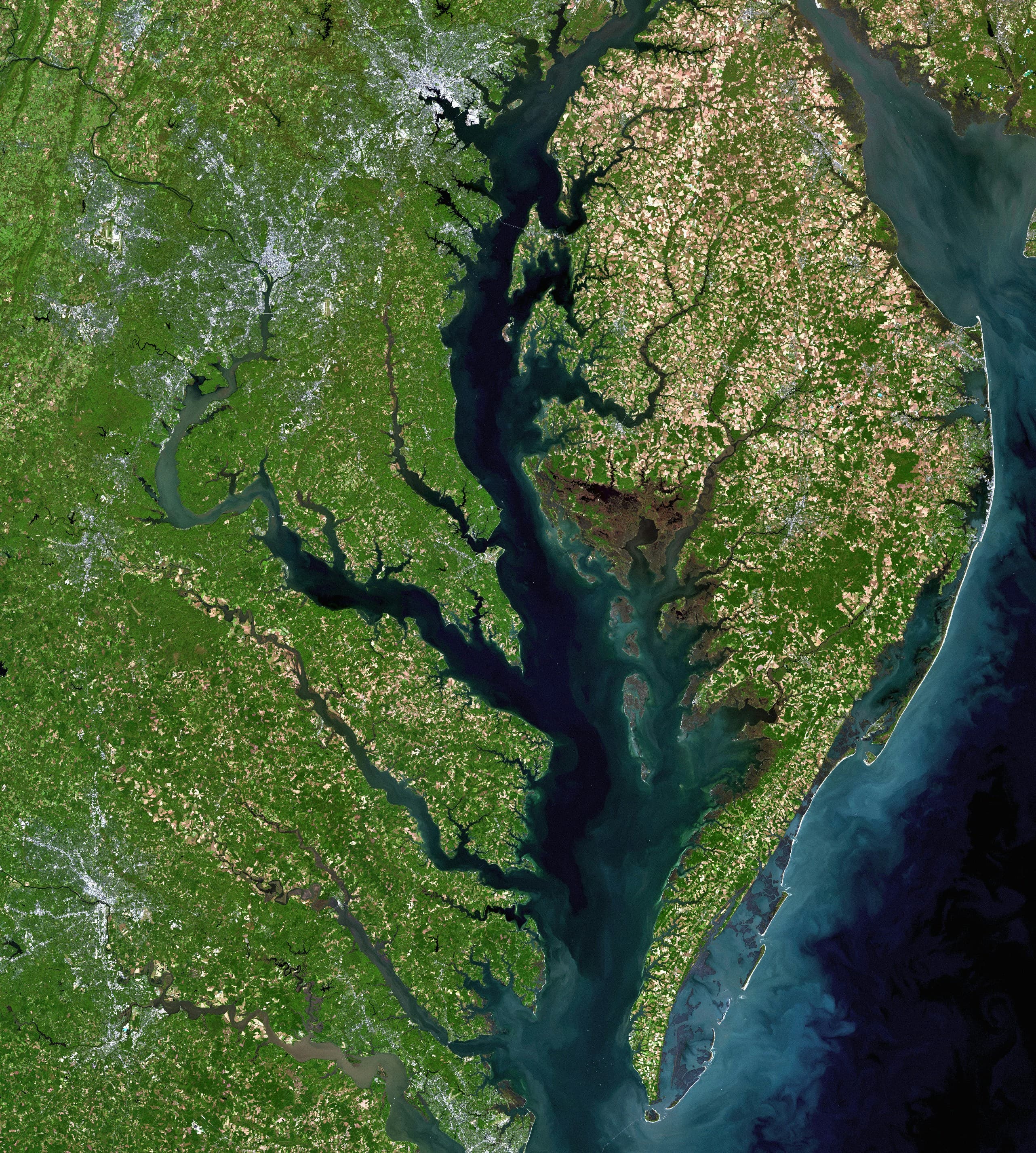
Western Maryland fall color peaks in mid to late October. Assateague enters a pleasant shoulder season with fewer mosquitoes. The C&O Canal towpath is at its best for cycling and camping. Cool, dry conditions.
Dec-Feb
High 40°F · Low 28°F
January averages 32 degrees. Western mountain campgrounds close or operate minimally. Assateague stays open year-round with cold, windy conditions. The C&O Canal campgrounds are accessible but basic.
| Season | Months | Avg High | Avg Low | Conditions |
|---|---|---|---|---|
| Spring | Mar-May | 60°F | 48°F | Azalea and dogwood blooms. |
| Summer | Jun-Aug | 80°F | 68°F | Peak season. |
| Fall | Sep-Nov | 60°F | 48°F | Western Maryland fall color peaks in mid to late October. |
| Winter | Dec-Feb | 40°F | 28°F | January averages 32 degrees. |
Source: NOAA 30-Year Climate Normals

| Region | Terrain | Key Areas |
|---|---|---|
| Western Panhandle | Mountain | Flintstone, Little Orleans, Oldtown, Oakland |
| Assateague Island | Coastal | Berlin, Ocean City, Snow Hill |
| C&O Canal Corridor | Plains | Williamsport, Hancock, Sharpsburg, Cumberland |
| Chesapeake Bay and Eastern Shore | Coastal | North East, Chestertown, Easton, Crisfield |
Mountain · Flintstone, Little Orleans, Oldtown, Oakland
The narrowest part of Maryland between West Virginia and Pennsylvania. Green Ridge State Forest provides the most extensive camping with 47,000 acres of forested ridges and the Potomac River corridor. Flintstone, Little Orleans, and Oldtown sit along the C&O Canal. Deep Creek Lake in Garrett County adds high-elevation lake camping at 2,400 feet. Green Ridge State Forest campsites near Flintstone and Ridge Rider Campground in Little Orleans provide the primary western Maryland options along the C&O Canal and Potomac River.
Coastal · Berlin, Ocean City, Snow Hill
A 37-mile barrier island split between Maryland and Virginia. Wild ponies roam the island freely. The Maryland side has both National Seashore and state park campgrounds behind the dunes. Ocean beach, bay marsh, and pine forest create varied terrain on a narrow island. Mosquitoes are intense in summer. Castaways RV Resort and Bayside Drive-in Campground near Berlin serve as mainland alternatives when island campgrounds fill.
Plains · Williamsport, Hancock, Sharpsburg, Cumberland
The 184-mile towpath from Washington DC to Cumberland along the Potomac River. Free hiker-biker campgrounds spaced every 5 to 7 miles. The canal passes through farmland, river gorges, and the Great Falls area. Cycling the full towpath is a multi-day camping trip. Williamsport and Hancock provide mid-trail services. Jellystone Park Williamsport and Hagerstown KOA Holiday serve the mid-canal corridor, while Happy Hills Campground in Hancock covers the western section.
Coastal · North East, Chestertown, Easton, Crisfield
The bay's eastern shore provides marsh, creek, and farmland camping. Elk Neck State Park near North East has bluff-top camping above the upper bay. Tuckahoe and Janes Island state parks serve the mid and lower shore. Crabbing and fishing define the recreation. Flatter terrain than the western mountains. Elk Neck State Park Campground and Charlestown Manor Beach and Campground near North East anchor the upper bay, while Duck Neck Campground in Chestertown serves the mid-shore.

Wild ponies roam freely on both the Maryland and Virginia sides of Assateague Island. On the Maryland side, ponies frequently walk through campgrounds. Maintain a safe distance (40 feet minimum). Do not feed or touch them. Ponies can bite and kick. The ponies are the most photographed attraction on the island.
Free hiker-biker campgrounds are spaced every 5 to 7 miles along the 184-mile towpath from DC to Cumberland. Sites have a fire ring, picnic table, and portable toilet. No reservation or fee. Water is available at some sites but not all. Most campers travel by bicycle, covering 30 to 50 miles per day.
Green Ridge State Forest and the surrounding ridges feel surprisingly remote given the state's small size. The panhandle narrows to 1.5 miles wide at one point. Cell service is spotty on the ridges. The terrain is genuine Appalachian ridge-and-valley country with views extending into West Virginia and Pennsylvania.
September through October. Summer (June through August) brings extreme mosquitoes and full campgrounds. Spring is pleasant but cooler water. Fall offers warm ocean water, mild air temperatures, reduced mosquitoes, and fewer crowds. Winter is accessible but cold and windy.
Green Ridge State Forest allows camping at designated primitive sites with an online permit. Savage River State Forest in western Maryland has similar options. State parks require designated campsites. Maryland has limited public land overall, so western Maryland provides most of the dispersed options.