A complete guide to camping in Louisiana
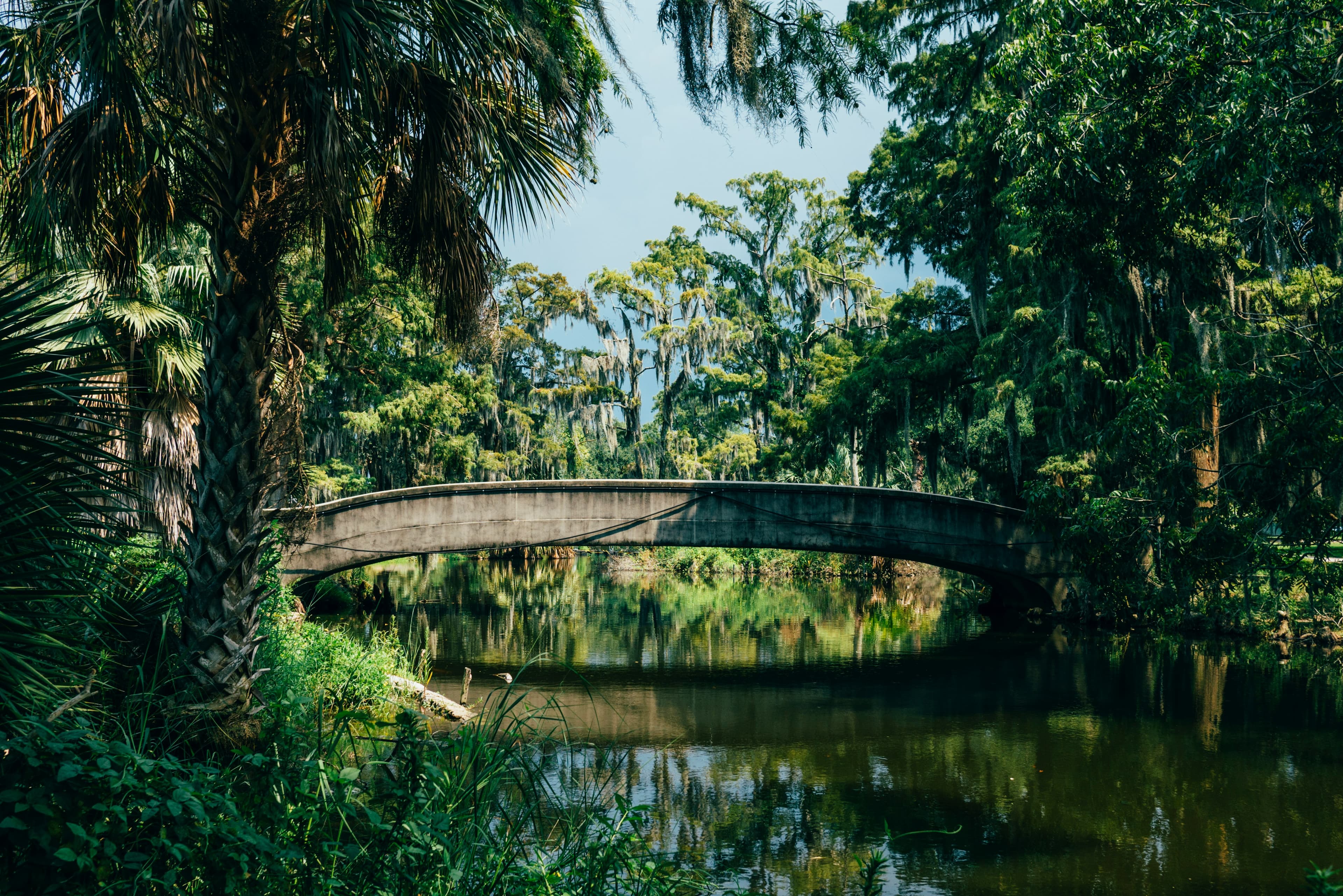
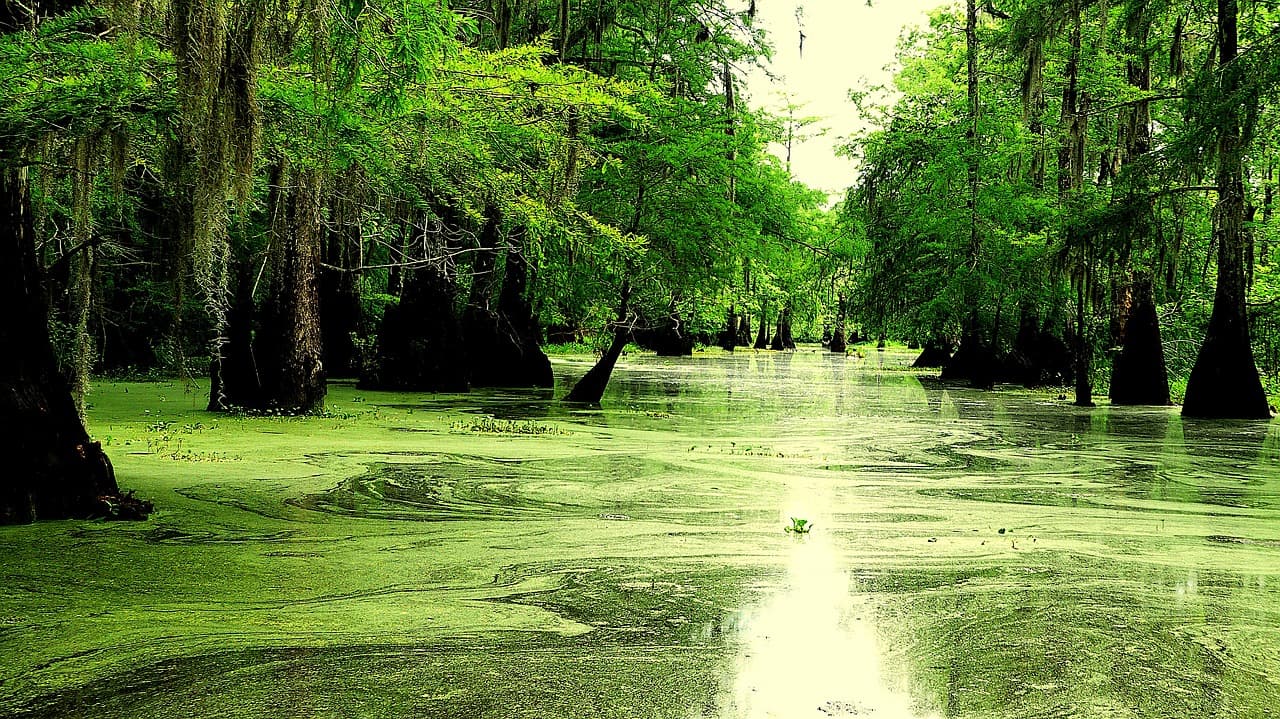
Louisiana camping happens at the water's edge. The state sits in the Mississippi River delta where bayous, swamps, coastal marshes, and the Gulf of Mexico define every camping region. Elevation rarely exceeds 50 feet outside the northwest corner, and much of the coast sits at or below sea level. Cameron, Lake Charles, and the Chenier Plain in the southwest anchor what passes for beach camping in Louisiana, where the coast is marsh and shell beach rather than sand dunes.
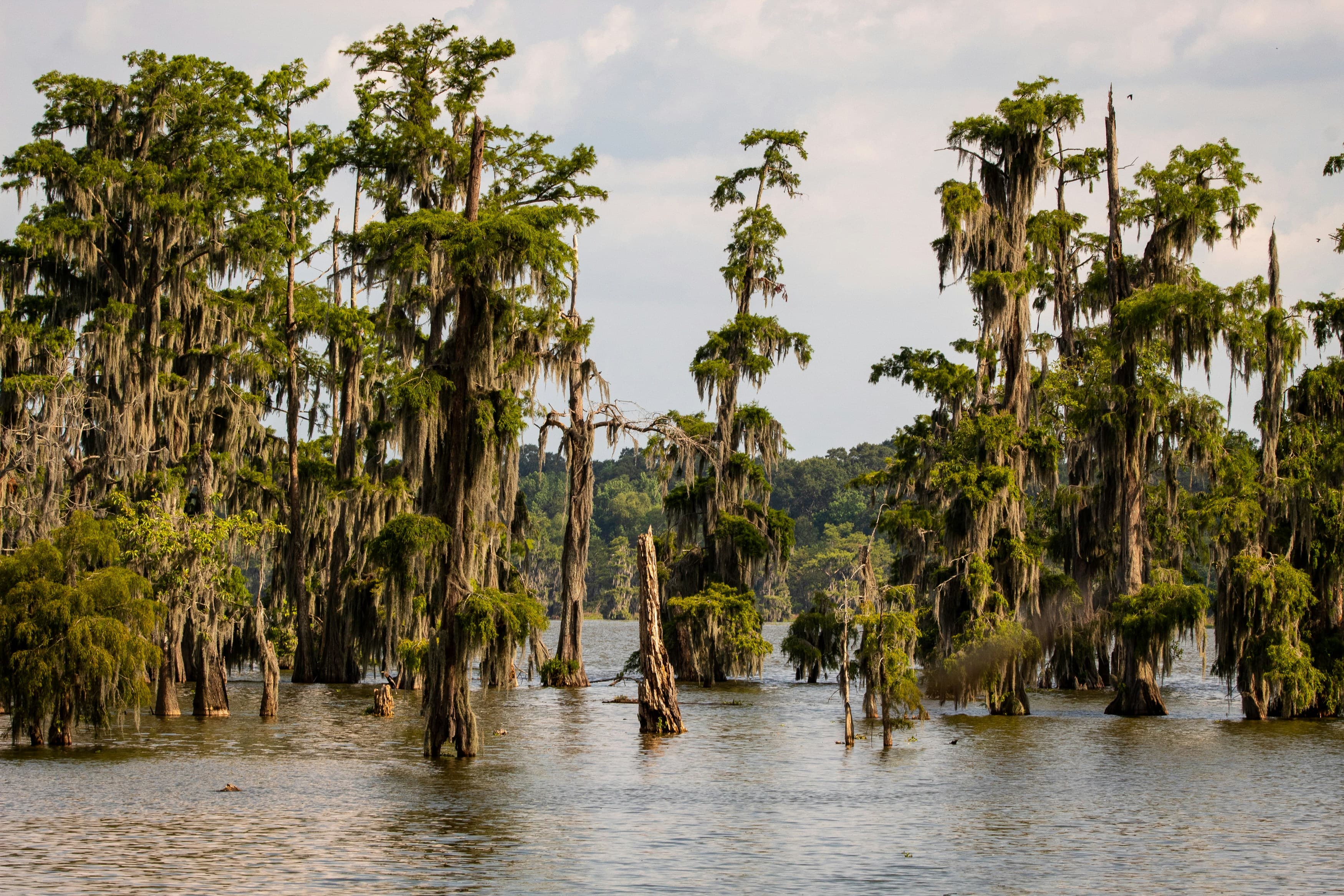
The northern half of the state rises into piney hills around Kisatchie National Forest, Louisiana's only national forest. DeRidder, Natchitoches, and the Red River corridor provide a drier, more forested camping character than the soggy south. The Atchafalaya Basin between Baton Rouge and Lafayette holds the largest river swamp in the country, with houseboat and levee-camp access for those who want to camp in the heart of Cajun bayou country. Mosquitoes, alligators, and humidity are constant factors statewide.
Mar-May
High 72°F · Low 60°F
Comfortable temperatures before summer heat sets in. Wildflowers bloom in the piney hills. Crawfish season peaks. Rivers and bayous run from winter rains. Mosquitoes emerge by April.
Jun-Aug
High 87°F · Low 75°F
Oppressive heat and humidity. Daily afternoon thunderstorms. Mosquitoes at peak levels. Hurricane season begins June 1. Coastal camping carries storm risk. Most campers avoid this window unless they are fishing or have good air conditioning in their RV.
Sep-Nov
High 72°F · Low 60°F
Hurricane risk continues through October. Temperatures moderate by November. Hunting season opens in the forests. The most comfortable coastal camping arrives in late fall. Migratory birding along the coast draws visitors.
Dec-Feb
High 57°F · Low 45°F
The best camping season. January averages 50 degrees. Mild days and cool nights. Mosquitoes are largely dormant. Coastal birding peaks. Campground crowds are light. Northern Louisiana gets occasional frost.
| Season | Months | Avg High | Avg Low | Conditions |
|---|---|---|---|---|
| Spring | Mar-May | 72°F | 60°F | Comfortable temperatures before summer heat sets in. |
| Summer | Jun-Aug | 87°F | 75°F | Oppressive heat and humidity. |
| Fall | Sep-Nov | 72°F | 60°F | Hurricane risk continues through October. |
| Winter | Dec-Feb | 57°F | 45°F | The best camping season. |
Source: NOAA 30-Year Climate Normals

| Region | Terrain | Key Areas |
|---|---|---|
| Kisatchie National Forest | Forest | DeRidder, Natchitoches, Winnfield, Homer |
| Southwest Coast and Cameron | Coastal | Cameron, Hackberry, Lake Charles, Sulphur |
| Atchafalaya Basin | Coastal | Henderson, Breaux Bridge, Port Sulphur, Pierre Part |
| North Louisiana and Red River | Plains | Shreveport, Monroe, Ruston, Minden |
Forest · DeRidder, Natchitoches, Winnfield, Homer
Louisiana's only national forest, scattered across the north-central part of the state in five ranger districts. Pine and hardwood hills at the highest elevations available in the state. The Longleaf Trail provides backpacking access. Developed campgrounds at Kistachie, Corney Lake, and Caney Lakes. Dispersed camping available. Bundick Lake Retreat and RV near DeRidder and Natchitoches Pecan Orchard RV Park provide developed options near the forest's main units.
Coastal · Cameron, Hackberry, Lake Charles, Sulphur
Marsh coast along the Gulf of Mexico. Cameron and Holly Beach sit on the Chenier Plain where cheniers (ancient beach ridges) provide the only high ground. Shell beaches rather than sand. Fishing camps and primitive coastal camping. Subject to hurricane damage. Rockefeller and Cameron Prairie wildlife refuges draw birders. Beachridge RV Park and Murphy's RV Park in Cameron, and Tru Lodging RV Park in Hackberry serve the remote chenier coast.
Coastal · Henderson, Breaux Bridge, Port Sulphur, Pierre Part
The largest river swamp in North America between Baton Rouge and Lafayette. Houseboat camping, levee-side camping, and boat-access sites in the basin interior. Cajun culture, crawfishing, and bass fishing drive the activity. Flooding is a seasonal reality. Henderson and Breaux Bridge sit on the basin's edge. Cajun Heritage RV Park and Poche's RV Park and Fish-N-Camp in Breaux Bridge provide basin-edge camping with bayou access.
Plains · Shreveport, Monroe, Ruston, Minden
Piney woods and rolling terrain in the northern third of the state. Lake Claiborne, Lake D'Arbonne, and Poverty Point Reservoir state parks provide lake camping. Drier and cooler than the south. Shreveport and Monroe serve as metro access points. Hunting leases cover much of the private land. Shreveport KOA Journey and The Ouachita RV Park in Monroe serve the northern piney woods corridor.

November through March. Winter brings mild temperatures (averaging 50 degrees in January), dormant mosquitoes, and minimal hurricane risk. Spring (March through May) is pleasant but mosquitoes return by April. Summer is hot, humid, bug-filled, and hurricane-prone. Avoid June through August unless you have strong insect tolerance.
Among the worst in the country. Louisiana's combination of standing water, warm temperatures, and humidity creates ideal mosquito habitat from April through October. Coastal and swamp camping is the most intense. DEET, head nets, long sleeves, and screened shelters are all necessary. Winter camping largely avoids the problem.
Camping in the Atchafalaya Basin requires a boat or houseboat for most interior access. Levee-side camping is available in some areas. Indian Bayou Campground and Atchafalaya Delta WMA provide access points. Water levels fluctuate with Mississippi River stages. The experience is unlike any other camping in the country.
Kisatchie National Forest permits dispersed camping on forest land with no fee or permit. This is the only national forest in the state. State parks and wildlife management areas have designated campsites. Louisiana has less public land than most states, so options are more limited.
Alligators are present at virtually every campground near water in the southern two-thirds of the state. They are generally not aggressive toward humans but will investigate food sources. Keep all food stored properly, never feed alligators, and supervise children near any shoreline. Night encounters are more common as alligators are most active after dark.