A complete guide to camping in Iowa

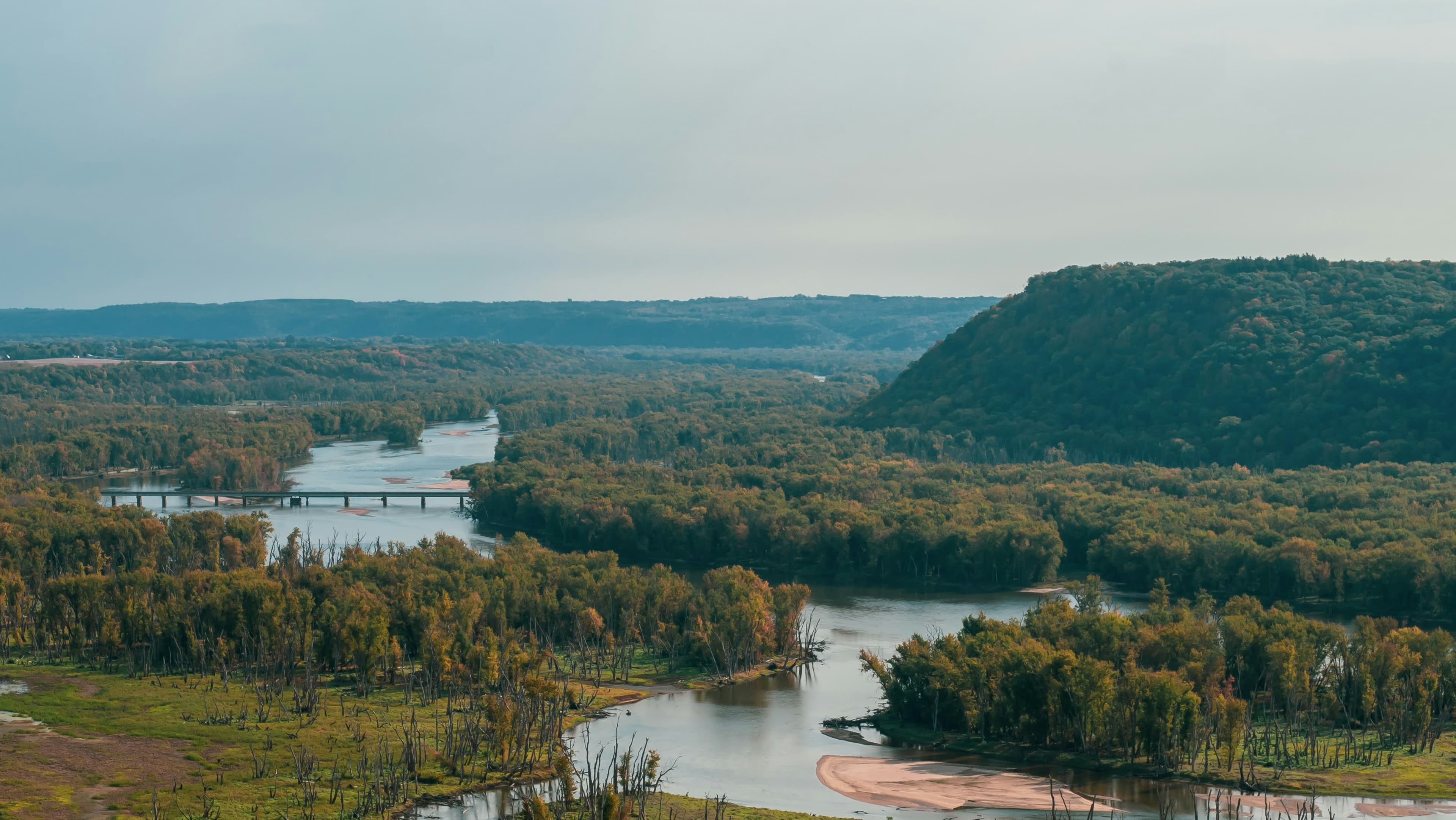
Iowa camping follows the rivers and the northeast corner bluffs. The Driftless Area in the northeast, where glaciers never reached, creates Iowa's most distinctive terrain with limestone bluffs, cold trout streams, and deep valleys around Decorah and Guttenberg. This corner of the state looks more like the Ozarks than the flat cornfields that define Iowa's popular image. Effigy Mounds National Monument along the Mississippi preserves ancient burial mounds on river bluffs.
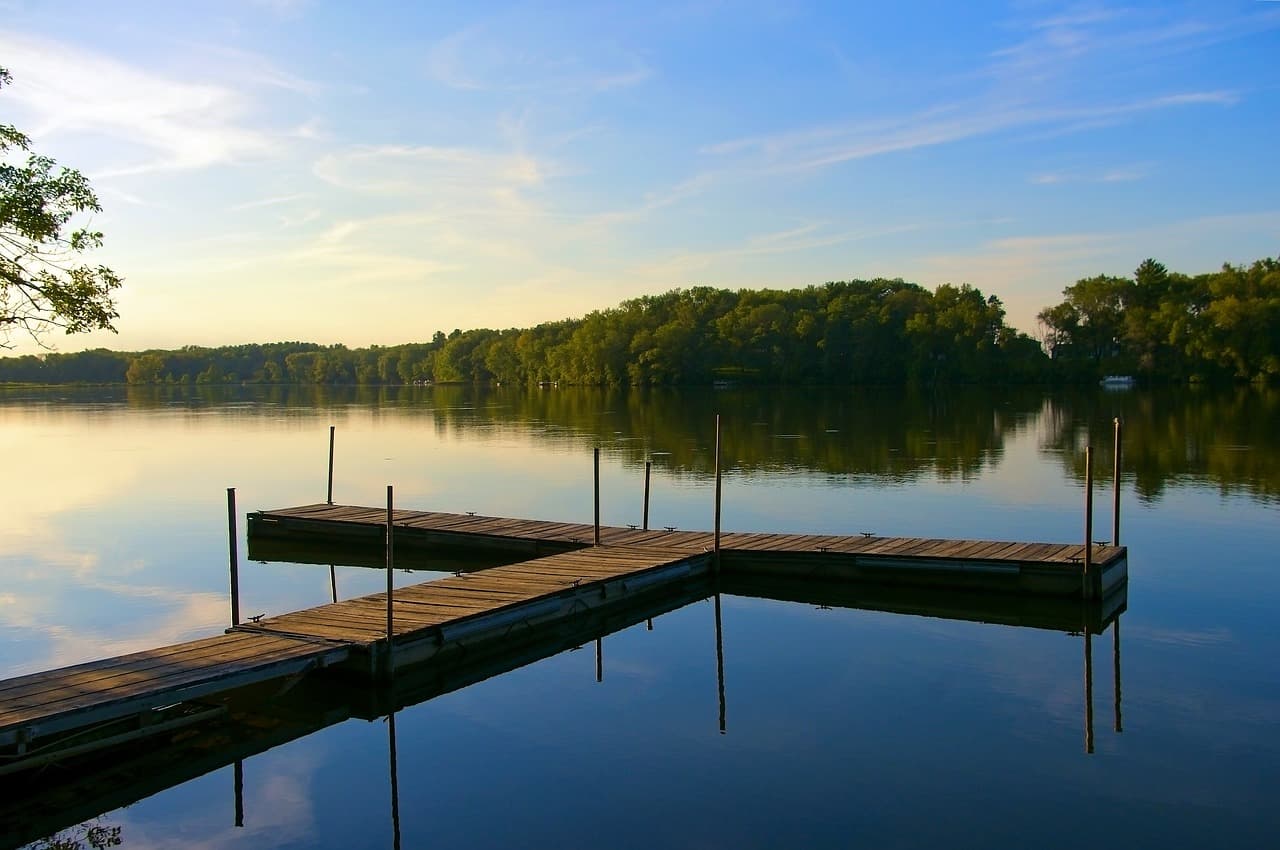
The rest of Iowa's camping spreads across state parks and county conservation areas along the Des Moines, Iowa, and Mississippi rivers. Backbone State Park near Strawberry Point holds one of the oldest and most developed campgrounds in the state system. The southern tier around Moravia and the Rathbun Lake area provides quieter lake camping. Iowa's camping infrastructure leans heavily on its state parks, which are well-maintained and affordable. Public land is limited compared to western states, so most camping happens at designated facilities.
Mar-May
High 53°F · Low 41°F
Prairie wildflowers emerge. Rivers run high from snowmelt. Trout season opens in the northeast streams. Temperatures climb into the 60s. Tornado season increases through May.
Jun-Aug
High 77°F · Low 65°F
Peak season. Lake and river campgrounds fill on weekends. July averages 73 degrees. Humidity builds. Corn grows tall enough to block wind by late July. Firefly season in June and July.
Sep-Nov
High 53°F · Low 41°F
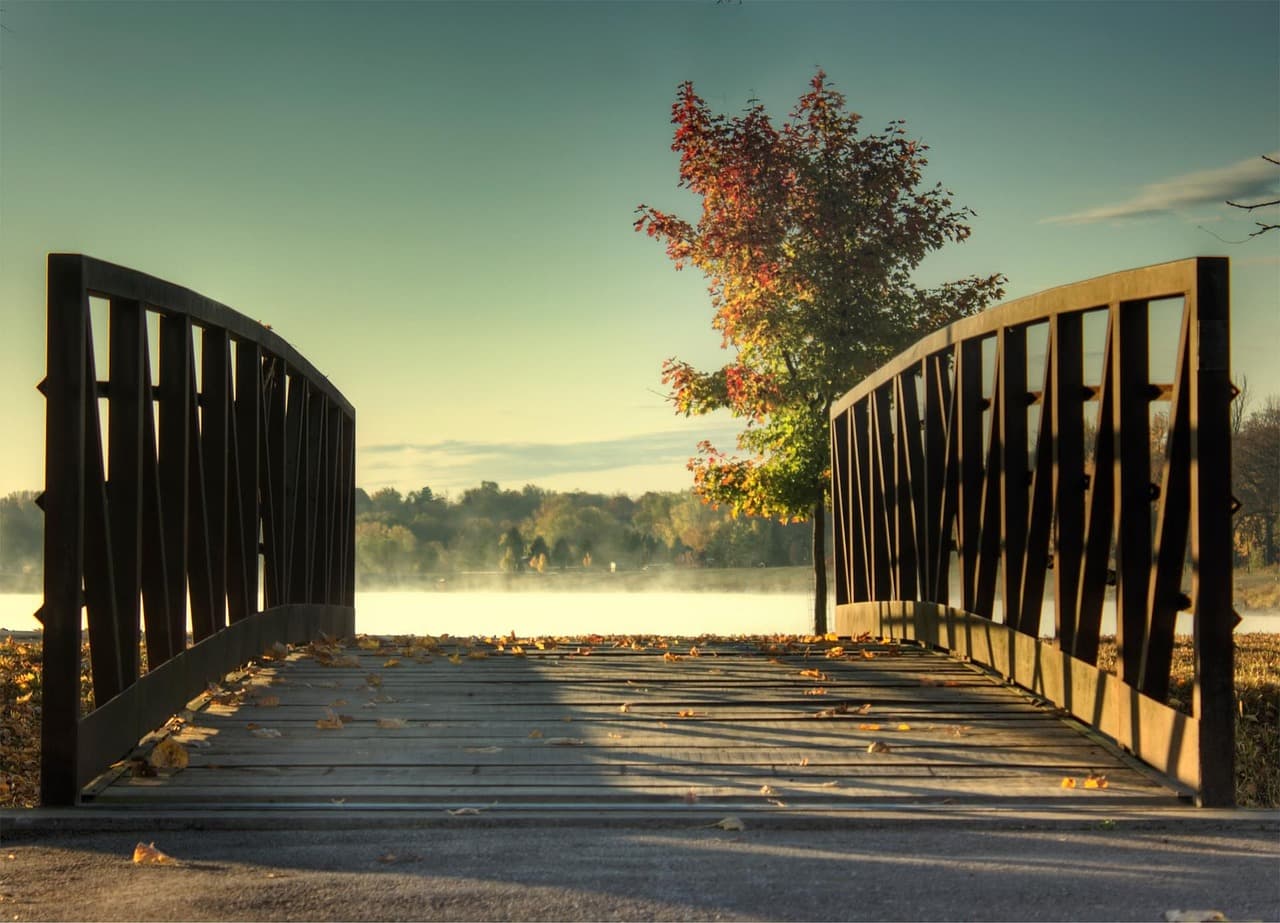
Driftless Area fall color peaks in mid to late October. Mississippi bluffs turn. Campgrounds thin after Labor Day. Cool nights and dry conditions. Excellent cycling weather along Iowa trails.
Dec-Feb
High 28°F · Low 16°F
January averages 20 degrees. Most campgrounds close. The Driftless Area gets more snow than the rest of the state. Cross-country skiing replaces camping in the northeast hills.
| Season | Months | Avg High | Avg Low | Conditions |
|---|---|---|---|---|
| Spring | Mar-May | 53°F | 41°F | Prairie wildflowers emerge. |
| Summer | Jun-Aug | 77°F | 65°F | Peak season. |
| Fall | Sep-Nov | 53°F | 41°F | Driftless Area fall color peaks in mid to late October. |
| Winter | Dec-Feb | 28°F | 16°F | January averages 20 degrees. |
Source: NOAA 30-Year Climate Normals

| Region | Terrain | Key Areas |
|---|---|---|
| Driftless Area and Northeast | Mountain | Decorah, Guttenberg, McGregor, Marquette |
| Mississippi River Bluffs | Plains | Dubuque, Bellevue, Burlington, Davenport |
| Central Iowa and Des Moines | Lakefront | Polk City, Ogden, Boone, Pella |
| Southern Iowa Lakes | Lakefront | Moravia, Lucas, Centerville, Chariton |
Mountain · Decorah, Guttenberg, McGregor, Marquette
Unglaciated terrain with limestone bluffs, trout streams, and deep valleys. Decorah, Guttenberg, and the Upper Iowa River corridor anchor the camping. Effigy Mounds National Monument preserves ancient earthworks on Mississippi bluffs. Pikes Peak State Park has the most dramatic river overlook in the state. The most scenic camping in Iowa. Bluffton Resort and Bar and Pulpit Rock Campground near Decorah, and Miners Creek Hideout in Guttenberg serve the Driftless bluff country.
Plains · Dubuque, Bellevue, Burlington, Davenport
The eastern border runs along the Mississippi with bluff-top and riverside state parks. Bellevue, Palisades-Kepler, and Wildcat Den state parks provide developed camping on or near the river. Historic river towns like Dubuque and Burlington add cultural day-trip access. Miller Riverview Park in Dubuque and Riverview RV Park in Bellevue provide developed camping along the Mississippi bluffs.
Lakefront · Polk City, Ogden, Boone, Pella
Ledges State Park near Boone provides the best sandstone canyon camping near the state capital. Saylorville and Red Rock reservoirs north and south of Des Moines offer lake camping. Big Creek State Park serves the metro population. Flatter terrain with more agricultural surroundings. Prairie Flower Campground near Polk City and Don Williams Recreation Area near Ogden serve the Des Moines metro weekend camping demand.
Lakefront · Moravia, Lucas, Centerville, Chariton
Rathbun Lake and Lake Red Rock provide the largest waterfront camping in southern Iowa. Moravia and Lucas anchor a quieter region away from metro traffic. Honey Creek Resort State Park on Rathbun has the most developed facilities. Rolling terrain with more woodland than the central prairies. Coyote Ridge Campground near Moravia and Singing Mesa Ranch near Lucas anchor the southern lake camping.

A region in northeast Iowa (extending into Wisconsin, Minnesota, and Illinois) that was never flattened by glaciers. The result is hilly terrain with limestone bluffs, cold trout streams, caves, and deep valleys. It looks nothing like the stereotypical flat Iowa landscape. Decorah and the Upper Iowa River corridor are the primary camping destinations.
Iowa has very limited public land. No national forests or BLM land. State parks and county conservation areas require designated campsites. Yellow River State Forest in the Driftless Area allows backcountry camping with a permit. Most camping happens at developed state park and county campgrounds.
Iowa averages 50 tornadoes per year with peak activity in May and June. All state park campgrounds have designated storm shelters. Monitor weather alerts during spring and early summer camping. Tornadoes can occur with little warning. Have a plan to reach shelter within minutes.
Ledges State Park near Boone (40 minutes northwest) has sandstone canyons and the Des Moines River. Big Creek State Park (20 minutes north) provides lake camping. Saylorville Lake and Red Rock Lake both have Corps of Engineers campgrounds within 30 minutes. Walnut Woods on the Raccoon River is the closest state park.
Many state park campgrounds sit on or near productive fishing water. Northeast Iowa trout streams are stocked and have wild populations. Rathbun Lake and the Mississippi River provide warm-water fishing for bass, catfish, and walleye. An Iowa fishing license is required. Trout stamps are additional in designated streams.