A complete guide to camping in Indiana

Indiana camping builds around state parks, reservoirs, and the forested hills of the southern third of the state. Brown County State Park near Nashville anchors the most popular camping destination, where wooded hills and the artisan-town atmosphere draw visitors from Indianapolis and Louisville. The terrain in southern Indiana rolls through the unglaciated hill country, with sandstone outcrops, cave systems, and hardwood forest that distinguish it from the flat farmland covering the northern two-thirds of the state.
Turkey Run and Shades state parks in the west-central region provide sandstone gorge camping along Sugar Creek. The Indiana Dunes National Park on Lake Michigan's southern shore adds coastal camping within reach of the Chicago metro. Monroe Lake and Patoka Lake in the south provide the largest waterfront camping options. The Hoosier National Forest covers 200,000 acres of hill country with developed campgrounds and dispersed camping. Peru, Angola, and the northern lake region serve weekenders from Fort Wayne and South Bend.
Mar-May
High 57°F · Low 45°F
Wildflowers bloom through the southern hills. Temperatures reach the 60s and 70s. Redbud and dogwood season in April. Campgrounds open by April. Creek levels run high for wading at Turkey Run.
Jun-Aug
High 78°F · Low 66°F
Peak season. Brown County and Indiana Dunes fill on weekends. Lake campgrounds draw swimmers and boaters. July averages 74 degrees. Humidity builds through summer. Firefly season from June through July in the southern hills.
Sep-Nov
High 57°F · Low 45°F
Brown County fall color peaks in mid to late October and draws the heaviest single-season traffic in the state. Nashville shops and Brown County State Park campground fill weeks ahead. Statewide color follows through early November.
Dec-Feb
High 35°F · Low 23°F
January averages 27 degrees. Most campgrounds close or operate with reduced services. Indiana Dunes stays accessible year-round. The southern hills offer occasional mild winter camping weekends.
| Season | Months | Avg High | Avg Low | Conditions |
|---|---|---|---|---|
| Spring | Mar-May | 57°F | 45°F | Wildflowers bloom through the southern hills. |
| Summer | Jun-Aug | 78°F | 66°F | Peak season. |
| Fall | Sep-Nov | 57°F | 45°F | Brown County fall color peaks in mid to late October and draws the heaviest single-season traffic in the state. |
| Winter | Dec-Feb | 35°F | 23°F | January averages 27 degrees. |
Source: NOAA 30-Year Climate Normals

| Region | Terrain | Key Areas |
|---|---|---|
| Brown County and Nashville | Forest | Nashville, Bloomington, Columbus, Morgantown |
| Indiana Dunes and Lake Michigan | Coastal | Chesterton, Michigan City, Portage, Valparaiso |
| Turkey Run and Sugar Creek | Forest | Rockville, Marshall, Crawfordsville |
| Hoosier National Forest | Forest | Bedford, Tell City, Paoli, English |
| Northern Lakes | Lakefront | Angola, Peru, Monticello, Warsaw |
Forest · Nashville, Bloomington, Columbus, Morgantown
The most popular camping destination in Indiana. Brown County State Park is the largest state park in the system with over 15,000 acres of forested hills. Nashville's artisan shops, restaurants, and galleries provide a town-based complement to the camping. Fall color draws the biggest crowds. Monroe Lake sits nearby with additional waterfront camping. Friends O' Mine Campground and Cabins and Away A Day RV Campground in Nashville, and Jellystone Park at Lake Monroe near Bloomington serve the Brown County corridor.
Coastal · Chesterton, Michigan City, Portage, Valparaiso
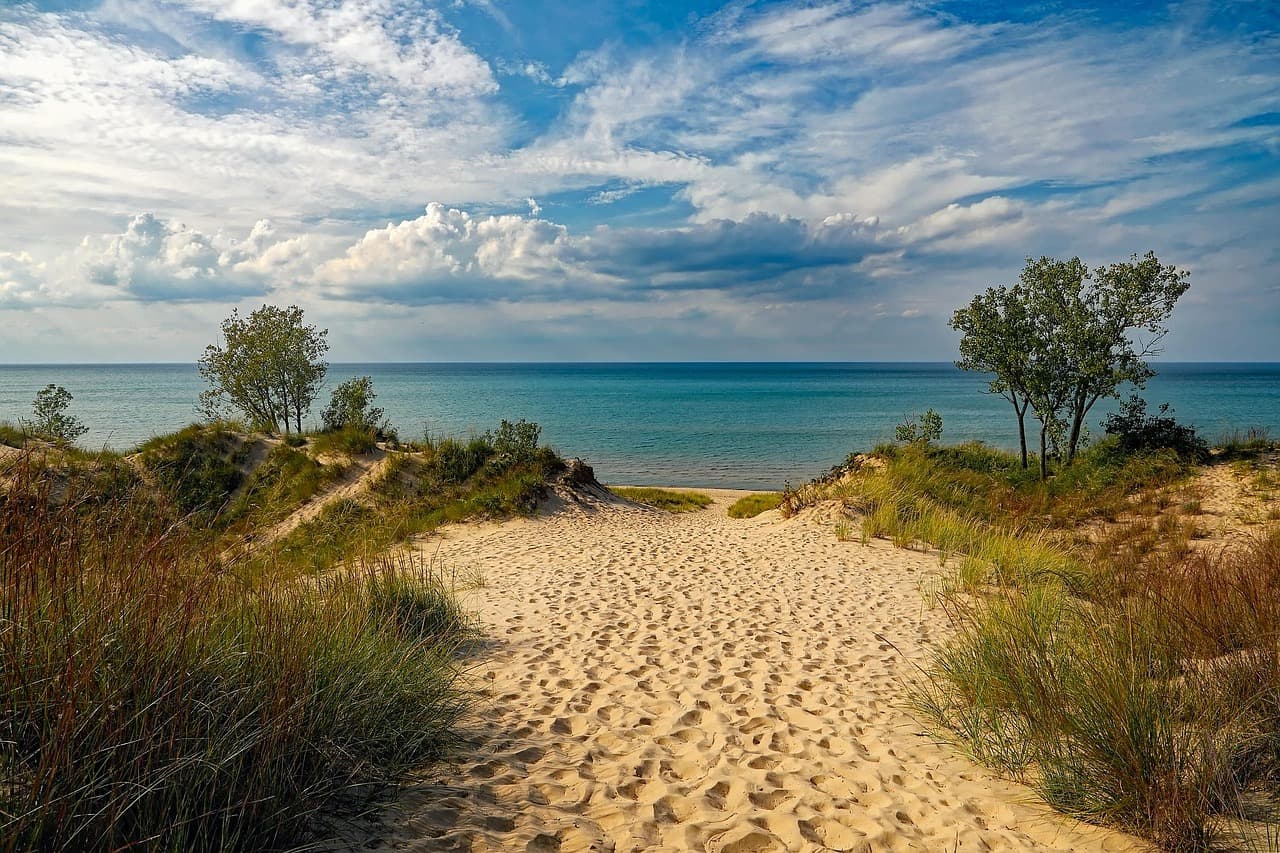
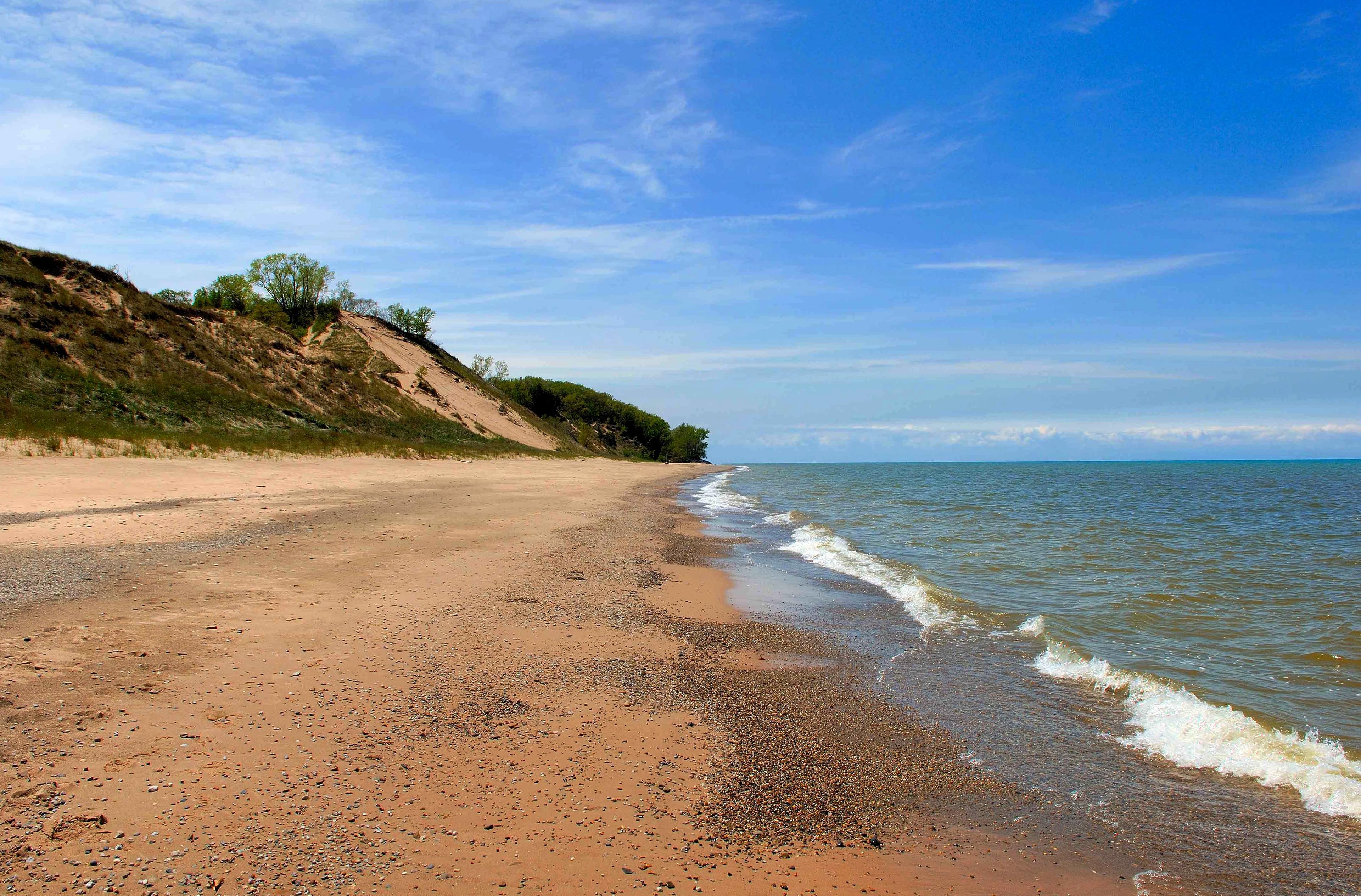
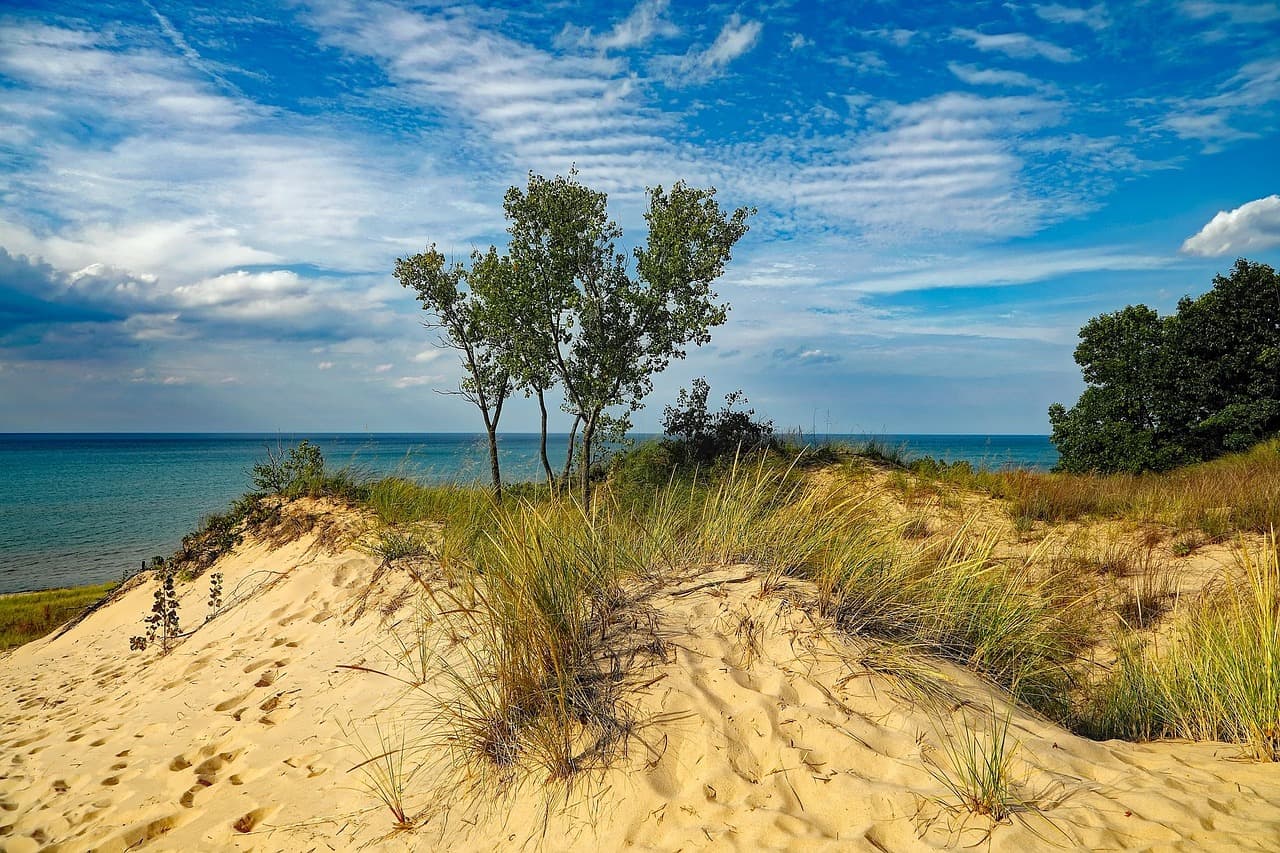
Indiana Dunes National Park protects 15 miles of Lake Michigan shoreline with sandy beaches, dune formations, and oak savanna. Dunewood campground sits in the national park. Indiana Dunes State Park adds additional camping. The most geographically unique camping in the state, accessible from Chicago in under an hour. Sand Creek Campground in Chesterton and Michigan City Campground provide developed options near the national park shoreline.
Forest · Rockville, Marshall, Crawfordsville
Sandstone canyons, covered bridges, and creek-wading trails define Turkey Run and Shades state parks in west-central Indiana. Sugar Creek runs through both parks. Canoeing the creek is a long-standing tradition. The terrain is rugged by Indiana standards, with ladder trails descending into narrow gorges. Turkey Run State Park Campground near Marshall and Rockville Lake Park in Rockville anchor the Sugar Creek canyon camping.
Forest · Bedford, Tell City, Paoli, English
Southern Indiana's 200,000-acre national forest covering unglaciated hill country. Developed campgrounds at Hardin Ridge (on Monroe Lake) and dispersed camping throughout. The Charles C. Deam Wilderness provides backcountry hiking. Sandstone outcrops, cave openings, and hardwood forest. Camp Bedford and Free Spirit Campground near Bedford, and Tipsaw Recreation Area near Tell City provide developed and dispersed forest options.
Lakefront · Angola, Peru, Monticello, Warsaw
Glacial lakes across the northern third of the state. Pokagon State Park near Angola has one of the most developed campground and cabin systems in Indiana. Chain O'Lakes and Mississinewa Lake provide additional options. Flatter terrain and more agricultural character than the south. Peru and Monticello anchor the Wabash River area. Happy Acres Campground and Angola KOA Holiday near Angola, and Misthaven Resort in Peru serve the glacial lake and Wabash River regions.

Mid to late October. The hardwood hills around Nashville and Brown County State Park produce some of the best fall color in the Midwest. Peak timing varies by a week depending on temperature patterns. Weekday visits avoid the worst of the weekend crowds. Book campground reservations months ahead for October.
Dunewood Campground in Indiana Dunes National Park has walk-in sites in a wooded setting near the beach. Indiana Dunes State Park on the same shoreline has a larger campground. Both fill on summer weekends. The national park campground is more primitive. The state park has more amenities.
The Hoosier National Forest in southern Indiana permits dispersed camping on most forest land. No fee or permit required. The Charles C. Deam Wilderness within the forest has backpacking campsites. State parks require designated campsites. Indiana has less public land than many states, so options are concentrated in the south.
Turkey Run State Park features sandstone gorges with ladder trails descending into narrow, fern-lined canyons. Sugar Creek runs through the park and is popular for canoeing. The campground sits on a bluff above the creek. The terrain is surprisingly rugged for Indiana. Spring and fall are the most comfortable seasons.
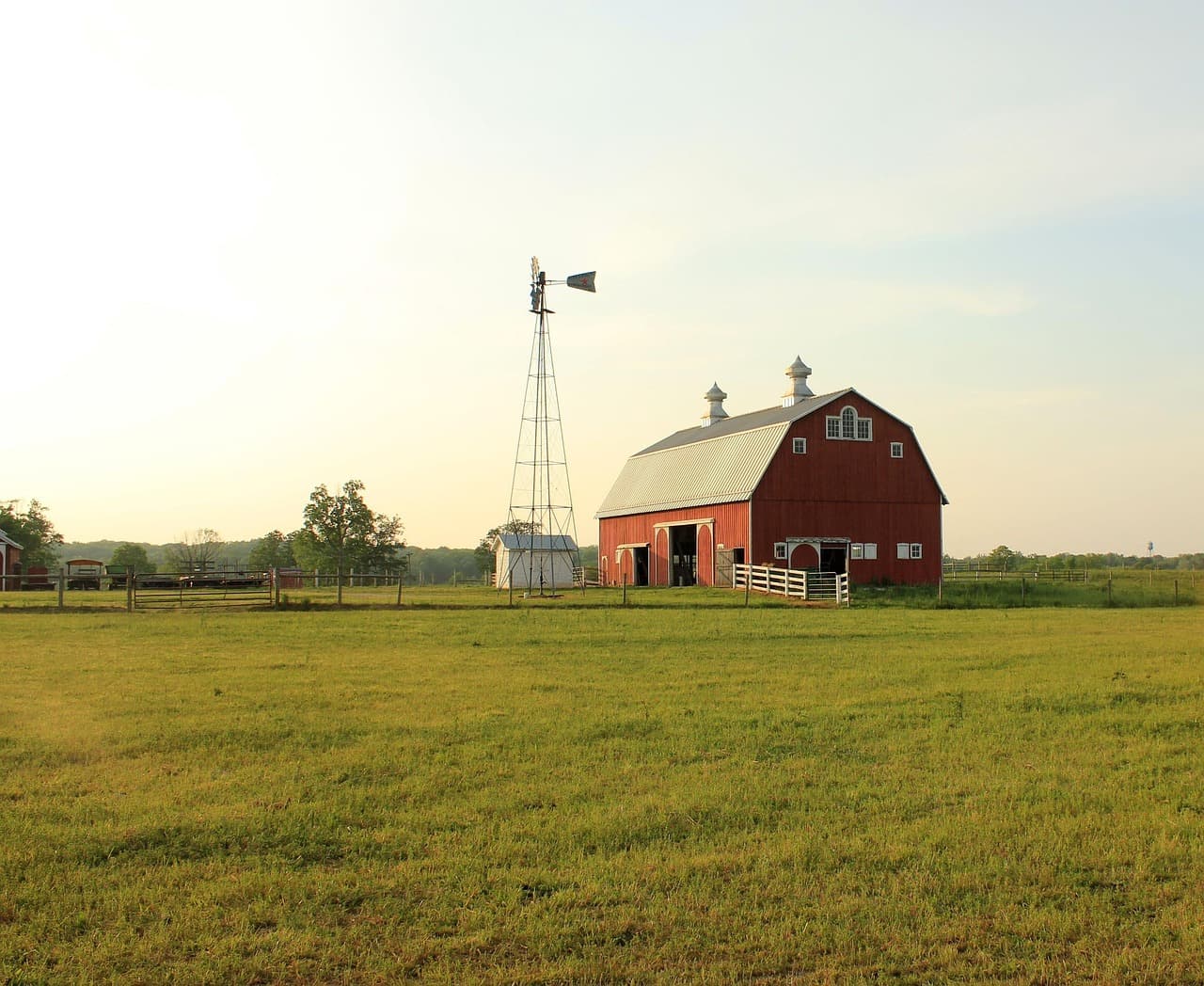
The northern two-thirds of the state is genuinely flat glacial till. Southern Indiana is different. The unglaciated hill country south of Indianapolis rolls through forested ridges and sandstone hollows. Brown County, Turkey Run, and the Hoosier National Forest feel more like the Ozarks than the stereotypical Indiana farmland.