A complete guide to camping in Illinois
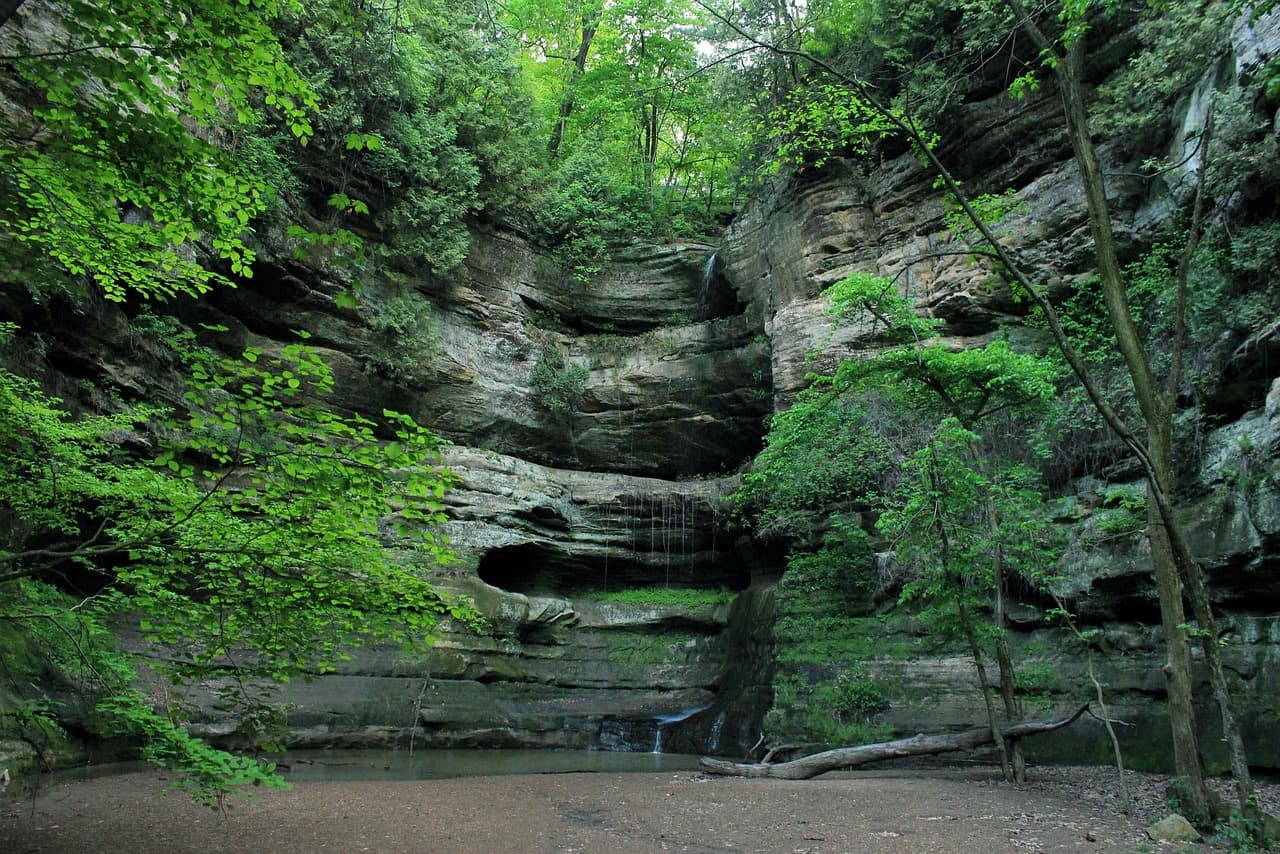
Illinois camping concentrates in two zones: the Shawnee National Forest in the far south and the state park system scattered across the northern and central regions. The southern tip of Illinois where it meets Kentucky and Missouri holds the state's most dramatic terrain. Sandstone bluffs, cypress swamps, and the Garden of the Gods rock formations create a landscape that surprises visitors expecting flat prairie. Golconda, Benton, and the Ohio River corridor anchor this region.
The rest of Illinois is predominantly flat agricultural land with camping organized around rivers, reservoirs, and scattered state parks. Starved Rock State Park along the Illinois River draws the heaviest single-destination traffic in the northern half. Carlyle Lake, the largest man-made lake in the state, provides waterfront camping in the central region. The Chicago metro population drives demand at nearby state parks, making weekend reservations competitive at any park within a two-hour drive of the city.
Mar-May
High 57°F · Low 45°F
Wildflowers bloom through the Shawnee hills. Temperatures reach the 60s and 70s. Starved Rock waterfalls run fullest with spring rain. Campgrounds open by April. Ticks emerge.
Jun-Aug
High 79°F · Low 67°F
Hot and humid, especially in the south. July averages 75 degrees statewide. Lake campgrounds fill on weekends. Starved Rock and the Shawnee draw steady traffic. Afternoon thunderstorms. Mosquitoes near standing water.
Sep-Nov
High 57°F · Low 45°F
Fall color in the Shawnee peaks in late October. Starved Rock canyon colors follow. Cooler, drier conditions. Reduced campground pressure after Labor Day. One of the most pleasant camping windows.
Dec-Feb
High 34°F · Low 22°F
January averages 26 degrees. Most campgrounds close or operate with limited services. Southern Illinois stays milder. Starved Rock and Matthiessen are popular for winter hiking without camping.
| Season | Months | Avg High | Avg Low | Conditions |
|---|---|---|---|---|
| Spring | Mar-May | 57°F | 45°F | Wildflowers bloom through the Shawnee hills. |
| Summer | Jun-Aug | 79°F | 67°F | Hot and humid, especially in the south. |
| Fall | Sep-Nov | 57°F | 45°F | Fall color in the Shawnee peaks in late October. |
| Winter | Dec-Feb | 34°F | 22°F | January averages 26 degrees. |
Source: NOAA 30-Year Climate Normals

| Region | Terrain | Key Areas |
|---|---|---|
| Shawnee National Forest | Forest | Golconda, Harrisburg, Carbondale, Elizabethtown |
| Starved Rock and Illinois River | Plains | Utica, Ottawa, Peru, Oglesby |
| Carlyle Lake and Central Illinois | Lakefront | Carlyle, Benton, Vandalia, Salem |
| Northern Illinois and Chicago Access | Plains | Thomson, Naperville, Kankakee, Rockford |
Forest · Golconda, Harrisburg, Carbondale, Elizabethtown
The southern tip of Illinois where the Ozark and Shawnee hills meet the Ohio River. Sandstone bluffs, natural bridges, and cypress swamps create the most varied terrain in the state. Garden of the Gods and Rim Rock provide the most photographed rock formations. Dispersed camping permitted throughout the forest. Oak Point Campground near Golconda and Williams Hill Pass RV Campground near Harrisburg provide developed bases at the forest edges.
Plains · Utica, Ottawa, Peru, Oglesby
Starved Rock State Park draws over two million visitors annually to its 18 sandstone canyons along the Illinois River. The campground is the most in-demand in the state. Matthiessen State Park adjacent adds more canyon hiking without camping. The Illinois River valley provides the scenic corridor. Kayak Starved Rock Campground near Ottawa provides the closest camping to the state park canyon system.
Lakefront · Carlyle, Benton, Vandalia, Salem
The largest man-made lake in Illinois with Army Corps of Engineers campgrounds along the eastern shore. Flat terrain with agricultural surroundings. The lake provides fishing, boating, and swimming access. More available than state parks during peak season. Carlyle Lake Dam West Campground on the lake and Benton KOA Journey provide the primary camping options in the central region.
Plains · Thomson, Naperville, Kankakee, Rockford
State parks serving the Chicago metro within a two-hour drive. Chain O'Lakes, Illinois Beach, and Kankakee River state parks draw weekend crowds. Flat to gently rolling terrain with prairie and woodland mix. The Mississippi Palisades along the western border at Thomson add river-bluff camping. Thomson Causeway Recreation Area on the Mississippi and Greene Valley Campground near Naperville anchor the northern camping corridor.

The southern tip of Illinois sits on the Ozark Plateau and the Shawnee Hills, creating terrain with sandstone bluffs, natural arches, and cypress swamps. It looks and feels more like Kentucky or the Ozarks than the flat prairie that covers most of the state. Garden of the Gods and Bell Smith Springs are the standout areas.
As far as the six-month window allows. Spring waterfall season and fall color weekends are the hardest to get. Weekday availability is better. Matthiessen State Park nearby has similar canyon terrain without camping, so day-trip alternatives exist if campground reservations are full.
Shawnee National Forest in southern Illinois permits dispersed camping on forest land. No fee or permit required. State parks require designated campsites. Illinois has less public land than most states, so Shawnee is the primary dispersed option.
Carlyle Lake offers crappie, bass, and catfish. The Ohio River along the southern border has channel catfish and sauger. Kankakee River and the Illinois River provide smallmouth bass. A state fishing license is required. Many state park campgrounds sit on or near productive fishing water.
Starved Rock State Park has 18 canyons with seasonal waterfalls that run strongest after rain and snowmelt in spring. Matthiessen State Park has a waterfall in its lower canyon. Burden Falls and Jackson Falls in the Shawnee National Forest provide year-round falls. Waterfall flow depends heavily on recent rainfall.