A complete guide to camping in Georgia

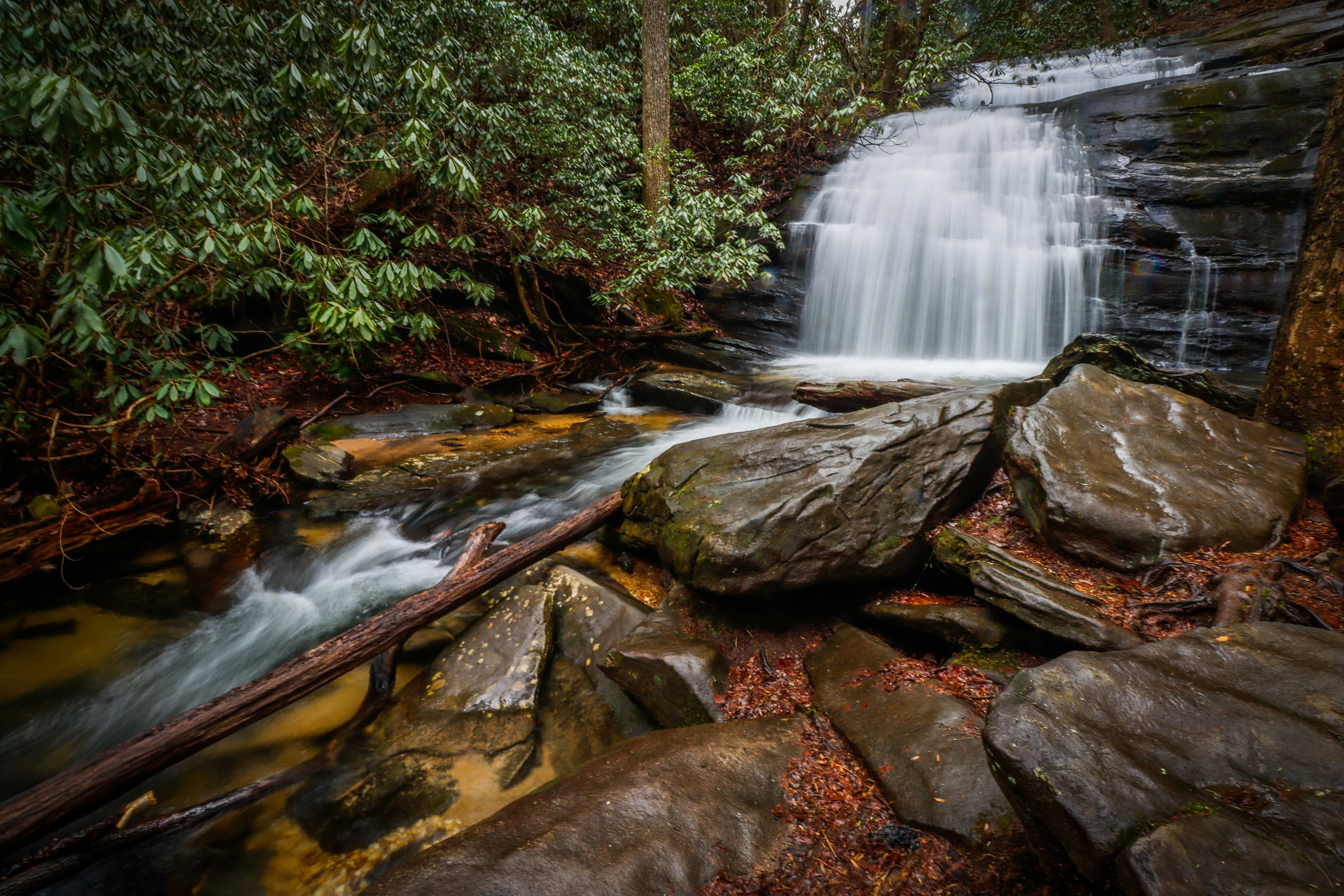
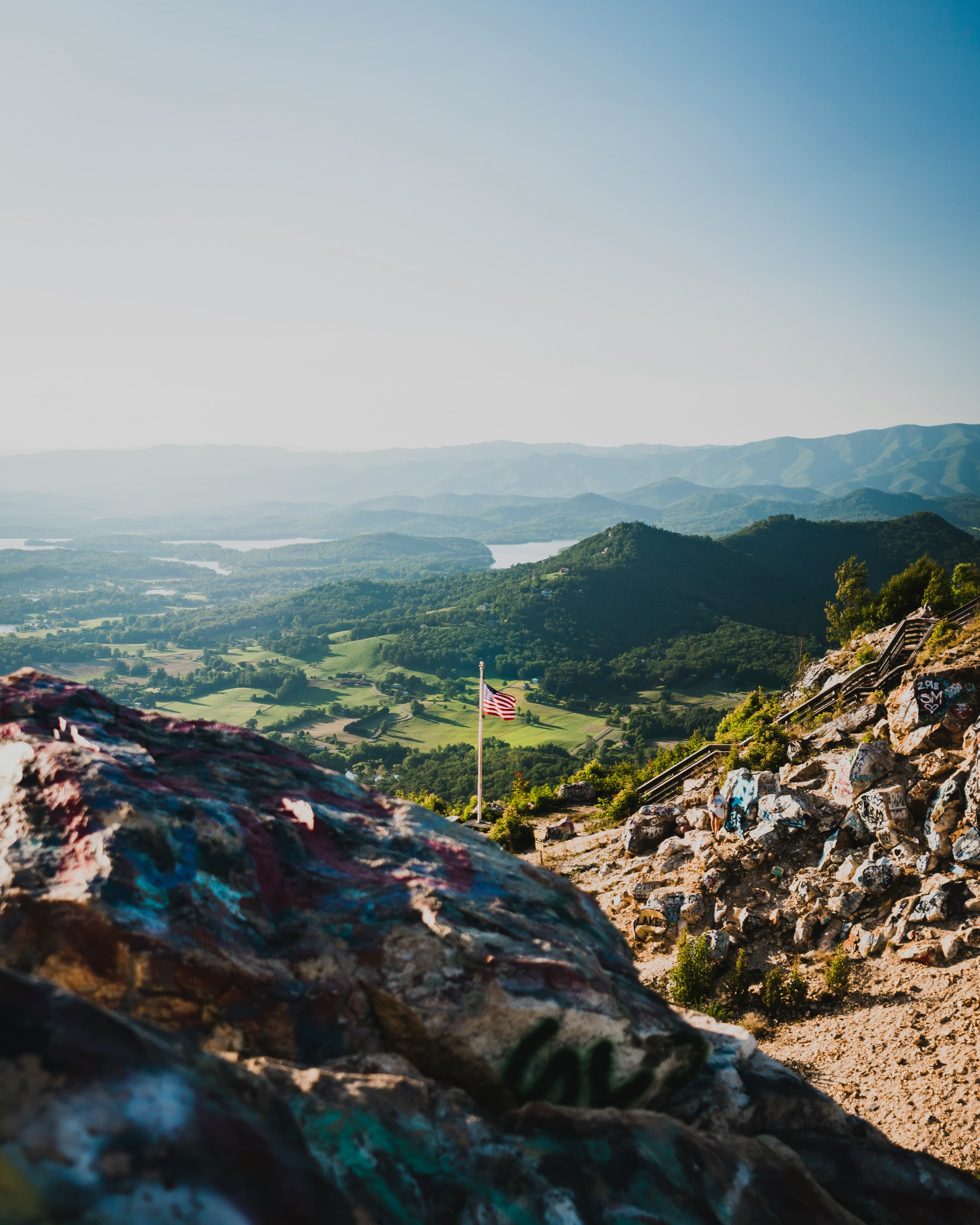
Georgia's camping terrain runs from the Appalachian Mountains in the north to the Atlantic barrier islands and coastal marshes in the south. The northern mountains around Blairsville, Hiawassee, and Cleveland sit in the southern Appalachians, where the Appalachian Trail begins its northward path at Springer Mountain. Elevations reach 2,800 feet in the camping zones, with hardwood forest, waterfalls, and mountain streams similar to western North Carolina but with fewer crowds.
The coastal region anchors the other end of the state. Savannah, Jekyll Island, and Cumberland Island National Seashore draw beach campers and history-oriented visitors. Between the mountains and coast, the Piedmont and Coastal Plain hold a mix of state parks and private campgrounds along rivers and reservoirs. Pine Mountain and Callaway Gardens serve the Columbus and Atlanta metro areas. The state's long growing season means campgrounds operate year-round, with spring and fall offering the most comfortable temperatures across all regions.
Mar-May
High 68°F · Low 56°F
Dogwood and azalea blooms in the mountains and Piedmont. Comfortable temperatures statewide. Mountain streams run high from winter rain. One of the best camping windows before summer humidity arrives.
Jun-Aug
High 84°F · Low 72°F
Hot and humid across the Piedmont and coast. Mountain campgrounds above 2,000 feet offer some relief. Afternoon thunderstorms are daily occurrences. Coastal areas bring sea breezes but high humidity. Mosquitoes peak near standing water.
Sep-Nov
High 68°F · Low 56°F
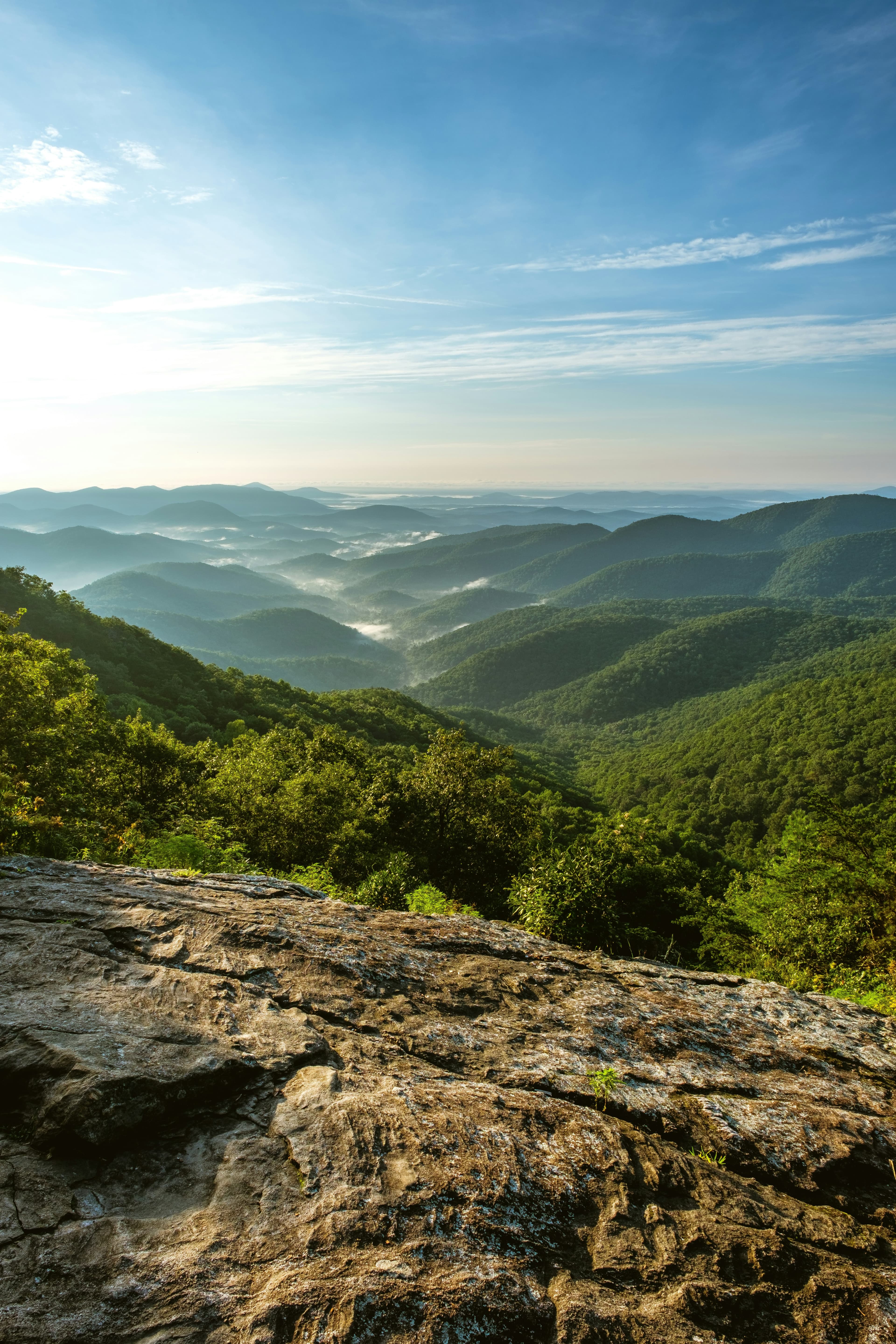
Mountain fall color peaks in late October. Humidity drops statewide by October. The coast enters its most pleasant season. Camping traffic increases in the north Georgia mountains during color season.
Dec-Feb
High 52°F · Low 40°F
Mild winters keep most campgrounds open. January averages 44 degrees statewide. Mountain areas see occasional snow but rarely enough to close campgrounds. The coast stays mild with daytime highs in the 50s and 60s.
| Season | Months | Avg High | Avg Low | Conditions |
|---|---|---|---|---|
| Spring | Mar-May | 68°F | 56°F | Dogwood and azalea blooms in the mountains and Piedmont. |
| Summer | Jun-Aug | 84°F | 72°F | Hot and humid across the Piedmont and coast. |
| Fall | Sep-Nov | 68°F | 56°F | Mountain fall color peaks in late October. |
| Winter | Dec-Feb | 52°F | 40°F | Mild winters keep most campgrounds open. |
Source: NOAA 30-Year Climate Normals

| Region | Terrain | Key Areas |
|---|---|---|
| North Georgia Mountains | Mountain | Blairsville, Hiawassee, Cleveland, Suches |
| Piedmont and Metro Atlanta | Plains | Acworth, Pine Mountain, Eatonton, Milledgeville |
| Coastal Plain and Okefenokee | Plains | Waycross, Waynesboro, Statesboro |
| Atlantic Coast and Barrier Islands | Coastal | Savannah, Jekyll Island, St. Marys, Tybee Island |
Mountain · Blairsville, Hiawassee, Cleveland, Suches
Southern Appalachian terrain with the Chattahoochee National Forest covering much of the region. Blairsville, Hiawassee, Cleveland, and Suches serve as base towns. Waterfalls, the Appalachian Trail, and trout streams define the recreation. Elevations from 1,500 to 2,800 feet keep summers cooler than the lowlands. Crossing Creeks RV Resort and Spa and Trackrock Campground and Cabins near Blairsville serve the mountain core, while Mountain View Campground in Hiawassee adds lake-adjacent camping.
Plains · Acworth, Pine Mountain, Eatonton, Milledgeville
Rolling terrain between the mountains and coastal plain. State parks like Red Top Mountain and Sweetwater Creek serve the Atlanta metro population. Lake Lanier and Allatoona Lake provide waterfront camping. More developed private campgrounds than the mountain or coastal regions. McKinney Campground near Acworth on Lake Allatoona and Pine Mountain RV Resort provide the closest developed camping to the Atlanta metro.
Plains · Waycross, Waynesboro, Statesboro
Flat pine forest and blackwater swamps in the southern interior. The Okefenokee Swamp offers canoe-access camping on elevated platforms. George L. Smith State Park and General Coffee State Park provide developed options. Summer heat and insects are significant factors. Pebble Hill RV Resort near Waycross and Made in the Shade RV Park near Waynesboro serve the interior coastal plain.
Coastal · Savannah, Jekyll Island, St. Marys, Tybee Island
Savannah anchors the cultural end of the coast. Jekyll Island has a state park campground with beach access. Cumberland Island National Seashore offers the most remote coastal camping in Georgia, accessible only by ferry. Salt marshes, live oaks, and tidal creeks define the landscape. CreekFire RV Resort near Savannah and Jekyll Island Campground provide the primary developed coastal options.

Mountain elevations above 2,500 feet begin turning in early October. Lower mountain areas and foothills peak in the third and fourth weeks of October. The Piedmont follows in early November. Timing varies by a week or two depending on rainfall and temperature patterns each year.
Cumberland Island National Seashore is accessible only by ferry from St. Marys on the mainland. The ferry runs a limited schedule and reservations are strongly recommended. The island has a developed campground near the dock and backcountry sites further in. Bring all supplies as there are no stores on the island.
The Chattahoochee National Forest in north Georgia permits dispersed camping on most forest land. No permit or fee required. Camp at least 200 feet from water and trails. State parks do not allow dispersed camping. The Oconee National Forest in central Georgia also permits it.
Mosquitoes are active statewide from April through October, worst near standing water. Coastal areas add sand gnats (no-see-ums) from March through November, most aggressive at dawn and dusk. Ticks are present in wooded and grassy areas year-round. Bring DEET or picaridin repellent and check for ticks daily.
Savannah-area camping combines coastal marsh scenery with access to the historic district. Skidaway Island State Park sits on a tidal marsh with trails through maritime forest. Fort McAllister and Tybee Island provide alternatives. Jekyll Island campground is about 90 minutes south with direct beach access.