A complete guide to camping in Colorado
Colorado offers diverse camping across high mountain ranges, desert plateaus, and forest valleys. The state contains four national parks spanning multiple ecosystems: Rocky Mountain National Park in the north, Great Sand Dunes National Park in the south-central region, Mesa Verde National Park in the southwest, and Black Canyon of the Gunnison National Park in the west-central area. Campers can access terrain ranging from alpine peaks above 14,000 feet to arid sand dunes and deep canyon systems, making Colorado a destination for varied outdoor experiences.
The state's camping infrastructure includes both national park campgrounds and numerous dispersed camping areas on public lands. Campgrounds range from developed sites with full amenities to primitive backcountry options. Colorado's elevation and geographic position create distinct regional climates, with cooler temperatures at higher altitudes and more moderate conditions in lower valleys and desert areas.
Mar-May
High 49°F · Low 37°F
Spring brings variable conditions as snow melts at higher elevations. Lower-elevation campgrounds open earlier in the season, while mountain areas may remain closed or inaccessible until late May or June. Wildflowers begin appearing in mid to late spring.
Jun-Aug
High 68°F · Low 56°F
Summer is peak camping season with most campgrounds and trails fully accessible. Higher elevations offer cooler temperatures, while lower areas can be warm and dry. Afternoon thunderstorms are common in mountain regions, particularly in July and August.
Sep-Nov
High 49°F · Low 37°F
Fall provides cooler temperatures and reduced crowding as summer visitors depart. Aspen trees turn gold in mountain valleys. Weather becomes increasingly unpredictable as the season progresses, with early snow possible at high elevations by November.
Dec-Feb
High 30°F · Low 18°F
Winter camping in Colorado requires preparation for cold temperatures and snow at most elevations. Lower-elevation desert areas and some lower-lying campgrounds remain accessible. Many mountain campgrounds close seasonally.
| Season | Months | Avg High | Avg Low | Conditions |
|---|---|---|---|---|
| Spring | Mar-May | 49°F | 37°F | Spring brings variable conditions as snow melts at higher elevations. |
| Summer | Jun-Aug | 68°F | 56°F | Summer is peak camping season with most campgrounds and trails fully accessible. |
| Fall | Sep-Nov | 49°F | 37°F | Fall provides cooler temperatures and reduced crowding as summer visitors depart. |
| Winter | Dec-Feb | 30°F | 18°F | Winter camping in Colorado requires preparation for cold temperatures and snow at most elevations. |
Source: NOAA 30-Year Climate Normals

| Region | Terrain | Key Areas |
|---|---|---|
| Northern Mountains and Front Range | Mountain | Estes Park, Boulder, Fort Collins |
| South-Central Desert and Dunes | Desert | Alamosa, Mosca |
| Southwest Mesa and Canyon Country | Desert | Mancos, Durango, Cortez |
| West-Central High Valleys and Canyons | Mountain | Montrose, Gunnison, Delta |
| Central Mountain Valleys | Mountain | Vail, Breckenridge, Aspen, Crested Butte |
| Eastern Plains and Lower Elevation Areas | Plains | Denver, Fort Morgan, Limon |
Mountain · Estes Park, Boulder, Fort Collins
This region includes Rocky Mountain National Park and surrounding areas featuring high alpine terrain, mountain lakes, and dense coniferous forests. Campgrounds range from valley locations near mountain towns to high-elevation sites with access to peaks and backcountry. The region experiences cooler temperatures and frequent afternoon storms during summer months. Yogi Bear's Jellystone Park, Spruce Lake RV Park, and Manor RV Park cluster in the Estes Park valley, while Peaceful Valley Campground near Boulder provides a quieter Roosevelt National Forest option.
Desert · Alamosa, Mosca
Great Sand Dunes National Park dominates this region with unique sand formations, grasslands, and forested foothills. The landscape transitions from high desert to montane forest at the dunes' edge. Camping here offers a distinct experience different from typical mountain camping, with warmer daytime temperatures and clearer night skies. Great Sand Dunes Oasis near Mosca and Alamosa KOA Journey provide the closest camping to the dunes and the San Luis Valley.
Desert · Mancos, Durango, Cortez
Mesa Verde National Park and surrounding areas feature high plateaus cut by deep canyons with archaeological significance. The landscape combines high desert, pinyon-juniper forests, and dramatic cliff formations. This region has moderate elevations compared to northern mountains and offers drier conditions overall. Ancient Cedars at Mesa Verde RV Park in Mancos sits closest to Mesa Verde, while Alpen Rose RV Park in Durango anchors the Animas River corridor.
Mountain · Montrose, Gunnison, Delta
Black Canyon of the Gunnison National Park and surrounding areas feature some of Colorado's most dramatic terrain with steep canyon walls and narrow gorges. The region includes mountain valleys, river corridors, and high desert plateaus. Camping ranges from canyon-rim sites with panoramic views to valley campgrounds in nearby towns. Riverbend RV Park and Cabins in Montrose and Oasis RV Resort and Cottages in Gunnison serve the Black Canyon and upper Gunnison valley.
Mountain · Vail, Breckenridge, Aspen, Crested Butte
This region encompasses high mountain valleys, alpine lakes, and forested slopes in Colorado's central ranges. Elevation varies from 8,000 to over 12,000 feet, creating cool summers and early snow. The area provides access to numerous campgrounds, both developed and dispersed, throughout the mountain valleys. Gore Creek Campground near Vail and Tiger Run Resort in Breckenridge provide mountain-town camping along the I-70 corridor.
Plains · Denver, Fort Morgan, Limon
The eastern plains region offers grassland and lower-elevation camping with warmer temperatures than mountain areas. This region receives less precipitation and experiences stronger wind. Camping here provides access to state parks, reservoirs, and less crowded alternatives to mountain destinations. Silver Spur Campground in Fort Morgan and Emerald RV Park serve the eastern plains along I-76.

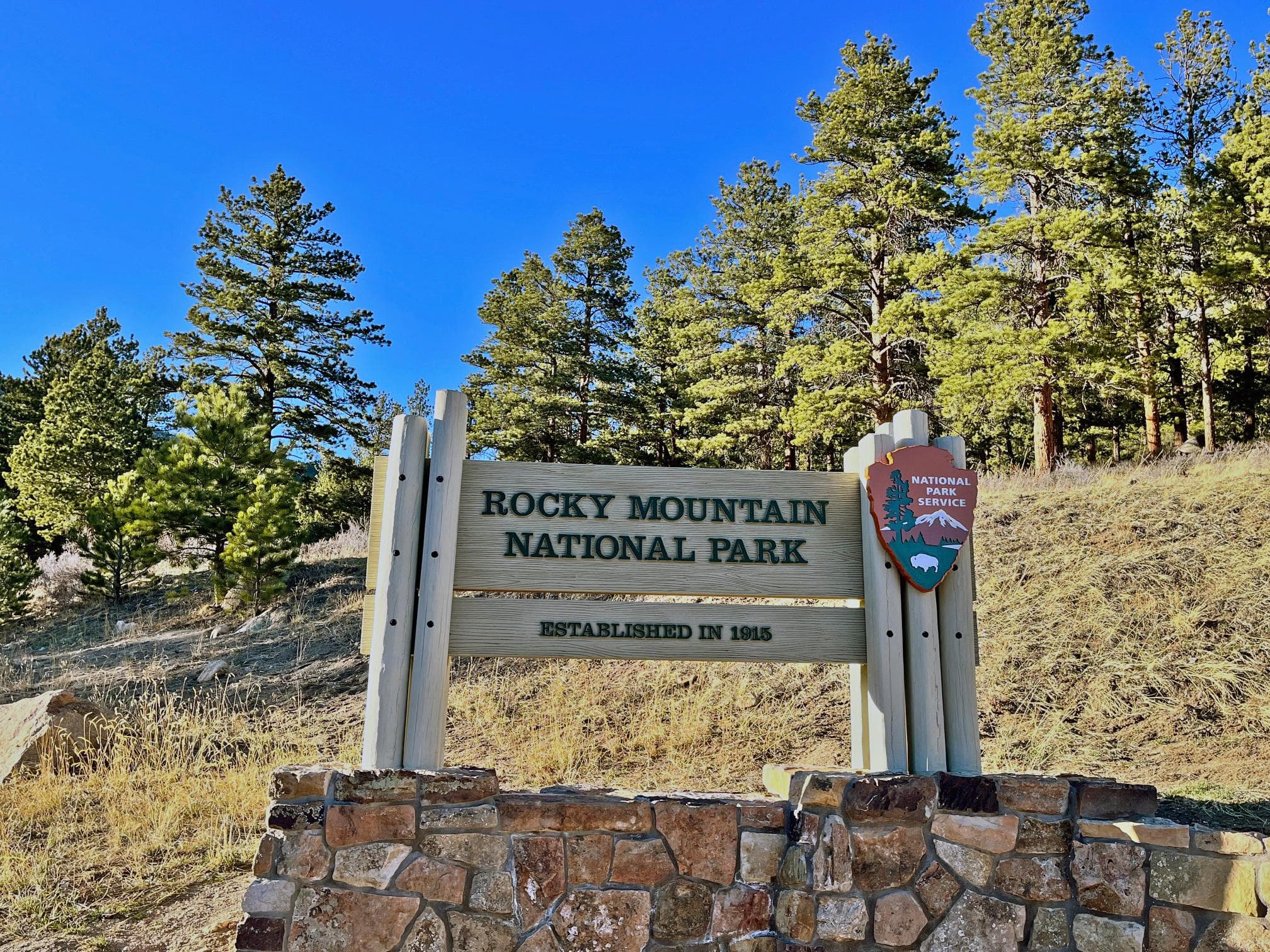
72 peaks above 12,000 feet, crossed by the highest continuous paved road in North America.
View camping guide →
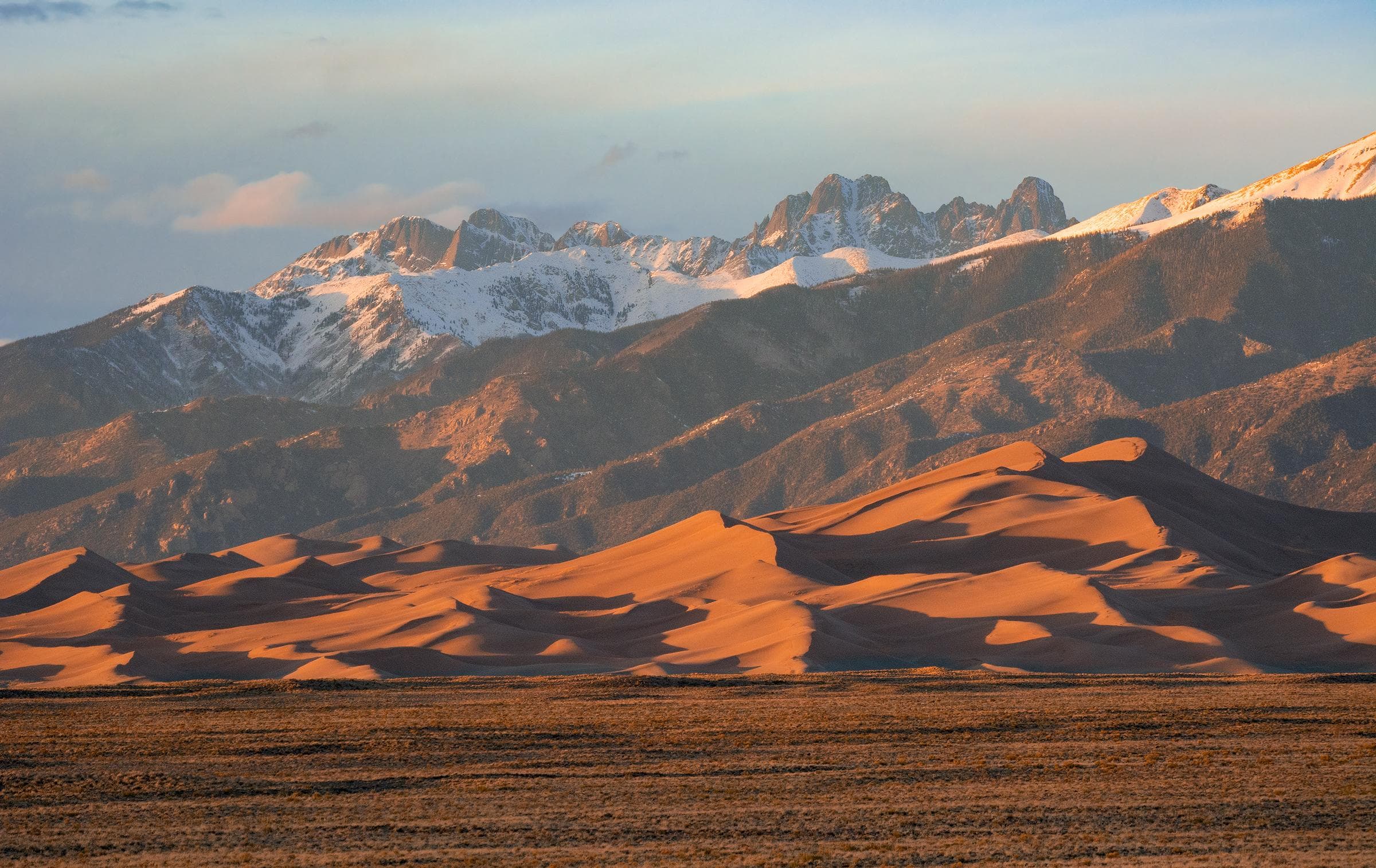
Camp at the base of North America's tallest dunes where 750-foot sand peaks meet 14,000-foot alpine summits.
View camping guide →
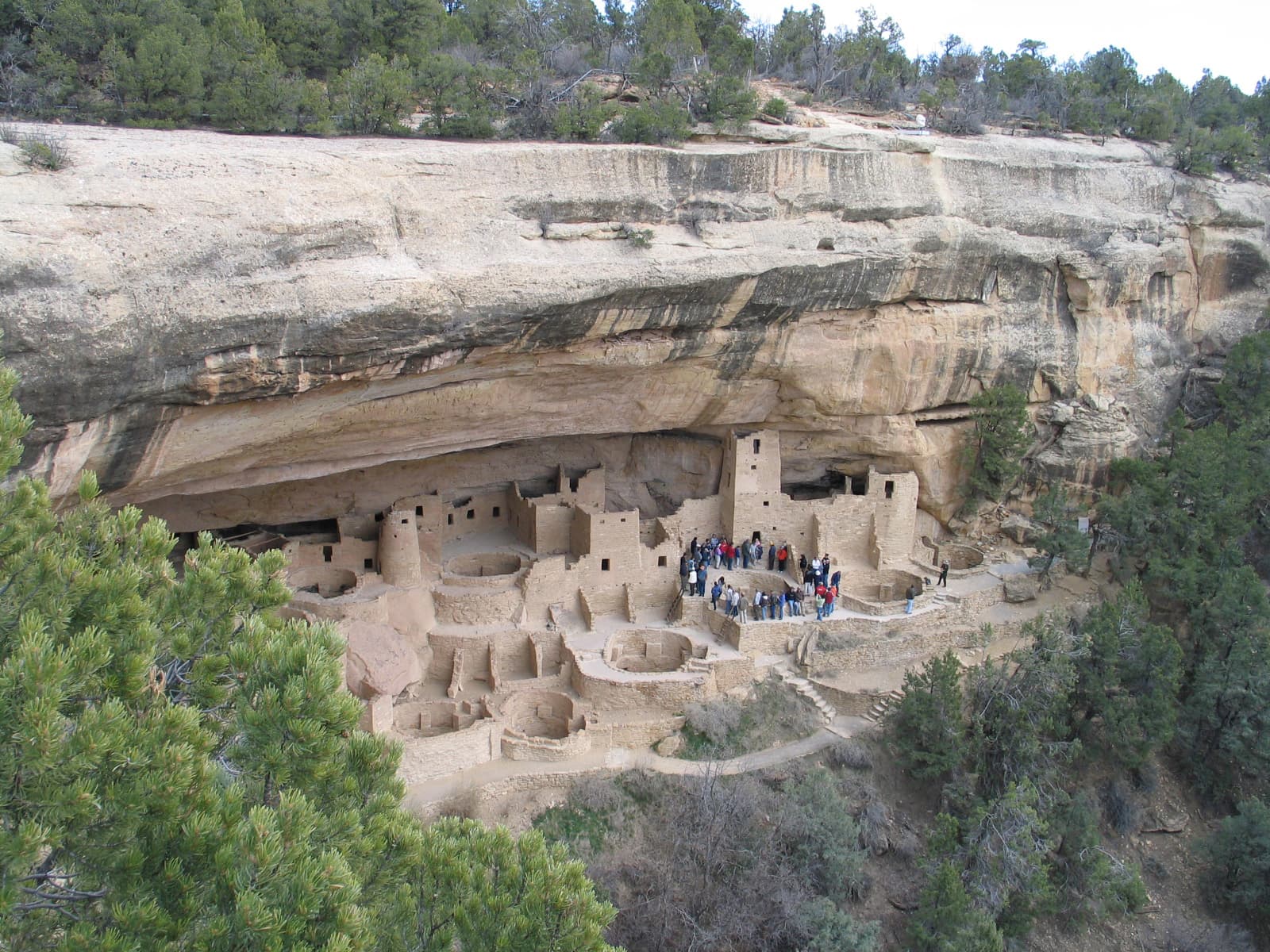
Camp at 7,800 feet among ancient Ancestral Pueblo cliff dwellings and explore 600 archaeological sites beneath canyon overhangs.
View camping guide →
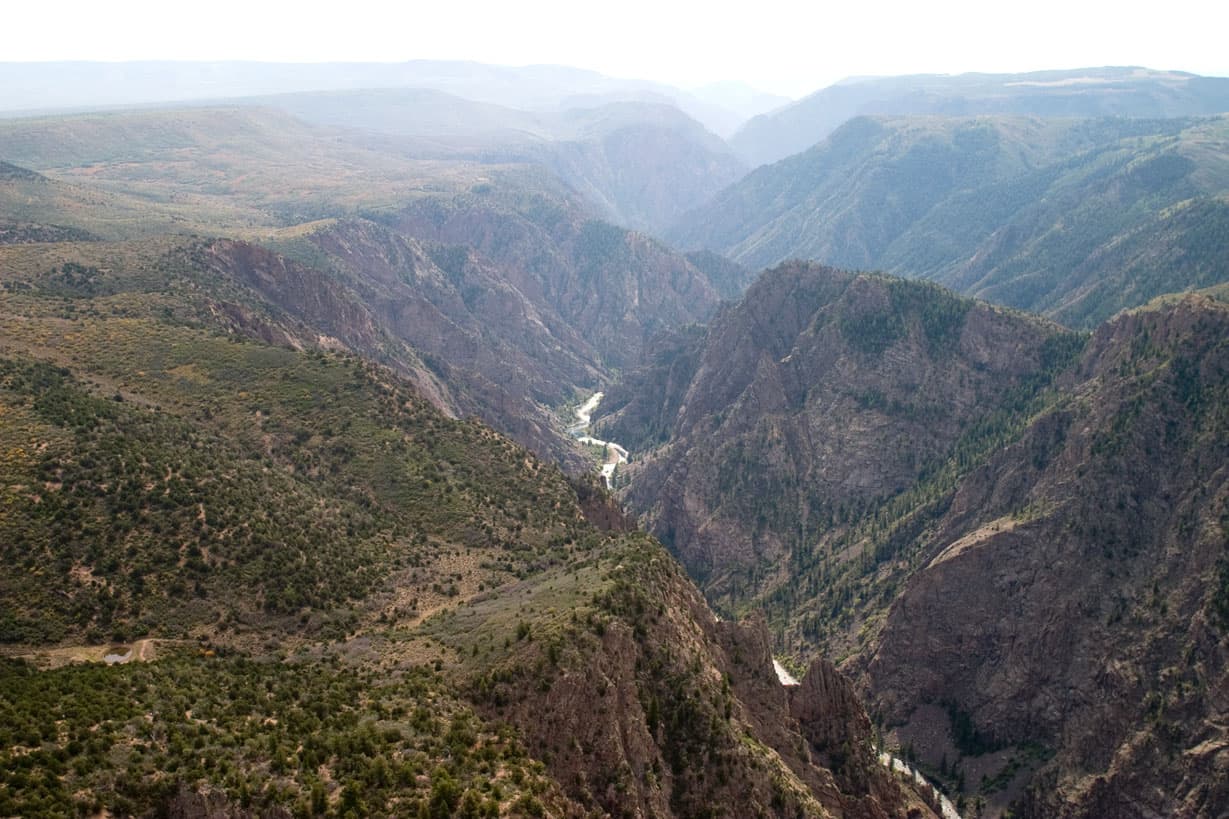
Some of the steepest cliffs and oldest exposed rock in North America, with walls plunging 2,000 feet to the Gunnison River.
View camping guide →
Summer from June through August is peak season with most campgrounds open and trails accessible. However, expect crowds and afternoon thunderstorms at high elevations. Spring and fall offer cooler temperatures and fewer visitors, though weather can be unpredictable and some mountain areas may still have snow or be closed. Winter camping is possible at lower elevations but requires cold-weather preparation.
Popular national park and developed campgrounds fill quickly during peak season. Book as early as possible, often months ahead for summer dates. For less crowded camping, consider fall and spring when cancellations increase availability. Dispersed camping on public lands does not require reservations and offers flexibility.
Colorado's campgrounds vary widely in elevation. Lower-elevation campgrounds in the eastern plains and southwest regions sit between 4,000 and 7,000 feet. Mountain valley campgrounds typically range from 8,000 to 10,000 feet. High-elevation alpine sites can exceed 11,000 feet. Higher elevations mean colder nights, thinner air, and faster-changing weather.
Developed campgrounds in national parks and most state parks require reservations but not separate permits. Dispersed camping on national forest and Bureau of Land Management lands in Colorado does not require permits in most areas, though regulations vary by location. Check specific forest service or land management office rules before camping on public lands.
Store all food, trash, and scented items in bear-proof containers or hang them securely away from camp in bear country areas. Keep a safe distance from elk herds, particularly during fall and spring. Mountain lions inhabit forested and canyon areas, so avoid hiking alone at dawn and dusk. Never approach or feed any wildlife.
Yes. Colorado offers extensive dispersed camping on national forest and Bureau of Land Management lands throughout the state. These sites are typically free or very low cost and do not require advance reservations. Many developed campgrounds also have first-come, first-served sites. Lower-elevation and less-popular areas typically have more availability than peak-season mountain destinations.
Bring warm layers and a sleeping bag rated for temperatures below 32 degrees, as high-elevation nights freeze even in July and August. Pack rain gear and a tent that handles wind, as afternoon thunderstorms are common in mountain areas. Sun protection including sunscreen and hats is essential at high elevations where UV exposure is stronger. Water is often limited at remote campsites, so bring a water filtration system or purification tablets.